
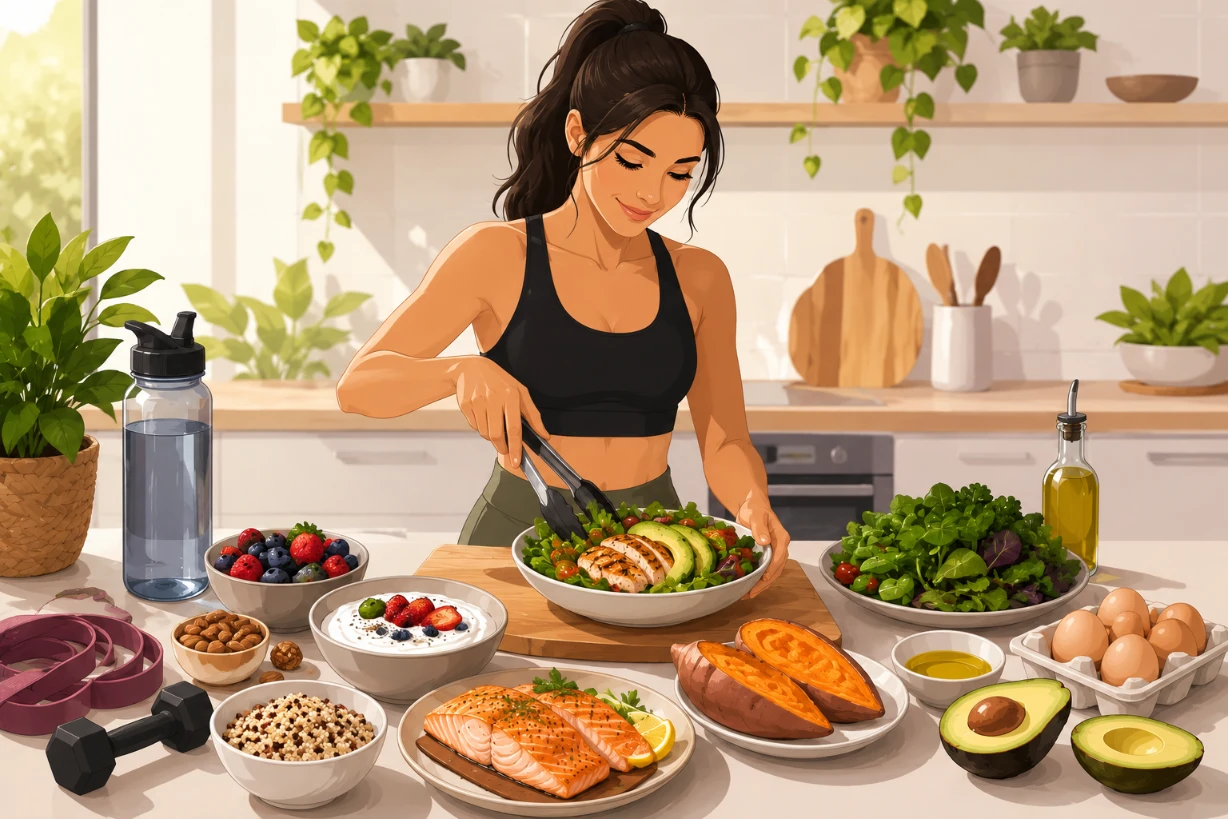

Finding a realistic diet plan for weight loss for female readers often feels confusing and overwhelming. Many women try strict plans that cut out entire food groups, or they follow trends that work for a week and then stop working. A helpful weight loss plan for women should work with real daily life, female hormones, cravings, and social life, not against them.
Why a Diet Plan For Weight Loss For Female Needs A Different Approach
Women do not lose weight exactly like men. Hormones, body fat distribution, emotional stress, and even sleep patterns can make weight loss slower or more up and down for women. When we design a diet plan for weight loss for female bodies, these factors should guide how we set calories, meals, and expectations.
Key Differences That Affect Women’s Weight Loss
Several factors make female weight loss unique and sometimes tricky:
- Hormones across the month: Estrogen and progesterone shift weekly. Many women see water retention and stronger cravings in the week before their period.
- Lower muscle mass on average: Women usually have less lean muscle then men. Since muscle burns more calories, women may burn fewer calories even with the same activity.
- Higher fat storage for fertility: Female bodies naturally protect some fat stores, specially around hips and thighs, which can slow down visible fat loss.
- Stress and emotional eating: Women often report turning to food for comfort when dealing with family, kids, work, or relationship pressures.
Based on recent data from the CDC (2023), about 42 percent of American adults live with obesity, and women in middle age see the highest rates. That reality means a diet plan for weight loss for female readers needs to be sustainable, not extreme. A plan that burns out your energy or harms your hormones will not support long term health.
How Many Calories Should Women Eat To Lose Weight
Calorie needs vary a lot between women. A 25 year old woman who walks 10,000 steps a day will need more energy then a 52 year old woman who works at a desk and moves less. Still, having a range helps you plan.
Step 1: Estimate Maintenance Calories
Maintenance calories are how much you need to stay the same weight. For many women, a rough range is:
- Sedentary (little exercise): about 1,700 to 2,000 calories per day
- Lightly active (walking, light workouts): about 1,900 to 2,200 calories per day
- Moderately active (regular workouts, on feet often): about 2,100 to 2,400 calories per day
These are only estimates, but they offer a starting point. For more precise numbers, you can use a TDEE calculator that factors age, height, weight, and activity. With clients and readers, we often start with an estimate and adjust every 2 weeks based on weight trend, not day by day.
Step 2: Create A Calorie Deficit That Feels Doable
To lose weight, you need to eat less than your body burns. A safe, realistic calorie deficit for most women is 300 to 500 calories per day below maintenance. This usually leads to about 0.5 to 1 pound of fat loss per week.
For example:
- If maintenance is about 2,000 calories, aim for 1,500 to 1,700 calories.
- If maintenance is about 1,800 calories, aim for 1,300 to 1,500 calories.
Going below 1,200 calories per day for most adult women often causes major hunger, low energy, and a drop in metabolism over time. That kind of crash approach may give short term results, but it usually leads to binge eating or weight regain.
Macronutrients In A Female Weight Loss Diet
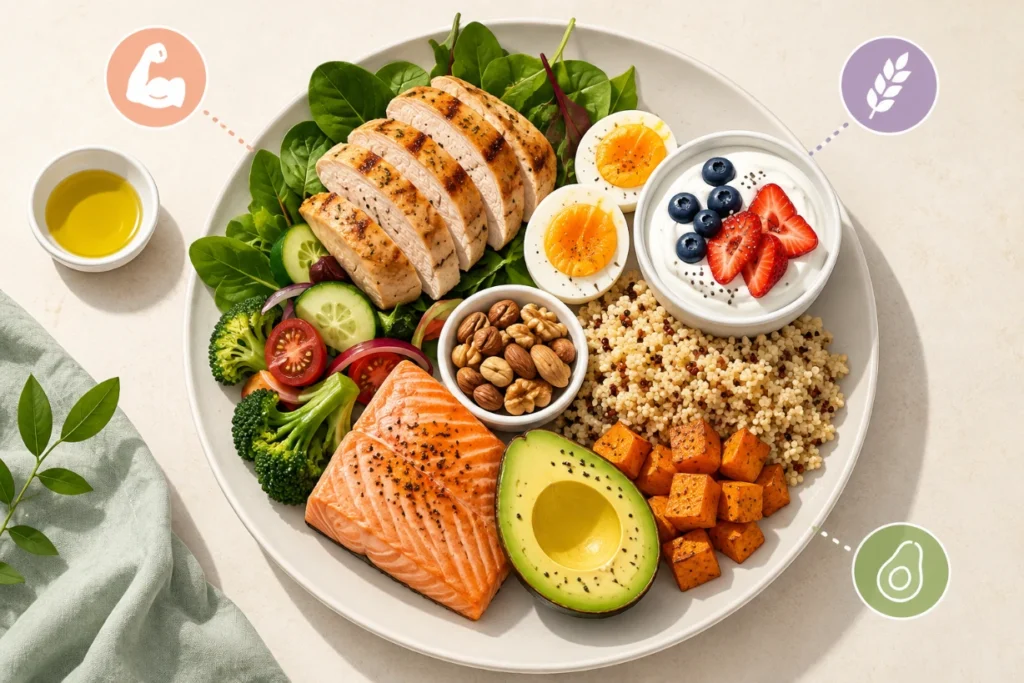
Calories decide if you lose or gain, but macros decide how you feel while you lose. A smart diet plan for weight loss for female readers uses protein, carbs, and fats in a balance that controls hunger, keeps muscle, and supports hormones.
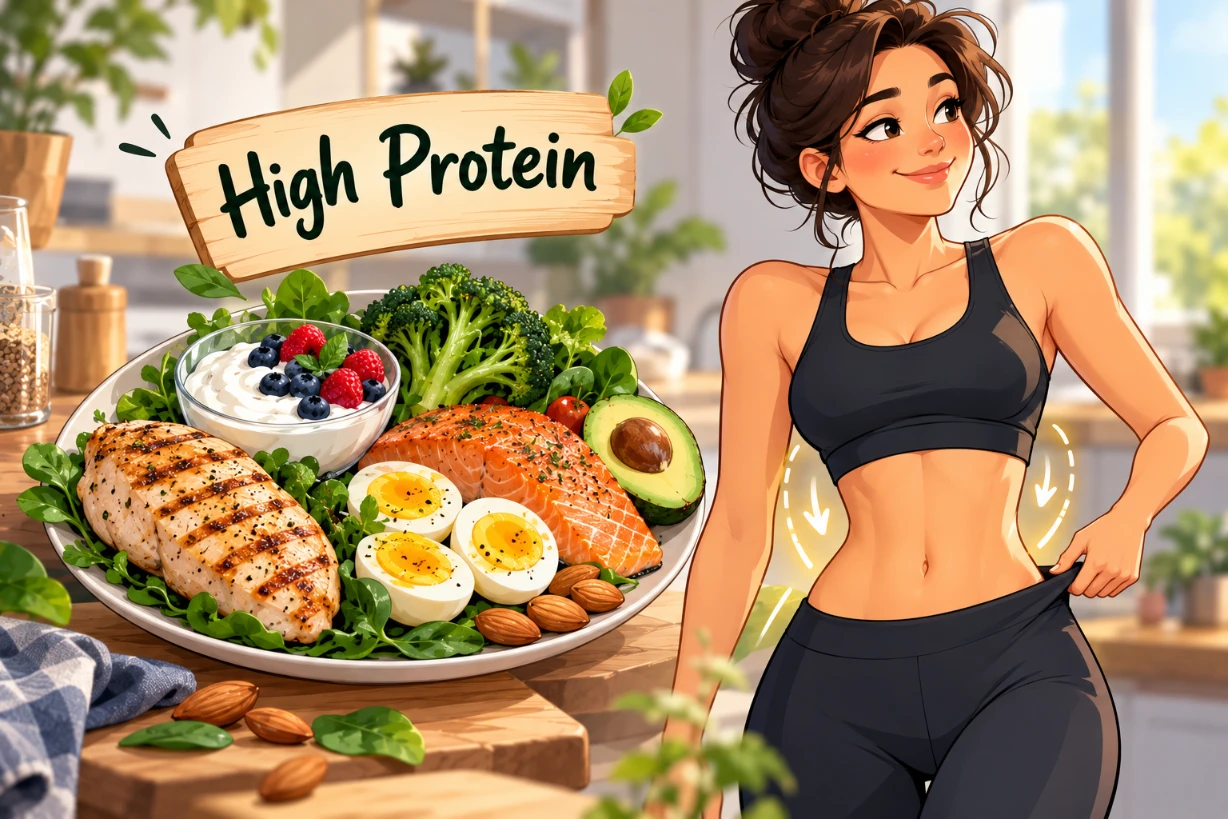
Protein: Your Best Friend For Fat Loss
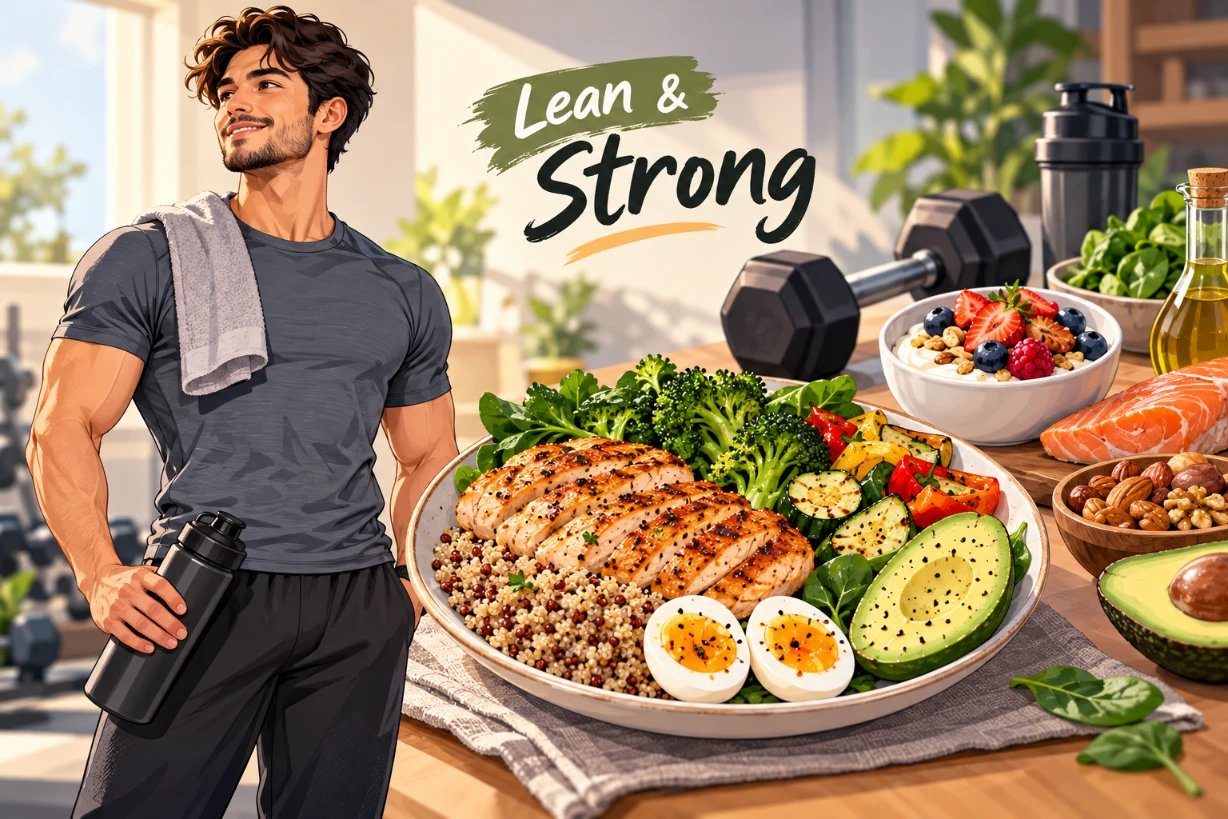
Protein does more than build muscle. It helps you feel full longer, keeps your metabolism higher, and supports recovery from exercise. Research from 2022 in the journal Obesity Reviews shows higher protein intake can help with better body composition during weight loss, specially in women who are doing strength training.
For most women who want to lose weight, a helpful range is:
- 0.7 to 1.0 grams of protein per pound of goal body weight
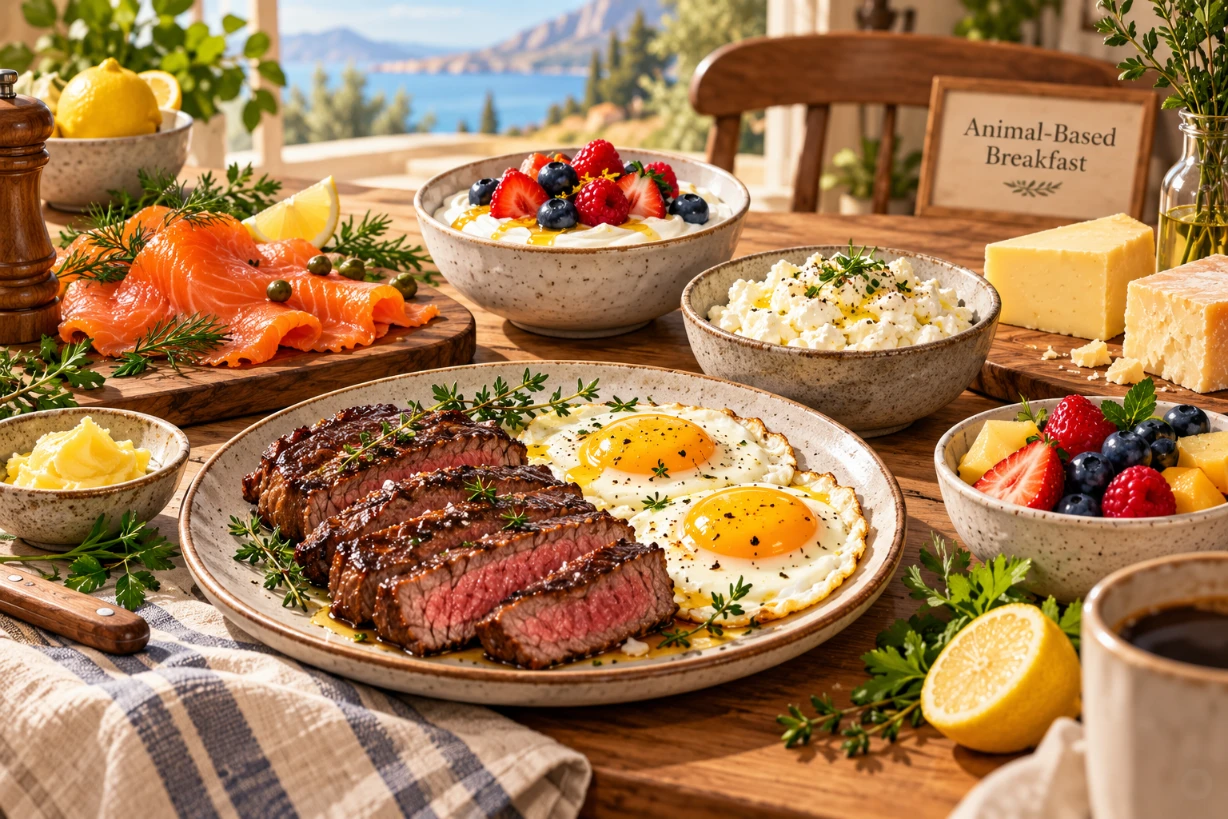
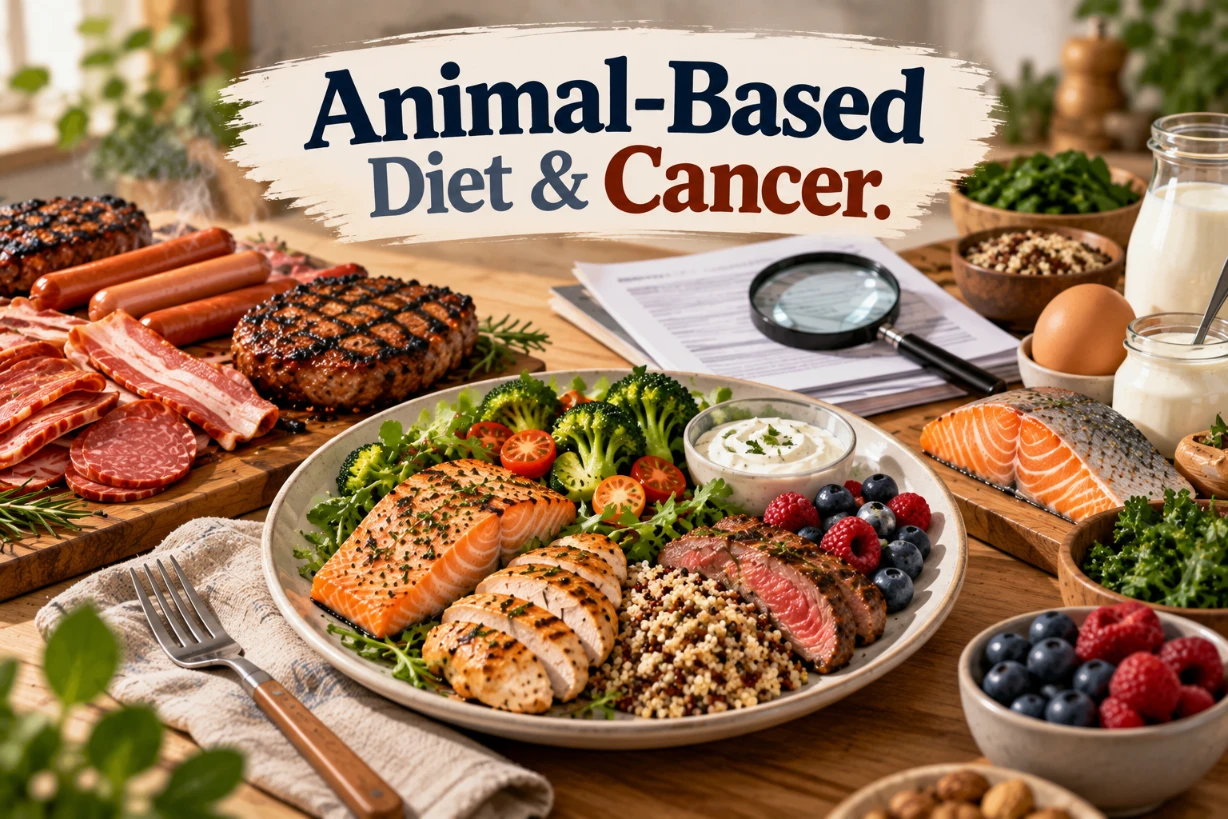
So if your target weight is 140 pounds, that is about 100 to 140 grams of protein per day. Good protein sources include chicken, turkey, eggs, Greek yogurt, cottage cheese, tofu, fish, and lean beef. Some readers also enjoy a more animal focused pattern, and we wrote more about that style of eating here: https://dietlinic.com/top-benefits-of-an-animal-based-diet/.
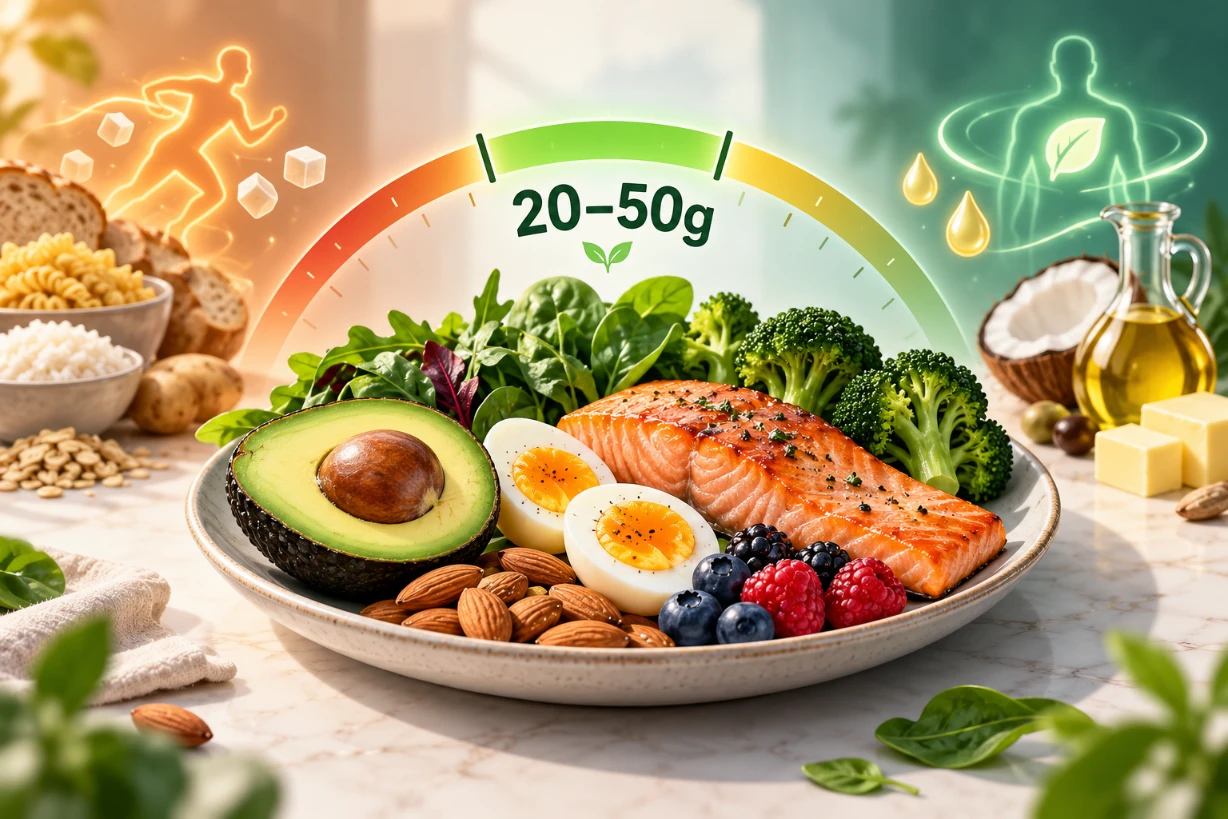
Carbohydrates: Energy, Mood, And Hormone Support
Carbs got a bad name in many diet trends, but they are not the enemy. For active women, carbs fuel workouts, support thyroid hormones, and help with mood. The key is the source and amount, not total avoidance.
A balanced weight loss plan usually works well with:
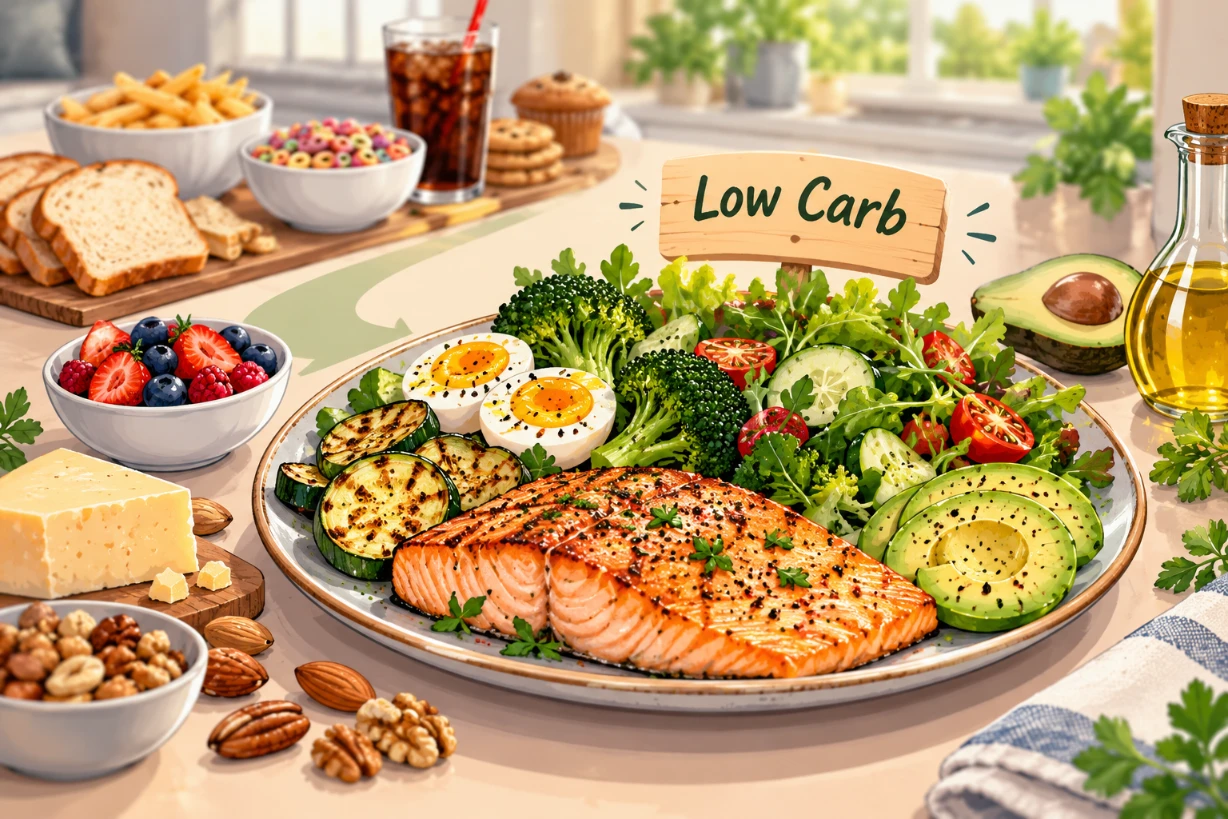
- About 35 to 45 percent of calories from carbohydrates
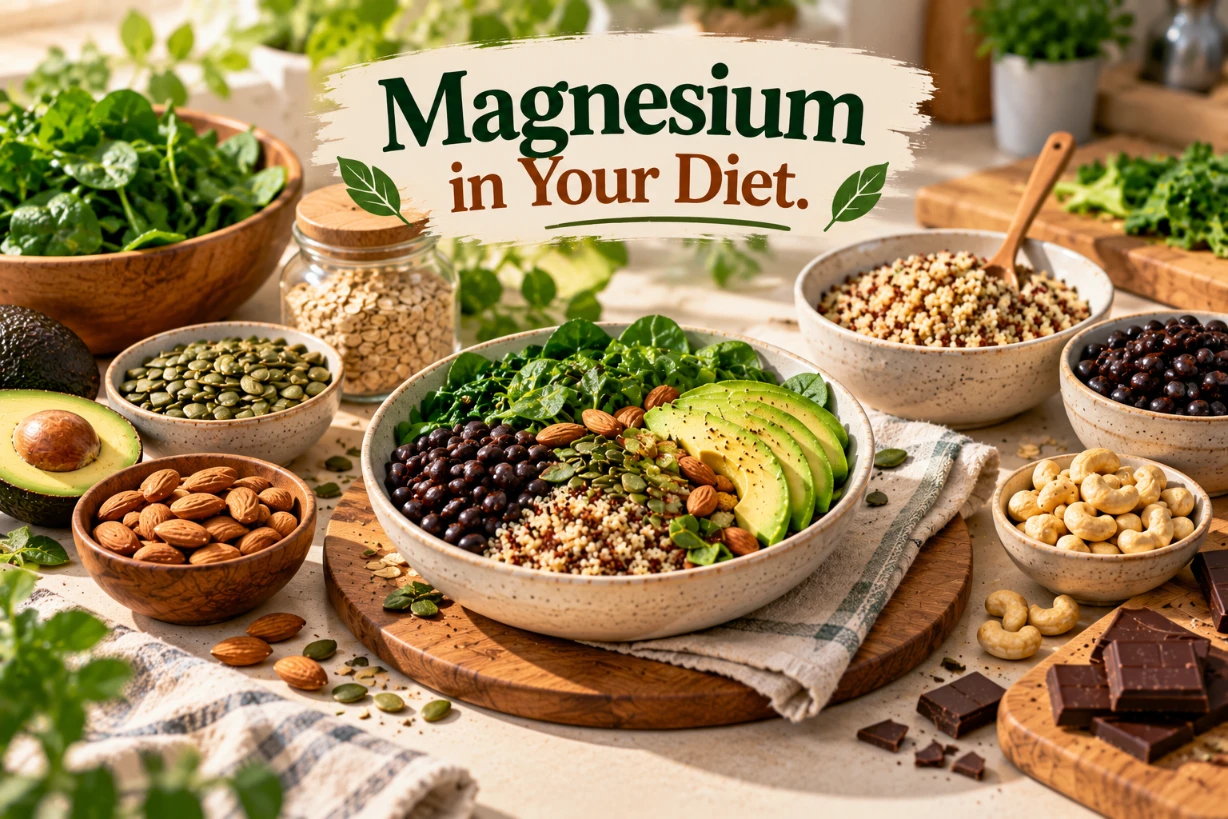
For a 1,600 calorie plan, that becomes roughly 140 to 180 grams of carbs per day. Focus on carbs that also bring fiber, vitamins, and minerals, such as oats, quinoa, beans, fruit, starchy vegetables like sweet potatoes and squash, and whole grain bread or rice.
Healthy Fats: Do Not Cut Them Too Low
Fat supports hormone production, especially estrogen and progesterone, and helps absorb vitamins A, D, E, and K. Very low fat diets can affect mood, cycle regularity, and skin health in women.
A good target for women is:
- About 25 to 35 percent of calories from fat
Healthy fats include extra virgin olive oil, avocado, nuts, seeds, fatty fish like salmon, and egg yolks. Dietary fat is calorie dense, so it is easy to overeat. Simple measuring tools like a tablespoon or a small kitchen scale help a lot with portion control.
7 Principles Of A Sustainable Diet Plan For Weight Loss For Female Readers
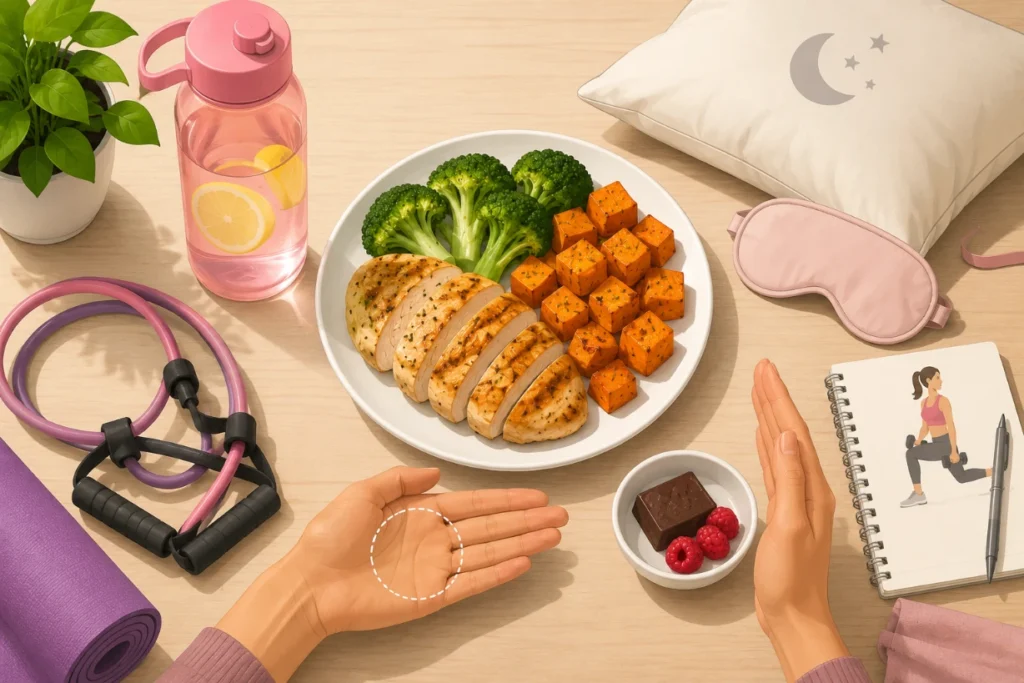
We see better results when women follow guiding principles rather then rigid rules. These seven pillars support steady, sane weight loss.
1. Build Each Meal Around Protein And Fiber
When a plate starts with protein and fiber, most cravings calm down on their own. Protein plus fiber keeps blood sugar more stable, so you avoid that crash that pushes you toward sugar or chips.
Simple example: grilled chicken, roasted broccoli, and a small sweet potato can keep you full much longer than a big bowl of cereal or a plain bagel.
2. Eat Mostly Whole, Minimally Processed Foods
Ultra processed snacks and frozen meals tend to pack a lot of calories in small portions and do not bring much satiety. That mix makes weight loss much harder.
Base your diet on foods that look close to how they grew: vegetables, fruits, whole grains, beans, lean meats, eggs, yogurt, nuts, seeds. Research from 2023 in the American Journal of Clinical Nutrition linked higher intake of ultra processed food with greater risk of weight gain and metabolic problems, especially in women.
3. Plan For Hormonal Fluctuations
Many women report higher hunger and more desire for sweets or salty foods during the late luteal phase, about 3 to 7 days before their period. Instead of feeling guilty, plan around that reality.
Some practical ideas:
- Increase protein and fiber slightly in that week to support fullness.
- Allow a controlled portion of comfort foods, for example a small chocolate bar or a serving of chips measured in a bowl, not from the bag.
- Focus on calming meals like warm soups, stews, or oatmeal to soothe cramps and mood swings.
4. Use Simple Portion Guides Instead Of Weighing Every Bite
Weighing food can help in the early weeks, but many women find it stressful long term. Hand portion guides are a easier method:
- Protein: about 1 palm size portion per meal
- Carbs: 1 cupped hand at most main meals
- Fat: 1 thumb of added fats (oil, butter, nut butter)
- Veggies: at least 1 to 2 fist sized portions per meal
Adjust up or down based on hunger, energy, and weekly weight trend.
5. Hydration And Sleep: Two Underrated Fat Loss Tools
Women sometimes forget how much water and sleep drive food choices. A 2022 study in JAMA Internal Medicine showed that people who slept less then 7 hours tended to eat more calories, mainly from late night snacks and processed foods.
Helpful targets:
- Water: at least 64 ounces per day, more if you sweat a lot or live in a hot area.
- Sleep: aim for 7 to 9 hours most nights. Even improving by 30 to 60 minutes can quiet cravings.
6. Strength Training To Protect Metabolism
A diet plan for weight loss for female readers works far better when paired with muscle building. Muscle helps shape the body and raises resting calorie burn. Women often worry lifting weights will make them bulky, but physiologicly, that is highly unlikely without very heavy lifting and high calorie intake.
Try 2 to 3 sessions per week of full body strength training using dumbbells, resistance bands, or body weight movements:
- Squats or lunges
- Pushups on knees or wall
- Rows with bands or weights
- Glute bridges or hip thrusts
Even 30 minutes per session can make a big diference in how you feel in clothes, not just what the scale shows.
7. Flexible, Not Perfect
Perfection thinking ruins more diets than chocolate ever will. The women who reach their goals fastest are usually the ones who bounce back fast after a rough day. Instead of starting over Monday after one slip, go right back to your next balanced meal.
Based on experience with readers, a consistent 80 to 90 percent on plan week after week works far better then a few days of 100 percent perfection followed by days of giving up.
Sample 7 Day Diet Plan For Weight Loss For Female Readers
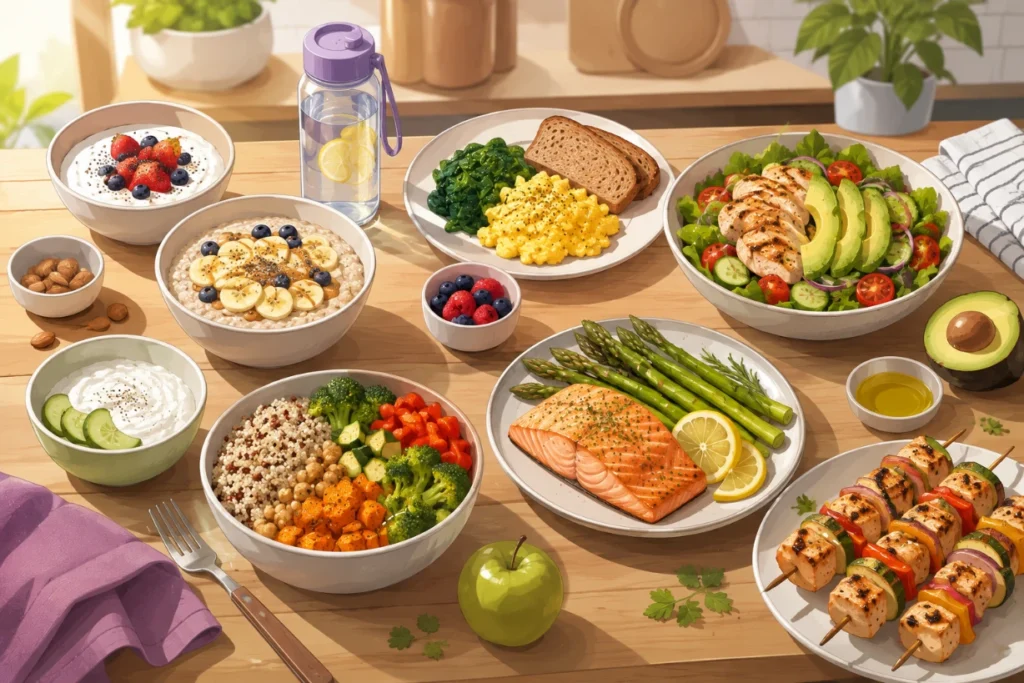
This sample plan uses about 1,500 to 1,700 calories per day for an average moderately active woman. Adjust portions up or down based on your personal needs. The meals are just examples, not strict rules.
Day 1
Breakfast: Greek yogurt (plain, nonfat) with 1/2 cup berries and 1 tablespoon chia seeds.
Snack: 1 medium apple with 1 tablespoon peanut butter.
Lunch: Grilled chicken salad with mixed greens, cherry tomatoes, cucumber, 1/4 avocado, and olive oil vinaigrette.
Snack: Carrot sticks with hummus.
Dinner: Baked salmon, 1/2 cup quinoa, steamed asparagus with lemon.
Day 2
Breakfast: Oatmeal made with unsweetened almond milk, topped with sliced banana and cinnamon.
Snack: Cottage cheese with pineapple chunks.
Lunch: Turkey and veggie stir fry over brown rice, cooked in a small amount of olive or avocado oil.
Snack: A small handful of almonds.
Dinner: Lentil soup with side salad and whole grain toast.
Day 3
Breakfast: Two scrambled eggs with spinach and tomatoes, 1 slice whole grain toast.
Snack: Protein shake with whey or plant protein, water or milk, and a small banana.
Lunch: Tuna salad made with Greek yogurt, over mixed greens with cucumbers and olives.
Snack: Sliced bell peppers with guacamole.
Dinner: Grilled shrimp tacos on corn tortillas with cabbage slaw and salsa.
Day 4
Breakfast: Smoothie with protein powder, frozen berries, handful spinach, and water or milk.
Snack: Hard boiled egg and a small clementine.
Lunch: Chickpea and vegetable curry over cauliflower rice.
Snack: Plain yogurt with crushed walnuts.
Dinner: Lean beef or turkey burger (no bun or whole grain bun) with roasted sweet potato wedges and green beans.
Day 5
Breakfast: Greek yogurt parfait with granola (measured), berries, and pumpkin seeds.
Snack: Pear with a cheese stick.
Lunch: Baked chicken breast, brown rice, and roasted Brussels sprouts.
Snack: Celery sticks with almond butter.
Dinner: Zucchini noodles with marinara sauce and turkey meatballs, side salad.
Day 6
Breakfast: Protein pancakes made with oats, egg whites, and banana, topped with a small amount of pure maple syrup.
Snack: Handful of mixed nuts.
Lunch: Quinoa salad with black beans, corn, tomato, cilantro, and lime dressing.
Snack: Sliced cucumber and cherry tomatoes with tzatziki.
Dinner: Baked cod or tilapia, mashed cauliflower, and roasted carrots.
Day 7
Breakfast: Veggie omelet with 2 eggs, mushrooms, onions, and bell peppers, side of fruit.
Snack: Smoothie with spinach, frozen mango, Greek yogurt, and water.
Lunch: Turkey lettuce wraps with shredded veggies and a small portion of brown rice on the side.
Snack: Small bowl of popcorn (air popped) with light seasoning.
Dinner: Grilled chicken kebabs with peppers and onions, side of tabbouleh or mixed grain salad.
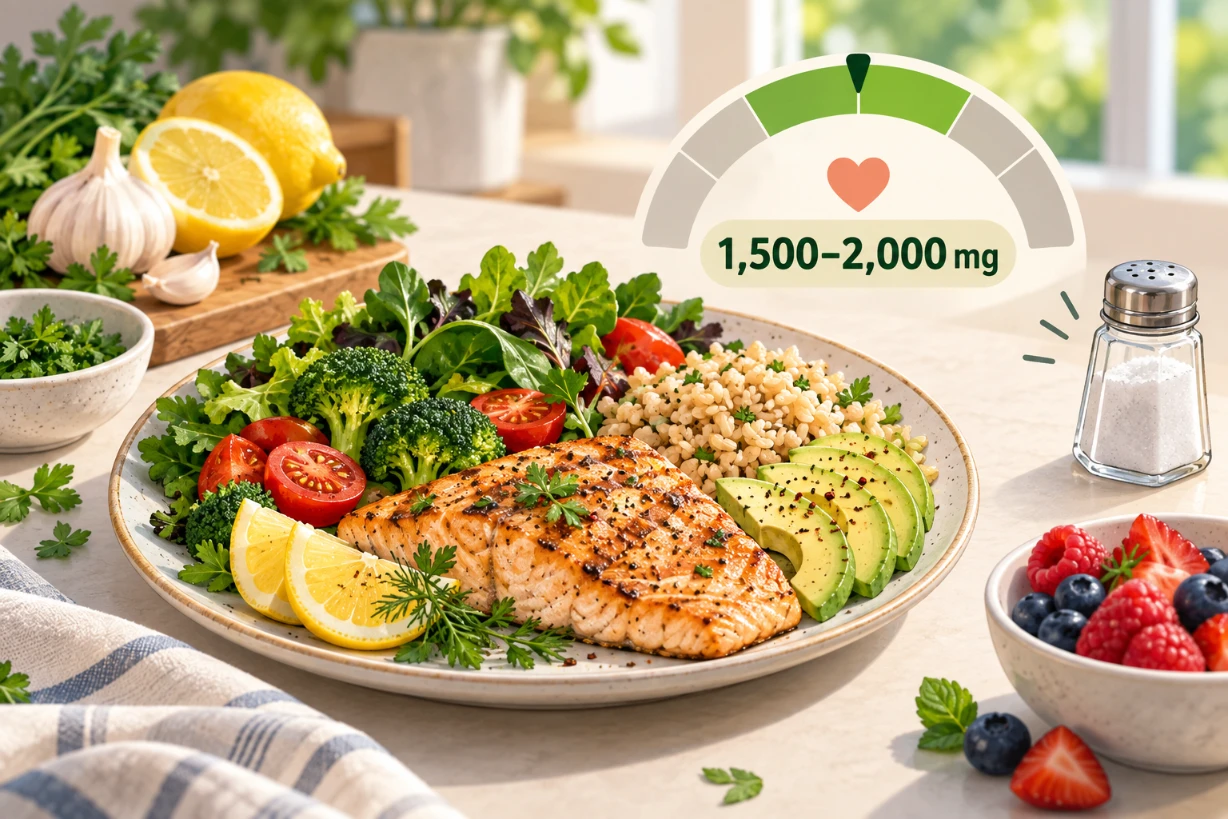
This meal pattern draws inspiration from Mediterranean style eating, which is strongly linked in research to lower weight, better heart health, and improved blood sugar control. For more detail on this style, we explored it here: https://dietlinic.com/what-foods-are-in-the-mediterranean-diet/.
Adjusting The Plan For Different Female Life Stages
A diet plan for weight loss for female readers can not be one size fits all. Age, pregnancy history, and menopause stage all shift needs. Here is how to think through those changes.
Women In Their 20s And Early 30s
Many women in this age group juggle careers, social life, maybe young kids. They often do well with:
- Moderate calories (1,600 to 2,000 depending on height and activity).
- Higher protein and carbs to fuel workouts and busy days.
- Structured meals with a bit of flexibility on weekends, instead of strict rules that clash with social events.
Muscle building in this stage pays off later, since more muscle mass protects metabolism over the decades.
Women After Pregnancy
Postpartum weight loss is very personal. For women who are breastfeeding, extreme calorie cuts can lower milk supply and harm energy. Gentle, slow loss is safer.
General guidelines:
- Focus on nourishing food quality first, then modest calorie deficit only with medical clearance.
- Prioritize hydration and iron rich foods, as many new moms are low in iron.
- Use walks and light strength moves, not aggressive HIIT, in the first months.
Emotionally, this group often battles body image and lack of time. Simple batch cooked meals like soups, sheet pan chicken and vegetables, and overnight oats can make a big difference.
Perimenopause And Menopause
Hormonal shifts in the 40s and 50s can cause more belly fat, slower metabolism, and sleep problems. Women sometimes feel like they are “doing everything right” yet nothing moves.
For this group, helpful shifts include:
- Prioritizing strength training, maybe more than cardio.
- Keeping protein higher, closer to 0.9 to 1 gram per pound of goal weight, to fight muscle loss.
- Watching alcohol and late night snacking, since both hit sleep and hot flashes.
- Focusing on stress tools like breathing practice, light yoga, or walks outdoors.
Newer research from 2022 in Menopause journal suggests that resistance training plus a protein rich diet helps menopausal women keep more lean mass and drop more body fat compared to diet alone.
Handling Cravings, Social Events, And Emotional Eating
Even the best diet plan for weight loss for female readers will face real life test: the office donuts, wine with friends, late night ice cream, or comfort food after a hard day. Learning to handle those moments matters more than chasing a “perfect” diet on paper.
Cravings: Pause, Pair, Or Portion
When a craving hits, try one of these approaches:
- Pause: Wait 10 minutes and drink a glass of water. Sometimes the craving passes or weakens.
- Pair: Combine the crave food with protein or fiber. For example, chocolate with a handful of nuts, or chips with a side of cottage cheese.
- Portion: Serve a single portion, eat it mindfully at the table, no screens, then move on.
This method respects desire without letting it run the whole show.
Social Events Without Derailing Progress
Social life is part of a healthy life. You do not need to skip every brunch or birthday to lose weight.
Some real world tactics:
- Do not arrive starving. Eat a protein rich snack before events.
- Survey all food, then pick what you truly want, not random bites of everything.
- Use the “plate rule”: half veggies, quarter protein, quarter starch when posible.
- If alcohol is involved, alternate each drink with water and set a 1 to 2 drink limit.
Based on reader experiences, women who plan for these events in advance feel less guilt and rebound faster the next day.
Emotional Eating: Food Is Comfort, But Not The Only One
Food can bring comfort, memories, and connection. That is not bad. The challenge come when eating becomes the only coping method. Building a small “comfort tool kit” makes a big diference:
- Journaling or voice memos to vent feelings.
- Texting or calling a supportive friend.
- Taking a short walk or doing gentle stretching.
- Warm tea, a bath, or quiet reading to calm down.
If emotional eating feels constant or very intense, working with a therapist or registered dietitian can help unpack deeper patterns.
Tracking Progress Beyond The Scale
Women often judge success only by the number on the scale. Hormones, bowel movements, sodium intake, and even sore muscles can add several pounds of water weight, masking fat loss.
Better indicators include:
- How clothes fit, specially waistbands and sleeves.
- Body measurements of waist, hips, and thighs once every 2 weeks.
- Progress photos under similar lighting and clothing each month.
- Energy levels, mood, and sleep quality.
- Strength gains (more reps, heavier weights, easier stairs).
Some women notice their shape change before the scale moves much. That is often muscle gain plus fat loss happening at the same time, which is a very good thing.
Bringing It All Together: A Realistic Diet Plan For Weight Loss For Female Readers
A helpful diet plan for weight loss for female bodies does not require perfection, misery, or fear of food. It grows from a few strong roots: slightly fewer calories, higher protein, mostly whole foods, strength training, decent sleep, and kind self talk. From there, you adjust portions, food style, and timing to your life stage, culture, and preferences.
Some women feel best with more animal foods, some with more plants, some with a Mediterranean pattern, some with a mix. The goal is steady progress that fits your real life, not a short sprint that leaves you drained. If you stay curious, track how you feel, and make small, steady changes, your plan will not just help you lose weight, it will help you keep that weight off while still enjoying food and life.
Leave a Reply