
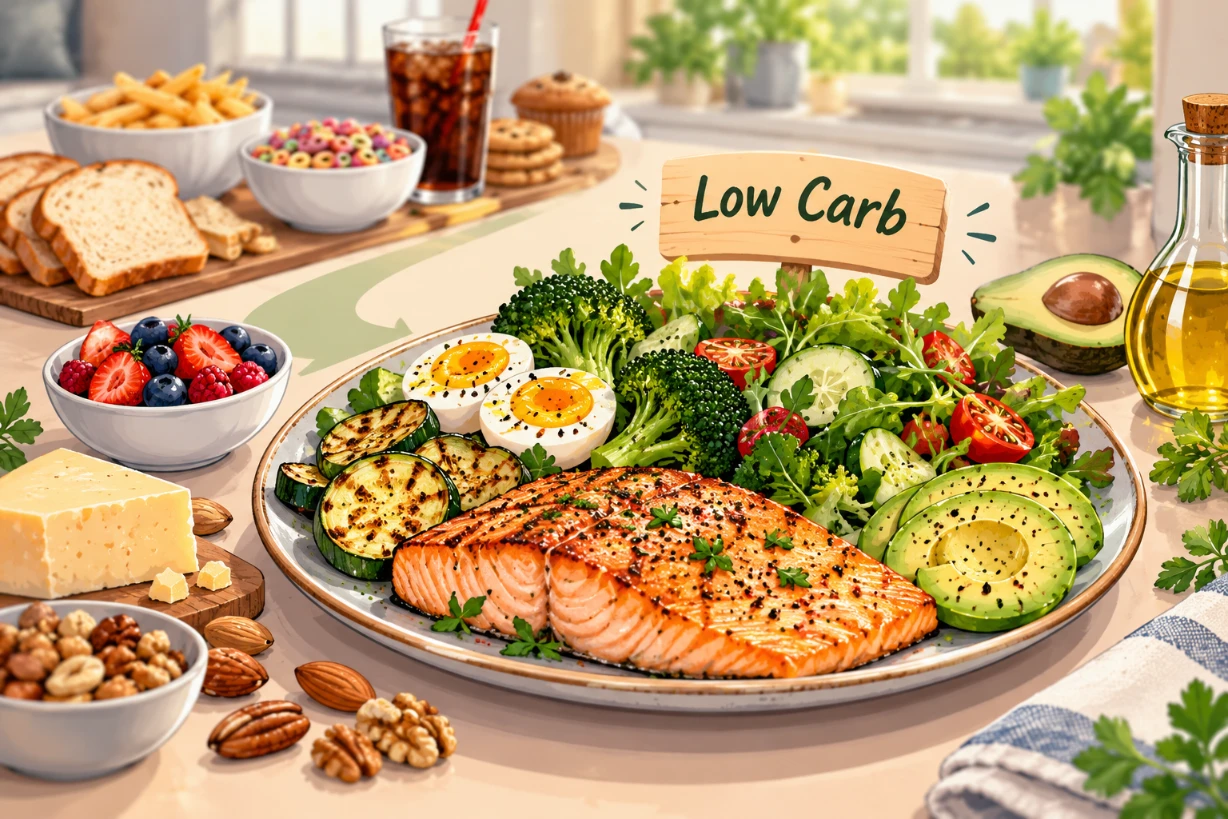

Many people start a low carb diet because they want to lose weight, control blood sugar, or just feel less bloated after meals. The first question that usually comes up is simple but very real: what should I eat on a low carb diet every day so it feels doable, not miserable?
What Should I Eat On A Low Carb Diet: Big Picture
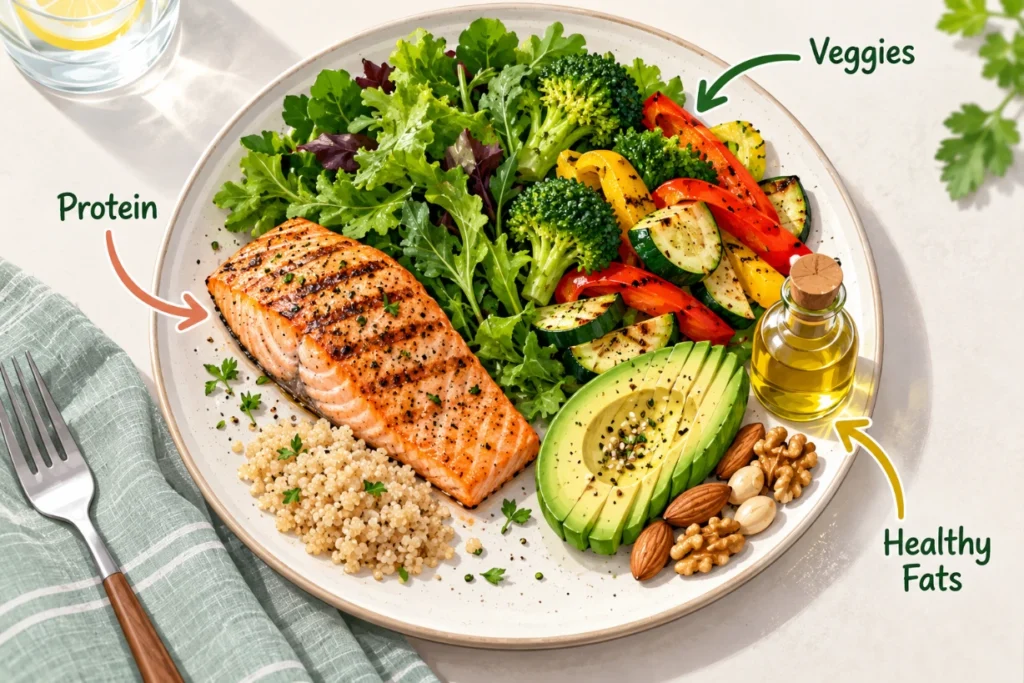
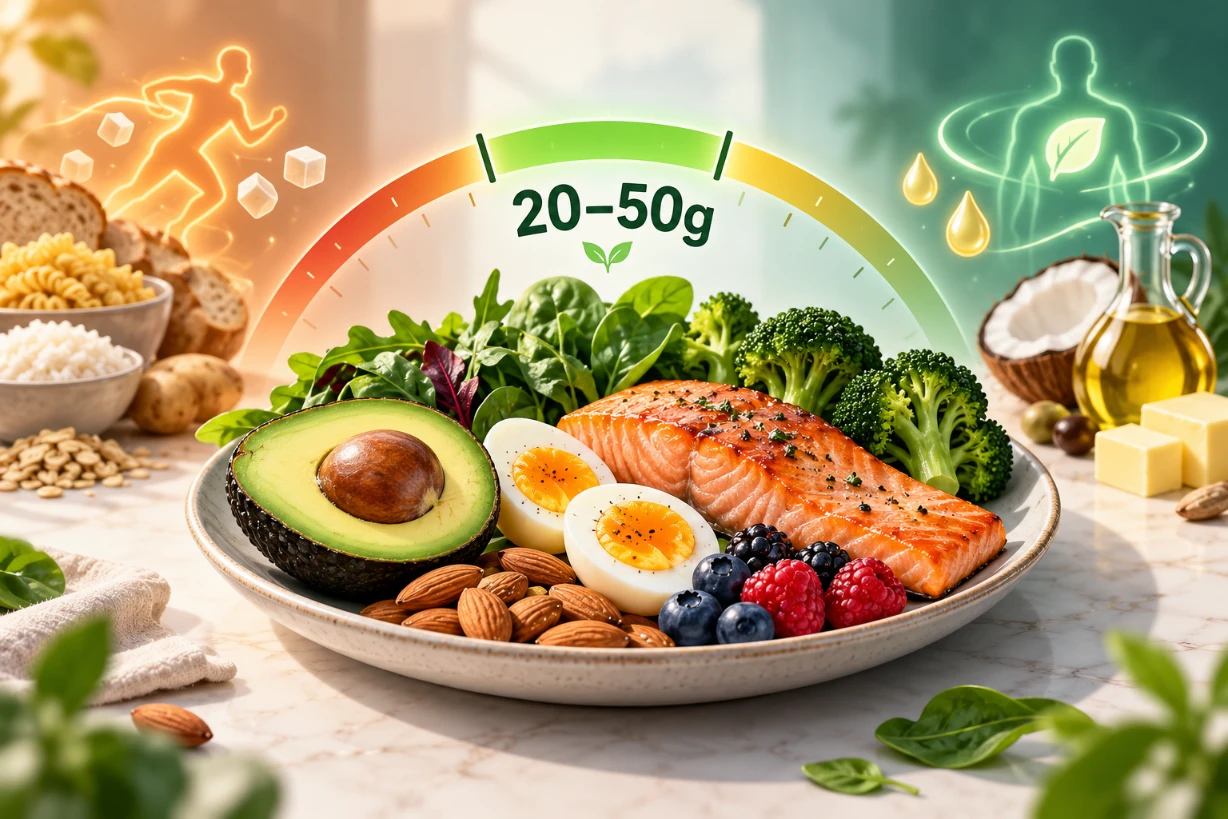
When we talk about what should i eat on a low carb diet, we are basically asking how to build meals around protein, healthy fats, and low carb vegetables while cutting back on sugar and starch. Most low carb plans keep carbs somewhere between 20 and 100 grams per day, depending on your goals and how strict you want to be.
For most adults in the United States, a low carb plate usually looks like this:
- Protein as the base (meat, poultry, eggs, seafood, tofu, tempeh)
- Non starchy vegetables filling at least half the plate
- Healthy fats for satiety (olive oil, avocado, nuts, seeds, fatty fish)
- Very small portions of starch, or sometimes none at all
Recent data from the American Diabetes Association in 2023 shows that cutting refined carbs and added sugars can improve A1C, fasting glucose, and triglycerides in many adults with prediabetes or type 2 diabetes. We also see from obesity research that higher protein and lower carb meals often lead to fewer cravings and better appetite control. So this is not just about appearance. It is about how we feel day to day and long term health markers.
How Low Is “Low Carb” Really
Before we dig into exact foods, it helps to know what “low” actually means. There is more than one version, and that can get confusing fast.
Common Low Carb Ranges
Here is a simple way to think about daily carb intake for most people:
| Carb Level | Typical Range (grams/day) | Who It May Fit |
|---|---|---|
| Very low carb / keto | 15–30 g | People targeting ketosis, strong blood sugar control, or rapid fat loss |
| Moderately low carb | 30–75 g | Most weight loss, better energy, less hunger, easier to sustain |
| Lower carb (flexible) | 75–120 g | Active people, maintenance, those easing away from high carb diets |
When you ask what should i eat on a low carb diet, the answer changes slightly based on where you fall on this range. But the core pattern stays same: cut sugar and refined starch, focus on protein, veggies, and fat that keep you full.
Best Protein Foods For A Low Carb Diet
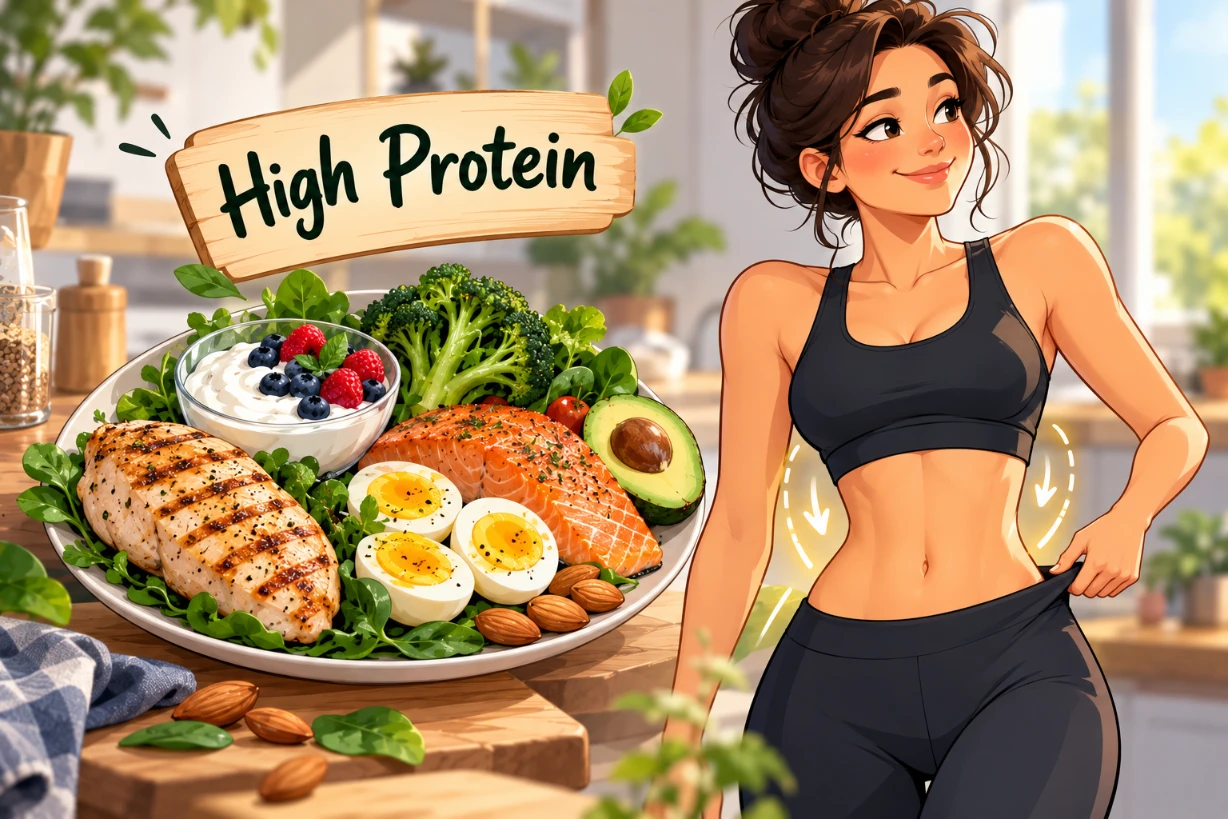
Protein is the anchor of almost every low carb meal. It keeps you satisfied, supports muscle, and helps with metabolism. In our experience, people who under eat protein often feel hungrier and slip back into old carb heavy patterns.
Animal Based Protein Options
Most unprocessed animal proteins are naturally very low in carbs or even zero carb:
- Chicken and turkey (breast, thighs, drumsticks, ground)
- Beef (steaks, roasts, ground beef 80–95 percent lean)
- Lamb and game meats like venison or bison
- Seafood (salmon, tuna, cod, sardines, shrimp, scallops, crab)
- Eggs (whole eggs, egg whites, omelets, frittatas)
- Cheese and cottage cheese (watch portion for calories and sodium)
Many readers who lean toward an animal heavy approach ask how this compares to keto. For a deeper dive into that topic, including pros and cons, we covered it here: Animal Based Diet vs Keto.
Plant Based Protein Options
Plant proteins often come with more carbs, but they can still fit a lower carb pattern, especially in the moderate range:
- Tofu and tempeh (great with stir fries and salads)
- Edamame (young soybeans, higher in protein and fiber)
- Seitan (wheat gluten, higher in protein, almost no carbs but not for gluten issues)
- Protein powders (whey, pea, rice, or blends, with no added sugar)
- Hemp hearts and chia seeds (more fat and fiber, but give some protein)
Beans and lentils are nutrient dense but higher in carbs. Many people doing a moderate low carb diet still use small portions. A half cup of cooked black beans has around 20 grams of carbs, including fiber. If you only eat them once a day and keep other carbs low, they might still fit your plan.
Vegetables You Can Enjoy Generously
Vegetables are where a lot of people feel freedom on a low carb diet. You are not stuck with only steak and eggs. Non starchy vegetables give volume, fiber, vitamins, minerals, and color to your plate without a big carb hit.
Non Starchy Vegetables (Low Carb Friendly)
These are usually 3–6 grams of net carbs per cup, sometimes even less:
- Leafy greens (spinach, romaine, mixed greens, kale, arugula, chard)
- Cruciferous veggies (broccoli, cauliflower, cabbage, Brussels sprouts)
- Cucumbers, celery, radishes
- Bell peppers, jalapenos
- Zucchini, yellow squash, spaghetti squash
- Green beans, asparagus, okra
- Mushrooms, onions (easy to overdo onions, so watch portions if very low carb)
- Tomatoes (technically fruit, but used as veg in cooking)
Roasting these vegetables in olive oil, tossing them into omelets, or using them as a base for stir fries makes it much easier to stick with your carb budget. In clinical studies, higher fiber and veg intake is linked with better gut health and lower inflammation, even among people who cut grains.
Higher Carb Vegetables To Limit Or Measure
These can still appear on a low carb diet, but portions should be smaller, specially if you aim for under 50 grams of carbs per day:
- White potatoes and sweet potatoes
- Corn and green peas
- Butternut squash and acorn squash
- Carrots and beets (fine in moderate portions)
One trick that works well for many people is to treat these foods more like a side or garnish instead of the base of the meal. So you might add a few roasted sweet potato cubes on a salad, not a giant bowl of mashed potatoes as the main feature.
Fruits On A Low Carb Diet
Fruit can fit into low carb eating, but the type and serving size matter. If you wonder what should i eat on a low carb diet and still enjoy something sweet and natural, berries are usually the best choice.
Lower Carb Fruits
These are easier to fit into most low carb ranges:
- Strawberries
- Blueberries
- Raspberries
- Blackberries
- Kiwi in small portions
- Half an apple or half a pear on higher carb days
A half cup of berries has roughly 7–10 grams of net carbs. Many people enjoy berries with Greek yogurt or cottage cheese as a dessert that does not spike blood sugar as harsh as cookies or ice cream.
Fruits To Be More Careful With
These fruits are more concentrated in sugar. If you do eat them, keep portions modest and pair with protein or fat:
- Bananas
- Grapes
- Mango, pineapple, and other tropical fruits
- Dried fruit like raisins or dates
- Fruit juice (even 100 percent juice, which is basically fruit sugar without fiber)
Many people find that cutting juice alone saves a surprising amount of carbs and calories. The taste buds reset over time, and whole fruit starts to taste far sweeter.
Healthy Fats That Support A Low Carb Lifestyle
When carbs go down, fat and protein usually come up. That does not mean we need to drown everything in butter, but it does mean we should choose fats that help us feel full and support heart health.
Best Fat Sources To Include
- Extra virgin olive oil for dressings and low to medium heat cooking
- Avocados and guacamole
- Avocado oil, ghee, or butter for higher heat pan cooking
- Nuts and seeds (almonds, walnuts, macadamia, pecans, sunflower seeds, chia)
- Nut butters with no sugar added
- Fatty fish like salmon, sardines, mackerel for omega 3
- Full fat or reduced fat dairy, depending on your calorie needs
Data from large heart studies suggest that olive oil, avocado, and nut intake are linked to lower risk of cardiovascular disease when they replace refined carbs and processed fats. On a low carb diet, we can use that to our advantage by building meals around these healthier fat choices.
Carbs To Minimize Or Avoid
When we ask what should i eat on a low carb diet, we also need the opposite list. Which foods make it hardest to stay low carb or keep blood sugar stable?
Refined And High Sugar Foods
- Regular soda, sweet tea, sports drinks, and energy drinks
- Candy, chocolate bars with added sugar, baked goods
- White bread, bagels, croissants, pastries
- Most breakfast cereals, granola bars, and bakery muffins
- Sugary coffee drinks with flavored syrups
- Ice cream, sweetened yogurt, pudding
These foods combine fast digesting carbs and often fat, making it easy to over eat. They tend to spike blood sugar and then drop it again, leading to the classic crash and craving cycle that many people are trying to escape by going low carb.
Starchy Staples To Rethink
It is not that these foods are “poison”, but they are carb dense, so they add up quickly:
- White rice and even brown rice
- Traditional pasta and noodles
- Tortillas, pitas, most wraps
- Crackers, pretzels, chips
- Most breads, even whole wheat, if portions are not limited
If you choose to use them at all, consider half servings, or save them for days you are more active. Many people find that replacing rice with cauliflower rice and swapping wheat pasta for zucchini noodles makes a huge difference without feeling constantly deprived.
Low Carb Swaps That Make Everyday Eating Easier
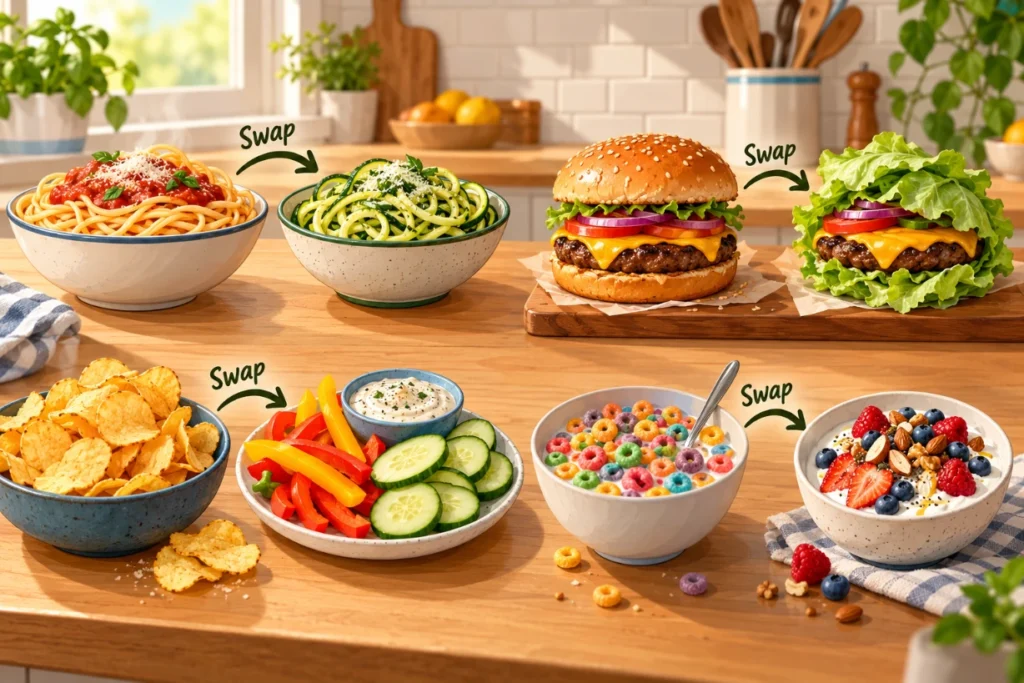
Habit change often sticks better when we swap instead of just remove. When you think through what should i eat on a low carb diet, it helps to have practical replacements ready.
Simple Swap Ideas
- Instead of breakfast cereal with milk, try Greek yogurt with berries and nuts
- Instead of white toast, use an omelet stuffed with spinach and cheese
- Instead of a burrito, order a burrito bowl with lettuce base and no rice
- Instead of pasta, try zucchini noodles or spaghetti squash under your sauce
- Instead of chips, use cucumber slices or bell pepper strips with dip
- Instead of sugary latte, go with unsweetened coffee and add heavy cream or half and half if you like it richer
In real life, these swaps are what help people stay consistent. They still eat out with friends, still enjoy family meals, but the base of the plate slowly shifts from starch and sugar to protein and vegetables.
Example Low Carb Meal Ideas For A Full Day

It can be easier to understand what should i eat on a low carb diet when we see full meal examples. Here are sample ideas that keep carbs fairly modest but still feel satisfying.
Breakfast Ideas
Option 1: Scramble 2–3 eggs in butter with spinach and mushrooms, top with shredded cheese. Add half an avocado on the side. This gives protein, fat, and fiber, with only a few grams of net carbs from veggies.
Option 2: Greek yogurt (plain, full fat or 2 percent) with a small handful of berries, a tablespoon of chia seeds, and a sprinkle of walnuts. Drizzle with a few drops of vanilla extract if you want more flavor without sugar.
Option 3: Low carb smoothie made with unsweetened almond milk, protein powder, a handful of spinach, 1/4 cup frozen berries, and a spoon of almond butter. Blend until smooth and creamy.
Lunch Ideas
Option 1: Big salad bowl with mixed greens, grilled chicken, cucumbers, tomatoes, olives, feta cheese, and olive oil plus vinegar dressing. You can add a spoon of hummus if you have room for extra carbs.
Option 2: Lettuce wrap burgers with tomato, pickles, cheese, and a side of roasted broccoli. Skip the bun and add extra veggies.
Option 3: Tuna salad (tuna, mayo or Greek yogurt, celery, pickles, mustard) served over a bed of romaine with cherry tomatoes and sliced bell peppers.
Dinner Ideas
Option 1: Baked salmon with lemon and herbs, roasted Brussels sprouts, and cauliflower mash made with butter and garlic.
Option 2: Stir fry with beef strips or tofu, broccoli, mushrooms, and bell peppers cooked in avocado oil and soy sauce or coconut aminos, served over cauliflower rice.
Option 3: Roasted chicken thighs with skin, green beans sautéed in olive oil, and a small side salad of cucumbers and tomatoes.
For readers curious how an animal heavy approach might look in practice, we also share low carb friendly meal ideas here: Animal Based Diet Meal Ideas & Recipes.
Snack Ideas (If You Need Them)
Not everyone on a low carb diet needs snacks, because protein and fat can keep hunger stable. But for busy work days or long gaps between meals, these options work fairly well:
- String cheese or cheese cubes
- Hard boiled eggs with salt and pepper
- Beef jerky or turkey sticks with no added sugar
- A small handful of nuts (about 1 oz)
- Veggie sticks with guacamole or ranch made with Greek yogurt
- Olives or pickles
How To Handle Dining Out And Social Events
Real life does not happen in a perfect kitchen. We go to restaurants, parties, tailgates, and holidays. When you still want to follow the idea of what should i eat on a low carb diet during those times, planning ahead can save a lot of stress.
Restaurant Strategies
- Look for grilled, roasted, or baked protein options (chicken, steak, fish)
- Ask to trade fries or rice for extra vegetables or salad
- Skip the bread basket, or have just one piece and count it in your carbs
- Watch sugary sauces and glazes (BBQ sauce, teriyaki, honey mustard)
- Order burgers without the bun, or choose a salad instead of a bun
- For drinks, choose water, sparkling water, unsweetened tea, or black coffee
Parties And Family Meals
Focus on protein and veggie dishes first. At a cookout, you might build your plate around burgers, hot dogs without buns, grilled chicken, salads without sugary dressings, and veggies from the platter. If dessert is important to you emotionally, consider sharing a small portion with someone instead of skipping everything and feeling resentful.
In my experience, people who allow a little flexibility for special occasions, then go right back to low carb at the next meal, have better long term success than people who try to be perfect and then give up when life gets messy.
Low Carb Diets And Weight Loss: What To Expect
Many readers are not only asking what should i eat on a low carb diet but also wondering what kind of results they might see. Research over the past few years has been pretty consistent: for many overweight adults, low carb and low fat diets can both work if calories are controlled, but low carb often brings faster appetite reduction and better blood sugar control.
A 2022 review in Nutrients found that very low carb and ketogenic diets can improve weight, triglycerides, and HDL cholesterol in people with obesity, at least in the short to medium term. Some people also report clearer thinking, more stable energy, and fewer afternoon crashes once they drop high sugar foods.
There is no magic here. Weight loss still ties to energy balance. But cutting refined carbs and focusing on protein and fiber often makes it much easier to eat less without constant hunger. That is where the real power is.
Common Mistakes On A Low Carb Diet
We also see a few patterns that tend to backfire, especially in the first few weeks.
Not Eating Enough Protein
Some people drop bread and pasta but do not increase their protein. They end up mostly eating fat and salads. That can leave you tired, hungry, and possibly losing muscle instead of fat. Aim for a solid portion of protein at each meal, about 20–35 grams for most adults.
Overdoing “Keto Treats”
Low carb cookies, bars, and candies with sugar alcohols still add calories and can trigger cravings for more sweets. They might spike blood sugar in some people, too. These can be helpful sometimes, but building every day around them usually slows progress.
Not Drinking Enough Fluids Or Getting Electrolytes
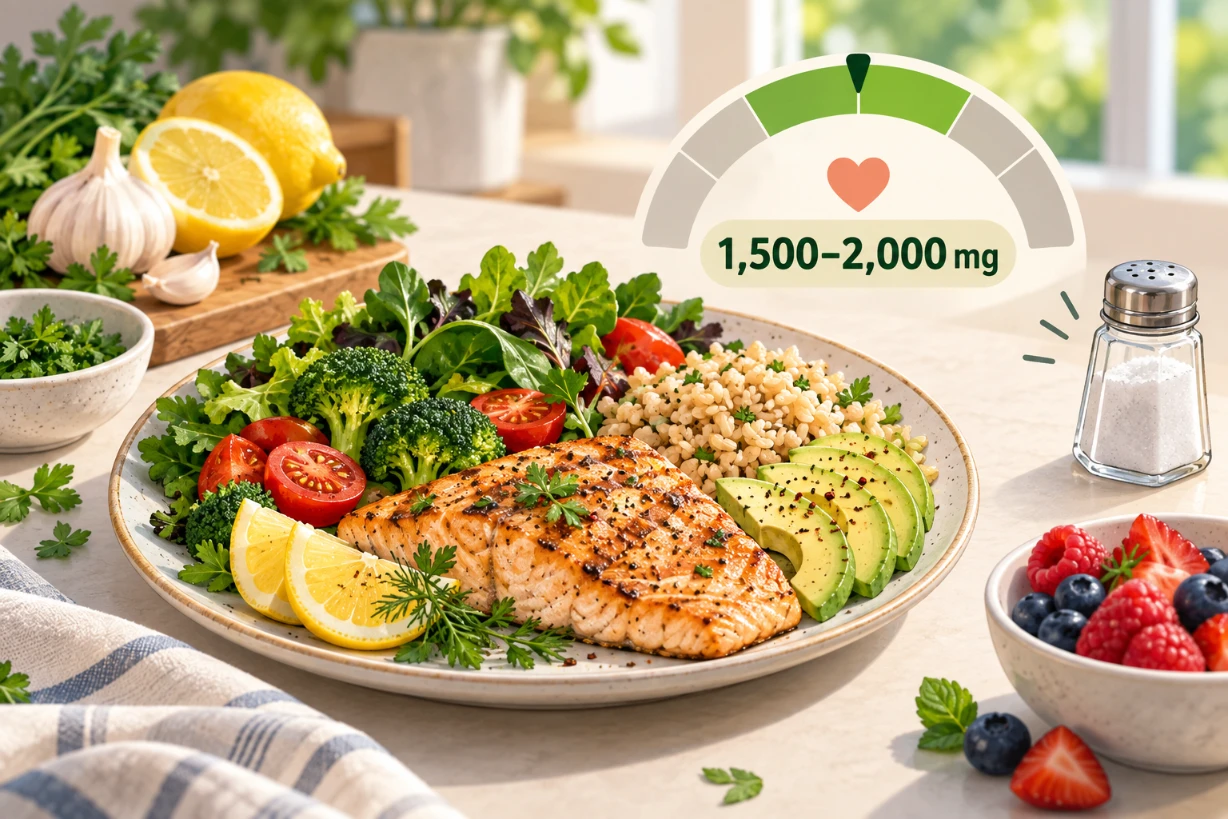
When carbs go down, the body often drops water and sodium in the first week. That can cause headaches, fatigue, and muscle cramps if you do not stay on top of hydration and electrolytes. Adding a pinch of salt to food, drinking broth, and eating potassium rich foods like avocado and leafy greens can help.
Expecting All Or Nothing
If you aim for perfect keto overnight and your lifestyle is not ready for that, it can feel like failure when you eat a piece of fruit or a small serving of rice. A more flexible low carb range, especially at the start, often leads to better adherence and mental health.
Who Might Need Extra Care With Low Carb
While many people do well with lower carbs, some situations need medical guidance. People with type 1 diabetes, those taking blood sugar or blood pressure medications, pregnant or breastfeeding women, and anyone with a history of eating disorders should work closely with a health care provider before making big diet shifts.
Medications sometimes need dose adjustments as carbs go down, especially diabetes meds that lower blood sugar. Dropping carbs without changing meds can cause low blood sugar, which can be dangerous. Always talk to a doctor or dietitian if you have chronic conditions.
Building A Sustainable Low Carb Routine
The real goal behind the question what should i eat on a low carb diet is not just what to do this week. It is how to build a pattern that still works months and years from now.
A few practical tips:
- Start with breakfast and lunch. Once those feel easy, adjust dinner.
- Prep proteins and veggies ahead on the weekend so you have easy options.
- Keep low carb staples at home: eggs, canned tuna, frozen veggies, cheese, nuts.
- Decide your carb range based on your lifestyle and adjust if you feel too restricted.
- Check labs with your doctor once or twice a year to track metabolic health.
Many people also like to pair a low carb style of eating with a structured plan for a few weeks to reset habits. For readers who are curious about a meat heavy, low carb style over a set time, we shared a 30 day example here: 30 Day Animal Based Diet Transformation Plan.
Final Thoughts: Making Low Carb Work For Your Life
When we step back, the heart of what should i eat on a low carb diet comes down to consistent, simple choices: base meals on protein, fill the plate with low carb vegetables, use healthy fats for flavor and satiety, and limit sugar and refined starch to rare moments instead of daily staples.
There is room to adapt the details to your culture, budget, and taste. Some people feel best closer to keto levels, others do better with a moderate low carb approach that still includes small servings of fruit, beans, or root vegetables. The most helpful plan is the one you can actually live with, that supports stable energy, comfortable digestion, and a relationship with food that does not feel like a constant fight.
With steady practice, low carb eating stops feeling like a diet and more like a new normal. You learn which meals keep you full for hours, which treats are really worth it, and how to enjoy social events while still caring for your long term health. That balance is where a low carb lifestyle truly becomes sustainable.

Leave a Reply