
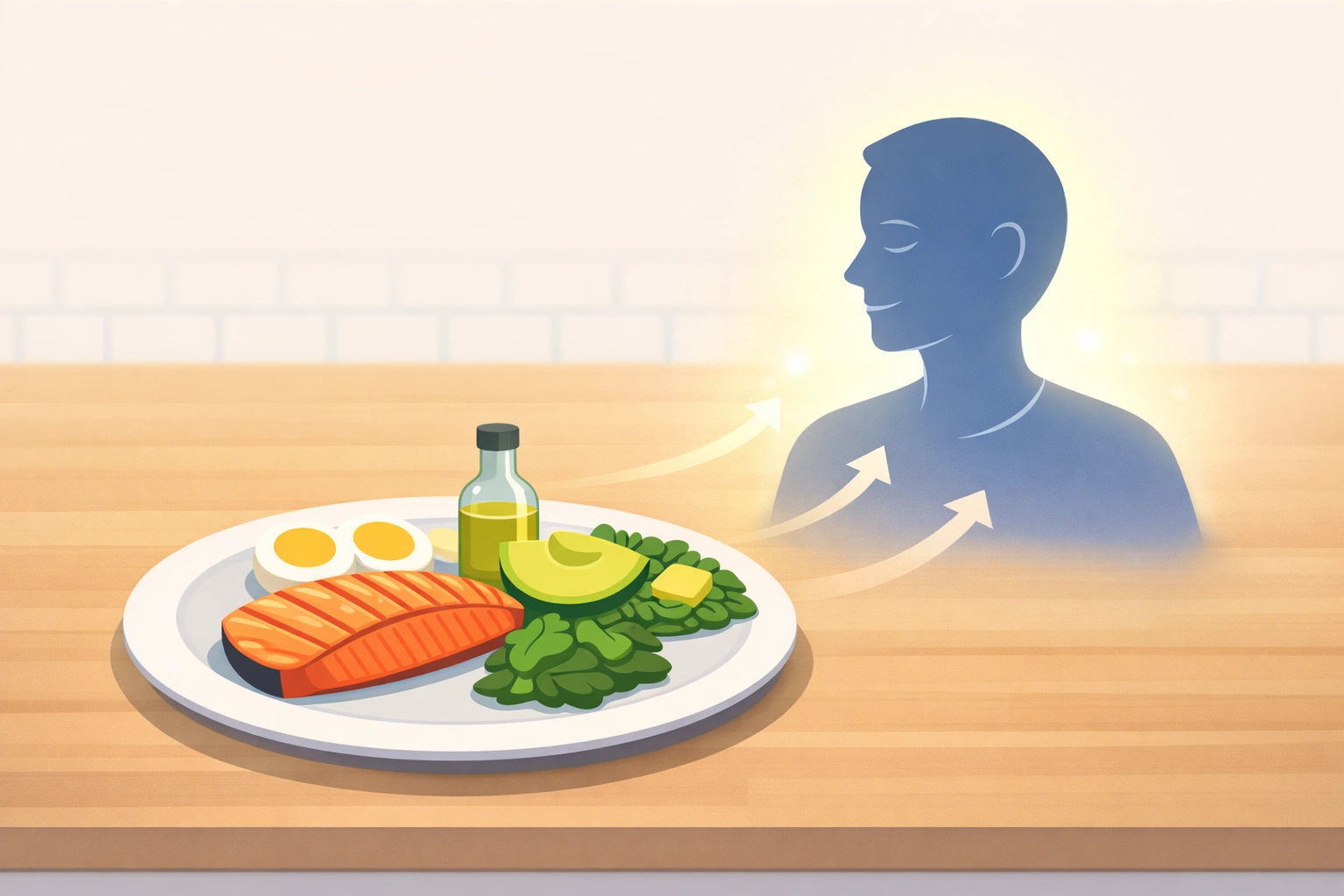

When people ask what percent of keto diet should be protein, they are usually trying to get two results at the same time: stay in ketosis and still protect their muscles, strength, and hunger control. Getting that balance right matters a lot. Too little protein and we lose lean mass. Too much protein and some of us may get kicked out of ketosis or stall fat loss.
What Percent Of Keto Diet Should Be Protein: The Short Answer
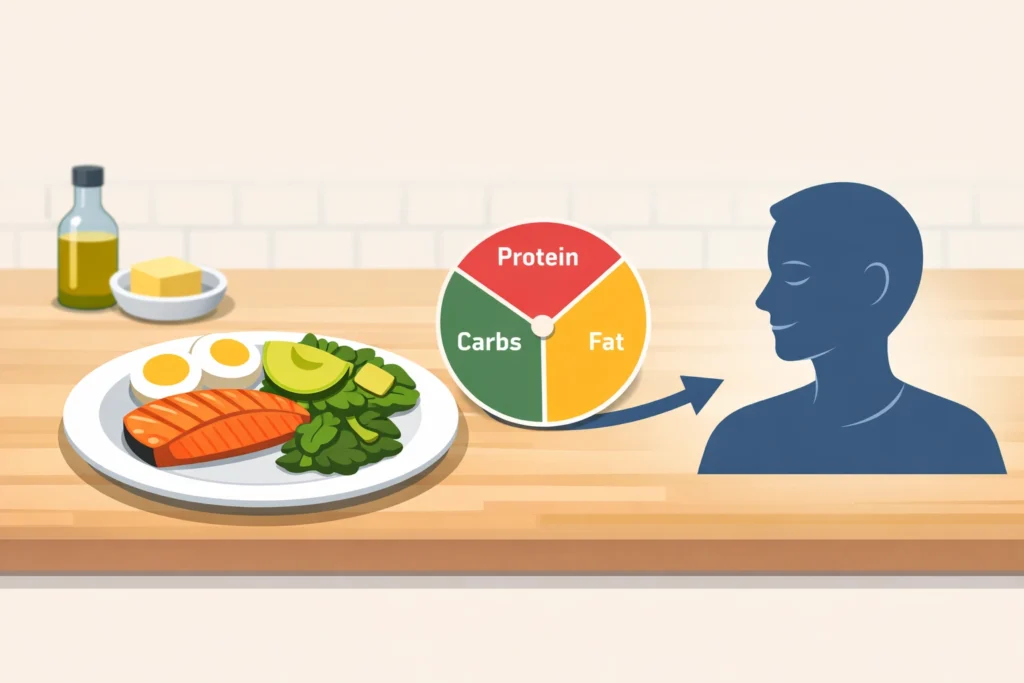
Most well designed ketogenic diets use this basic macro range:
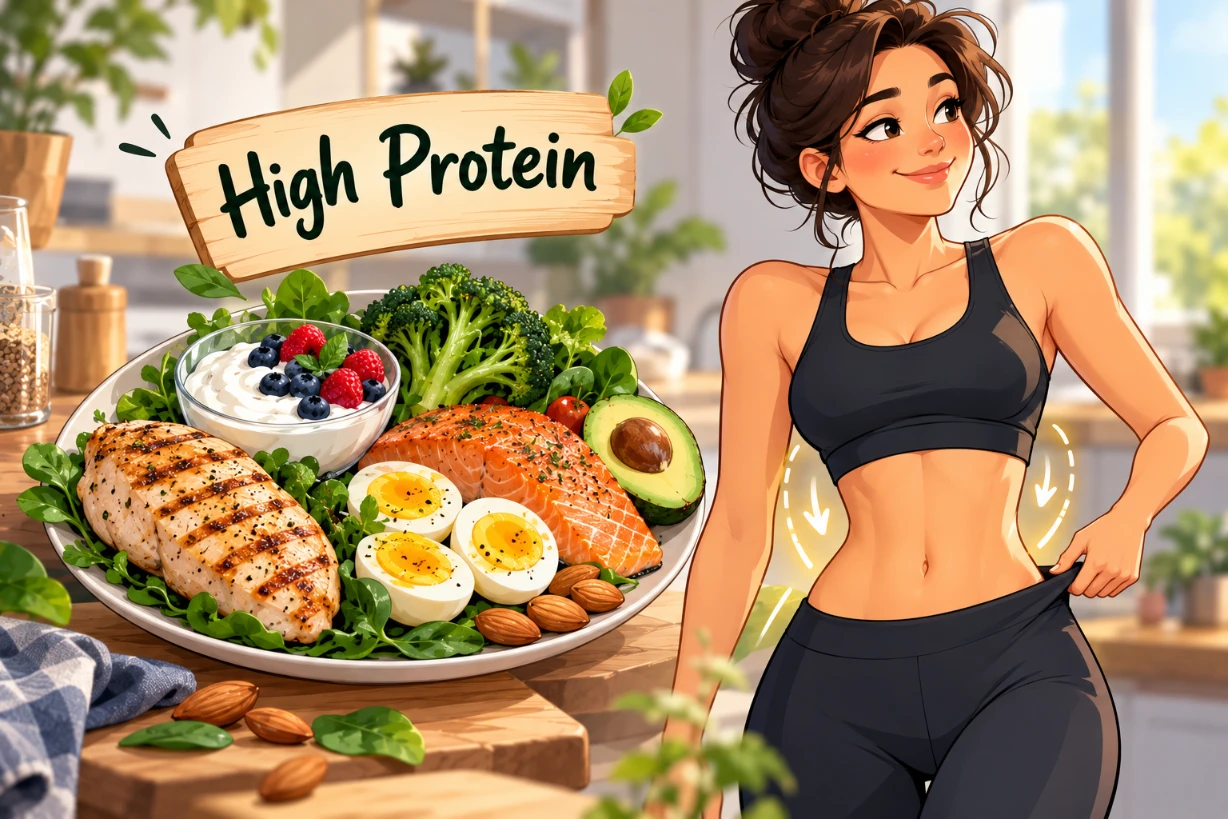
- Protein: about 20 to 25 percent of total calories
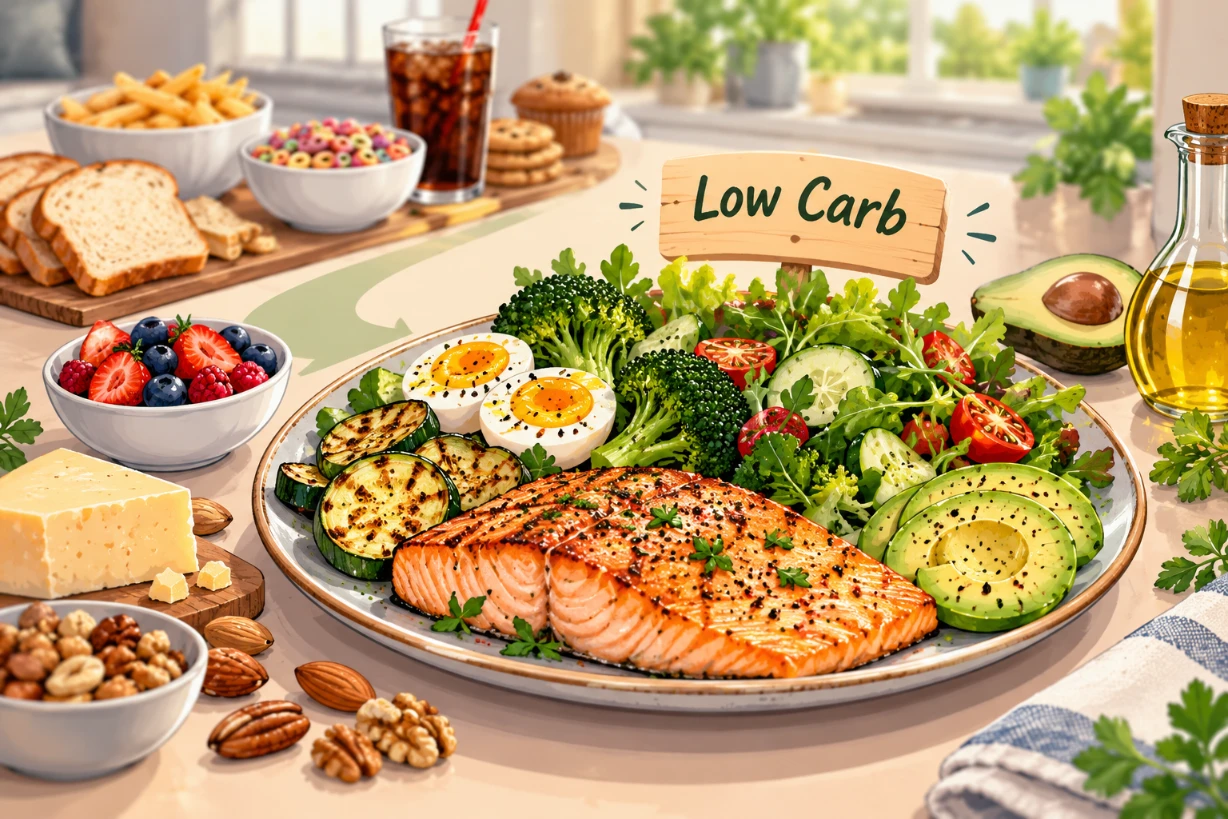
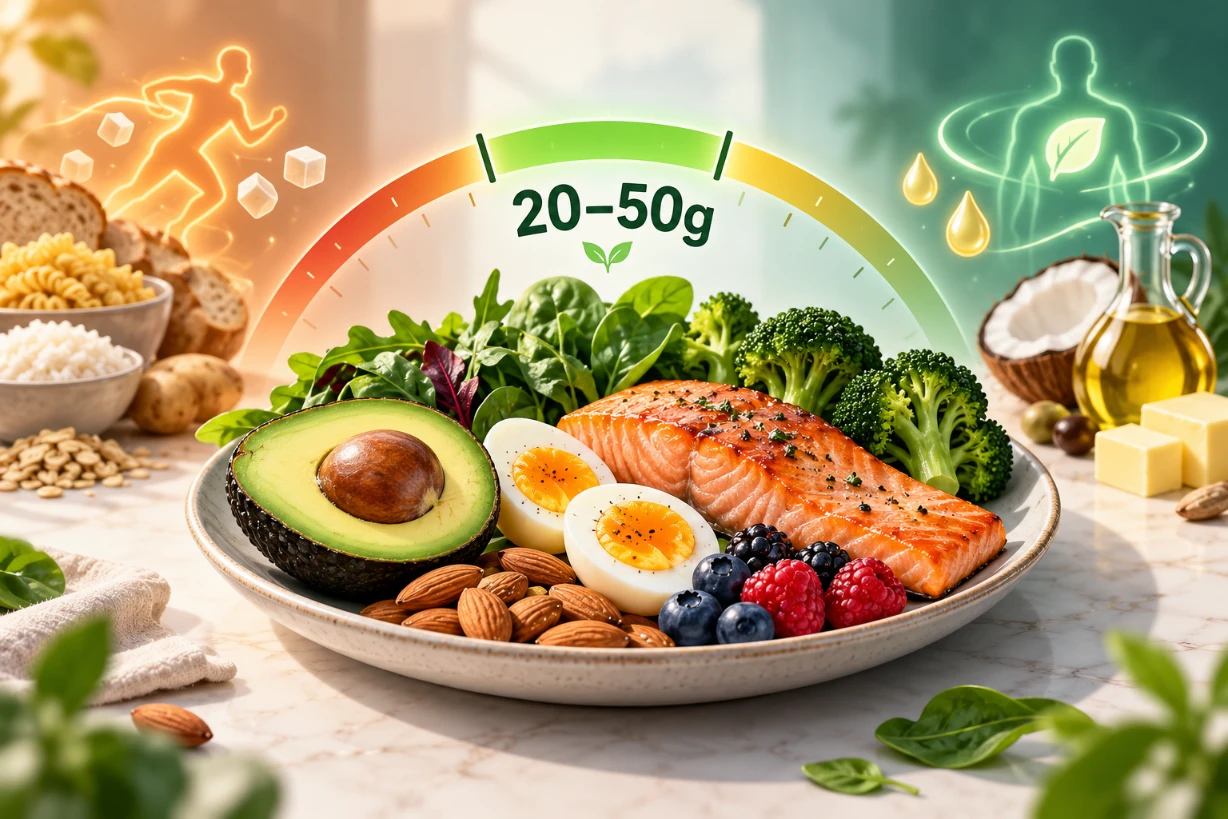
- Carbohydrates: about 5 to 10 percent of total calories (often under 20 to 50 grams per day)
- Fat: about 65 to 75 percent of total calories
So when we ask what percent of keto diet should be protein, for most adults the sweet spot is around one fifth to one quarter of total calories. That usually lands between 0.7 to 1.0 gram of protein per pound of lean body weight, or about .
That is the general picture. The real story get more personal once we look at age, muscle mass, activity level, and health goals.
How Much Protein Does The Body Actually Need On Keto
Protein is not just about building biceps. It support enzymes, hormones, immune cells, hair, nails, and every repair process in the body. When we lower carbs on keto, protein also become more important for:
- Blood sugar stability through gluconeogenesis (the body making glucose from amino acids when needed)
- Appetite control because protein triggers strong fullness signals
- Muscle protection when we are losing weight or aging
Current research over the last few years points in a similar direction. Reviews published in 2023 and 2024 on low carb and ketogenic eating suggest that intakes around 1.2 to 1.6 grams of protein per kilogram of body weight help preserve muscle while still allowing nutritional ketosis for most people. Some athletes and older adults may do better closer to 1.6 to 2.0 g/kg.
Translating Percentages Into Real Protein Targets
Percentages can feel abstract. Let us turn the question what percent of keto diet should be protein into real food numbers.
Step 1: Estimate daily calorie needs
Most adults on a fat loss focused keto plan land somewhere between 1400 and 2200 calories per day, depending on size, sex, and activity. This does not need to be perfect, we just want a ballpark.
Step 2: Apply the protein percentage
If we pick 20 to 25 percent of calories from protein, we can calculate grams like this:
| Daily Calories | 20% Protein (grams) | 25% Protein (grams) |
|---|---|---|
| 1400 kcal | 70 g protein | 88 g protein |
| 1600 kcal | 80 g protein | 100 g protein |
| 1800 kcal | 90 g protein | 113 g protein |
| 2000 kcal | 100 g protein | 125 g protein |
| 2200 kcal | 110 g protein | 138 g protein |
We get these numbers by remembering that 1 gram of protein has 4 calories. So for a 1600 calorie day, 20 percent of calories from protein is 320 calories, which divided by 4 gives 80 grams.
Why Not Just Eat Very High Protein On Keto
Many people wonder why we do not simply raise protein to 30 or 40 percent of calories and keep carbs very low. On paper that sounds like strong weight loss tool. In reality, going far above 25 to 30 percent protein on a ketogenic diet can create a few issues for some people.
1. Protein can lower ketone levels
When protein intake is very high, the liver can convert more amino acids into glucose. That process, called gluconeogenesis, is helpful in moderate amounts, but if it goes too far, blood ketone levels may drop. Some people still loose fat even with lower ketones, but others notice more cravings, less mental clarity, or stalled scale changes.
2. Less fat coming from the plate or stored body fat
Ketosis is not just about low carbs. It is about using fat as the main fuel. If we fill too much of the diet with protein calories, there is less room for fat calories. The body then might lean more on protein and less on fat, which can defeat some of the main benefits people seek from keto, like steady energy from fat burning.
3. Digestive comfort
Very high protein intakes, especially from lean meats and powders, can cause bloating, constipation, or general stomach discomfort in some of us. Keto already change digestion because of the high fat content, so we want protein amounts that feel sustainable, not punishing.
Signs You Are Eating Too Little Protein On Keto
While overeating protein can sometimes nudge us out of ketosis, under eating it might be the bigger problem, especially for women and older adults. Here are common signs that protein percent of your keto diet may be to low:
- Persistent hunger shortly after meals, even when fat is high
- Noticeable loss of strength in the gym or at work
- Hair shedding more than usual over several weeks
- Thinner looking arms, thighs, or glutes while belly fat stick around
- Slow recovery after workouts or daily physical tasks
In weight loss phases, the body is already under a bit of stress. If protein is also to low, we may lose muscle along with fat. That can lower resting metabolism, which means weight loss becomes harder and regaining weight later become easier.
Adjusting Protein Percent For Different Goals
Now let us look at how what percent of keto diet should be protein might shift based on your main priority.
1. Keto for fat loss
If your goal is steady fat loss without feeling starved, a slightly higher protein approach often works best. For most adults:
- Protein: 25 percent of calories (or about 1.0 gram per pound of lean mass)
- Carbs: 5 to 10 percent of calories
- Fat: the rest, usually 65 to 70 percent
That protein helps control appetite and protect muscle so the weight you lose is more likely to be fat mass. People who start keto after years of yo yo dieting often notice they feel more satisfied when they bring protein up into this range.
2. Keto for blood sugar control or metabolic health
For type 2 diabetes, prediabetes, or metabolic syndrome, the key driver is keeping carbohydrates low and consistent. Protein usually sits near:
- Protein: 20 to 25 percent of calories
- Carbs: as low as needed to keep fasting and post meal glucose in goal range
- Fat: remaining calories from mostly unsaturated and natural saturated fat sources
Several clinical studies between 2021 and 2024 on low carb interventions for diabetes have used similar ranges and found improved A1c, less need for medications, and in some cases remission of type 2 diabetes. In many of those, protein was not extremely high, just steady and adequate.
3. Keto for athletes or active lifestyles
If you lift weights, run, cycle, or do intense classes several times per week, protein needs can climb a bit above standard keto guidelines. Most active people do well with:
- Protein: 25 to 30 percent of calories (1.6 to 2.0 g/kg)
- Carbs: possibly at the higher end of keto, 30 to 50 grams per day, or a targeted carb intake around workouts
- Fat: 60 to 65 percent of calories
From experience, very active people on strict keto often feel best with slightly more protein and a touch more carbs around training, while still staying low carb overall.
4. Keto for older adults
After about age 50, we start to lose muscle more easily. Research from the past few years repeatedly shows that older adults need more protein per meal to stimulate muscle protein synthesis compared to younger people. For older adults on keto:
- Protein: near the upper end, 25 to 30 percent of calories
- Spread across 2 to 3 solid protein meals per day, not just one big dinner
Prioritizing protein in this group protect independence, bone support, and reduces frailty risk. For many older adults, the real win of keto is not the number on the scale, but feeling steadier, stronger, and more clear headed.
Choosing Protein Sources On A Ketogenic Diet
Once we know what percent of keto diet should be protein for our situation, the next question becomes where those grams should come from. Not all protein foods behave the same in the body.
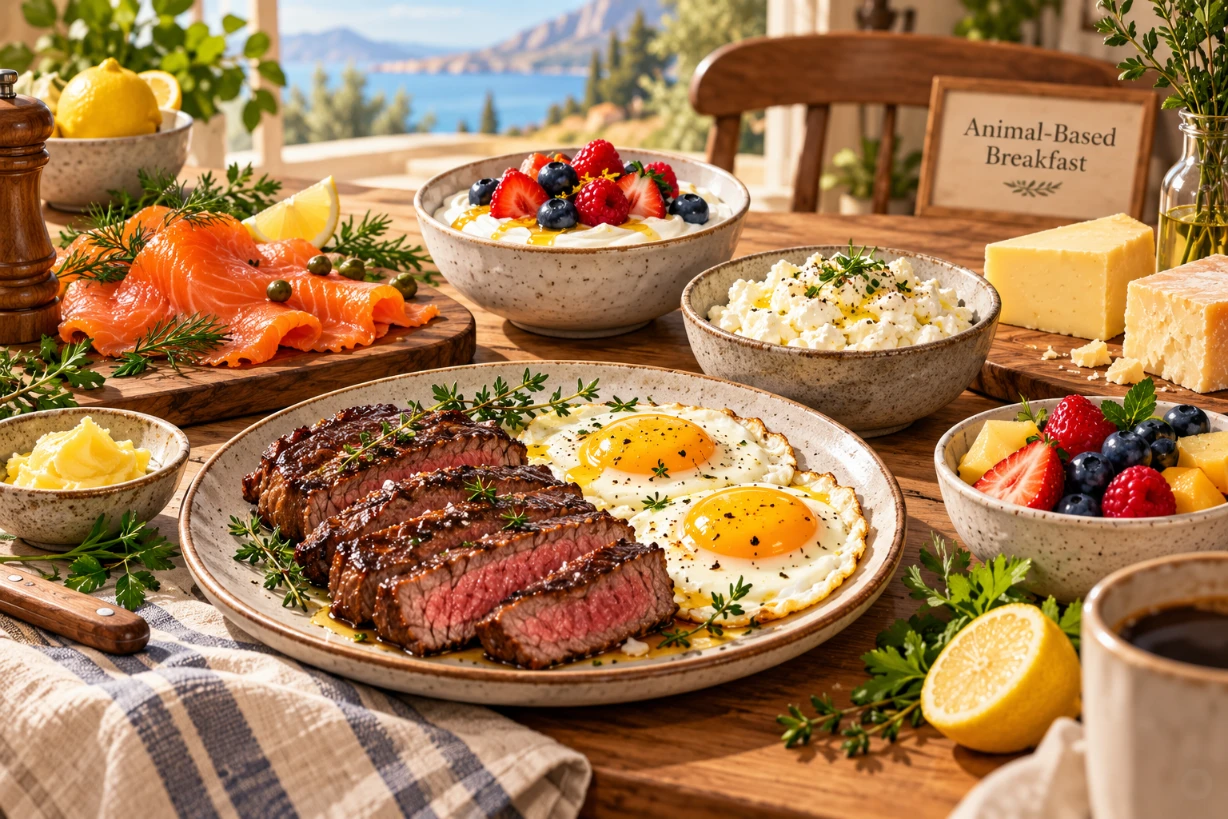
High quality animal based proteins
Animal proteins are complete, which means they carry all essential amino acids the body needs. On keto, popular options include:
- Eggs and egg whites
- Beef, lamb, bison
- Chicken, turkey, duck
- Fish such as salmon, sardines, mackerel, cod, tuna
- Shellfish like shrimp, scallops, crab, mussels
- Full fat Greek yogurt or cottage cheese if dairy is tolerated
For readers who want to lean harder into animal foods for weight loss, we have a deeper breakdown of this style of eating and how it compare to keto here: https://dietlinic.com/animal-based-diet-for-weight-loss-does-it-work/
Plant based protein options on keto
Strict vegan keto is challenging but not impossible. Most legumes are to high in carbs, so plant based keto protein relies on:
- Tofu, tempeh (in moderate portions)
- Unsweetened soy or pea protein powders
- Nuts and seeds (almonds, chia, hemp, pumpkin seeds)
The challenge here is hitting enough protein without carbs creeping up to high. Combining keto with mostly animal based proteins and some plant foods is usually simpler, which we break down further in our comparison of animal and plant centered diets: https://dietlinic.com/animal-based-diet-vs-plant-based-diet/
Protein, Ketosis, And Gluconeogenesis: Clearing Up Confusion
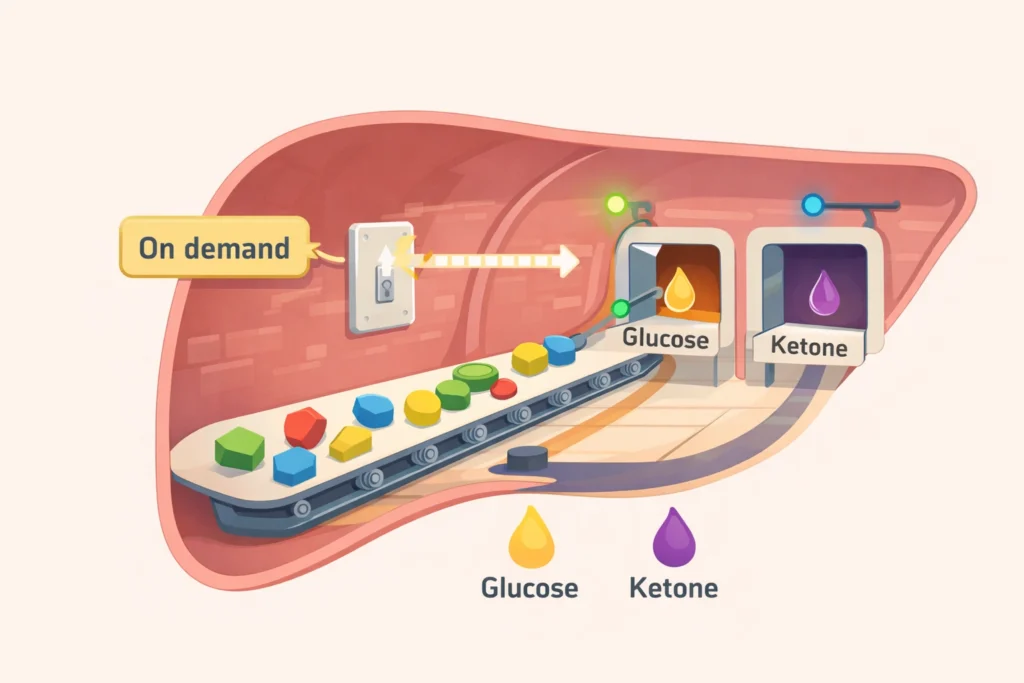
One common fear is that protein automatically turns into sugar and ruins ketosis. The science here is more gentle then that. Gluconeogenesis is mostly a demand driven process. The body make glucose from protein when it needs it, not just because protein show up in the meal.
What this means in daily life:
- Eating a moderate to high but reasonable amount of protein usually does not kick most people out of ketosis
- Some people are more sensitive, and may see lower ketone readings if they consistently eat above about 30 percent of calories from protein
- Blood ketone numbers are just one marker; if energy, appetite and waistline are moving in the right direction, chasing higher ketone readings is not always needed
Based on both research and real world coaching results, the bigger threat to ketosis is usually carbs drifting higher through snacks, sauces, drinks, or stress eating, not protein staying in a sensible 20 to 25 percent range.
Practical Ways To Hit Your Protein Percent On Keto
Knowing the math is one thing, living it day after day is another. Here are simple ways to make the target more realistic.
1. Aim for a protein target per meal
Most adults on keto do well when each main meal has at least 25 to 35 grams of protein. For a smaller person that might be two meals, for a larger or more active person three meals works better. Example portions:
- 4 to 5 ounces chicken or turkey breast
- 5 to 6 ounces salmon or other fish
- 3 to 4 whole eggs plus some egg whites
- 1 cup Greek yogurt plus nuts or seeds
2. Use fat as the dial, not protein
On keto, it is usually better to keep protein steady and adjust fat up or down based on hunger and weight trend. If weight loss stalls and you are already in the right protein range, lowering added fats a bit (oils, butter, heavy cream, cheese) often makes more sense than slashing protein.
3. Plan around your toughest time of day
Most people have a time of day when cravings hit the hardest. For some, it is late night, for others it is that 3 pm slump. Placing a higher protein, moderate fat meal or snack near that window can help flatten those urges. For example, a late afternoon plate with turkey slices, olives, and cucumber can prevent the drive to graze on random carb foods later.
Sample Day: 20 Percent Protein Keto
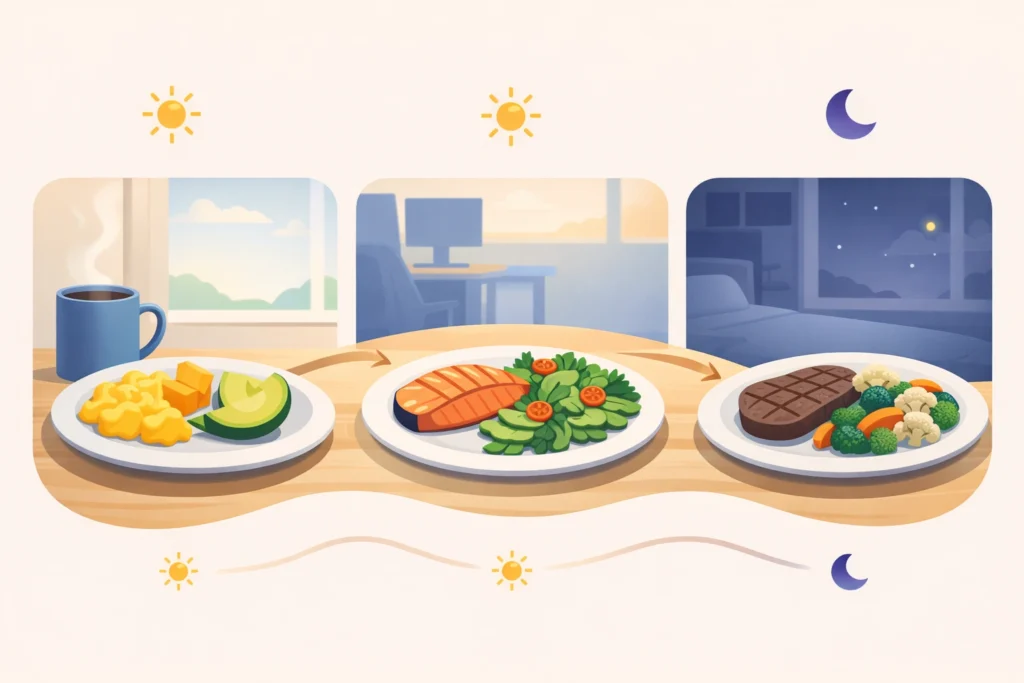
To make this more concrete, here is a sample low carb day for someone eating around 1600 calories with about 20 percent of calories from protein (80 grams):
Meal 1: Breakfast
- 3 eggs scrambled in butter
- 1 ounce cheddar cheese
- Half an avocado
About 28 g protein
Meal 2: Lunch
- 4 ounces grilled salmon
- Mixed greens salad with olive oil and lemon
- Few walnuts
About 30 g protein
Meal 3: Dinner
- 3 ounces beef steak
- Roasted non starchy veggies in olive oil (broccoli, zucchini, peppers)
About 22 g protein
This simple day hits close to 80 grams of protein, very low carbs, and plenty of fat. For someone larger, portions can be nudged up to land near 100 grams protein (closer to 25 percent of calories).
When To Consider Slightly Higher Protein On Keto
While the classic answer to what percent of keto diet should be protein sits around 20 to 25 percent, there are real life cases when gently raising it can help:
- Very hungry on current plan: If you feel constantly unsatisfied, try raising protein by 10 to 20 grams per day while trimming some added fats.
- Plateau lasting longer then 3 to 4 weeks: Keeping carbs low, slightly increasing protein and tightening snacking can get progress going again.
- New to strength training: If you just started lifting weights, that extra protein become building blocks for muscle and recovery.
Whenever we push protein upward, watching digestion, mood, sleep, and energy over a couple weeks tells us if the new range is a better fit.
Safety Questions Around Protein On Keto
People often worry that higher protein on keto will damage kidneys or harm bones. For generally healthy kidneys, current evidence does not support this fear at typical keto intakes. Clinical trials and long term observational data looking at protein intakes up to 2 grams per kilogram body weight have not shown kidney damage in healthy individuals.
For those with known kidney disease, protein limits can be different and more strict. In that case, it is important to work with a health provider or renal dietitian. They may adjust what percent of keto diet should be protein down toward the lower end, while still limiting carbs and using fat and possibly medical nutrition formulas to fill in calories.
Fine Tuning: Personalizing Your Protein Percent
No calculator or online chart knows your body like you do. The macro ranges and protein percentages we covered give a reliable starting point, but personal feedback complete the picture.
After 3 to 4 weeks in a new protein range, pay attention to:
- Body composition: Is your waist or belly shrinking even if the scale moves slow
- Strength and stamina: Are workouts or daily task feeling easier or harder
- Hunger and cravings: Are you thinking about food less between meals
- Energy and focus: Do you feel calmer and more steady through the day
If most answers lean positive, your current protein percent is probably close to ideal. If not, small adjustments of 5 percent up or down, held steady for a couple weeks, often make a noticeable difference.
For readers who enjoy comparing different ways of eating heavier in animal foods or balancing them with plants, we explore that more fully here: https://dietlinic.com/animal-based-diet/ and also in this comparison with traditional keto: https://dietlinic.com/animal-based-diet-vs-keto-which-is-better/
Key Takeaways: What Percent Of Keto Diet Should Be Protein
Pulling everything together, we can answer what percent of keto diet should be protein in a way that respect both science and real life experience:
- For most adults, 20 to 25 percent of calories from protein works well on keto.
- That usually mean about 0.7 to 1.0 gram of protein per pound of lean body mass, or roughly 1.2 to 1.7 grams per kilogram of total body weight.
- Fat loss, muscle protection, and hunger control usually improve when protein is in this moderate to higher range, with carbs held low and fat filling the rest of calories.
- Older adults, very active people, and those who tend to under eat protein often do better near the upper end of the range (around 25 to 30 percent).
- Listening to your own hunger, strength, and energy over several weeks is the best way to fine tune the numbers to your body.
Protein on keto is not just another macro to hit in an app. It is the structure that keeps your body from breaking down while you burn stored fat. By keeping protein in that thoughtful 20 to 25 percent zone and adjusting for your own size, age, and activity, keto becomes less like a quick fix plan and more like a stable way of eating that support health and weight in the long run.



Leave a Reply