
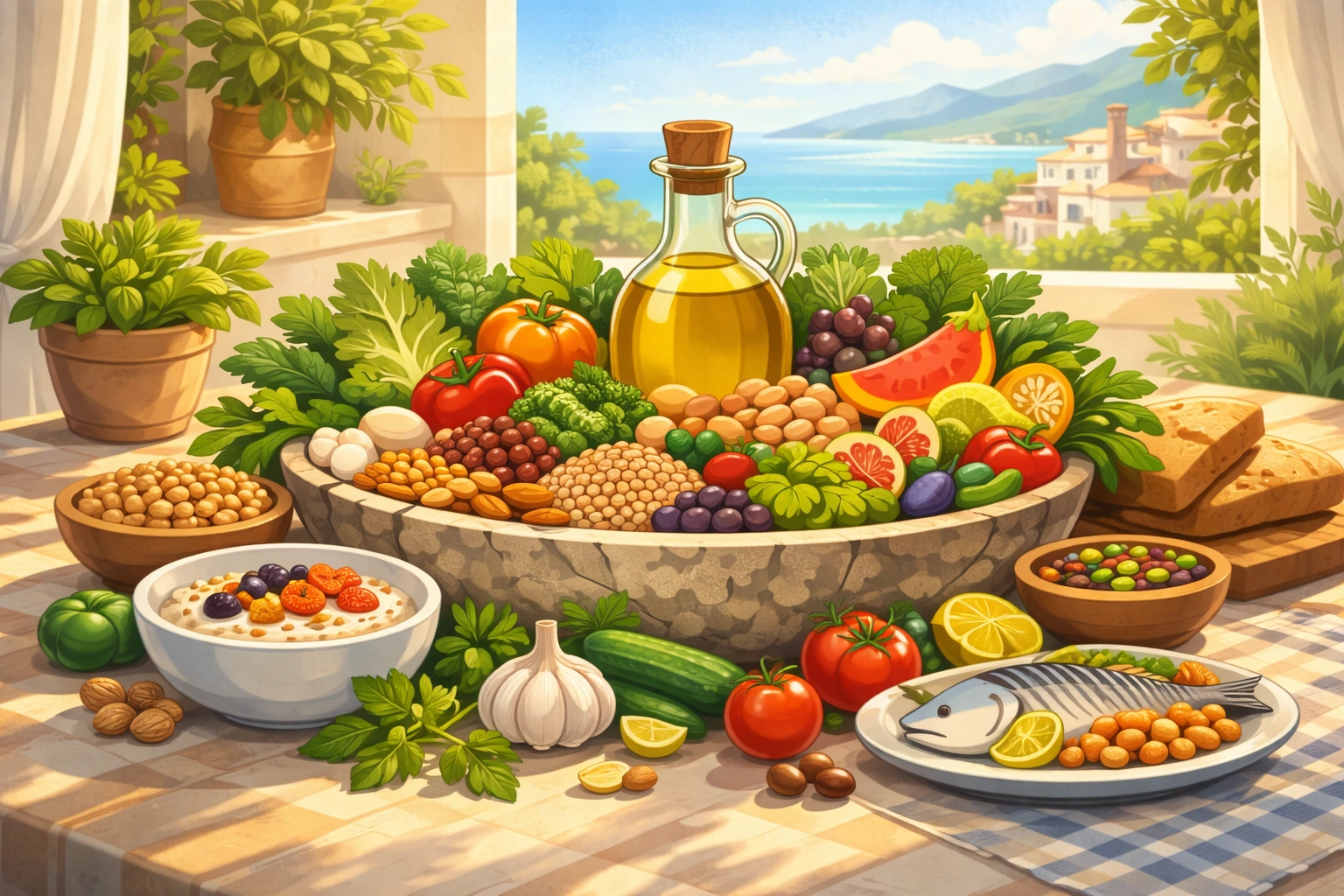

The Mediterranean diet has become one of the most researched and respected eating patterns for heart health, weight control, and long term wellness. When people ask what does the mediterranean diet consist of, they usually expect a list of foods. But this way of eating is more like a lifestyle pattern built around simple, fresh ingredients, regular movement, and a relaxed, social approach to meals.
What Does The Mediterranean Diet Consist Of At Its Core
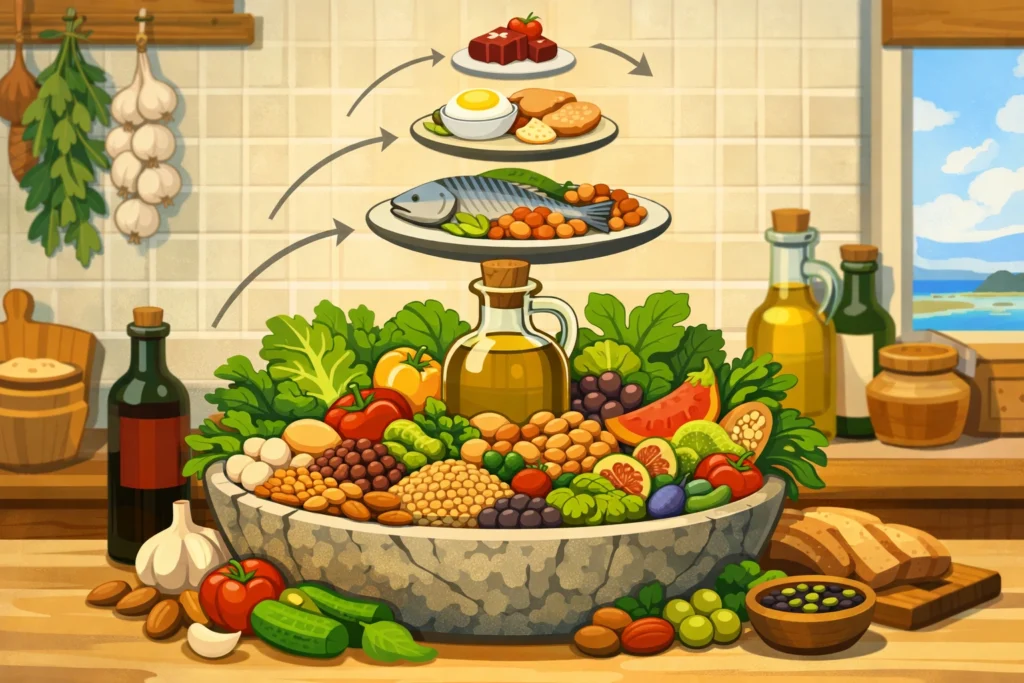
At its heart, the Mediterranean diet consist of mostly plant based foods, generous use of extra virgin olive oil, moderate intake of fish and seafood, smaller amounts of poultry and dairy, and only occasional red meat and sweets. Meals are usually cooked from scratch, centered on vegetables and whole grains instead of heavy meats or processed convenience food.
We can think of it as a food pyramid turned into daily habits:
- Base: vegetables, fruits, whole grains, beans, lentils, nuts, seeds, herbs
- Main fat: extra virgin olive oil
- Protein focus: fish and seafood, plus legumes and nuts
- Moderate: eggs, yogurt, cheese, poultry
- Occasional: red meat, processed meat, sugary dessert
- Optional: red wine with meals for those who already drink alcohol
Research from the American Heart Association in 2023 observed that people who follow this type of eating patten have lower risk of cardiovascular disease, lower LDL cholesterol, and better blood pressure compared to those on a typical Western diet. We also see lower levels of chronic inflammation, which is a big driver of heart disease and type 2 diabetes.
Key Principles Behind Mediterranean Eating
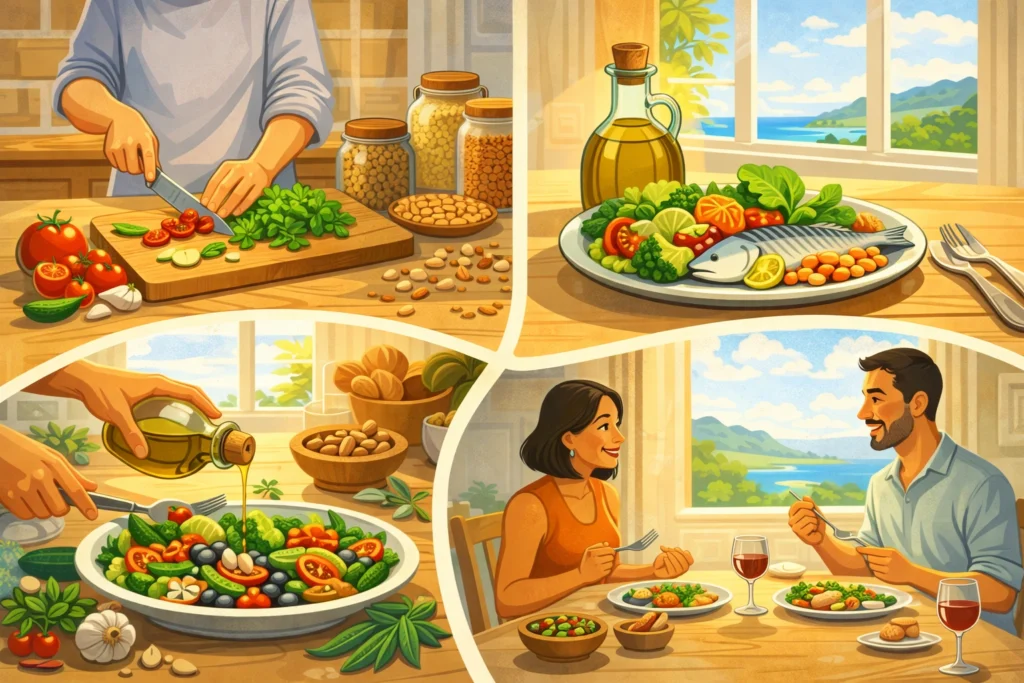
To really answer what does the mediterranean diet consist of, we need to mention not only the foods, but also the principles that guide how these food are chosen and combined.
1. Whole, minimally processed foods
Most Mediterranean meals are built from ingredients that look close to how they grew. Instead of packaged meals, people cook with:
- Fresh or frozen vegetables and fruits
- Dried beans and lentils
- Whole grains like oats, farro, barley, brown rice
- Plain yogurt and simple cheeses
- Fresh herbs, garlic, onion, lemon
When we reduce ultra processed foods (fast food, chips, sugary cereal, sweetened yogurt, frozen dinners), we naturally eat less sodium, sugar, and trans fats. Several large studies, including a 2022 review in The BMJ, link lower intake of ultra processed foods with better weight control and lower risk of early death.
2. Plant forward, not necissarily vegetarian
The Mediterranean diet is not a strict vegetarian diet, but plants always dominate the plate. A typical lunch might be 50 to 70 percent vegetables and grains, with fish or chicken acting more as a side than the main act.
Legumes like chickpeas, lentils, and beans show up several times per week. Nuts and seeds are used as snacks or sprinkled on salads. This plant heavy pattern increases fiber and phytonutrients, which support gut health and help stabilize blood sugar.
3. Healthy fats from olive oil, nuts, and fish
Instead of fearing fat, this way of eating chooses fats wisely. Extra virgin olive oil is the main added fat. It is used for sautéing, roasting, baking, and drizzled on salads and cooked vegetables.
Olive oil is rich in monounsatured fats and polyphenols. The PREDIMED trial, a large study from Spain that continues to be referenced in recent research updates, found that a Mediterranean diet supplemented with extra virgin olive oil or nuts significantly reduced major cardiovascular events compared with a low fat diet.
Nuts like almonds, walnuts, and pistachios add more healthy fats, along with magnesium and plant protein. Oily fish such as salmon, sardines, and mackerel provide omega 3 fats that support hearth health and brain function.
4. Moderate portions and mindful eating
One of the quiet strengths of this pattern is that people usually eat slowly, with others, and pay more attention to the meal. Meals can be simple, but they are rarely rushed. When we slow down we notice fullness cues better, wich can help with natural weight managment without strict calorie counting.
Main Food Groups In The Mediterranean Diet
Let’s break down what does the mediterranean diet consist of by looking at each food group and how often they appear.
Vegetables: the everyday foundation
Vegetables appear at almost every meal, often in generous amounts. Both raw and cooked vegetables are used, with a strong focus on variety and seasonal produce. Some common choices include:
- Leafy greens: spinach, arugula, romaine, Swiss chard
- Nightshades: tomatoes, eggplant, bell peppers
- Cruciferous: broccoli, cauliflower, cabbage
- Roots: carrots, beets, onions, garlic
- Others: zucchini, artichokes, fennel, green beans
These vegetables supply vitamins, minerals, fiber, antioxidants, and water. They support digestion, reduce oxidative stress, and help keep calories reasonable since they are bulky but not energy dense.
Fruit: natural dessert and snack
Fresh fruit is usually the sweet of choice. Instead of pastry after dinner, many families finish with some fruit, yogurt with fruit, or nuts and fruit together. Common options:
- Citrus: oranges, mandarins, lemons, grapefruit
- Berries: strawberries, blackberries, raspberries
- Stone fruit: peaches, plums, apricots
- Grapes, figs, apples, pears, pomegranates
Fruit brings fiber and natural sugars, plus a wide range of phytonutrients. Recent USDA dietary surveys in the US still show that most adults do not meet the daily recommendation for fruit. Shifting desserts toward whole fruit is one of the easiest Mediterranean inspired habits we can adopt without feeling deprived.
Whole grains: slow burning carbs
Grains are not cut out, but refined grains are limited. The focus is on whole grains that digest more slowly and keep blood sugar steadier. Typical choices:
- Whole wheat bread and pasta (often in modest portions)
- Brown rice
- Barley, bulgur, farro, freekeh
- Oats and whole grain cereals with little added sugar
Using whole grains instead of white bread, white pasta, or white rice has been linked with lower risk of type 2 diabetes and heart disease. A 2022 cohort analysis in Circulation found that higher whole grain intake is tied to lower all cause mortality, even when controlling for other lifestyle factors.
Legumes: budget friendly protein and fiber
Beans and lentils appear in soups, stews, salads, spreads, and casseroles. This is one area were the Mediterranean diet lines up nicely with plant based patterns covered elsewhere on DietLinic, such as in our comparison of animal based vs plant based diets.
Common legumes include:
- Chickpeas (used in hummus, stews, salads)
- Lentils (green, brown, red, black)
- White beans, cannellini, navy beans
- Fava beans, split peas
Legumes offer protein, fiber, iron, folate, and highly satisfying texture. They help lower LDL cholesterol and improve blood pressure, especially when they replace processed meats or refined carbs. From a practical stand point, canned beans provide a fast, affordable way to build a Mediterranean style meal in minutes.
Nuts and seeds: satisfying fats and crunch
A small handful of nuts or seeds is a typical snack. They are also used as garnish or mixed into dishes. Popular choices:
- Almonds, walnuts, hazelnuts, pistachios
- Sunflower seeds, sesame seeds (tahini), pumpkin seeds
A 2022 study in Nutrients reinforced that higher nut intake is associated with lower risk of cardiovascular disease and improved markers of metabolic health. Since nuts are calorie dense, portion control still matters, but their combination of fat, protein, and fiber tends to keep people full longer than a low fat snack.
Extra virgin olive oil: the signature ingredient
If we had to pick one answer to what does the mediterranean diet consist of, olive oil might be the most iconic. It replaces butter, margarine, and many other oils. Extra virgin olive oil is used to:
- Cook vegetables, fish, and grains
- Dress salads and cooked greens
- Marinate meats and seafood
- Finish soups and stews with a fruity richness
Its flavor changes with variety and region, from grassy and peppery to soft and fruity. From a nutrition perspective, it supports healthy cholesterol levels and may help reduce inflammation. Choosing a dark bottle, storing it away from heat and light, and using within a few months after opening helps preserve its quality.
Fish and seafood: regular, but not over done
Fish and shellfish usually appear at least two times per week. Preferences vary by region, but common options include:
- Fatty fish: salmon, sardines, anchovies, mackerel, trout
- Lean fish: cod, hake, sole, sea bass
- Shellfish: shrimp, mussels, clams, octopus, squid
These provide high quality protein and beneficial omega 3 fats. Current American Heart Association guidance still suggests two servings of fish per week, especially fatty fish, to support heart health. For those who do not enjoy fish, some of the benefits can still be achived with walnuts, chia seeds, and ground flaxseed, but the evidence for fish is stronger so far.
Dairy: mostly yogurt and cheese, in moderation
Dairy is not a major focus, but it is not baned either. Most Mediterranean style diets rely on fermented dairy, such as:
- Plain yogurt (often whole or low fat, not fat free)
- Cheese like feta, Parmesan, pecorino, ricotta
These are eaten in smaller portions, often as part of a meal rather than as main courses. For example, a sprinkle of feta over a huge salad, or a small cup of yogurt with fruit and nuts. This pattern provides calcium and probiotics without overloading on saturated fat or sodium.
Eggs and poultry: moderate protein sources
Eggs are used several times per week as part of omelets, frittatas, or baked dishes. Poultry such as chicken or turkey shows up in stews, roasted dishes, or grilled plates. Red meat is eaten less often, sometimes only a few times per month.
Replacing part of our red meat intake with chicken, fish, or beans can lower saturated fat intake and support heart health. A 2023 analysis published in the European Heart Journal noted that high consumption of processed red meat was linked with higher cardiovascular risk, while fish and plant proteins showed protective associations.
Herbs, spices, garlic, and citrus
Flavor comes less from heavy sauces and more from fresh herbs, dried spices, garlic, onion, lemon, and vinegar. This helps keep sodium lower while still making food taste vivid and satisfying. Common flavor builders:
- Herbs: basil, oregano, thyme, rosemary, parsley, dill, mint
- Spices: cumin, coriander, paprika, saffron, black pepper
- Aromatics: garlic, onions, scallions, shallots
- Acid: lemon juice, wine vinegar, sherry vinegar
Alcohol: optional and always moderate
In traditional Mediterranean cultures, alcohol is usually wine, sipped slowly with meals and in small amounts. The pattern is moderate and consistent, not binge drinking. For adults who already drink, moderate red wine (1 glass per day for women, up to 2 for men) might offer some cardiovascular benefit, but recent research also reminds us that any alcohol carries cancer risk.
For many of us, the safest choice is to skip alcohol or drink very lightly. The Mediterranean diet works perfectly well without wine. The health benefits come mainly from the food pattern, not the alcohol.
Health Benefits Backed By Recent Research
Knowing what does the mediterranean diet consist of is only part of the picture. Many readers also want to know whether the health claims are real or just hype. Over the last few years, newer research has kept confirming the benefits.
Heart and vascular health
Studies continue to show improved cardiovascular outcomes for people who follow a Mediterranean style pattern.
- A 2023 review in the journal Heart concluded that the Mediterranean diet is associated with about 20 to 25 percent lower risk of cardiovascular disease compared to low fat or standard Western patterns.
- Blood pressure, triglycerides, LDL cholesterol, and inflammatory markers tend to improve, particularly when people replace butter and refined carbs with olive oil, nuts, and legumes.
Type 2 diabetes and metabolic health
This eating pattern supports better glycemic control and weight maintenance. A 2022 meta analysis in Nutrients found that individuals following a Mediterranean style diet had improved fasting glucose, insulin sensitivity, and waist circumference compared with control diets.
Carbohydrates are not removed, but they come mainly from whole grains, fruit, vegetables, and legumes instead of sweet drinks, pastries, and refined breads. The higher fiber and healthier fat balance likely explain much of the benefit.
Weight management
Many people are surprised that a diet that liberally uses olive oil and nuts can help with weight, but long term studies suggest that Mediterranean style eaters often gain less weight over time. The combination of fiber, protein, and healthy fats seems to keep hunger better controlled.
From personal observation when working with families trying this pattern, we often see less late night snacking and fewer sugar cravings once meals are built around vegetables, whole grains, and satisfying fats instead of ultra processed snacks. The process is gentle but very real.
Brain health and aging
Emerging research suggests that a Mediterranean diet may help slow cognitive decline. The MIND diet, which blends Mediterranean and DASH patterns, has been studied for its protective effect against Alzheimer’s disease.
Recent data up to 2023 show that people who adhere closely to a Mediterranean style pattern tend to score higher on cognitive tests and have lower risk of dementia. The combination of antioxidants, omega 3 fats, and stable blood sugar appears to support brain cells over time.
How The Mediterranean Diet Compares To Other Popular Diets
Many readers on DietLinic are comparing what does the mediterranean diet consist of with other eating trends, such as animal based or keto style approaches. The Mediterranean pattern is more flexible and less restrictive than many of these.
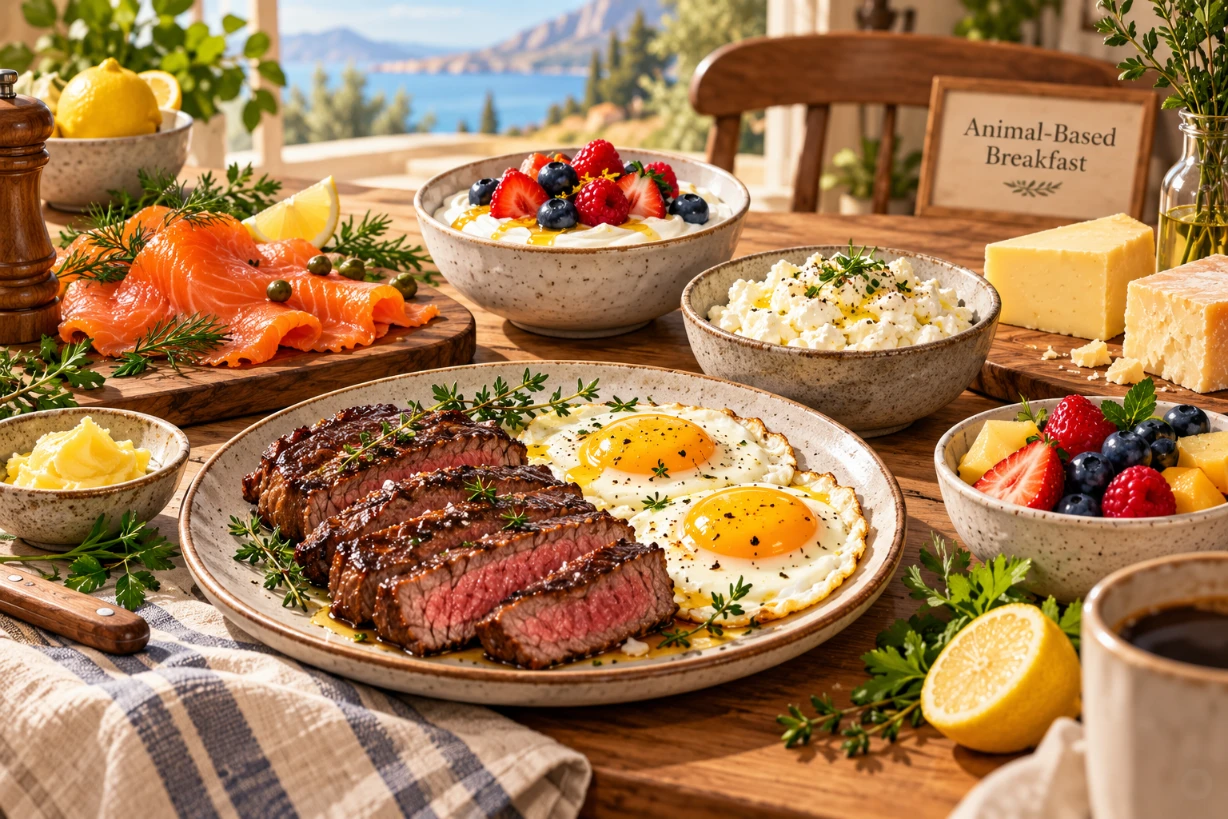
For example, a strict animal based diet minimize plant foods, while the Mediterranean diet leans in the other direction. If you are curious how these styles compare, our article on animal based diet vs keto walks through the trade offs, especially around carbs and long term heart health.
In practice, some people blend aspects of different diets. We sometimes see someone use Mediterranean principles as a base (high vegetables, olive oil, fish, legumes) while moderatly increasing animal foods or lowering carbs for blood sugar reasons. The key is keeping a strong focus on whole, nutrient dense foods and not sliding back into high sugar, high refined starch, highly processed habits.
Practical Ways To Start Eating Mediterranean Style
It is one thing to read what does the mediterranean diet consist of, and another to translate it into daily meals in an American kitchen. The good news is that most grocery stores carry nearly everything you need.
Simple daily guidelines
To bring this pattern into real life, we can aim for these rough habits:
- At least 5 servings of vegetables and 2 servings of fruit per day
- Use olive oil as your main added fat, 2 to 4 tablespoons daily depending on your energy needs
- Choose whole grains for most grain servings
- Eat legumes (beans, lentils) at least 3 times per week
- Have fish or seafood 2 times per week or more
- Limit red meat to a few times per month and keep processed meat rare
- Keep sweets and sugary drinks for special ocasions, not daily habit
Sample one day Mediterranean style menu

This example gives a clear picture of what does the mediterranean diet consist of across a full day.
Breakfast
- Oatmeal cooked with water and a little milk
- Topped with sliced strawberries, chopped walnuts, and a drizzle of honey
- Black coffee or tea
Lunch
- Large salad with mixed greens, cherry tomatoes, cucumber, bell pepper, olives, and chickpeas
- Dressed with extra virgin olive oil and red wine vinegar
- Small slice of whole grain bread
Snack
- Plain Greek yogurt with blueberries and a sprinkle of pumpkin seeds
Dinner
- Baked salmon with lemon, garlic, and herbs
- Side of roasted vegetables (zucchini, eggplant, onion, carrots) tossed in olive oil
- Small serving of brown rice or barley
- Fruit for dessert, such as an orange or a few figs
Shopping list basics
For those ready to shift there pantry toward this style, here is a short starter list:
- Produce: leafy greens, tomatoes, cucumbers, onions, garlic, carrots, bell peppers, zucchini, apples, oranges, berries, grapes
- Proteins: canned beans (chickpeas, lentils, black beans), fresh or frozen fish, chicken breast or thighs, eggs, plain yogurt, small block of feta or Parmesan
- Grains: whole wheat bread, brown rice, oats, whole grain pasta, barley or farro
- Fats and extras: extra virgin olive oil, olives, nuts (almonds, walnuts), seeds, dried herbs, vinegar, lemon
Adapting The Mediterranean Diet To Different Lifestyles
One reason this pattern travels so well is that it can be adjusted for different budgets, cultures, and schedules.
On a tighter budget
Many of the core foods are surprisingly affordable. Beans, lentils, frozen vegetables, oats, whole grain pasta, and canned fish can form the backbone of low cost Mediterranean style meals. Buying olive oil in larger containers, choosing store brand yogurt, and using seasonal produce also helps.
For busy schedules
Based on our experience, planning a few anchor items each week makes a big difference:
- Cook a pot of beans or lentils at the start of the week
- Roast a large pan of mixed vegetables for quick reheating
- Keep canned tomatoes, canned beans, and whole grain pasta on hand for fast meals
- Use canned tuna or salmon mixed with olive oil, herbs, and lemon for quick lunches
Even on hectic days, this keeps you close to the core of what does the mediterranean diet consist of, instead of reaching for ultra processed fast food.
For families with picky eaters
Small steps tend to work better than sudden overhauls. For example:
- Swap one refined grain for a whole grain each week
- Add a side salad to familiar meals
- Offer fruit as the default dessert and keep sweets for weekends
- Serve fish in familiar forms, like baked salmon nuggets or tuna patties
Kids and adults usually adjust over time when foods are presented positively and repeatedly, without pressure but with clear routines.
Potential Challenges And How To Handle Them
Every eating style has its tricky spots. For the Mediterranean pattern, common concerns include cost of fresh produce, fear of fats, and confusion over carbs.
Some people also come from very meat centered habits and worry that they will feel unsatisfied if beans and vegetables become more central. In practice, when meals include enough olive oil, nuts, legumes, and whole grains, they usually feel quite filling. It can take a couple weeks for cravings for very salty or very sugary foods to calm down, but most people report more stable energy once they adjust.
For those coming from an animal heavy plan, like carnivore or very low carb, we often talk about blending elements slowly instead of swinging to the opposite extreme overnight. Articles like our guide on animal based meal ideas can still be used, but combined with more vegetables, whole grains, and olive oil to move closer to this pattern while respecting current preferences.
Final Thoughts: What Does The Mediterranean Diet Consist Of In Daily Life
When we put everything together, what does the mediterranean diet consist of is more than a list of ingredients. It is a way of eating that makes vegetables, fruits, whole grains, beans, nuts, and olive oil the normal, everyday base, with fish and modest amounts of dairy and poultry layered on top, and red meat and sweets saved for ocasions.
Meals are simple, often colorful, built from familiar items you can find in any American supermarket. Instead of strict rules or complex tracking, it relies on steady patterns: cook more at home, build plates around plants, choose healthy fats, enjoy fish regularly, keep portions of heavier foods smaller, and share meals when posible.
For many of us seeking better heart health, weight balance, and more energy, this lifestyle offers a grounded, flexible path forward. The research is strong, the food tastes good, and the habits are realistic enough to maintain for years, which might be the most important benefit of all.




Leave a Reply