

Many readers search for clear answers about animal based diet and cancer risk, and we feel that ache too because cancer touches families in real ways. We cook dinner, we pick up groceries after work, we smell the grill on a Sunday, and we wonder if what we eat helps or harms. This guide brings a careful, evidence-forward look at how animal foods connect with cancer, where the real risks live, and which fears are myths. The phrase animal based diet and cancer often gets used to spark fear or hype, but we aim to offer clarity, not confusion.
What research actually shows on animal foods and cancer
Decades of studies build a nuanced picture. The conclusions are not perfect or complete, but they do point in consistent directions that can guide daily choices. We summarize the most important takeaways, while keeping space for personal values and flavor. Because food should still taste good, even when we choose wisely.
Processed meats are the clearest risk in the animal category. Large reviews by global cancer authorities classify processed meats as carcinogenic to humans, mainly linked with colorectal cancer. The methods that cure and preserve meats use nitrates and nitrites that can form N-nitroso compounds in the body. These chemicals may damage DNA in the cells of the colon. Salt and smoking practices add polycyclic aromatic hydrocarbons that also stress our biology. When we eat processed slices every day the risk slowly rise, even if we feel fine now.
Red meat is different from processed. Evidence suggests that higher intakes are probably associated with higher colorectal cancer risk, especially when cooked at very high temperatures or eaten in large portions regularly. The heme iron found in red meat can catalyze the formation of those same N-nitroso compounds and it may increase oxidative stress in the gut lining. However amounts, frequency, cooking methods, and overall diet pattern change the size of that risk a lot. One burger at a weekend barbecue is not the same as large portions every day.
Fish show a different pattern. Observational studies often associate higher fish intake with a modest reduction in colorectal and some other cancers, possibly due to omega-3 fats that calm inflammation and support cell membrane health. Poultry tends to be neutral to slightly favorable in risk models, especially when baked or stewed rather than charred. Eggs are mixed in the literature. For most adults, moderate egg consumption fits fine in a balanced pattern, although very high intakes may be problematic in specific metabolic contexts. Dairy is frequently protective for colorectal cancer, likely due to calcium and fermentation benefits in yogurt or kefir. Fermented dairy can nurture a favorable microbiome profile that produce more short-chain fatty acids and less secondary bile acids that irritate the colon lining.
The big insight here is pattern. Single foods are less decisive than the whole plate plus lifestyle like physical activity, body weight, alcohol, sleep, and stress coping. We are not powerless; we get many levers to pull.
Common myths about animal-based eating and cancer
Myth 1: All animal foods cause cancer
That claim goes to far. Risk sits on a gradient and varies by category, preparation, and portion. Processed meats carry the strongest warning. Red meat likely increases risk in higher amounts, yet leaner cuts, lower heat cooking, and fewer portions can make a big difference. Fish and fermented dairy often track with lower risk markers. When we paint all animal foods with one brush, we lose detail that helps people decide wisely.
Myth 2: Grass-fed or organic meat remove cancer risk
Better husbandry can improve fatty acid profile and animal welfare, which matter to many families. But switching to grass-fed does not erase mechanisms like heme iron or high-heat mutagens. If a steak is charred to a crisp, the pan still creates heterocyclic amines. Choosing quality is fine, yet we should also adjust portions, frequency, and cooking method if cancer risk is our focus.
Myth 3: High-protein animal diets always protect against cancer
Protein helps preserve muscle and supports repair, but higher protein alone does not guarantee lower cancer risk. Some very high animal-protein patterns raise insulin-like growth factor 1 in certain people, which might promote cell proliferation. This does not mean protein is bad. It means the source mix, energy balance, and fiber intake matter together. We often forget the fiber part, and fiber can be the missing shield.
Myth 4: Only the cooking method matters
Cooking method matters a lot, but not alone. Very high heat without moisture creates more HCAs and PAHs. Still, dose and diet pattern shape total risk more than one grilling session. We can marinate, lower flame, and choose gentle methods. But we also should look at how often we eat processed items, how much fiber we get, how our weight trends, and how much we move during the week.
Biological pathways that link animal foods to cancer risk
Heme iron and N-nitroso compounds
Heme iron gives red meat its color and stronger iron content. In the gut, it can catalyze formation of N-nitroso compounds that interact with the colon lining. Add to that the oxidizing environment created by heme breakdown, and we get more potential for DNA damage if exposure is sustained and our body’s defenses fall behind. This does not happen equally in everyone; genetics and microbiome composition vary a lot.
High-heat cooking and heterocyclic amines
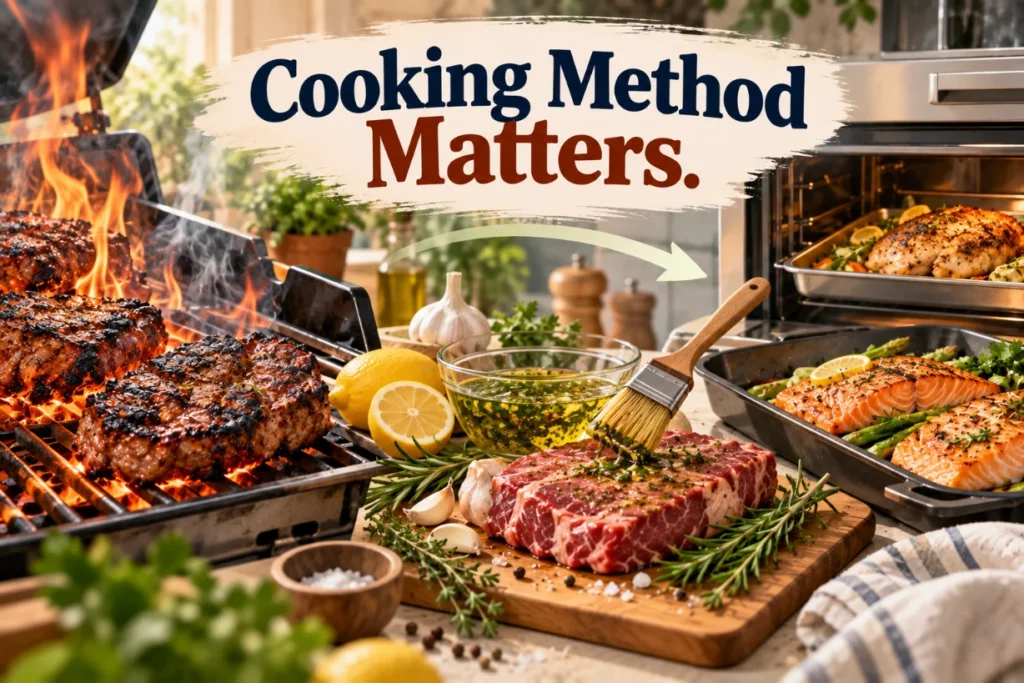
When muscle meats meet very high temperatures, compounds called heterocyclic amines and polycyclic aromatic hydrocarbons form. These can be metabolized into reactive species that bind DNA. Marinating with rosemary, thyme, garlic, citrus, or vinegar reduces these by providing antioxidants and moisture. Pre-cook in the oven then finish quickly on the grill, and trim any burned spots. These small steps reduces exposure quite meaningfully.
Saturated fat, bile acids, and the microbiome
Diets heavy in saturated fat increase bile acid secretion. Some gut microbes transform primary bile acids into secondary forms that can injure colon cells or accelerate proliferation. Meanwhile, low fiber intakes starve microbes that produce butyrate, a short-chain fatty acid that nourishes colonocytes and supports normal cell cycles. The fix is simple but not easy: bring fiber back, even if the plate still contains animal foods. Some fruit, legumes, whole grains, or vegetables will support protective microbes. If someone chooses an animal-forward style, consider at least fruit and fermented dairy so the gut do not become unfriendly.
Hormonal signals: insulin and IGF-1
Energy surplus and refined carbohydrates can raise insulin and IGF-1 signals, which may influence tumor growth pathways. Higher animal protein may increase IGF-1 in some, though the magnitude depends on energy balance and total protein intake. When weight is stable, protein effects look smaller. Again, we see pattern over single nutrients.
Designing a lower-risk animal-based diet without losing joy
We meet many people who love the sizzle and savory depth of steak or roast chicken. They want to keep that joy, but they also want peace with their choices. We do not need perfect food to support health. We need consistent, smarter habits stacked over months and years.
Consider these practical moves:
- Prioritize fish 2 to 4 times per week, especially fatty species for omega-3s. Bake or poach rather than blacken.
- Choose poultry or lean cuts more often and keep portions moderate, roughly the size of your palm not your plate.
- Limit processed meats to rare moments. If you enjoy them, think of them as a treat, not a staple.
- Use wet heat methods like stewing, slow cooking, pressure cooking, or sous vide to cut HCA formation.
- Marinate with acidic, herb-rich blends. A simple lemon, olive oil, garlic, and rosemary marinade works wonders on flavor and risk.
- Add fiber-rich sides. Even an animal-forward plate benefits from beans, berries, greens, or whole grains to support the microbiome.
- Keep alcohol low since alcohol and certain carcinogens can act together and worsen DNA damage.
- Mind the week, not just the day. Frequency sets the average risk exposure.
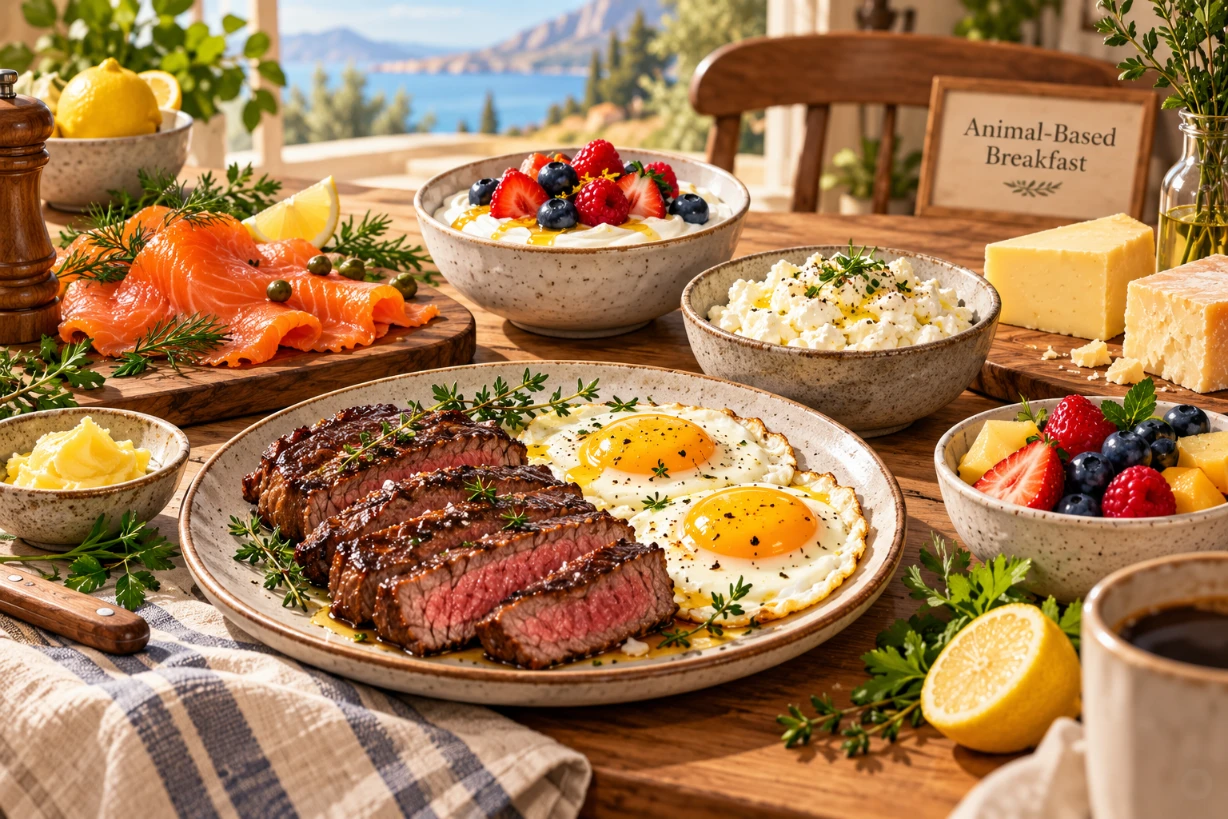
If you are exploring a broader perspective on patterns, this overview of an animal-based style can help: animal-based diet. It shows how different choices fit a sustainable routine.
A sample day that respects science and flavor
Morning: a bowl of thick yogurt with blueberries and chopped walnuts, a little cinnamon, and a drizzle of local honey. The spoon clinks on the glass jar, the yogurt smells tangy, the berries burst sweet, and we feel satisfied without a heavy belly. The fermented dairy brings calcium and helpful cultures. The fruit and nuts offer fiber and polyphenols that microbes love.
Lunch: grilled chicken salad, but done gently. We marinate the chicken in lemon and herbs so it cooks quickly on medium heat, no blackened edges. The salad base is crunchy romaine, cherry tomatoes, thin cucumber slices, and a sprinkle of feta. Olive oil and red wine vinegar give a bright finish. We chew slowly, noticing the herbal aroma and crisp textures that make us actually look forward to vegetables.
Dinner: a pan-poached salmon fillet with dill and capers. The kitchen smells like the sea, clean and fresh. The fish flakes moistly, not dry. On the side, roasted sweet potatoes and a warm lentil, carrot, and parsley mix. The plate is balanced, colorful, and deeply satisfying. If we crave red meat, we swap in a small lean steak once or twice a week, seared lightly then finished in the oven at lower heat, no char.
Dessert or snack: a small square of dark chocolate and a crisp apple. We end the day without the sleepy heaviness that follows fried food. This lineup is not fancy. It is doable on busy nights and it respects both palate and physiology.
Navigating differences between diet styles
People often compare animal-forward, carnivore-like, and plant-forward patterns. Key differences shape cancer-related outcomes, and context matters. If you want a quick breakdown on how animal-based eating diverge from strict carnivore and why that matters for long term health, see this guide: animal-based diet vs carnivore diet. For readers weighing plant-forward versus animal-forward choices, this comparison helps frame the tradeoffs and synergies: animal-based diet vs plant-based diet. Often the best path lives in the middle ground, with careful picks from both sides.
Weight, movement, and the bigger picture
Body weight is a powerful driver of cancer risk, independent of specific foods. Many people adopt higher-protein plans to manage appetite, which can help weight control. That is a positive move. Still, if the plan leans heavily on processed items or constant char-grilled meats, we could nudge risk back upward. We want protein from a variety of sources, good fiber intake, and regular activity. Even a 20 minute walk after dinner improves insulin sensitivity and digestion. Small habits add up even if each one looks tiny.
Special populations and clinical notes
For cancer survivors or patients in treatment, the goals shift. Protein helps preserve lean mass during chemotherapy or radiation. Energy requirements can fluctuate, and taste changes are real. Gentle cooking methods, moist textures, and simple seasonings often go down easier. Work with an oncology dietitian to tailor choices. For kidney disease, protein quantity may need adjustment. For athletes, protein needs climb, but we can still prioritize fish, poultry, fermented dairy, legumes, and modest portions of red meat while keeping grilling temperatures controlled. Each body is different, and blanket rules often fail real people.
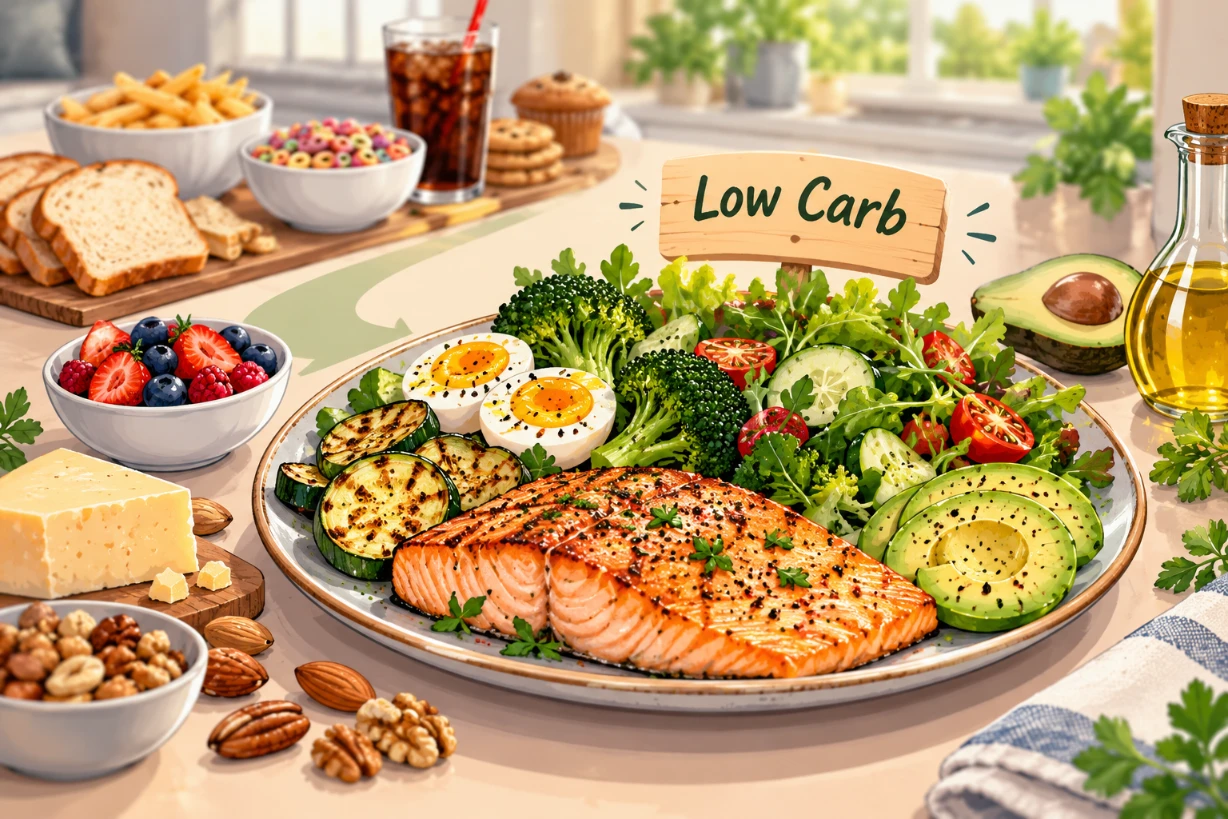
Some readers ask about ketogenic approaches in cancer. Research remains early and mixed. A keto pattern may help select patients under medical guidance, but it is not a universal prevention strategy. If keto is chosen, we advise focus on fish, olive oil, avocado, eggs in moderation, nonstarchy vegetables, and very careful cooking methods, not just bacon and skillet grease for every meal. Quality still matters a lot, and fiber sources should not disappear completely.
How to read headlines without getting whiplash
Nutrition headlines change week by week and it drives many of us a bit nuts. A few tips help:
- Check study type. Observational studies show associations, not cause, but can still be instructive at population level.
- Look for dose. How much did people eat, and how often. A small daily amount is not the same as large regular servings.
- Consider the pattern. What else did the participants eat and do. Smoking, alcohol, weight, and fiber intake can confound results.
- Replications matter. One study should not overturn twenty years of consistent findings.
When in doubt, return to balanced patterns that align with consistent evidence. If you want a deeper dive centered on oncology, we found this resource helpful: animal-based diet for cancer.
Putting it all together into practical steps
We have cooked for families who cherish weekend gatherings. The smell of a backyard grill can be a love language. We do not have to throw that away to lower risk. We can change the cadence and the technique. We can find joy in poached salmon with dill, in a slow-cooker beef stew made with lots of onions and carrots, in a yogurt bowl that feels like comfort. Progress over perfection is the honest path, and it is the one most likely to stick.
Try this 4-part structure for the week and adjust as needed:
- Pick 3 to 4 fish meals, 2 to 3 poultry meals, 0 to 2 red meat meals, and limit processed meats to special occasions.
- Plan flavor first with smart marinades, herbs, citrus, and broths to make lower-heat cooking feel exciting not boring.
- Pair every animal protein with at least one fiber source. Beans, lentils, leafy greens, berries, quinoa, or sweet potatoes all work.
- Stay active. Even light daily movement multiplies the benefits of good food choices.
For a broader view on how to arrange an animal-forward plan that respects health boundaries, this overview can fill gaps: https://dietlinic.com/animal-based-diet/
Frequently asked questions we hear often
Is any amount of processed meat safe. No clear safe threshold exists, but lower and less frequent is better. If it shows up at a holiday table, enjoy a small portion and move on, not every lunch.
Can I still enjoy steak. Yes, in moderation. Choose lean cuts, avoid charring, and keep portion sizes reasonable. Balance with fiber-rich sides and fish elsewhere in the week. A steak night is fine, a steak habit most nights is not great.
What about supplements to cancel risk. There is no pill that reverse the combined effects of high-heat mutagens, low fiber, and excess calories. Omega-3s or vitamin D might help some individuals, but they cannot fix a pattern that go against the grain of evidence.
Do I need to quit animal foods to cut cancer risk. Not necessarily. A careful animal-based pattern can be compatible with lower risk when it limits processed items, caps red meat frequency, emphasizes fish and fermented dairy, and keeps heat methods gentle.
A final word you can carry to the kitchen
We feel the weight of choices when we stand at the stove or the butcher counter, because food is personal. The link between an animal based diet and cancer is real in some categories, weaker in others, and modulated by the whole pattern of our lives. Processed meats raise risk. Red meat increases risk in higher doses, especially with high-heat cooking. Fish and fermented dairy often look protective, and poultry tends to be neutral. Fiber intake, body weight, alcohol moderation, and gentle cooking bring the whole picture together.
If you remember nothing else, remember this small checklist: less processed meats, moderate red meat, more fish, gentle heat, more fiber, steady movement. That is a pattern most of us can live with. It respects family traditions, it respects flavor, and it respects the science we have right now. For additional reading about structuring your plan, visit animal-based diet and related pages that compare patterns and clarify differences. With patience and consistent practice, we can eat well, feel proud, and sleep a little better at night.
Leave a Reply