
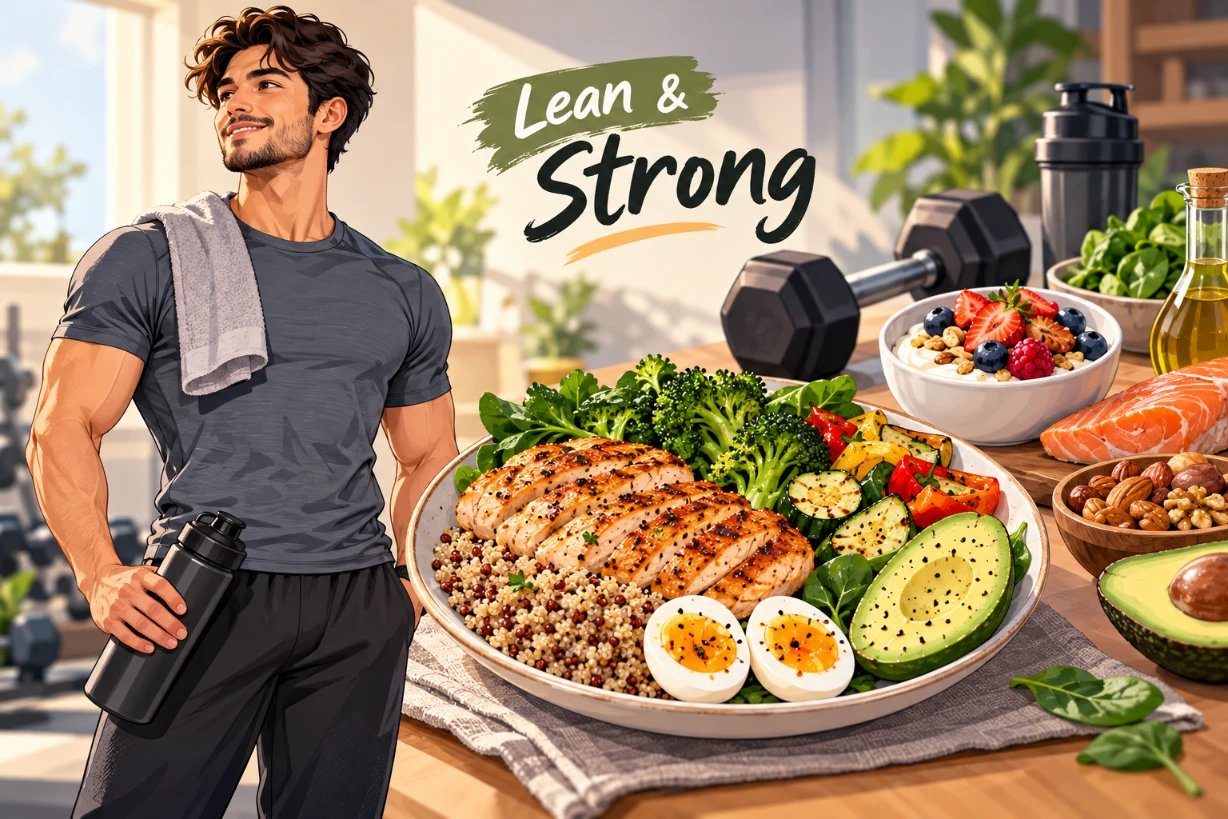

Finding the right diet to lose weight and gain muscle at the same time can feel confusing. Many people think we need one plan for fat loss and another plan for muscle growth, but in real life our body does both together when we eat and train the right way. With a focused approach to nutrition, strength training, and recovery, we can burn body fat while building lean muscle that support a faster metabolism and stronger, more athletic body.
How Fat Loss and Muscle Gain Work Together
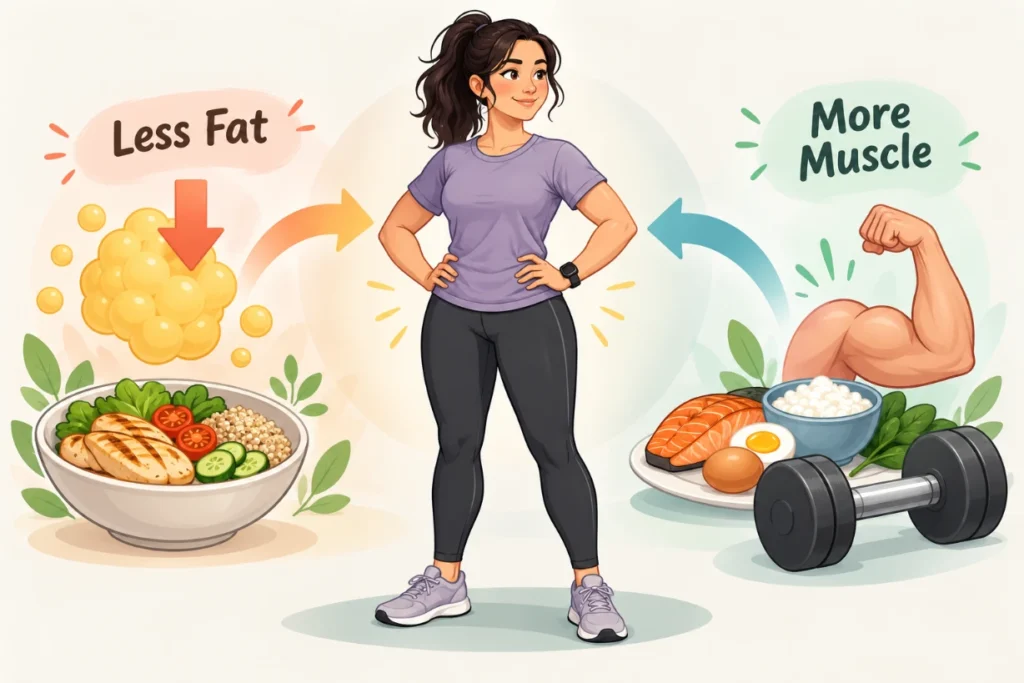
A diet to lose weight and gain muscle is built around body recomposition. Instead of only watching the scale, we care about what that weight is made of. We want less body fat and more lean tissue. On paper this sound simple, but our body has competing demands: fat loss needs a calorie deficit, while muscle growth likes a small calorie surplus.
Research over the last few years shows that both can happen at the same time, especially for people who:
- Are new or returning to strength training
- Carry extra body fat to start with
- Dial in their protein intake and training quality
A 2023 review in the journal Nutrients reported that people with higher body fat often lose fat and gain muscle together when they follow high protein diets and structured resistance workouts. In practice, this means we use a small calorie deficit, rather than starving ourself, and we give our muscles enough building blocks from protein and enough stimulus from lifting.
Step 1: Set Clear Goals For Weight And Muscle
Before we build a diet to lose weight and gain muscle, we need some simple targets. Without numbers, most people end up undereating protein or cutting calories too hard and lose muscle instead of building it.
Define Your Main Priority
Choose which goal gets a little more focus for the next 8 to 12 weeks:
- Fat loss first, muscle maintenance and slow gain second (best for most people with 15 to 30 pounds to lose)
- Muscle gain first, fat loss second (best if you are already lean but want more strength and size)
For recomposition, we normally focus slightly more on fat loss but protect muscle with protein and strength training. That way we do not get skinny and weak, we get lean and strong.
Find Your Calorie Range
We do not need perfect numbers, just a good starting point. One simple method that works well for many adults in the United States:
- If you are mostly sedentary: body weight (in pounds) x 12 for maintenance
- If you are lightly active: body weight x 13
- If you are active with regular workouts: body weight x 14
Then create a gentle deficit of about 300 to 500 calories from that estimate. For example, someone at 180 pounds who is lightly active might burn around 2,340 calories (180 x 13). A recomposition target might be about 1,800 to 2,000 calories per day. We adjust based on progress, hunger and energy.
Step 2: Protein – The Foundation Of Your Plan
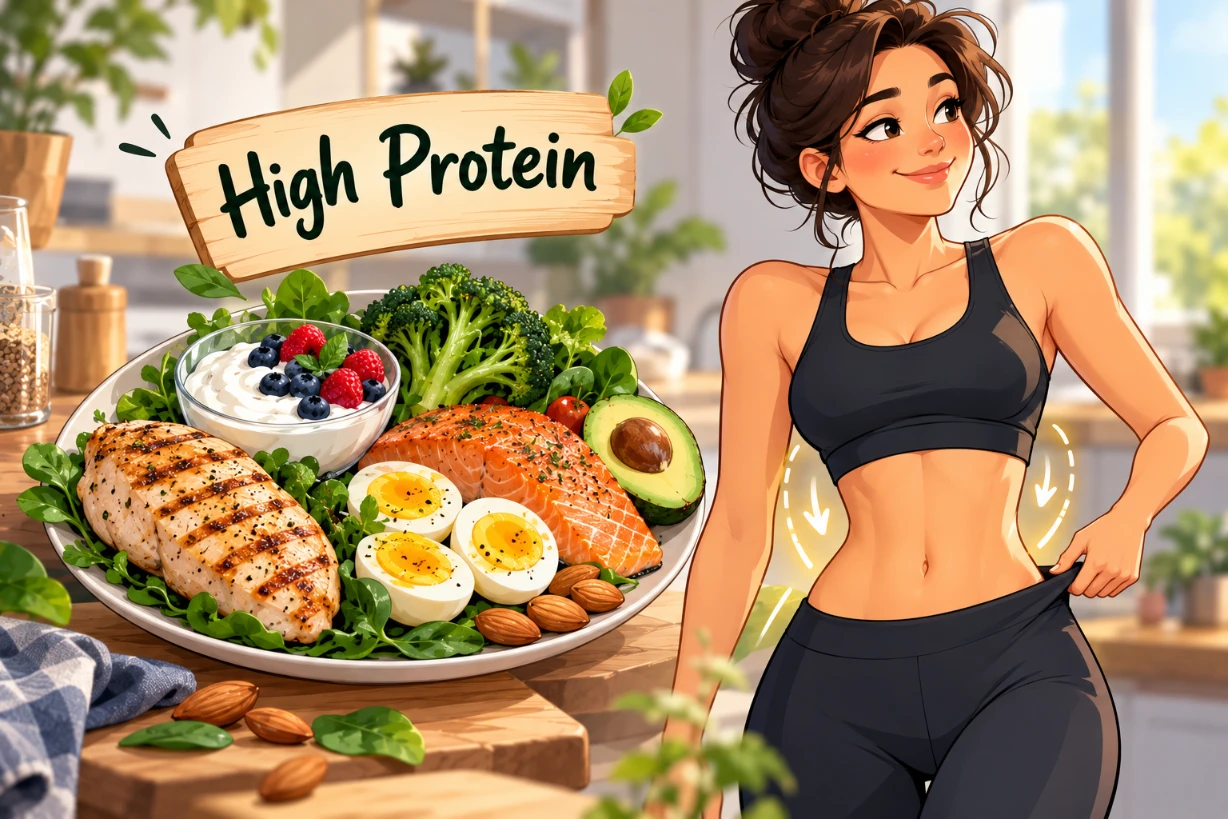
Any serious diet to lose weight and gain muscle lives or dies on protein intake. Protein helps us:
- Maintain and build muscle tissue
- Stay fuller for longer between meals
- Burn more calories through digestion (higher thermic effect)
On average, newer studies suggest aiming for about 0.7 to 1.0 grams of protein per pound of body weight per day for people doing strength training. So a 150 pound person might aim for 105 to 150 grams per day.
Practical Protein Targets
To make this realistic:
- Include protein in every meal and most snacks
- Spread it across the day instead of eating all your protein in one giant dinner
- Combine animal and plant sources for variety and nutrients
Useful protein sources for a diet to lose weight and gain muscle include:
Animal protein: chicken breast, turkey, eggs, egg whites, Greek yogurt, cottage cheese, lean beef, fish, shellfish, whey or casein protein powder.
Plant protein: tofu, tempeh, lentils, chickpeas, black beans, edamame, seitan, pea protein powder, quinoa (for a grain, it has decent protein).
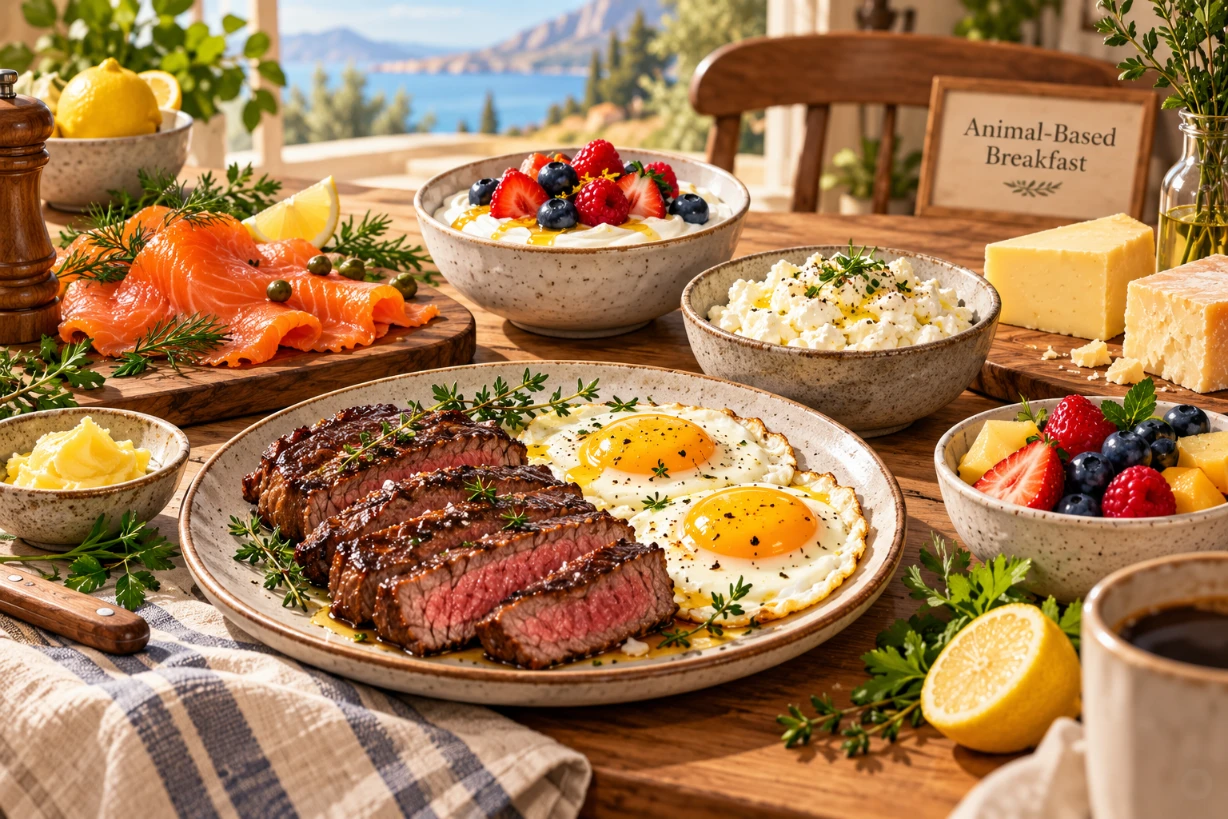
For readers who like animal heavy nutrition plans, we break down pros and cons in more detail at https://dietlinic.com/animal-based-diet-for-weight-loss-does-it-work/.
Step 3: Carbs And Fats – Fueling Workouts And Hormones
Once protein is set, the rest of your calories come from carbs and fats. Both matter when we want to lose fat and gain muscle.
Healthy Fats For Hormones And Satiety
Dietary fat supports hormone production, including testosterone and estrogen, which both play roles in muscle building and overall health. Too little fat can affect mood, energy, and even skin and hair health. A reasonable range is:
- About 20 to 35 percent of calories from fat for most adults
Focus on sources like olive oil, avocado, nuts, seeds, fatty fish, and pasture raised eggs when possible. These options bring omega 3 and other helpful nutrients that support heart and brain health.
Smart Carbs For Performance
Carbs are the body’s main fuel for tough training, especially lifting and cardio intervals. When we cut carbs too harsh, workouts feel flat, recovery slows, and we may lose more muscle during fat loss phases.
Carb quality matters as much as quantity. For most people, a diet to lose weight and gain muscle works best with:
- Complex carbs: oats, quinoa, brown rice, barley, whole grain bread, potatoes, sweet potatoes
- Fruits: berries, apples, oranges, bananas, seasonal produce
- Vegetables: especially fiber rich non starchy veggies like broccoli, spinach, kale, peppers, zucchini
We generally place most carbs around workouts and earlier in the day. For example, having a carb rich meal 1 to 3 hours before training, and a mix of carbs and protein after, help refuel muscles and support growth.
Step 4: Meal Timing And Frequency
You do not have to eat every two hours to build muscle, and you do not need extreme fasting windows to burn fat. What matters most is the total daily intake and consistent habits over weeks and months. Still, timing can give a small edge.
Simple Timing Guidelines
Many people prefer 3 meals plus 1 or 2 snacks each day for a diet to lose weight and gain muscle. Key ideas:
- Have 20 to 40 grams of protein within 2 to 3 hours before and after strength workouts
- Avoid very long periods (over 5 hours) in the day with no food at all if you feel weak or lightheaded
- Keep late night snacking under control, especially high sugar or high alcohol intake
Intermittent fasting can still work for body recomposition, but it may require more planning to fit enough protein into a shorter eating window. People with intense training schedules or blood sugar issues may do better with regular meal spacing.
Step 5: Strength Training – Non‑Negotiable For Muscle Gain
No diet to lose weight and gain muscle works well without lifting or some form of resistance training. When we cut calories but skip strength work, our body uses muscle for energy. That means we might lose scale weight, but much of it is valuable lean tissue.
Basic Training Guidelines
For solid results, aim for:
- At least 3 days per week of full body or upper and lower split workouts
- Compound lifts like squats, deadlifts, lunges, presses, and rows as the backbone
- 2 to 4 sets per exercise, 6 to 15 reps per set, depending on your level
- Gradual overload: lifting slightly heavier, or doing more reps, or adding sets over time
Cardio still has a place, especially for heart health and extra calorie burn, but strength training stays at the center when muscle growth is part of the goal.
Step 6: Sample 1‑Day Meal Plan For Fat Loss And Muscle Gain

Below is a simple example for someone eating around 1,900 to 2,000 calories with about 140 to 150 grams of protein. Adjust portions to your own calorie needs.
Breakfast
High Protein Scramble Bowl
- 2 whole eggs + 3 egg whites scrambled
- 1/2 cup black beans
- 1/2 cup sautéed spinach and peppers
- 1 small avocado (or half, if you need fewer calories)
- 1 slice whole grain toast
This meal gives protein, fiber, and healthy fats, keeping you full through the morning.
Lunch
Chicken Quinoa Power Salad
- 4 to 5 ounces grilled chicken breast
- 1/2 to 3/4 cup cooked quinoa
- Mixed greens, cucumber, cherry tomatoes, shredded carrots
- Olive oil and lemon dressing (about 1 tablespoon oil)
Snack (Pre‑Workout)
Greek Yogurt And Fruit
- 1 cup nonfat Greek yogurt
- 1/2 cup berries
- 1 tablespoon chopped walnuts or almonds
Dinner (Post‑Workout)
Salmon And Sweet Potato Plate
- 4 to 5 ounces baked salmon or other fatty fish
- 1 medium baked sweet potato
- 1 to 2 cups roasted broccoli or Brussels sprouts with a bit of olive oil
Optional Evening Snack
Cottage Cheese And Veggies
- 1/2 to 3/4 cup low fat cottage cheese
- Sliced cucumber or bell pepper strips
This kind of day lines up well with a diet to lose weight and gain muscle because it keeps protein high, includes fiber rich carbs around workouts, and uses healthy fats in moderate amounts.
Macro Breakdown Table Example
The exact macro split can shift, but many recomposition plans fall near these ranges:
| Macro | Typical Range | Role In Recomposition |
|---|---|---|
| Protein | 30 to 35 percent of calories | Builds and protects muscle, supports satiety |
| Carbs | 35 to 45 percent of calories | Fuels training, supports recovery and performance |
| Fat | 20 to 30 percent of calories | Supports hormones, brain and joint health |
We can tweak these numbers if you prefer a slightly higher fat or lower carb pattern, but making protein the anchor is what really drives progress.
Plant‑Based, Animal‑Based, Or Mixed: Which Style Works Best
Many Americans ask if they need to go all in with animal foods or fully plant based to get results. Based on current research, both patterns can work for a diet to lose weight and gain muscle, as long as we hit protein targets and manage calories.
Animal‑heavy plans often make it simpler to reach high protein levels with fewer total calories. Plant‑based diets bring more fiber and phytonutrients which support gut and heart health, but they require mixing sources to get complete amino acids. We cover direct comparisons between styles in detail at https://dietlinic.com/animal-based-diet-vs-plant-based-diet/.
For many readers, a mixed approach feels natural: lean meats or fish, plus beans, lentils, whole grains, nuts, seeds, and plenty of vegetables. This style easily fits a Mediterranean pattern, which has strong evidence for long term health. If you are curious about foods in that pattern, we break them down at https://dietlinic.com/what-foods-are-in-the-mediterranean-diet/.
Hydration, Sleep, And Stress: The Hidden Pieces
Even the most perfect looking meal plan will struggle if we ignore sleep, hydration, and stress. They may sound boring, but they change how our body uses the calories we eat.
Hydration
Dehydration can cause fake hunger, headaches, and poor workout performance. Many adults feel better aiming for about:
- Half their body weight in ounces of water per day, as a starting point
For example, a 160 pound person might target around 80 ounces, more on training days or in hot weather. Some of this can come from tea, coffee, or watery foods like fruit and vegetables.
Sleep
Lack of sleep makes everything harder. Studies from 2022 and 2023 continue to show that getting less than 6 hours per night is linked with higher hunger hormones, more cravings, and lower muscle recovery. For a diet to lose weight and gain muscle, quality sleep is truly non optional.
Helpful habits include dimming screens before bed, going to sleep at a fairly steady time, and keeping the bedroom dark and cool. Many people find that even 30 more minutes of sleep per night improves food choices and gym effort.
Stress
Chronic stress raises cortisol, a hormone that can encourage fat storage around the belly and break down muscle tissue when levels stay high. We cannot erase stress, but we can buffer it with simple pratices:
- Short walks during the day, even 5 to 10 minutes
- Breathing exercises or prayer or quiet reflection
- Limiting doomscrolling late at night
Realistic Progress: What Results To Expect
Many fitness posts promise extreme changes in 30 days. In real life, steady, modest progress tends to last longer and feel less miserable. For a well planned diet to lose weight and gain muscle, typical outcomes might look like:
- Fat loss: about 0.5 to 1 percent of body weight per week for most non athletes
- Muscle gain: beginners might add 1 to 2 pounds of muscle per month, sometimes more in the first few months
At the same time, the mirror, how your clothes fit, and strength gains in the gym tell more truth than the scale alone. Many people see the scale move slowly while their waist shrinks and their lifts go up.
For example, someone starting at 200 pounds might lose only 5 scale pounds in 8 weeks, but drop a pant size and add 30 pounds to their squat. They have actually lost more fat than the scale shows, because they also gained muscle.
Common Mistakes That Block Recomposition
Based on working with real people chasing the same goal, a few patterns come up over and over. Avoiding these missteps can save months of frustration.
1. Cutting Calories Too Aggressively
Very low calorie diets may cause quick scale drops, but they can take muscle with them. When your body feel starved, it reduces non essential movement, makes you more tired, and often pushes you toward binges later. A modest deficit almost always wins long term.
2. Inconsistent Protein Intake
Having 30 grams one day and 100 grams the next makes it harder for your body to stay in a muscle building state. Try to keep daily protein fairly steady, even on rest days.
3. Cardio Without Strength Training
Relying only on running or long cardio sessions can lead to a smaller but still soft body shape. Cardio is healthy, but it works best alongside lifting when muscle is a clear target.
4. Weekend Overeating
Many of us are on track Monday through Thursday but lose control Friday night through Sunday. A few high calorie days can cancel out a week of careful eating. Planning one or two favorite meals ahead, instead of random snacking and drinks, keeps life enjoyable while progress continues.
5. Ignoring Fiber And Micronutrients
A diet to lose weight and gain muscle is not only about macros. Vitamins, minerals, and fiber support digestion, energy levels, and long term health. Aim for several colors of plants each day: greens, reds, oranges, blues, and whites. Each color group tends to bring different protective compounds.
Adapting The Plan To Your Lifestyle
A strong plan fits your actual life, not a fantasy version of it. That is where most people slip. For busy American schedules, with commutes, kids, and long work days, a flexible, simple structure works better then rigid rules.
If You Cook At Home Often
Batch prep helps a ton. Spend a few hours once or twice per week cooking:
- One or two protein options (like chicken breasts and a pot of beans)
- One whole grain (quinoa, brown rice, barley)
- One tray of roasted vegetables
Then mix and match through the week. For animal‑focus readers, we share easy ideas at https://dietlinic.com/animal-based-diet-meal-ideas-recipes/.
If You Eat Out Often
Look for menu choices that hit your protein and veggie goals. A few patterns:
- Grilled meat or fish with a double order of vegetables instead of fries
- Salads with a protein topping and dressing on the side
- Burrito bowls with extra beans and veggies, limited cheese and sour cream
Ask for sauces and sugar heavy drinks on the side. These small swaps keep calories lower without leaving you feel deprived.
If You Travel A Lot
Packing portable protein helps: individual protein powder packets, tuna pouches, jerky, roasted chickpeas, or shelf stable milk cartons. Add fruit and nuts from gas stations or airports and you have better control over your intake even without a kitchen.
Supplements: Which Ones Actually Help
Supplements can support a diet to lose weight and gain muscle, but they cannot fix poor basics. Think of them as the top of the pyramid, not the base.
Evidence backed options include:
- Whey or plant protein powder for convenience when whole food is not available
- Creatine monohydrate which has decades of research supporting small increases in strength and muscle mass
- Fish oil (omega 3) if you rarely eat fatty fish
- Vitamin D if a blood test shows low levels, which is common in many U.S. adults
On the other side, many fat burner pills or “metabolism boosters” rely on stimulants that raise heart rate and stress without meaningful long term fat loss. If something sounds magical, it probably is not backed by strong data.
Bringing It All Together
A smart diet to lose weight and gain muscle does not rely on extreme rules or fad trends. It comes from consistent protein intake, a small and steady calorie deficit, strength training, enough sleep, and day to day choices that match your actual routine. When we build habits around these principles, fat loss and muscle growth can work together instead of fight each other.
Over time, the process feels less like “being on a diet” and more like living in a way that respects your body. You feel stronger carrying groceries, climbing stairs, or playing with kids. Clothes fit better, labs often improve, and the mirror tells a different story than it did months before. That is the real promise of a thoughtful diet to lose weight and gain muscle: not just a smaller body, but a healthier, more capable one that supports the life you want to live.
Leave a Reply