

Many people searching for what is considered a low sodium diet are dealing with high blood pressure, heart disease, kidney issue, or just want to protect their health long‑term. Salt touches almost every part of the American food supply, from fast food fries to breakfast cereal. So when a doctor says, “You need to cut back on sodium,” it can feel confusing and even a little scary.
What Is Considered A Low Sodium Diet?
When health professionals talk about a “low sodium diet,” they usually mean a daily sodium intake that is lower than the typical American pattern and more in line with heart‑healthy guidelines.
Most clinical guidelines define low sodium in one of two ways:
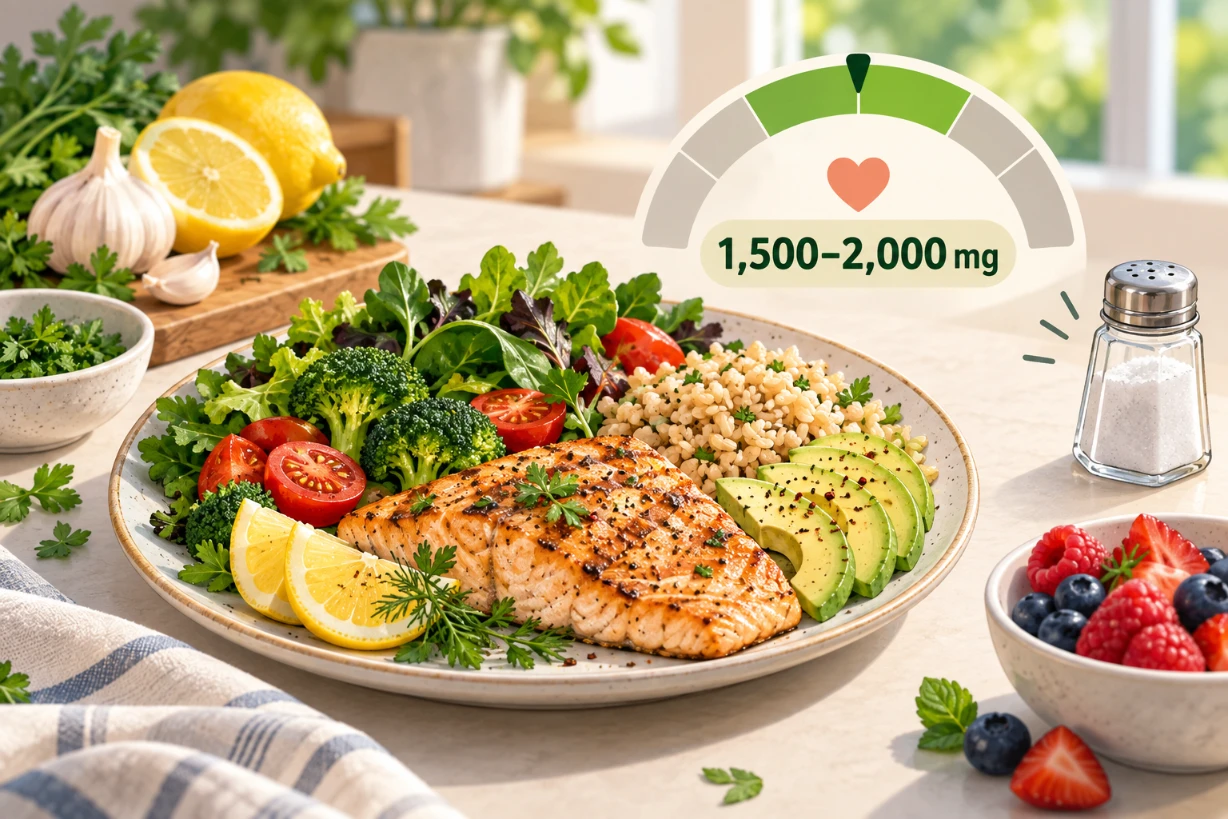
- Standard low sodium diet: Around 1,500 to 2,000 milligrams (mg) of sodium per day.
- Very low sodium diet: Below 1,200 mg per day, often used short‑term or in special medical situations.
For comparison, the average American eats close to 3,400 mg of sodium daily, mostly from processed and restaurant foods. The American Heart Association recommends aiming for no more then 1,500 mg per day for adults who have high blood pressure or are at higher risk for heart disease. Even healthy adults are encouraged to stay under 2,300 mg per day.
So, what is considered a low sodium diet in practical terms? It usually means:
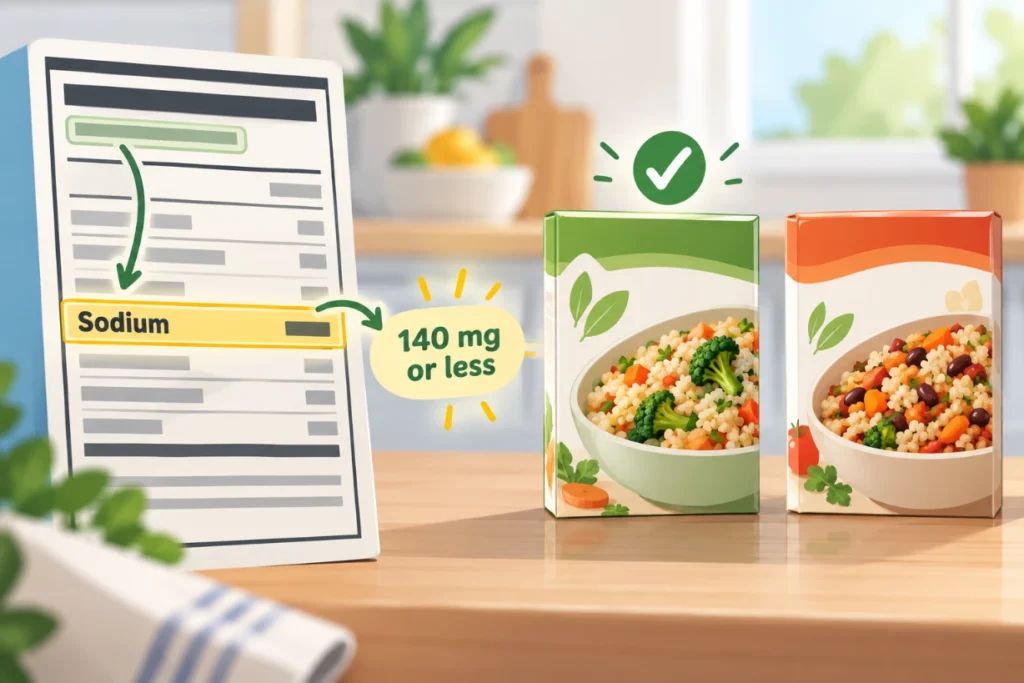
- Reading food labels and choosing products with 140 mg sodium or less per serving (this is the FDA cutoff for “low sodium”).
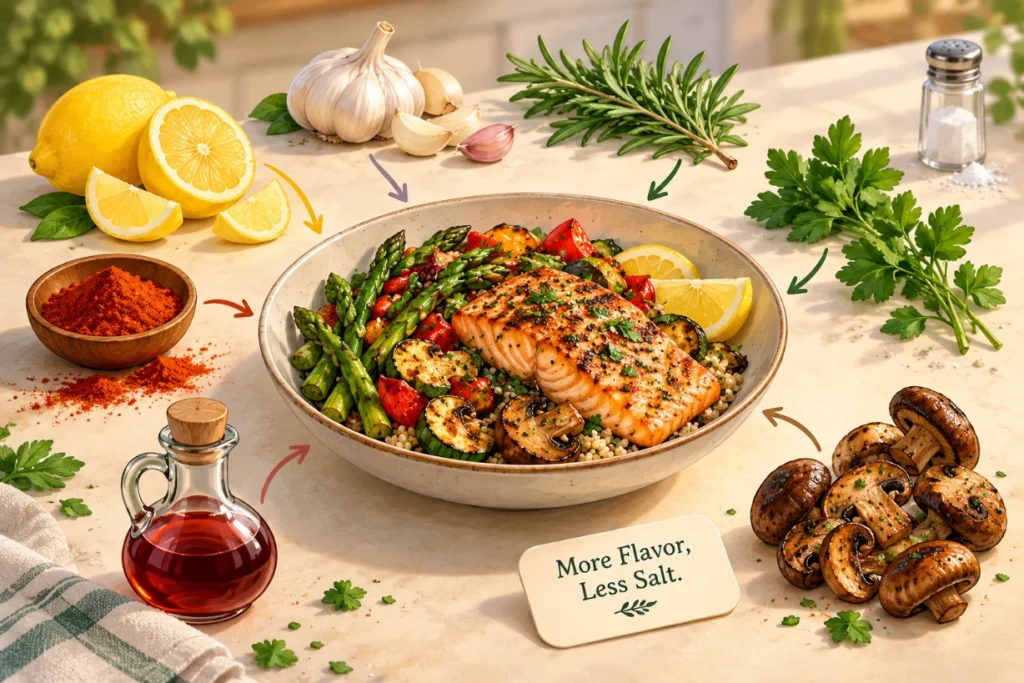
- Cooking at home more often, using herbs, spices, and acids like lemon instead of heavy use of salt.
- Limiting processed meats, canned soups, frozen dinners, and salty snacks.
Once you start tracking it, 1,500 to 2,000 mg of sodium goes by very fast, which is why planning and awareness matters so much.
Why Sodium Matters For Health
Sodium is not the villain by itself. Our bodies need it to maintain fluid balance, nerve signals, and muscle function. The problem is the dose. Chronic excess sodium can pull more water into the bloodstream, which increases blood volume and drive up blood pressure.
Over time, high blood pressure puts extra stress on the arteries, heart, brain, and kidneys. This stress is closely linked with:
- Heart attack and heart failure
- Stroke
- Chronic kidney disease
- Vision loss from damaged blood vessels in the eye
According to the CDC, almost half of U.S. adults have hypertension or are taking medication for it, and sodium intake is one of the modifiable factors. Recent research from 2023 in large population studies continues to show that people who consistently eat less sodium tend to have lower blood pressure and lower risk of cardiovascular events, especially when they also eat more potassium‑rich foods like fruits and vegetables.
Based on current trends, clinicians are getting more specific with their advice. Instead of just saying “eat less salt,” they often give clear targets, like 1,500 or 2,000 mg daily and specific foods to watch. When people understand what is considered a low sodium diet in numbers and in food examples, they are far more likely to follow through.
Who Should Follow A Low Sodium Diet?
A low sodium pattern is recommended or strongly encouraged for several groups. For some it is optional but helpful, while for others it is a key part of treatment.
People With High Blood Pressure
For anyone with hypertension, reducing sodium is one of the core lifestyle strategies, along with exercise, weight management, and moderating alcohol. Even a modest cut in sodium can lower systolic blood pressure by 5 to 6 points for many people, and sometimes more.
Heart Failure And Heart Disease
In heart failure, the heart struggles to pump blood efficiently. Sodium can cause the body to retain fluid, which makes swelling, shortness of breath, and fatigue worse. Cardiologists often recommend a low sodium diet around 1,500 to 2,000 mg per day for these patients, sometimes tighter depending on symptoms.
Chronic Kidney Disease
Kidneys help control sodium balance. When kidneys are damaged, they may not excrete sodium effectively, leading to fluid buildup and high blood pressure. A low sodium diet helps reduce this burden. Nephrology guidelines usually support 2,000 mg or less per day, tailored to the individual.
People With Liver Disease And Fluid Retention
Conditions like cirrhosis can lead to ascites, a buildup of fluid in the abdomen. Sodium restriction is a basic part of managing these fluid shifts.
Anyone Wanting To Support Long‑Term Heart Health
Even if you do not have a diagnosis yet, staying closer to the low sodium range can help keep blood pressure in a healthy zone as you age. Many of us inherit a family history of hypertension. In those cases, starting a lower sodium pattern earlier often means less medication later.
How Much Sodium Is In Common Foods?
Once we ask what is considered a low sodium diet, the next question is usually “Where is all this sodium coming from?” Most of it is hidden in processed and restaurant foods, not from the salt shaker at home.
Here are average sodium ranges for everyday foods:
| Food | Typical Serving | Approx. Sodium (mg) |
|---|---|---|
| Fast food burger with fries | 1 meal | 1,200–1,800 |
| Frozen dinner (regular) | 1 tray | 700–1,500 |
| Canned soup (regular) | 1 cup | 600–900 |
| Deli turkey | 3 oz | 800–1,000 |
| Pizza (restaurant) | 2 slices | 1,000–1,600 |
| Pretzels or chips | 1 oz (small bag) | 150–300 |
| Breakfast cereal (many brands) | 1 cup | 150–300 |
| Whole wheat bread | 1 slice | 120–200 |
| Rotisserie chicken (with skin) | 3 oz | 400–600 |
| Salted restaurant entrée | 1 plate | 1,500–3,000+ |
Think about those numbers next to a 1,500 mg daily goal. A single restaurant meal can blow past your target before dinner is even over. This is why home cooking gets highlighted again and again when we talk about low sodium diets.
Label Reading: How To Spot A Low Sodium Food
Nutrition labels are one of the most powerful tools when someone starts a low sodium lifestyle. Here is what to look for when you pick up a package.
Key Terms On The Label
- “Sodium” on Nutrition Facts: Shows milligrams (mg) per serving. Always check the serving size, because many packages have more than one serving.
- % Daily Value: Based on 2,300 mg per day. For people aiming at 1,500 mg, try to keep individual items around 5% DV or less.
- Low sodium: 140 mg or less per serving.
- Very low sodium: 35 mg or less per serving.
- Sodium free: Less than 5 mg per serving.
- Reduced sodium: At least 25% less sodium then the regular version, but it might still be quite high.
Smart Label Strategies
Based on experience working with real people in grocery aisles, a few habits make a huge difference:
- Compare brands side by side and choose the lowest sodium that still taste good to you.
- For staples like bread, cereal, and sauces, make a one‑time label “audit” of your usual brands and swap high‑sodium choices for lower ones.
- Use “no salt added” canned beans and tomatoes when you cook, then season yourself.
At first, reading labels for sodium can feel like extra work. Within a few weeks, most people develop a short list of go‑to products and shopping becomes automatic again.
What Does A Low Sodium Day Of Eating Look Like?
Understanding what is considered a low sodium diet is easier when we see it as real meals instead of just numbers. Here is an example of a day around 1,600 mg of sodium, which fits within many low sodium guidelines.
Sample Low Sodium Meal Plan (Approx. 1,600 mg)
Breakfast (about 300 mg)
- Plain oatmeal cooked with water, topped with sliced banana and a spoon of peanut butter (check for low sodium brand)
- 1 cup low‑fat milk
Morning snack (about 0–50 mg)
- Fresh apple or pear
- Unsalted almonds (small handful)
Lunch (about 450 mg)
- Large salad with mixed greens, cherry tomatoes, cucumber, and grilled chicken breast (cooked without salty marinade)
- Olive oil and vinegar dressing, lightly salted if at all
- 1 small whole grain pita (look for 100–150 mg per piece)
Afternoon snack (about 150 mg)
- Plain yogurt with berries
Dinner (about 600–700 mg)
- Baked salmon seasoned with lemon, pepper, garlic, and herbs instead of heavy salt
- Steamed broccoli and carrots, drizzled with olive oil
- Half cup of brown rice cooked in no‑salt broth or water
This pattern leans toward a Mediterranean style of eating, which research keeps supporting for heart health. If you are curious about that style as a whole, we cover it in more detail here: https://dietlinic.com/what-foods-are-in-the-mediterranean-diet/
How To Lower Sodium Without Losing Flavor
One of the biggest fears people have is that a low sodium diet will taste bland. That fear is totally understandable, especially if you grew up on restaurant meals, boxed mixes, and salty snacks. The good news is our taste buds can adapt.
Most people notice that after 2 to 4 weeks of cutting back on sodium, foods with heavy salt suddenly taste harsh or even unpleasant. The key is replacing salt’s “wow” factor with other flavor building tools.
Use Herbs And Spices Generously
Fresh and dried herbs add layers of flavor that make meals satisfying even with much less salt. Helpful combinations include:
- Garlic, rosemary, and lemon for chicken or potatoes
- Smoked paprika, cumin, and chili powder for beans or roasted vegetables
- Dill, parsley, and lemon for fish and yogurt sauces
- Oregano and basil for tomato dishes
Herb and spice blends can hide sneaky sodium, so check for “salt” or “sodium” on the ingredient list. Choose salt‑free seasoning mixes when possible.
Lean On Acids For Brightness
Acidic ingredients make flavors pop, even when you use very little salt:
- Lemon or lime juice
- Vinegars (balsamic, red wine, apple cider, rice)
- Plain yogurt as a base for dressings and sauces
Often a squeeze of lemon at the end of cooking can take a dish from flat to bright without extra sodium.
Use Umami Without Overshooting Sodium
Umami is that savory, deep flavor that makes food satisfying. Many umami‑rich foods, like soy sauce and miso, are very high in sodium. They can still be used in tiny amounts, but pair them with naturally low sodium ingredients:
- Mushrooms, especially when roasted or sautéed to bring out browning
- Tomato paste in small amounts for stews and sauces
- Nutritional yeast sprinkled over vegetables or popcorn
As someone who spends a lot of time in the kitchen, we see people stick to low sodium changes much better when they focus on making food taste interesting rather then just “less salty.”
Hidden Sources Of Sodium To Watch
When people first track their intake, they are often surprised by certain foods that do not taste all that salty but still pack in a lot of sodium. Some common culprits include:
- Breads, wraps, and tortillas
- Breakfast cereals and instant oatmeal packets
- Condiments like ketchup, barbecue sauce, soy sauce, and salad dressings
- Cheese and processed cheese slices
- Plant‑based meat substitutes and veggie burgers
- Canned vegetables and canned beans with added salt
- “Healthy” frozen meals that are still restaurant‑level salty
When we ask what is considered a low sodium diet, part of the answer is not just avoiding the obviously salty chips and fries, but also swapping these hidden sources for lower sodium alternatives. For example, choose unsalted beans and add your own seasonings, or use half the amount of ketchup and replace the rest with fresh tomato slices.
Balancing Sodium With Potassium And Whole Foods
Sodium does not work alone in the body. Potassium plays a sort of counter‑balance role, helping relax blood vessel walls and promoting sodium excretion through the kidneys. Diet patterns high in potassium and lower in sodium are strongly linked with better blood pressure control.
Potassium‑rich foods include:
- Bananas, oranges, and cantaloupe
- Beans and lentils
- Sweet potatoes and white potatoes (with skin)
- Leafy greens like spinach and Swiss chard
- Tomatoes and avocado
If you have kidney disease or are on certain medications, you may need to be careful with potassium, so always clear major changes with your health care provider. For most adults with healthy kidneys, shifting towards more fruits, vegetables, and legumes while easing off processed food will naturally adjust the sodium‑potassium ratio in a better direction.
Low Sodium Diets And Different Eating Styles
People often wonder if they can stay low sodium while following other patterns like animal‑based, plant‑based, or keto. The short answer is yes, but each style has its own sodium traps.
For example, someone using an animal‑based approach might lean hard on processed meats, which are typically salt‑heavy. We share more detail about how animal‑based patterns compare with other styles here: https://dietlinic.com/animal-based-diet-vs-plant-based-diet/
With low sodium goals, the flexible strategies usually look like this:
- Base meals around whole foods: fresh meat or fish, eggs, whole grains (if included), beans, and plenty of vegetables.
- Limit cured and processed meats such as bacon, sausage, hot dogs, and deli slices.
- Make sauces and dressings at home more often so you control the salt.
The pattern that often lines up naturally with low sodium is a Mediterranean or mostly plant‑based approach that focus on whole foods, olive oil, nuts, seeds, and minimal processed items. But almost any style can be adjusted, as long as you track the total sodium and avoid high‑salt processed foods.
Practical Tips For Eating Low Sodium Away From Home
Cooking at home gives the most control, yet we all eat out, travel, or grab convenience food sometimes. A few realistic habits can keep sodium from spiking too much.
Restaurant Strategies
- Check nutrition info online before you go when possible, and pick lower sodium options in advance.
- Ask for sauces and dressings on the side. Use only what you really need.
- Request no added salt on grilled meats or vegetables. Many kitchens are willing to adjust.
- Split high‑sodium dishes with someone or take half home, especially for pizza, pasta, and stir‑fries.
Travel And Convenience Foods
- Pack snacks like unsalted nuts, fresh fruit, and low sodium crackers.
- At convenience stores, choose yogurt, plain popcorn (check label), or fresh cut veggies if available.
- If you must choose fast food, look for grilled items, smaller sizes, and skip cheese and salty sauces when you can.
Nobody eats perfectly low sodium every single day, especially when life gets hectic. What matters is the usual pattern across weeks and months, not one salty meal here and there.
Adjusting Your Taste Buds And Mindset
The emotional side of dietary change is easy to overlook. Salt is deeply tied to comfort food memories: fries after a game, chips during movies, your favorite takeout meal after a long week. When someone suddenly pulls back on sodium, it can feel like they are giving up small joys.
Two things tend to help:
- Focus on what you are adding, not just cutting. New herbs, fresh ingredients, better quality oils, and colorful vegetables can make your plate more interesting, not less.
- Give yourself a transition period. Instead of dropping from 3,400 mg to 1,200 mg overnight, step down over a few weeks. Maybe first aim for 2,300 mg, then 2,000, then 1,500. This softer landing helps your taste adjust and your mindset stay positive.
Many people also find it easier when they connect the changes to something specific they care about: having enough energy to play with kids or grandkids, staying out of the hospital, or reducing the number of medications they need.
When A Very Low Sodium Diet Might Not Be Right
While the focus here is what is considered a low sodium diet, there is also such thing as too little sodium for some people. Very restrictive sodium intake, below about 1,000 mg per day for long periods, can lead to dizziness, fatigue, or even worsen certain heart conditions in a small subset of patients. Recent studies suggest a “sweet spot” for most adults is not “zero salt,” but a clearly reduced, moderate range.
This is why personal medical guidance matters. A cardiologist might recommend stricter sodium limits for someone with severe heart failure, while a very active athlete who sweats a lot might need more sodium, not less, especially during hot weather. The numbers in this article are general ranges; your care team can refine them based on your health history and medications.
Key Takeaways: What Is Considered A Low Sodium Diet In Daily Life?
To bring everything together, here is the core picture of what is considered a low sodium diet:
- Daily sodium intake usually in the range of 1,500 to 2,000 mg, lower than the typical American pattern.
- Relying more on whole, minimally processed foods and less on restaurant meals, canned soups, frozen dinners, and salty snacks.
- Using food labels to choose items with 140 mg sodium or less per serving whenever possible.
- Flavoring food with herbs, spices, garlic, onions, citrus, and vinegar instead of heavy salt.
- Fitting the sodium goal into your personal eating style in a way that still feels satisfying and sustainable.
Low sodium eating is not about perfection or punishment. It is about reshaping your usual habits so that your everyday meals quietly support your heart, kidneys, and blood pressure. Once you understand what is considered a low sodium diet in numbers and in real food, that change becomes much less mysterious and a lot more doable.


Leave a Reply