
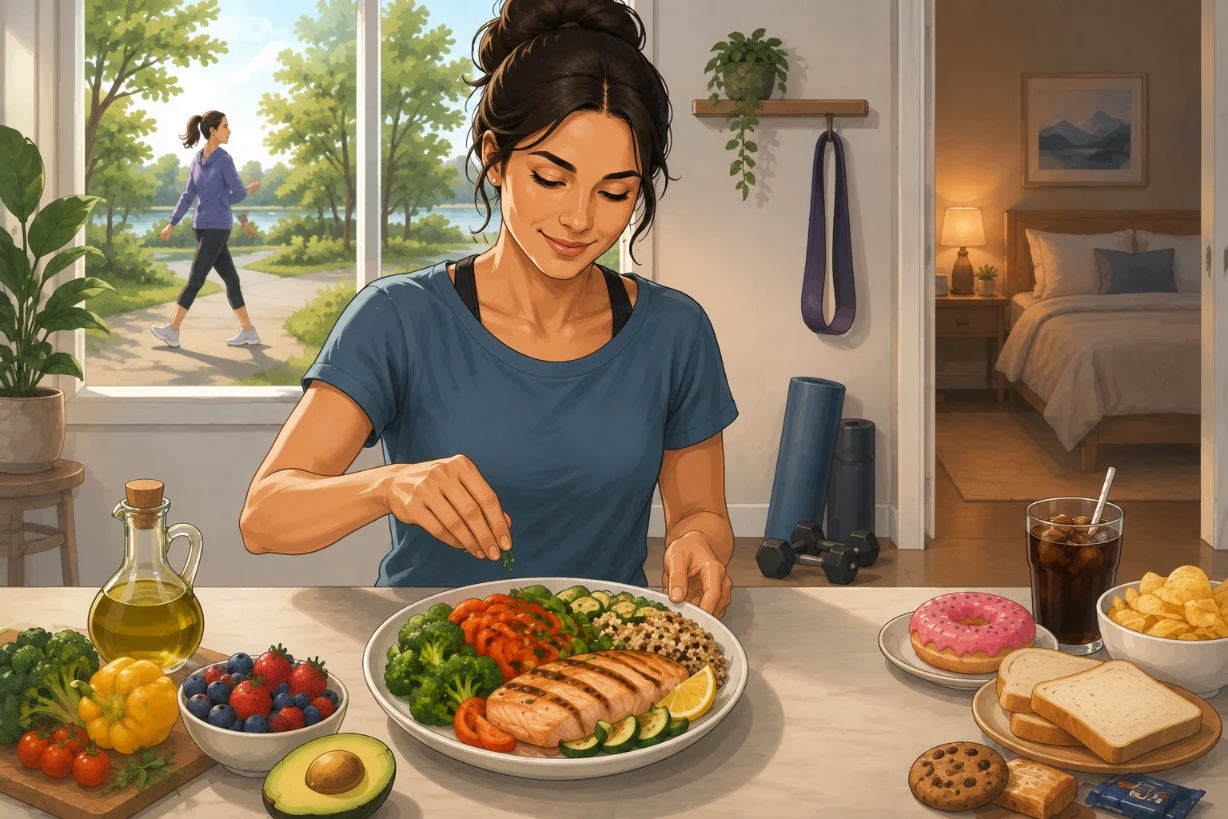

What is the best diet to lose belly fat? Most of us who ask this are not thinking about magazine abs. We are thinking about feeling lighter in our clothes, lowering our risk for diabetes and heart disease, and having more energy for daily life. Belly fat feels stubborn, and many people try extreme diets only to gain the weight right back. A better way is to target belly fat with a smart, sustainable eating pattern that works with how our body stores and burns fat.
Why Belly Fat Is Different From Other Fat
Before choosing the best diet to lose belly fat, it helps to know why weight around the waist behave different than fat in the hips or thighs. Belly fat can be split into two types:
Subcutaneous fat
This is the soft fat you can pinch under the skin. It can bother us for how we look, but it is not the most dangerous type.
Visceral fat
This fat sit deeper, around organs like the liver, stomach, and intestines. Visceral fat is more active hormonally. It release inflammatory chemicals and affects how our body handles sugar, cholesterol, and blood pressure.
Research from Harvard T.H. Chan School of Public Health shows that higher visceral fat is linked with higher risk of type 2 diabetes, heart disease, fatty liver, and even some cancers. That is why doctors care so much about waist size. A large waist often means more visceral fat, even if total weight is not extreme.
Waist measurement that raise concern:
- More than 40 inches in men
- More than 35 inches in women
So when we ask what is the best diet to lose belly fat, what we really want is a way of eating that reduces visceral fat, improve hormones, and steady blood sugar, not just drop a few pounds fast.
What Science Says About Diets And Belly Fat
Different diets target belly fat in different ways. Over the last few years, large reviews and randomized trials have looked at which patterns shrink waist size the most. There is no single perfect diet for everyone, but some common features show up again and again.
Recent evidence (2023–2024) from journals like JAMA and The Lancet point to three things that matter most:
- How food affects insulin and blood sugar spikes
- Overall protein intake and muscle protection
- Total calorie balance over time
When insulin stays high much of the day due to sugary drinks, ultra processed snacks, and refined carbs, our body is more likely to store fat around the organs. Diets that lower these spikes, increase fiber, and keep protein steady usually perform better for waist reduction than low-fat, high-carb plans of the past.
Core Principles Of The Best Diet To Lose Belly Fat
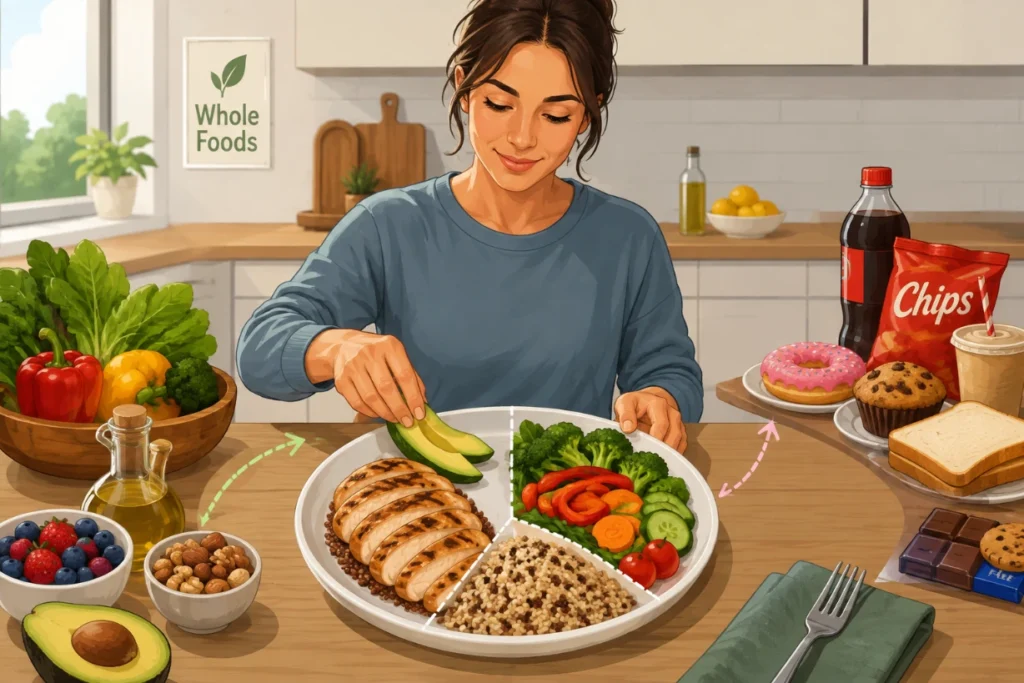
Rather than one strict menu, the best diet to lose belly fat works like a flexible blueprint. It can match different cultural foods, schedules, and preferences. Based on current research and practical experience with readers, we can narrow it down to several core principles.
1. Focus on whole, minimally processed foods
Ultra processed foods are easy to overeat, low in fiber, and often mix sugar, unhealthy fats, and salt. This combination make us hungrier later, even when calories are high. A 2023 review in Nutrients linked high intake of ultra processed foods with larger waistlines and more visceral fat.
Better belly fat choices include:
- Vegetables of all colors (fresh, frozen, or roasted)
- Whole fruits like berries, apples, oranges, and pears
- Whole grains such as oats, quinoa, brown rice, farro
- Lean proteins like fish, poultry, eggs, beans, tofu, Greek yogurt
- Healthy fats from olive oil, avocado, nuts, and seeds
These foods digest slower, keep us full longer, and help prevent blood sugar swings that push fat toward the midsection.
2. Control refined carbs and added sugar
Carbs are not the enemy. The type and amount of carbohydrate matters more than the label itself. Refined carbs (white bread, pastries, many breakfast cereals, sweet coffee drinks) are stripped of fiber and cause faster spikes in blood sugar and insulin.
High insulin levels encourage fat storage, especially in the abdomen. Studies in the last 2 years have shown that people who cut sugary drinks, desserts, and refined grains often lose inches from their waist even when they do not count calories tightly.
Helpful swaps for belly fat loss:
- Choose water, unsweet tea, or black coffee instead of soda or sweet tea
- Replace white bread with a dense whole grain bread
- Trade sugary cereals for rolled oats topped with berries and nuts
- Limit desserts to 2–3 times per week instead of daily
3. Prioritize protein at each meal
Protein has a strong effect on fullness and helps protect muscle when we are in a calorie deficit. More muscle means a higher resting metabolism, which is important for long term belly fat loss.
Most adults do better for fat reduction with roughly 0.7 to 1.0 grams of protein per pound of goal body weight. For example, if your target weight is 150 pounds, that equals about 105 to 150 grams of protein per day. This range can vary with kidney health or other medical issues, so talking with a healthcare provider is smart if you have concerns.
Spread protein across the day like this:
- 25–35 grams at breakfast
- 25–35 grams at lunch
- 25–35 grams at dinner
- Optional high protein snack if needed
High protein meals often lower cravings for ultra processed snacks, which indirectly help shrink belly size.
4. Use healthy fats, not low fat extremes
Decades of low fat dieting taught many of us to fear fats. Yet a big body of research now shows that diets richer in unsaturated fats can improve belly fat, insulin sensitivity, and cholesterol, as long as calories are controlled.
Healthy fats to use more often:
- Extra virgin olive oil on salads and cooked veggies
- Avocado sliced on toast or in salads
- Fatty fish like salmon, sardines, trout
- Small portions of nuts and seeds
These fats help us feel satisfied and make it easier to stick with a lower calorie intake without feeling deprived every hour. They also support hormone balance, which matters for stubborn fat around the waist, especially in perimenopause and menopause.
5. Maintain a gentle, consistent calorie deficit
No matter what style of eating we choose, belly fat will not drop if we are not in a calorie deficit. That means taking in slightly fewer calories than we burn. Extreme cuts often backfire with strong hunger, binge eating, and muscle loss.
A more realistic goal is a 300–500 calorie deficit per day. For many adults, that lead to a loss of about 0.5 to 1 pound per week. It may sound slow, but these are the results that usually stay off.
Signs your deficit is probably about right:
- Weight trends slightly down over several weeks
- Waist measurement slowly shrinks
- You feel a bit hungry sometimes, but not starved or obsessed with food
- Energy is mostly stable through the day
Which Named Diets Work Best For Belly Fat?
People searching what is the best diet to lose belly fat often expect a single label. Keto, Mediterranean, plant based, low carb, or high protein. The answer is more nuanced. Several patterns can work, as long as they follow the principles above. Here is how some of the best known options compare.
Mediterranean style diet
The Mediterranean diet is one of the most studied eating patterns for heart health, diabetes prevention, and weight management. It centers around vegetables, fruits, whole grains, beans, nuts, fish, and olive oil, with limited red meat and sweets.
Recent trials show that a Mediterranean style approach can reduce waist size and visceral fat even without strict calorie counting. People often find it easier to follow long term because meals feel flavorful and social, not restrictive. For more on what foods are common in this pattern, you can explore this guide: Mediterranean diet food list.
Higher protein, lower carb diets
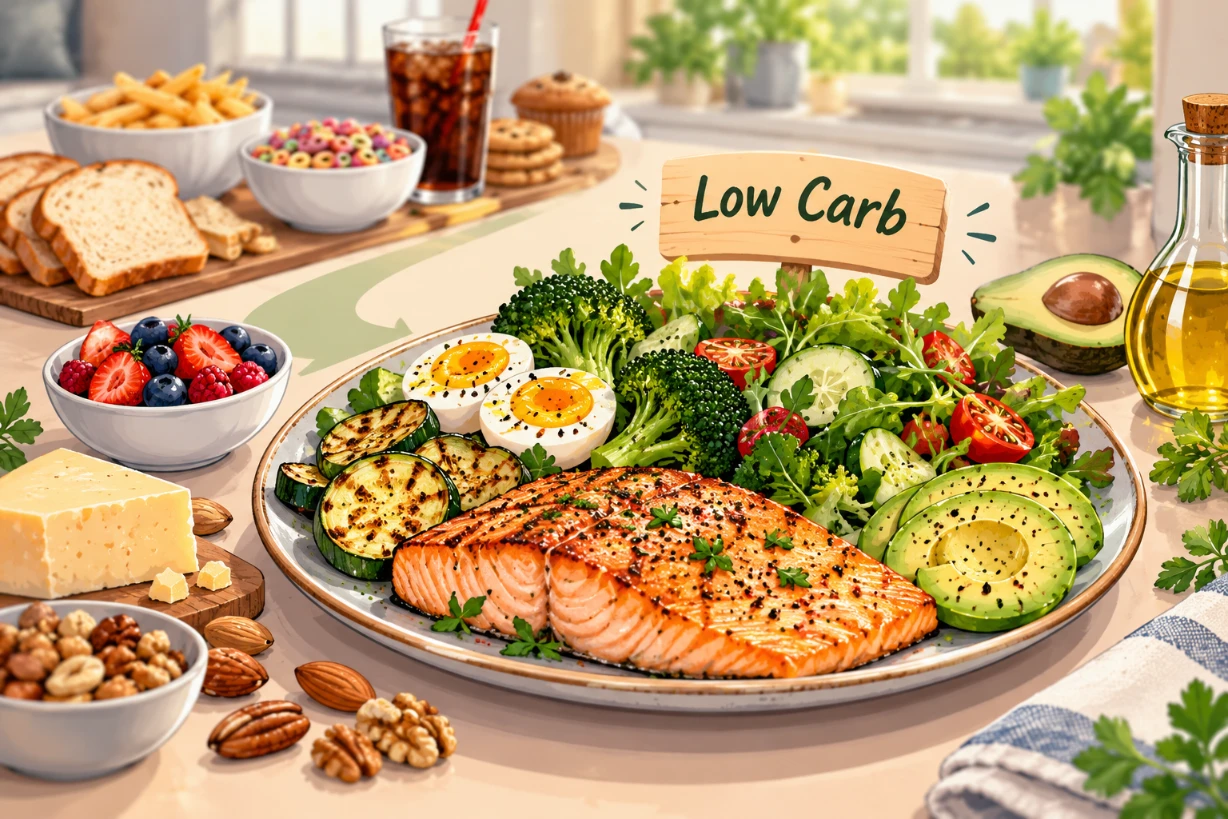
Higher protein, lower carb diets (not always full keto) can be especially effective for belly fat when someone has insulin resistance, prediabetes, or type 2 diabetes. Reducing refined starches and sugar while increasing protein and nonstarchy vegetables helps control blood sugar spikes and reduce appetite.
Examples:
- Lean meat or fish plus two servings of vegetables and a small portion of whole grain
- Omelet with veggies and cheese for breakfast instead of a bagel and juice
- Greek yogurt with berries and nuts instead of a granola bar
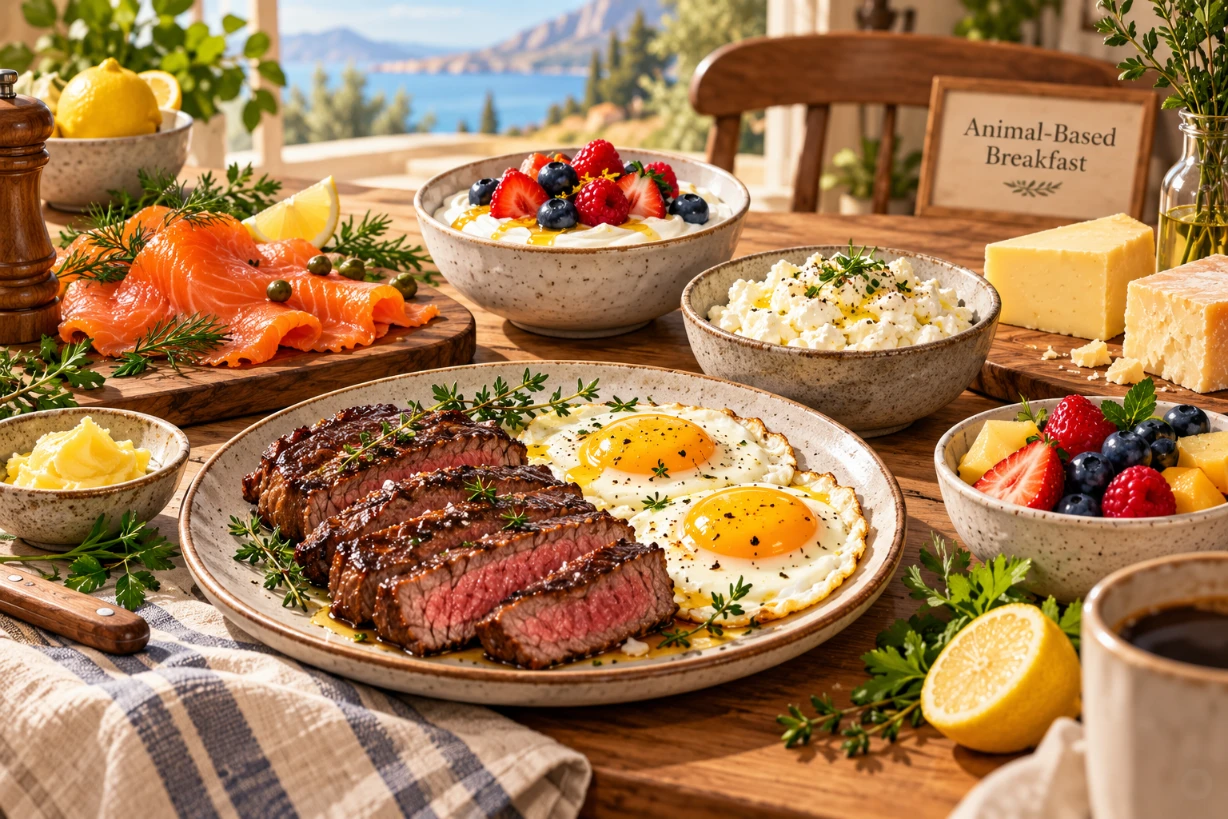
Some people prefer going more animal-based for a period of time to reset cravings and reduce processed foods. We have looked at this trend in more detail here: animal based diet for weight loss.
Plant forward or plant based diets
Plant forward diets, with lots of vegetables, fruits, whole grains, legumes, nuts, and seeds, can support belly fat loss due to their high fiber and low energy density. Many people naturally eat fewer calories when meals are built around plants because fiber and water bulk up food volume.
The key for belly fat is to watch portions of refined plant foods like white pasta, sugar heavy smoothies, and vegan junk foods, which can stall progress. Smart plant based plates include beans, lentils, tofu or tempeh, whole grains like quinoa, and plenty of vegetables.
If you are curious how a more animal focused pattern compares to plant focus, we have broken down the pros and cons here: animal based vs plant based diet.
Keto and very low carb diets
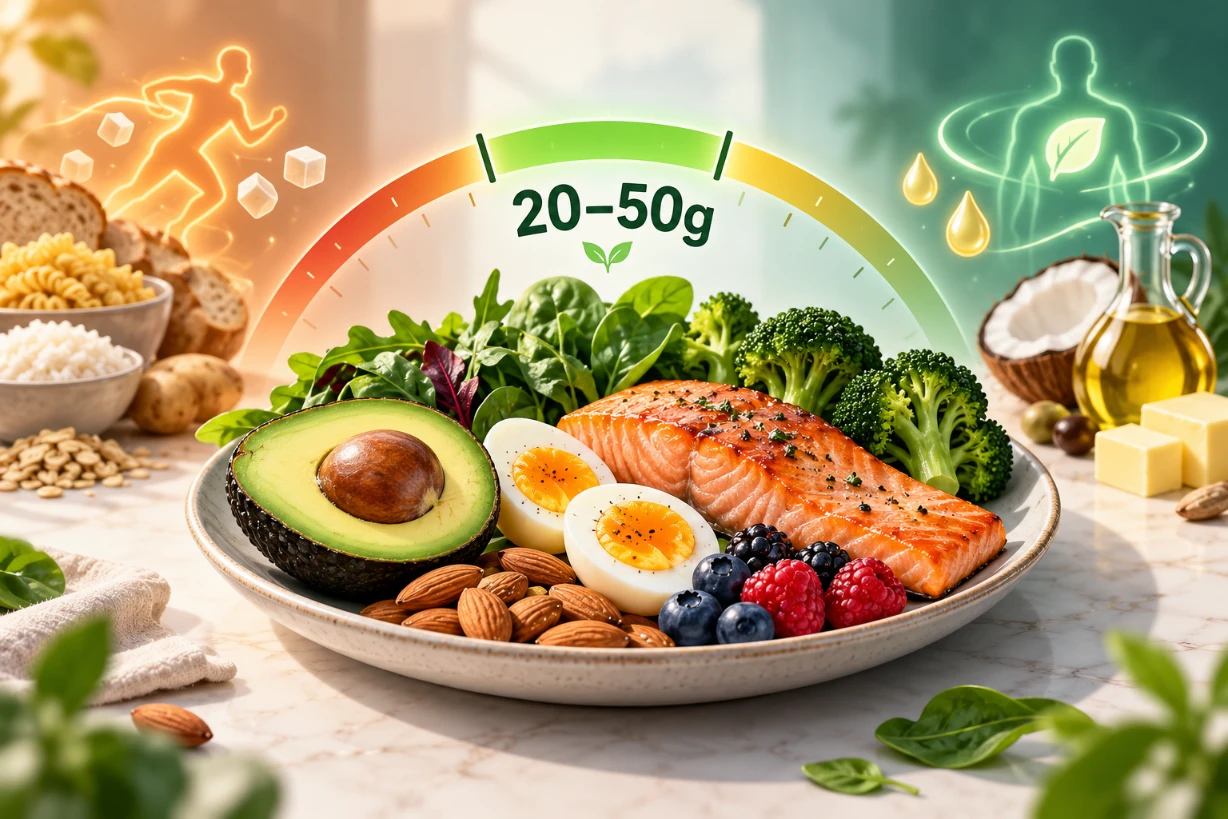
Keto diets cut carbs very low and raise fat intake quite high. They often lead to quick early weight loss, including water and some fat. Some people see fast waist reduction, especially those with significant insulin resistance.
However, strict keto can be hard to continue past a few months. It also may not suit people with certain medical conditions or exercise goals. In experience with readers, a moderate low carb diet that still includes some fruit, beans, and modest whole grains is usually easier to live with while still flattening the belly area.
Daily Meal Framework For Belly Fat Loss
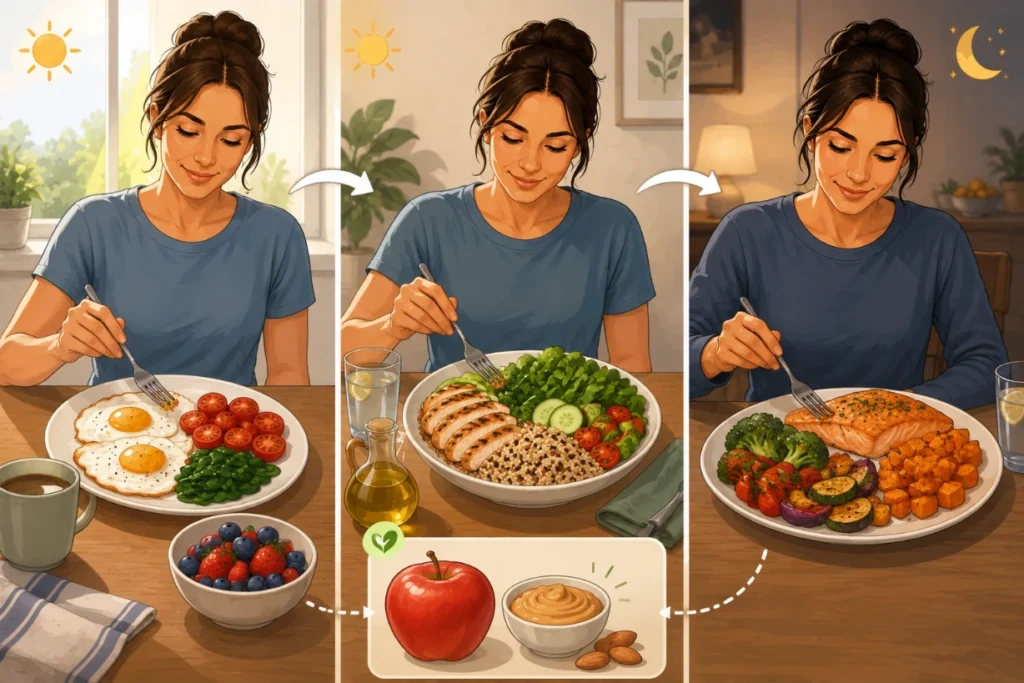
Rather than giving a rigid meal plan, we find most people do better with a simple framework they can flex around family meals, cultural foods, and eating out. Below is a sample structure centered on what is the best diet to lose belly fat for many adults.
Breakfast: Protein + fiber, low sugar
Examples:
- Veggie scramble with 2–3 eggs, spinach, peppers, and a side of berries
- Greek yogurt with chia seeds, sliced strawberries, and a small handful of nuts
- Overnight oats with rolled oats, protein powder, cinnamon, and unsweet almond milk
Why it helps: A high protein, high fiber breakfast appears in research to lower cravings and late night snacking, which indirectly reduce belly fat.
Lunch: Lean protein + vegetables + smart carbs
Examples:
- Grilled chicken salad with olive oil dressing, mixed greens, tomatoes, cucumbers, and a small serving of quinoa
- Turkey lettuce wraps with avocado, salsa, and a side of carrot sticks
- Lentil soup with a piece of whole grain bread and a side salad
Why it helps: Balanced lunches prevent the mid afternoon crash that often sends us toward vending machines or drive thrus.
Dinner: Simple, balanced, not oversized
Examples:
- Baked salmon, roasted Brussels sprouts, and a small portion of sweet potato
- Stir fry with tofu or shrimp, lots of mixed vegetables, and a half cup of brown rice
- Lean steak, big side salad, and roasted cauliflower
Why it helps: Finishing the day with a moderate, protein rich meal avoids going to bed stuffed, which can impact sleep and hormone balance. Poor sleep alone is linked with higher belly fat.
Snacks: Optional, not automatic
Some people do better with one or two planned snacks, others prefer three larger meals. The main rule is that snacks should feel intentional and contain protein or fiber, not just sugar.
Good belly fat snack ideas:
- An apple with a tablespoon of peanut butter
- String cheese and a few cherry tomatoes
- Hummus with cucumber slices
- Small portion of mixed nuts
Lifestyle Habits That Make Belly Fat Easier To Lose

Diet is the main driver, but lifestyle habits strongly shape how fast and how easy belly fat comes off. Many readers only see breakthrough progress when they combine smart eating with these key supports.
Strength training and movement
Cardio burns calories, but strength training change body shape and metabolism in a deeper way. Lifting weights, using resistance bands, or doing bodyweight exercises 2–3 times per week help preserve or add muscle, which raises resting calorie burn and improve how the body handles carbs.
Research from 2023 showed that adults who combined resistance training with moderate calorie restriction lost more visceral fat than those who dieted without strength work, even when total weight loss was similar.
Practical moves to include:
- Squats or chair squats
- Pushups against a wall or counter
- Glute bridges on the floor
- Rows with dumbbells or resistance bands
Daily walking, even 6,000–8,000 steps, also helps insulin sensitivity and stress management, both important for belly fat.
Sleep and stress
Chronic stress and short sleep push our hormones in the wrong direction. Cortisol, the main stress hormone, can increase appetite and promote fat storage around the abdomen. Poor sleep change hunger hormones like ghrelin and leptin, making us crave more high calorie foods.
Helpful habits:
- Aiming for 7–9 hours of sleep most nights
- Keeping a regular sleep and wake time as much as life allows
- Simple stress tools like walking outside, breathing exercises, journaling, or gentle yoga
- Limiting news or social media late at night if it keeps the mind racing
Common Myths About Belly Fat Diets
When we are desperate to shrink our waist, it is easy to fall into quick fixes. Sorting myth from fact helps us avoid wasted effort and frustration.
Myth 1: You can spot reduce belly fat with certain foods
No single food or tea melts belly fat only. We cannot tell the body where to burn fat first. Fat loss is more like draining a swimming pool. Some areas empty faster than others due to hormones and genetics, but the whole pool level has to go down. That means an overall calorie deficit plus healthy habits.
Myth 2: Fat burning foods or supplements solve the problem
Most fat burning supplements use caffeine, green tea extract, or other stimulants that may slightly raise metabolism but do not override poor eating patterns. Some products are also poorly regulated and can harm the liver or heart.
Natural foods like chili peppers, coffee, or green tea can be part of a healthy pattern, but they are support players, not the main solution.
Myth 3: Carbs must be cut to almost zero
Very low carb keto diets can reduce belly fat for some people, but they are not the only or always the best route. Many people lose significant abdominal fat with moderate carbs focused on whole grains, legumes, and fruit, combined with strong protein and fat intake.
Myth 4: Extreme fasting is required
Intermittent fasting, such as a 16:8 pattern, can help some people naturally lower calories and manage hunger. But going many days on very low calories or using water fasts is not necessary and can be risky without medical oversight. A steady, modest calorie deficit works more dependably for long term belly fat loss.
Real World Example: How A 12 Week Shift Can Change Your Waist
To see how all these pieces fit together, picture a typical reader who asked what is the best diet to lose belly fat after noticing their waist grow in their late 30s.
Starting point:
- Desk job, around 5,000 steps per day
- Breakfast: flavored coffee drink and pastry
- Lunch: takeout sandwich, chips, and soda
- Dinner: large bowl of pasta and bread
- Snacks: cookies or candy mid afternoon
- 2–3 glasses of wine several nights a week
Changes over 12 weeks:
- Switches breakfast to eggs and veggies plus black coffee or coffee with little cream
- Trade lunchtime soda for water and choose salad with chicken and olive oil, or a burrito bowl with extra veggies and no sugary drink
- Reduces pasta portion at dinner, double the vegetables, and adds a lean protein
- Limits dessert to weekends and replaces weekday sweets with fruit and nuts
- Walks 20–30 minutes most days and does simple strength workouts 2 times a week
Results many readers see after 3 months with similar changes:
- Waist down 2–4 inches
- Better energy in the afternoon
- Improved blood sugar or cholesterol numbers at the doctor visit
- Less bloating and better sleep
This is not dramatic reality show weight loss. It is steady, real world progress that fits life, which is the kind most people can keep.
Putting It All Together: So What Is The Best Diet To Lose Belly Fat?
When we bring all the research and practical experiance together, what is the best diet to lose belly fat is not a single rigid program. The most effective pattern has these traits:
- Focus on whole, minimally processed foods
- High in protein and fiber at each meal
- Moderate in healthy fats like olive oil, nuts, seeds, and fatty fish
- Low in added sugar, sweet drinks, and refined grains
- Creates a gentle, consistent calorie deficit
- Pairs with regular strength training, daily movement, solid sleep, and stress care
For many people, this looks very similar to a Mediterranean style or high protein, lower carb diet built around real food. The best version for you will match your medical needs, cultural background, cooking skills, and daily schedule. What matters most is that you can follow it most days of the week without feeling miserable or trapped.
Belly fat respond slowly, but it does respond. When we give our body steady signals with food, movement, and rest, the midsection stop feeling so stubborn. If you stay curious, adjust as needed, and give yourself enough time, the same pattern that trims your waist also supports your heart, blood sugar, and long term health. That is the true answer to what is the best diet to lose belly fat, and it is worth the effort.


Leave a Reply