
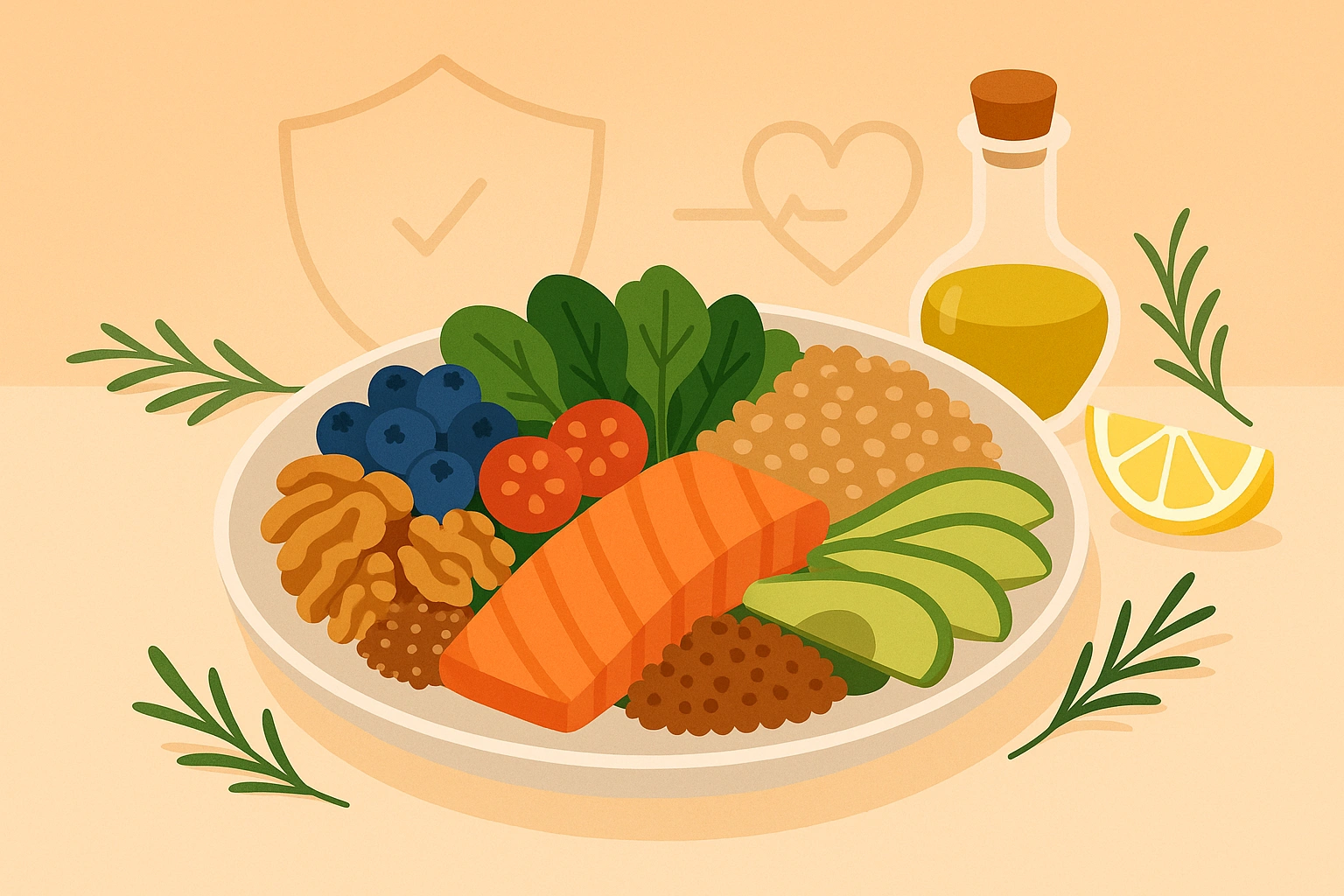

Foods to eat for anti-inflammatory diet can feel confusing at first, but once we look at what science really shows, a clear pattern starts to appear. An anti-inflammatory way of eating is not a strict fad plan. It is more like a long term pattern that calm our immune system, supports gut health, and protect the heart, brain, and joints.
What is inflammation and why diet matters so much
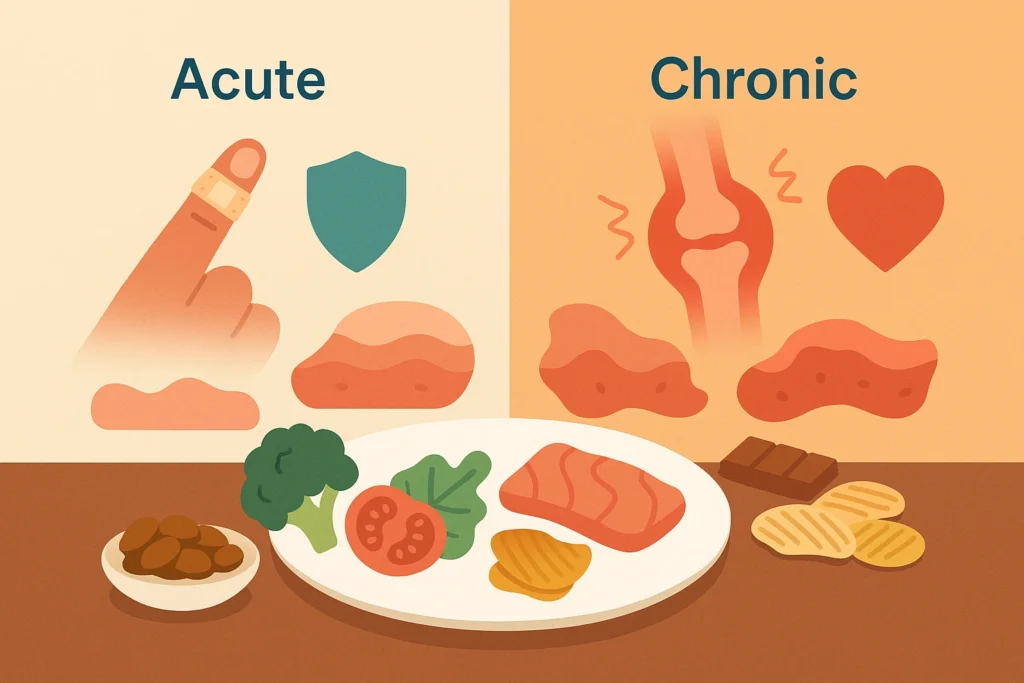
Inflammation is the immune system response to injury, infection, or stress. Short term inflammation helps us heal a cut or fight a virus. Chronic, low grade inflammation is different. It slowly damages tissues and is link with health problems like:
- Heart disease and stroke
- Type 2 diabetes and insulin resistance
- Obesity and fatty liver
- Rheumatoid arthritis and other joint issues
- Depression and cognitive decline
Research from 2023 in journals on nutrition and cardiology keeps pointing to the same conclusion: dietary patterns rich in plants, omega 3 fats, and minimally processed foods lower C reactive protein (CRP) and other inflammation markers. Diets high in refined grains, added sugars, and processed meats raise those same markers.
So when we talk about foods to eat for anti-inflammatory diet, we are building a daily menu that supports the body natural repair work instead of pushing it into a chronic fight mode.
Core principles of an anti-inflammatory diet
We can think of an anti-inflammatory diet as a spectrum, not a rulebook. But most experts agree on a few basic principles:
- Plenty of colorful vegetables and fruits
- Mostly whole, minimally processed foods
- Healthy fats, especially from plants and fatty fish
- High fiber from beans, lentils, whole grains, nuts, and seeds
- Limited refined sugar, white flour, and ultra processed snacks
- Lower intake of sugary drinks and excessive alcohol
Many of these ideas overlap strongly with the Mediterranean way of eating. If you want to dig deeper into that pattern, we have a breakdown of what foods are in the Mediterranean diet that fits nicely with anti-inflammatory goals.
Anti-inflammatory fruits: nature’s sweet protection
Fruits are some of the most helpful foods to eat for anti-inflammatory diet, especially when we focus on whole, fresh or frozen options rather than juices. The color of the fruit often signals the phytonutrients inside, so the more variety on the plate, the better.
Berries
Blueberries, strawberries, raspberries, and blackberries are pack with anthocyanins, a type of antioxidant that fight oxidative stress. Several small clinical studies from 2022 showed that daily blueberry or strawberry intake can reduce CRP and improve blood vessel function in adults with metabolic risk factors.
Practical ways to use berries:
- Add a half cup to oatmeal or yogurt at breakfast
- Blend frozen berries into smoothies instead of juice
- Use berries as dessert with a spoon of plain Greek yogurt
Citrus fruits
Oranges, grapefruit, lemons, and limes supply vitamin C and flavonoids that help modulate immune responses. Vitamin C also helps regenerate other antioxidants in the body. For many people, simple change like replacing an afternoon pastry with an orange can cut sugar and add anti-inflammatory nutrients at the same time.
Other helpful fruits
Apples, pears, cherries, and pomegranate offer fiber and polyphenols that support gut bacteria. Since gut health and inflammation are strongly linked, fruits that feed beneficial microbes indirectly support lower inflammation across the body.
Vegetables: the foundation of an anti-inflammatory plate
Among all foods to eat for anti-inflammatory diet, non starchy vegetables probably give the most benefit for the fewest calories. They bring fiber, minerals, and hundreds of plant compounds that work together in ways we still dont fully understand, but we do see the result in lower disease risk.
Leafy greens
Spinach, kale, Swiss chard, arugula, and collard greens provide vitamins A, C, K and folate. Observational studies show that people who eat leafy greens several times per week have lower rates of heart disease and dementia. While that does not prove cause and effect by it self, the pattern is strong and consistent.
Simple ideas:
- Add a handful of baby spinach under warm scrambled eggs so it wilts
- Use mixed greens as the main part of lunch instead of just a side
- Stir chopped kale into soups and stews near the end of cooking
Cruciferous vegetables
Broccoli, Brussels sprouts, cauliflower, cabbage, and bok choy contain sulfur compounds like sulforaphane and indole 3 carbinol. These molecules have been shown in lab and animal work to reduce inflammatory pathways, and human studies hint at lower cancer risk with regular intake.
Roasting crucifers with olive oil and sea salt is a good way to mellow any bitterness and add healthy fat to help absorb fat soluble vitamins.
Colorful vegetables
Bell peppers, carrots, beets, red onions, and tomatoes each carry a unique set of antioxidants. Tomatoes, for example, hold lycopene, which is better absorbed when cooked with a bit of oil. That is one reason traditional tomato sauces made with olive oil often fit naturally into anti-inflammatory eating.
Whole grains: steady energy without the blood sugar spike
Whole grains are often overlooked when people search foods to eat for anti-inflammatory diet, sometimes because grains get blamed for every health issue online. The reality is more nuanced. For most people without celiac disease or clear intolerance, intact or minimally processed whole grains can lower inflammation.
Recent meta analyses found that higher whole grain intake is associated with lower CRP levels and decreased risk of cardiovascular disease. That benefit seems to vanish when grains are refined into white flour or sugary cereals.
Whole grains to focus on
- Oats (especially steel cut or old fashioned)
- Quinoa
- Brown rice and wild rice
- Barley (pearled barley loses some fiber but still useful)
- Whole wheat berries, bulgur, or farro
One practical strategy is to swap one refined grain per day for a whole grain. For example, trade white rice for brown rice three nights per week, or use whole grain bread instead of white for sandwiches.
Legumes: affordable anti-inflammatory powerhouses
Beans, lentils, and peas are rich in fiber, plant protein, magnesium, and antioxidant compounds. They play a major role in many traditional diets associated with long life, such as in Mediterranean, Latin American, and some Asian food patterns.
Legumes support lower inflammation by:
- Stabilizing blood sugar and insulin response
- Feeding beneficial gut bacteria that produce short chain fatty acids
- Replacing more inflammatory protein sources like processed meats
Try adding beans to chili, tacos, salads, or soups. Lentils cook faster than many other legumes and can form the base of simple weeknight meals.
Healthy fats: choosing the right oils and fat sources
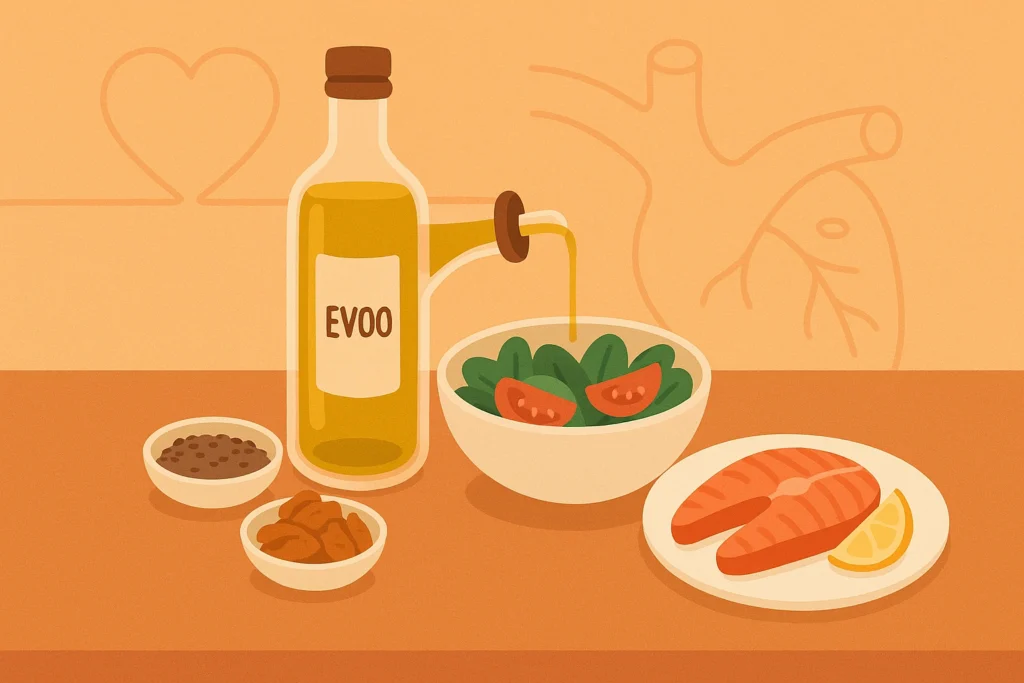
Fat is not the enemy of an anti-inflammatory diet. The type of fat matter far more than the total grams. When we talk about foods to eat for anti-inflammatory diet, we want to favor monounsaturated and omega 3 fats, while keeping certain omega 6 sources and trans fats lower.
Extra virgin olive oil
Olive oil is one of the most studied fats in the world. The polyphenols in extra virgin olive oil show strong anti-inflammatory actions, including lowering CRP and improving blood vessel function. Large trials like PREDIMED found that a Mediterranean diet rich in olive oil cut major cardiovascular events compared with a low fat diet.
Use olive oil as the primary oil for salad dressings, roasting vegetables, and even gentle sautéing.
Fatty fish and omega 3s
Salmon, sardines, mackerel, trout, and herring provide EPA and DHA, long chain omega 3 fatty acids that directly lower inflammatory eicosanoids in the body. Research on rheumatoid arthritis, heart disease, and depression has repeatedly shown benefit from regular fatty fish intake or fish oil supplementation.
Practical tips:
- Aim for 2 servings of fatty fish per week
- Experiment with canned salmon or sardines for quick lunches
- If you do not eat fish, talk with a clinician about algae based omega 3 supplements
Nuts and seeds
Almonds, walnuts, pistachios, chia seeds, flaxseeds, and hemp seeds supply a mix of healthy fats, fiber, and minerals like magnesium. Walnuts and flaxseeds are especially rich in ALA, a plant based omega 3.
About a small handful of nuts (1 ounce) per day was linked with lower heart disease and all cause mortality in multiple long term studies. Nuts are calorie dense, so we usually suggest using them to replace less healthy snacks rather than add on top of everything.
High quality proteins: building and repairing tissues
Protein choice plays a large role in inflammation. Ultra processed meats like bacon, sausage, and deli meats have been tied to higher CRP, higher colon cancer risk, and more heart disease. On the other hand, fish, poultry, eggs, fermented dairy, and plant proteins can help maintain muscle and support recovery without the same inflammatory hit.
Fish and seafood
We already mentioned fatty fish, but lean fish like cod or tilapia still provide high quality protein with very little saturated fat. For coastal communities or anyone with good access to fresh seafood, rotating shellfish like mussels or oysters can also bring in zinc and B12.
Poultry and lean meats
Skinless chicken or turkey, and modest portions of lean beef or pork, can fit into an anti-inflammatory pattern if we keep processed forms low. Baking, grilling, or slow cooking at moderate heat tends to keep harmful compounds like advanced glycation end products (AGEs) lower compared to constant high heat charring.
Plant proteins
Tofu, tempeh, edamame, beans, and lentils let us reduce reliance on red meat. There is ongoing debate about animal based diet vs plant based diet, and we cover that from multiple angles in our article on animal based vs plant based diets. For inflammation specifically, the evidence leans toward higher plant protein intake, especially when it replaces processed meats and refined carbs.
Herbs, spices, and fermented foods: small things with big impact
When we talk about foods to eat for anti-inflammatory diet, herbs, spices, and fermented foods are like the finishing touches that make the pattern more powerful and enjoyable.
Herbs and spices
Many herbs and spices are concentrated sources of anti-inflammatory compounds. For example:
- Turmeric contains curcumin, shown to lower certain inflammatory markers in meta analyses of clinical trials, especially when paired with black pepper.
- Ginger has gingerols that can modestly reduce muscle soreness and joint pain.
- Garlic and onions hold sulfur compounds that support immune balance and vascular health.
- Oregano, thyme, rosemary, and sage have strong antioxidant activity in lab models.
From a practical view, using more herbs and spices also makes it easier to cut back on salt and heavy sauces, which can support blood pressure and calorie control.
Fermented foods
Yogurt with live cultures, kefir, kimchi, sauerkraut, miso, and tempeh all bring beneficial bacteria or fermentation by products that support the gut. Since about 70 percent of the immune system sits around the digestive tract, a healthier microbiome often leads to lower whole body inflammation.
Look for yogurt labeled with “live and active cultures” and minimal added sugar. For sauerkraut or kimchi, choose refrigerated versions without heavy preservatives, because those are more likely to contain live microbes.
Beverages that support lower inflammation
What we drink is just as important as what we chew. Many people cut sugar at meals but still get a large inflammatory load from beverages.
Best drinks for an anti-inflammatory diet
- Water: basic but essential, supports kidney function and circulation.
- Green tea: rich in catechins like EGCG, linked to lower inflammation and better metabolic health.
- Herbal teas: ginger, turmeric, peppermint, and hibiscus can add flavor without sugar.
- Coffee: moderate intake, about 2 to 3 cups per day, is associated with lower chronic disease risk in many studies, likely due to polyphenols. The issue becomes the sugar and cream, not the coffee itself.
Beverages to limit
Sugary sodas, energy drinks, sweetened coffees, and fruit juices spike blood sugar and add large amounts of fructose, which is tied to higher liver fat and inflammatory markers when consumed in excess. Even diet sodas might not cause a direct inflammatory response, but some data suggest they can affect the microbiome and appetite regulation.
Foods that tend to raise inflammation
Knowing foods to eat for anti-inflammatory diet also means getting clear about what tends to push inflammation higher. We never have to be perfect, but awareness makes it easier to choose.
Common pro-inflammatory foods and patterns include:
- Ultra processed snack foods: chips, packaged cookies, pastries
- Refined grains: white bread, white pasta, many boxed breakfast cereals
- Processed meats: bacon, sausage, hot dogs, many deli meats
- Fast food heavy in refined oils and trans fats
- Sugary drinks and frequent desserts
One thing we see often is that people try to add anti-inflammatory superfoods on top of a very processed base diet and feel disappointed when blood tests or symptoms do not change. The bigger wins usually come from swapping, not stacking. Replacing a processed item with a whole food often gives more benefit than simply adding a supplement.
Practical one day anti-inflammatory meal example
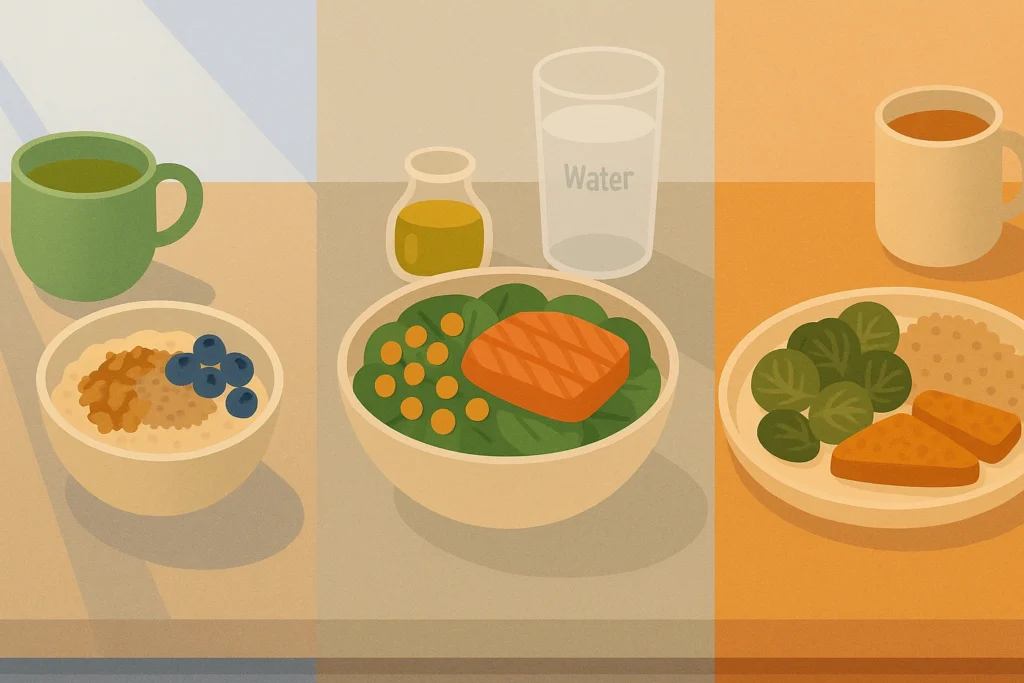
To make all of this more real, here is how a day built around foods to eat for anti-inflammatory diet could look. This is not a strict meal plan, just a sample for ideas.
Breakfast
Oatmeal cooked with water and a splash of milk, topped with blueberries, ground flaxseed, and a spoon of chopped walnuts. Green tea on the side.
Lunch
Large salad with mixed greens, cherry tomatoes, cucumber, shredded carrots, half a cup of chickpeas, and grilled salmon or tofu. Dressing made from extra virgin olive oil, lemon juice, garlic, and herbs.
Snack
An apple with a tablespoon of almond butter, or plain yogurt with a few raspberries.
Dinner
Roasted chicken thighs or baked tempeh with a side of quinoa, roasted Brussels sprouts, and carrots tossed in olive oil and turmeric. Glass of water with lemon.
Evening
Herbal tea, like ginger or chamomile, and maybe a few slices of orange if still slightly hungry.
For anyone interested in more animal focused eating, we also explore how an animal based diet for weight loss compares from a metabolic perspektiv. Even then, building in anti-inflammatory plants and healthy fats still matters a lot for long term health.
How quickly can we feel the benefits
Based on clinical trials, some markers like triglycerides and blood pressure can start improving within a few weeks of shifting toward an anti-inflammatory pattern. CRP and other deeper inflammation markers may take a few months. Subjective things, like joint stiffness or energy levels, sometimes ease sooner when people cut back on ultra processed foods and stabilize blood sugar.
One women with prediabetes who shifted to this style of eating reported that after about 6 weeks, her afternoon crash was gone and her morning finger stiffness eased enough that she could type without discomfort again. Her lab tests at 3 months showed lower CRP and a drop in fasting glucose. Stories like this line up with what research suggest, even though every person response is a bit differente.
Common myths about anti-inflammatory foods
Myth 1: You must cut all animal foods
Some people thrive on fully plant based diets, others feel better with a mix that includes fish, eggs, or modest portions of poultry and dairy. The most consistent pattern across studies is not zero animal food, but rather higher plant food intake and lower processed meat and sugary food intake. Different body types and cultures can adapt this pattern in many ways.
Myth 2: You need expensive superfoods
Trendy powders and exotic berries get a lot of attention, but basic foods like beans, carrots, apples, frozen berries, cabbage, and oats provide enormous anti-inflammatory value at a lower price point. Based on recent food cost data in the U.S., dried beans and oats remain some of the most budget friendly nutrient sources available.
Myth 3: One food will fix everything
We sometimes see headlines that make turmeric, celery juice, or bone broth sound like magic cures. Real change comes from consistent overall patterns, not single miracle foods. It is more helpful to aim for steady progress, like getting vegetables with at least two meals per day, than obsessing over one special ingredient.
Steps to start an anti-inflammatory eating pattern this week
To turn the idea of foods to eat for anti-inflammatory diet into action, we can focus on small, sustainable shifts rather than a full overhaul.
Good starting steps:
- Add at least one extra serving of vegetables each day, even if it is just carrot sticks or frozen mixed veggies.
- Swap one sugary drink for water, herbal tea, or unsweetened iced tea.
- Use extra virgin olive oil as the default cooking fat at home.
- Plan two fish based dinners this week, or use beans in place of meat one night.
- Keep nuts, fruit, or yogurt available for snacks instead of only chips or candy.
Over time, those daily choices start to shape a much more anti-inflammatory pattern without feeling like a strict diet. Our taste buds also adapt. Foods that once seemed bland, like plain yogurt, roasted vegetables, or unsweetened tea, often become satisfying once we are not constantly bombed with very sweet and salty foods.
When to talk with a healthcare professional
If you are managing an auto immune condition, diabetes, kidney disease, or are on blood thinning medication, it is wise to share any major dietary changes with a healthcare provider. Certain foods and supplements, like high dose turmeric or fish oil, can interact with medications or lab tests.
Working with a registered dietitian or knowledgeable clinician can also help tailor foods to eat for anti-inflammatory diet to your personal health history, cultural preferences, and budget. The goal is not perfection, but a pattern that you can live with for years, not just weeks.
Final thoughts: building a sustainable anti-inflammatory lifestyle
An anti-inflammatory diet is less about chasing trends and more about returning to simple, real foods prepared in balanced ways. When we focus on vegetables, fruits, whole grains, legumes, healthy fats, and thoughtful protein choices, we naturally cover most of the foods to eat for anti-inflammatory diet that research keeps supporting.
From a practical standpoint, the biggest wins usually come from three habits: cooking more at home, choosing water or unsweetened drinks most of the time, and filling half the plate with plants at most meals. With those anchors in place, there is plenty of room for flexibility, enjoyment, and the occasional treat without guilt.
Over months and years, this way of eating does more than “lower inflammation” on a lab report. It often means better sleep, steadier energy, fewer aches, and more confindence that the food on our plate is truly helping the body instead of quietly working against it.





Leave a Reply