
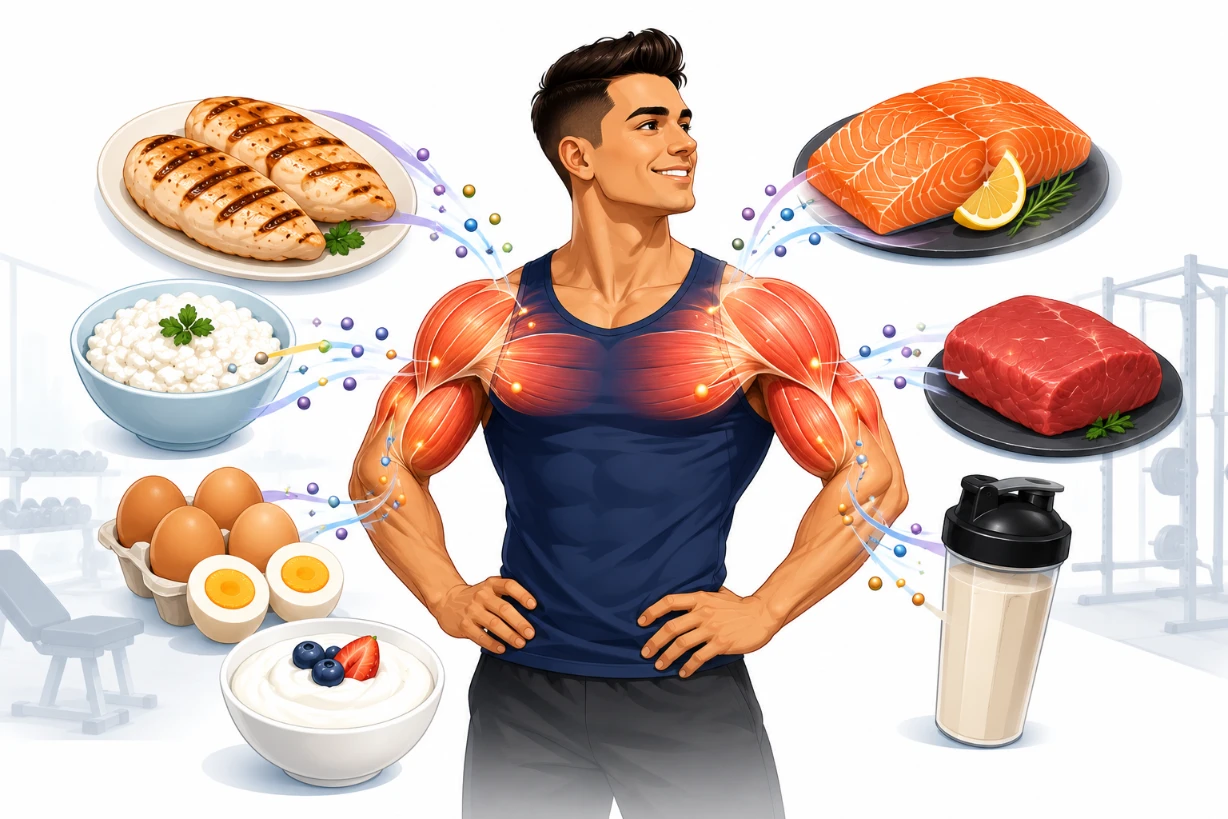

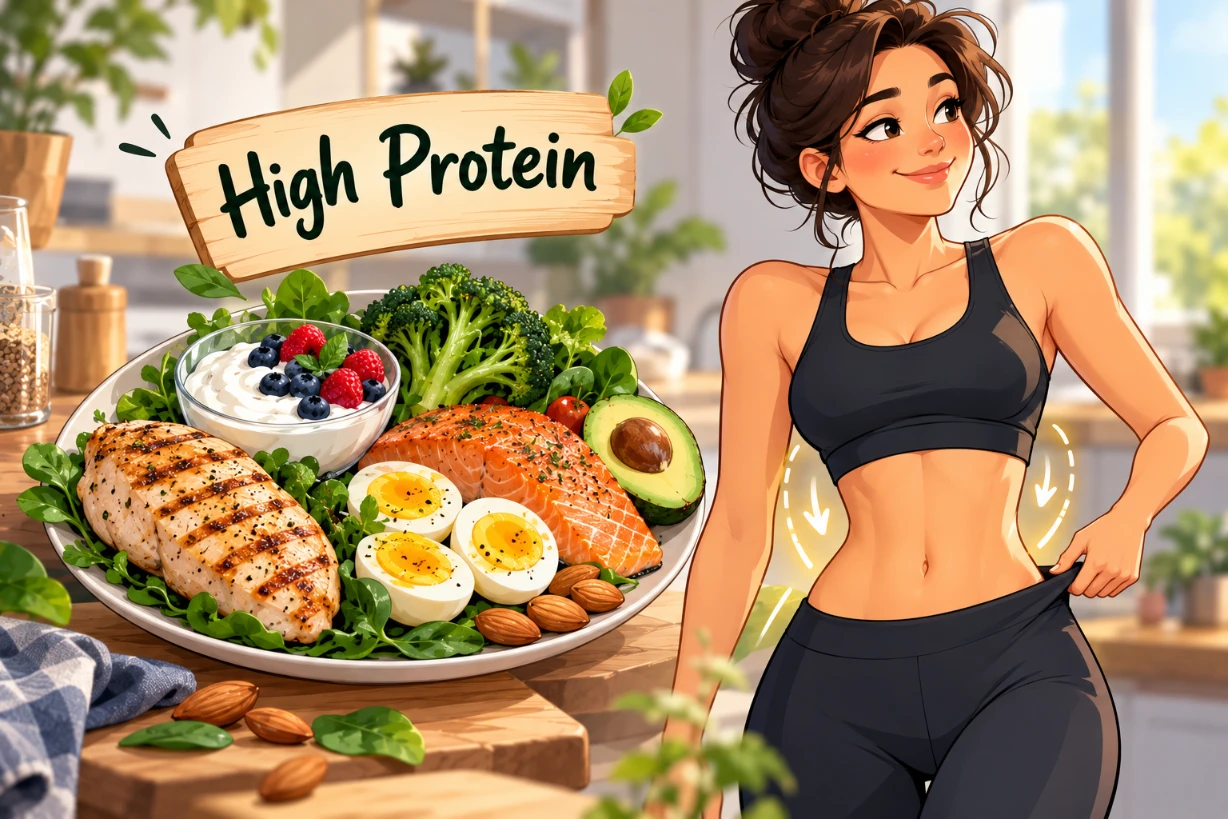
Building new muscle is one of the biggest reason people switch to a high protein diet to gain muscle mass. Many of us lift, track macros, buy supplements, but still feel stuck with slow progress. Often the missing link is not just “more protein”, but the right amount, at the right times, from the right foods, combined with smart training and recovery.
Why Protein Matters So Much For Muscle Growth
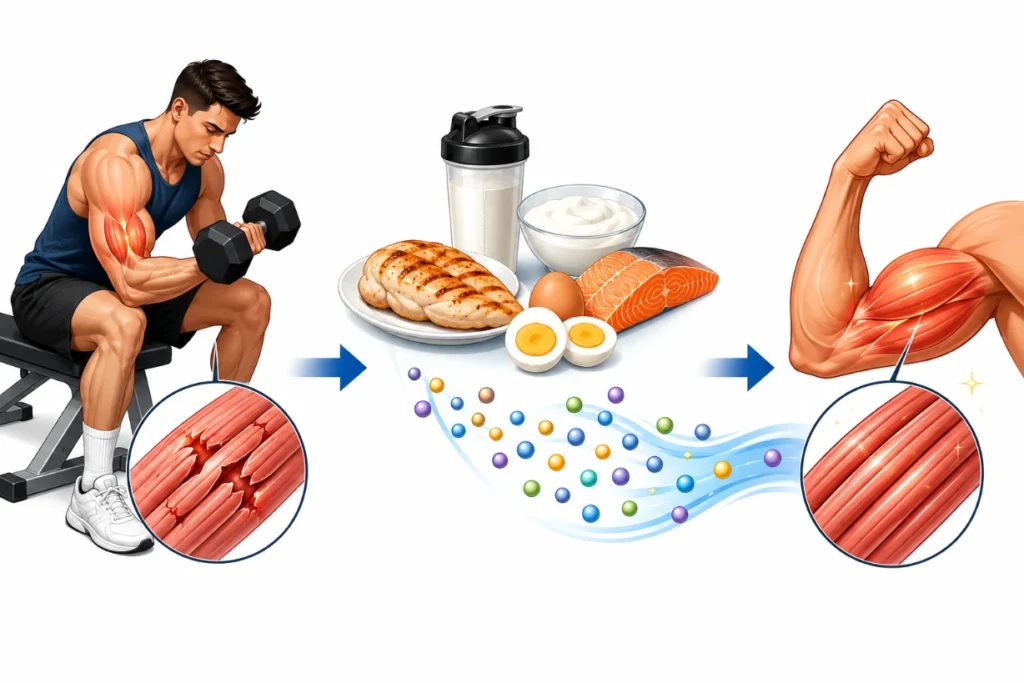
When we train with weights, we create tiny tears in our muscle fibers. Protein provides the amino acids our body uses to repair those fibers, making them thicker and stronger. This repair process is called muscle protein synthesis. Without enough protein, the body can not repair very well and muscle growth stalls.
Research published in 2022 in the journal Nutrients found that higher protein intakes, around 1.6 to 2.2 grams per kilogram of body weight per day, support better gains in lean body mass during resistance training. That range is where most active adults should land when planning a high protein diet to gain muscle mass.
Another key role of protein is hormones. Adequate protein intake supports healthy levels of hormones like IGF-1 and helps keep hunger more stable. When we are less hungry, it is easier to stay on a calorie target needed for either bulking or lean recomposition.
How Much Protein Do You Really Need To Gain Muscle Mass
Protein needs change based on age, training level, body composition and goals. For a high protein diet to gain muscle mass, we usually go well above the general RDA of 0.8 g/kg, which is only meant to stop deficiency, not maximize muscle.
Evidence-based protein targets
Based on recent reviews and sports nutrition guidelines, these ranges work well for most people doing regular strength training:
- Recreational lifters: 1.4 to 1.8 g protein per kg body weight per day
- Serious strength or physique training: 1.8 to 2.2 g/kg per day
- Older adults (50+), trying to build or protect muscle: 1.6 to 2.2 g/kg per day
For easy math in the United States, you can convert your weight in pounds to a target in grams like this: multiply bodyweight in pounds by 0.7 to 1.0. So a 170 pound person might aim for 120 to 170 grams of protein per day, depending on how intense their training and how aggressive they want to build.
Balancing protein with total calories
We also need enough calories. If calories are far too low, even a high protein diet to gain muscle mass will not work well, because the body will use more protein for energy instead of building tissue. For most people trying to build lean mass, a small calorie surplus of about 200 to 300 calories per day above maintenance supports muscle gain without too much fat gain.
People starting from a higher body fat might do something slightly different, staying closer to maintenance calories or even a small deficit, while holding protein on the higher side (2.0 to 2.4 g/kg). In practice, this can support body recomposition: gaining some muscle while loosing fat.
Best Protein Sources For Muscle Mass: Animal vs Plant
When we talk about a high protein diet to gain muscle mass, quality matters along side quantity. The body uses around 20 different amino acids, and 9 of them are essential. Food that has all 9 in good amounts are called complete proteins. Many animal proteins are complete and highly digestible, so they are very efficient for muscle building.
Animal-based protein options
High quality animal proteins include:
- Chicken breast, turkey, lean beef
- Eggs and egg whites
- Fish and seafood: salmon, tuna, cod, shrimp
- Greek yogurt, cottage cheese, whey or casein protein powder
These foods have high “leucine” content. Leucine is a key amino acid that switches on muscle protein synthesis. Many sports nutrition experts aim for 2 to 3 grams of leucine per meal, which usually means 25 to 35 grams of high quality protein per meal.
If you are curious how animal based eating fits into muscle building, you can read more about animal-based approaches here: https://dietlinic.com/animal-based-diet/
Plant-based protein options
People following vegetarian or vegan patterns can still create a solid high protein diet to gain muscle mass, but they need a bit more planning. Many plant proteins are lower in one or more essential amino acids, or less digestible. That means total protein targets might need to be 10 to 20 percent higher than for omnivores.
Good plant protein sources include:
- Lentils, chickpeas, black beans, kidney beans
- Tofu, tempeh, edamame, soy milk
- Seitan (if you tolerate gluten)
- Pea protein, soy protein, or rice/pea blends as powders
Combining different plant proteins across the day, such as beans with rice or quinoa with tofu, helps cover all essential amino acids. Many vegan athletes now use a mix of whole food and protein powders to reach 100+ grams per day without way too much fiber or volume.
How To Spread Protein Through The Day For Best Results
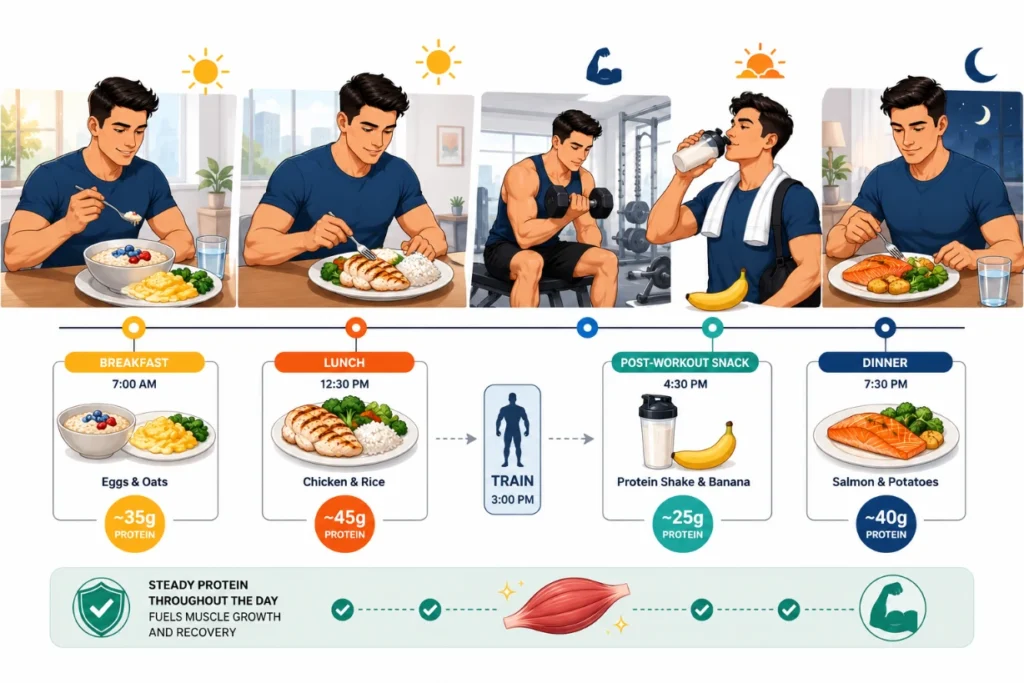
Total daily protein is the first priority, but timing still matters. The body can not use endless protein for muscle building in a single sitting. Most research suggest that around 20 to 40 grams of high quality protein per meal is enough to maximize muscle protein synthesis for that meal in most adults.
Meal frequency and muscle building
Based on current data and what we see in active clients, a helpful pattern is:
- 3 to 4 main meals, each with 25 to 40 grams of protein
- Optionally 1 protein focused snack, especially around training
For example, if your target is 140 grams per day, you might do 35 grams at breakfast, lunch, dinner, and 35 grams spread between a post-workout shake and another snack. That approach keep muscle protein synthesis switched on multiple times per day.
Pre and post workout protein
The body is more sensitive to amino acids in the hours after resistance training. Having 20 to 40 grams of protein within about 1 to 2 hours after your workout is an easy win. You dont need to slam a shake the minute you rack the weights, but you also do not want to go many hours with no food after training.
Some lifters also notice better energy and strength when they eat a balanced pre workout meal 1.5 to 3 hours before lifting, with both carbs and 20 to 30 grams of protein, like chicken and rice or yogurt and fruit. This helps provide amino acids in the bloodstream during the workout window.
Carbs, Fats, And Protein: Getting The Whole Picture Right
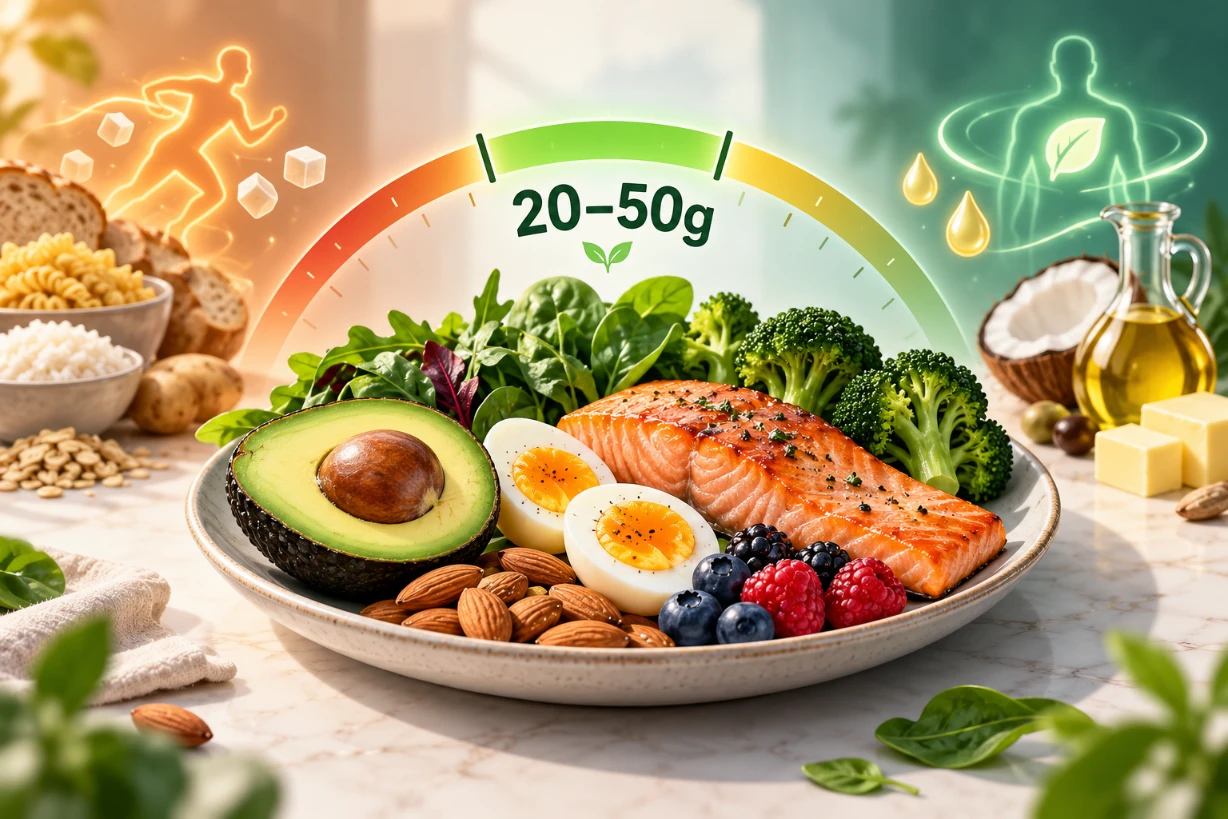
A high protein diet to gain muscle mass does not mean only protein. Carbs and fats both play crucial roles in performance and health. Protein builds the structure, but carbs are often the main fuel for lifting heavy and recovering fully.
The role of carbohydrates
Glycogen (stored carbs in our muscles) is a primary fuel source during intense lifting. When carbs are too low, people often feel flat, weaker, and more tired, especially on heavy compound days. Studies from 2023 in sports nutrition journals show that moderate to higher carbohydrate intake supports better training volume and performance, which in turn support more total muscle growth over time.
A simple starting point for people training 3 to 5 days per week is:
- 2 to 4 grams of carbs per kg body weight per day for moderate training
- 4 to 6 g/kg for very high volume or athletes in serious programs
So a 170 pound (77 kg) lifter might use 200 to 300 grams of carbs per day in a typical lean gaining phase, adjusting up or down based on hunger, body fat changes, and energy.
Healthy fats and hormones
Fats support hormone production, brain function, joint health, and vitamin absorption. Extremely low-fat diets sometimes harm testosterone and overall mood, which can work against muscle gain. For most people, 20 to 35 percent of total calories from fat is a solid range.
Helpful fat sources include:
- Olive oil, avocado, nuts, and seeds
- Fatty fish like salmon or sardines for omega-3s
- Egg yolks and some dairy fat, if tolerated
Balancing protein, carbs, and fats takes some trial and error. Most lifters settle into a pattern they can live with year round, rather than jumping from extreme bulks to harsh cuts.
Sample 1-day High Protein Meal Plan To Gain Muscle Mass
This sample day is for someone targeting around 2,500 calories and 160 grams of protein. You can adjust portion sizes up or down for your own needs. This is just one way to structure a high protein diet to gain muscle mass.
Breakfast
Scrambled eggs and oats
3 whole eggs + 2 egg whites cooked with spinach and peppers
1 cup cooked oatmeal with 1 tablespoon peanut butter and some berries
Approximate: 40 g protein, 60 g carbs, 20 g fat
Mid-morning snack
Greek yogurt bowl
1 cup plain nonfat Greek yogurt
1/2 cup mixed fruit
1 tablespoon chopped walnuts
Approximate: 25 g protein, 30 g carbs, 8 g fat
Lunch
Chicken, rice, and veggies
5 ounces grilled chicken breast
1 to 1.5 cups cooked brown rice
1 to 2 cups mixed vegetables, cooked in a teaspoon of olive oil
Approximate: 45 g protein, 70 g carbs, 12 g fat
Pre or post workout snack
Protein shake and banana
1 scoop whey or plant protein powder mixed with water or milk
1 medium banana
Approximate: 25 g protein, 30 g carbs, 2 g fat
Dinner
Salmon and potatoes
5 ounces baked salmon
1 medium baked potato or sweet potato
Side salad with olive oil and vinegar dressing
Approximate: 40 g protein, 40 g carbs, 18 g fat
This layout spreads protein across the day rather than piling it into one meal. Many people report better digestion, energy, and hunger control when they do this.
Hydration, Recovery, And Sleep: The Hidden Side Of Muscle Gain
Diet and training usually get all the attention, but recovery habits often decide who actually gain muscle and who just feel beaten down. A high protein diet to gain muscle mass works best when the rest of the lifestyle back up the goal.
Hydration and electrolytes
Even mild dehydration can reduce strength and power. A 2023 review on performance showed that 1 to 2 percent body weight loss from water can already hurt lifting output. That is not huge, so it is easy to cross that line without noticing.
Simple steps:
- Drink water across the day, not all at once.
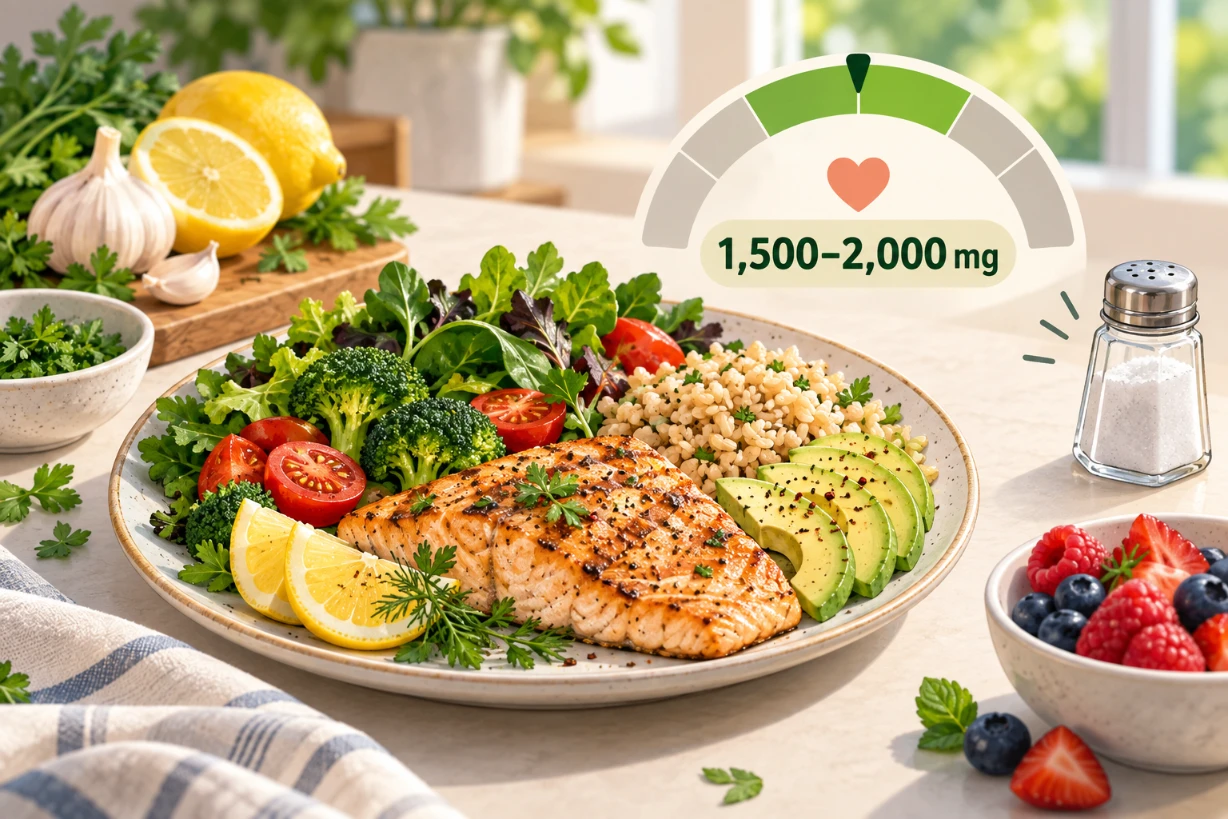
- Include some sodium, especially if you sweat heavily.
- Use unsweet or low sugar electrolyte drinks during longer or summer workouts if needed.
Sleep and muscle repair
Most muscle repair happen while we sleep. Growth hormone pulse during deep sleep, and the nervous system reset so we can come back stronger. Chronic lack of sleep harm strength, motivation, and appetite regulation.
Helpful sleep habits for lifters include:
- 7 to 9 hours of sleep in a dark, cool room most nights
- Going to bed and waking up at similar times daily
- A light, protein rich snack before bed if you train late or tend to wake hungry, such as cottage cheese or a casein shake
Common Mistakes On A High Protein Diet To Gain Muscle Mass
Even with good intentions, many people fall into similar traps. Here are pattern we see a lot, and how to fix them.
Mistake 1: Too much focus on supplements, not enough on food
Protein powders and ready to drink shakes are convenient tools, but they should not be the base of the diet. Whole foods bring vitamins, minerals, fiber, and phytonutrients that support long term health. A sensible approach is 70 to 80 percent of protein from whole food, and up to 20 to 30 percent from powders if helpful.
Mistake 2: Ignoring fiber and micronutrients
Some high protein diets become very meat and cheese heavy, low in fruits, veggies, and whole grains. Over time this can effect digestion, cholesterol, and overall heart health. Including colorful plants at most meals keeps digestion working and support long term wellness, which we need if we want to train for years, not just months.
Mistake 3: Massive calorie surpluses
“Dirty bulking” with huge surpluses and fast weight gain often lead to more fat than muscle, then harsh diets to strip the fat, which can also strip muscle. A smaller, controlled surplus paired with progressive training often gives slower but much leaner gains. Based on current trends in natural bodybuilding, many coaches now prefer slower, year-round lean gaining instead of large swings.
Mistake 4: Skipping progressive overload
No diet can force muscle to grow without a reason. Progressive overload simply means doing a little more over time: more weight, more reps, more sets, or better execution. If your training stays the same for months, your body has no reason to adapt, no matter how carefully you plan a high protein diet to gain muscle mass.
High Protein Diet Options That Match Different Eating Styles
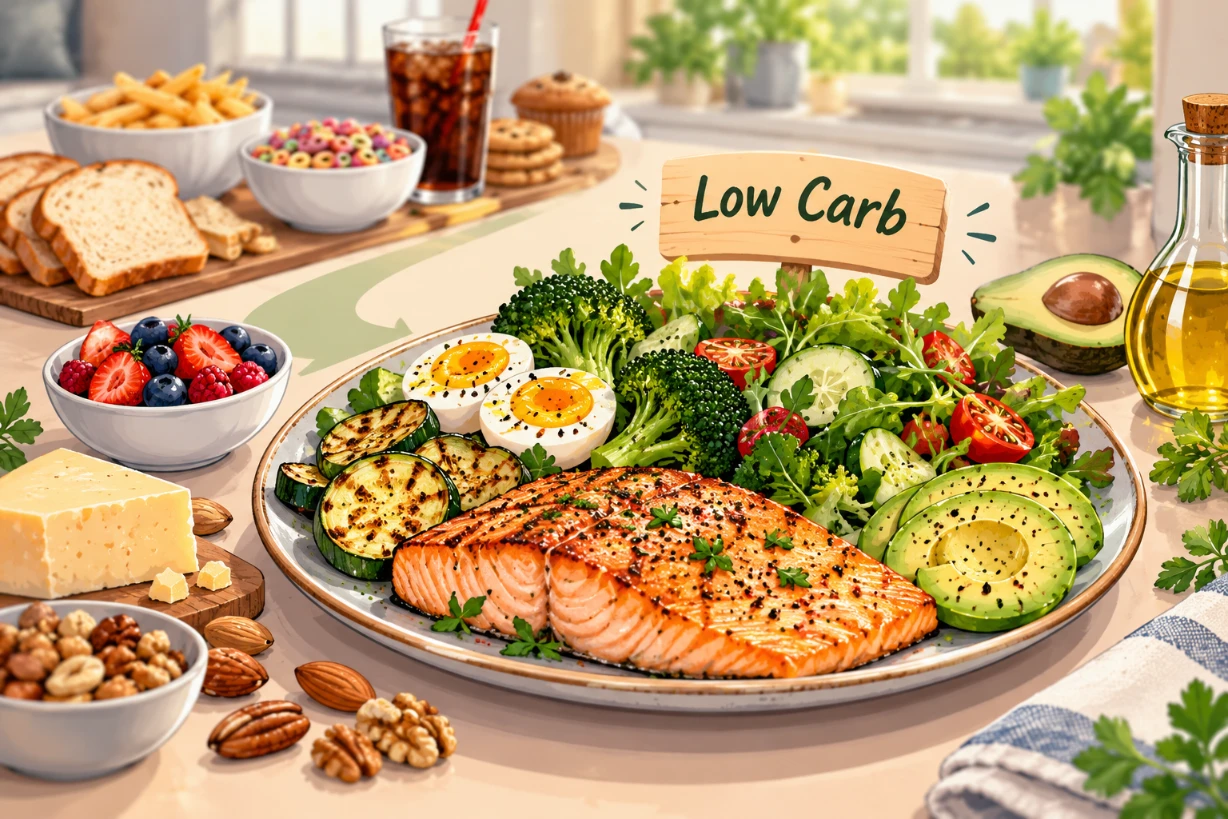
People often ask if they must eat a specific style like low carb, Mediterranean, or animal-based to gain muscle. The answer is that several patterns can work, as long as protein and total calories are dialed in and the diet is sustainable.
Animal-forward but balanced
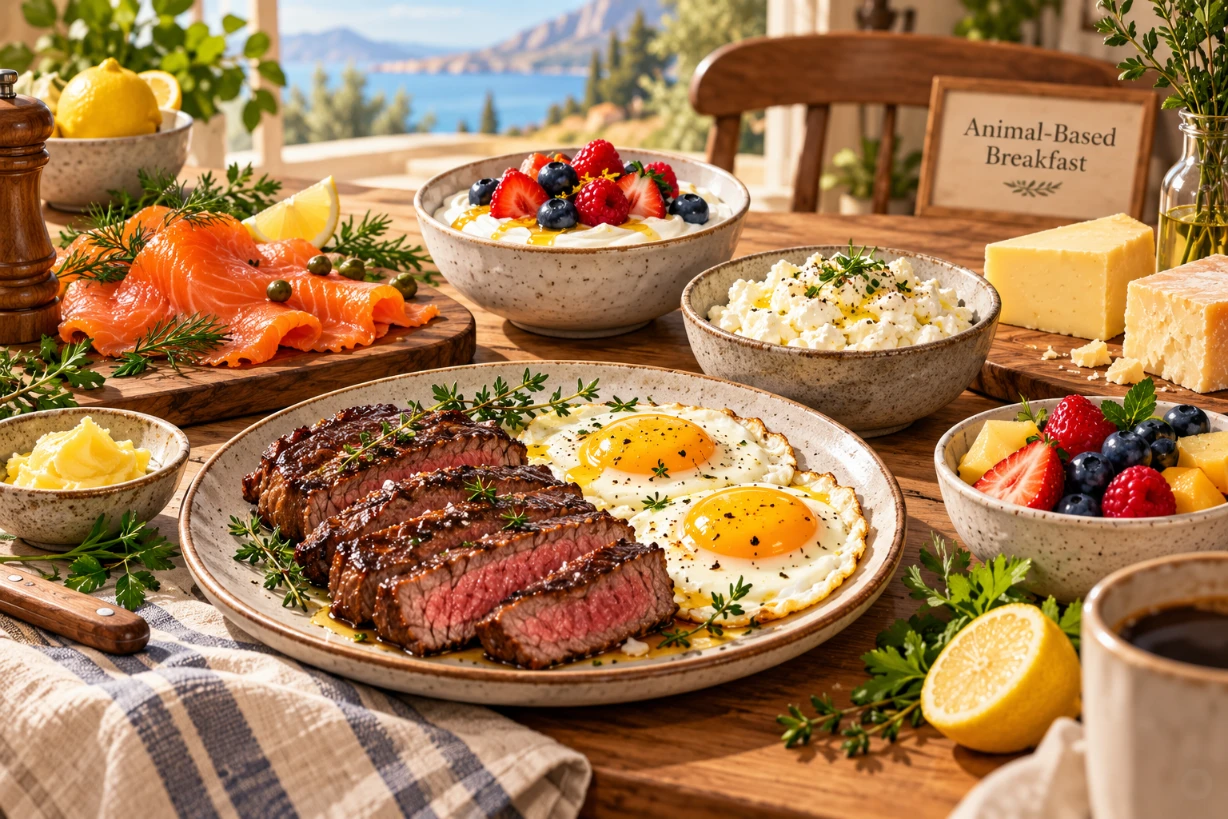
Many lifters naturally drift toward more animal foods for convenience and protein density. This can work very well if it also includes fruits, some vegetables, and healthy fats instead of relying only on processed meats. If you want ideas, you can check some animal-based meal ideas and recipes here.
Mediterranean-style high protein
A Mediterranean pattern base, rich in olive oil, fish, legumes, whole grains, and vegetables, can be adapted to support muscle gain by slightly upping total protein, especially from fish, Greek yogurt, cheese, eggs, and legumes. For a deeper dive on these foods, see what foods are in the Mediterranean diet.
Plant-based lifter approach
Vegan or mostly plant-based lifters can hit high protein targets by stocking their kitchen with tofu, tempeh, lentils, seitan, high protein plant yogurts, and plant-based powders. Many find that eating 4 to 5 smaller high protein meals works better for digestion than 2 or 3 very large portions.
Monitoring Progress And Adjusting Your Plan
A high protein diet to gain muscle mass should come with a tracking plan, so you can tell if it is really working. Otherwise, weeks can pass with guesswork.
Ways to track progress
Useful markers include:
- Body weight: measured 2 to 3 times per week upon waking, averaged weekly
- Strength: tracking key lifts such as squat, deadlift, bench, rows, overhead press
- Measurements: waist, hips, chest, arms, thighs every 4 weeks
- Photos: front, side, back shots in similar light every 4 to 6 weeks
If body weight is rising more than about 0.25 to 0.5 percent per week, you might be gaining more fat than wanted, and a small calorie decrease can help. If lifting numbers stall and body weight never budge, you may need a bit more food, more sleep, or better training structure.
Listening to biofeedback
Numbers matter, but so does how you feel. Constant bloating, low mood, poor sleep, or no appetite might mean something in the diet is off. Often modest tweaks such as switching protein sources, spacing meals differently, or adding more veggies can improve comfort without losing the gains.
Putting It All Together For Sustainable Muscle Growth
A well structured high protein diet to gain muscle mass is not just about hitting one lucky macro target. It is about stacking many small, realistic habits that push in the same direction for months: enough protein daily, steady training, adequate carbs and fats, whole foods most of the time, hydration, and consistent sleep.
When we zoom out, the people who build and keep muscle are not always the ones doing the most extreme plan. They are the ones who find a style of eating that supports their training, fits their cultural and family life, and feels doable on busy workdays as well as on perfect days. If your own plan checks those boxes, and includes a thoughtful high protein approach, muscle gains become less mysterious and more like a natural result of your everyday choices.

Leave a Reply