
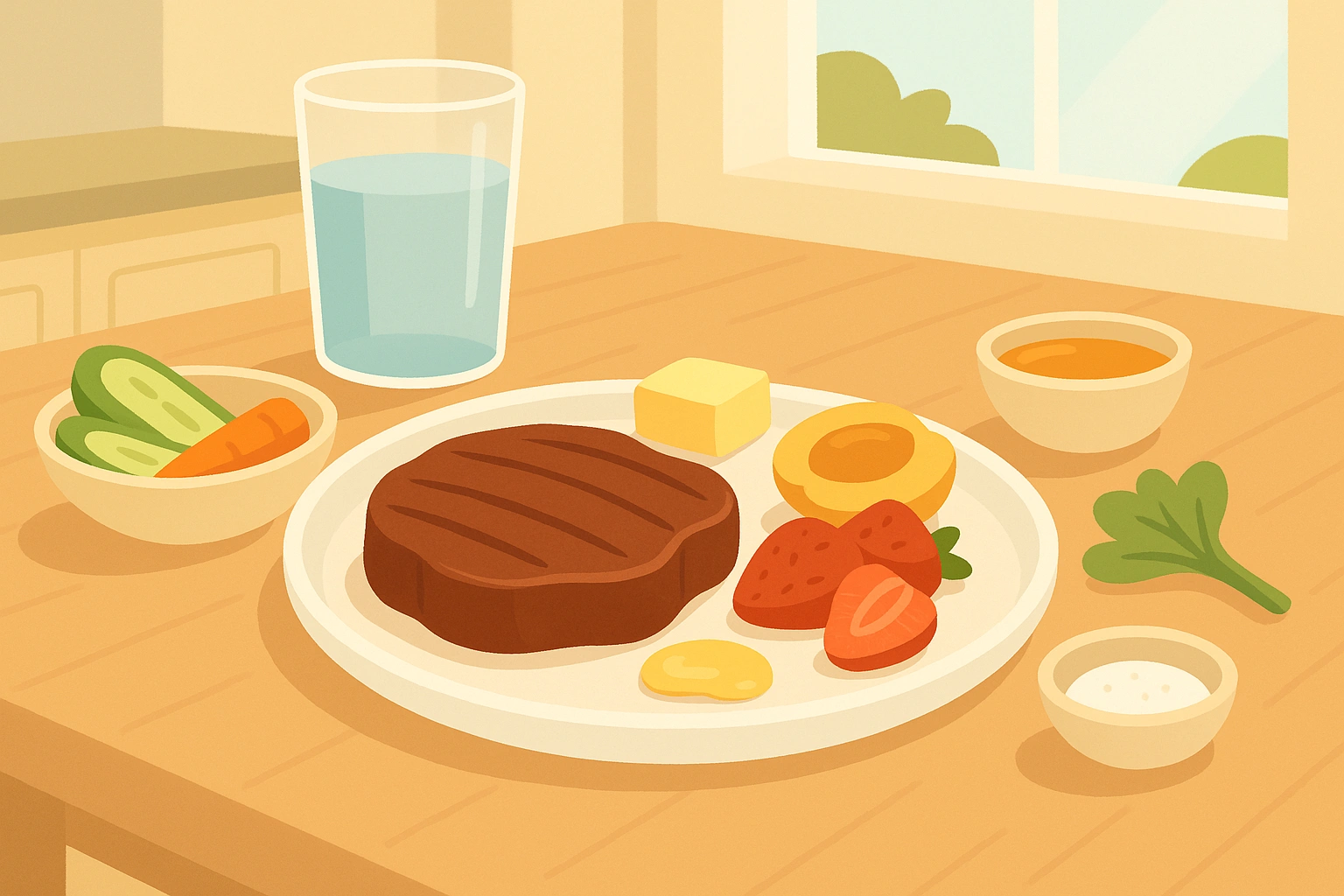

The animal based diet for beginners can feel simple, comforting, and focused on real food. In this animal based diet guide, we explain how to start, what to eat, what to skip, and how to set up a printable animal based diet PDF you can save for daily use. If you care about energy, healthy weight, skin clarity, gut calm, and strong workouts, this approach might fit your life better than any confusing plan before.
Animal-Based Diet Explained: What It Is And Why It Works
At its core, an animal-based diet centers whole animal foods and supportive plant foods that are easier on digestion. We lean on beef, bison, lamb, chicken, turkey, eggs, fish, seafood, full-fat dairy if tolerated, and traditional fats like tallow, ghee, and butter. Many beginners also include fruit, honey, and some low-toxin vegetables. You eat to satiety, not to fear. You favor nutrient density so your body gets what it needs without constant hunger.
People report steady energy, better blood sugar control, fewer cravings, and a quieter gut. Minerals like iron, zinc, and selenium land in perfect balance with amino acids from complete protein. Fat soluble vitamins A, D, K2 get supported by healthy fats. It isnt magic, its just biology that your body recognize.
Key Benefits That Beginners Usually Notice
We hear similar stories from new folks. The first week often bring a calm stomach. Afternoon crashes start fading. Workouts feel smoother because protein recovery shoots up. Cravings dial way down, and evening snacking becomes less intense. Sleep sometimes deepens once your blood sugar dont bounce all night.
There is also a mental relief in having a short grocery list and straight-forward meals. When you eat food that truly satisfies, you dont stare at the pantry 8 times a day. It all gets quieter.
Who This Approach Fits
This plan suits people who want real meals and stable routines. If you have a busy job, kids, or a training goal, you likely need food that fuels without drama. If your digestion is reactive to certain plants, you may feel safer with simple animal foods plus lower-toxin produce. If you want a middle ground between “all meat” and “eat everything,” animal-based hits that balance.
Core Principles For An Animal-Based Diet
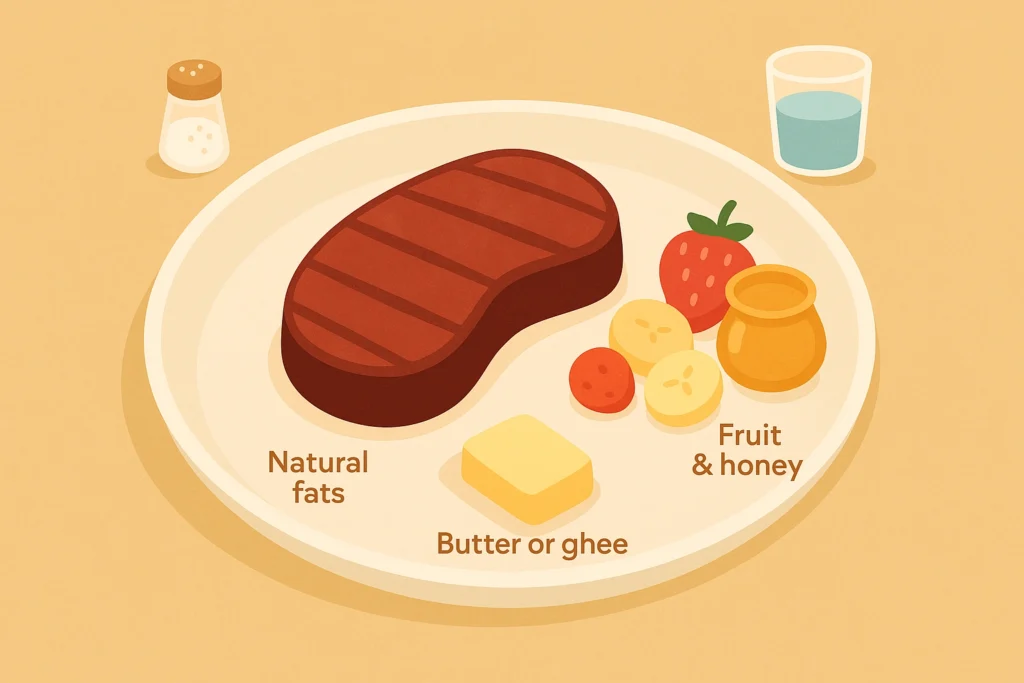
- Prioritize complete protein at every meal, about 0.7 to 1.0 grams per pound of goal body weight.
- Use natural animal fats to hunger-proof your meals.
- Choose fruit and honey as your primary carbs if you tolerate them well.
- Limit seed oils and ultra-processed foods that inflame appetite.
- Salt your food to taste, especially if you train or sweat.
For a broad overview, see this resource: Animal Based Diet.
What To Eat And What To Limit
| Food Group | Eat Often | Limit or Avoid |
|---|---|---|
| Proteins | Beef, bison, lamb, chicken, turkey, eggs, salmon, sardines, shrimp, scallops | Deli meats with added sugars, fillers, or seed oils |
| Fats | Beef tallow, ghee, butter, suet, fatty fish | Industrial seed oils like soybean, canola, corn oil |
| Carbs | Ripe fruit, berries, bananas, melon, raw honey | Candy, sugary drinks, refined grains |
| Dairy | Full-fat milk, yogurt, kefir, hard cheese if tolerated | Low-fat dairy if it spikes hunger or causes acne |
| Vegetables | Low-toxin veggies like squash, cucumbers (peeled), lettuce, carrots if tolerated | Higher-lectin or seed-heavy options if they trigger bloating |
Curious which veggies to limit on an animal-based plan? This guide can help: Animal-Based Diet Vegetables: What To Avoid.
Macronutrients Without The Math Headache
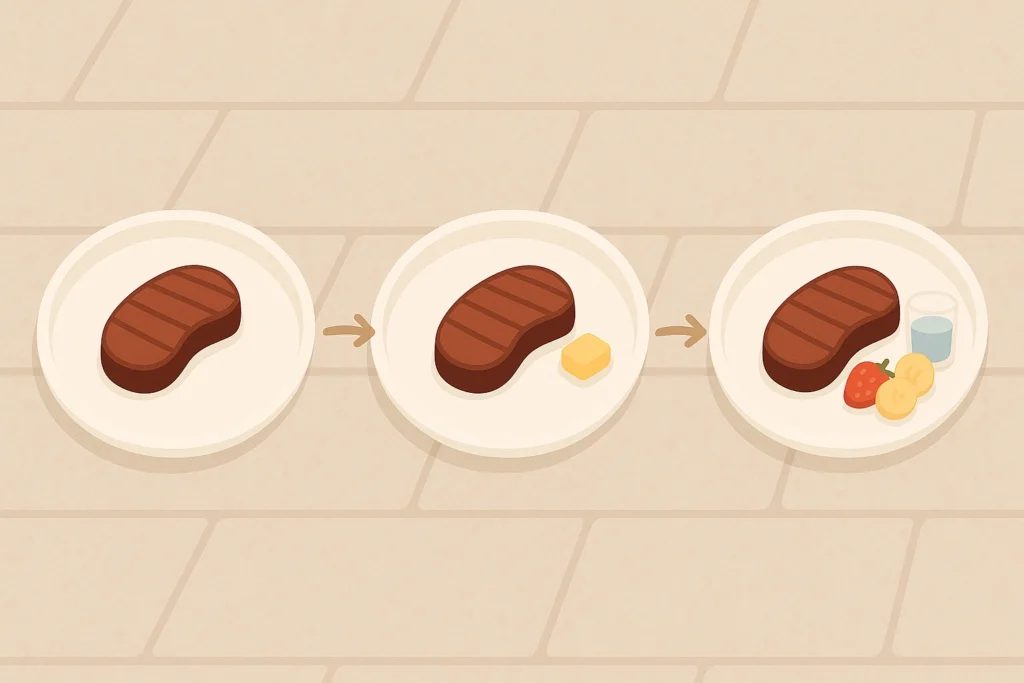
We encourage protein first. A simple rule: fill a plate with your primary protein, add fat to satisfy, and include fruit or dairy if you need carbs for training or mood. Most of the time, a palm-and-a-half to two palms of cooked protein per meal get you there. If fat loss is a goal, choose leaner cuts and add fat strategically. If performance or hormones need help, keep enough fat that meals feel really satisfying.
Carbs are flexible. Some folks do best on 75 to 150 grams from fruit and honey, others prefer less. If your sleep suffers or libido dips, its a sign you might need a touch more carbs and salt.
Sample 7-Day Animal-Based Meal Plan For Beginners
Day 1
Breakfast: 4 eggs cooked in ghee, blueberries, coffee with cream.
Lunch: Ground beef bowl with white rice or baked squash, butter, sea salt.
Dinner: Ribeye or sirloin, cucumber salad with olive oil, melon.
Day 2
Breakfast: Greek yogurt, honey, sliced banana, pinch of cinnamon.
Lunch: Chicken thighs with carrots, buttered mashed potatoes (if tolerated).
Dinner: Salmon with lemon butter, steamed zucchini, pineapple.
Day 3
Breakfast: Cottage cheese, strawberries, handful of walnuts if tolerated.
Lunch: Bison burgers with cheddar, lettuce wrap, baked sweet potato.
Dinner: Lamb chops, roasted squash, honey drizzle post-workout.
Day 4
Breakfast: Egg omelet with cheese, half grapefruit.
Lunch: Turkey thighs, cucumber slices, sea salt, buttered rice.
Dinner: Shrimp sautéed in garlic butter, salad greens, mango.
Day 5
Breakfast: Kefir smoothie with banana and a touch of honey.
Lunch: Steak strips with carrots and ghee, salt to taste.
Dinner: Roasted chicken drumsticks, mashed squash, berries.
Day 6
Breakfast: 3 eggs, cheddar, side of melon.
Lunch: Sardines with lemon, white rice, olive oil, salt.
Dinner: Ground lamb with herbs, cucumber yogurt sauce, baked potato if tolerated.
Day 7
Breakfast: Greek yogurt, honey, blueberries.
Lunch: Steak salad with olive oil, parmesan, and ripe peaches.
Dinner: Seared scallops, buttered asparagus tips, banana with cinnamon.
Adjust portion sizes to hunger. If a meal feels light, add an egg or two or another palm of steak. If you finish a workout with heavy legs, take a fruit and honey snack plus salt water.
Beginner Shopping List
- Proteins: steaks, ground beef, bison, lamb, chicken thighs, turkey, salmon, sardines, shrimp, eggs
- Fats: ghee, butter, beef tallow, olive oil for cold uses
- Dairy: full-fat yogurt, kefir, cottage cheese, hard cheeses
- Carbs: bananas, blueberries, oranges, melons, pineapple, raw honey
- Vegetables: squash, carrots, cucumbers, lettuce, cooked greens if tolerated
- Seasonings: sea salt, pepper, garlic, lemon
Need fruit ideas that fit? Check this: Fruits You Can Eat On An Animal-Based Diet.
Transition Plan: 14 Days To Settle In
Week 1, reduce processed foods and seed oils, and bring protein up to target. Swap cereal for eggs, replace snack bars with yogurt and honey, trade fast food for steak and baked squash. Week 2, adjust carbs to your output. If you lift or run, keep fruit and honey around workouts. If you sit all day, lower carbs at dinner so sleep feels heavy and calm. During this phase, drink more water and salt, your body will thank you. If caffeine causes jitters, take it with food only.
Workout And Recovery On An Animal-Based Plan
Protein drives repair. Aim for 30 to 50 grams per meal. Pre-workout, a banana with salt and a small spoon of honey give fast energy. Post-workout, steak or eggs with fruit can refill glycogen without bloat. If muscles feel sore for days, your protein or sleep are to low, bump them up. Also consider magnesium glycinate at night if cramping show up.
Digestive Comfort: How To Avoid Bloating
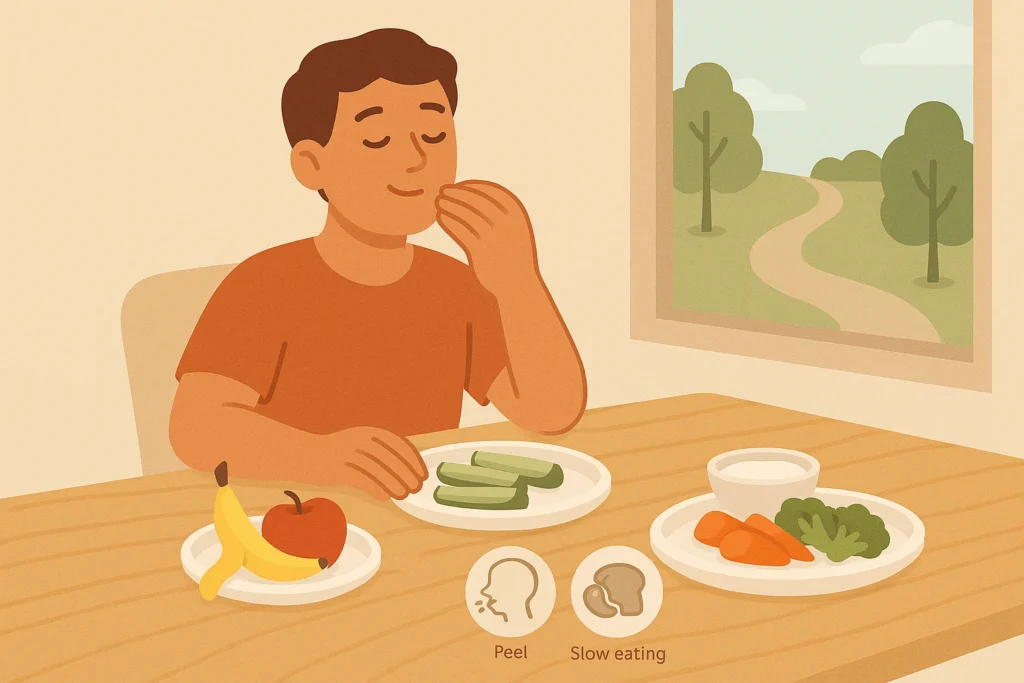
Chew thoroughly and dont rush. Start with simpler veggies and ripe fruit, peel if needed. If dairy gives you acne or congestion, pull it for 2 to 3 weeks, then retest with a small portion. Some people do better with goat or sheep dairy. If you feel heavy after meals, trim back added fats a little and walk 10 minutes after eating.
Common Mistakes Beginners Make
- Too little salt. Low electrolytes can cause headaches and low mood.
- Cutting carbs too fast. Many of us feel better with moderate fruit.
- Living on only ribeye. Variety gives micronutrients your body needs.
- Forgetting fiber. Cooked carrots or squash can support digestion if required.
- Overdoing dairy. Delicious yes, but it can stall fat loss for some.
How To Adjust For Weight Loss Or Muscle Gain
Fat Loss
Keep protein high and consistent, trim back added fat, and slightly reduce carbs on rest days. Build meals around leaner cuts like sirloin, top round, chicken breast and thighs with skin removed if necessary. Add fruit at lunch more than late at night. A simple fasting window of 12 hours overnight can work well without stress.
Muscle Gain
Eat at least three protein meals per day. Add carbs around training and dont be afraid of butter or ghee if you run lean. Track bodyweight weekly, not daily. If the scale never move and you feel hungry all day, you actually need more calories even if your mind says no.
For a deeper goal-focused approach, review: Animal-Based Diet For Weight Loss.
Blood Work And Health Markers To Watch
Good plans respect data. Talk with your clinician about baseline labs. Markers worth tracking include fasting glucose, A1c, triglycerides, HDL, LDL particle patterns, CRP for inflammation, vitamin D, iron studies, B12, folate, and thyroid panel. Combine labs with how you sleep, perform, and feel. Numbers matter, but so does how your pants fit and your morning mood. Dont chase perfection, focus on better trends.
Budget Tips That Keep It Sustainable
Buy family packs of beef and chicken, then batch cook on Sundays. Choose canned fish like sardines and salmon, they’re affordable and shelf stable. Look for frozen fruit when fresh is pricey. Watch sales on butter and cheese, store extras in the freezer. Use a crockpot for tougher cuts, the flavor can be amazing and the cost low. Simple food is not boring when you season well and rotate sauces like lemon butter, garlic ghee, and yogurt-herb blends.
Eating Out Without Derailing Your Plan
Check menus ahead of time. Ask for steak, grilled chicken, or fish with butter on the side and swap fries for a baked potato or side salad. Request olive oil and lemon instead of seed oil dressings. Skip buns and sweet sauces. If dessert calls your name, pick fruit or share a scoop of ice cream if dairy sits fine in your stomach. A single meal wont make or break results, but consistent choices will.
Frequently Asked Questions
Will I get enough vitamins without tons of vegetables?
Animal foods carry dense nutrition, especially when you include egg yolks, shellfish, and dairy. Add fruit and carefully chosen veggies for variety. If blood work show gaps, fill them with food first, then smart supplements if needed.
Can I do this if I’m busy?
Yes. Keep cooked protein in the fridge. Make yogurt and fruit your safety meal. Carry jerky without seed oils and a banana for emergencies. It’s no harder than any other plan, but its far more satisfying.
What about cholesterol?
Cholesterol responses vary, genetics matter. Track labs and discuss patterns with your clinician. Many people see triglycerides drop and HDL rise when refined carbs fall. Look at the full picture, not one number in isolation.
Is coffee ok?
For most folks, yes. Drink it with food to lower jitters. If sleep suffers, cut afternoon coffee and hydrate more with water and a pinch of sea salt.
One-Week Animal-Based Challenge
Try seven days. Plan three simple breakfasts, three simple lunches, three simple dinners, then rotate. Prep a pot of ground beef, bake a tray of chicken thighs, wash fruit, and portion yogurt. Take notes on hunger, energy, digestion, and mood. Many notice calmer days by day 4, and the mirror often shows less puff. If it doesnt feel better, adjust carbs or fats before you quit, sometimes its only a small tweak away.
Quick-Start PDF Guide You Can Save
We’ve placed a compact summary below.
Animal-Based Diet PDF Summary
Goals: steady energy, fewer cravings, strong recovery.
Eat Often: beef, bison, lamb, chicken, turkey, eggs, salmon, sardines, shrimp, butter, ghee, tallow, yogurt, kefir, cottage cheese, ripe fruit, honey, low-toxin veggies like squash and cucumber. Salt to taste.
Limit: seed oils, refined grains, sugary drinks, ultra-processed snacks, fillers in deli meats.
Protein Target: 0.7 to 1.0 g per pound of goal body weight daily.
Carbs: fruit and honey as needed for training and mood. Adjust 75 to 150 g as a starting zone.
Simple Plate: protein first, add fat to satisfy, add fruit or easy veggies as needed.
Hydration: water plus a pinch of salt, especially on training days.
Check-Ins: energy afternoon, sleep depth, workout recovery, digestion comfort, weekly waist measurement.
Emergency Meals: Greek yogurt with honey, eggs and fruit, canned salmon with lemon and rice.
Putting It All Together: Your First Month
Week 1, keep meals super simple, mainly protein and fruit. Week 2, fine-tune carbs around training. Week 3, add variety with shellfish and lamb, try a new fruit each day. Week 4, review progress markers and labs if available. If you’re down a notch on your belt and mornings feel sharper, you’re on the right track. If something feels off, test a small increase in carbs or swap dairy for a bit to see if skin clears.
If you want a deeper dive while staying practical, this overview is useful: Animal Based Diet.
Small Stories From The Table
We’ve sat with busy parents who wanted fewer battles at dinner. Steak and fruit finally ended the cereal tug-of-war. We met a nurse who worked nights and felt foggy all year; two weeks on eggs, yogurt, steak, and bananas, the fog simply eased off. A college lifter came in frustrated, eating alot of random snacks. He switched to beef bowls, honey rice before training, and cottage cheese at night, and he started hitting PRs again. Food that feels good often bring life back in small, quiet ways, not loud ones.
Next Steps
Start with one cart of groceries and two batch-cook sessions per week. Keep a simple log of sleep, hunger, and mood. Adjust fats and fruit until meals satisfy and your stomach stay calm. Share a dinner with family and let them taste how good this can be. For more context, browse: Animal Based Diet.
Conclusion
For many, the animal based diet for beginners is a clear path out of confusion. This animal based diet guide keeps your focus on complete protein, natural fats, and fruit or easy veggies that support training, hormones, and calm digestion. Save the quick animal based diet PDF from this page so you can keep it close. Take notes, adjust with patience, and let results build slow instead of forcing them fast. If your meals taste great and your day feels steadier, you’re doing it right even if the grammer isnt perfect.




Leave a Reply