
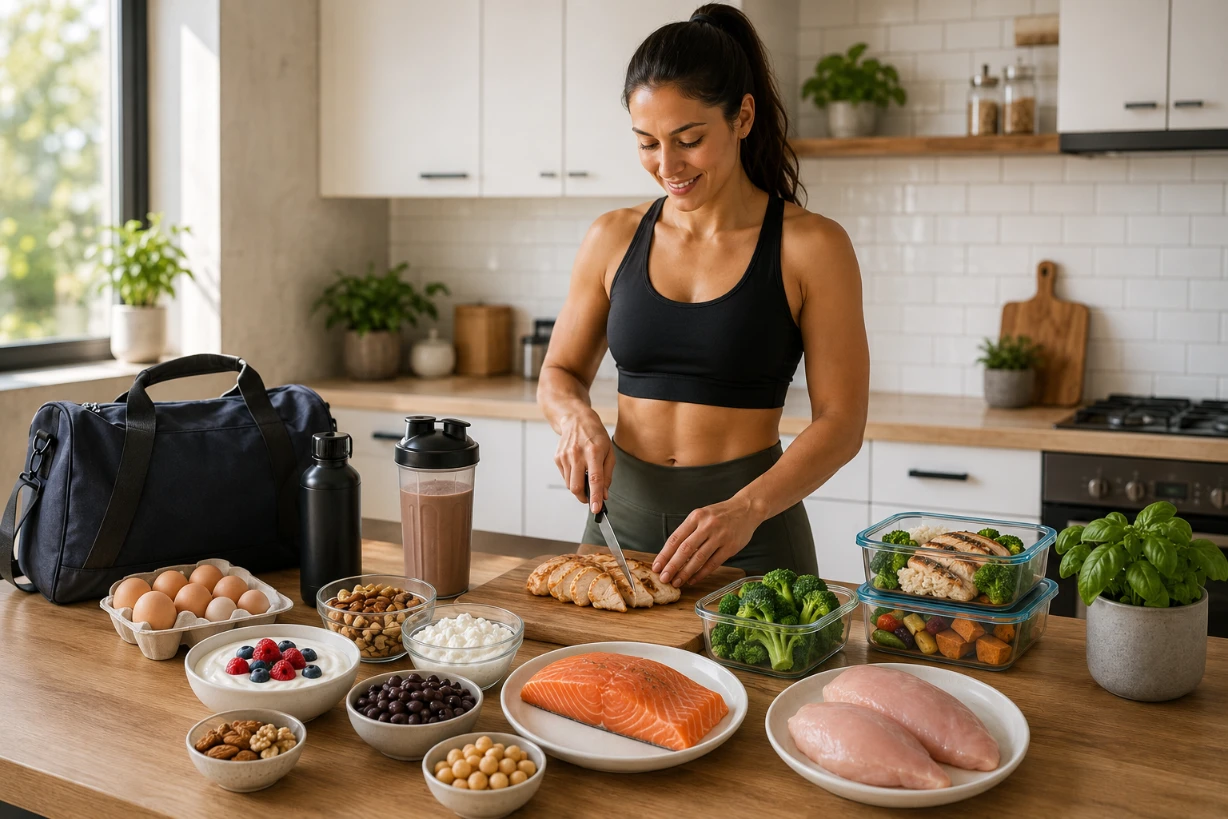

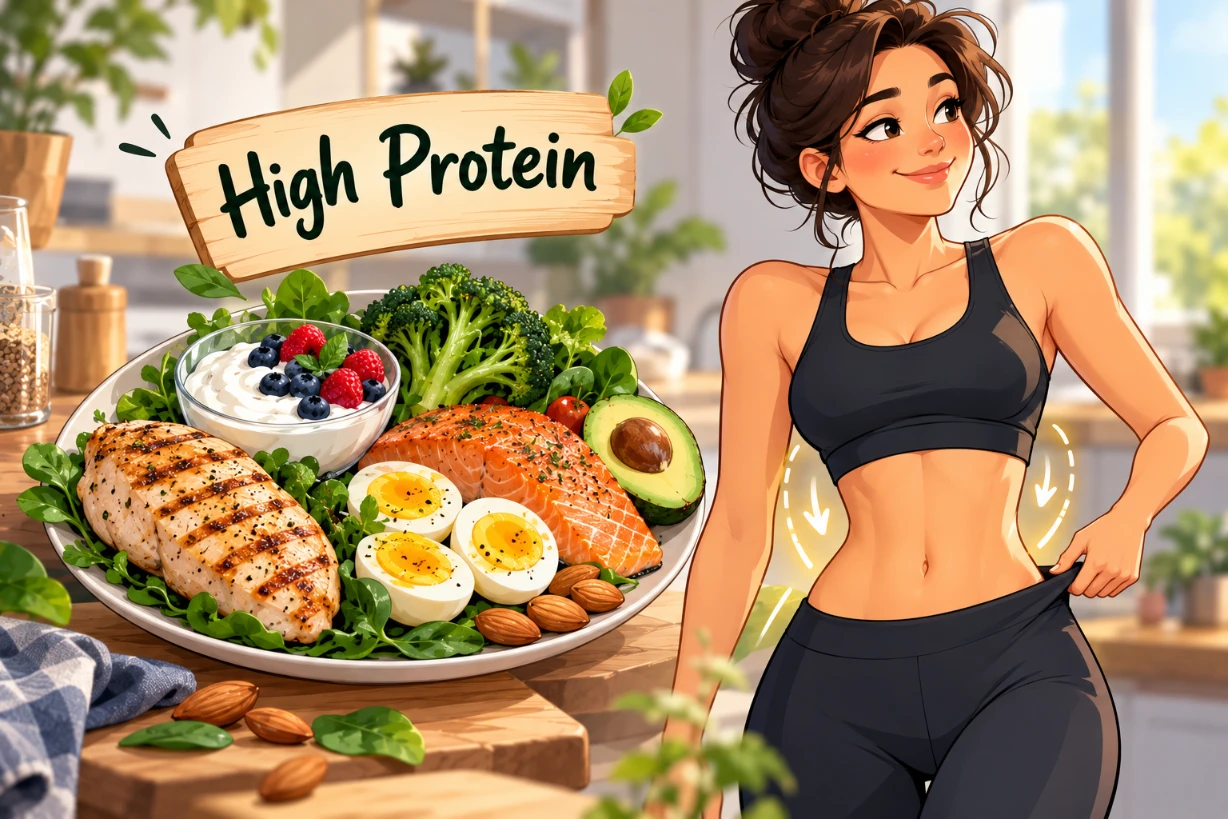
When people search for what is considered a high protein diet, they are usually trying to figure out if their own meals are giving them enough protein for health, muscle, or weight loss goals. Protein is not only for bodybuilders. It affects hunger, mood, blood sugar, and how our body repairs tissues day after day.
What is considered a high protein diet in practical terms
There is no single official line where a “normal” protein intake suddenly becomes a “high protein diet.” Still, nutrition research gives us clear ranges that we can use.
Most experts define a high protein diet using at least one of these three standards:
- Grams per kilogram of body weight: About 1.2 to 2.0 grams of protein per kilogram per day (or more) is usually considered high for healthy adults.
- Grams per pound of body weight: That means roughly 0.54 to 0.91 grams per pound of body weight.
- Percent of daily calories: When protein makes up about 20 to 35 percent of total daily calories, that is typically viewed as a high protein intake.
By contrast, the standard Recommended Dietary Allowance (RDA) in the United States is only 0.8 grams of protein per kilogram of body weight per day (about 0.36 grams per pound). That RDA is the minimum to avoid deficency in most healthy adults, not a target for best health, muscle, or weight management.
So, if you are asking what is considered a high protein diet in real life, a good rule of thumb is this. Once you consistently eat much more protein than the RDA, and your intake reaches around 1.2 to 1.6 grams per kilogram (0.54 to 0.73 grams per pound), most researchers and dietitians would say you have moved into high protein territory.
How much protein is that for a typical person
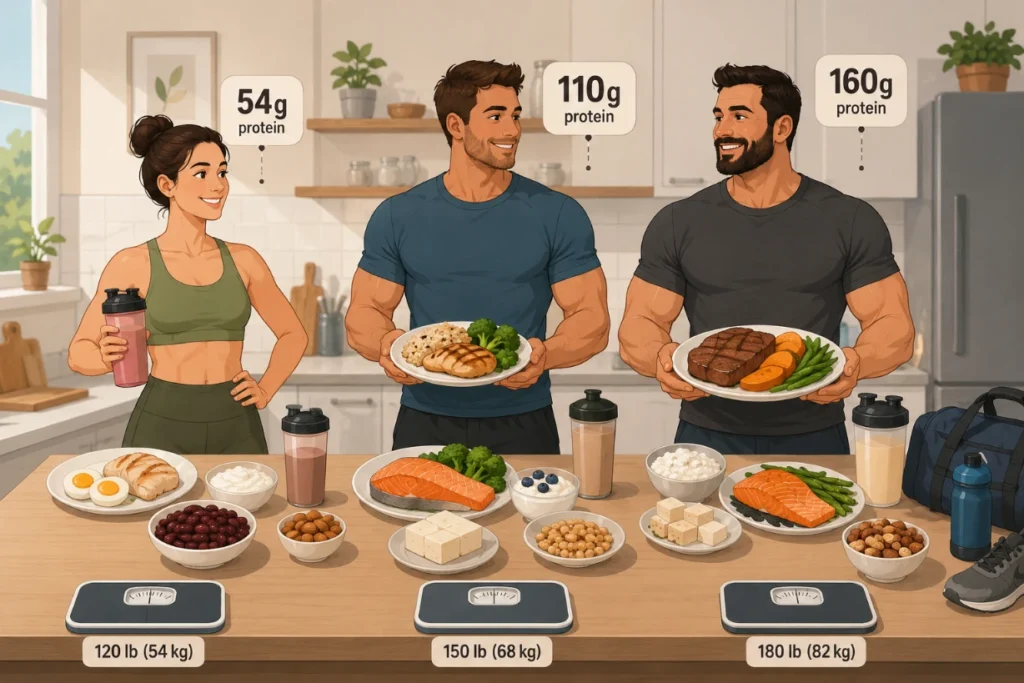
To make this more concrete, here are some simple examples based on body weight. These estimations are for healthy adults without kidney disease or other special conditions.
| Body weight | RDA minimum (0.8 g/kg) | Moderate protein (1.0 g/kg) | High protein (1.6 g/kg) | Very high (2.2 g/kg) |
|---|---|---|---|---|
| 120 lb (54 kg) | 44 g/day | 54 g/day | 86 g/day | 119 g/day |
| 150 lb (68 kg) | 54 g/day | 68 g/day | 109 g/day | 150 g/day |
| 180 lb (82 kg) | 66 g/day | 82 g/day | 131 g/day | 180 g/day |
| 220 lb (100 kg) | 80 g/day | 100 g/day | 160 g/day | 220 g/day |
Based on these ranges, a 150 pound adult who eats 110 to 130 grams of protein daily is eating what most studies would call a high protein diet. If they are closer to 50 to 60 grams per day, that is only barely above the minimum.
Why many adults now aim for a higher protein intake
Protein needs do not stay the same during our whole life, and they also change with lifestyle. When we look at what is considered a high protein diet, we need to look why many adults, especially in the United States, are moving toward the higher end of the range.
Support for weight loss and appetite control
Several recent studies show that higher protein intake can help with weight management:
- A 2023 review in the journal Nutrients found that diets with protein around 25 to 30 percent of calories often lead to better fat loss and less loss of lean muscle mass compared with lower protein diets.
- Protein has a higher satiety effect than carbs or fat for most people, meaning it keeps us fuller longer, reduce snacking, and lower late night cravings.
When someone shifts from 60 grams of protein per day to 110 grams, and they spread that across meals, they often report feeling more steady energy and less urge for random munching. That is one big reason why high protein diets are popular in many weight loss plans, including some lower carb or animal based styles of eating.
Preserving muscle as we age
After about age 30 we slowly lose muscle mass, especially if we are not doing regular strength movements. This process, called sarcopenia, can speed up in our 50s, 60s, and 70s. Research from 2022 and 2023 keeps pointing to the same pattern. Older adults who eat higher protein, especially spread across meals, keep more strength and independence.
For older adults, the RDA of 0.8 g/kg often seems too low. Many geriatric nutrition experts recommend at least 1.0 to 1.2 g/kg for healthy older adults, and even up to 1.5 g/kg for those who are frail or recovering from illness or injury. That is already close to what is considered a high protein diet for younger adults too.
Support for active lifestyles and training
For people who lift weights, play sports, or do intense exercise, protein needs normally go up. The International Society of Sports Nutrition suggests about 1.4 to 2.0 g/kg for active individuals to support building and repairing muscle. That range would clearly be classifed as high protein for the average person.
In daily life we can feel the diffrence. Someone training hard 4 to 5 days a week who only eats 50 to 60 grams of protein will often feel sore longer and struggle to build muscle. Shift to 110 to 130 grams, along with enough calories and rest, and their recovery usually improves with less muscle breakdown.
How high is too high for protein intake
When people ask what is considered a high protein diet, often the unspoken second question is, how much protein is still safe. This is where context matters. For most healthy adults with normal kidney function, research up to 2.2 g/kg per day (about 1 gram per pound) has not shown harm when the diet is otherwise balanced.
Some points from recent data:
- Studies up to 1 year long have found that high protein intakes of 1.6 to 2.2 g/kg in healthy adults did not damage kidney markers, even when most protein came from animal sources.
- The tolerable upper intake level for protein is not officially set in the same way as some vitamins, but expert groups usually see 2.0 to 2.5 g/kg as the upper end for healthy, active adults.
However, people with chronic kidney disease, certain metabolic disorders, or uncontroled diabetes may need lower protein. They should not follow a high protein diet without close medical guidence. Kidney function, meds, and other medical factors must be considered.
This is why we can not simply say more protein is always better for everyone. What is considered a high protein diet for one person may be too aggressive for another based on their health status.
What types of foods fit in a high protein diet
Once we know what is considered a high protein diet by grams and percentages, the next level question is how to reach that intake with real food. There are two main sources: animal based and plant based. Many people mix both, but some prefer one side.
Animal based protein sources
Animal foods give all essential amino acids in good ratios and are usually dense in protein per calorie. Common choices include:
- Lean poultry like chicken breast or turkey breast
- Eggs and egg whites
- Seafood such as salmon, tuna, shrimp, cod, and sardines
- Lean cuts of beef
- Greek yogurt, cottage cheese, and other dairy foods
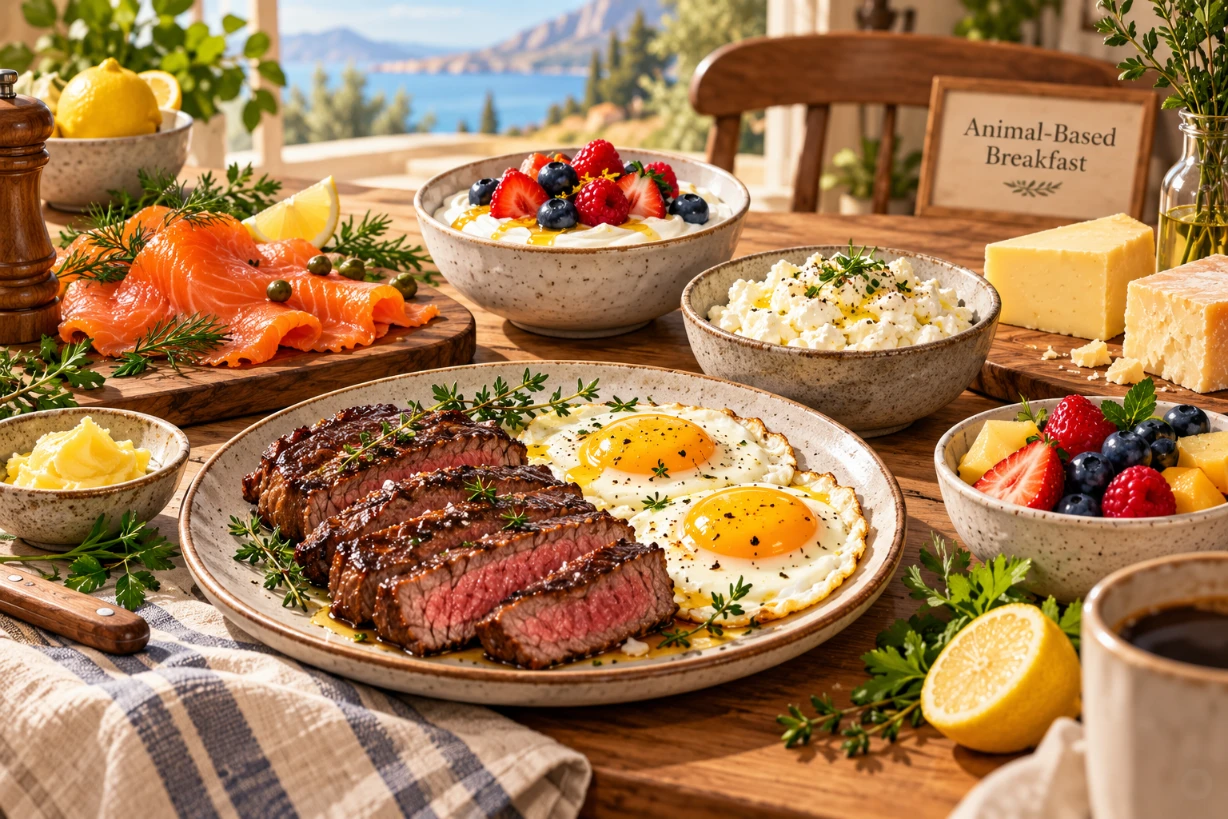
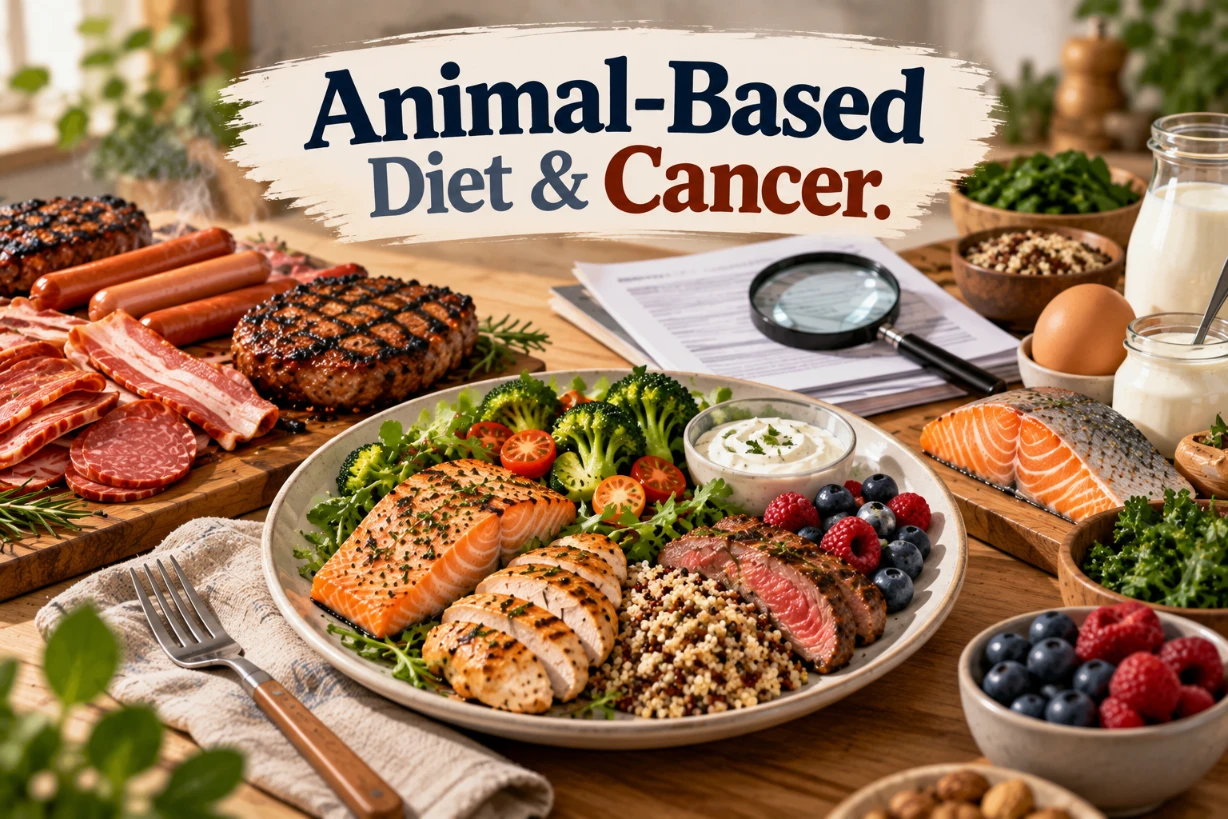
For readers interested in structured animal focused pattern, some guides explore how an animal based diet compares with a plant based diet, how it may affect weight loss, and ways to keep it balanced.
Plant based protein sources
Plant proteins can also support a high protein diet, although getting enough total protein and certain amino acids (like lysine) might require mixing several sources. Key plant protein foods include:
- Beans, lentils, chickpeas, and peas
- Tofu, tempeh, and other soy products
- Edamame (young soybeans)
- Nuts and seeds, such as almonds, walnuts, pumpkin seeds, chia, and hemp
- Whole grains like quinoa, farro, and oats
For someone on a fully plant based diet trying to hit 100 grams or more of protein, it often helps to anchor meals around legumes and soy, then layer nuts, seeds, and whole grains for extra protein and fiber.
How to structure meals on a high protein diet
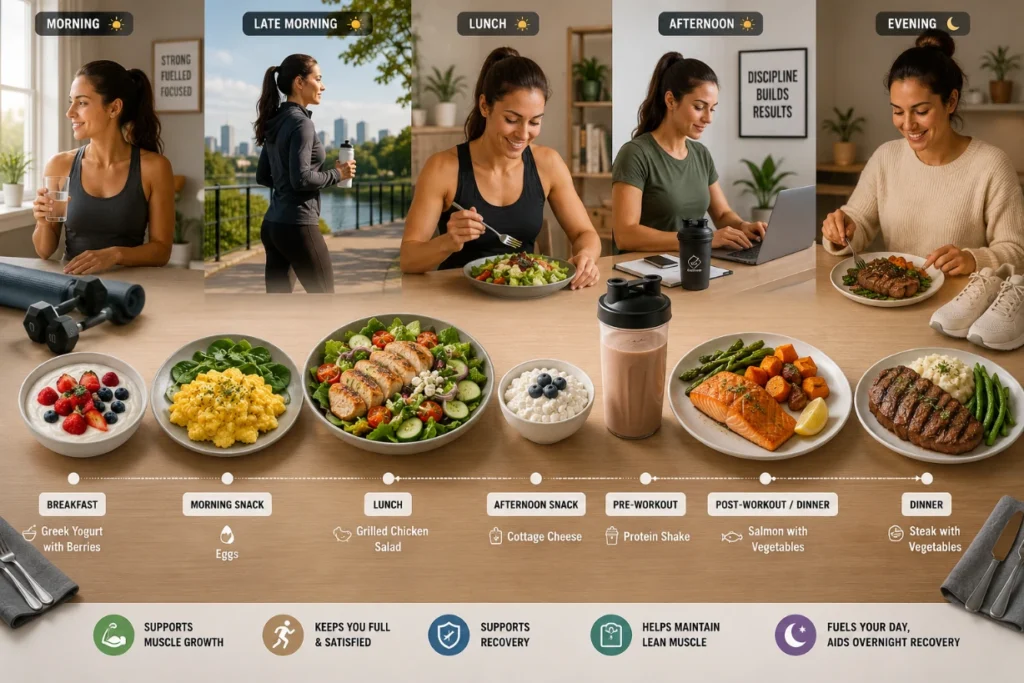
When we talk about what is considered a high protein diet, it is not just about the total number of grams per day. The pattern across meals also matters. Our muscles respond best when we spread protein throughout the day, rather than stuffing most of it into one big dinner.
A helpful target is around 20 to 40 grams of protein per meal, depending on body size and activity level. For many adults, 3 meals with 25 to 35 grams of protein each, plus 1 or 2 high protein snacks, will easily reach a high protein range.
Example 1: Moderate calorie high protein day (about 1500–1700 calories)
This simple example shows around 110 to 120 grams of protein, which fits what nutrition research would call a high protein intake for a lot of adults.
- Breakfast: Greek yogurt (1 cup), 1 scoop whey protein, berries, sprinkle of oats
- Lunch: Salad with 4 oz grilled chicken, mixed greens, cherry tomatoes, olive oil, and feta cheese
- Snack: Cottage cheese with cucumber slices and a few almonds
- Dinner: 4 oz baked salmon, 1 cup roasted veggies, half cup quinoa
This day provides a high protein diet without extreme carb restriction. It supports weight loss and muscle protection, while still giving fiber and healthy fats.
Example 2: Higher calorie, high protein for active person
For someone lifting weights 4 to 5 days a week, a target might be 1.6 to 2.0 g/kg. A 180 pound active adult might aim for 130 to 160 grams of protein daily.
- Breakfast: 3 eggs, 2 egg whites, whole grain toast, avocado
- Snack: Protein shake with fruit
- Lunch: 5 oz turkey breast sandwich on whole grain bread, side salad
- Snack: Greek yogurt with granola
- Dinner: 6 oz lean steak, roasted potatoes, steamed broccoli
Again, what is considered a high protein diet here is not just the large number of grams, but also the pattern of giving the muscles several chances through out the day to get amino acids for repair.
High protein diet vs. balanced eating styles
Protein does not live in a vacuum. When we push protein higher, carbs and fats do not disappear. We have to choose what we cut back a little to keep total calories reasonable. Different diet patterns approach that trade off in various ways.
For example, someone following a more Mediterranean style of eating, rich in vegetables, whole grains, olive oil, nuts, and seafood, can still hit 90 to 120 grams of protein daily. They might lean on fish, Greek yogurt, and legumes for their protein base. You can see how this looks in practice by exploring what foods are common in the Mediterranean diet food list.
On the other side, some popular weight loss patterns focus more on animal foods. These often hit very high protein levels while lowering carbs more aggressively. Guides on an animal based diet for weight loss explain how higher protein intake teams up with lower refined carbs to reduce hunger and support fat loss.
Which style works best depends on personal taste, health needs, ethical values, and how well someone can stick with it over months, not just a week or two.
Benefits commonly seen with a high protein diet
When done in a balanced way, what is considered a high protein diet can bring several positive changes, especially for busy adults who are trying to manage weight and maintain health.
Improved fullness and fewer cravings
Protein triggers hormones linked to satiety, such as peptide YY and GLP-1, and it slows down stomach emptying. Many people notice that once they bring each meal up to 25 to 30 grams of protein, snacking between meals feels less urgent. That alone can cut a lot of extra calories.
Better support for lean muscle
Especially when combined with regular resistance training (even simple bodyweight moves or dumbbells at home), higher protein intake helps preserve or build muscle. This matters not just for looks or performance, but also for metabolic health. Muscle tissue helps manage blood sugar and keeps resting metabolic rate higher.
More stable blood sugar
Protein rich meals have a lower glycemic effect compared to high sugar, low protein meals. For many people with prediabetes or insulin resistance, shifting a portion of carb calories toward protein can reduce post meal blood sugar spikes. Still, they need to work with their own doctor or dietitian if they take medication.
Possible help for weight management plateaus
Based on current trends in weight loss clinics, raising protein intake is often one of the first adjustments when someone hits a weight loss plateau. Extra protein can slightly increase the thermic effect of food, meaning our body spends more calories digesting and using it compared to carbs or fats. That effect is not magic, but it supports the bigger picture of feeling satisfied while eating a bit less.
Potential downsides and myths about high protein diets
Any time we look at what is considered a high protein diet, we also need an honest look at possible downsides, so that people can make an informed choice.
Kidney health concerns
A common worry is that high protein intake automatically harms the kidneys. Research in healthy adults does not support that claim. The kidneys have good capacity to handle the extra nitrogen from higher protein. However, for those with known kidney disease, especially stage 3 or higher, protein limits may be necessary.
If someone has a family history of kidney issues, diabetes, or high blood pressure, it is wise to get labs and medical advice before staying on a very high protein diet for long periods.
Digestive discomfort
Jumping from 50 grams of protein a day to 150 grams overnight can cause bloating, constipation, or general stomach discomfort. Often this is not the protein itself, but the change in fiber, food volume, or fluid intake that also comes with new food choices.
Tips to ease this include:
- Increase protein gradually over 1 to 2 weeks
- Drink enough water throughout the day
- Keep plenty of fiber from vegetables, fruits, and whole grains or legumes
- Use a variety of protein sources rather than relying only on shakes
Over focus on meat and lack of balance
It is very easy to slide from a high protein diet to a meat heavy pattern that lacks vegetables, fiber, and healthy fats. This can leave someone constipated, low in micronutrients, and not feeling their best. A high protein approach works better when it stays balanced. Color on the plate still matters. So does variety.
Too much processed protein foods
Protein bars, powders, and ready to drink shakes can be handy, but they are still processed items. Relying on them for most of our daily intake can crowd out whole foods. As a general guide, many dietitians suggest getting at least 70 to 80 percent of protein from real foods, and keeping supplements as a convenience tool rather than a main pillar.
How to find your own high protein sweet spot
When you are deciding what is considered a high protein diet for your own life, it helps to blend the science ranges with real personal feedback. Here is a simple way to test and adjust:
- Estimate current intake. Track your food for 2 to 3 days using an app, then find your average daily grams of protein.
- Set a new target. Use a range of 1.2 to 1.6 g/kg of body weight if you are healthy and fairly active, or closer to 1.0 to 1.2 g/kg if you are less active or older.
- Increase gradually. Add about 15 to 20 grams of protein per day for a week or two. Notice how hunger, energy, and digestion respond.
- Check body signals. Are you feeling more satisfied between meals, recovering better from workouts, and maintaing or building strength.
- Adjust based on goals. If your main goal is fat loss, keep protein on the higher end of the range while gently trimming excess sugars and ultra processed snacks.
Many people find that once they reach around 90 to 130 grams per day, they hit a sweet spot. Above that, benefits may flatten out unless they are doing heavy training or have higher calorie needs. Below that, they feel a bit more hungry and less solid in their body.
Key takeaways: what is considered a high protein diet
Putting all this together, we can answer the original question clearly while still respecting the nuance.
A high protein diet for most healthy adults usually means:
- At least 1.2 grams of protein per kilogram of body weight per day, and often up to 1.6 or even 2.0 g/kg for active people.
- Or roughly 0.54 to 0.91 grams per pound of body weight per day.
- Or around 20 to 35 percent of daily calories coming from protein.
Within that range, the best level for you depends on age, body size, activity, health status, and personal goals. For many adults in the United States trying to lose weight, protect muscle, or feel more satisfied after meals, drifting into the lower to middle end of what is considered a high protein diet can be a practical and sustainable step.
Regardless of the exact number, a high protein approach works best when it still includes plenty of vegetables, some fruit, healthy fats, and mostly whole, minimally processed foods. That combination respects both our short term goals and our long term health, keeping protein as a strong ally instead of a source of confusion.

Leave a Reply