
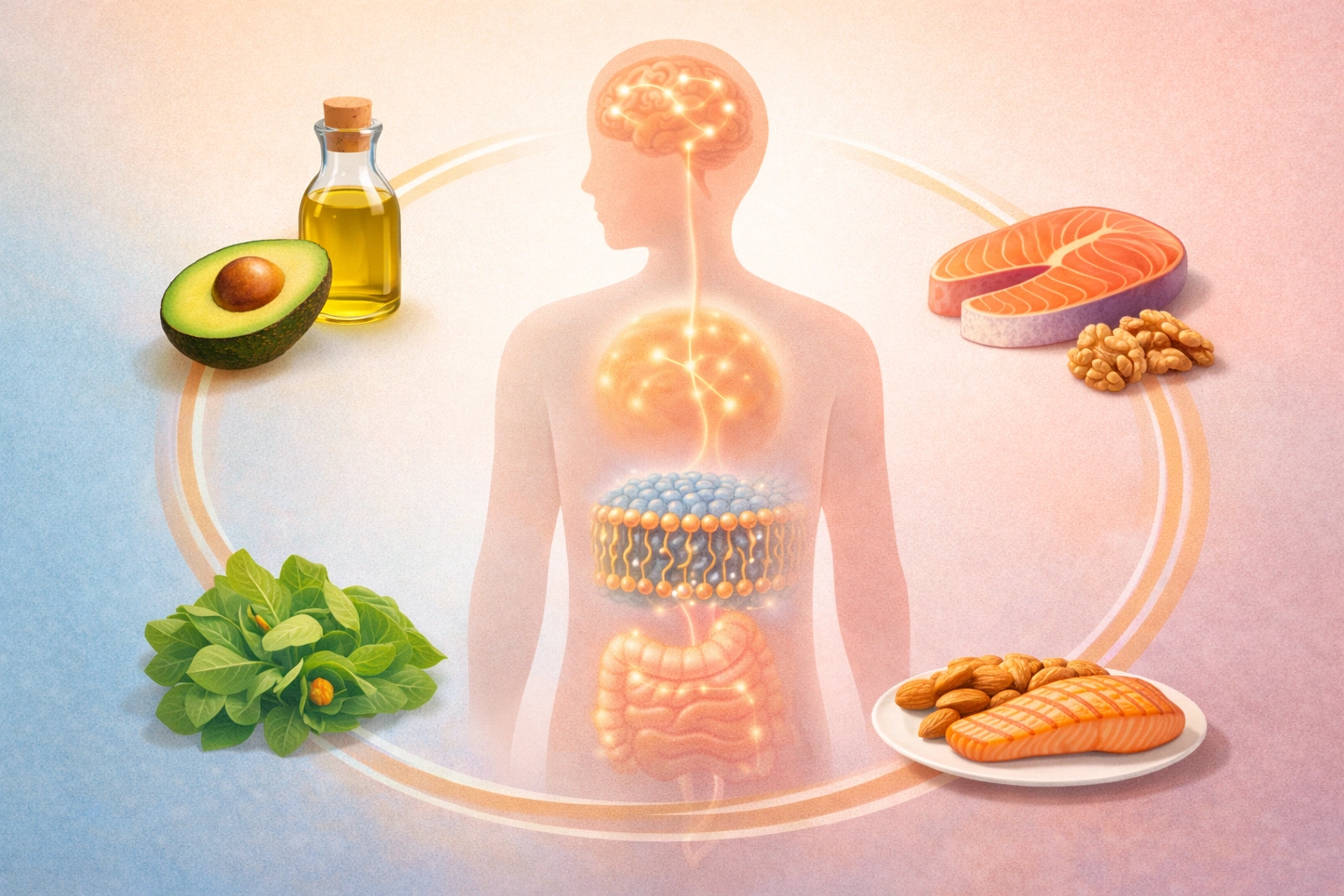

Lipids in food often make people think only about fat and weight gain, but nutrution science tell a very different story. When we ask what is the nutritional impact of lipids in the diet, we are really asking how fats shape our hormones, our brain function, our heart health, recovery from workouts, and even how satisfied we feel after a meal. Used wisely, dietary lipids support a strong, energetic body. Used poorly, they can raise disease risk in a quiet but serious way.
What Are Lipids And Why Do They Matter In Daily Eating
Lipids are a broad group of fat like substances that do not mix well with water. In everyday nutrition, the main lipids in the diet are:
- Triglycerides (what we usually call “fats” or “oils”)
- Phospholipids (key parts of cell membranes)
- Sterols, mainly cholesterol
These lipids come from both animal and plant foods. Butter, cheese, meat, eggs, nuts, seeds, avocado, and cooking oils all carry different types of fats. When we look at what is the nutritional impact of lipids in the diet, we can not just look at them as calories. Lipids act as building blocks, messengers, and long term fuel.
In our experince, people who swing between fear of all fats and overdoing fried and ultra processed foods usually feel the worst. Balanced intake of the right types of lipids tend to support better energy, better focus, and more stable weight over the long run.
Core Nutritional Roles Of Lipids In The Body
1. Concentrated Energy Source
Fat provides about 9 calories per gram, more than double what carbohydrates or protein provide. That dense energy is not a mistake, it is a design feature. For long runs, hiking, or even long work days where meals are spaced out, lipids give staying power.
From a practical point, this means:
- Including some healthy fat at breakfast can reduce mid morning hunger.
- A snack with fat plus protein (like nuts and Greek yogurt) lasts longer then one with carbs alone.
- Endurance athletes often increase fat slightly to improve fuel availability and sometimes fat adaptation.
Still, because lipids are calorie dense, regular large servings of high fat, highly processed foods can tip energy balance toward weight gain if movement and appetite signals are not aligned.
2. Building Healthy Cell Membranes
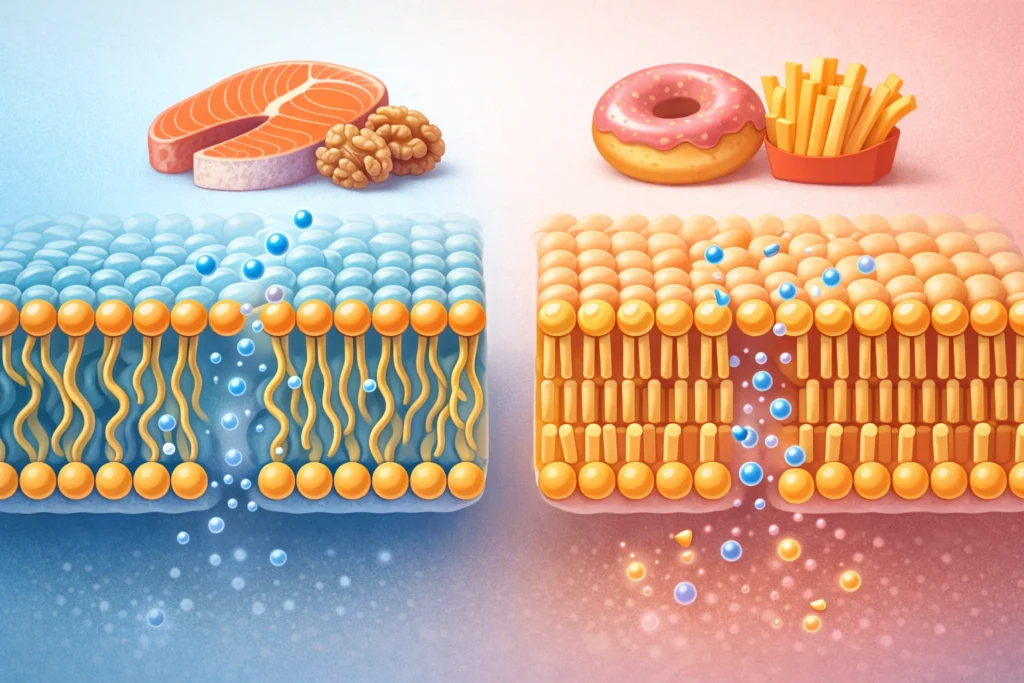
Every cell in the human body is wrapped in a membrane made largely of phospholipids and cholesterol. These membranes are not just walls. They decide what gets in, what gets out, and how cells respond to signals.
The type of dietary fat we eat shapes the fluidity and behavior of these membranes. Higher intake of polyunsaturated fats, especialy omega 3s, make membranes more flexible, which supports proper signaling in heart, brain, and immune cells. Diets very high in trans fats or certain saturated fats can make membranes stiffer, which may affect insulin sensitivity and inflamation pathways.
3. Transport And Absorption Of Fat Soluble Vitamins
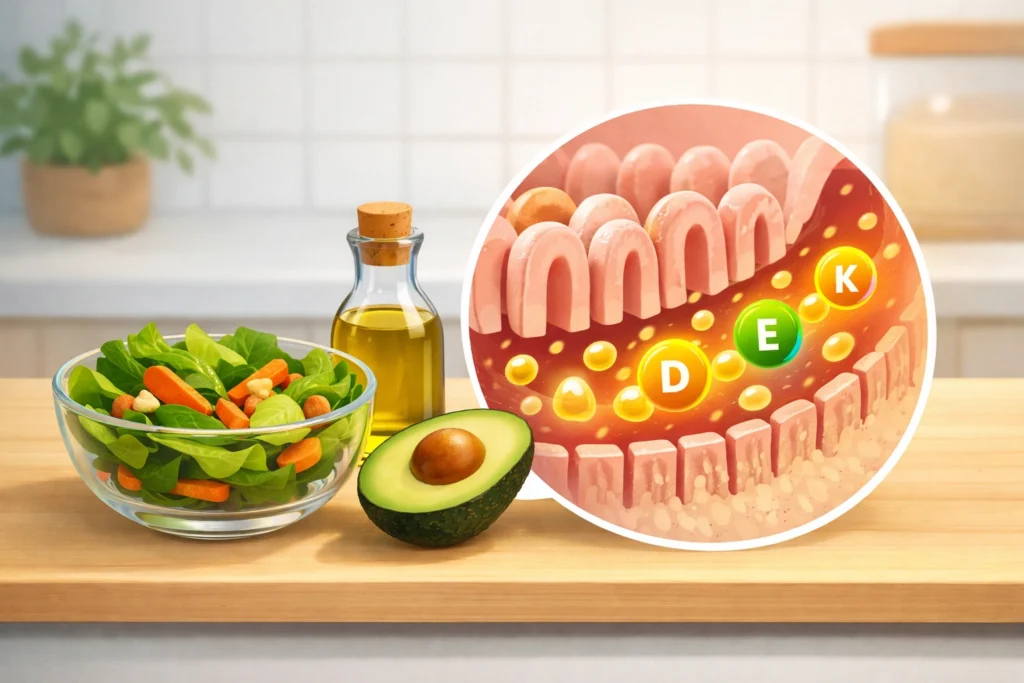
Vitamins A, D, E, and K require dietary fat for absorption in the small intestine. Without enough lipids in the diet, we can eat these vitamins but still not absorb them well.
Some examples:
- Vitamin A supports vision, immune function, and skin health.
- Vitamin D plays key roles in bone strength and immune regulation.
- Vitamin E acts as a major antioxidant in cell membranes.
- Vitamin K is involved in blood clotting and bone metabolism.
A salad with no fat source, like only greens and vinegar, will absorb much less vitamin A and K compared to a salad with a spoon of olive oil, avocado slices, or a few nuts. From a diet planning view, adding a modest amount of healthy fat to vegetable dishes is not indulgent, its functional.
4. Hormone Production And Regulation
Many hormones are derived from cholesterol and fatty acids. Sex hormones like estrogen and testosterone, stress hormones like cortisol, and vitamin D all trace back to lipid components.
Very low fat diets can disturb reproductive hormones, especially in athletes or people who are already lean. There are case reports and clinical observations showing loss of menstrual cycles in women with chronic low fat, low calorie intake. On the other side, diets high in certain saturated fats and industrial trans fats can alter hormone balance that affect insulin, leptin, and inflamatory markers.
5. Thermal Insulation And Organ Protection
Body fat tissue provides insulation against cold and cushioning for organs like kidneys and heart. While we often focus on visible body fat for aesthetic reasons, a certain amount of adipose tissue is biologicaly protective.
The nutritional impact of lipids in the diet, therefore, also includes keeping enough reserve for illness, injury recovery, and normal hormonal function. Extreme low fat intake over long periods can put that buffer at risk.
Types Of Dietary Lipids And Their Different Health Effects
When people ask what is the nutritional impact of lipids in the diet, they really need to ask what kind of lipid and in what context. Not all fats behave the same. Here is a closer look.
Unsaturated Fats: Monounsaturated And Polyunsaturated
Unsaturated fats are generaly liquid at room temperature. They are often called “healthy fats” because of their link with better heart and metabolic outcomes.
Monounsaturated fats (MUFA)
Sources include olive oil, canola oil, avocado, almonds, peanuts, and many other nuts and seeds. MUFAs are associated with:
- Improved LDL and HDL cholesterol patterns
- Better insulin sensitivity in some studies
- Lower rates of cardiovascular events when they replace saturated or trans fats
The famous Mediterranean style patterns, rich in extra virgin olive oil and nuts, show lower heart disease and overall mortality in large cohorts. Based on current data and real world patterns, making MUFAs a main fat source is one of the most reliable ways to improve diet quality without feeling deprived.
Polyunsaturated fats (PUFA)
PUFAs include omega 3 and omega 6 fats. Our bodies can not produce some of these, so they are essential.
Omega 3 fatty acids (ALA, EPA, DHA) come from flaxseed, chia, walnuts (ALA), and fatty fish like salmon, sardines, and mackerel (EPA, DHA). Benefits seen in research include:
- Reduction in triglyceride levels
- Support for brain and eye development in infants
- Lower risk of fatal heart arrythmias
- Possible support for mood and cognitive health
Omega 6 fatty acids are found in many vegetable oils (soybean, corn, sunflower) and nuts. They are also essential and involved in growth and immune responses. The challenge arises when omega 6 fats are very high and omega 3 fats are very low, which may tilt the body toward more pro inflamatory states, especially with highly processed food patterns.
Saturated Fats
Saturated fats are usually solid at room temperature and occur in animal foods (meat, cheese, butter, cream) and some plant foods (coconut oil, palm oil). They have been at the center of heated debate.
Current major guidelines from bodies like the American Heart Association and World Health Organization still recommend limiting saturated fat to about 10 percent of total calories, and lower for some people with high LDL cholesterol or cardiovascular disease. Large meta analysis indicate that replacing some saturated fats with polyunsaturated fats can reduce heart disease events.
At the same time, not all saturated fat sources have identical impacts. For example:
- Fermented dairy (like yogurt and some cheeses) seems less harmful than processed meats.
- Whole food sources eaten in modest amounts, as part of a pattern rich in fiber and unsaturated fats, do not carry the same risk as high intake of processed meats and pastries.
The nuance matters. For someone who follows a higher animal based pattern, thoughtful choices between processed meats and more whole cuts, eggs, and dairy can change overall risk. If you curious about how different animal centered patterns compare, there is more detailed comparison at https://dietlinic.com/animal-based-diet-vs-plant-based-diet/.
Trans Fats
Trans fats are mostly industrial products made by hydrogenating vegetable oils. They were common in margarines, baked goods, and fried fast foods. These lipids strongly raise LDL, lower HDL, and promote inflamatory responses.
Due to very strong evidence of harm, trans fats have been largely removed or limited in the United States food supply in the last few years. Still, small amounts can appear in some processed snacks or imported foods, so scanning labels for “partially hydrogenated oils” is still worth the effort.
How Dietary Lipids Influence Major Health Areas
1. Lipids And Cardiovascular Health
Cardiovascular disease stays the leading cause of death in the United States. The type, amount, and pattern of fat intake play a central role in blood lipid profiles and artery health.
Key effects include:
- Saturated and trans fats raise LDL (“bad” cholesterol) and can promote plaque formation in arteries.
- Unsaturated fats, especially omega 3, can reduce triglycerides, improve vessel function, and support anti clotting balance.
- Higher intake of whole food fats from nuts, seeds, olive oil, and fish is linked with lower rates of heart attacks and strokes.
Recent large scale data, like results summarized by the American College of Cardiology in 2023, continue to support shifting fat quality rather than just slashing total fat. From a practical coaching view, helping someone swap daily pastries and fried snacks for nuts, seeds, and olive oil usually gives bigger benefit then asking for extremely low fat eating.
2. Lipids, Weight Management, And Satiety
Because of their high energy density, lipids can both support and challenge weight management. Research shows that:
- High fat, ultra processed foods are easy to overeat due to low fiber and strong flavor engineering.
- However, adding moderate fat to whole meals can increase satiety and reduce grazing behavior later in the day.
For example, a bowl of plain rice may leave someone hungry again in 2 hours, while rice with vegetables, beans, and some olive oil or avocado tends to satisfy longer. Fats slow gastric emptying and influence satiety hormones like cholecystokinin (CCK).
People sometimes assume low fat diets are always better for weight loss. Yet studies comparing low fat and low carb patterns find that calorie control and food quality matter more then the exact fat percentage for many individuals. Some do better with higher fat, lower carb patterns, others the opposite. Based on our experince, matching a pattern to a persons preferences and lifestyle is often the decisive factor for long term success.
3. Brain Function, Mood, And Lipids

The brain is highly enriched with lipids, especially DHA, a long chain omega 3 fat. Adequate intake of omega 3s is connected with:
- Better cognitive development in infants and children
- Slower cognitive decline in some older adult studies
- Potentially lower risk of depressive symptoms in certain populations
While research is still evolving, many neurologists and dietitians encourage at least 2 servings of fatty fish per week or an algae based DHA supplement for people who avoid fish. When readers ask what is the nutritional impact of lipids in the diet for mental health, omega 3 intake is usually one of the first places we look.
4. Inflammation And Immune Function
Lipids are precursors for eicosanoids and resolvins, compounds that regulate inflamatory and resolving pathways. The balance of omega 3 to omega 6 fats, as well as total fat quality, shapes these signals.
High omega 3 intake can support resolution of normal inflamation after exercise or injury. Diets overloaded with poor quality fats and low in fiber can push chronic low grade inflamation, which is tied to metabolic syndrome, type 2 diabetes, and heart disease.
5. Athletic Performance And Recovery
For people who train reguarly, what is the nutritional impact of lipids in the diet on performance is very relevant. Key points include:
- Fat is a primary fuel during low to moderate intensity exercise.
- Endurance athletes sometimes adapt to higher fat intake to improve fat oxidation, though this can trade off with high intensity capacity in some cases.
- Adequate omega 3 intake may reduce muscle soreness and support recovery.
From practice, strength athletes and active adults usually do best when fat intake is not pushed too low. Somewhere around 25 to 35 percent of calories from fat, with focus on unsaturated sources, often supports both hormone health and training demand, though individual needs vary.
Dietary Patterns: How Lipids Fit Into Real Life Eating Styles
Single nutrients never act alone. When we ask what is the nutritional impact of lipids in the diet for real people, we have to look at overall pattern.
Mediterranean Pattern
This pattern highlights extra virgin olive oil, nuts, seeds, fish, whole grains, legumes, and lots of vegetables and fruits. Total fat intake is moderate to high, but most fat is unsaturated. Large trials show this style reduces major cardiovascular events, supports weight control, and is generaly easier to keep long term, because it still feels satisfying.
Low Carb Or Keto Type Patterns
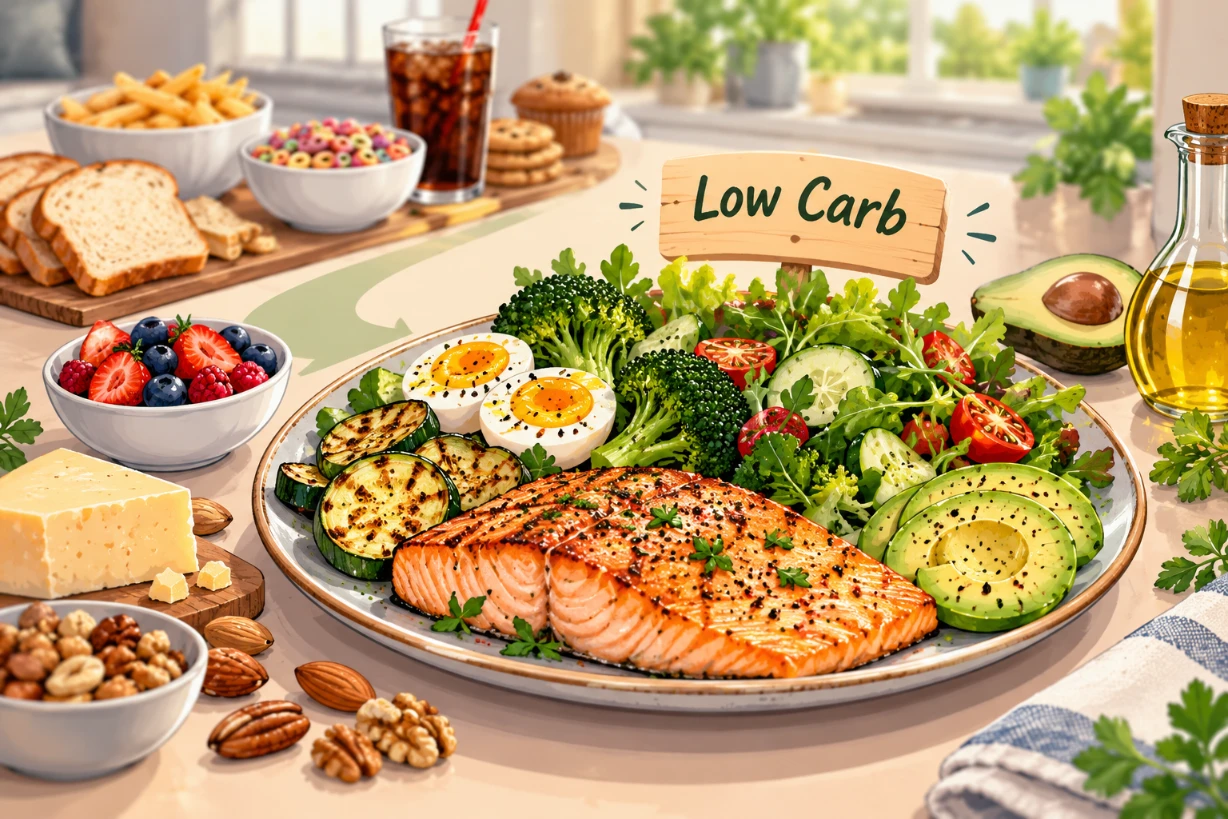
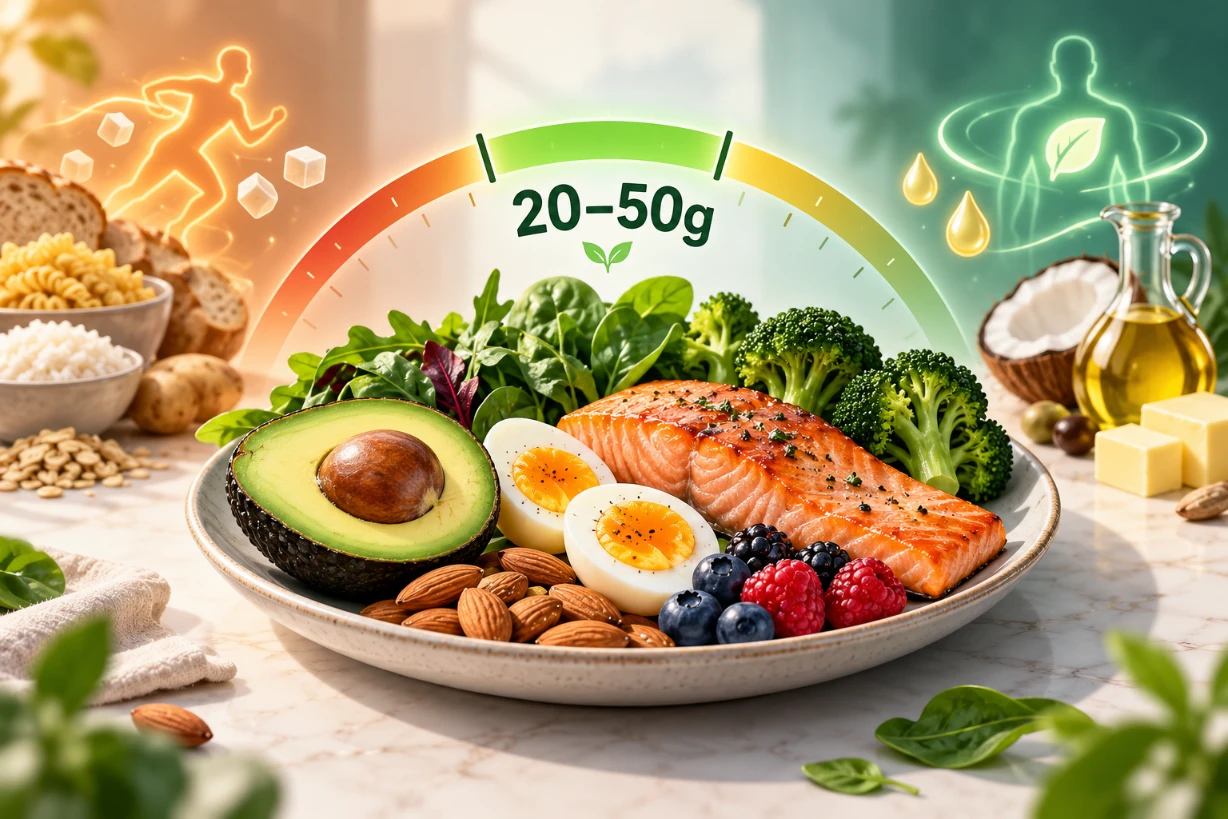
Low carb and ketogenic approaches increase dietary fat quite a bit, often to 60 to 75 percent of total calories. When fats come mostly from whole foods like fish, eggs, avocados, nuts, seeds, olive oil, and unprocessed meats, many people see improvements in blood sugar control and sometimes weight.
The risk comes when high fat intake is paired with lots of processed meats, butter based desserts, and minimal fiber. That mix can worsen LDL cholesterol and gut health in some individuals. For readers interested in how animal heavy low carb diets compare with classic keto, we cover that in more depth at https://dietlinic.com/animal-based-diet-vs-keto-which-is-better/.
Plant Forward Patterns
Plant based or plant forward patterns can still contain meaningful fat from nuts, seeds, avocados, olives, and plant oils. These sources are rich in unsaturated fats and fiber together, which may offer special benefits for heart and digestive health.
A carefully planned plant based pattern can support all life stages, but attention to omega 3 sources (like flax, chia, walnuts, or supplements) becomes important. When lipids are cut too low in a plant based diet, people may struggle with satiety, skin dryness, or menstrual irregularities.
Animal Focused Patterns
Animal based diets, which center meat, eggs, and dairy and sometimes limit plants, depend heavily on lipid choices. Fat intake can climb quickly, and the ratio of saturated to unsaturated fats shifts. Some people report appetite control and better blood sugar, while others see rises in LDL cholesterol or digestive changes.
When someone chooses a more animal weighted pattern for personal or medical reasons, we encourage paying attention to cut selection, including fatty fish often, and watching response of blood lipids. You can read more practical guidance on this style at https://dietlinic.com/animal-based-diet/.
Practical Tips For Using Lipids Wisely In Your Diet
To get the positive nutritional impact of lipids in the diet while lowering risk, we can focus on daily habits instead of strict rules.
1. Aim For Fat Quality Over Total Avoidance
Rather than fear all fats, tilt choices toward unsaturated sources:
- Cook more often with olive or avocado oil instead of butter or shortening.
- Include nuts or seeds as snacks or salad toppings a few times per week.
- Choose fatty fish (salmon, trout, sardines) 1 to 2 times weekly.
2. Keep Portions Mindful But Not Tiny
Most adults do well with fat providing about 25 to 35 percent of daily calories, though some may need slightly more or less. In simple plate terms:
- 1 to 2 thumb sized portions of added oils per meal
- A small handful of nuts or seeds as a snack or garnish
- Visible fat on meats trimmed if intake is high in other areas
Very low fat eating for long periods can backfire, causing hunger, cravings, or hormone shifts.
3. Pair Fats With Fiber Rich Foods
Combining lipids with vegetables, fruits, whole grains, or legumes improves satiety and supports gut health. Examples:
- Oatmeal with walnuts and berries
- Roasted vegetables drizzled lightly with olive oil
- Chili made with beans, vegetables, and a modest amount of meat
This pairing also helps reduce LDL cholesterol, because soluble fiber can help carry some cholesterol out of the body.
4. Watch Hidden Fats In Ultra Processed Foods
Many store bought baked goods, fast food, and packaged snacks hide large quantities of low quality fats along with refined carbs and sodium. These combinations are strongly linked with weight gain and cardiometabolic risk.
Checking labels for total fat, saturated fat, and the type of oils used can reveal patterns. As a simple rule, the fewer ultra processed items in a week, the more room you have for satisfying whole food fats.
5. Personalize Based On Health Markers
Two people can eat the same fat pattern and have different responses in LDL, HDL, and triglycerides. Genetic factors, gut microbiome, physical activity, and weight all interact.
For anyone with a history of heart disease, high cholesterol, or diabetes, working with a healthcare provider to track lipids and adjust dietary fat types makes sense. If LDL remains high despite weight control and good activity, reducing saturated fat and increasing omega 3s is often the first tweak.
Putting It All Together: The Real Nutritional Impact Of Lipids
When we look closely at what is the nutritional impact of lipids in the diet, the picture is richer then “fat is good” or “fat is bad.” Lipids provide energy, help build every cell, carry vitamins, shape hormones, steady appetite, support brain and heart function, and protect organs. At the same time, too much of the wrong kinds of fats, especialy from processed foods, can drive heart disease, weight gain, and inflamation.
For most health conscious adults in the United States, the sweet spot lies in:
- Keeping moderate total fat intake, not extremes.
- Favoring unsaturated fats from olive oil, avocados, nuts, seeds, and fish.
- Limiting trans fats and watching saturated fats from processed meats and pastries.
- Pairing fats with fiber rich whole foods for better satiety and cholesterol balance.
- Checking personal health markers and adjusting over time.
Food should still taste good, feel satisfying, and fit real life. Thoughtful use of lipids in home cooking and meal planning can do all of that while supporting long term health. When we respect what lipids do inside the body and choose them with some care, they become allies instead of enemies in a balanced, sustainable way of eating.




Leave a Reply