


Athletes often ask what do athletes need more of in their diet when they want better energy, faster recovery, or more consistent performance. We see people train hard but still feel sluggish, foggy, or stuck at the same level. The missing link is often nutrition, not effort. A smart diet does not replace training, but it makes every practice and every game count more.
What Do Athletes Need More Of In Their Diet Overall
Most athletes do not need exotic superfoods or complicated rules. They need enough of the basics, at the right times, tailored to their sport and schedule. When we look at what do athletes need more of in their diet, several areas show up again and again:
- More total calories (energy) to match training load
- More carbohydrates for high-intensity exercise
- High quality protein spread through the day
- Healthy fats to support hormones and long-duration efforts
- Hydration and electrolytes before, during, and after training
- Micronutrients like iron, calcium, vitamin D, and antioxidants
- Enough fiber and whole foods for gut and immune health
When these pieces come together, athletes usually notice better energy in practice, fewer injuries, more steady mood, and more predictable race or game performance.
Energy Balance: Athletes Often Need More Total Calories
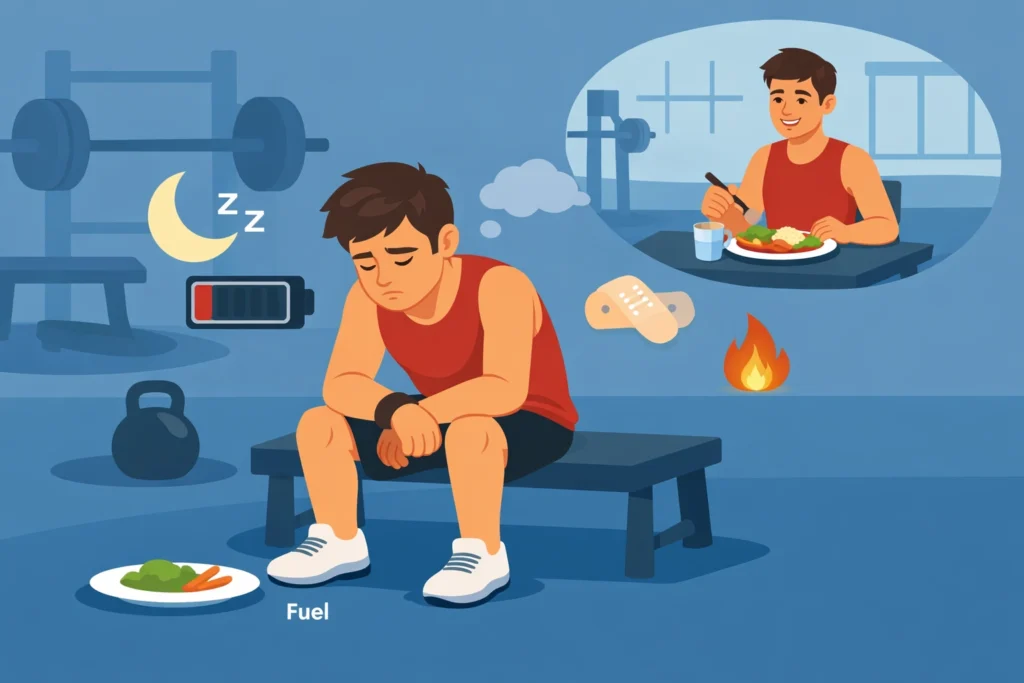
Before we zoom in on carbs, protein, or fats, we need to talk about total calories. Many athletes, specially teens, college players, and active women, simply eat too little for they training volume. This low energy intake can lead to a condition called Relative Energy Deficiency in Sport (REDs), which affect hormones, bone health, mood, and performance.
According to data from the International Olympic Committee updated in 2023, chronic low energy intake can reduce endurance, increase injury risk, and disrupt menstrual cycles in female athletes. In practice, this looks like the runner who trains daily but keeps getting stress fractures, or the soccer player who is always sore and tired but does not understand why.
Signs you may need more calories
We can not count every calorie forever, but our body send signals when fuel is too low for the workload. Some red flags:
- Constant fatigue, even after easy sessions
- Frequent injuries or illness
- Poor sleep quality or waking up in the middle of the night hungry
- Loss of menstrual period for women, or low libido in men
- Unable to build muscle despite consistent strength work
Most field sports, endurance sports, and strength sports can require anywhere from 2,500 to 4,500+ calories per day, sometimes more during heavy training camps. What do athletes need more of in their diet often starts with more food overal, not just protein shakes.
Carbohydrates: Primary Fuel For Speed And Intensity

If we had to answer what do athletes need more of in their diet in a single word for most sports, that word would be carbohydrates. Carbs are the main fuel for high-intensity exercise like sprinting, jumping, hard intervals, or heavy lifting. Yet many athletes cut carbs because of diet trends or fear of weight gain.
Research from 2022 in the Journal of the International Society of Sports Nutrition shows that athletes with higher carbohydrate availability perform better in repeated sprint activities and high-intensity endurance workouts. When carbs are too low, power output and concentration both tend to drop.
How much carbohydrate do athletes generally need
Exact needs depends on sport, size, and training volume, but sports dietitians often use these ranges per kilogram of body weight per day:
| Training Load | Carb Intake (g/kg/day) | Example for 150 lb athlete (68 kg) |
|---|---|---|
| Light (skill work, short sessions) | 3 to 5 g/kg | 200 to 340 g carbs/day |
| Moderate (1 hour/day) | 5 to 7 g/kg | 340 to 480 g carbs/day |
| High (1 to 3 hours/day) | 6 to 10 g/kg | 400 to 680 g carbs/day |
| Very high (elite, heavy training) | 8 to 12 g/kg | 540 to 820 g carbs/day |
When athletes see these numbers, they often realize they are eating less than half of what they actually need for peak performance.
Best carb sources for athletes
We want a mix of complex and simple carbohydrates, timed with training:
- Complex carbs for all-day energy: oatmeal, brown rice, quinoa, whole wheat pasta, potatoes, sweet potatoes, beans
- Faster carbs before and after workouts: fruit, white rice, tortillas, cereal, smoothies, bagels, low fat granola bars
- During long workouts: sports drinks, gels, chews, bananas, pretzels
Based on current trends, many athletes trying low carb or keto notice short term weight loss but then hit a wall in high-intensity training. These patterns match what sports science has reported: strict low carb styles can reduce top speed and sprint repeat ability, even if they might help some endurance efforts.
For readers curious about the role of animal foods verses plant foods in carb management and performance, we cover pros and cons in more detail here: Animal Based Diet vs Plant Based Diet.
Protein: Repair, Recovery, And Muscle Maintenance
Carbs keep us moving, protein helps us repair. When we look at what do athletes need more of in their diet for recovery, protein is the clear answer. Many athletes know protein matters, but timing and distribution across the day often gets missed.
Recent sports nutrition guidelines (updated around 2022) suggest that most athletes need between 1.4 to 2.0 g of protein per kilogram of body weight per day, with power and strength athletes sometimes going up to about 2.2 g/kg. Going far above that does not usually add more muscle, it just displaces needed carbs or fats.
Spread protein evenly through the day
One common mistake: eating a small breakfast, small lunch, and a huge protein-heavy dinner. Our muscles respond better when protein is split into 3 to 5 decent servings through the day, around 20 to 35 grams at a time for most adults.
For a 160 lb (73 kg) athlete aiming for 120 grams of protein per day, that could look like:
- Breakfast: 25 to 30 g (eggs and Greek yogurt, or tofu scramble with toast)
- Lunch: 30 g (chicken, fish, beans, or lentils with rice)
- Snack: 20 g (protein smoothie or cottage cheese with fruit)
- Dinner: 30 to 35 g (beef, salmon, tempeh, or a combo of plant proteins)
High quality protein sources for athletes
High quality proteins contain all essential amino acids and are well absorbed. These include:
Animal proteins like chicken, turkey, beef, fish, eggs, Greek yogurt, cottage cheese, and whey protein are all excellent. Many athletes find animal protein easier to use to hit their targets.
Plant proteins such as tofu, tempeh, soy milk, beans, lentils, chickpeas, quinoa, and certain plant protein powders (soy, pea, rice blends) can also fully support performance when planned properly.
We take a closer look at animal-based eating patterns and how they can be shaped for fitness and training in this guide: Animal Based Diet Meal Ideas & Recipes.
Protein around workouts
Current evidence suggest that total daily protein is more important than the exact minute you consume it, but having some protein in the 2 hour window before or after training supports recovery. Combining protein with carbs after workouts helps refill glycogen and kick-start muscle repair.
Healthy Fats: Hormones, Brain, And Long-Duration Fuel
Fat used to be the villain in many diets, but for athletes under-fueling fat can harm hormones, mood, and joint health. When we ask what do athletes need more of in their diet for long term health, healthy fats are often near the top.
Fats provide essential fatty acids and help us absorb fat-soluble vitamins A, D, E, and K. For long-distance athletes, fats also supply a steady fuel source during lower intensity parts of training or racing.
How much fat do athletes need
Sports nutrition guidelines commonly recommend that about 20 to 35 percent of total calories come from fat, with emphasis on unsaturated fats most of the time. That might look like 60 to 100 grams of fat per day for many athletes, depending on total calories.
Best fat sources for performance and health
Focus on fats that support heart and brain function:
- Fatty fish like salmon, trout, sardines (rich in omega 3s)
- Nuts and seeds such as almonds, walnuts, chia, flax, sunflower
- Avocado and olive oil
- Nut butters and seed butters
Saturated fat from foods like full-fat dairy, red meat, and butter can be part of an athlete diet, but we usually keep them in more modest portions, specially for athletes with family history of heart disease or high cholesterol.
Some athletes exploring an animal-focused approach wonder about the diference between animal-based styles and strict keto. We break this down in more detail here: Animal Based Diet vs Keto.
Hydration And Electrolytes: The Overlooked Performance Edge
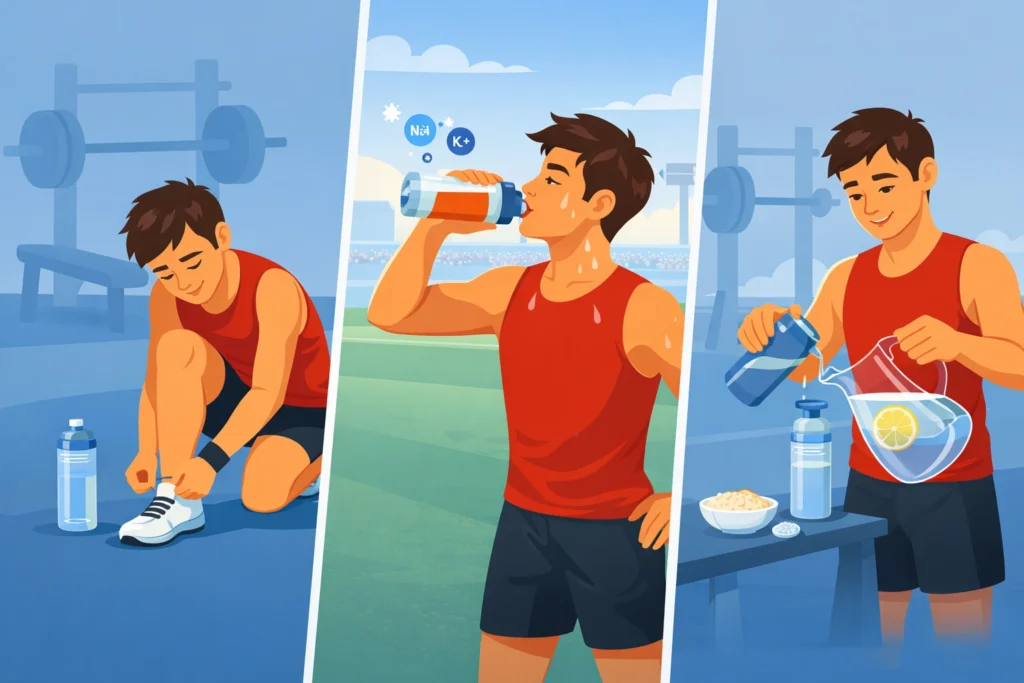
We can eat perfect food, but if hydration is off, performance still suffers. Even a fluid loss of 2 percent of body weight during exercise can impair endurance, slow reaction time, and raise heart rate. In hot and humid climates commonly seen across the United States, this threshold can be reached faster than many athletes realize.
Daily hydration basics
Athletes can use body weight and urine color as rough guides. For most, aiming for about 0.5 to 0.7 ounces of fluid per pound of body weight per day is a starting point on rest days, more when training. A 170 lb athlete may need around 90 to 120 ounces spread through the day, including water, milk, tea, and sports drinks.
Pre-workout and during-workout fluids
Practical targets used by many sports dietitians:
- 2 to 3 hours before exercise: about 16 to 24 ounces of fluid
- 15 to 20 minutes before: about 8 ounces
- During exercise: about 4 to 10 ounces every 15 to 20 minutes, depending on sweat rate and weather
For workouts under 60 minutes at moderate intensity, water is usualy enough. For sessions over 60 to 90 minutes, or very hot conditions, including sodium and carbs via sports drink, gels, or salty snacks can prevent cramping and sharp drops in energy.
Electrolytes: more than just salt
Key electrolytes include sodium, potassium, magnesium, and chloride. Sodium losses through sweat are the most critical for many athletes. Heavy sweaters often see salt rings on hats or clothes after workouts.
Based on both research and real-world observation, athletes who replace sodium properly tend to report fewer headaches, less dizziness, and better ability to hold pace late in workouts. Sports drinks, electrolyte tablets, or homemade mixes with salt and juice can all work.
Micronutrients Athletes Often Need More Of
When we dig deeper into what do athletes need more of in their diet, vitamins and minerals often come up. These nutrients quietly support oxygen transport, muscle contraction, nerve signaling, and immune function. Deficiency does not always show up as a clear illness; it can feel like “I just dont have my usual gear.”
Iron: oxygen delivery and stamina
Iron carries oxygen in the blood. Low iron levels or low ferritin (iron stores) can leave athletes tired, breathless, and unable to hit normal paces. Female athletes, distance runners, vegetarians, and teens are at higher risk of low iron.
I have seen athletes who thought they were overtrained but actualy had low iron; once treated, their performance climbed back within weeks. Recent data suggest that a ferritin level below about 30 ng/mL can already impair endurance in some athletes, even when hemoglobin appears normal.
Good iron sources include red meat, dark poultry, beans, lentils, tofu, fortified cereals, and leafy greens. Pairing plant sources with vitamin C foods like orange juice or bell peppers helps absorb more iron.
Calcium and vitamin D: bones and muscle function
Strong bones are non-negotiable for athletes who jump, sprint, or change direction often. Calcium supports bones and muscle contraction, while vitamin D supports calcium absorption and immune health.
Recent US data have shown that a significant portion of teens and adults fall short on vitamin D, specially in northern states with long winters. Foods like dairy products, fortified plant milks, canned salmon with bones, and leafy greens add calcium. Vitamin D can be obtain from fortified milk, fatty fish, egg yolks, and sun exposure; some athletes also need supplements after lab testing and medical guidance.
Antioxidants: recovery and inflammation
Hard training increases oxidation and inflamation. The body adapts to this, but a diet rich in colorful fruits and vegetables supports recovery and long-term health. Berries, cherries, citrus, leafy greens, bell peppers, and tomatoes all bring useful antioxidant compounds.
There is a balance here. Mega-dose antioxidant supplements right after every workout may blunt some training adaptations, but food-based antioxidants appear beneficial. Having a mix of colorful produce through the day supports the body natural repair processes without over-suppressing them.
Carbs, Fiber, And Gut Health For Athletes
Digestive health can make or break performance. Many athletes have experienced the misery of stomach issues on race day. A diet with enough fiber and variety helps the gut handle training stress better, but timing matters.
On most days, we want plenty of fiber from oats, beans, fruits, vegetables, nuts, and seeds. This supports regular digestion, cholesterol control, and a healthy microbiome. On competition day or before very hard sessions, athletes often shift to simpler carb choices and lower fiber meals in the 3 to 4 hours leading up to exercise to reduce GI distress.
Based on real world experience, athletes who practice their pre-game meals during training season have fewer surprises later. Treat your stomach the same way you treat your legs: train it under similar conditions instead of trying something totaly new on the big day.
Timing: When Athletes Eat Matters Almost As Much As What
When we answer what do athletes need more of in their diet, we also need to talk about timing. Two athletes eating the same total calories and macros can perform very differently if one spreads intake around training and the other skips breakfast and binges late at night.
Pre-workout fuel
Most athletes perform best with a carb centered meal 2 to 3 hours before competition or hard training. Something like rice and chicken, pasta with a light sauce, or a bagel with peanut butter and fruit. Those who train early can use a smaller snack 30 to 60 minutes before, such as a banana, toast with honey, or a smoothie.
During long sessions
For endurance work beyond 90 minutes, many guidelines suggest about 30 to 60 grams of carbs per hour for most athletes, and up to 90 grams for well-trained individuals using mixed carb sources (like glucose plus fructose). This can come from sports drinks, gels, chews, or real foods like dates and bananas, depending on tolerance.
Post-workout recovery window
The old idea of a strict “30-minute window” after exercise has softened, but getting some carbs and protein within about 1 to 2 hours after hard sessions still supports recovery. For example:
- Chocolate milk and a banana
- Rice bowl with beans and chicken
- Greek yogurt with fruit and granola
A simple habit we recommend: do not wait more than about 2 hours after finishing a tough workout to eat a balanced meal or snack with both carbs and protein.
Real-World Example: Putting It All Together For A Training Day
To make the idea of what do athletes need more of in their diet more concrete, here is a sample day for a 20-year-old college soccer player with two practices. This is just one possible pattern, but it shows how carbs, protein, fat, and hydration work together.
6:30 am – Breakfast
Oatmeal cooked with milk, topped with banana and peanut butter. Glass of water and small orange juice.
8:00 am – Morning practice (90 minutes)
Water before and during, plus a light sports drink if heavy sweating.
9:45 am – Recovery snack
Greek yogurt with berries and granola, 16 ounces of water or sports drink.
12:30 pm – Lunch
Brown rice, grilled chicken, mixed vegetables, avocado, fruit on the side, water or lightly flavored electrolyte drink.
3:30 pm – Pre-practice snack
Bagel with turkey and cheese, or a banana with a small protein shake.
4:30 pm – Afternoon practice (75 minutes)
Water and sports drink, specially in heat.
6:00 pm – Dinner
Whole wheat pasta with tomato sauce and lean ground beef or lentils, salad with olive oil dressing, whole grain bread, water.
9:00 pm – Evening snack
Cottage cheese with pineapple, handful of nuts, herbal tea or water.
Across this day, the athlete gets plenty of carbs around training, about 100 to 130 grams of protein, healthy fats, and steady hydration. Compared to a lower-carb, low-calorie pattern, this style usualy supports more consistent energy, fewer cramps, and better recovery between sessions.
Individualization: Adjusting Diet For Sport, Body, And Goals
While general rules help, an elite gymnast, a lineman in American football, and a marathon runner will not eat the same way. Their calorie needs, carb demands, and body composition goals all differ. When we ask what do athletes need more of in their diet, the answer always depends on:
- Type of sport (endurance vs power vs mixed)
- Training volume and intensity
- Age, sex, and body size
- Health history and lab values (iron, vitamin D, lipids)
- Food preferences and cultural background
For example, a distance runner may need more total carbs and a higher proportion of calories from carbohydrates, while a strength athlete may lean slightly higher in protein and total calories to support muscle growth. Some athletes perform well with more animal foods, others prefer plant-based patterns; both can work with careful planning. For those looking at fruit intake within more animal centered diets, we share practical ideas here: Fruits You Can Eat On An Animal Based Diet.
Practical Takeaways: How To Improve Your Athlete Diet This Week
Nutrition does not need to be perfect to make a diference. Small, steady upgrades add up. For many readers asking what do athletes need more of in their diet, these are realistic steps to start within a single week:
- Add one extra carb-rich food around your hardest workout (like an extra banana, rice, or oats).
- Include 20 to 30 grams of protein at breakfast, not just at dinner.
- Carry a water bottle and actually finish it twice during the day outside of training.
- Include at least two colors of vegetables or fruits in two meals per day.
- Check in with a doctor or sports dietitian about iron and vitamin D if you have lasting fatigue, injuries, or menstrual changes.
When athletes stack these simple changes and pay attention to how they feel in practice, they usually see very clear feedback from their own body. More steady energy, better focus, and quicker recovery tell you that your fueling is finally matching your work.
So when we answer what do athletes need more of in their diet, the real answer is better-aligned fuel: enough calories to match training, more quality carbohydrates for high intensity work, consistent protein for repair, healthy fats for hormones and long days, steady hydration, and the vitamins and minerals that keep all systems running smoothly. With that foundation in place, training efforts translate into real progress on the field, court, track, or gym.







Leave a Reply