
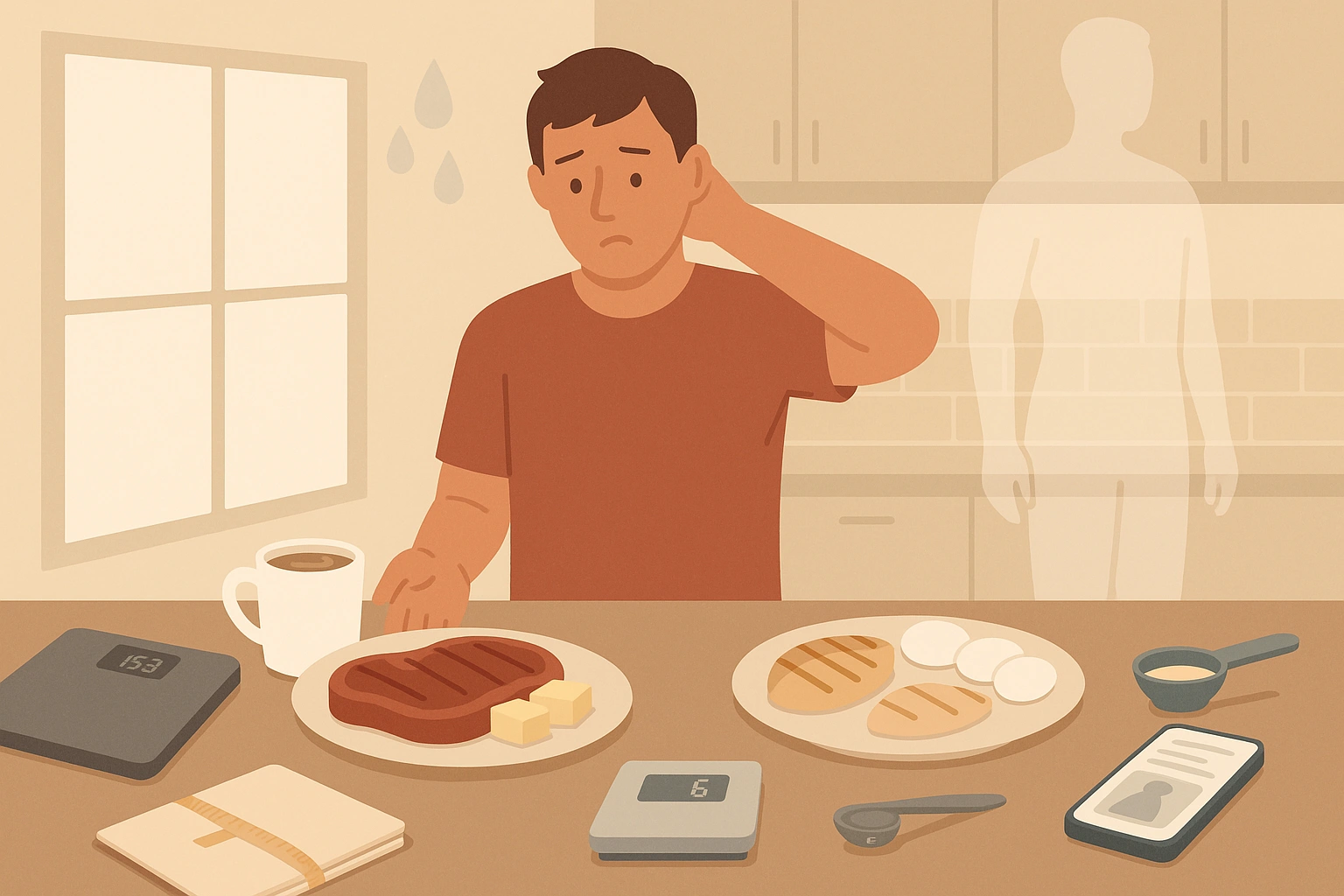

Not losing weight on an animal based diet can feel confusing, even frustrating. Many of us switch to steak, eggs, seafood, and full fat dairy expecting the scale to slide down fast, then it dont. We start asking, why am I not losing weight on animal based diet, or even, why am I gaining weight on animal based diet. The short answer is that the physics of energy balance still applies, and small mistakes add up. The longer answer is more helpful, because it shows precisely what to change, how to track it, and where the hidden calories and water swings hide.
What We Mean By Animal Based Diet
An animal based diet centers meals on animal foods such as beef, bison, chicken, turkey, fish, eggs, and low-lactose dairy, sometimes with small amounts of fruit or honey. It is not only one way to eat, it is a spectrum. Some of us eat only animal foods, others include a few plant foods that feel gentle. For a quick overview of foundations and common food lists, see our primer at https://dietlinic.com/animal-based-diet/.
Why Weight Loss Stalls Happen On Animal-Based Plans
There is many reasons a stall appears, and most of them are fixable. If calories is king, then protein quality, food reward, sodium, stress and sleep are the court that decides how your appetite behaves. Let us break the common roadblocks down.
1. Fat Is Easy To Overeat, Even On Clean Food
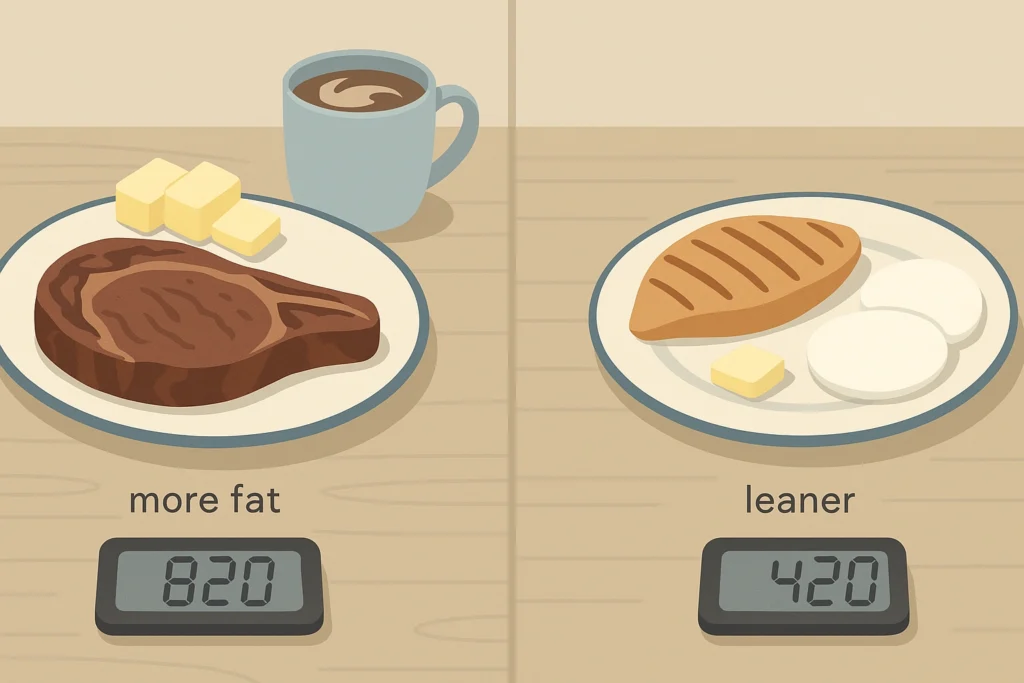
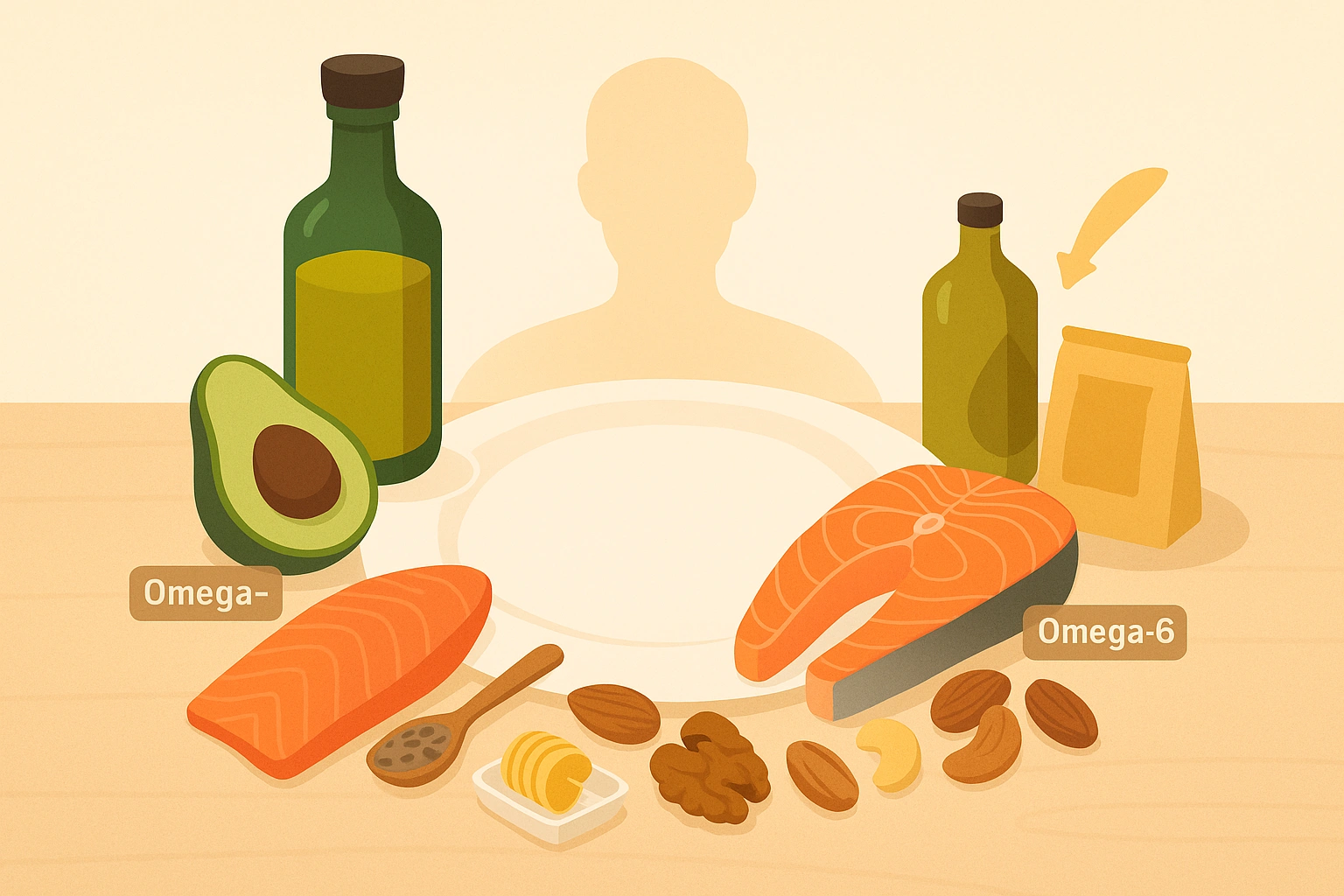
Fat has over double the calories of protein or carbs. A few extra tablespoons of butter, tallow, ghee, or cream can quietly push you above maintenance. Ribeye and cheese taste amazing, we get it, but satiety signals sometimes lag behind fat intake. We was there too, thinking we ate light, then the numbers told another story.
| Food | Typical Portion | Approx Calories | Notes |
|---|---|---|---|
| Butter | 1 tbsp | 100 | Easy to add 2 to 4 tbsp without noticing |
| Heavy cream | 1/2 cup | 400 | Coffee add-ins often stack calories |
| Ribeye steak | 12 oz cooked | 900 to 1,100 | Great protein but very high energy density |
| Chicken breast | 10 oz cooked | 400 to 500 | Leaner protein, easier deficit |
| Eggs | 4 large | 280 | Mix whole eggs with egg whites to save calories |
2. Liquid Calories Sneak In
Calories in coffee drinks, heavy cream, full fat lattes, bone broth with butter, or glossy sauces can be huge. Liquids do not fill the stomach like a solid meal, so appetite dont drop as much. Keep drinks simple, black coffee, unsweet tea, water with electrolytes. If you like cream, measure it accurately for one week, many of us find we pour more then we think.
3. Dairy Can Stall Fat Loss
Cheese, cream, and yogurt are rewarding, salty, and easy to nibble. The protein is great, but the fat and energy density adds up fast. Lactose or whey can also spike appetite in some people. If fat loss paused, try a 10 to 14 day dairy-lite experiment. Use cottage cheese or Greek yogurt carefully, weigh servings, and see how your hunger shifts.
4. Fruit, Honey, and Sauces Creep Up
Some animal-based eaters use fruit or honey around workouts, which can work well. But extra spoonfuls and larger fruit bowls pushes calories up. Ketchup, barbecue sauce, and glazes can hide sugar and oils that add up. We recommend limiting to 1 piece of fruit per day during a fat-loss phase, and track any honey by the teaspoon, not the vibe.
5. Water Retention Masks Real Fat Loss
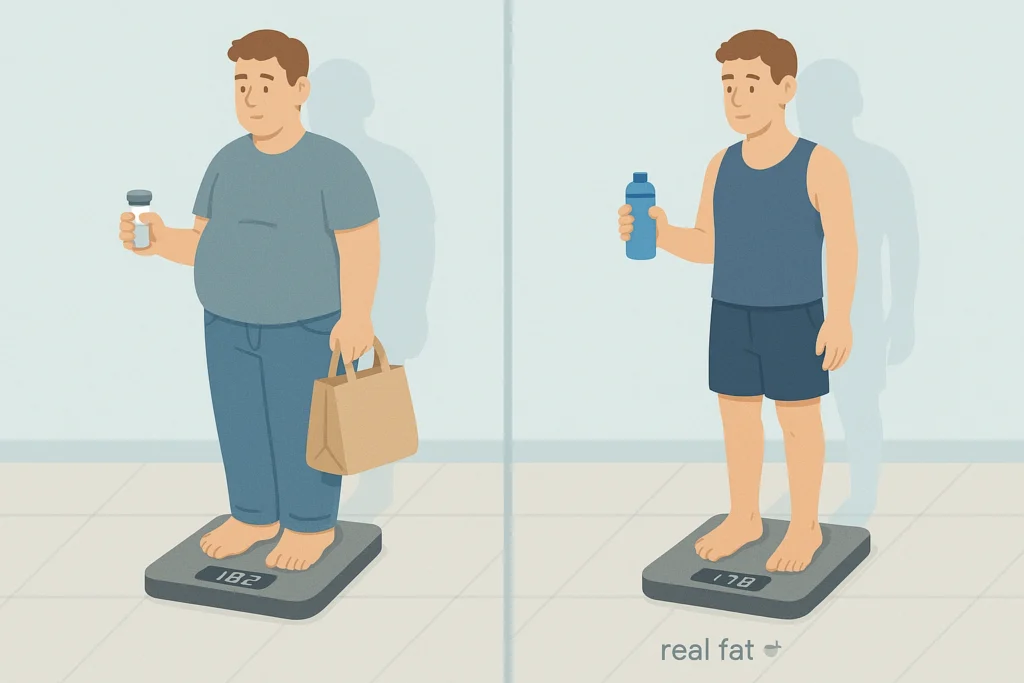
Sodium and glycogen changes can hold water in your muscles and under the skin. You can lose fat while scale weight stalls for several days, even a week. That feels awful, we know. If you upped salt, started creatine, changed training, are in a luteal menstrual phase, or ate a salty restaurant meal, water weight can spike overnight. Track your waist, hips, and weekly average weight, not just single mornings.
6. Constipation and Food Weight Confuse The Scale
Animal heavy meals digest slower for some of us, especially with less fiber and less water. If you go two days without a bowel movement, your scale number will lie. Hydrate, add magnesium and potassium rich foods, and consider small amounts of low-residue produce if your plan allows. If you include plants, be intentional with choices, see this guide on what to avoid: https://dietlinic.com/animal-based-diet-vegetables-what-to-avoid/.
7. Portion Size Blind Spots
We eyeball, we guess, we round down. A 16 ounce steak looks like 10 ounces when we are hungry. Try weighing cooked protein for 7 to 10 days. That short audit usually reveals hidden calories. We also recommend writing every add-on, the tablespoon of ghee, the extra slice of cheese, the handful of nuts if you use them.
8. Under-eating Protein Or Calories Then Binging
When calories drop too low and protein is not high enough, energy dips, cravings rise, NEAT goes down. NEAT is those small movements and fidgets that secretly burn alot of calories. Many people white-knuckle through weekdays then rebound on weekends. Aim for consistent intake, not hero days followed by blowouts.
9. Sleep Debt, Stress, and Cortisol
Short sleep increases hunger hormones and reduces insulin sensitivity. You feel hungrier, less satisfied, and more likely to reach for the richest foods. High stress pushes water retention, it also makes us snacky without thinking. Prioritize 7 to 9 hours, dark room, cool temperature. A quiet evening walk helps more then we admit.
10. Medications, Thyroid, and Health Conditions
Beta blockers, some antidepressants, antipsychotics, and steroids can raise appetite or reduce energy. Hypothyroidism, PCOS, perimenopause, and insulin resistance change how your body handles fuel. None of this means fat loss is impossible, it just means we pick tools with care and patience. If weight hardly moves for 6 to 8 weeks with accurate tracking, talk with your clinician and consider labs.
Why Am I Gaining Weight On Animal Based Diet
Sometimes the scale goes up, not sideways. That can be fat gain, water, or muscle. Here is the usual culprits.
- We added a lot of fat quickly, richer cuts, butter on everything, cream in every coffee.
- Sodium increased which holds water in the short term.
- Training volume went up, muscles inflamed and storing more glycogen plus water.
- Alcohol calories sneaked in, and it lowers inhibitions with food.
- We graze all day, bites and licks of cheese or leftovers that dont feel like meals.
If your waist is stable and your lifts are climbing, some of that gain might be muscle and water. If waist expands, it is likely energy surplus. Simple, not always easy.
How To Restart Fat Loss On An Animal-Based Plan
These steps are practical and work even if you already tried hard. We like simple, repeatable rules that honor real life.
Set A Realistic Calorie Target
Start with bodyweight in pounds times 10 to 12 for a rough daily calorie target. Lighter, more active folks use the higher end. Heavier or sedentary use the lower end. Adjust weekly based on average weight and waist changes. You dont need to track forever, but a 2 week tracking sprint calibrates your eye fast.
Prioritize Protein, Adjust Fat For Appetite
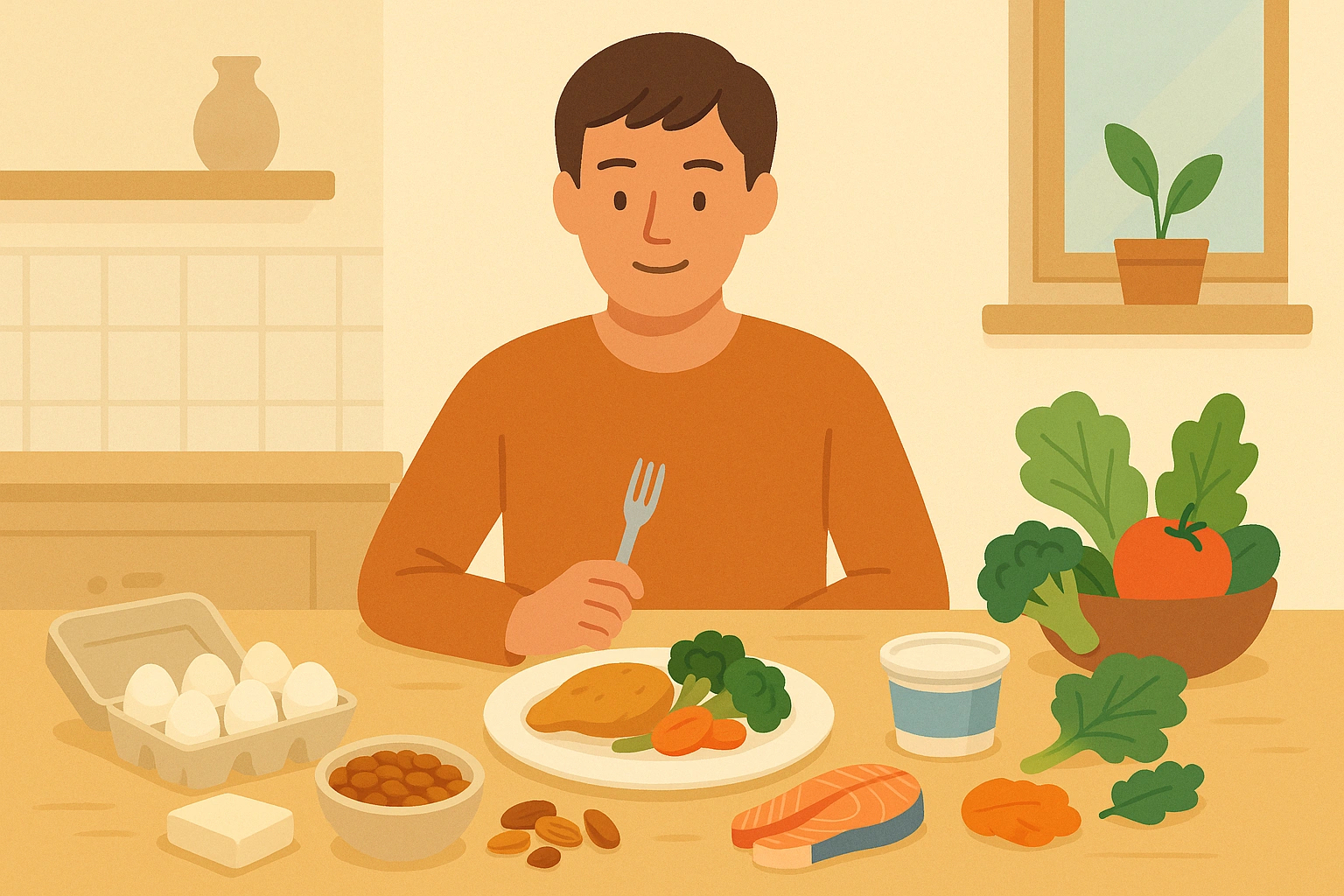
Protein target: 0.8 to 1.2 grams per pound of lean body mass, or 0.7 to 1.0 grams per pound of goal bodyweight for most. Choose leaner cuts at least in half your meals. Round ideas that work:
- Chicken breast, turkey breast, or 93 to 96 percent lean ground beef for base protein.
- Eggs mixed with egg whites to cut calories while keeping flavor.
- White fish like cod, halibut or tilapia, add a measured pat of butter on top rather than cooking in a puddle.
- Use ribeye, skin-on chicken, and fattier fish on days you train hard, just keep portions honest.
Keep Dairy Measured
Limit cheese to one or two ounces per meal, cream to 1 to 2 tablespoons per coffee, and yogurt to single-serve cups. See how your appetite reacts. Some of us simply do better with fewer dairy calories during a cut. It is not a moral thing, just practical.
Meal Timing And Structure
Shift to two or three full meals, no grazing. A 12 to 14 hour overnight fast works well for satiety for many. If you train early, one small protein-forward snack before is ok. Avoid late-night nibbling, it usually leads to extra calories and poor sleep.
Hydration, Sodium, and Electrolytes
Drink to thirst and a bit more, add electrolytes if you low-carb. Consistent sodium keeps water weight swings predictable. If you suddenly cut salt, you might look lighter for two days, then feel terrible and binge. Keep things steady so the data makes sense.
Movement That Fits Real Life
Two to four days of resistance training per week, full-body lifts that progress slowly. Add low-intensity walking most days. NEAT drives more fat loss then a single hard workout, so park farther, stand more, take phone calls outside. Small steps repeats, and the weekly burn compounds.
Short Audit: Weigh, Track, Review
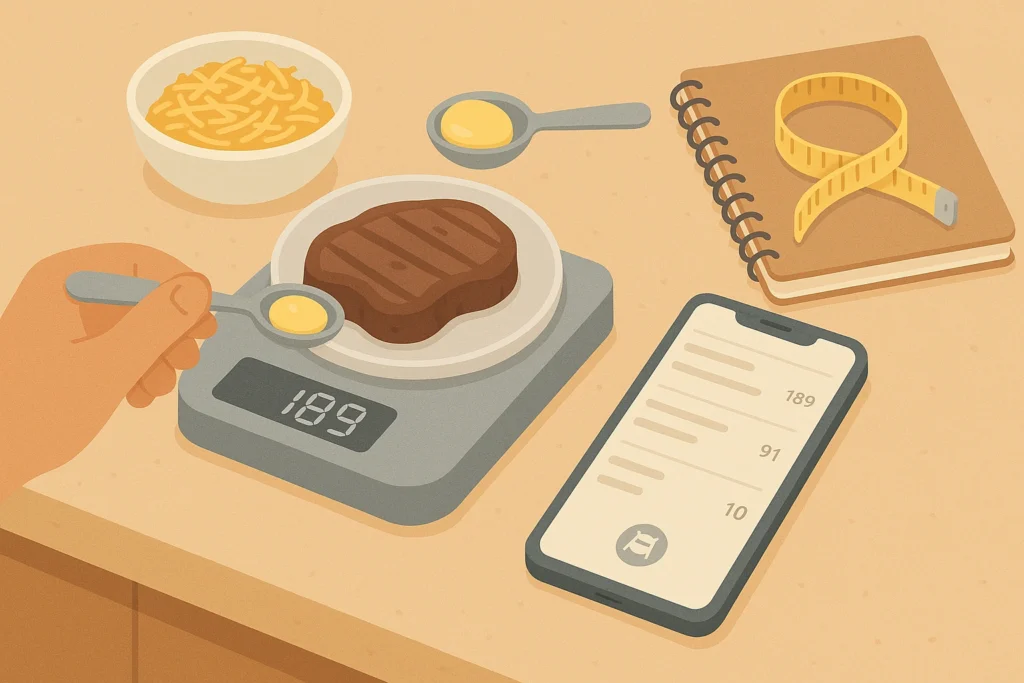
For 7 to 10 days, weigh all cooked food, log condiments and liquids, and take a weekly average of weight each morning after the bathroom. Also measure waist at the navel. If weight or waist dont drop after a 300 to 500 calorie daily deficit for two weeks, trim fat calories slightly or add 2,000 to 3,000 more steps per day. We was surprised how clear patterns become when the numbers are honest.
Use Recipes That Keep Calories Reasonable
Leaner-cuts recipes taste great if we season well and finish with modest fat. Try air-fryer chicken thighs with measured olive oil, seared sirloin with mushroom pan juices, or shrimp omelet with some egg whites. For tested ideas that fit an animal forward plate, browse these meal plans: https://dietlinic.com/animal-based-diet-meal-ideas-recipes/.
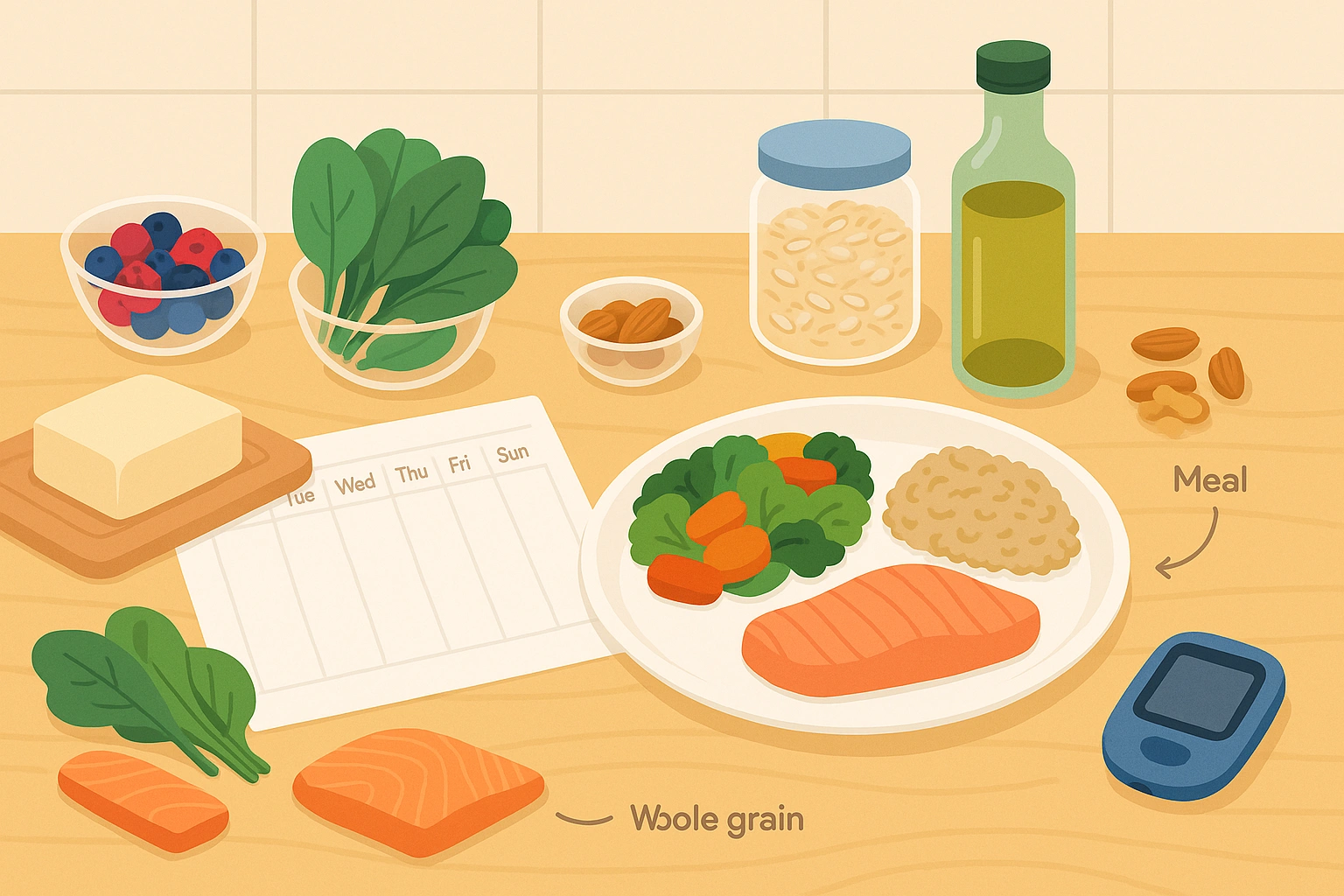
Sample 3-Day Animal-Based Fat Loss Template
This is not a strict meal plan, just a simple structure. Adjust portions to your calorie target.
Day 1
- Breakfast: 3 eggs plus 6 ounces egg whites cooked in 1 teaspoon butter, black coffee.
- Lunch: 8 ounces grilled chicken breast, 1 cup bone broth, a few olives.
- Dinner: 9 ounces sirloin, side of sautéed mushrooms with measured ghee, sparkling water.
Day 2
- Breakfast: Greek yogurt cup with a small handful of berries if you include it, sprinkle of salt.
- Lunch: 10 ounces baked cod with lemon, a small baked potato if your plan includes it around training, otherwise more cod.
- Dinner: 8 ounces 93 percent lean ground beef patty, 1 ounce cheese, mustard, pickles.
Day 3
- Breakfast: Protein coffee with a scoop of whey, 1 hard-boiled egg.
- Lunch: 9 ounces turkey breast, 1 cup broth, a few macadamias if desired and tracked.
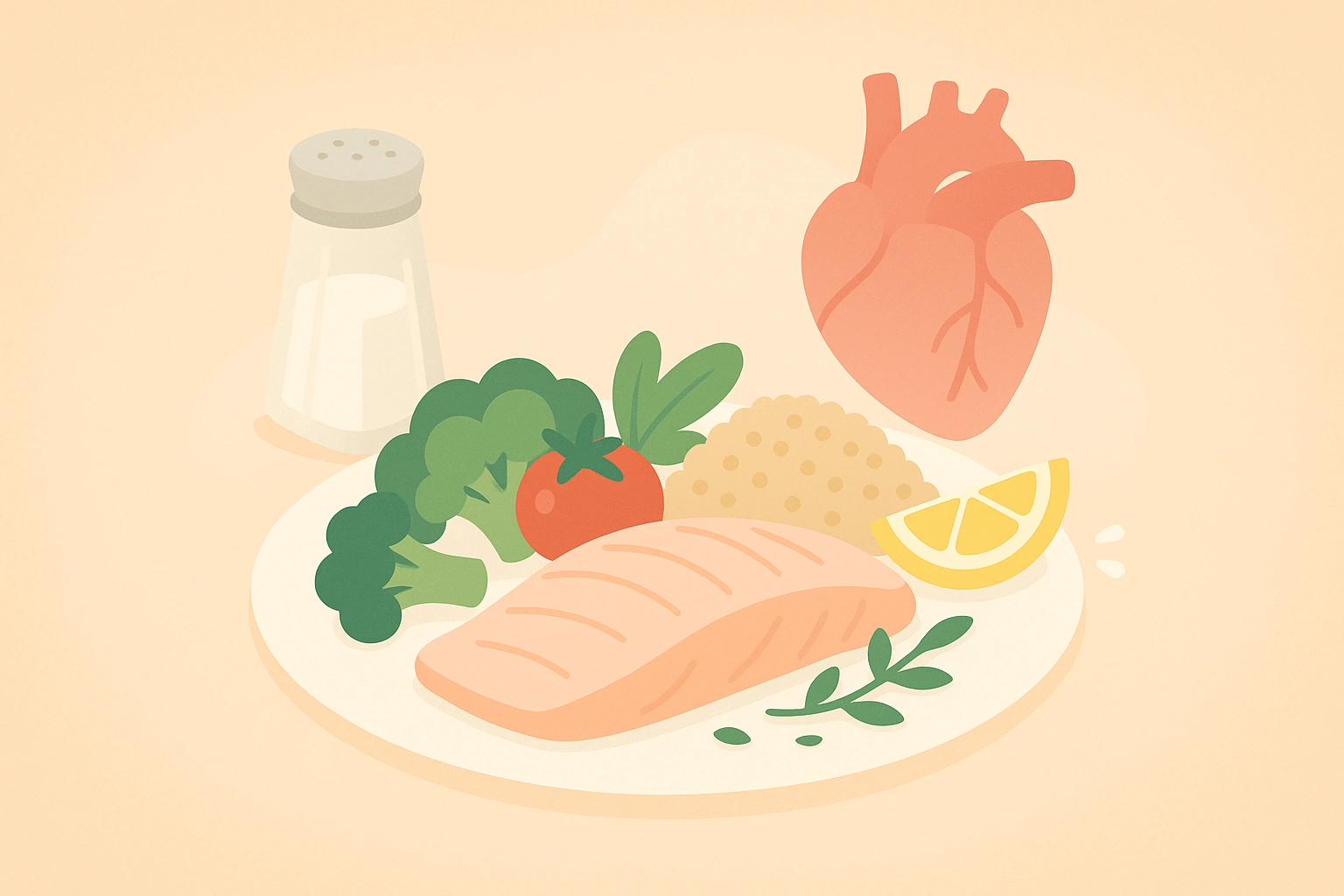
- Dinner: 8 to 10 ounces salmon, side salad if included in your approach, light vinaigrette.
If you prefer stricter animal-only phases, skip the plant sides and focus on lean-to-moderate cuts, then titrate fats by the teaspoon not by feel.
Plateaus Versus Normal Fluctuations
A true plateau means no change in weekly average weight or waist for 3 to 4 weeks despite consistent tracking, steps, and sleep. Anything shorter is likely water or digestion. Many of us lose in a stair-step pattern, hold for 5 to 10 days, then drop two pounds overnight. Patience win here, but patience without feedback is just waiting. Keep measurements.
Should You Choose Animal-Based Or Keto For Weight Loss
Both can create a calorie deficit with high protein and better satiety. Keto typically includes non-starchy vegetables and nuts, while animal-based leans harder into animal foods with optional fruit. Your best choice is the one you enjoy and can do on a busy Tuesday when work runs late. For a side-by-side review, check this guide: https://dietlinic.com/animal-based-diet-vs-keto-which-is-better/.
Mindset That Actually Helps
We are not robots. The smell of a steak sizzling, the comfort of warm broth on a cold evening, the snap of pan-seared skin from chicken, all of that is part of why this way of eating feels homey. When we take the time to plate food, sit down, breathe a little before bites, we notice fullness sooner. Slow meals, fewer distractions, that makes a measurable difference. If weekends are tricky, plan one intentional feast meal with friends where you still measure the big items, then keep the rest simple. This do not kill joy. It actually keep joy honest.
Troubleshooting Checklist
- Weigh cooked portions for 7 to 10 days, especially fats and dairy.
- Hit protein daily, use leaner cuts half the time.
- Keep meals to 2 or 3 per day, no grazing.
- Limit cream, cheese, and nut intake if used, all measured.
- Walk 7k to 12k steps most days, train resistance 2 to 4 times weekly.
- Sleep 7 to 9 hours, manage stress with short walks or breathing drills.
- Track weekly average weight and waist, not single-day numbers.
- If no change in 2 weeks, lower daily calories by 200 to 300 or add steps.
- Consider a short dairy-lite phase and reduce liquid calories.
Extra Resources To Tighten Strategy
If you want a deeper dive into how animal-based eating can support weight loss and where people trip most often, read this overview: https://dietlinic.com/animal-based-diet-for-weight-loss-does-it-work/. For a broader look at the approach and why it appeals to many, start here: https://dietlinic.com/animal-based-diet/.
FAQs
How fast should I expect results
Newcomers may see a 2 to 6 pound swing the first week, most of that water. After that, 0.5 to 1 percent of bodyweight per week is reasonable. If you lift heavy, expect water holds that hide progress for days.
Do I need to count calories forever
No. A short period of counting teaches portion awareness. After that, repeating the same breakfast and lunch, weighing protein at dinner, and avoiding random snacking usually works.
Can I lose fat without fruit or vegetables
Yes. Many do on animal-only phases, as long as protein is high, fats are measured, electrolytes are solid, and digestion stays comfortable. If constipation lingers, adding a tiny amount of low-residue produce or magnesium can help.
What if I feel tired on leaner cuts
Add a modest amount of fat back, like 1 to 2 teaspoons butter or an extra whole egg, then reassess. Too little fat can make you feel flat, too much can stall, the sweet spot is personal.
A Quick Word On Consistency And Compassion
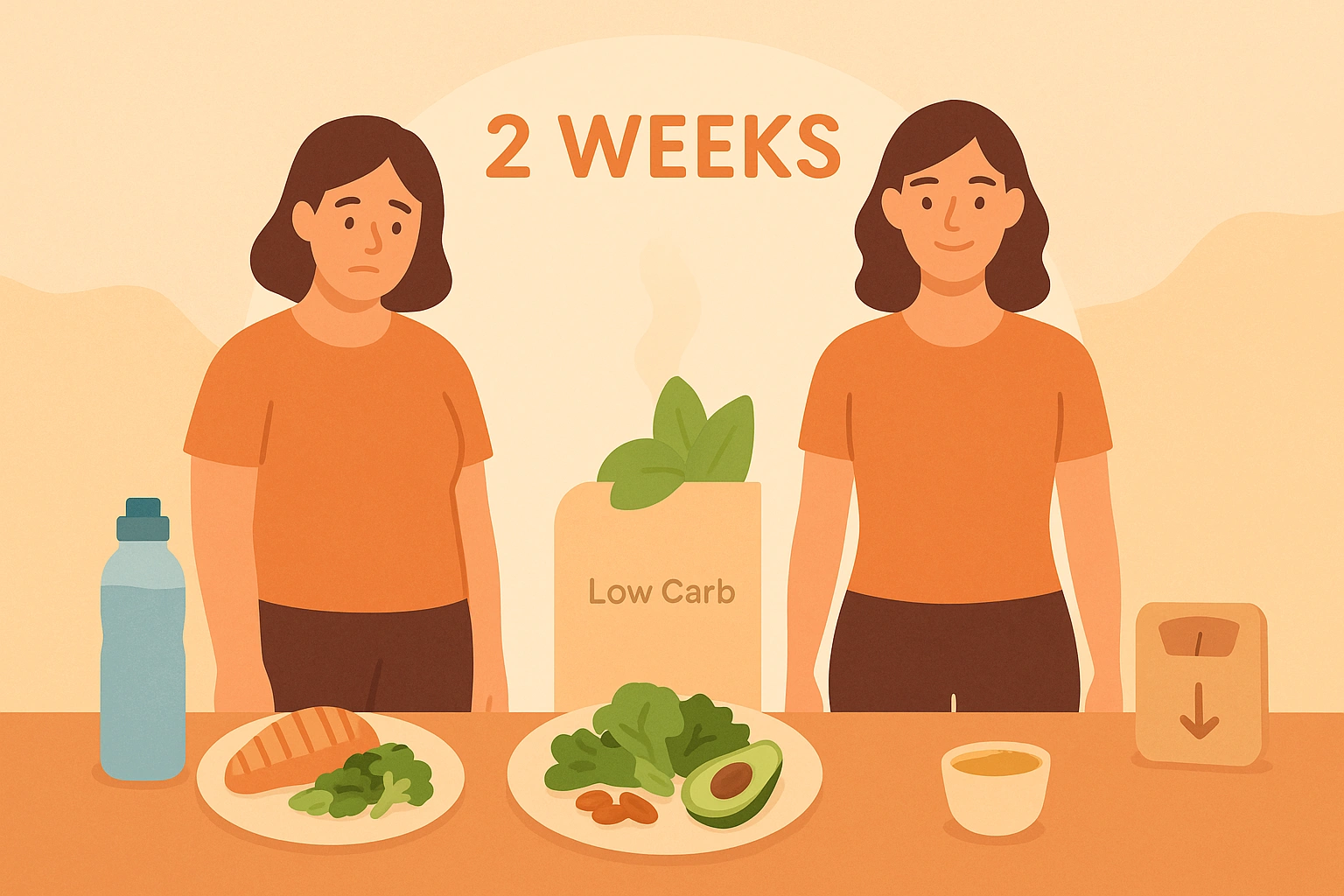
We get it. Seeing the scale stuck when you gave your best meals and workouts, it stings. But the body follows math and behavior over time. If you were not losing weight on animal based diet, or you asked why am i not losing weight on animal based diet, now you have a checklist you can run this week. If you were worried why am i gaining weight on animal based diet, you also have a plan to test, measure, and correct. Give yourself two clean weeks with honest portions, steady sleep, and calm walks. That is usually enough to get the trend line going down again, even if single mornings look messy.
Leave a Reply