
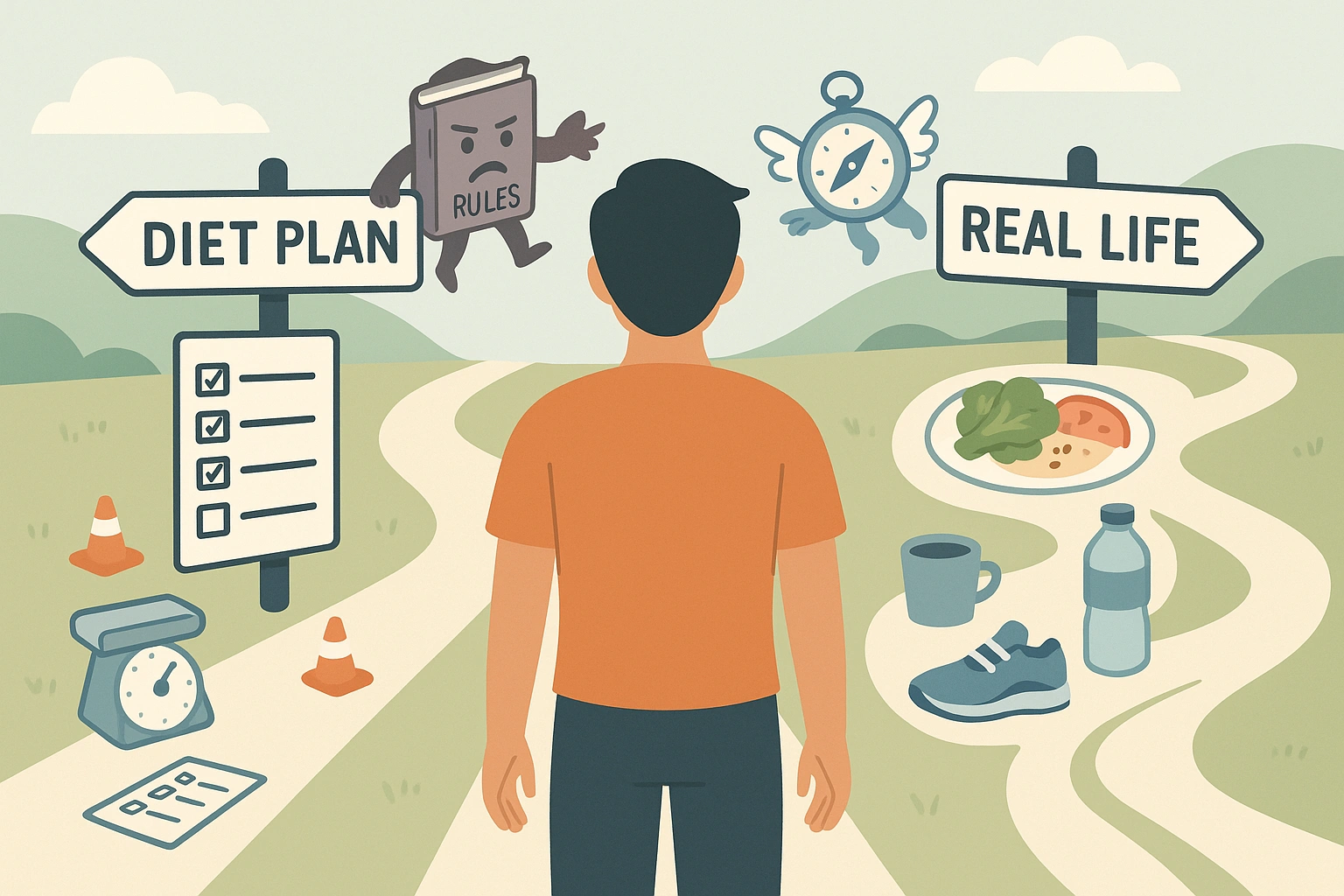

What no one tells you about diet plans is how deeply they affect your daily life, your mood, your relationships, and even the way you think about yourself. We usually see glossy before-and-after photos and perfectly plated meals, but we rarely hear the messy middle. The cravings at 10 p.m., the social pressure at family dinners, the shame after “slips,” or the confusing science that seems to change every year.
What No One Tells You About Diet Plans And Why They Feel So Hard
Most diet plans look simple on paper. Eat this, not that. Count this, avoid that. So why do so many people in the United States still struggle with weight, energy, and health even when they follow the rules for a while?
According to the CDC, about 49 percent of U.S. adults reported trying to lose weight between 2017 and 2020, yet obesity rates keep rising. When we look closer, we see that the problem is not just about willpower or calories. It is about biology, environment, psychology, and culture all interacting at once.
Based on current trends and research, people do not fail diets because they are lazy. They struggle because most diet plans are built around short term restriction instead of long term reality. They rarely fit real lives that include stress, kids, busy workdays, holidays, and emotional eating.
The Hidden Psychological Weight Of Diet Plans
One thing what no one tells you about diet plans is how much they mess with your mind. We often talk about food like it is a math problem, but it is also deeply emotional. Food means comfort, tradition, family, and sometimes even safety.
The Restriction-Rebound Cycle
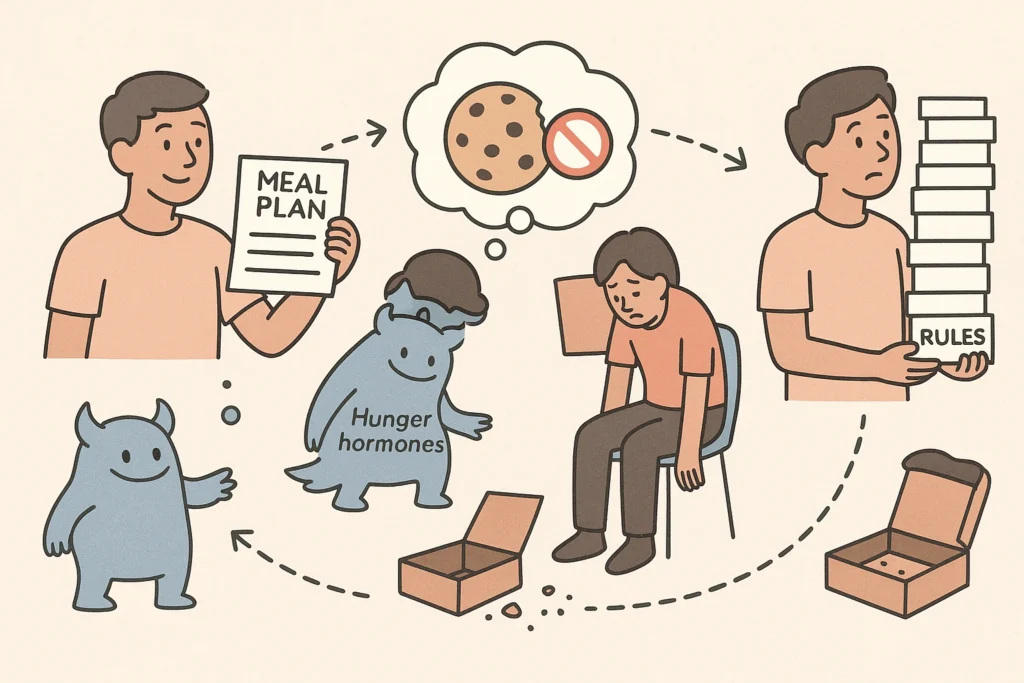
When a diet is very strict, many of us go through a pattern that looks like this:
- We start strong, cut out favorite foods, and feel motivated.
- Hunger and cravings build, especially for “forbidden” foods.
- We eventually give in, binge, or overeat.
- We feel guilt and shame, then “restart” the diet even stricter.
This is not just about “weak discipline.” There is a real biological reason. When you sharply cut calories, your body reacts as if you are in danger. Hunger hormones like ghrelin increase; fullness hormones like leptin can drop. Your brain becomes more sensitive to food cues. Smells get stronger. Ads feel harder to ignore. Over time, this rebound can lead to more weight gain than before the diet started.
No one puts that in the glossy brochure. But it is a huge part of why traditional diet plans feel like a emotional roller coaster.
The All-Or-Nothing Trap
Many diet plans quietly teach us to think in black-and-white: you are “on plan” or “off plan,” “good” or “bad,” “clean” or “cheating.” This mindset is exhausting.
One meal turns into a “blown day,” then a “blown week,” then “I’ll start again next month.” That single all-or-nothing thought packs more damage than the actual food eaten. In practice, flexible eaters who can enjoy a dessert without feeling they ruined everything tend to maintain healthier habits long term.
We rarely say this out loud, but food guilt does not burn calories. It only breaks trust with our own body.
The Science Diet Plans Do Not Put On The Label
When people search for what no one tells you about diet plans, they are often sensing that something is missing behind the marketing. A big piece of that missing puzzle is metabolic adaptation and individual difference.
Your Metabolism Fights Back
When we cut calories hard for weeks or months, the body adapts. Metabolism slows down to conserve energy. NEAT (non-exercise activity thermogenesis, like fidgeting, standing, walking around your house) often drops without us noticing. We feel more tired and move less, which lowers calorie burn even more.
Recent studies have shown that after significant weight loss, many people burn fewer calories at rest than someone of the same size who never dieted. This adaptation can last for years. So two people can eat the same amount, exercise the same, and get different results because of their history with dieting.
Most diet plans do not tell you this because “eat less, move more” sounds simple, but it is not always fair. Some bodies have been through so much restriction that they react differently now.
Not All Calories Feel The Same In Real Life
Technically, a calorie is a unit of energy. But in real life, calories from different foods affect hunger, hormones, and satisfaction in very different ways.
For example:
- Protein tends to keep you full longer and helps preserve muscle.
- Fiber from fruits, veggies, and whole grains slows digestion and helps with appetite control.
- Highly processed foods, especially high in sugar and refined fats, can lead to faster spikes and crashes in blood sugar and energy.
So yes, 300 calories of grilled chicken and veggies will land in your body differently then 300 calories of soda and chips. Your hunger signals, energy, and cravings will not respond the same way.
Effective eating plans respect both calorie balance and food quality. That mix is rarely highlighted in quick-fix diets that focus only on numbers.
The Social Side Of Diet Plans That No One Talks About Enough
Another layer of what no one tells you about diet plans is the social cost. Food is not just fuel in American culture. It is how we connect. Birthdays, holidays, office parties, movie nights, cookouts, date nights, all involve food and drink.
Social Pressure And Food Policing
If you have ever brought a salad to a family barbecue, you might know how fast the comments start.
“Are you still on that diet?”
“Come on, one slice of cake will not kill you.”
“You look fine, why are you doing this to yourself?”
This pressure is real. Research on social eating has shown that people tend to match the eating behavior of those around them. If the group eats more, we usually eat more. If the group drinks more, we usually drink more.
Diet plans that ignore this reality set people up to feel either isolated or “difficult” when they try to stay on track. A realistic plan needs room for social life, not a requirement to avoid it.
Food As Love And Tradition
In many families, especially in the U.S. where so many cultures blend together, certain dishes carry deep meaning. Grandma’s stuffing at Thanksgiving, Sunday mac and cheese, or special holiday cookies are not just calories, they are comfort and nostalgia.
When a diet plan suddenly labels those foods as “bad,” it can feel like we are rejecting more than ingredients. We might feel like we are rejecting part of our heritage or someone’s effort to care for us.
This is where rigid rules fall apart. A healthier approach finds ways to include these foods in portions and patterns that keep both your health and your heart in mind.
The Money And Time Cost No One Puts On The Cover
Many diet plans sound perfect until we try to live them in a normal American day: getting kids ready, commuting, juggling work and bills, and trying to stay sane. Then the fine print hits: pricey ingredients, special products, weekly subscriptions, or complicated meal prep.
Hidden Costs Of “Perfect” Eating
Some plans rely heavily on:
- Special shakes, bars, or packaged meals.
- Organic-only or premium brands that strain budgets.
- Exotic ingredients that are hard to find in regular grocery stores.
These extras add up fast. The USDA estimated in 2023 that a moderate-cost healthy food plan for a family of four can already feel tight for many budgets, even before adding specialty diet items.
When money gets tight, people often blame themselves for “falling off” the plan, when the truth is the plan was never designed with real financial stress in mind.
The Time You Spend On Food Decisions
Planning, shopping, chopping, cooking, logging, and tracking can become almost a part-time job. For someone balancing kids, night shifts, or caregiving, this level of attention is not sustainable.
In our experience, the diet plans that stick are the ones that simplify decisions, not multiply them. People do better when meals can be repeated, prepped ahead, and adjusted easily when life gets chaotic.
The Truth About Popular Diet Styles: What Works And What Gets Ignored
When you dig into what no one tells you about diet plans, it helps to look at some common styles and see not just the promises but also the trade-offs.
Low-Carb, Keto, And Animal-Focused Plans
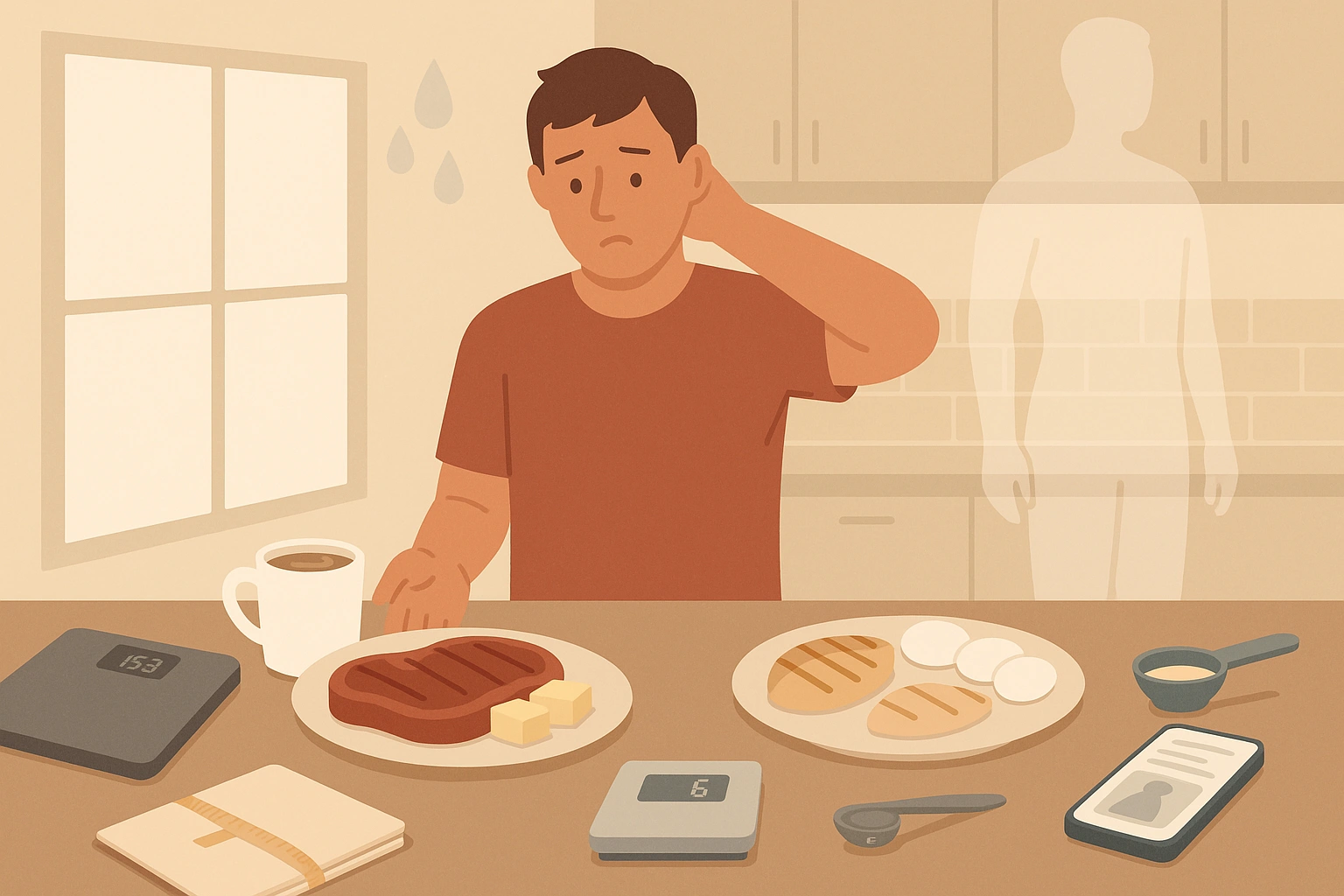
Low-carb and keto diets have become very popular, and more recently, animal-based diets that focus heavily on meat, eggs, and some fruits have gained attention. Many people lose weight fast early on and feel less hungry, which is a big plus.
For some people, especially those who enjoy meat and higher fat foods, this style can feel natural. If you are curious, it helps to compare options like an animal-based approach and keto-style eating so you know exactly what you are signing up for. A detailed breakdown like the one on https://dietlinic.com/animal-based-diet-vs-keto-which-is-better/ can give helpful context.
But here is what people rarely say out loud:
- Social eating can become harder when most common sides are bread, rice, pasta, or potatoes.
- Some people experience digestive changes, fatigue, or mood shifts when carbs get very low.
- Fiber intake might drop if vegetables and whole grains are limited too much.
These diets are not automatically dangerous, but they require careful planning, especially long-term, and good awareness of micronutrients and fiber. They work well for some, and poorly for others. There is no one magic answer.
Mediterranean Style Eating
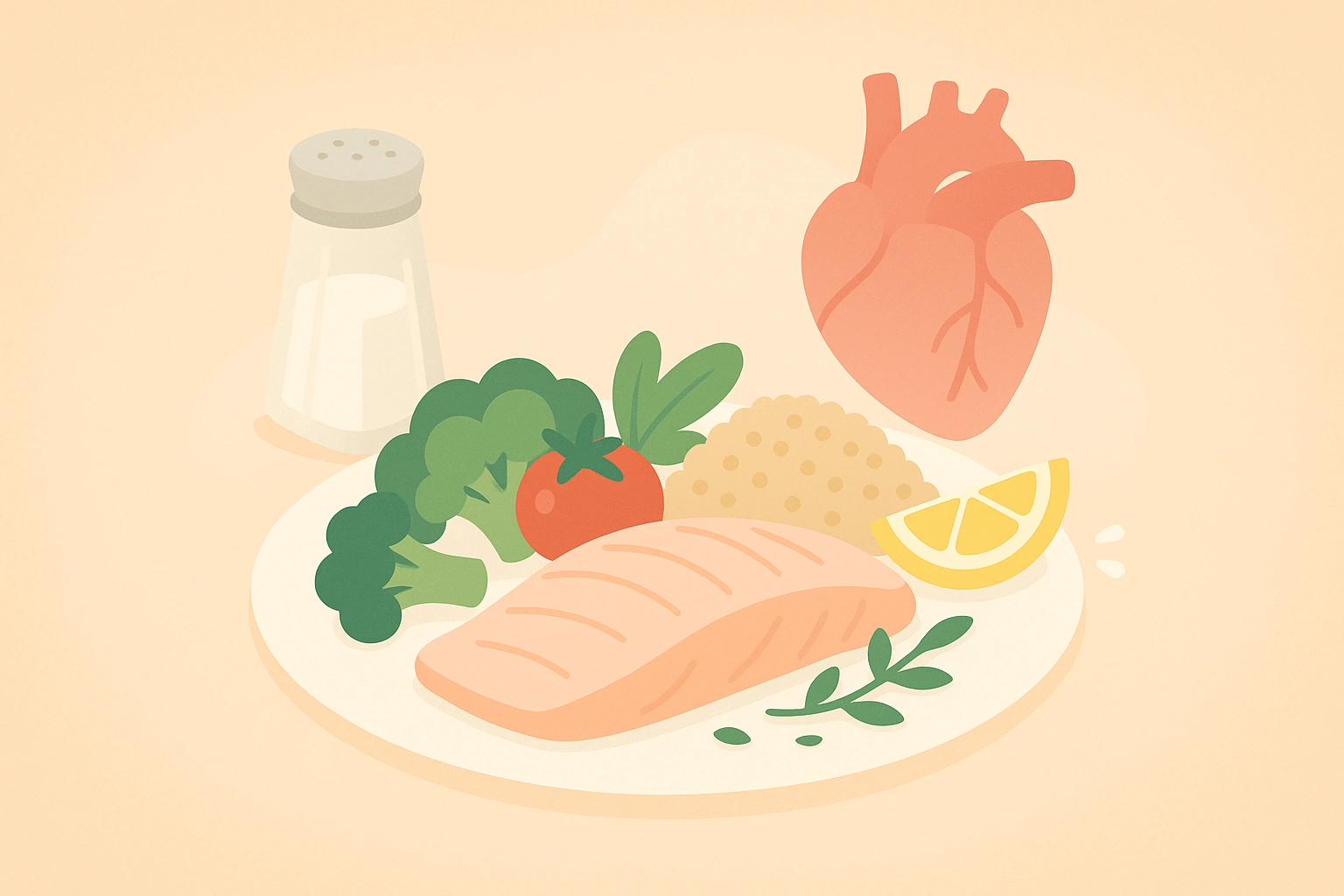
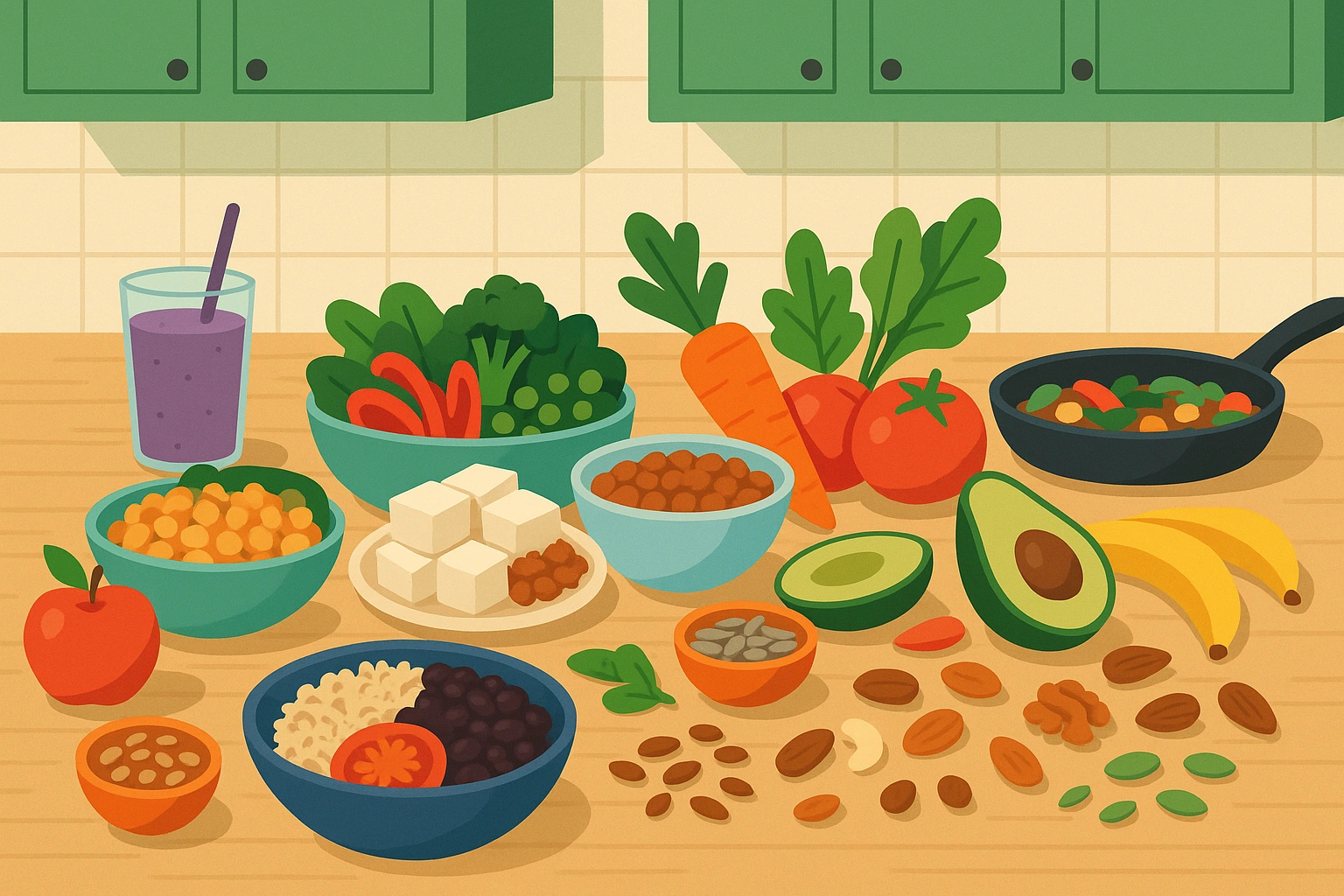
When researchers look at long term health outcomes, Mediterranean-style eating tends to appear often in positive data. It focuses on vegetables, fruits, whole grains, beans, olive oil, nuts, fish, and moderate portions of dairy and meat.
People are often surprized at how flexible it is. It is less about strict rules and more about patterns. For example, someone curious about what specific foods show up in this style can check a detailed guide like https://dietlinic.com/what-foods-are-in-the-mediterranean-diet/.
But even a Mediterranean approach has challenges:
- Fresh produce can be expensive or limited in some areas.
- Cooking from scratch takes more time at first if you are used to processed convenience foods.
- Traditional American comfort foods may not fit neatly into the pattern.
Still, this style tends to support heart health, weight balance, and blood sugar control when paired with reasonable portions and regular movement.
Why Most Diet Plans Ignore Your Real Life
One of the biggest lessons hidden inside what no one tells you about diet plans is that most programs are designed in a vacuum. They assume a person with perfect control over time, energy, money, and emotions.
Real life looks different. Maybe you work overnight shifts in a hospital and grab food at 3 a.m. Maybe you care for a parent and skip meals until you are starving. Maybe you have kids who only want beige foods and you are too tired to make two different dinners.
Any eating plan that does not bend around those realities will break. Not because you did something wrong, but because the plan was inflexible from the start.
Stress, Sleep, And Hormones: The Unseen Saboteurs
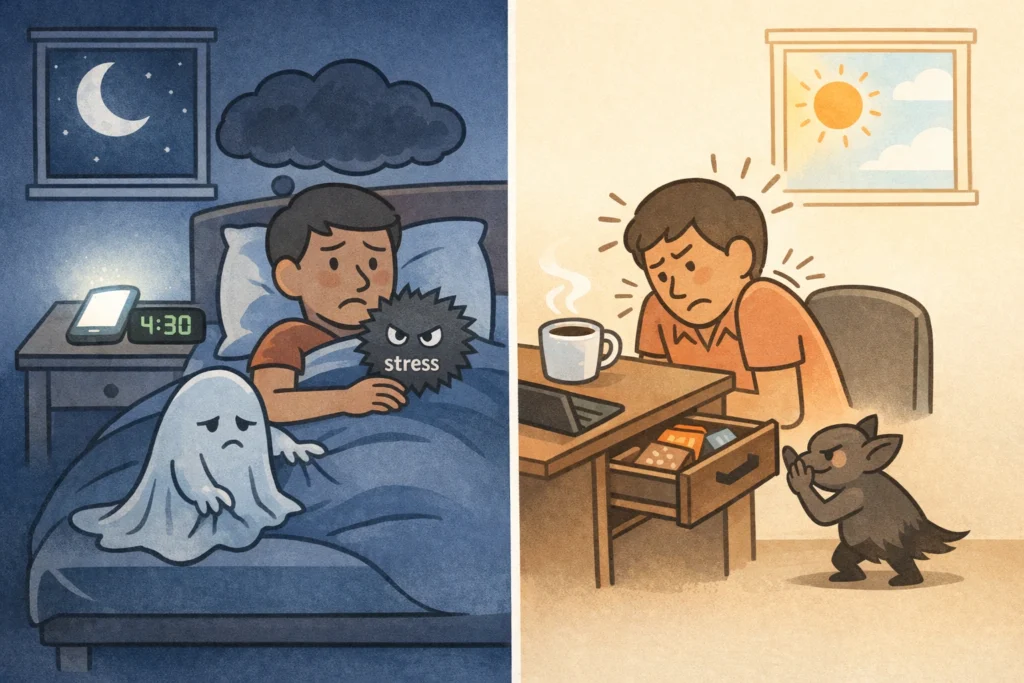
Chronic stress raises cortisol, a hormone linked to increased hunger and fat storage around the belly area. Lack of sleep changes ghrelin and leptin, making you hungrier and less satisfied. Studies in the last few years keep showing that poor sleep is strongly connected to weight gain and difficulty losing fat, even with good diets.
So if you are eating “perfectly” on paper but:
- Sleeping 4 to 5 hours a night,
- Managing constant stress at work or home,
- Sitting long hours with little movement,
your results may not match the promises. This is not a failure, it is physiology. Any honest conversation about diet plans needs to include sleep routines, stress management, and daily movement, not just macros and meal timing.
The Silent Damage Of Chronic Yo-Yo Dieting
Another layer of what no one tells you about diet plans is the long history many people have with weight cycling. Years of losing and regaining, trying this plan then that one, can leave both body and mind tired.
Physical Consequences
Repeated weight cycling can lead to:
- Muscle loss during each diet phase, especially when protein is low.
- More fat regain than before, shifting body composition.
- A feeling that each new diet “works less” than the last one.
This pattern can also affect blood pressure, cholesterol, and blood sugar control. So if you feel like each new attempt gets harder, you are probably not imagining it.
Emotional Consequences
Chronic dieting often produces a deep sense of failure and mistrust in your own body. You may feel scared of certain foods, or you may swing between strict control and total “food free-for-all” on weekends or holidays.
Many people start to believe they are the problem. But in reality, the repeated use of short-term, extreme plans is the real issue. Long term, gentle consistency beats intense 30-day sprints almost every time.
A Different Way To Look At Diet Plans: Flexible Structures, Not Food Prisons
So where does this leave anyone searching desperately for what no one tells you about diet plans, but still wanting to feel better, lighter, and more in control?
We can start by treating diet plans less like punishment and more like frameworks. A framework gives a clear structure but leaves room for personal fit. It respects science, but also respects your culture, your schedule, your tastes, and your mental health.
Principles That Matter More Than Any Name-Brand Diet
Across studies and real-world coaching experiences, certain habits show up again and again in people who maintain healthier weight and good energy for years:
- Eating enough protein spread across the day to support muscle and satiety.
- Including fiber from vegetables, fruits, beans, and whole grains most days.
- Limiting ultra-processed snacks and sugary drinks most of the time, not all the time.
- Moving daily in ways that fit their life (walking, lifting, swimming, playing, not just gym workouts).
- Getting decent sleep and having at least one stress management practice.
- Using flexible thinking about food instead of strict good/bad labels.
These patterns can live inside many different eating styles: animal-heavy, plant-forward, Mediterranean, low-carb, higher-carb, or somewhere in the middle. The label matters less than the consistency and how well it fits your reality.
Practical Steps To Build A Plan You Can Actually Live With
Instead of asking “Which diet is best,” a better question might be, “What small changes can I keep doing six months from now?” Here are some moves that usually work better than another strict reset.
Step 1: Start With One Meal, Not Your Whole Life
Choose the meal that feels most chaotic. For many people in the U.S., that is either breakfast (rushed) or dinner (tired and hungry). Improve that meal first. Examples:
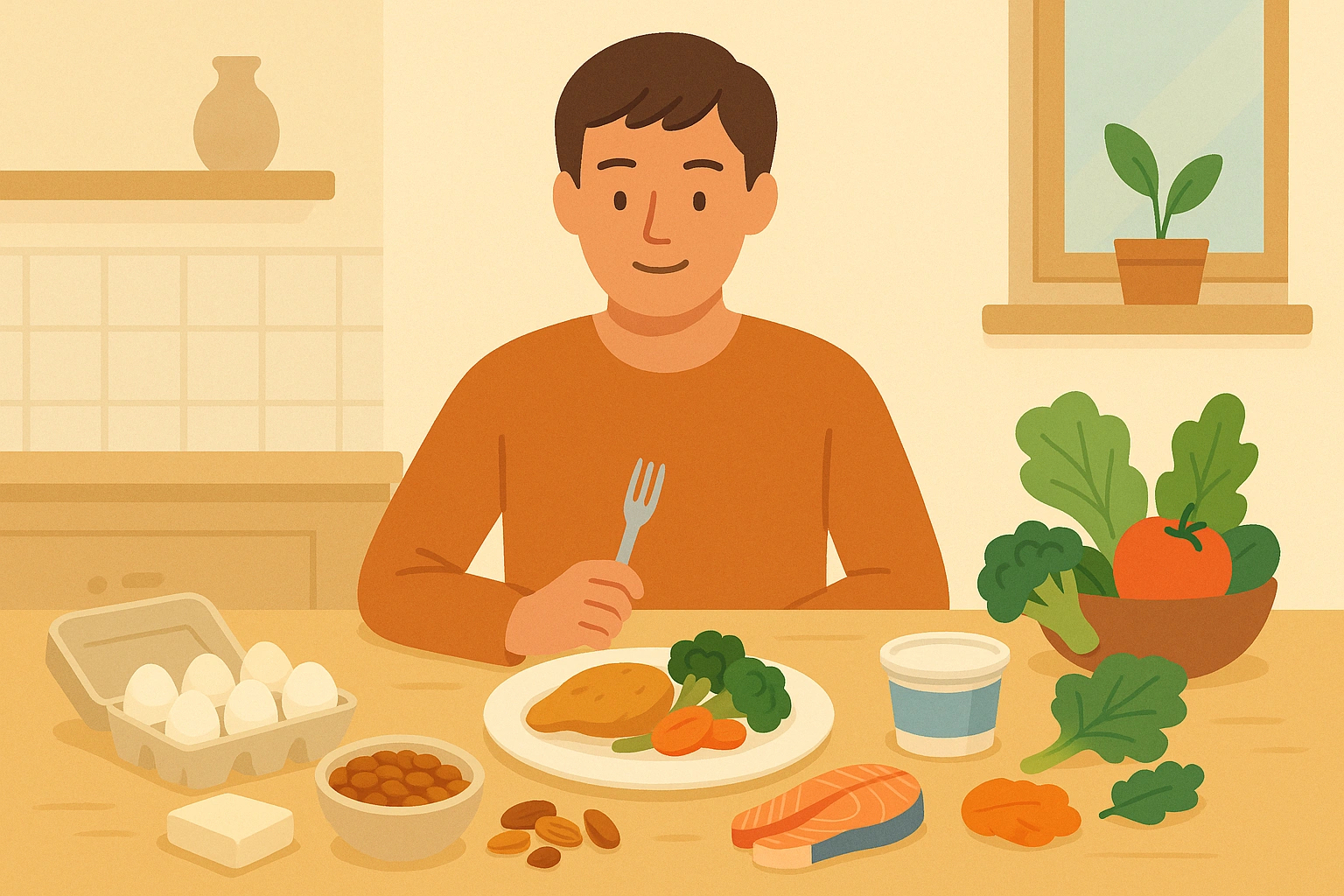
- Add a source of protein to breakfast: eggs, Greek yogurt, cottage cheese, protein smoothie, or leftover chicken.
- Add one serving of vegetables to dinner: a bagged salad, steamed frozen veggies, or roasted veggies you prep once for several nights.
Once that feels automatic, move on to the next habit.
Step 2: Build A Short List Of “Go-To” Meals
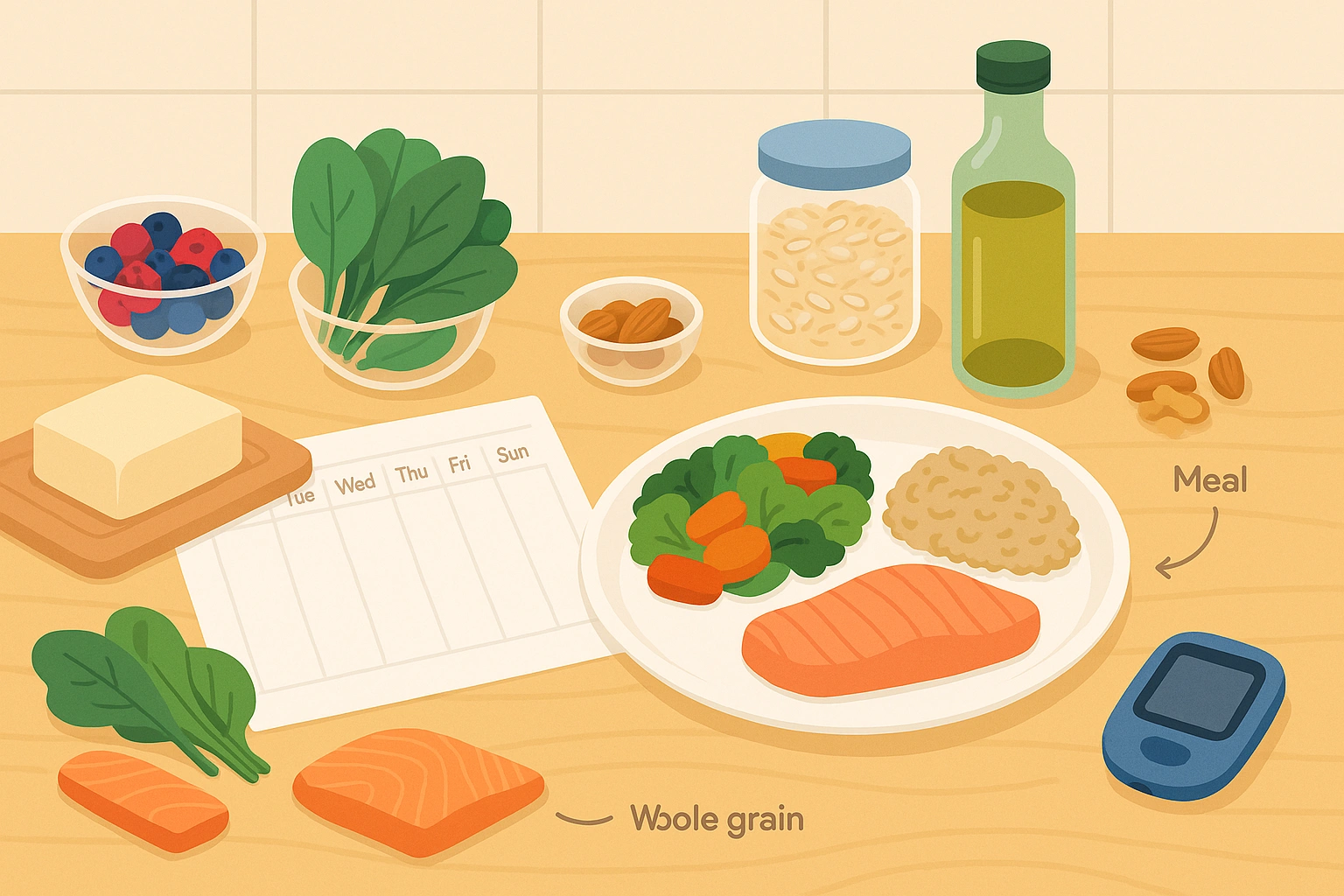
Instead of trying to cook a new recipe every night, create a list of 5 to 10 simple meals you like, that meet your basic protein and veggie goals. Rotate them. For people curious about fresh ideas, collections of meal ideas such as https://dietlinic.com/animal-based-diet-meal-ideas-recipes/ can spark options, even if you do not follow that exact style.
The goal is less decision fatigue. When you are tired at 6 p.m., you want autopilot, not a puzzle.
Step 3: Plan For Real Life “Messy” Moments
Look ahead to your week and ask:
- Where will I probably eat out?
- Which nights will be too busy for full cooking?
- Where might stress hit hardest?
Then choose a “good enough” option for those moments before they happen. This might be a supermarket rotisserie chicken with bagged salad, a balanced fast-food choice, or leftovers from a Sunday batch cook. When you plan the messy moments, they stop derailing your progress.
Step 4: Use Gentle Tracking, Not Obsession
Some people like detailed calorie tracking. Others find it overwhelming or triggering. A middle path is possible:
- Track only protein and produce for a while.
- Use a food journal to notice patterns (late-night snacking, skipped meals, emotional eating).
- Check in weekly with non-scale wins like better sleep, fewer cravings, or looser clothes.
Data can guide you, but it should not control your sense of worth.
What No One Tells You About Diet Plans: You Are Allowed To Make It Yours
When someone searches for what no one tells you about diet plans, they are often quietly asking, “Is it just me?” The honest answer is no. You are not the only one who feels confused by conflicting advice, tired of yo-yo results, or guilty after every “off-plan” bite.
The truth is, diets that ignore mental health, lifestyle, sleep, stress, culture, and pleasure are incomplete. A sustainable approach respects your biology and your humanity at the same time. It might blend pieces from different styles, it might shift as your life changes, and it will probably look less perfect on Instagram and more calm in your kitchen.
If you ever choose to follow a more structured plan, like a 30-day focused reset, look for programs that teach you skills and awareness instead of just handing you a rigid menu. Thoughtful guides, such as a structured 30-day approach described at https://dietlinic.com/30-day-animal-based-diet-transformation-plan/, can sometimes offer short-term structure, but the long-term success will always depend on how well you integrate those lessons into your normal lifestyle.
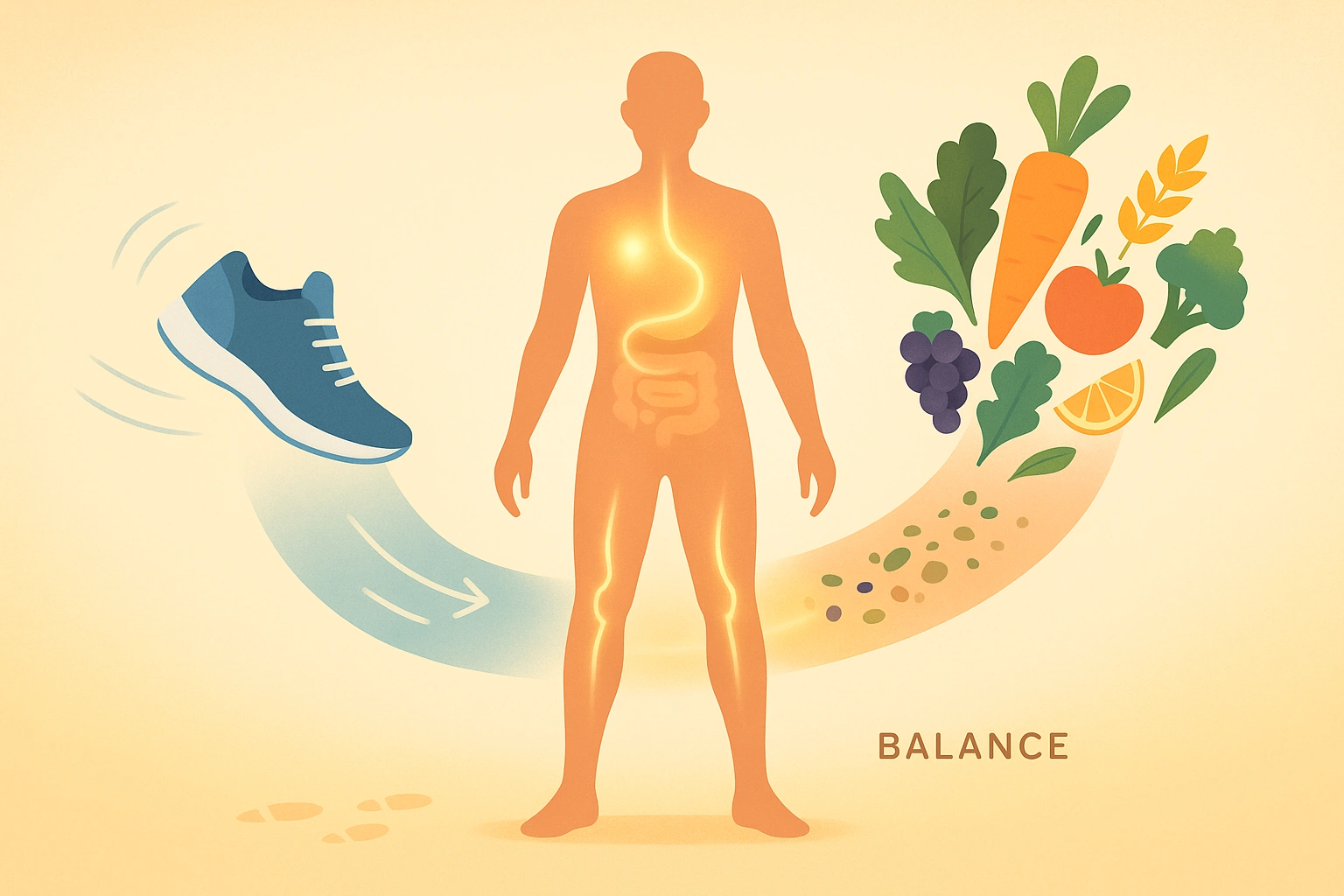
What no one tells you about diet plans, but we all need to hear, is that real progress looks less like a straight line and more like a steady, imperfect walk. A few steps forward, a few sideways, sometimes a step back, but always learning, adjusting, and moving again. The plan is only useful if it serves your life, not if your whole life has to serve the plan.
Leave a Reply