

Many women search for clear answers on what is considered a low-carb diet for a woman, but most advice online feels either too strict or too vague. We want simple numbers, real food examples, and honest talk about what actually works in daily life. That is what this guide will focus on.
What Is Considered A Low-Carb Diet For A Woman?
From a practical nutrition point of view, a low carb diet for a woman is usually defined by how many grams of digestible carbohydrate she eats per day. Most experts and recent research describe these rough ranges:
- Very low carb / ketogenic: about 20 to 50 grams of net carbs per day
- Moderate low carb: about 50 to 100 grams of net carbs per day
- Lower than typical but not strict low carb: about 100 to 130 grams of net carbs per day
For many women, anything under about 130 grams of carbs daily can be considered some level of low carb, because the average American diet often hits 225 to 325 grams of carbs per day. So low carb simply means “much less carb than usual,” but the exact number that fits a woman best depends on her size, age, activity level, goals, and health history.
We use the term net carbs because fiber does not raise blood sugar the same way as starches and sugars. Net carbs are total carbs minus fiber. Many low carb plans also minus some sugar alcohols, but that can be more confusing, so most women track just net carbs for a simple start.
Why The Definition Of Low Carb Can Be Different For Women
Two women can eat the same plate of food and still have very different responses in energy, hunger, and hormones. That is one reason why what is considered a low-carb diet for a woman can not be one single number for everyone.
Some factors that change carb needs in women:
- Body size and muscle mass – A petite woman with a desk job may feel good on 60 grams of carbs, while a tall woman who lifts weights might need 120 grams and still be in a “low carb” range for her body.
- Age and life stage – Teens and women in their early 20s often tolerate more carbs. Perimenopause and menopause sometimes bring more carb sensitivity, where blood sugar spikes easier.
- Hormonal health – Women with PCOS or insulin resistance may benefit from stricter carb limits, while women with thyroid concerns or very high stress might need a more gentle low carb approach.
- Activity level – Runners, lifters, and very active women usually handle more carbs, especially around workouts.
Based on what we see in real life, the strict keto style under 30 grams of carbs can be too aggressive for some women long term. Moderate low carb, in the 60 to 100 gram range, often works better for energy, mood, and social eating. That is not a rule, but a common pattern.
Carb Ranges: Low, Moderate, And High For Women
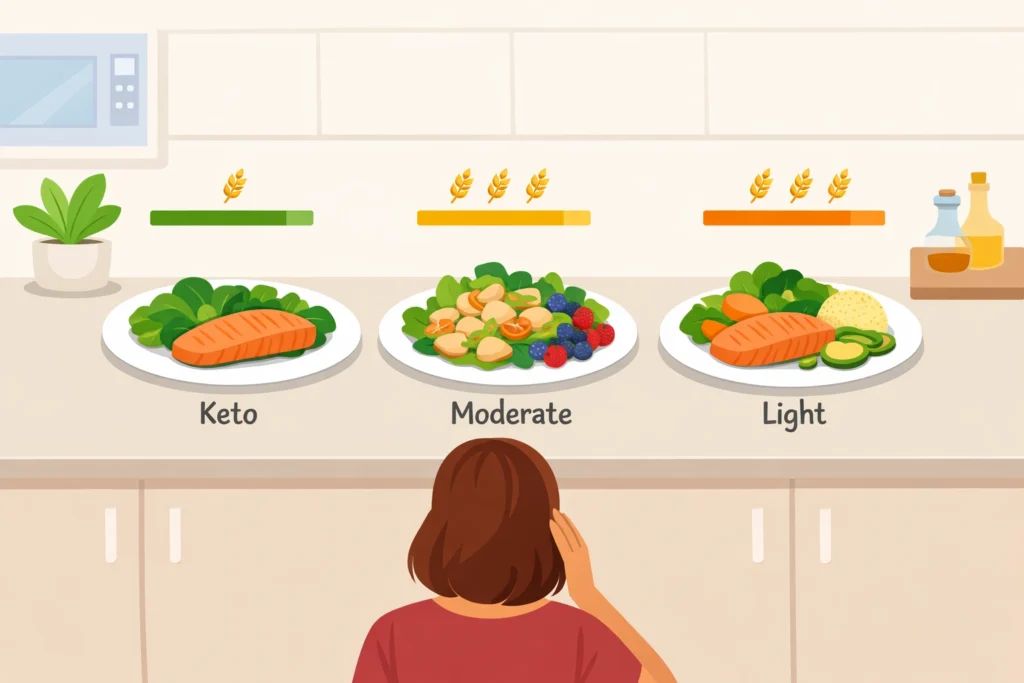
To answer what is considered a low-carb diet for a woman in a clear way, it helps to compare it to moderate and high carb eating. Here is a simple table to frame the picture.
| Carb Level | Net Carbs Per Day (Approx.) | Typical Use For Women |
|---|---|---|
| Very low carb / Keto | 20–50 g | Rapid fat loss, blood sugar control, some medical needs |
| Moderate low carb | 50–100 g | Steady weight loss, better blood sugar, more flexible lifestyle |
| Light low carb | 100–130 g | Weight maintain or slow loss, gentle blood sugar control |
| Moderate carb | 130–225 g | Active women, general balanced diets |
| High carb | 225+ g | Very active athletes, or common Western diet |
Many women who type “what is considered a low-carb diet for a woman” into search are mainly interested in weight loss, lower blood sugar, or less bloating. For those goals, staying between 50 and 100 grams of net carbs per day usually feels like enough of a change without turning food life into a math project.
How Low Carb Diets Affect A Woman’s Body
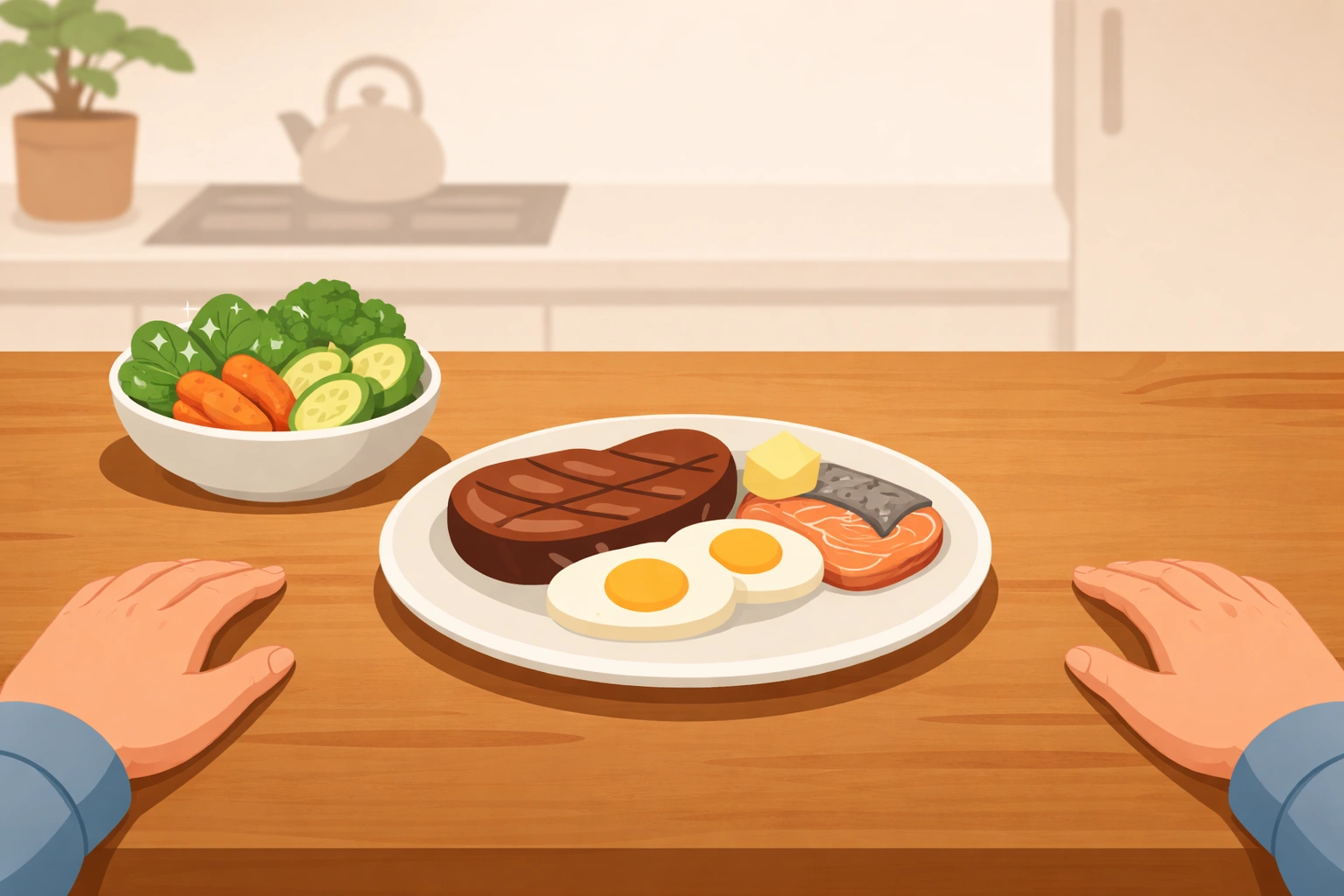
Carbs are the body’s fastest energy source. When we reduce them, the body shifts to using more fat for fuel. That shift can be useful, but it takes a little time and it does not feel the same for every woman.
Impact On Weight And Body Fat
Research in the past few years shows that low carb diets can be effective for weight loss, at least in the short to medium term. For example, randomized trials comparing low carb plans to low fat plans often find a little more weight loss in the low carb group over the first 6 to 12 months, mostly due to lower appetite and better control of blood sugar and insulin.
In daily life, many women notice:
- Quick water weight loss in the first week, since stored carbs (glycogen) hold water.
- Less snacking, because protein and fat from low carb meals keep hunger calmer.
- Smoother energy instead of big spikes and crashes after high carb meals.
Based on personal and reader experience, the women who do best are not the ones who chase the lowest carb possible. Instead, they find the lowest carb level that they can keep up with and still enjoy real food and social events. That might be 40 grams for one woman and 110 grams for another.
Effect On Hormones And Menstrual Cycle
Hormones are a big missing piece in many low carb guides. When carb intake drops very low for a long time, some women notice:
- Changes in cycle length or flow
- More fatigue during the luteal phase (the week or so before a period)
- Increased cravings or sleep trouble
On the other hand, women with PCOS or insulin resistance sometimes see better cycles and less symptoms when carbs are reduced and protein is increased. So it cuts both ways.
We often see better balance when a woman:
- Does not go below about 40 to 50 grams of net carbs without a clear medical reason
- Places more carbs around workouts or in the evening to support sleep
- Keep enough healthy fats, but does not drown meals in butter and cheese
The key is to watch your own cycle and symptoms. If your period becomes very irregular, hair sheds more, or you feel constantly freezing and exhausted, that might be a sign that your carb intake is too low for your body right now.
Signs Your Carb Intake Is Too Low
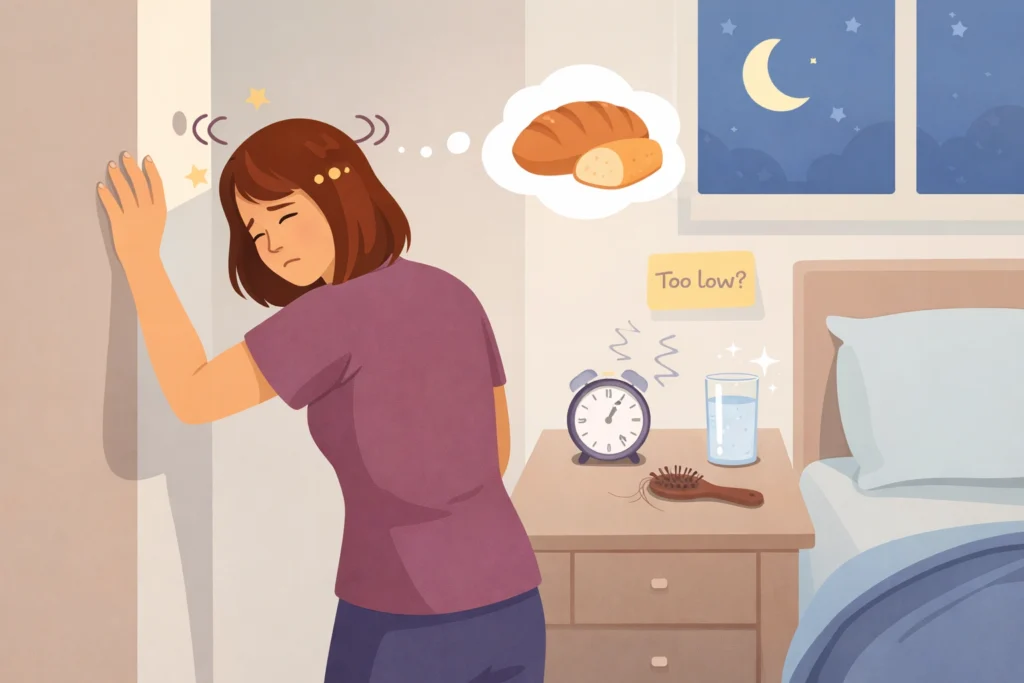
Since we are asking what is considered a low-carb diet for a woman, we also need to ask when low carb has gone too far. Some common red flags on very low carb intake include:
- Persistent dizziness when standing up
- Intense carb cravings that feel almost like panic
- Sleep that gets lighter or more broken, especially after a few weeks on plan
- Constipation, even with vegetables and water
- Thinner hair or more shedding in the shower after several months
Many of these issues can be reduced by:
- Adding a small serving of carbs at dinner, like half a sweet potato or some berries
- Making sure salt, magnesium, and potassium intake are strong, because low carb can cause more fluid and mineral loss
- Not skipping meals when you are still adjusting to a new carb level
If symptoms stay or feel scary, it is safer to speak with a health care provider who knows your full history before you push carbs any lower.
How To Choose The Right Low-Carb Range For Your Goals
Once we know what is considered a low-carb diet for a woman in general, the next question is how low should you go personally. Here is a way to think through it step by step.
For Weight Loss And Fat Loss
If your main goal is to lose body fat without feeling like life is a strict diet, many women do well between 60 and 100 grams of net carbs per day. That is low enough to shift appetite and blood sugar, but not so low that every bite has to be tracked perfectly.
A simple rule some women use:
- Each main meal: aim for 15 to 25 grams of net carbs
- Snacks: keep them mostly protein and fat, or under 10 grams of net carbs
For woman who want to combine low carb with higher protein and more animal foods, there can be some overlap with animal based plans. If that interest you, you might also like the guide on animal diet and weight loss here: https://dietlinic.com/animal-based-diet-for-weight-loss-does-it-work/
For Blood Sugar And Insulin Resistance
Women with prediabetes, type 2 diabetes, or PCOS often ask what is considered a low-carb diet for a woman with blood sugar problems. The answer is more personal, but many clinicians use something in this range:
- Very low carb (20–50 g net) for those who want aggressive blood sugar control and are monitored by a doctor.
- Moderate low carb (50–80 g net) for women who want better sugars without harsh restriction.
A 2022 review in nutrition research found that low carb diets can reduce A1C and fasting glucose in type 2 diabetes, especially in the first 6 months, but long term success depends heavily on how well people can keep the plan livable. So our advice is to choose the lowest carb level that you can see yourself keeping for at least 6 to 12 months, not just 10 days.
For Energy, Mood, And General Health
Some women are not chasing weight loss but want less afternoon crashes, less bloating, and a diet that just feels calmer. In those cases, a light low carb range around 100 to 130 grams of net carbs daily can be enough. That might look like:
- More protein and healthy fats at breakfast instead of a sweet pastry
- Half the portion of rice or pasta you used to eat at dinner
- More vegetables and fiber rich carbs like beans, lentils, and oats in moderate portions
This style often feels more gentle and can be safer for women with high stress, history of eating disorders, or thyroid issues.
What Does A Low-Carb Day Look Like For A Woman?
Numbers are helpful, but most of us picture real plates, not grams. To make the idea of what is considered a low-carb diet for a woman more concrete, here are two sample days. All carbs listed are net carbs, roughly estimated.
Example 1: Moderate Low Carb Day (About 80–90 g Net Carbs)
Breakfast
- Scramble with 2 eggs, spinach, mushrooms, and feta cooked in olive oil
- Half a small apple on the side
- Black coffee or coffee with a splash of cream
- Net carbs: about 15 g
Lunch
- Large salad with grilled chicken, mixed greens, cucumber, cherry tomatoes, avocado, olives
- Olive oil and vinegar dressing
- Small handful of berries
- Net carbs: about 20 g
Snack
- Greek yogurt (plain, full fat) with a few walnuts and cinnamon
- Net carbs: about 10–12 g
Dinner
- Baked salmon with lemon and herbs
- Roasted broccoli and cauliflower
- Half a cup cooked quinoa
- Net carbs: about 30–35 g
Total for the day: roughly 75 to 85 grams of net carbs, depending on exact portions. For many women, that counts as a solid low carb day, flexible enough for family eating.
Example 2: Stricter Low Carb Day (About 40–50 g Net Carbs)
Breakfast
- Omelet with 3 eggs, peppers, onions, and cheese
- Half an avocado
- Net carbs: about 8–10 g
Lunch
- Bunless burger patty with lettuce, tomato slice, pickles, and mustard
- Side of coleslaw made with cabbage and a light mayo based dressing
- Net carbs: about 10–12 g
Snack
- Celery sticks with peanut butter
- Net carbs: about 5–7 g
Dinner
- Roasted chicken thighs
- Green beans sautéed with garlic and butter
- Small side salad with leafy greens
- Net carbs: about 12–15 g
Total for the day: about 35 to 45 grams of net carbs. This moves into very low carb for most women and may be better used short term or for specific health needs.
Best Carb Sources For Women On Low-Carb Diets
Quality of carbs matters just as much as quantity. When we ask what is considered a low-carb diet for a woman, we also need to discus which carbs should still stay on the plate most days.
Better carb choices on a low carb plan include:
- Non starchy vegetables: leafy greens, broccoli, cauliflower, zucchini, bell peppers, asparagus, cucumbers
- Berries: strawberries, raspberries, blueberries in small portions
- Fiber rich carbs (in moderate amounts): beans, lentils, chickpeas, oats or quinoa, if they fit your carb range
- Low sugar dairy: plain yogurt, kefir, cottage cheese
On the other side, it helps to reduce:
- Sugary drinks and fruit juices
- Refined grains like white bread, many pastas, pastries
- Big dessert portions, even when they are “gluten free”
If your leaning toward more animal focused eating with low carb, there is an in depth guide on animal based diet and plant based diet contrast here: https://dietlinic.com/animal-based-diet-vs-plant-based-diet/
Protein And Fat: The Other Half Of Low Carb
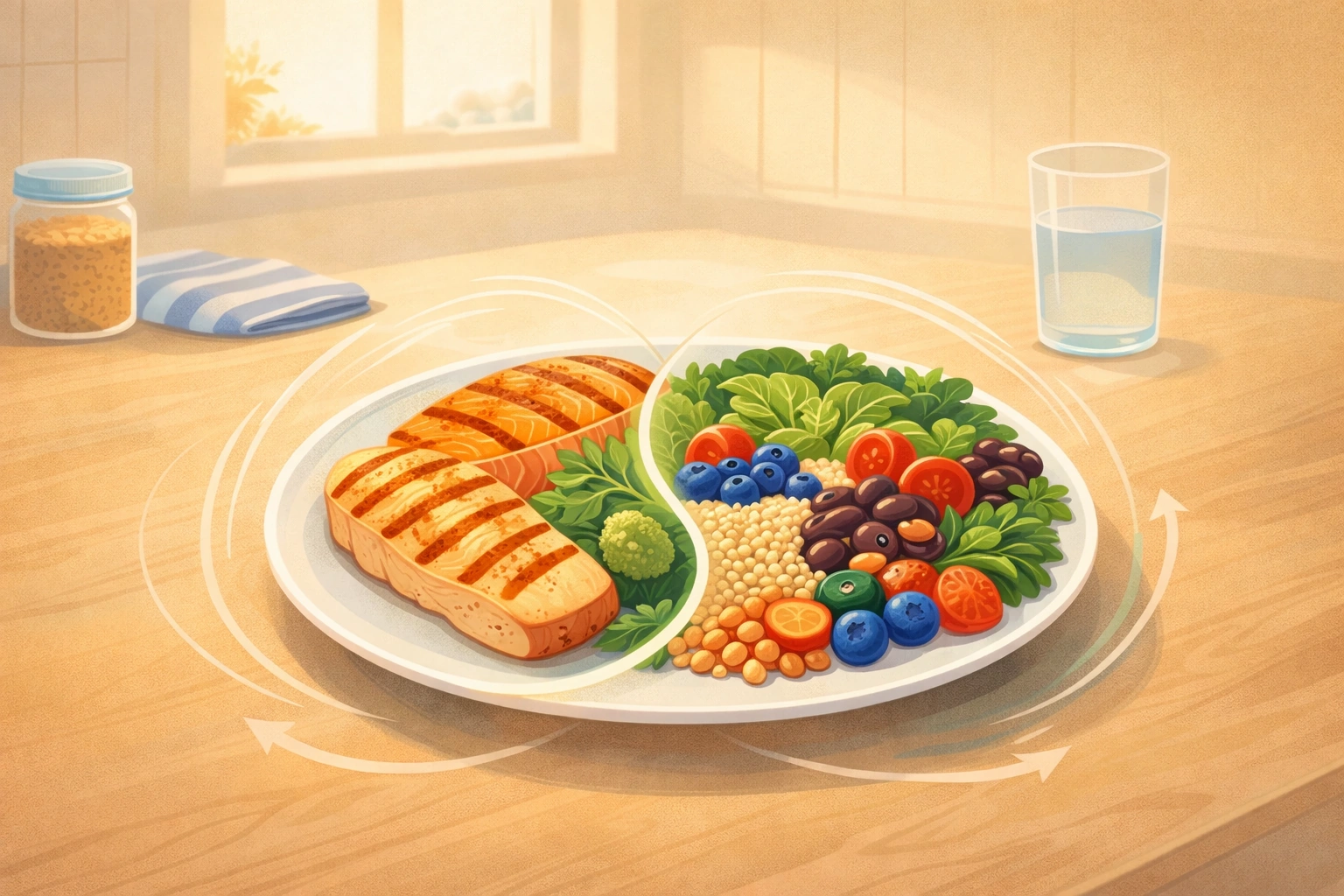
Low carb diets only work well for women when protein and fat step in to keep hunger steady and muscles strong. Dropping carbs without enough protein usually means more cravings and muscle loss, which most of us do not want.
Protein Targets For Women On Low Carb
Many women feel better aiming for about 0.7 to 1.0 grams of protein per pound of goal body weight. So if a woman wants to be around 150 pounds, that might be 100 to 150 grams of protein per day, spaced across meals. That is more than the old school “tiny piece of chicken” plate, but it gives your body building blocks to keep muscle, skin, hair, and hormones supported.
Good protein sources on low carb include:
- Eggs
- Chicken, turkey, lean beef
- Fish and seafood
- Greek yogurt, cottage cheese
- Tofu, tempeh, or other soy foods if you eat plant based proteins
Healthy Fats To Include
Fats help with satisfaction and hormone health, but “more” is not always better. The goal is “enough” healthy fat, not endless butter in coffee.
Helpful fat sources:
- Avocado and olive oil
- Nuts and seeds (almonds, walnuts, chia, flax)
- Fatty fish like salmon or sardines
- Egg yolks
When women switch from high carb to low carb, we often see their meals become more simple and based on whole foods. That alone can move health forward, even before fine tuning carb grams.
How To Transition Safely Into A Low-Carb Diet
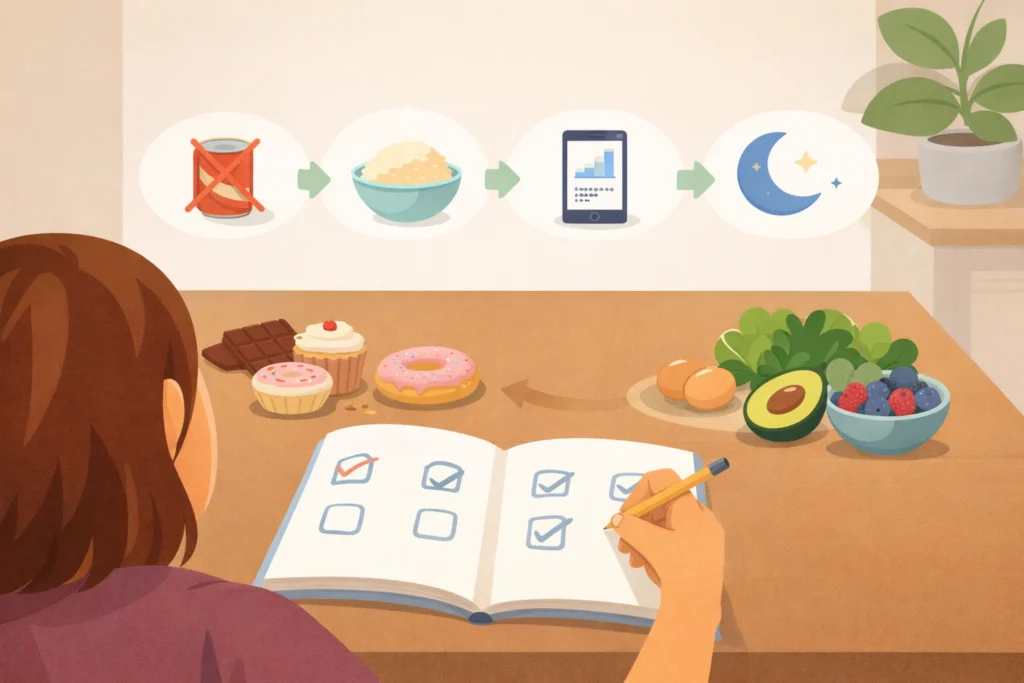
Mental and physical comfort matters when we shift eating patterns. Jumping from 300 grams of carbs per day to 20 grams overnight kind of shocks the system. Instead, we see smoother change with these steps:
- Step 1: Cut obvious sugars – Take out soda, juices, candy, and daily desserts first. Do that for one to two weeks.
- Step 2: Shrink starchy portions – Halve rice, pasta, bread, and potatoes. Add more vegetables and protein to fill the plate.
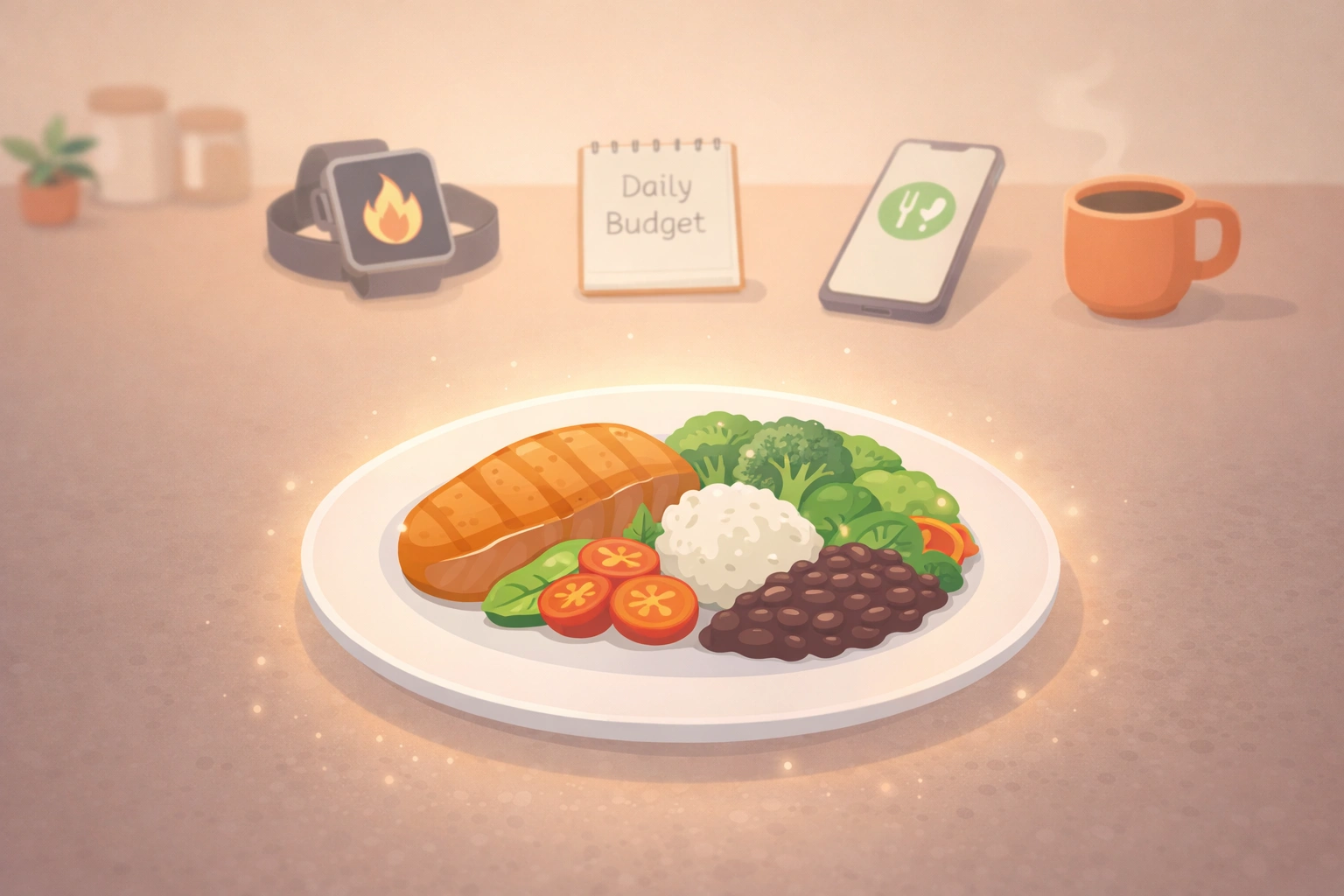
- Step 3: Choose a carb range – Decide if you want around 80 grams, 60 grams, or lower. Track for a week with a simple app or journal.
- Step 4: Adjust based on energy and cycle – If you feel strong and stable, you can stay. If you feel rough, you may add back some carbs.
Based on how real women eat, this gradual method usually leads to fewer headaches, less “keto flu” symptoms, and fewer emotional binges.
Common Mistakes Women Make On Low-Carb Diets
Knowing what is considered a low-carb diet for a woman is just the start. Avoiding some predictable mistakes can save a lot of stress.
Going Too Low For Too Long
Some women lower carbs quickly, feel amazing for three weeks, then crash in month three. Often they are under 20 or 30 grams of carbs plus dealing with life stress, workouts, and family care. Hormones can start to complain at that point.
If you notice mood changes, fatigue, or cycle problems, it may help to test a “carb up” day once or twice per week with more whole food carbs, like extra fruits, beans, squash, or whole grains, while still avoiding junky sugars.
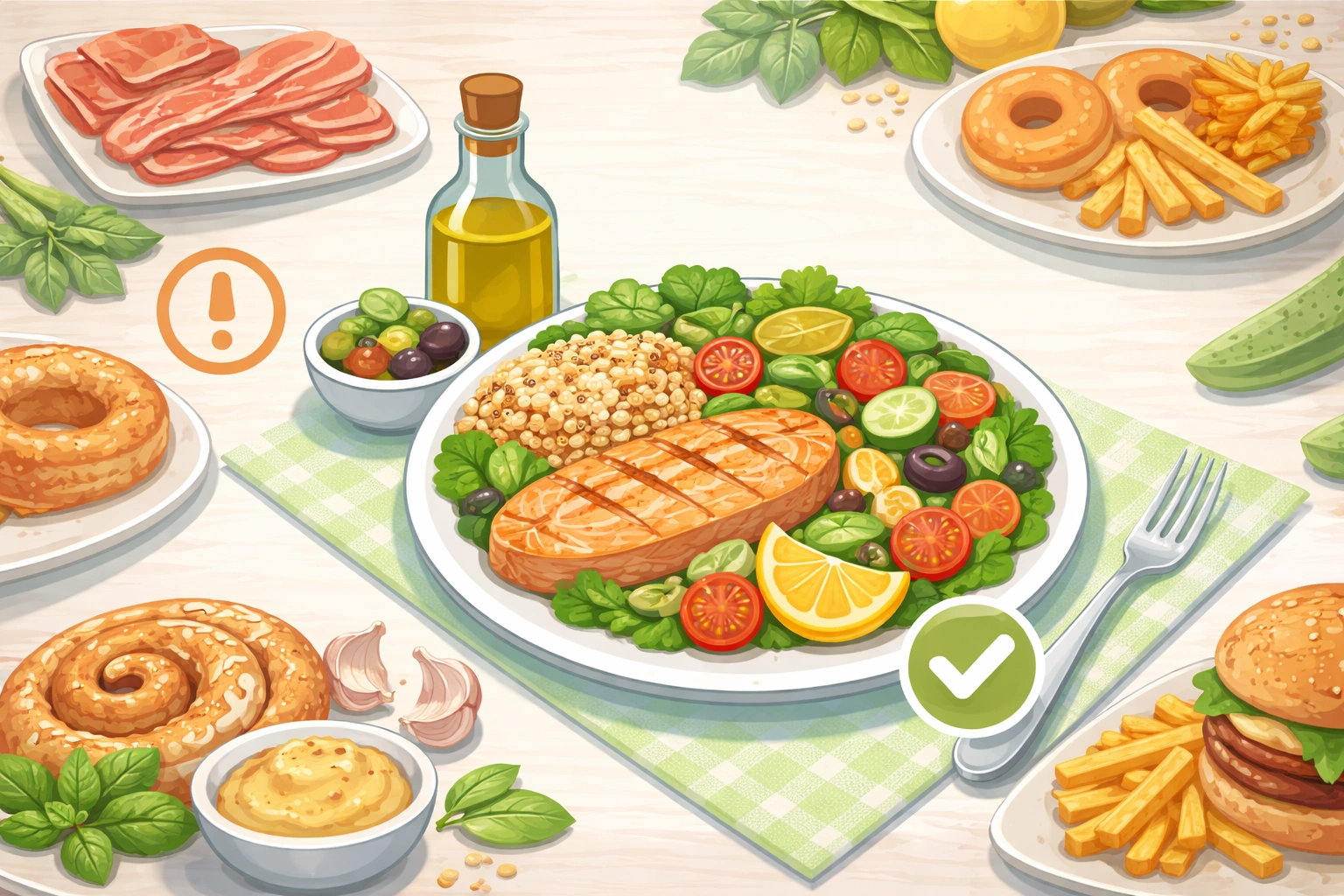
Living On Cheese And Processed Meats
Low carb does not mean low vegetable. A plate of bacon, cheese, and little else does not give the fiber, micronutrients, and gut support women need. Over time, that pattern raises risk of constipation and may not support long term heart health.
We aim for at least a few cups of non starchy vegetables per day and some whole food carbs, even when low carb. You can still keep carbs low while loading greens, broccoli, and salads.
Ignoring Electrolytes
As carb intake falls, kidneys release more sodium and water. That is part of why the scale drops fast in the first week. But it also means headaches, fatigue, and leg cramps can appear if salt, potassium, and magnesium intake are too low.
Simple fixes:
- Add a pinch of salt to water or broth when starting low carb.
- Eat potassium rich foods like avocado, leafy greens, and some nuts.
- Consider a magnesium supplement in the evening, with guidance from a health provider.
Who Should Be Careful With Low-Carb Diets
Low carb can be helpful, but it is not ideal for every woman or every season of life. Extra caution is wise for:
- Pregnant or breastfeeding women, unless working with a dietitian or doctor
- Women with a history of eating disorders, who may find carb tracking triggering
- Women with certain kidney conditions, if protein intake increases a lot
- Women on blood sugar or blood pressure meds, because adjustment might be needed
In those cases, it is safer to aim for a gentle reduction in sugar and refined carbs rather than very low carb plans, and to check regularly with medical support.
Putting It All Together
So what is considered a low-carb diet for a woman? In simple terms, it is a pattern of eating where daily net carbs are cut down from the typical high carb intake to somewhere in the range of about 20 to 130 grams, depending on the woman’s goals, health, and lifestyle. Under 50 grams counts as very low carb, 50 to 100 grams as moderate low carb, and 100 to 130 grams as a light version that still supports better blood sugar and appetite control for many women.
The real success comes from matching the carb level to your body and life, not just chasing the lowest number possible. A well built low carb diet for women includes plenty of protein, healthy fats, fiber rich vegetables, and thoughtful carb choices like berries, beans, and small portions of whole grains, if they fit your plan.
Whether you are working toward fat loss, steadier energy, or better blood sugar, it helps to start with a realistic carb range, test it for several weeks, listen to your cycle and energy, and adjust if needed. That blend of science and personal feedback is what turns a low carb diet from a short diet trend into a sustainable way of eating that fits a woman’s real life.


Leave a Reply