
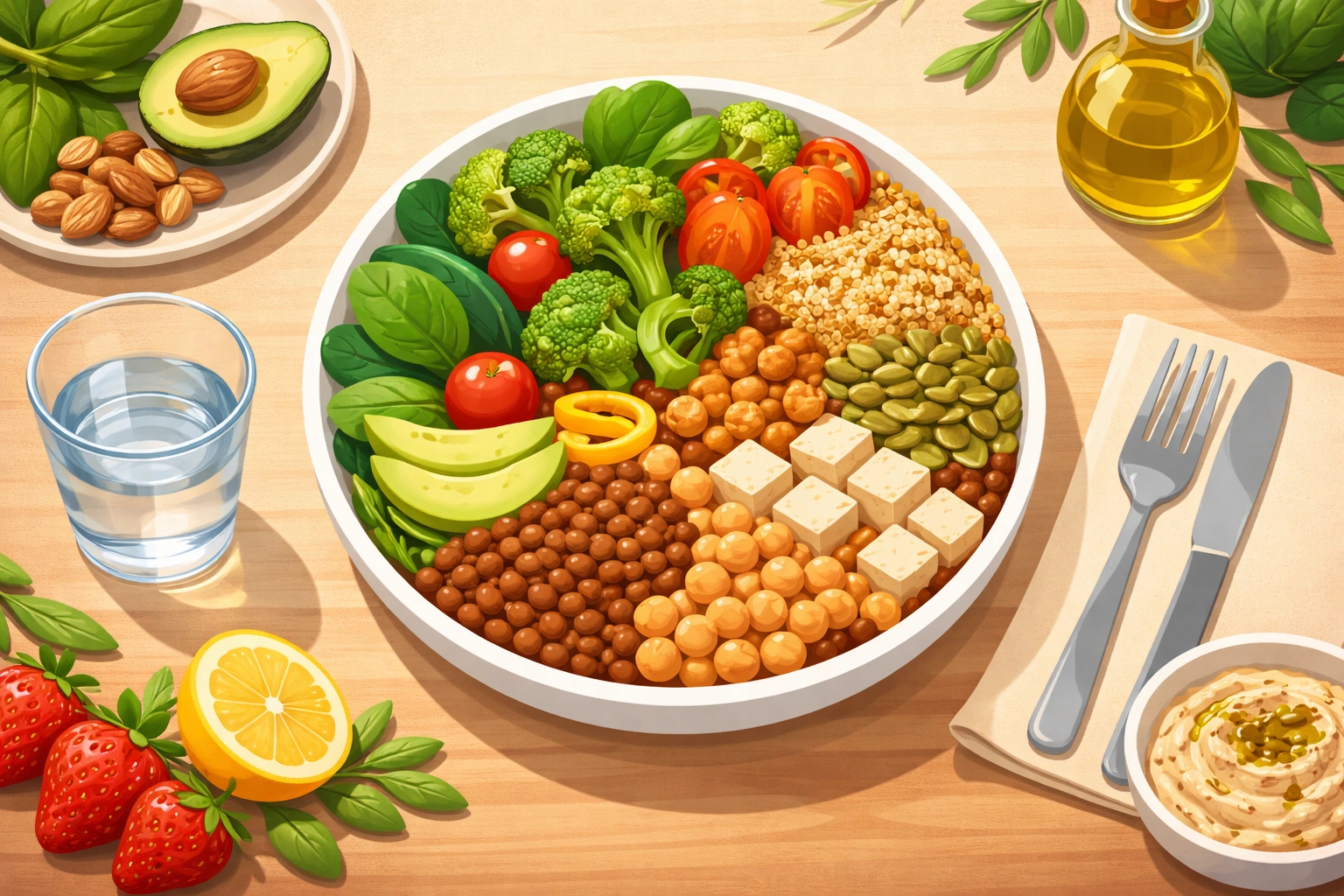

What is a well-planned vegetarian diet high in? When people ask this question, most of them want to know two things at once. First, what nutrients are usually high in a good vegetarian eating pattern. Second, how to plan vegetarian meals so they are rich in protein, fiber, vitamins, and minerals without feeling restricted or hungry all day.
What Is A Well-Planned Vegetarian Diet High In?
A well-planned vegetarian diet is typically high in fiber, vitamins, minerals, antioxidants, and healthy plant compounds like phytonutrients. When it is designed carefully, it can also be high in protein, healthy fats, and complex carbohydrates that keep blood sugar steady.
That simple question what is a well-planned vegetarian diet high in can feel confusing, because it sounds like there is one magic nutrient we all should focus on. In real life, a strong vegetarian pattern is about balance and quality. We want meals that give us:
- High fiber from vegetables, beans, lentils, fruits, whole grains, nuts, and seeds.
- High antioxidants and phytonutrients from colorful plants.
- High complex carbs that digest slow and support steady energy.
- Enough protein across the day from legumes, soy, dairy or eggs if included, nuts, and seeds.
- Healthy fats from olive oil, avocado, nuts, and seeds.
When these building blocks come together, a vegetarian diet stops being just about what we avoid (meat) and turns into something we gain from every meal.
Types Of Vegetarian Diets And What They Tend To Be High In
Before we dig deeper into nutrients, it helps to look at the different types of vegetarian patterns. Not all vegetarian diets are the same, and what they are high in will vary a little accordingly.
Lacto-ovo vegetarian
Lacto-ovo vegetarians avoid meat, poultry, and fish but still eat eggs and dairy. This is the most common style in the United States. When it is well planned, this pattern is usually high in:
- Protein from eggs, Greek yogurt, cottage cheese, beans, tofu, and lentils.
- Calcium and vitamin B12 from dairy foods.
- Fiber from whole grains and legumes.
In practical terms, this version is often the easiest to follow long-term, because eggs and dairy help cover some potential nutrient gaps.
Lacto-vegetarian
Lacto-vegetarians eat dairy but not eggs, meat, poultry, or fish. A well planned version is high in:
- Calcium from milk, yogurt, kefir, and cheese.
- Protein from dairy, beans, lentils, nuts, and seeds.
- Probiotics from yogurt or kefir, which support gut health.
Since eggs are not included, more attention is needed on plant protein sources and vitamin B12 from fortified foods or supplements.
Ovo-vegetarian
Ovo-vegetarians eat eggs but no meat, poultry, fish, or dairy. A smart plan tends to be high in:
- Protein and choline from eggs.
- Antioxidants and fiber from plants.
- Healthy fats from nuts, seeds, and avocado.
Calcium and vitamin D may be lower unless we add fortified plant milks, tofu set with calcium, and leafy greens.
Vegan
Vegans avoid all animal products including meat, poultry, fish, eggs, dairy, and usually honey. When done well, a vegan diet is extremely high in:
- Fiber.
- Antioxidants.
- Magnesium, potassium, and folate.
- Phytonutrients that may lower chronic disease risk.
Based on current research from groups like the Academy of Nutrition and Dietetics, a well balanced vegan pattern can support all life stages, but it does require extra care with vitamin B12, vitamin D, iodine, calcium, iron, zinc, and omega 3 fats.
Key Nutrients A Well-Planned Vegetarian Diet Should Be High In
When we talk about what is a well-planned vegetarian diet high in, we should walk through each key nutrient category. That gives a clear checklist you can use when you look at your own meals.
1. High In Fiber
Most Americans only eat about 16 grams of fiber per day, according to recent CDC numbers from 2023, which is far below the recommended 25 to 38 grams. A well built vegetarian diet can easily hit or pass these targets, because plants are the only natural source of fiber.
Fiber supports:
- Regular bowel movements and digestive comfort.
- Better blood sugar control, especially important for people with prediabetes or type 2 diabetes.
- Cholesterol management and heart health.
- Fullness between meals, which often helps with weight control.
High fiber vegetarian staples include lentils, black beans, chickpeas, split peas, oats, barley, quinoa, berries, apples, pears, broccoli, Brussels sprouts, and leafy greens.
2. High In Plant Protein
A common worry in vegetarian diets is protein. In real life, most people can meet protein needs without meat if they plan their food choices across the day. The key is variety, not perfection at each meal.
Good plant protein sources:
- Beans, lentils, chickpeas, and split peas.
- Soy foods like tofu, tempeh, and edamame.
- Greek yogurt, cottage cheese, and eggs if your pattern includes them.
- Nuts, seeds, and nut butters.
- Higher protein grains like quinoa, farro, and amaranth.
From a practical side, we find it helpful when people think about adding a protein rich food to every meal and most snacks. Instead of worrying if a plant protein is complete or not, mix them over the day. For example, rice and beans, hummus with whole grain pita, or peanut butter on whole wheat toast.
3. High In Complex Carbohydrates
Not all carbs act the same way in the body. A vegetarian pattern full of white bread, sugary drinks, and ultra processed snacks can still be low quality. What we want is a diet high in complex carbs and low glycemic index foods that digest slow and feed energy over hours, not minutes.
Complex carbs come from:
- Whole grains like oats, brown rice, quinoa, barley, bulgur, and whole wheat breads or pastas.
- Root vegetables like sweet potatoes, carrots, and beets.
- Beans, peas, and lentils.
These foods work together with protein and fat to support better blood sugar control and reduce cravings. From a personal perspective, many readers share that once they fill their plates with more beans, lentils, and whole grains, they snack less on processed sweets simply because they actually feel full.
4. High In Healthy Fats
Some people still fear fat, but the real focus should be on the type of fat we eat. A thoughtful vegetarian diet is usually high in unsaturated fats, which support heart health, brain function, and hormone production.
Main sources:
- Olive oil and avocado oil.
- Avocados.
- Almonds, walnuts, pistachios, and other nuts.
- Seeds like chia, flax, hemp, sunflower, and pumpkin.
Walnuts, chia seeds, and ground flaxseed also provide ALA omega 3 fats. Vegans and strict vegetarians may still want to consider an algae based DHA/EPA supplement, because conversion of ALA to active omega 3s is not very efficient for many of us.
5. High In Antioxidants And Phytonutrients
A well planned vegetarian diet is naturally high in antioxidants, because plants are loaded with vitamins C and E, carotenoids, flavonoids, and hundreds of other compounds that support cell function.
Color is a practical guide. Each color family tends to offer different phytonutrients:
- Red foods (tomatoes, watermelon, red grapefruit) are rich in lycopene.
- Orange and yellow foods (carrots, sweet potatoes, mango) give beta carotene.
- Green leafy vegetables supply lutein and folate.
- Blue and purple foods (blueberries, blackberries, purple cabbage) provide anthocyanins.
Based on recent observational studies published around 2022 and 2023, people who eat more color variety from plants see lower risk of heart disease, some cancers, and cognitive decline over time compared to those with low plant variety. The effect is not from one superfood but from a pattern that is high in protective compounds day after day.
Potential Nutrient Gaps And How To Cover Them
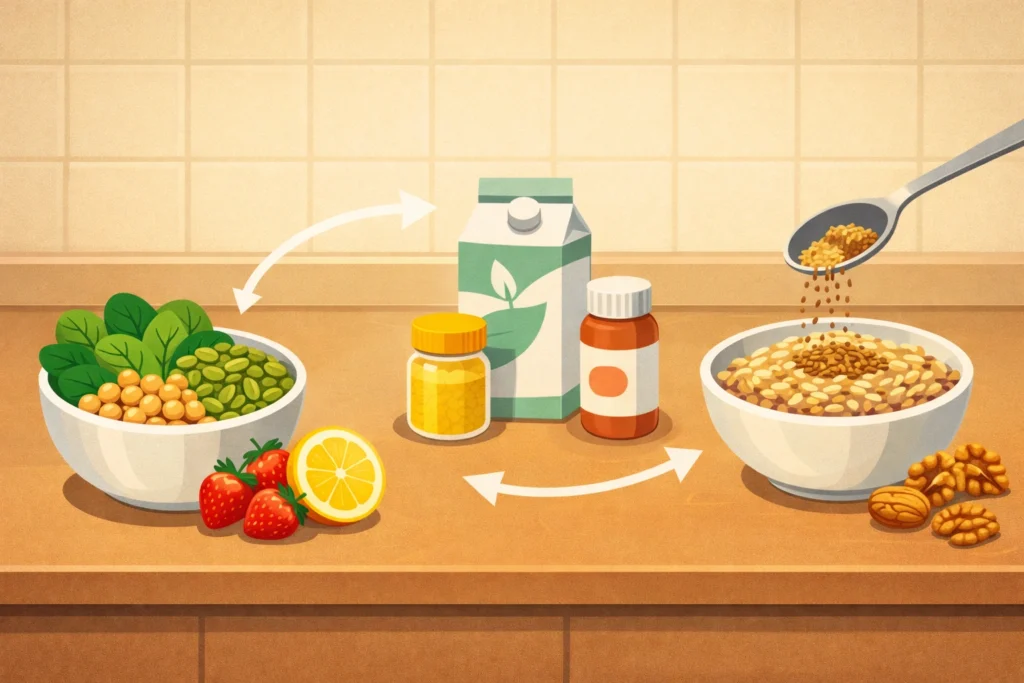
Even with all these advantages, any restrictive diet pattern can create weak spots if it is not organized well. To answer what is a well-planned vegetarian diet high in honestly, we also have to look at nutrients that might be lower and how to handle them.
Iron
Plant based iron (non heme iron) is less easily absorbed than iron from meat. That does not mean vegetarians are doomed to deficiency, but they need a little more strategy.
Iron rich plant foods include lentils, kidney beans, chickpeas, blackstrap molasses, tofu, pumpkin seeds, quinoa, and spinach. To increase absorption:
- Combine iron rich foods with vitamin C sources like bell peppers, citrus fruits, strawberries, or tomatoes in the same meal.
- Avoid drinking tea or coffee with iron rich meals, because tannins can reduce absorption.
Women of childbearing age and teens sometimes get low iron levels even with meat, so blood work is helpful if there is fatigue, pale skin, or unusual shortness of breath.
Vitamin B12
Vitamin B12 is mostly found in animal products. Lacto-ovo and lacto vegetarians may get some from dairy and eggs, but vegans must rely on fortified foods or supplements.
Common sources for vegetarians and vegans:
- Fortified plant milks and breakfast cereals.
- Nutritional yeast fortified with B12.
- B12 supplements (cyanocobalamin or methylcobalamin forms).
Because B12 deficiency can be slow and fairly quiet, adults who avoid most or all animal products should ask their healthcare provider to check levels every couple years.
Calcium And Vitamin D
Dairy eaters usually get decent calcium without much effort, but vegans need to plan. Calcium rich plant sources include:
- Fortified plant milks and orange juice.
- Calcium set tofu.
- Kale, collard greens, bok choy, and broccoli.
- Almonds and tahini.
Vitamin D is trickier, because food sources are limited for everyone, not just vegetarians. Some dairies and plant milks are fortified. Many adults in the US have low vitamin D based on data from NHANES surveys. A supplement is often used, not as a cure-all, but simply because we do not get consistent sun exposure anymore.
Omega 3 Fats
As we mentioned before, vegetarian diets can include omega 3 ALA from plants like flax and walnuts. However, EPA and DHA, the most active forms, are mainly found in fatty fish or algae.
Options for vegetarians:
- Regular intake of chia, flax, hemp, and walnuts for ALA.
- Algae based omega 3 supplement for EPA and DHA, especially for those who never eat fish.
We have seen good results when clients add just 1 to 2 tablespoons of ground flaxseed to oatmeal or smoothies daily. It is a simple change, but it moves the whole diet pattern toward a higher omega 3 and fiber intake at the same time.
Health Benefits Seen With Well-Planned Vegetarian Diets
Answering what is a well-planned vegetarian diet high in also means looking at real world outcomes. What do people actually gain when they follow these patterns consistently.
Weight Management And Metabolic Health
Many people notice that vegetarian meals, when high in fiber and protein, helps them feel satisfied on fewer calories. Recent research from 2022 and 2023 shows that plant forward diets are linked with lower rates of obesity and improved insulin sensitivity.
Compared to some popular eating styles that cut entire food groups, a vegetarian pattern is more flexible and sustainable for a lot of people. It is possible to fit cultural dishes, restaurant meals, and social events into a vegetarian lifestyle without feeling isolated.
Heart Health
A diet high in plant foods and low in saturated fat typically improves LDL cholesterol, blood pressure, and inflammation markers. Large population studies keep finding that vegetarians and vegans tend to have lower risk of heart disease and stroke than non vegetarians with similar lifestyles.
One reason is fiber, another is the shift from saturated fat to unsaturated fat, and a third is the rich mix of antioxidants that protect blood vessels. No single salad does this, but years of regular plant based eating stack up benefits.
Gut Health
The gut microbiome loves diversity. A vegetarian diet that is high in fiber, prebiotics, and polyphenols feeds a wide range of helpful bacteria.
We see practical ripple effects from this: better digestion, less constipation, and sometimes improved mood, because the gut brain connection is strong. Fermented foods like yogurt, kefir, kimchi, tempeh, and miso can add probiotics to this picture.
Sample 1-Day Meal Plan High In Key Vegetarian Nutrients
To move from theory into daily life, here is a simple one day vegetarian meal plan that shows what is a well-planned vegetarian diet high in can look like on a plate. Adjust portions to your calorie needs and appetite.
Breakfast
Oatmeal cooked with fortified soy milk, topped with:
- Ground flaxseed.
- Blueberries and sliced banana.
- Walnuts.
This meal is high in fiber, complex carbs, plant based omega 3s, and antioxidants. The fortified soy milk adds calcium, vitamin D, and possibly B12 depending on the brand.
Snack
Apple slices with peanut butter or almond butter.
This snack offers a mix of natural sugar, fiber, protein, and healthy fat that keeps energy steady.
Lunch
Quinoa and black bean bowl with:
- Roasted sweet potatoes.
- Shredded red cabbage.
- Baby spinach.
- Avocado.
- Lime cilantro dressing with olive oil.
Now we layer more plant protein, fiber, complex carbs, potassium, and healthy fats. The color variety bumps up antioxidant intake as well.
Snack
Carrot sticks and bell pepper strips with hummus.
This gives a second hit of legumes during the day plus vitamin C, which supports iron absorption from earlier meals.
Dinner
Lentil and vegetable curry over brown rice, made with:
- Red lentils.
- Onion, garlic, ginger.
- Tomatoes, cauliflower, peas, and spinach.
- Coconut milk for creaminess and calories if needed.
This dinner is high in plant protein, fiber, and comforting flavors. For many people shifting away from meat, dishes like this make the change feel more satifying and not like a sacrifice.
Optional Evening Snack
Plain Greek yogurt (if ovo-lacto) or fortified soy yogurt with a drizzle of honey and a few berries.
This adds protein and, if dairy is included, extra calcium. If you are fully vegan, choose a fortified yogurt alternative and check labels for added sugar.
How Vegetarian Diets Compare With Animal-Heavy Patterns
Some readers at DietLinic like to compare plant based eating with animal heavy styles they see online, such as animal based diets or ketogenic plans. For a deeper look at how plant centered approaches stack up against those, we have a separate guide here: https://dietlinic.com/animal-based-diet-vs-plant-based-diet/.
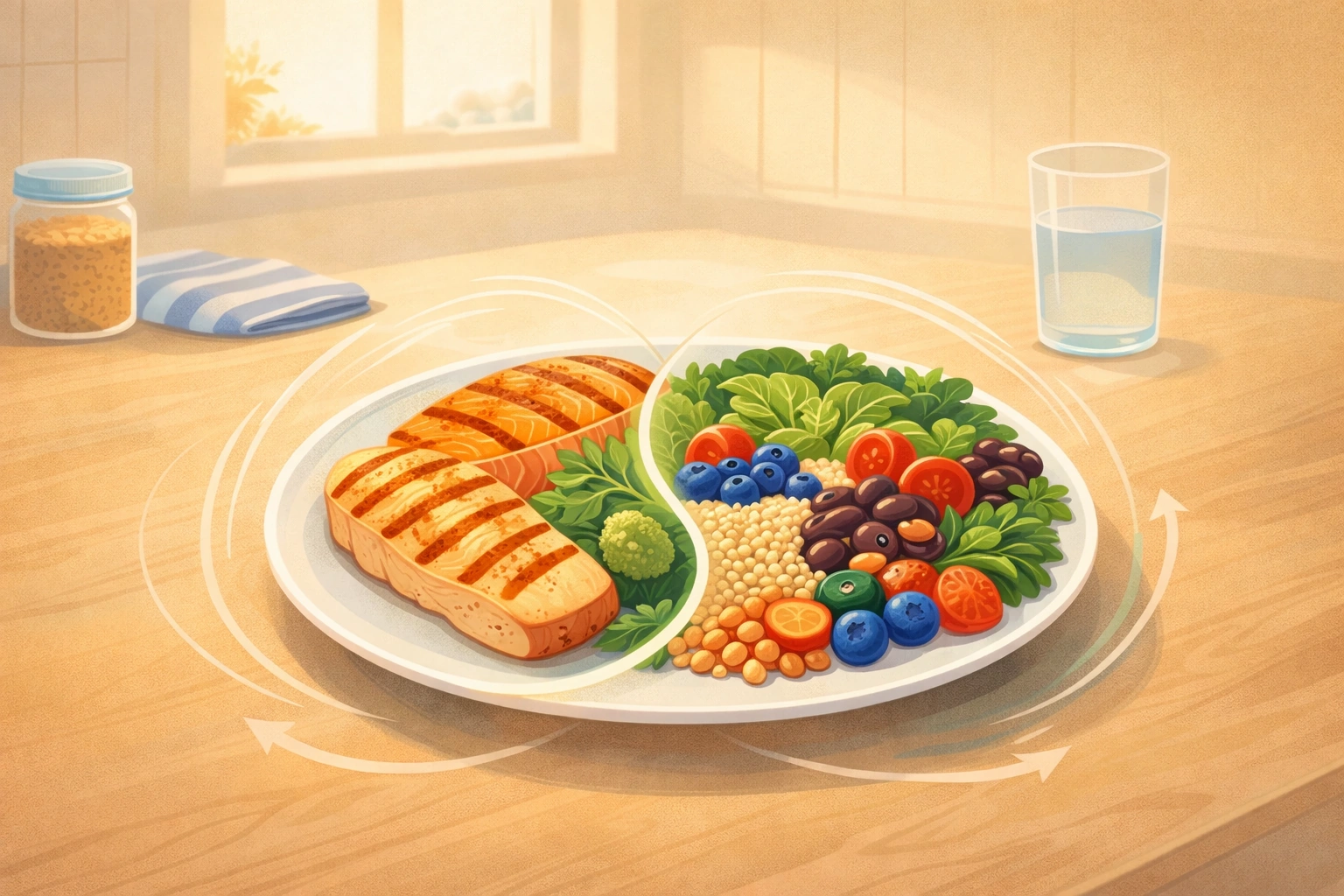
From a nutrient view, a well planned vegetarian diet is high in fiber, micronutrients, and phytonutrients, where very animal heavy diets can be high in saturated fat and low in fiber. That does not mean one size fits everyone, but it does explain why long term research often favors patterns rich in plants for overall health and longevity.
Practical Tips For Building A Well-Planned Vegetarian Diet
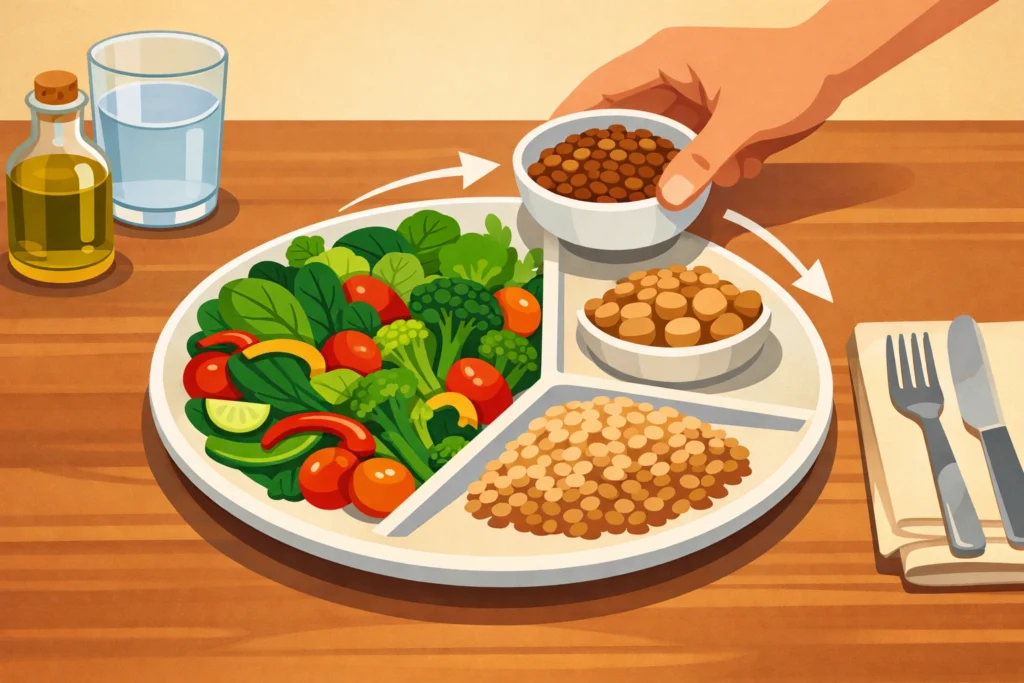
Turning this knowledge into everyday habit is where most of the work happens. Based on both research and practical kitchen experience, these steps helps a lot.
Use The “Half Plate Veggies” Rule
For lunch and dinner, aim for half your plate to be vegetables or a mix of vegetables and fruit. The other half can be divided between protein sources (beans, lentils, tofu, tempeh, eggs, dairy) and whole grains or starchy vegetables.
Plan Protein On Purpose
Many new vegetarians forget to center protein in their meals, then feel tired or always hungry. When planning what to eat, ask one simple question first: what is my protein here. Once that is clear, build the rest of the plate around it.
Keep Convenient Staples On Hand
Real life gets busy, and this is where most diets slip, not because someone lost willpower but because they ran out of options at 6 pm. Keeping a few easy items at home helps a lot:
- Canned beans and lentils (rinsed to lower sodium).
- Frozen vegetables and fruits.
- Cooked grains portioned in containers.
- Tofu, tempeh, or eggs if included.
- Nuts, seeds, and nut butters.
Check Blood Work Regularly
We can feel perfectly fine and still have low B12, low vitamin D, or borderline iron stores. Working with a healthcare provider to run labs every year or two is not about fear, but about catching small issues before they grow into big ones.
Who Might Need Extra Care With Vegetarian Diets
Most healthy adults can follow a vegetarian pattern safely as long as they plan around nutrients we mentioned. Still, some groups need more careful guidance:
- Pregnant and breastfeeding people, who have higher needs for iron, B12, iodine, and DHA.
- Children and teens, who are still growing fast and may be picky eaters.
- Older adults, who often absorb fewer nutrients and may eat less overall.
- People with digestive conditions like celiac disease or inflammatory bowel disease, where absorption can be impaired.
These groups can still enjoy a vegetarian diet, but they benefit from working with a registered dietitian or trained health provider to build a more personalized food and supplement plan.
Final Thoughts: What Is A Well-Planned Vegetarian Diet High In, Really
When we pull everything together, what is a well-planned vegetarian diet high in is not just a question about one nutrient. It is a pattern high in fiber, plant protein, complex carbohydrates, healthy fats, vitamins, minerals, and protective antioxidants. It is also high in variety, flavor, and adaptability, which is honestly what keeps people on track long term.
Real health changes rarely come from a single food trend or strict rule. They come from consistent daily choices that fit your culture, budget, and preferences. A thoughtful vegetarian lifestyle gives you a very strong foundation for that, as long as you pay respect to the few nutrients that need extra care, listen to your body, and adjust with time.




Leave a Reply