

Finding what is a good diet for high blood pressure can feel confusing when every headline seem to say something different. One day salt is the villian, the next day it is sugar, then suddenly it is carbs or fat. Yet behind the noise, we actually have strong research and clear patterns that show how food choices affect blood pressure, heart health, and long term risk of stroke.
Why Diet Matters So Much For High Blood Pressure
High blood pressure, or hypertension, happens when blood pushes too hard against the walls of your arteries. Over time, this constant pressure damage these blood vessels, which raises the risk of heart attack, kidney disease, vision loss, and stroke.
Medication can help a lot, but diet and lifestyle play a huge role too. The American Heart Association and the CDC both report that lifestyle changes alone can reduce systolic blood pressure (the top number) by 4 to 11 points in many adults. For some people with mild hypertension, that drop is enough to delay or even avoid medication when a doctor agrees.
Food affects blood pressure through several pathways:
- Sodium and fluid balance: excess salt makes the body hold more water, raising pressure in the vessels.
- Potassium intake: potassium helps blood vessels relax and balance sodium levels.
- Weight control: extra body fat, especially around the belly, increase strain on the heart.
- Blood vessel health: certain fats, antioxidant rich foods, and fiber keep arteries flexible.
- Insulin resistance and blood sugar: unstable blood sugar makes inflammation and vessel damage worst.
So when we ask what is a good diet for high blood pressure, the better question really becomes: what eating pattern lowers pressure, protects arteries, and fits real life for the long run.
The DASH Diet: Gold Standard For High Blood Pressure
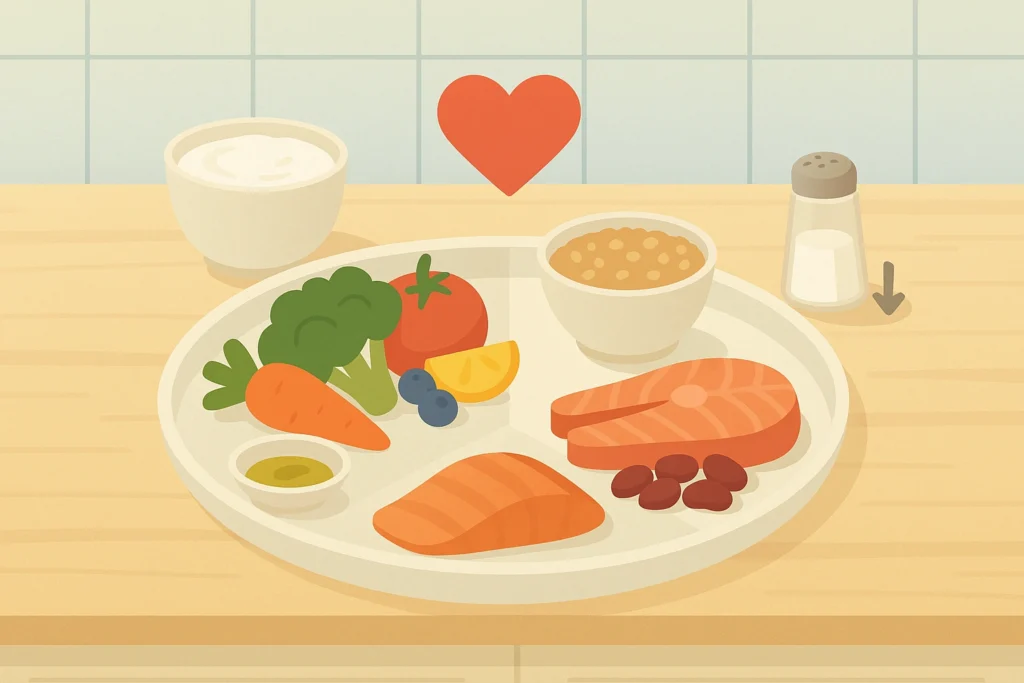
Most cardiology and public heath experts keep coming back to one eating pattern called the DASH diet. DASH stands for Dietary Approaches to Stop Hypertension. It is one of the most studied diets in heart health, and it repeatedly shows a strong effect on blood pressure.
The original DASH trials, and many follow up studies, found that people following this plan lower systolic blood pressure by around 6 to 11 points and diastolic by about 3 to 6 points. Newer reviews from 2023 in journals like Hypertension still support that effect, especially when combined with lower sodium.
Core Principles Of A DASH Style Diet
Here is what the DASH pattern focus on:
- Plenty of vegetables and fruits every day, usually 8 to 10 servings total.
- Whole grains like oats, brown rice, quinoa and whole wheat bread.
- Low fat or fat free dairy, such as milk, yogurt and kefir.
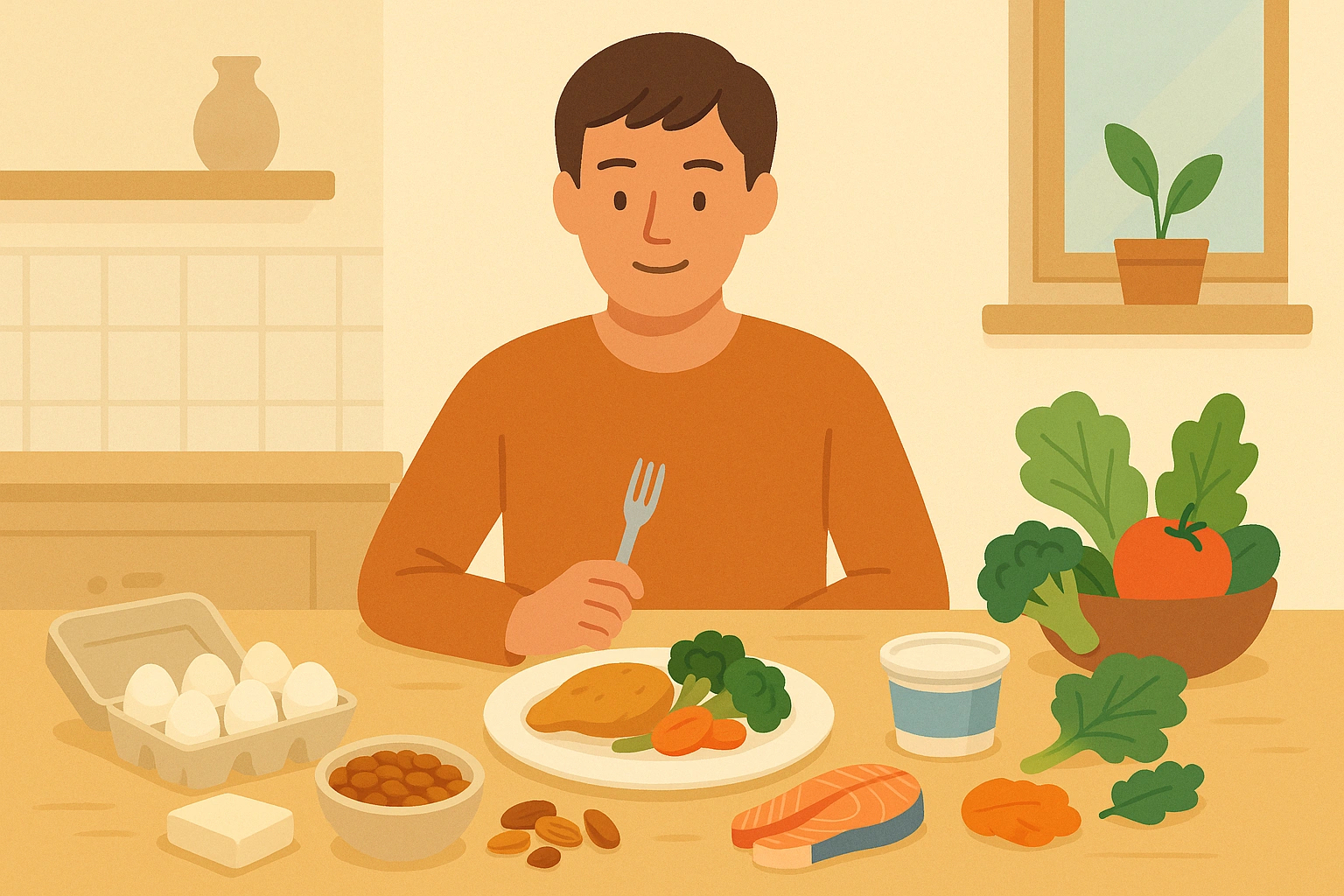
- Lean protein from beans, lentils, fish, poultry, eggs, and smaller amounts of lean red meat.
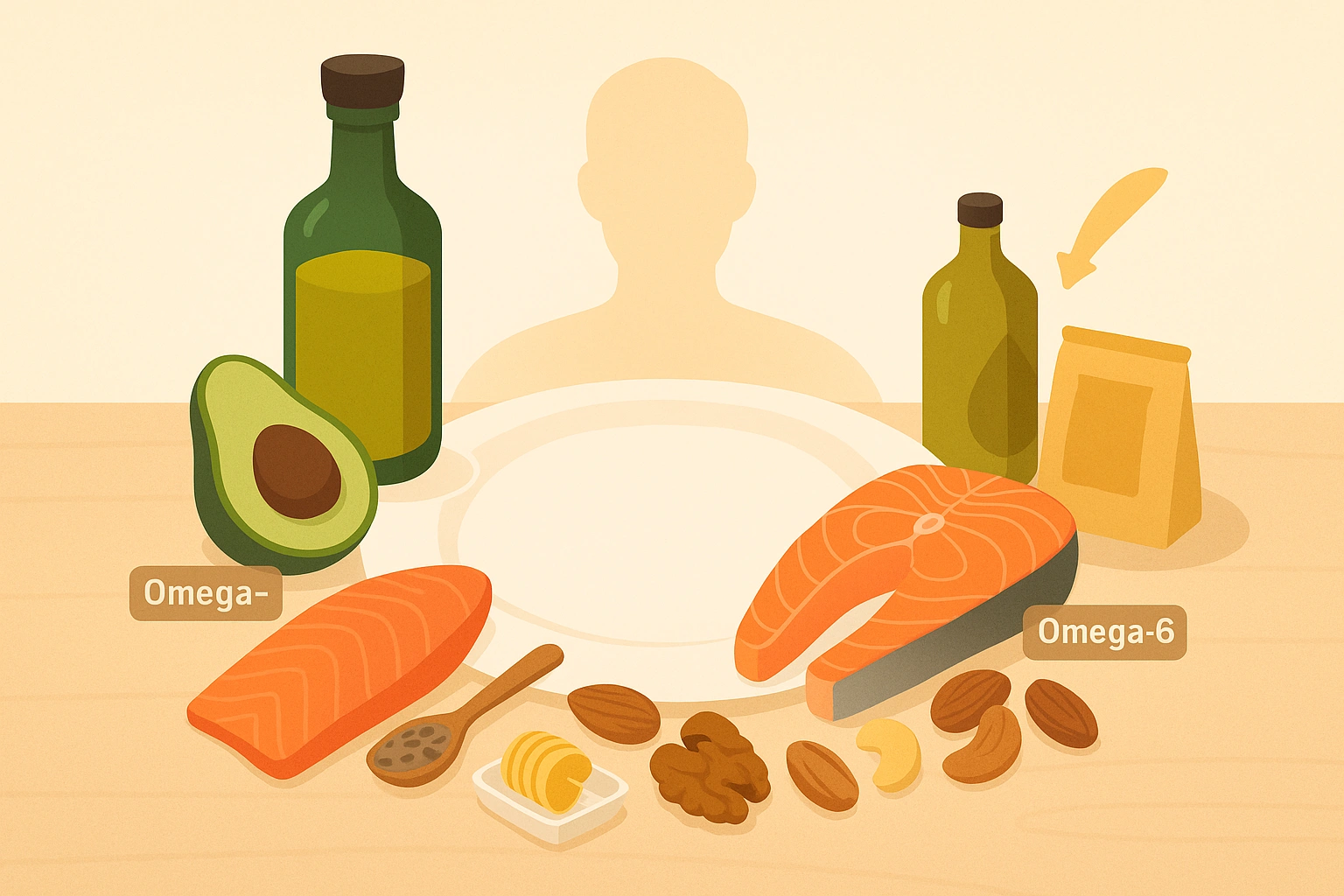
- Healthy fats from nuts, seeds, olives, olive oil, and avocado.
- Low sodium intake, often under 1500 to 2300 mg per day, depending on blood pressure and doctor advice.
- Minimal ultra processed snacks, sugary drinks, and processed meats like bacon or hot dogs.
What makes DASH so helpful is that it is not one superfood or one villain, but the sum of the pattern. Fiber, potassium, magnesium, calcium, and plant compounds all work together to relax blood vessels and help the body handle sodium better.
Key Nutrients That Support Healthy Blood Pressure
When we break down what is a good diet for high blood pressure, several nutrients show up again and again in research. You do not need to count every gram, but aiming for foods rich in these nutrients really helps.
Potassium: Nature’s Blood Pressure Balancer
Potassium is a mineral that helps muscles and nerves work, including the muscles in blood vessel walls. It also helps the kidneys get rid of extra sodium through urine. Most Americans eat way too much sodium and not nearly enough potassium, which make the blood pressure problem worst.
Good food sources include:
- Bananas, oranges, kiwifruit, and cantaloupe
- Leafy greens like spinach, Swiss chard, and beet greens
- Potatoes and sweet potatoes, especially with the skin
- Beans, lentils, and peas
- Yogurt and milk
For people with kidney disease, high potassium foods may not be safe, so always check with your doctor or dietitian before making big changes if you have kidney issues.
Magnesium And Calcium: Quiet Helpers For Vessel Relaxation
Magnesium and calcium both help blood vessel muscles relax and contract in a healthy way. Many adults fall short on magnesium, especially if their diet is low in whole grains, nuts, and leafy greens.
Magnesium rich foods include pumpkin seeds, almonds, cashews, black beans, quinoa, and spinach. Calcium shows up in dairy, fortified plant milks, tofu, canned salmon with bones, and greens like kale and bok choy.
Fiber: More Than Digestive Health
Fiber helps with fullness, weight control, blood sugar balance, and cholesterol. Those all matter for blood pressure. Large reviews shows that diets high in total fiber, especially from whole grains and legumes, are linked with lower blood pressure and lower risk of heart disease.
Try to aim for at least 25 to 30 grams of fiber per day. That might look like oatmeal at breakfast, beans or lentils at lunch, plus vegetables and a whole grain at dinner.
Sodium: How Low Should We Go For High Blood Pressure
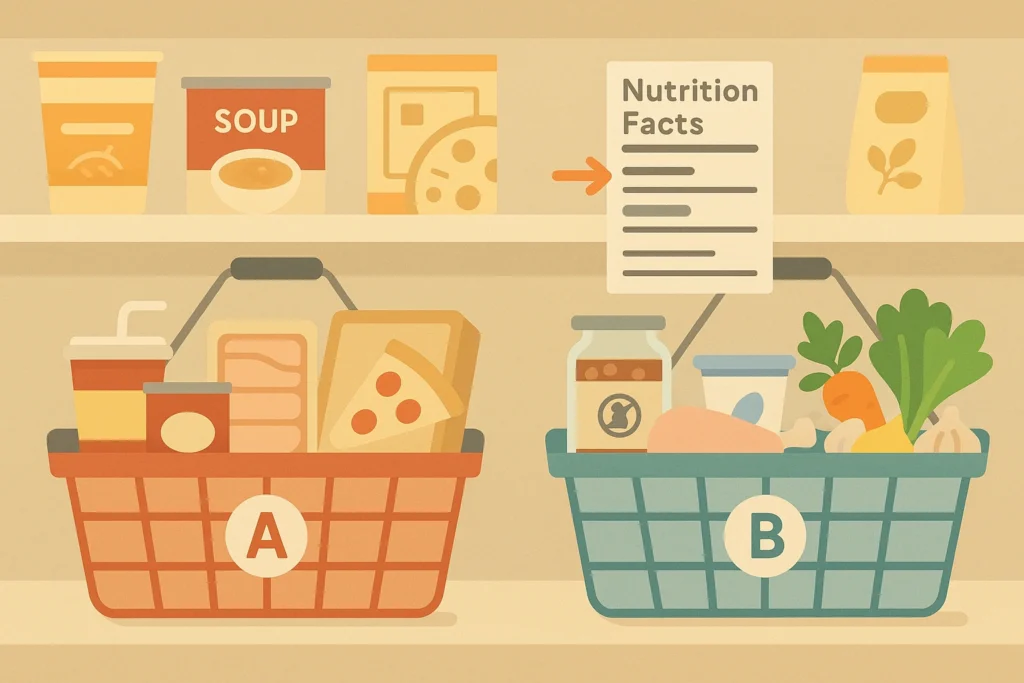
Sodium is tricky because we need some, but most people get several times more than they need. The average American consumes about 3400 mg of sodium per day, mostly from restaurant meals and packaged foods. For people with hypertension, many guidelines suggest keeping sodium around 1500 mg if possible or at least below 2300 mg per day.
Where Excess Sodium Hides
It usually is not the salt shaker. The biggest sodium sources tend to be:
- Restaurant and fast food meals (especially sandwiches, pizza, fried foods, and soups)
- Canned soups and instant noodles
- Processed meats like deli meat, hot dogs, and sausage
- Frozen entrees and snack foods
- Breads and rolls (a little sodium per slice adds up)
Small shifts can make a huge difference, such as choosing low sodium canned beans and soups, cooking at home more, flavoring food with herbs, citrus, garlic, and vinegar instead of heavy salt, and reading labels to compare brands.
What A Balanced High Blood Pressure Diet Looks Like Day To Day
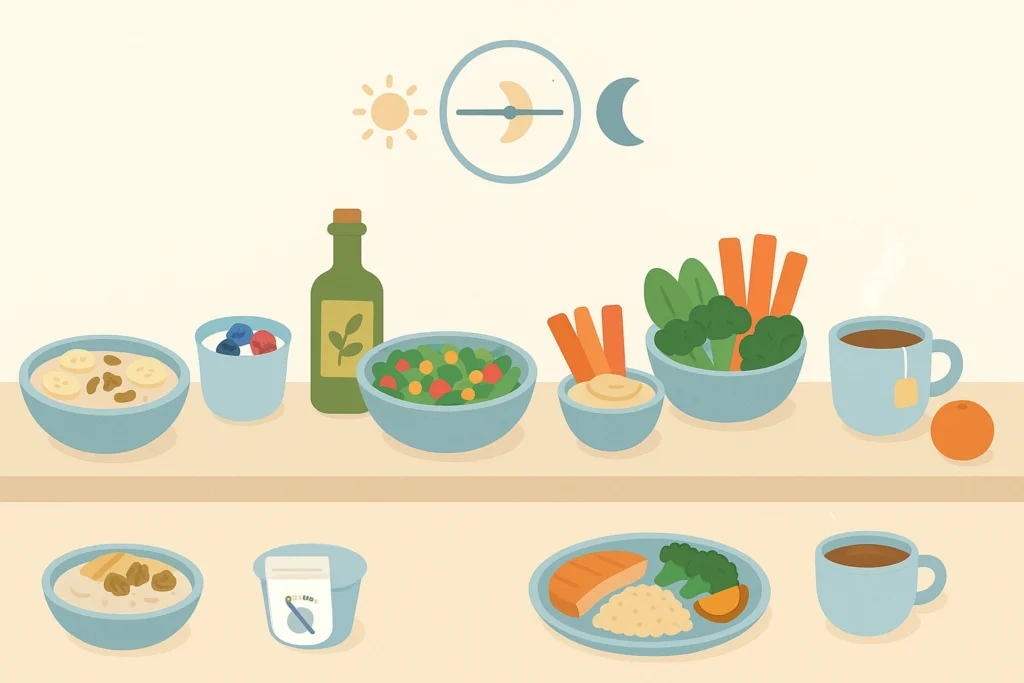
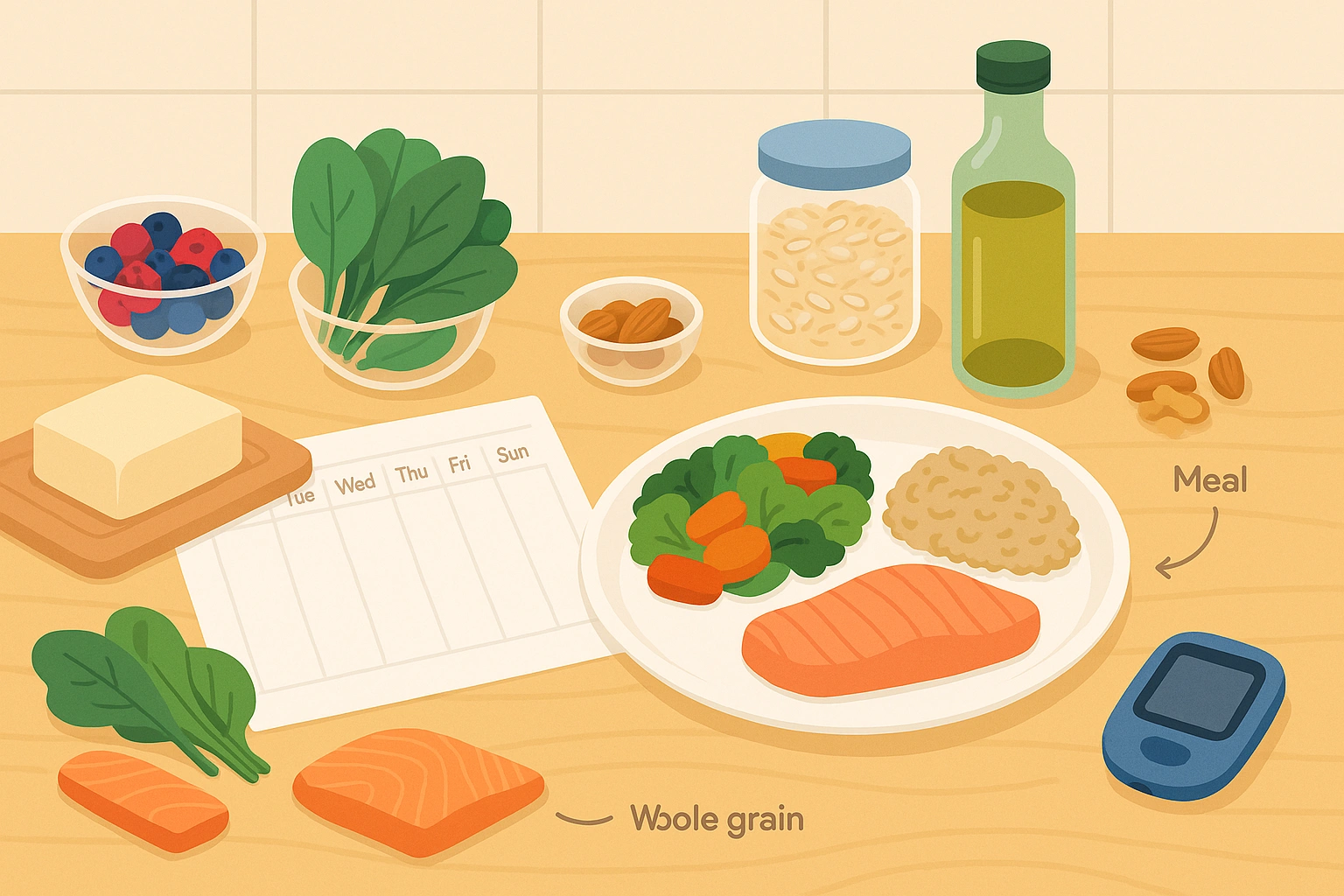
Knowing theory is helpful, but most of us want to see what a normal day of eating might look like when we ask what is a good diet for high blood pressure. Below is one example of a practical day that follows a DASH style pattern. Portions can be adjusted to your calorie needs and activity level.
Sample 1 Day DASH Style Meal Plan
Breakfast
- 1 cup cooked oatmeal made with low fat milk or a calcium fortified plant milk
- 1 small banana sliced on top
- 1 tablespoon chopped walnuts
- Unsweetened coffee or tea
Mid Morning Snack
- Greek yogurt (plain, low fat) with a handful of fresh berries
Lunch
- Large salad with mixed greens, cherry tomatoes, cucumbers, shredded carrots, chickpeas, and a small amount of feta cheese
- Olive oil and vinegar dressing, light on salt
- 1 small whole grain roll or a slice of whole wheat bread
Afternoon Snack
- Carrot sticks and bell pepper strips with hummus
Dinner
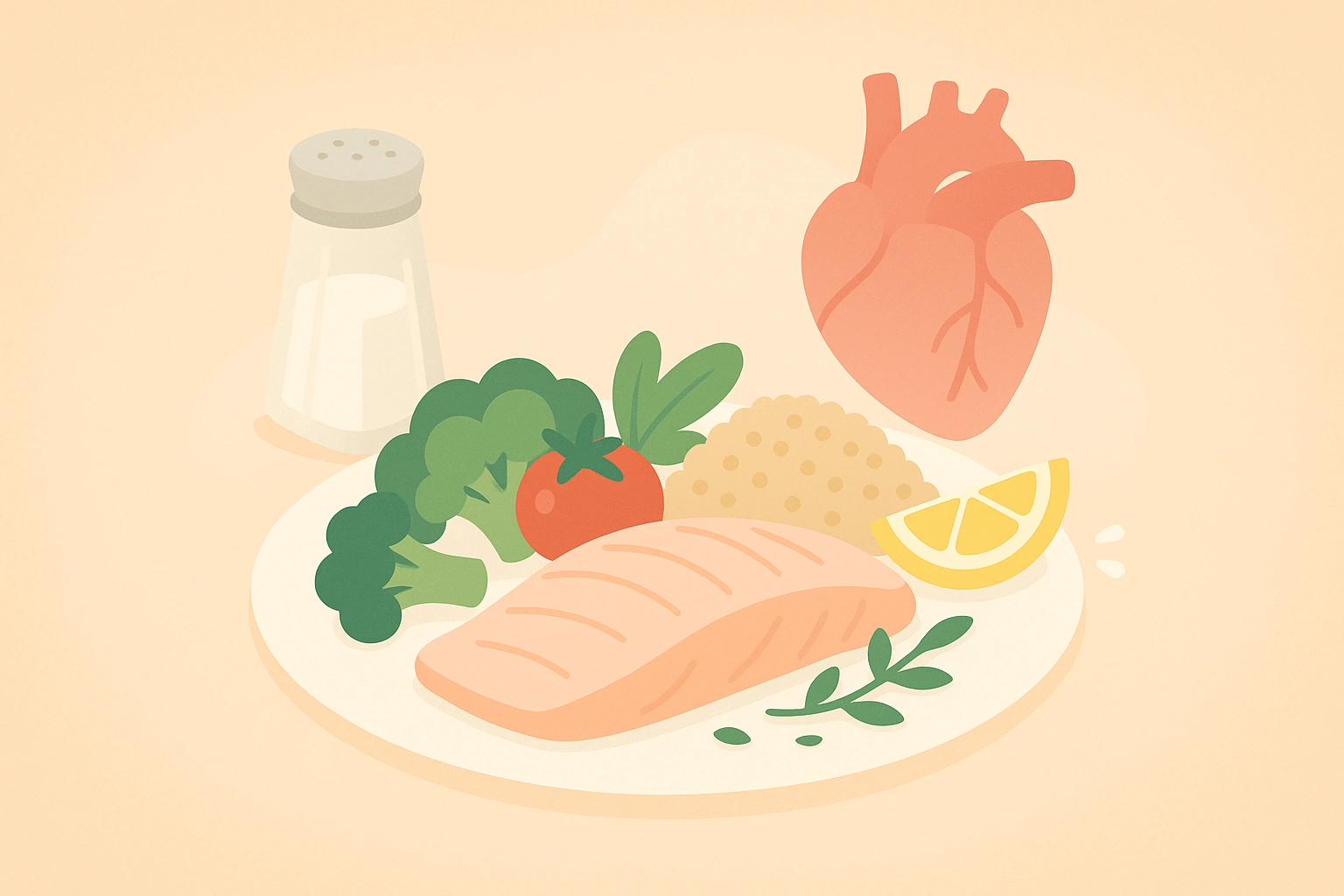
- Grilled salmon or baked chicken breast, seasoned with herbs and lemon
- 1/2 to 1 cup cooked quinoa or brown rice
- Roasted broccoli and sweet potato with a drizzle of olive oil
Evening
- Herbal tea and a small piece of fruit if you are still hungry
There is nothing exotic in that menu. It is mostly basic grocery store food, but the pattern is full of fiber, potassium, and magnesium, moderate in protein, and light on saturated fat and sodium.
Animal Based Foods, Plant Foods, And Blood Pressure
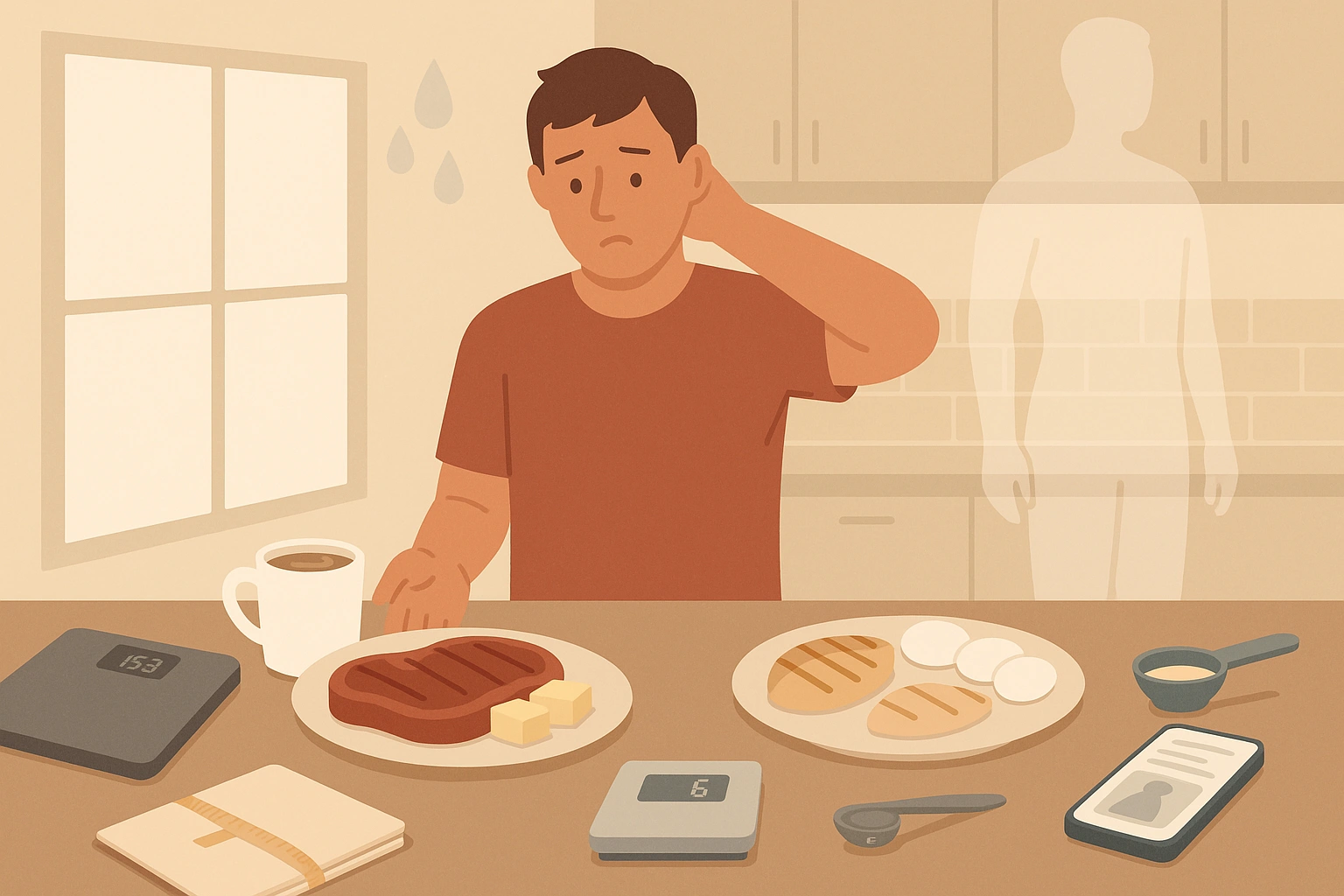
Some readers like to compare more animal based diets with plant heavy diets and wonder which is better for blood pressure. The honest answer is that quality and balance matters more then the label of the diet.
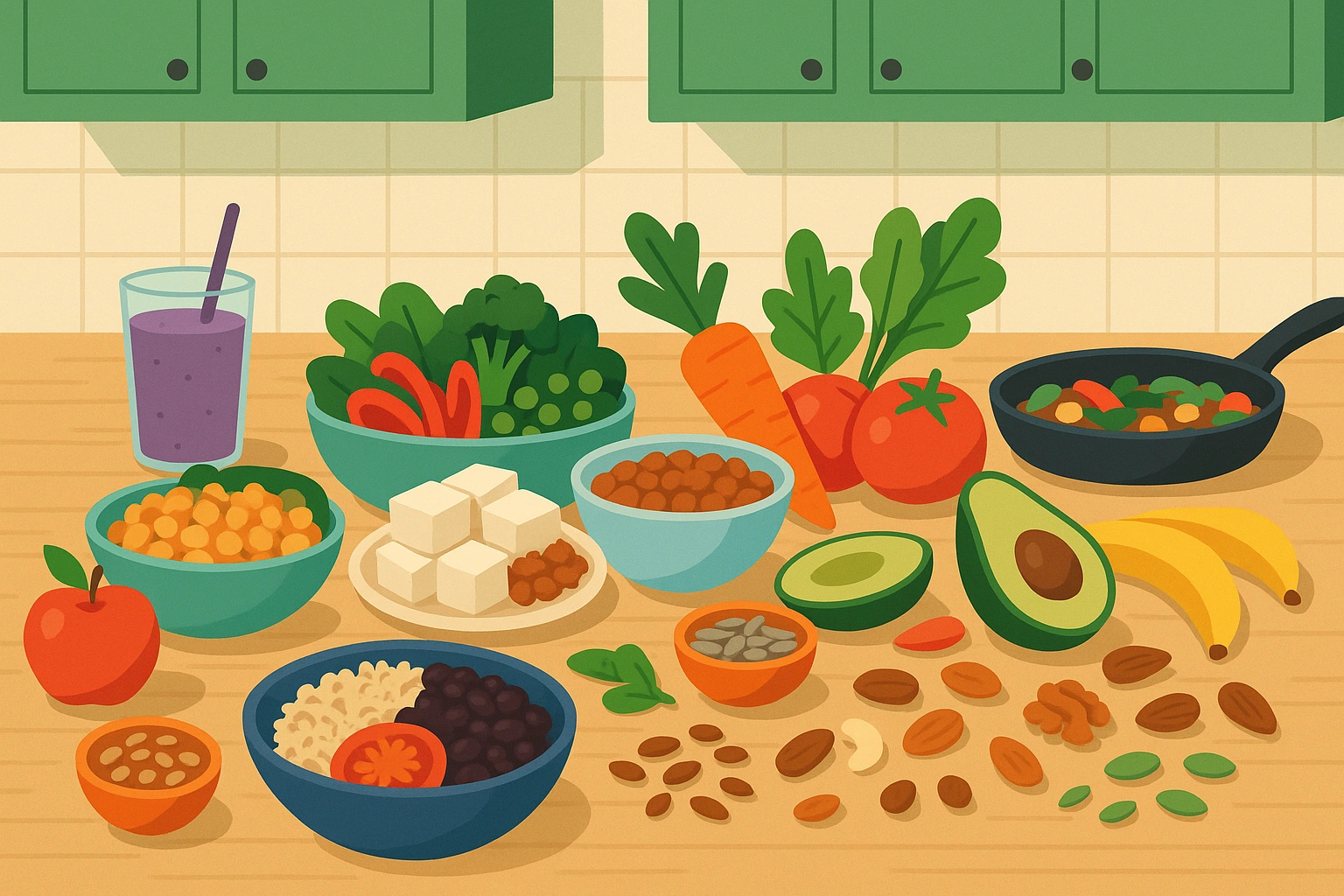
Plant forward diets, like DASH or Mediterranean styles, naturally come with more potassium, fiber, and antioxidants, all of which support lower blood pressure. Many studies show that people who eat more vegetables, fruits, beans, and whole grains have less hypertension and heart disease.
Animal foods can also fit in a blood pressure friendly diet when we choose wisely. Fish, eggs, yogurt, cottage cheese, and lean poultry can be good protein sources while still keeping saturated fat and sodium lower. Processed meats are the bigger problem due to both high salt and preserved meats link to higher cardiovascular risk.
For people curious about different ways to use animal foods in a structured eating pattern, resources such as https://dietlinic.com/animal-based-diet/ and the comparison of https://dietlinic.com/animal-based-diet-vs-plant-based-diet/ can offer more detail. No matter which side you lean toward, the same heart healthy rules keep showing up: less sodium and ultra processed foods, more real food, more color on the plate, and reasonable portions.
Weight, Blood Pressure, And Realistic Change
Body weight has a strong effect on blood pressure, but the connection is not about thinness or looks, it is about how much work the heart needs to do to push blood through the body. Excess visceral fat around the abdomen also bumps up hormones and inflammation that drive hypertension.
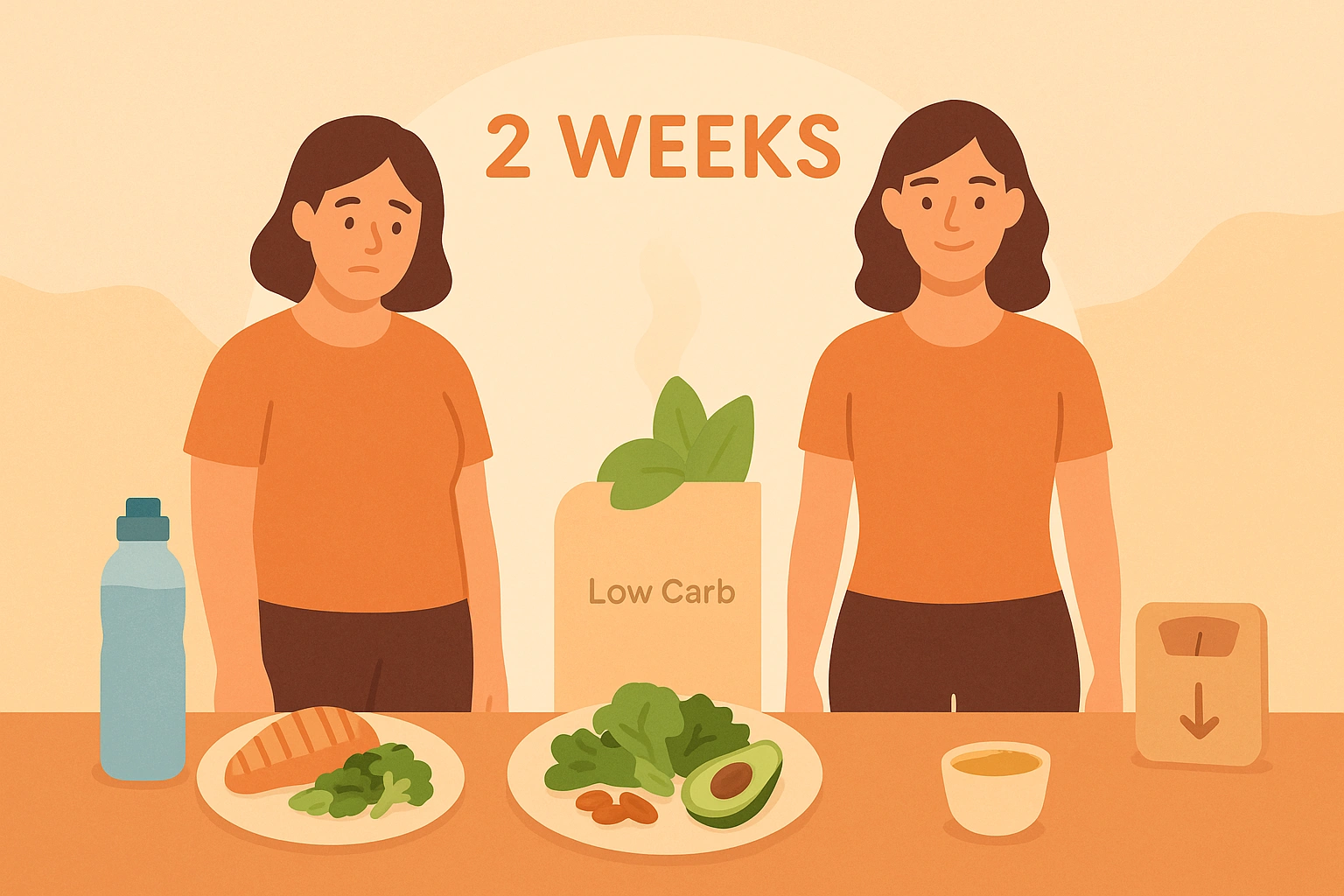
Research suggest that for many adults with high blood pressure, losing even 5 to 10 percent of starting body weight can reduce systolic blood pressure by around 5 points or more. That might mean 10 to 20 pounds for some people, not some dramatic crash diet. In practical terms, that could be a few inches off the waist and a lot less pressure on the heart.
Based on what many people report, sustainable weight loss usually comes from:
- Eating more filling high fiber foods so hunger is calmer.
- Cutting back liquid calories like soda, coffee drinks, and alcohol.
- Planning simple meals instead of grabbing fast food in a rush.
- Keeping some structure but not banning entire foods groups unless there is a medical reason.
For some, more structured approaches, including higher protein or even some animal based weight loss strategies, can work if they are planned around health and not just fast results. A discussion of those patterns, including pros and cons, can be found at https://dietlinic.com/animal-based-diet-for-weight-loss-does-it-work/.
Foods And Habits That Often Raise Blood Pressure
An honest answer to what is a good diet for high blood pressure always includes what to limit as well as what to add. Certain foods and habits can push numbers higher, especially when they stack together.
Common Triggers
- Heavy salty meals: ordering pizza plus wings plus soda is like a sodium tidal wave. Many people can see a bump in blood pressure the next day.
- Regular sugary drinks: sodas, sweet teas, and energy drinks raise blood sugar, insulin and often weight over time, all of which worsen hypertension.
- Excess alcohol: more than 1 drink per day for women or 2 for men is linked with higher blood pressure and higher risk of stroke.
- High intake of processed meats: bacon, sausage, deli meats, and hot dogs combine salt, preservatives, and saturated fat.
- Very low sleep and chronic stress: not technically diet, but they drive cravings for salty, fatty foods and raise stress hormones that boost blood pressure.
Many people notice that when they cut back on these triggers just a bit, they feel less bloated, sleep better, and often see better home blood pressure readings in a matter of weeks.
How To Start Shifting Your Diet Without Feeling Overwhelmed
If you are reading about what is a good diet for high blood pressure while looking at a pantry full of chips and instant noodles, it can feel like way too much. Small changes done consistently can still give real health payoff. Here are some realistic steps many people find easier to live with.
Step 1: Add Before You Subtract
Instead of starting with restriction, begin by adding:
- One extra serving of vegetables per day, maybe a side salad or frozen veggies with dinner.
- One piece of fruit as a snack instead of vending machine candy.
- One swap from white bread or white rice to a whole grain version a few times per week.
When you add high fiber, high potassium foods, cravings for salty ultra processed snacks often ease a bit on there own.
Step 2: Tackle Sodium Slowly
Going from 3400 mg of sodium to 1500 overnight is really hard. Try:
- Choosing low sodium or no salt added canned beans, tomatoes, and broths.
- Cooking one or two more dinners per week at home instead of takeout.
- Flavoring food with lemon, garlic, onion, herbs, black pepper, and smoked paprika.
Taste buds adapt over a few weeks. Foods that once seemed bland start to taste more full and complex when they are not drowned in salt.
Step 3: Plan Simple, Repeatable Meals
Real life is busy. The people who stick with heart healthy eating long term usually have a few go to meals that are:
- Quick to prepare, often under 20 minutes.
- Built from pantry and freezer basics like frozen vegetables, canned beans, eggs, tuna, or plain yogurt.
- Easy to repeat with small twists so they do not get boring.
One evening it might be black bean tacos with salsa and lettuce, another night it is a veggie omelet with whole grain toast, another night it is baked chicken thighs with frozen mixed veggies and a sweet potato. None of those are fancy, but all fit well in a blood pressure friendly pattern if salt is reasonable.
Reading Food Labels For Blood Pressure Health
Food labels can feel like a puzzle, but they are one of the strongest tools for managing hypertension through diet. When you pick up any packaged food, the sodium line in the Nutrition Facts panel is usually the first place to check.
As a rough guide:
- 140 mg sodium or less per serving is considered low sodium.
- 400 mg or more per serving is pretty high for something that is only one part of a meal.
- Percent Daily Value of 5 percent or less is low, 20 percent or more is high.
Be careful about how many servings are in the package. A small cup of instant noodles, for example, might list 800 to 900 mg sodium per serving but say there are two servings per container. Eating the whole thing could give more salt than some people should eat in a full day.
Monitoring Progress: How Fast Can Diet Change Blood Pressure
Many people wonder how fast numbers can improve once they follow a better diet. Research and real life experience both show that for some, changes start within a couple of weeks. In the original DASH trials, participants saw meaningful drops in both systolic and diastolic blood pressure within 2 weeks of shifting to the new eating plan.
The speed depend on several factors:
- How high blood pressure is at the start.
- How big the sodium reduction is.
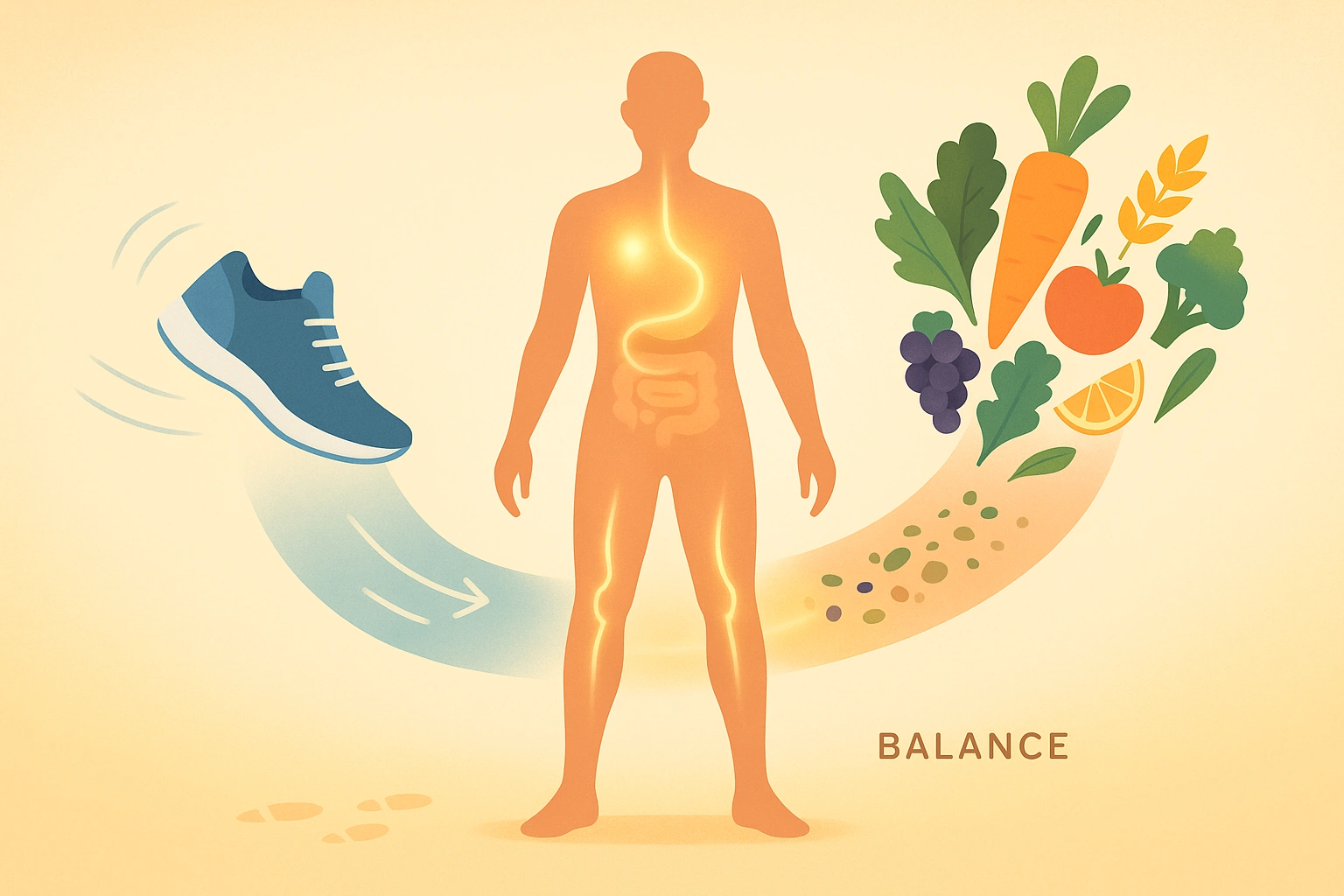
- Whether there are other changes like increased exercise or weight loss.
- Genetics and other health conditions.
Home blood pressure monitors can be extremely helpful. Tracking readings at consistent times, such as morning and evening, let you see if the changes you make in food and lifestyle are helping. Always share those readings with your healthcare provider so they can adjust medication safely if needed.
Frequently Asked Questions About Diet And High Blood Pressure
Is coffee bad for high blood pressure
Caffeine can cause a short term spike in blood pressure, especially in people who do not use it often. For many regular coffee drinkers, that effect is smaller. Most guidelines say that moderate coffee intake, about 1 to 2 cups per day, is usually fine for most people with controlled hypertension, but it is wise to check your own response. Taking a reading before and about 30 to 60 minutes after coffee can show if it cause a large jump for you.
Do I have to avoid salt completely
No, the goal is not zero sodium, it is less sodium and better balance with potassium and other nutrients. Completely salt free food can feel miserable and is not necessary. The key is cutting back on heavy processed and restaurant foods and seasoning most home cooked food more lightly.
Can low carb or animal heavy diets still work for blood pressure
They can, but the details matter a lot. If a diet is heavy in processed meats, sodium and saturated fat, it usually makes blood pressure worst over time. If someone chooses a higher protein or lower carb plan based around fresh meat, fish, eggs, low sodium cheese, plus plenty of vegetables and healthy fats, it may still support better blood pressure, especially if it leads to modest weight loss. Reading more about structured animal based meal ideas at https://dietlinic.com/animal-based-diet-meal-ideas-recipes/ can help you decide how that might fit your needs.
Putting It All Together: What Is A Good Diet For High Blood Pressure
When we pull all the pieces together, what is a good diet for high blood pressure comes down to a pattern that is rich in vegetables, fruits, beans, whole grains, nuts, seeds, and modest amounts of lean proteins, with limited sodium, added sugar, and ultra processed foods. DASH style eating, Mediterranean patterns, and other plant forward approaches fit that description and carry the strongest research support.
Food is not a magic cure, but it is one of the few parts of treatment fully in our daily control. Every time we pick a lower sodium option, add a serving of vegetables, cook a simple meal at home, or skip a sugary drink, we shift the pressure on our arteries just a little bit in a better direction. Over months and years, those small decisions stack up into lower risk of stroke, stronger heart function, and a better chance of staying active and independant as we age.
If you live with hypertension or prehypertension, working with your doctor or a registered dietitian to shape an eating plan you can live with is worth the effort. The right diet for high blood pressure is not perfect, it is the one you can stick to most days, that makes you feel stronger instead of deprived, and that quietly supports your heart in the background while you get on with living your life.
Leave a Reply