
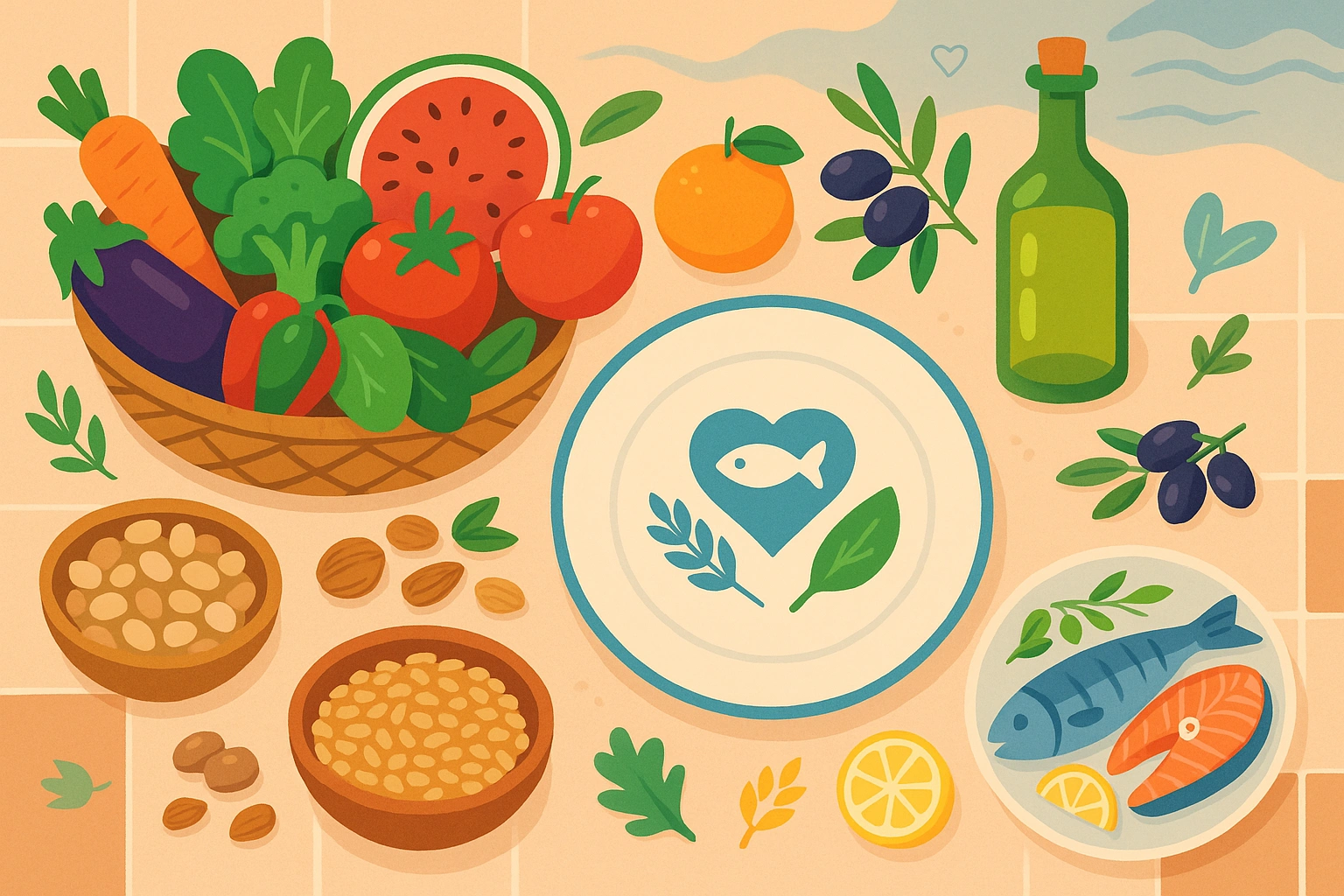

When people search what foods are in the Mediterranean diet, they usually want clear, simple direction. They want to know what to put on the plate today, this week, and for the long run. The Mediterranean way of eating is less about strict rules and more about a pattern of whole foods that support heart health, healthy weight, and steady energy. It is built around plants, but it also include seafood, dairy in small amounts, and even some red wine for those who drink alcohol.
What Is The Mediterranean Diet, Really?
The Mediterranean diet is based on the traditional eating habits of countries that border the Mediterranean Sea, like Greece, Italy, Spain, and parts of France. Researchers first noticed that people from these regions had lower rates of heart disease and longer life expectancies compared to many Western countries, even though they were not counting calories or avoiding all fats.
Instead of focusing on one “magic” food, this eating pattern focus on the big picture:
- Mostly plant based foods like vegetables, fruits, whole grains, beans, and nuts
- Olive oil as the main source of added fat
- Fish and seafood several times per week
- Moderate amounts of dairy, eggs, and poultry
- Little red meat, sweets, and ultra processed foods
According to a 2023 review in the journal Nutrients, people who follow a Mediterranean style eating pattern have lower risk of cardiovascular disease, type 2 diabetes, and some cancers compared to those on more Western-style diets. For many of us in the United States, this diet can feel both familiar and refreshingly different, because it keeps flavor while tightening up the quality of our daily choices.
Core Food Groups: What Foods Are In The Mediterranean Diet?
When we break down what foods are in the Mediterranean diet, it helps to think in layers. The base is plants, the middle is seafood and lean proteins, and the top is “sometimes” foods like sweets or red meat.
1. Vegetables: The Foundation Of Most Meals
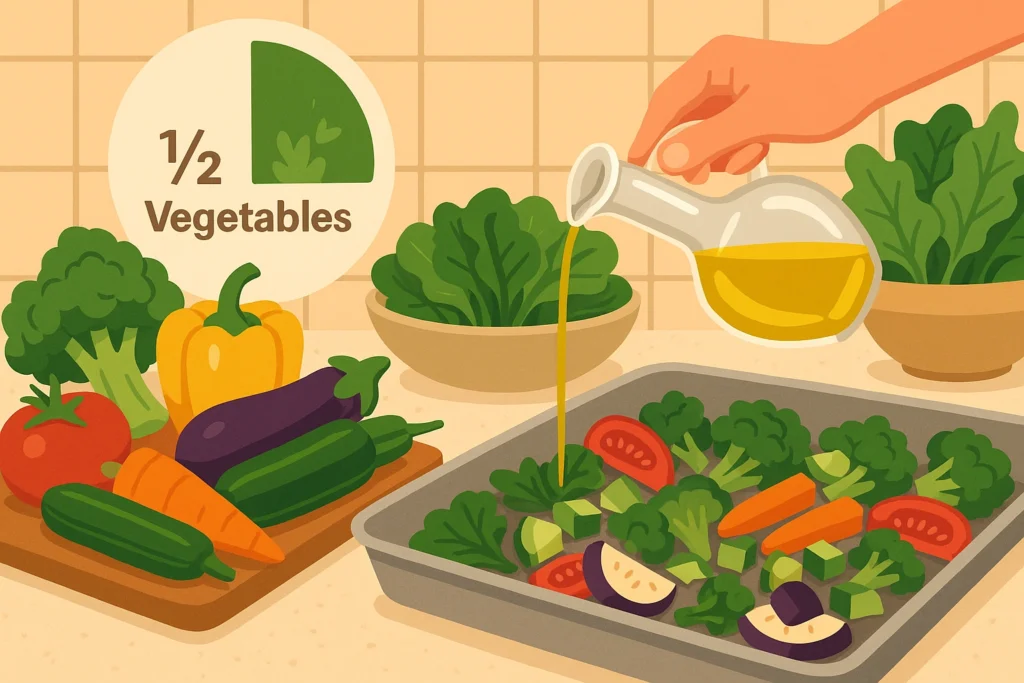
Vegetables are the clear star of the Mediterranean table. They show up at breakfast, lunch and dinner, and often in snacks too. Fresh, frozen, and canned (with no heavy sauces) can all fit.
Common vegetables in Mediterranean style eating include:
- Leafy greens: spinach, arugula, romaine, kale, chard
- Cruciferous veggies: broccoli, cauliflower, cabbage, Brussels sprouts
- Nightshades: tomatoes, bell peppers, eggplant
- Root vegetables: carrots, beets, potatoes (especially with skins), onions
- Other staples: zucchini, cucumbers, green beans, fennel, artichokes
Practical tip: Aim for at least half your plate at lunch and dinner to come from colorful vegetables. Roasting with olive oil, garlic, and herbs can turn plain veggies into a dish that taste like comfort food, not a chore.
2. Fruits: Daily Sweetness From Nature
Fruit in the Mediterranean diet is often eaten fresh and whole instead of in juices. It often replaces dessert or processed snacks. Many Mediterranean countries serve fruit at the end of the meal, sometimes with a bit of cheese or nuts.
Typical fruits in this eating pattern include:
- Citrus: oranges, clementines, lemons, grapefruit
- Stone fruits: peaches, apricots, plums, cherries
- Berries: strawberries, blueberries, raspberries, blackberries
- Grapes and figs: fresh or dried, in moderation
- Apples, pears, and pomegranates
Many of us are used to very sweet, processed desserts. Swapping a nightly pastry or sugary ice cream with a bowl of berries and a spoon of Greek yogurt may sound small, but over months it can cut thousands of excess calories and added sugars.
3. Whole Grains: Slow Burning Energy
Whole grains give fiber, B vitamins, and steady energy. In the Mediterranean region, bread, grains, and pasta are common, but they are usually eaten in moderate portions and paired with plenty of vegetables, beans, and healthy fats.
Whole grains in the Mediterranean diet include:
- Whole grain bread and pita (not white, refined bread)
- Oats and barley
- Brown rice and wild rice
- Bulgur (cracked wheat, used in tabbouleh)
- Farro, spelt, and other ancient grains
- Whole grain pasta
From a practical point of view, one of the simplest changes is swapping white bread for a dense whole grain loaf, or replacing half your white rice with brown rice or barley. Many people report better digestion and fewer energy crashes when they make this change.
4. Legumes: Beans, Lentils, And Chickpeas
Legumes are a workhorse in this diet. They are cheap, filling, and loaded with fiber and plant protein, which is why they appear often in traditional Mediterranean cooking.
Common legumes include:
- Chickpeas (used in hummus and stews)
- Lentils (green, brown, red, or black)
- White beans (cannellini, Great Northern, navy beans)
- Black beans and kidney beans
- Peas (fresh, frozen, or dried)
Observational data suggest that higher legume intake is linked to better cholesterol levels and reduced blood pressure. When we replace part of our red meat with beans even 2 or 3 times per week, we tend to reduce saturated fat and raise fiber without feeling more hungry.
5. Nuts And Seeds: Small But Powerful
Nuts and seeds give healthy fats, protein, and minerals. They are used as snacks, in salads, and in sauces. The key is portion: they are calorie dense, so a small handful goes a long way.
Favorites in Mediterranean-style eating include:
- Almonds and walnuts
- Pistachios and hazelnuts
- Pine nuts (often sprinkled on salads or pasta)
- Sesame seeds and tahini (sesame seed paste)
- Sunflower seeds and pumpkin seeds
Research from 2022 shows that regular nut intake is associated with lower risk of cardiovascular disease and improved weight control, likely because nuts improve satiety and help replace lower quality snacks. A mix of nuts with a piece of fruit can be a simple afternoon snack that actually tides you over until dinner.
6. Olive Oil: The Signature Fat
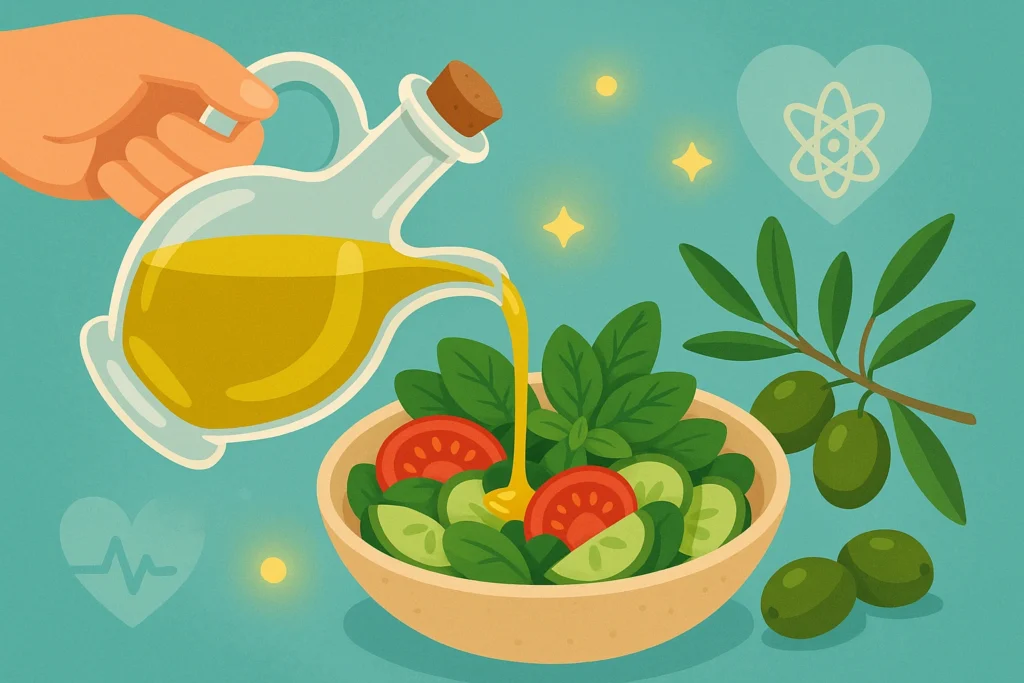
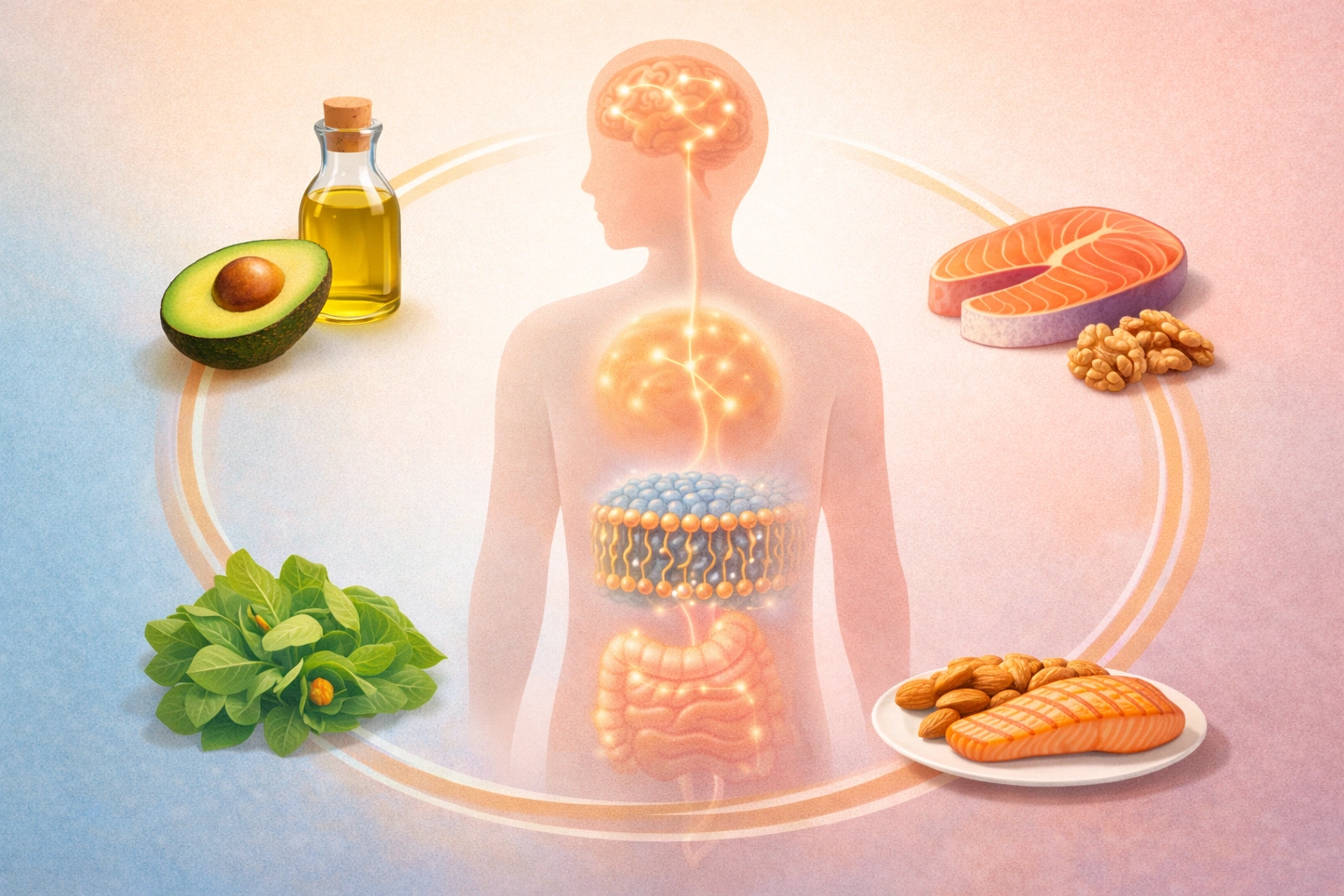
If we had to pick the single ingredient that defines what foods are in the Mediterranean diet, extra virgin olive oil would be that food. It is used for cooking, dressing salads, drizzling over vegetables, and even dipping bread.
Why olive oil matters:
- Rich in monounsaturated fats that support heart health
- Contains polyphenols with anti inflammatory and antioxidant effects
- Helps the body absorb fat soluble vitamins like A, D, E, and K
In the large PREDIMED trial, people following a Mediterranean diet rich in extra virgin olive oil had about 30 percent lower risk of major cardiovascular events compared to those on a lower fat diet. Many American kitchens still lean heavy on butter, margarine, or highly refined vegetable oils. Replacing most of those with extra virgin olive oil is a simple, evidence-backed shift.
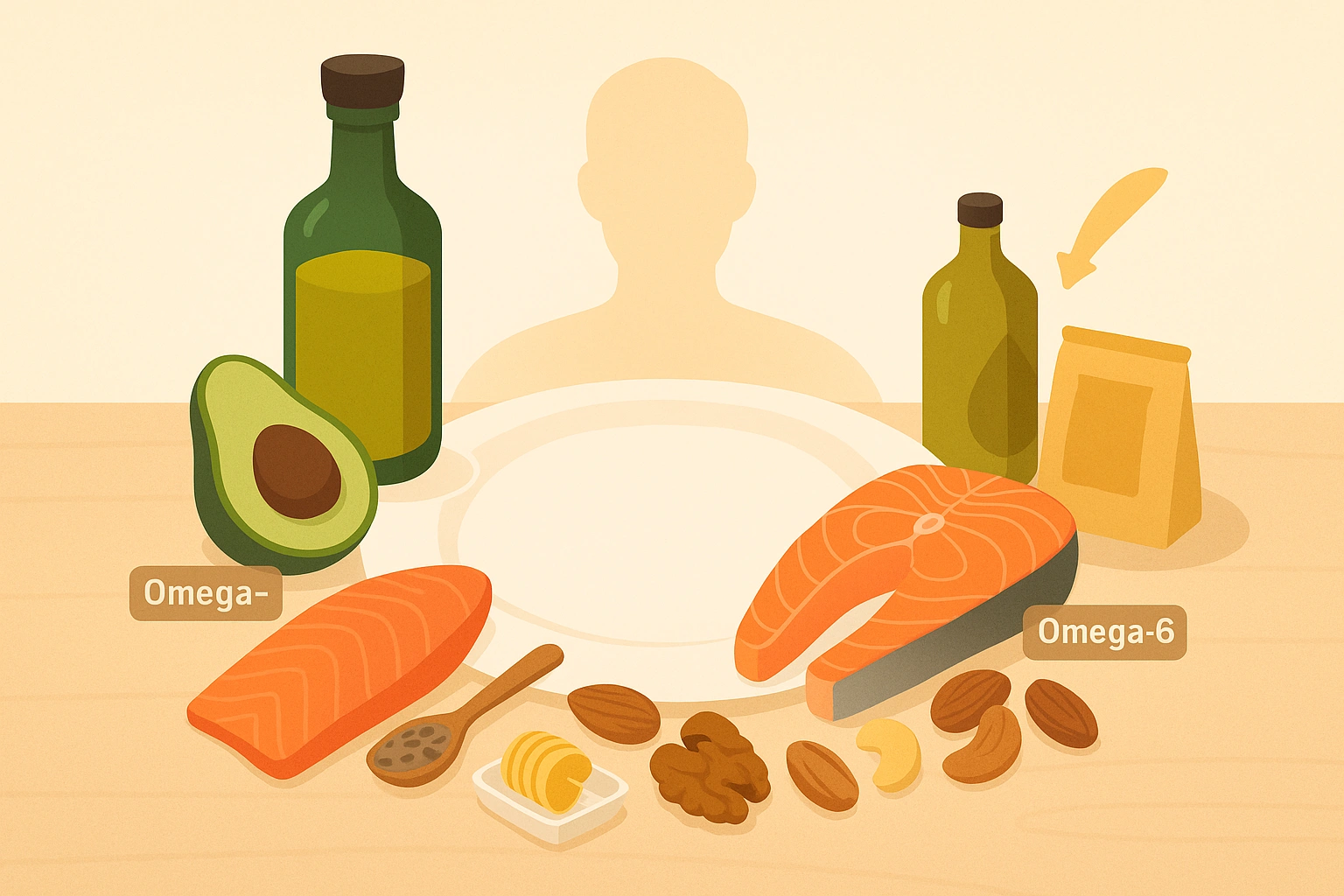
7. Fish And Seafood: Omega 3 Powerhouses
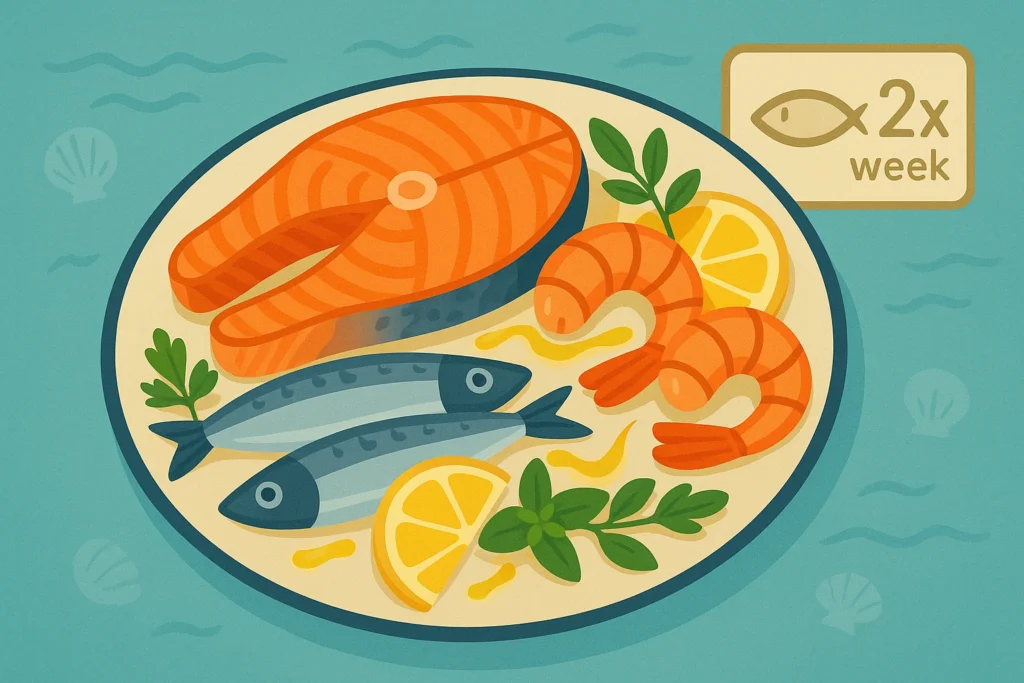
Fish and seafood appear several times a week in Mediterranean style diets. They bring lean protein and omega 3 fatty acids, which support heart, brain, and joint health.
Commonly used options include:
- Fatty fish: salmon, sardines, mackerel, anchovies, trout, herring
- Lean white fish: cod, haddock, tilapia, sea bass, sole
- Shellfish: shrimp, mussels, clams, crab, scallops
For people in the U.S. who are not used to seafood, 2 servings per week is a realistic starting target. Grilling, baking, or pan searing fish in olive oil with lemon and herbs keeps prep simple and healthier than deep frying.
8. Poultry, Eggs, And Dairy: In Moderation
Unlike many strict plant based patterns, the Mediterranean diet does not fully avoid animal foods. It simply leans into moderation and quality.
Typical animal based foods include:
- Skinless chicken or turkey, usually baked, grilled, or stewed
- Eggs, often used several times per week
- Yogurt, especially plain Greek yogurt
- Cheeses like feta, Parmesan, pecorino, and ricotta (small portions)
- Milk or kefir, often from cow, goat, or sheep
Compared to a classic animal based diet where red meat and processed meats are daily staples, Mediterranean eating keeps these on the lower end and uses poultry, eggs, and dairy to round out protein needs. If you are curious how animal heavy patterns compare with more plant leaning ones, our discussion on animal based diet vs plant based diet gives more context.
9. Red Meat And Processed Meat: Limited But Not Forbidden
Red meat is not totally banned, but it shows up less often. In many traditional Mediterranean regions, red meat is eaten a few times per month, usually in smaller portions, sometimes as part of a stew full of vegetables and beans.
Examples include:
- Beef and lamb in small servings
- Processed meats like sausages, bacon, and salami only on occasion
This is a contrast to some modern Western diets, where processed meats appear at almost every meal. Research from 2022 still link processed meat with higher risks of colon cancer and heart disease, so cutting back here is one of the most powerful improvements many of us can make.
10. Herbs, Spices, And Flavor Builders
One reason the Mediterranean diet is easier to stick with compared to some other “healthy” diets is flavor. Instead of depending on heavy sauces or large amounts of salt, cooks rely on fresh herbs, spices, citrus, and garlic.
Common flavor builders include:
- Herbs: basil, oregano, parsley, rosemary, thyme, dill, mint
- Spices: cumin, coriander, paprika, black pepper, cinnamon
- Aromatics: garlic, onions, shallots, leeks
- Citrus: lemon, lime, orange zest and juice
- Vinegars: red wine vinegar, balsamic vinegar, apple cider vinegar
These ingredients help reduce the need for butter, cream sauces, or heavy amounts of cheese. When people tell us they are bored with “healthy food,” usually they are underusing herbs and spices. A simple drizzle of olive oil, squeeze of lemon, and sprinkle of fresh herbs can change how a whole plate tastes.
Foods To Eat More Of, Less Of, And Occasionally
To make the idea of what foods are in the Mediterranean diet more practical, it helps to group them into three buckets. Think of this less as a rulebook and more as a friendly map.
Eat Freely (Daily Or Near Daily)
These foods can form the bulk of your meals most days:
- Non starchy vegetables of all colors
- Fruits, fresh or frozen without added sugar
- Whole grains like oats, barley, farro, brown rice, whole grain bread
- Beans, lentils, and chickpeas
- Olive oil as main added fat
- Herbs, spices, garlic, onions
- Water, herbal tea, and coffee (without heavy cream and sugar)
Eat Regularly But In Moderation
These show up several times per week, but portion size matter more:
- Fish and seafood (aim for at least 2 times per week)
- Poultry like chicken and turkey
- Eggs (often up to 7 per week in many studies)
- Plain yogurt and small amounts of cheese
- Nuts and seeds (small handful daily is plenty)
Eat Occasionally
These are not fully off limits, but they are more of a “now and then” category:
- Red meat like beef, lamb
- Processed meats like bacon, sausage, hot dogs, deli meats
- Refined grains such as white bread, pastries, white pasta in huge portions
- Sugary drinks like soda, sweet tea, energy drinks
- Candy, packaged desserts, and high sugar snacks
- Highly processed fast foods
Some people worry that if they do not follow this perfectly, it “doesn’t count.” Real life rarely look perfect. Based on current research and real-world experience, the health benefits mostly track with how strongly you lean in this direction over months and years, not whether every single meal is flawless.
Sample Mediterranean Style Day: What The Foods Look Like Together
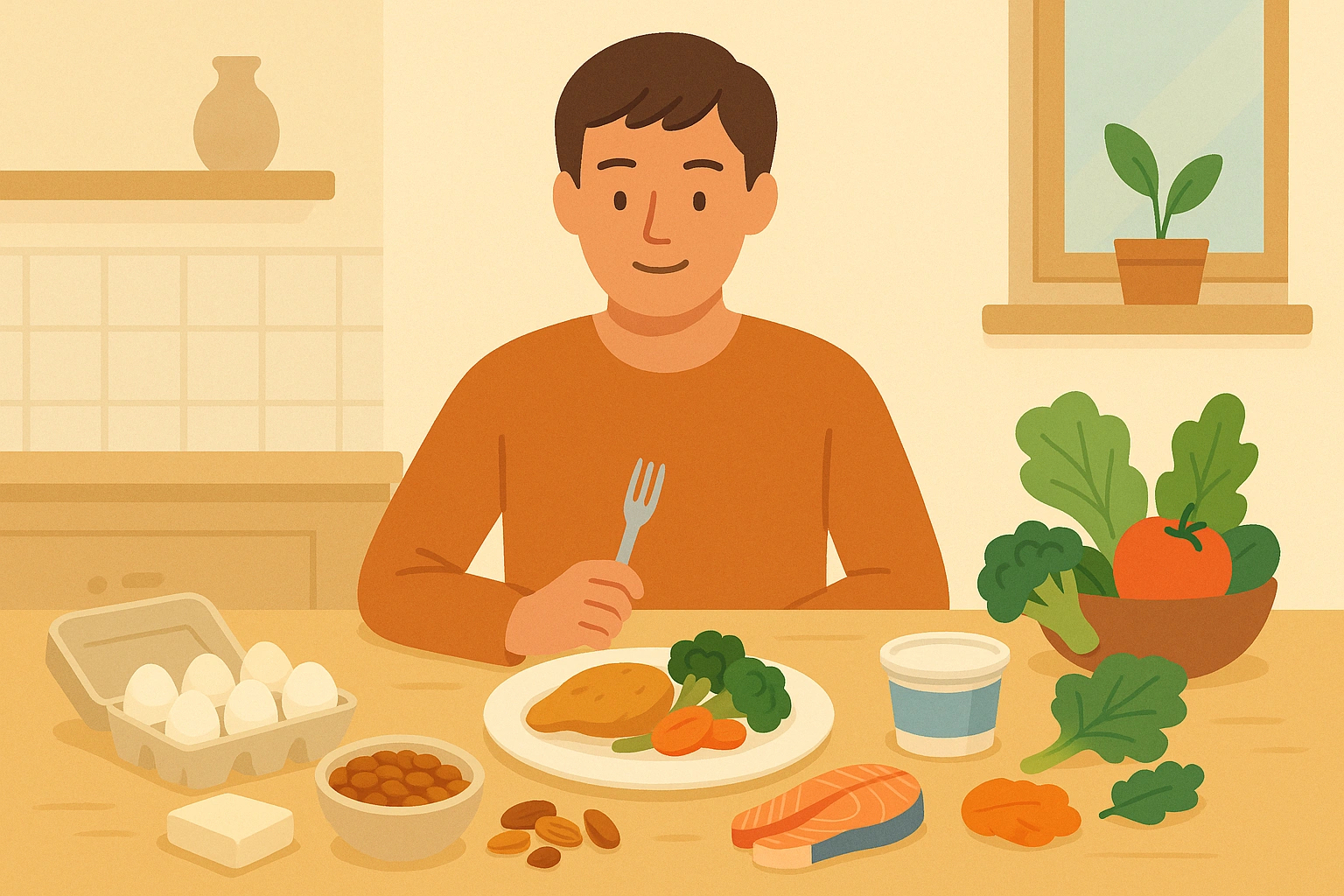
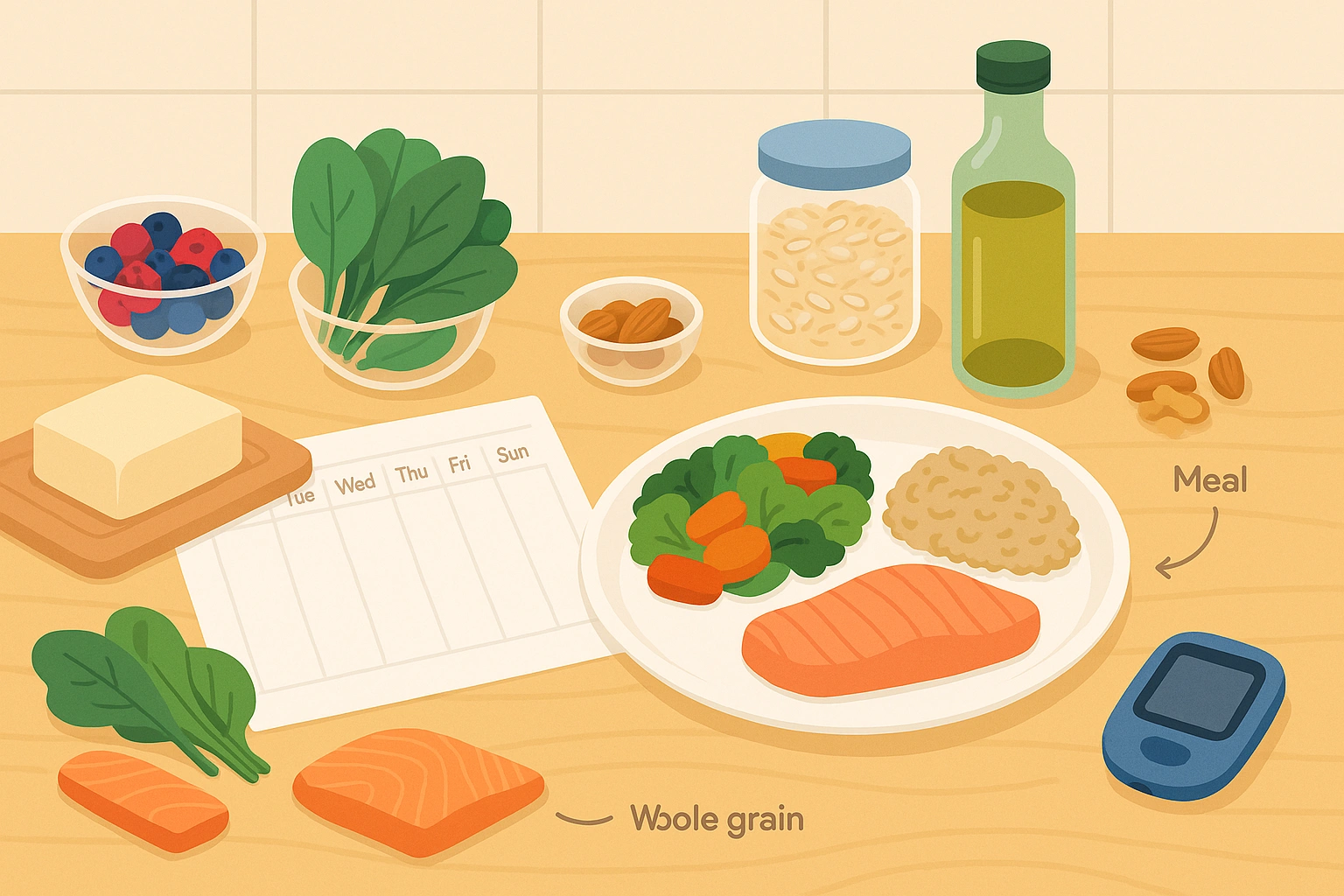
Once we know what foods are in the Mediterranean diet, the next question is often, how do I combine them. Here is a simple example of one day that still feels familiar to many U.S. eaters.
Breakfast
Greek yogurt bowl with:
- Plain Greek yogurt
- Fresh berries (strawberries and blueberries)
- Small handful of chopped walnuts
- Drizzle of honey and sprinkle of cinnamon
Plus unsweetened coffee or tea.
Lunch
Whole grain pita stuffed with:
- Hummus
- Chopped cucumbers and tomatoes
- Leafy greens
- Olives and a few feta crumbles
Side of carrot sticks or a small bowl of lentil soup.
Dinner
Baked salmon drizzled with olive oil, lemon, garlic, and dill. Served with:
- Roasted broccoli and red peppers
- Small serving of brown rice or farro
Optional: small glass of red wine for adults who already drink.
Snack Ideas
- An apple with a tablespoon of almond butter
- A handful of mixed nuts
- Sliced bell peppers with tzatziki dip
- A small piece of dark chocolate and a few strawberries
When people first try a day like this, they often notice they feel satisfied but not heavy. Cravings for sweets may not disappear overnight, but they often soften when protein, fiber, and healthy fats are consistent.
How The Mediterranean Diet Supports Health
Beyond knowing what foods are in the Mediterranean diet, it helps to understand why they matter. Many of the health benefits come from how these foods work together.
Heart Health And Blood Vessels
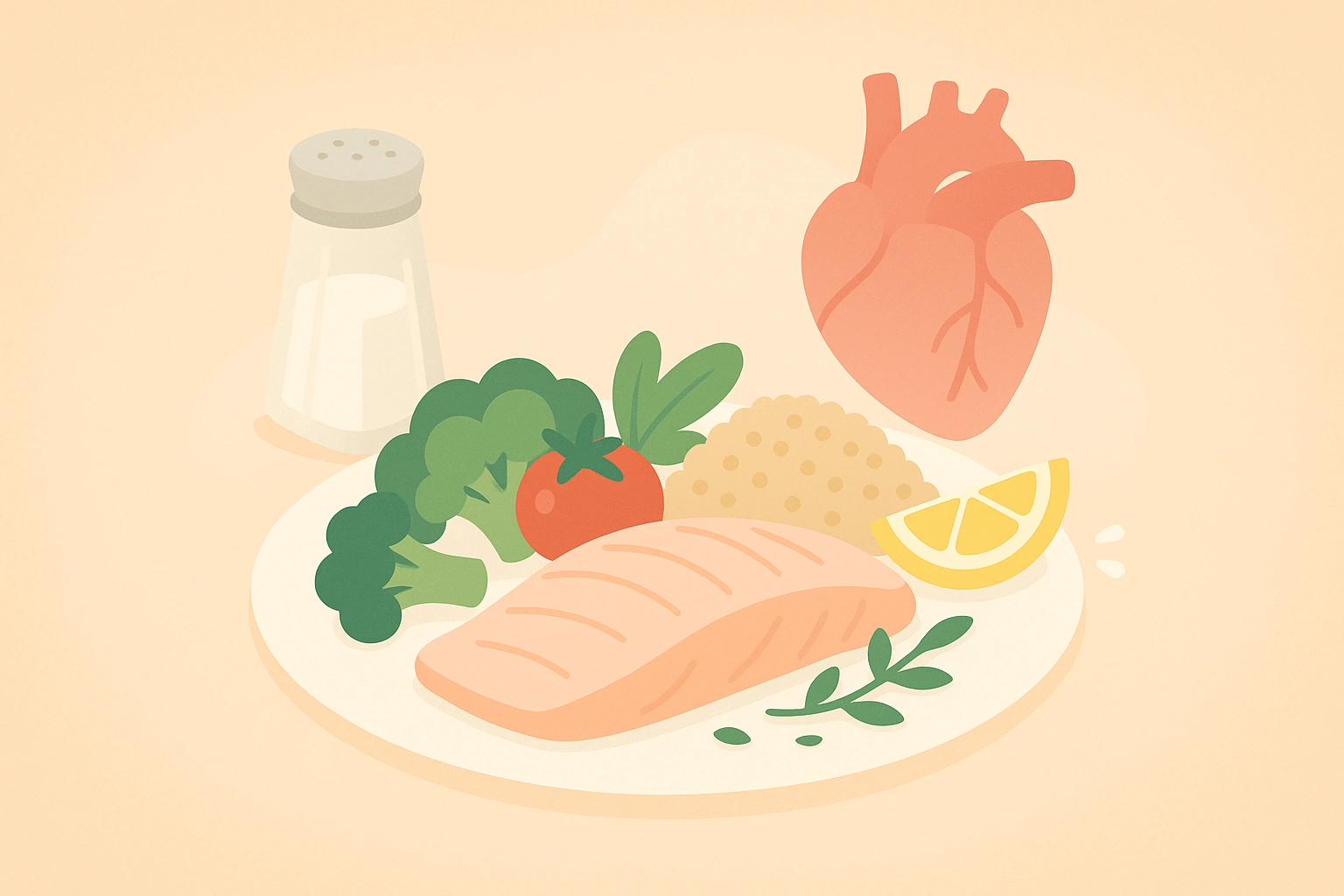
This pattern is high in fiber, unsaturated fats, and antioxidants, and low in trans fats and excess added sugars. That combination tends to:
- Lower LDL (“bad”) cholesterol
- Help raise or maintain HDL (“good”) cholesterol
- Support healthy blood pressure
- Reduce chronic inflammation that can damage blood vessels
Large studies over the last decade consistently show reduced heart attack, stroke, and cardiovascular death among people with high adherence to Mediterranean-style eating compared to lower adherence.
Blood Sugar And Weight Management
The emphasis on whole grains, beans, and vegetables slows digestion and moderates blood sugar spikes. For people with prediabetes or type 2 diabetes, this style of eating is one of the better supported dietary choices.
From a weight control standpoint, many people find that the combination of fiber, protein, and healthy fats leaves them less hungry between meals, even when they gently reduce total calories. It doesn’t feel like the typical diet “struggle” because the food is satisfying.
Brain And Mood Support
Emerging research connects Mediterranean patterns with lower risk of cognitive decline and depression. Fatty fish, olive oil, nuts, leafy greens, and berries appear especially helpful. While we cant promise miracles, it make sense that feeding our brain steady nutrients and avoiding chronic inflammation can support better mood and memory over time.
How To Transition Toward Mediterranean Eating
Changing how we eat is as much emotional and social as it is nutritional. Food is tied to family, culture, habits, and comfort. So we usually recommend starting with small, steady changes instead of an extreme overhaul.
Start With One Meal Or Habit
You might pick one of these simple goals:
- Switch your cooking fat from butter to olive oil most of the time
- Add a serving of vegetables to lunch and dinner
- Eat fish instead of red meat at least twice a week
- Replace sugary drinks with water, sparkling water, or unsweet tea
Even one change, repeated daily, can shift lab numbers over a few months. Many of my readers say that once they feel better from those first changes, they are more motivated to keep going.
Plan Your Kitchen Around Mediterranean Staples
It is much easier to follow this pattern when your pantry and fridge match your goals. Consider stocking:
- Olive oil, vinegar, and key herbs and spices
- Canned beans and chickpeas, canned tomatoes, whole grain pasta
- Frozen vegetables and frozen berries
- Plain Greek yogurt, eggs, and a small selection of cheeses
- Nuts, seeds, and whole grain bread or pitas
Planning a few simple recipes in advance also helps. If you also enjoy exploring more animal focused options, you can still pull ideas from an animal based diet meal ideas guide and adjust them with Mediterranean principles by adding more vegetables, swapping butter for olive oil, or turning a heavy meat dish into a bean rich stew.
Common Misconceptions About The Mediterranean Diet
Because this pattern is popular, there are also some myths around what foods are in the Mediterranean diet.
Myth 1: It Is Just Pasta, Bread, And Wine
Many Americanized “Mediterranean” restaurant meals double down on white pasta, cheese, and large glasses of wine. Traditional Mediterranean plates tend to be much higher in vegetables, beans, and whole grains, with smaller portions of pasta or bread and lighter use of cheese.
Myth 2: It Is Too Expensive
Olive oil and fresh fish can cost more upfront, but beans, lentils, seasonal vegetables, and whole grains are some of the most budget friendly foods in the grocery store. When households cut back on soda, chips, processed snacks, and fast food, there is often room in the budget for better quality core ingredients.
Myth 3: You Must Eat Exactly Like Greece Or Italy
The core principles can be adapted to almost any culture or food preference. For example, you can use Mexican, Middle Eastern, or American flavors while keeping the same basic pattern: extra vegetables, beans, whole grains, olive oil, seafood and poultry in moderation, and few processed foods.
Bringing It All Together
When we ask what foods are in the Mediterranean diet, the answer is both simple and deep. The plate is built mostly from vegetables, fruits, whole grains, beans, nuts, and olive oil. Fish and seafood show up several times per week, while poultry, eggs, and dairy appear in moderate amounts. Red meat, processed foods, and sugary items slide into the “occasionally” corner instead of centering every meal.
This way of eating is not a short term cleanse. It is a flexible, flavorful pattern with strong science behind it and plenty of room for real life. If you start by adding more colorful plants, swapping your main fat to olive oil, and eating fish a bit more often, you are already moving toward a Mediterranean style plate, one satisfying, realistic meal at a time.

Leave a Reply