
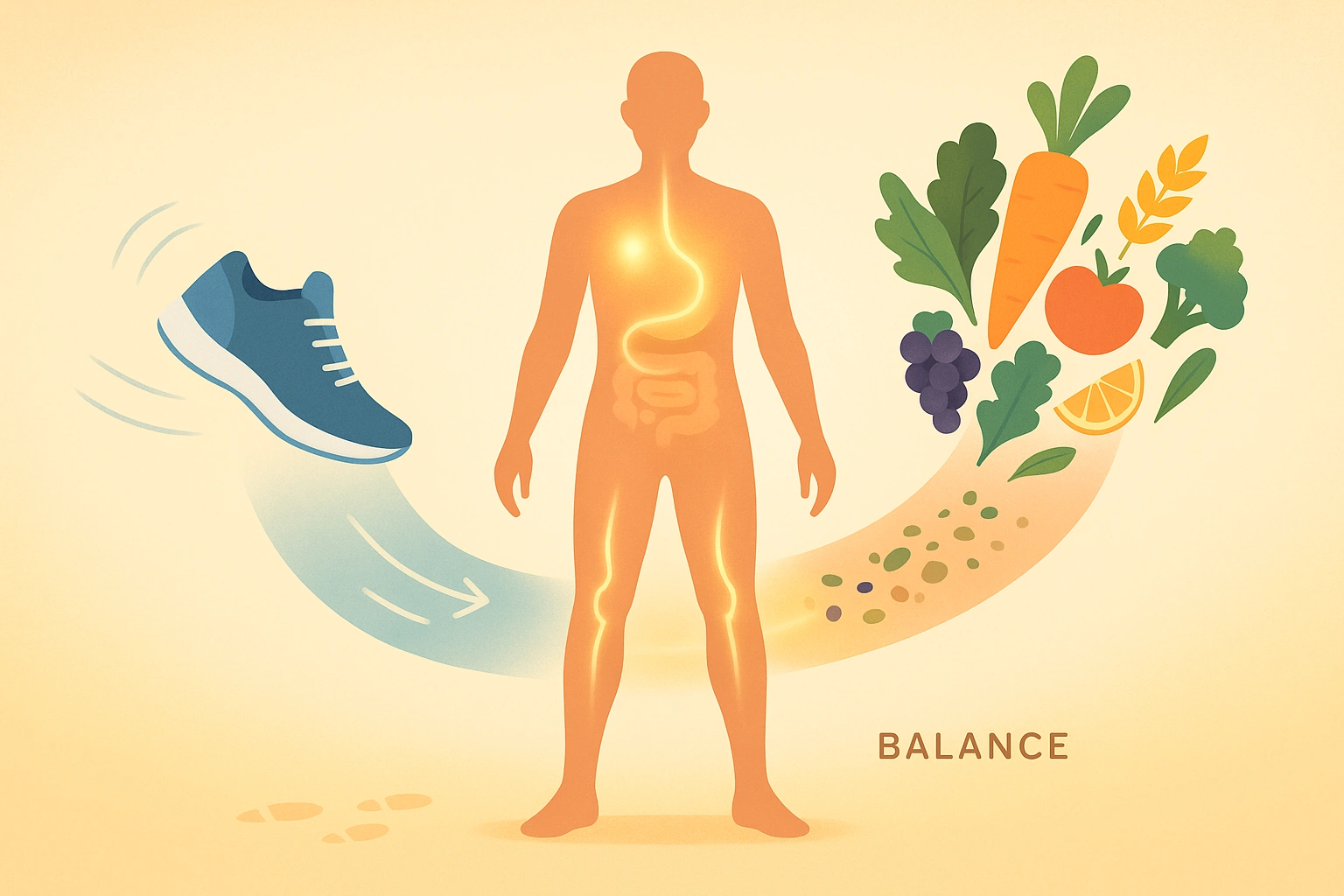

When people search for what does exercising with diet do to your body, they usually want a clear, honest picture. What really happens inside our body when we stop guessing, start moving on purpose, and pair that movement with better food choices. The short answer is that almost every system in the body responds. Weight, hormones, mood, gut, sleep, cravings, even how we age. They all shift when exercise and nutrition are working together instead of fighting each other.
Why exercise plus diet works better than either alone
Many of us try one thing at a time. We cut carbs but barely move. Or we crush workouts while still eating fast food for dinner most nights. Then we wonder why results feel so slow or stop completely.
When we ask what does exercising with diet do to your body, we are really asking about synergy. How two habits that already work fairly well on thier own suddenly work dramatically better when combined.
Here is what recent evidence is showing:
- A 2023 analysis in Obesity Reviews reported that combining structured exercise with dietary changes led to larger and more consistent fat loss then diet alone, especially over 6 months or more.
- Research from the American Heart Association shows that people who pair moderate exercise with calorie control improve blood pressure, cholesterol, and blood sugar more quickly then people who only change food or only move more.
- Long term weight maintenance is strongly linked to both habits. In the National Weight Control Registry, most people who kept off 30 pounds or more for over a year reported high levels of physical activity plus ongoing attention to diet.
So the body does not just lose weight. It often becomes more efficient, more resilient, and better able to handle stress. Let us break down what is actually happening.
How your metabolism responds when you exercise and change your diet
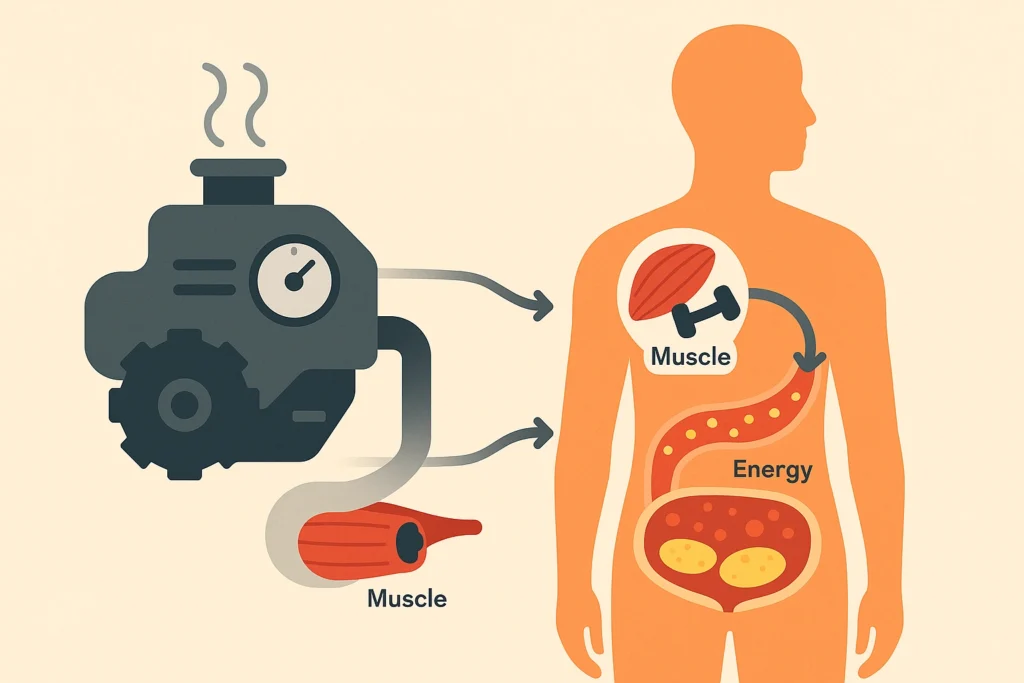
Metabolism is the network of chemical reactions that turns food into usable energy. People often talk about it like a fixed speed, but it is more like a smart engine that adjust to how we eat and move.
1. Resting metabolic rate and muscle mass
When you cut calories without moving much, the body try to protect itself. It lower resting metabolic rate to save energy. That is one main reason many diets slow down after a few weeks. The body adjusts.
Add exercise, especially strength training, and we send a completely different signal. Instead of “we are starving” the body hears “we need to be strong and active.” So it try harder to keep or even add muscle tissue. This matters because:
- Muscle burns more calories than fat at rest, even when we sit or sleep.
- More muscle helps control blood sugar, since glucose can be stored and used directly in muscle cells.
- Strong muscles support joints and reduce injury risk, so we can stay active longer.
Based on current data, people who combine resistance training with moderate calorie reduction typically lose more fat and less lean tissue than those who just diet. Over time, that means a higher resting metabolic rate and easier weight control.
2. Insulin sensitivity and blood sugar control
Exercise literally pulls sugar out of the blood. During activity, muscles use glucose as a fast energy source. At the same time, regular workouts make cells more sensitive to insulin, the hormone that helps move glucose from the blood into cells.
Pair that with a diet lower in ultra processed foods and added sugar, and we reduce the constant spikes and crashes in blood sugar that so many people deal with daily. Studies in 2022 and 2023 found that lifestyle programs combining both habits could reduce the risk of type 2 diabetes in high risk adults by 40 to 60 percent.
You may notice this in everyday life as:
- Fewer afternoon crashes.
- Less intense sugar craving after meals.
- More stable energy across the whole day.
3. Fat oxidation and where you lose weight
Another key part of what does exercising with diet do to your body is how we burn stored fat, especially around the belly. Cardio, interval training, and even brisk walking encourage the body to use fat as fuel. A balanced diet, with enough protein and fiber, helps you stay full and makes it easiar to stick to a calorie deficit without feeling constantly hungry.
Research shows that when exercise is added to calorie control, we are more likely to reduce visceral fat, the type that sits deep around organs in the abdomen. This type of fat is strongly linked to heart disease, fatty liver, and insulin resistance.
What happens to your heart and circulation
Heart health is one of the clearest areas where diet plus exercise works together. They both target blood pressure, cholesterol, and inflammation, just from different directions.
Stronger heart, healthier vessels
Regular aerobic activity makes the heart more efficient. It can pump more blood with fewer beats. At the same time, blood vessels become more flexible, which helps lower blood pressure.
When we add a diet higher in whole foods and lower in sodium, trans fats, and deep fried items, we support healthier cholesterol levels and less plaque buildup. Combining both can lead to:
- Lower LDL (“bad”) cholesterol and sometimes higher HDL (“good”) cholesterol.
- Reduced triglycerides, especially when sugar and refined flour are cut back.
- Lower chronic inflammation markers that play a quiet role in many heart problems.
A 2024 review from the Journal of the American College of Cardiology highlighted that lifestyle plans that address both eating patterns and physical activity can reduce cardiovascular risk as much as some medications in certain groups, especially when followed consistently.
How your brain, mood, and stress response change
We often think of exercise and diet only in terms of how we look in the mirror. But the brain might be the biggest winner here.
Exercise, diet, and brain chemistry
Physical activity can raise levels of endorphins, serotonin, and dopamine. These chemicals influence mood, motivation, and reward. At the same time, food rich in omega 3 fats, antioxidants, and steady complex carbs supports brain cell health and stable neurotransmitter levels.
People who combine both often report:
- Less anxiety and irritability.
- Better focus during work or school.
- Improved sleep quality and fewer waking at night.
In the last two years, multiple trials have looked at lifestyle based treatment for mild depression. Many reported that when participants followed a structured diet plus exercise program, symptoms improved more than with diet change alone. That does not replace therapy or medication when needed, but it gives the brain a more stable enviroment to heal in.
Stress hormones and emotional eating
Cortisol is the main hormone we associate with stress. Short bursts are normal, but constant high levels can lead to weight gain around the mid section, poor sleep, and sugar cravings. Balanced exercise helps burn off some of that stress response. At the same time, a nutrient dense eating pattern avoids the crash and rebound hunger that comes from living on caffeine and sweets.
Based on both research and real world experience, people who move regularly and eat in a structured way often find emotional eating became less intense. The urge does not always vanish, but there is more space between the feeling and the behavior, making it easier to choose something different.
Hormones, appetite, and cravings
A big part of what does exercising with diet do to your body involves hormones that control hunger and fullness. These include leptin, ghrelin, insulin, and peptide YY. When we sit a lot and rely heavly on processed food, those signals can get noisy and confusing. We feel hungry again soon after eating, or never quite satisfied.
Exercise and appetite regulation
Moderate exercise often has a calming impact on appetite. High intense sessions sometimes temporarily blunt hunger right after the workout. Over time, regular activity seems to improve the brain’s ability to interpret hunger and fullness cues rather than constantly calling for quick snacks.
Diet quality and satiety
On the food side, higher protein, more fiber, and enough healthy fats slow digestion and help keep us full. For many people, once they start eating more whole foods with structure, those all day grazing impulses start to fade.
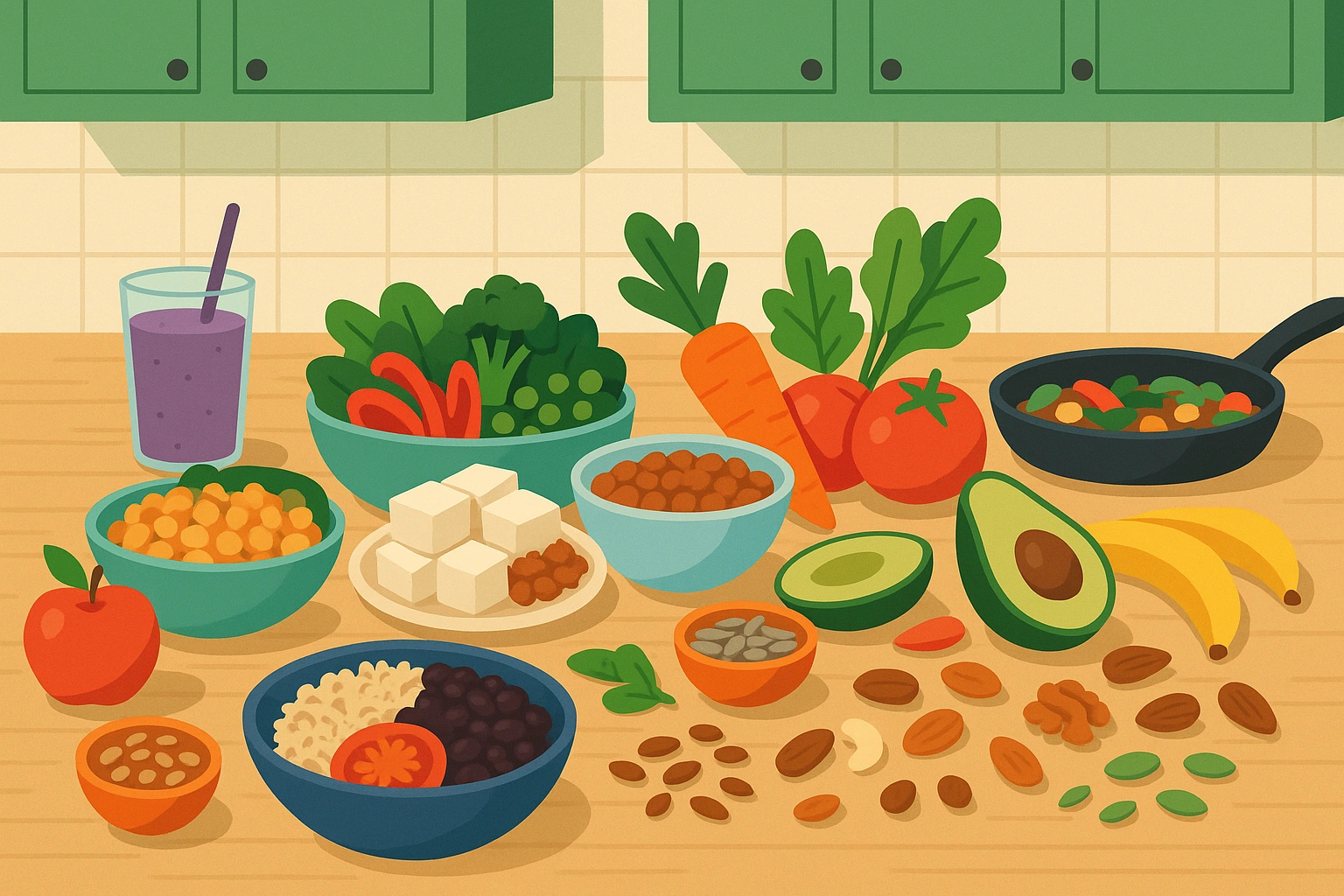
This is where diet pattern matters a lot. Some readers experiment with animal based or plant focused plans. For example, articles on DietLinic have explored topics like the animal based diet for weight loss and how it compares to keto and plant based styles. Different structures can work for different bodies, but the key is the same. A plan that gives stable energy, reduces extreme cravings, and pairs well with movement is going to be more sustainable then any quick fix.
What happens in your muscles, bones, and joints
When we move often and feed the body well, our frame literally remodels itself. This is not only about looking toned. It is about how we stand, walk, lift groceries, climb stairs, or play with kids without pain.
Muscle adaptation and performance
With regular strength or resistance work, muscle fibers grow stronger and, in some cases, larger. The body becomes more efficient at recruiting the right fibers for the right task. When we also provide adequate protein and overall calories, repair happens faster and soreness is more manageable.
People often notice:
- Tasks that once felt exhausting, like carrying laundry up stairs, start to feel easier.
- Better posture because the core and back muscles are doing their job.
- Less stiffness in the morning once the body is use to moving daily.
Bone density and joint health
Weight bearing movement, such as walking, lifting weights, or climbing, signals bones to stay dense and strong. This is especially critical for women, who face higher risk of osteoporosis as estrogen levels change with age.
Diet completes that picture by providing calcium, vitamin D, magnesium, and protein needed to build and maintain bone. When the two align, we help reduce fracture risk later in life and support joint stability now.
Joints themselves respond to better movement patterns and reduced inflammation from diet. Cutting back on highly processed and fried foods while increasing colorful fruits and vegetables can lower inflammatory pathways. When combined with strength work around a joint, many people with mild to moderate knee or hip discomfort report less pain and better range of motion.
Gut health and digestion
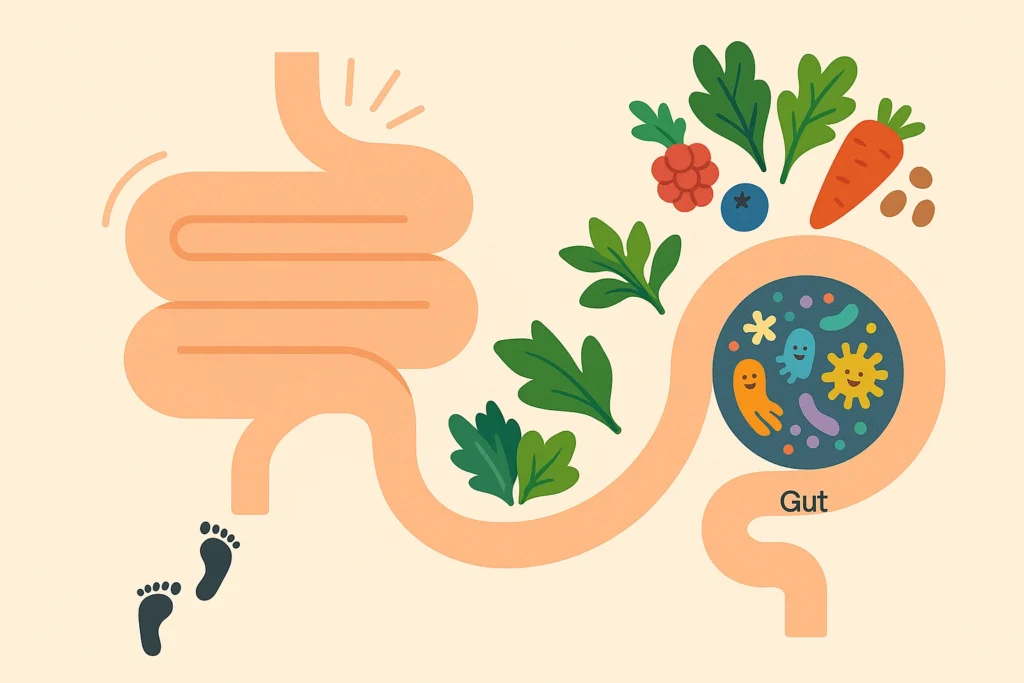
Digestive health is another area where the “exercise plus diet” combination quietly changes things. The gut is packed with nerves and microbes that talk directly with the brain. So whatever helps the gut, often helps mood and energy too.
Gut motility and regularity
Physical activity supports more regular bowel movements by improving gut motility. That simply means the muscles in the digestive tract contract in a more effective, rhythm. When paired with more fiber from whole grains, fruits, legumes, and vegetables, many people notice less bloating, gas, and constipation.
Microbiome changes
The microbiome is the community of bacteria and other microbes in the intestine. Both exercise and diet can shift its balance. Studies from 2022 and 2023 suggest that regular moderate exercise increases microbial diversity, which is usually linked with better metabolic health, while diets rich in diverse plants feed the beneficial microbes.
That shift might translate into better immune function, less systemic inflammation, and even smoother weight control, although science is still clarifying the details.
Body composition vs. scale weight
When people search what does exercising with diet do to your body, they often hope for a simple number: “You will lose X pounds in Y weeks.” Real life is rarely that clean. What really changes is body composition. The ratio of fat, muscle, bone, and water.
With exercise and a smart calorie deficit, you may see:
- Lost inches from waist, hips, and thighs even when scale weight move slow.
- Better definition in arms, shoulders, and legs.
- Clothes fitting different way even without huge number changes.
This can be confusing at first but it is actually a good sign. For long term health, dropping excess fat while keeping lean tissue is far more valuable then just making the scale go down at any cost.
Long term aging and disease risk
One more angle to what does exercising with diet do to your body: how it changes the way we age. Not every health condition can be prevented, but lifestyle does shift risk, sometimes a lot.
Research from the last few years has connected combined lifestyle habits with:
- Lower risk of heart disease and stroke.
- Reduced chance of type 2 diabetes and fatty liver disease.
- Improved cognitive function and slower decline in older adults.
- Lower risk of certain cancers, especially colon and breast, when combined with screening and medical care.
On a more personal level, this translates to being able to stay independent longer, travel without constant fatigue, and keep doing hobbies that matter deeply to us, from gardening to hiking to dancing at a wedding without fear of falling or breathing problems.
Practical ways to combine exercise and diet in real life
Knowing what does exercising with diet do to your body is motivating, but the hard part is fitting it into the messy reality of work, family, stress, and limited energy. From years of watching people try, adjust, and sometimes stumble, a few patterns tend to work better:
Start with a simple structure
Instead of chasing the perfect plan, build something basic and doable for the next month:
- Movement goal: Aim for at least 150 minutes per week of moderate cardio (brisk walking, cycling, swimming) plus 2 non consecutive days of strength work.
- Food goal: Focus on 3 predictable meals with 1 to 2 planned snacks rather then random grazing.
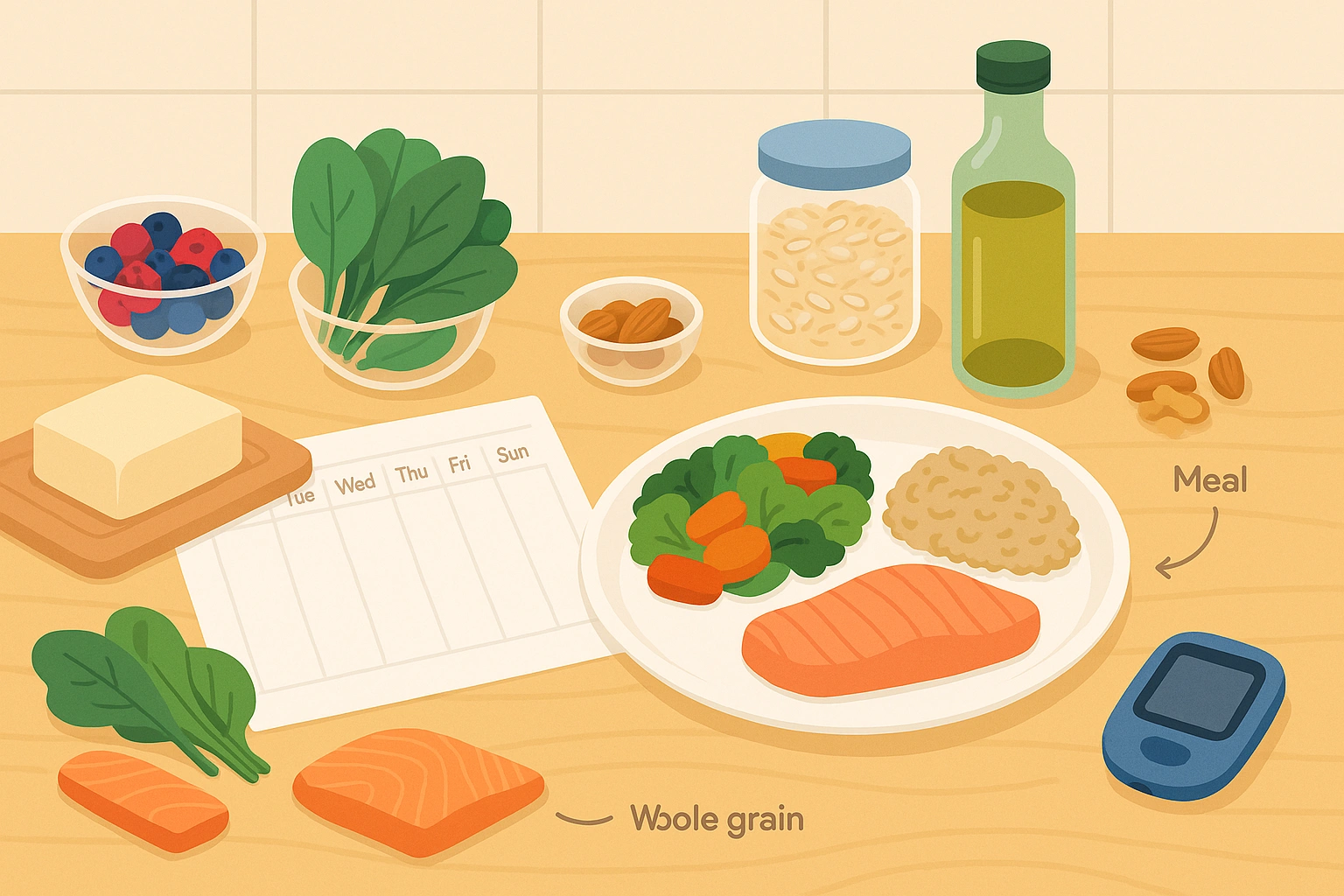
- Plate pattern: Half the plate non starchy veggies, a quarter lean protein, a quarter whole grain or starchy vegetable, plus a small source of healthy fat.
Many diet styles can fit inside that frame, whether you lean more animal based, plant centered, or somewhere in between. If you enjoy meat heavy meals, you can still make thoughtful choices, as discussed in resources like this overview of the animal based diet and the comparison with more plant forward eating.
Fuel activity, do not punish yourself
One common trap is using exercise to “earn” or “burn off” food. That mindset usually backfire, leading to guilt and binge cycles. A more helpful frame is:
- Food is fuel and nourishment.
- Movement is how we use that fuel to live fully and keep the body strong.
On active days, you may need slightly more carbs and protein, especially around the workout. On rest days, hunger might be a bit lower. Listening to those signals, while keeping some structure, supports both performance and body composition.
Watch for non scale wins
Expect the scale to fluctuate. Also watch for:
- Fewer cravings at night.
- More steady mood across the workday.
- Clothes that feel looser around the waist.
- Sleep that feels deeper and more refreshing.
These are all signs that your body is adapting to the new combination of diet and activity, even if the number on the bathroom scale is slow to catch up.
Common mistakes when combining diet and exercise
Even with good intentions, a few mis steps can make the journey feel harder than it needs to be.
Cutting calories too low
When people reduce food intake drastically while starting a heavy workout routine, they often end up exhausted, moody, and ravenous. The body interpret that as a threat and may slow metabolism, increase hunger hormones, and push you toward overeating later.
A moderate deficit, usually around 300 to 500 calories below maintenance for many adults, tends to work better paired with a balanced workout schdule.
Ignoring protein
Protein is critical for muscle repair, immune function, and satiety. Many people, especially women, unintentionally under eat protein when dieting. A useful ballpark is around 0.7 to 1.0 grams per pound of goal body weight for most reasonably active adults, though individual needs vary.
Over doing cardio and skipping strength
Steady cardio burns calories but does not protect muscle as effectively as resistance work. When we focus only on running or cycling and never lift, we risk losing lean mass along with fat. That can make long term weight maintenance harder.
Expecting quick perfection
Real bodies adapt gradually. There will be weeks when sleep is off, cravings spike, or workouts feel weak. That does not mean the combination of diet and exercise stopped working. It just means life is happening and adjustments are needed. Aim for consistency, not perfection.
Putting it all together
When we really look at what does exercising with diet do to your body, the answer is bigger then “weight loss.” The combination reshapes metabolism, brain chemistry, hormones, gut health, bone strength, and long term disease risk. It supports clearer thinking, steadier mood, and a more capable body that handles daily life without constant fatigue.
The most powerful part is that these changes build on each other. A slightly better breakfast makes a workout feel more doable. A satisfying workout makes it easier to choose a balanced dinner. Better sleep makes the next day’s decisions less draining. Over months, that cycle changes how you feel in your own skin.
The exact way you eat and move can be personal. Some prefer a higher protein, animal focused style while others lean toward plant based meals or a blend, as explored in DietLinic comparisons like animal based diet vs plant based diet discussions. But the core idea remains steady. When we respect both movement and nourishment at the same time, the body responds on multiple levels, often more deeply and more kindly then we expect.
Leave a Reply