
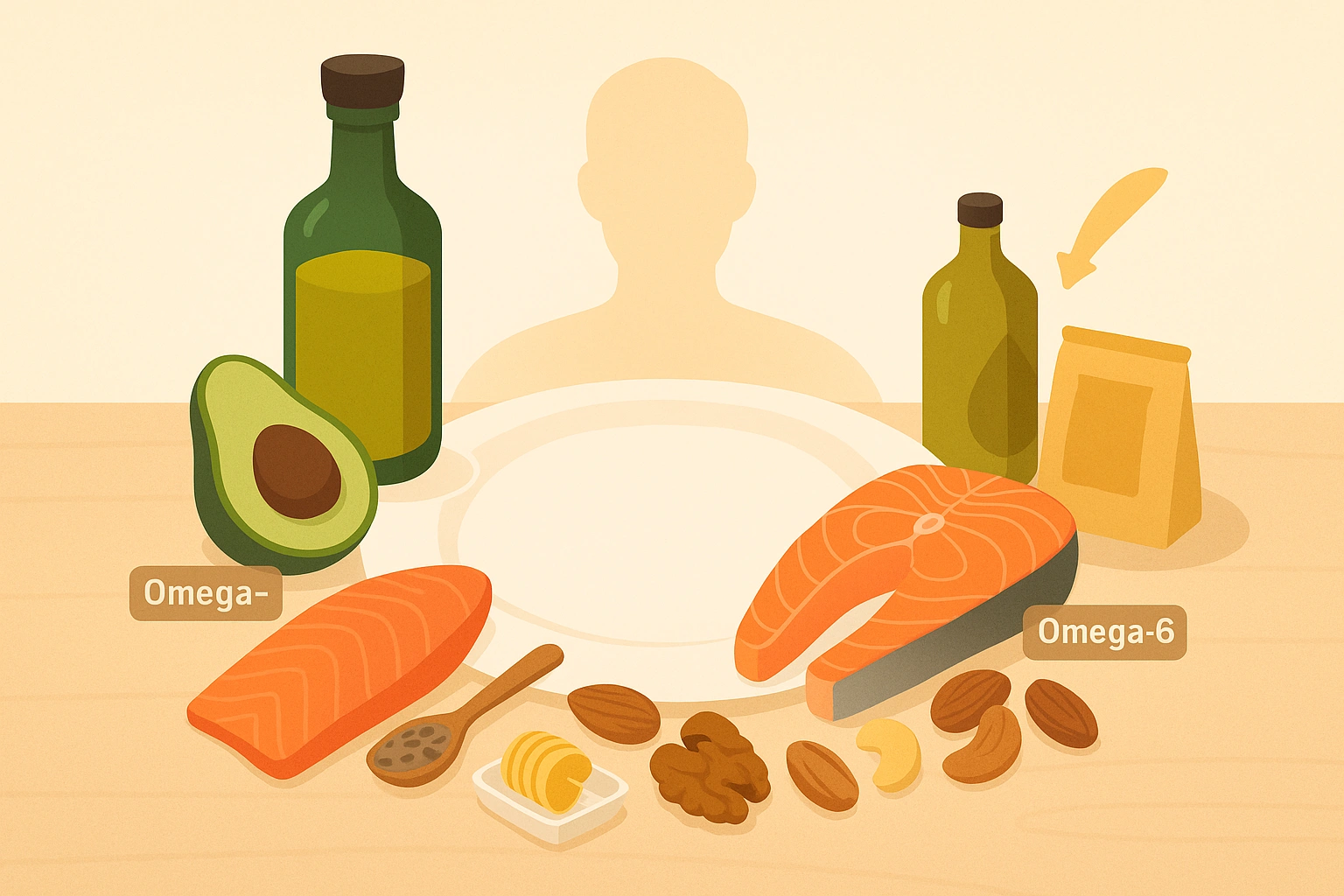

Fats confuse a lot of people. Some of us still hear that old advice in our heads saying “avoid fat at all costs,” while newer headlines say “eat more healthy fats for your brain and hormones.” If you are searching for what are the constituents of the fats human diets need, you are really asking a deeper question: which types of fat actually support health, and how can we eat them in a smart, balanced way.
Why Human Diets Need Fat In The First Place
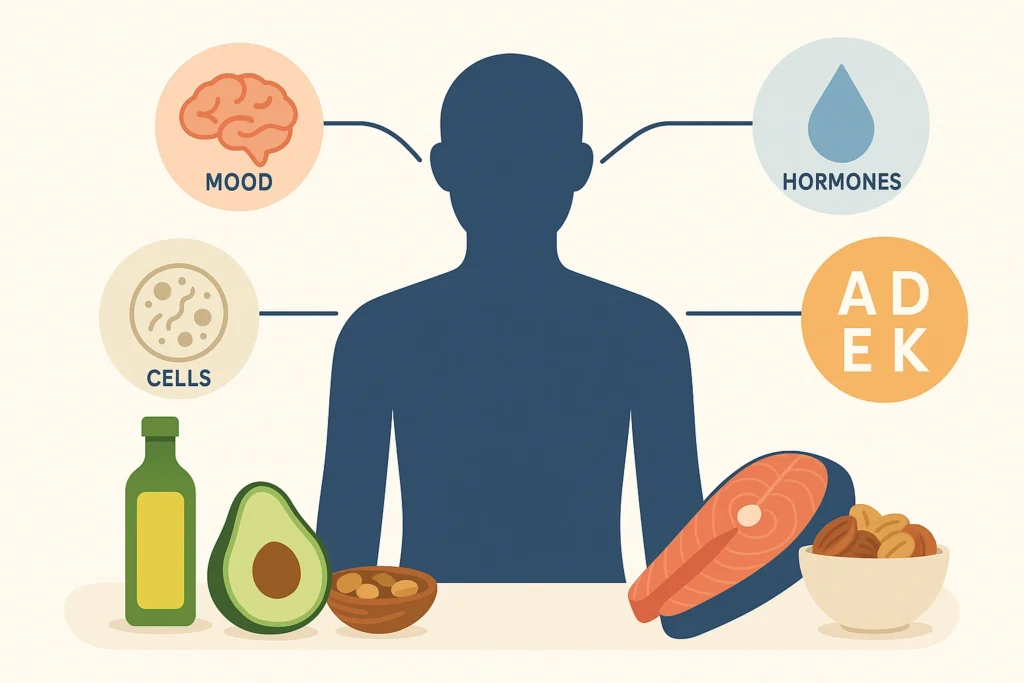
Before we break down the main constituents of the fats human diets need, we should clear something up. Fat is not the enemy. Our bodies rely on fat for key jobs every single day:
- Building cell membranes in every organ
- Making hormones like estrogen and testosterone
- Supporting brain function and mood
- Carrying fat soluble vitamins A, D, E, and K
- Helping us feel full after meals
- Providing a dense source of energy
When people go super low fat for long periods, we often see dry skin, low energy, hormone changes, and constant hunger. So the question is not “Should we eat fat” but “What kind and how much.” To answer that, we need to look closely at the different constituents of dietary fat.
The Main Constituents Of Dietary Fat
When nutrition science talks about what are the constituents of the fats human diets need, we are usually talking about three big groups of fatty acids, plus cholesterol and some minor components:
- Saturated fatty acids (SFAs)
- Monounsaturated fatty acids (MUFAs)
- Polyunsaturated fatty acids (PUFAs) – including omega 3 and omega 6
- Trans fatty acids (a special case)
- Cholesterol and other minor lipid compounds
Each of these groups acts different in the body. Some support heart and brain health, while others can raise risk if we eat them in large ammounts over years. Let us walk through each one and see where they fit in a healthy pattern.
Saturated Fats: How Much Is Too Much
Saturated fats are solid or semi solid at room temperature. They mostly come from animal foods, but a few plant foods like coconut and palm oil are also high in them.
Common Sources Of Saturated Fat
Typical sources in the American diet include:
- Fatty cuts of beef, and lamb
- Butter, cream, whole milk, cheese, ice cream
- Processed meats such as sausage, bacon, hot dogs
- Coconut oil, palm oil, palm kernel oil
- Baked goods made with butter or shortening
For years, saturated fat was treated as always bad. Current research paints a more nuanced picture. A 2022 review in the European Journal of Preventive Cardiology reported that replacing saturated fat with unsaturated fats, especially polyunsaturated, tends to lower LDL cholesterol and reduce cardiovascular risk. But the effect depends on what you swap it with. Replacing saturated fat with sugar and refined carbs does not improve health and sometimes even makes markers worse.
Practical Takeaways On Saturated Fat
Based on current guidelines from the American Heart Association, most adults should aim for saturated fat to stay under about 10 percent of total calories, and ideally closer to 5 to 7 percent if they already have heart disease or high LDL cholesterol.
Instead of obsessing over every gram, a simpler daily approach is:
- Choose leaner cuts of meat more often
- Favor olive oil or avocado over cooking with butter most days
- Keep processed meats as once in a while foods
- Keep high fat desserts and pastries as occasional treats
This way we keep saturated fat in a moderate range while still enjoy real foods that naturally contain some of it.
Monounsaturated Fats: The Everyday Workhorse Fat
Monounsaturated fats are one of the most important constituents of the fats human diets need. They are often liquid at room temperature and are a big part of heart friendly eating patterns like the Mediterranean diet.
Key Sources Of Monounsaturated Fat
We find MUFAs mostly in:
- Olive oil (especially extra virgin)
- Avocados and avocado oil
- Almonds, cashews, peanuts, pistachios, macadamias
- Peanut butter and other nut butters
- Canola oil and high oleic sunflower or safflower oils
Several large studies including a 2023 analysis in the Journal of the American College of Cardiology suggest that diets higher in monounsaturated fat from plant sources are linked with lower risk of heart disease and better metabolic health, especially when they replace refined carbs and saturated fat.
Health Benefits Of MUFAs
Monounsaturated fats help by:
- Improving LDL to HDL cholesterol ratios
- Supporting insulin sensitivity in some people
- Providing steady energy without large blood sugar spikes
- Adding flavor and satiety to meals so we are less likely to over snack
From a practical kitchen view, MUFAs are ideal for daily cooking and salad dressings. Drizzling olive oil on roast vegetables or using avocado instead of mayo on a sandwich are small shifts that nudge your fat profile in the right direction without feeling like a diet.
Polyunsaturated Fats: Omega 3 And Omega 6
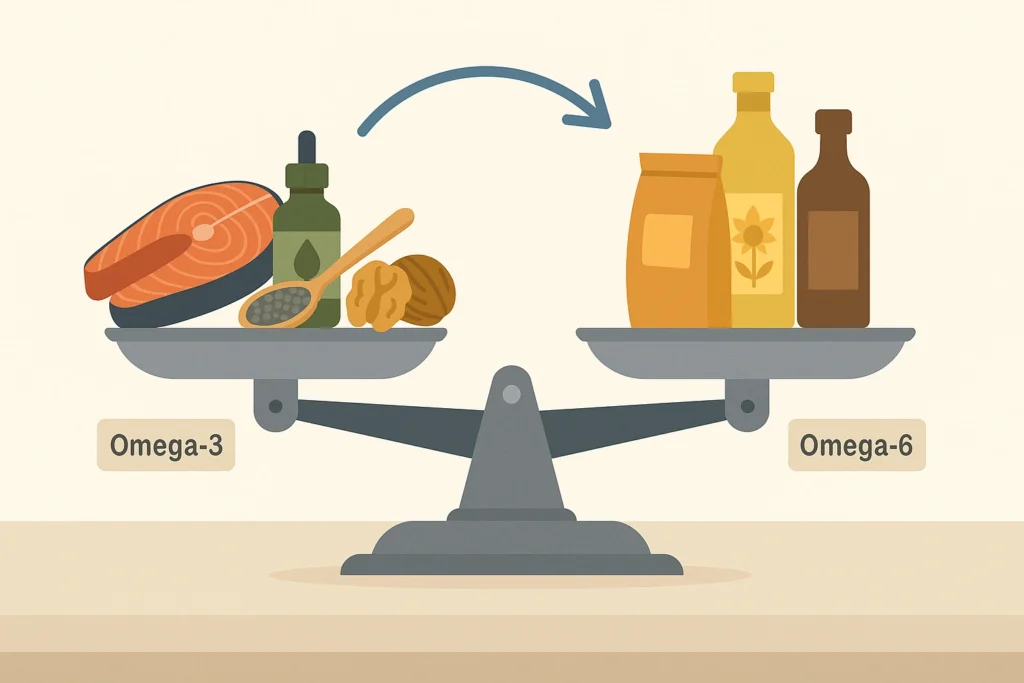
Polyunsaturated fats include two main families: omega 3 and omega 6 fatty acids. These are critical constituents of the fats human diets need because some of them are labeled “essential.” That means our bodies can not produce them on their own. We must get them from food.
Omega 3 Fatty Acids
Omega 3s are well known for their anti inflammatory roles and brain support. There are three main omega 3 fatty acids relevant to human diets:
- ALA (alpha linolenic acid) from plant sources like flax, chia, walnuts, and canola oil
- EPA (eicosapentaenoic acid) from fatty fish and seafood
- DHA (docosahexaenoic acid) also from fatty fish and seafood, and some algae oils
Current research, including a 2023 review in Nutrients, links higher intake of EPA and DHA with lower risk of heart disease, better triglyceride levels, and support for brain function and mood, especially in older adults.
How Much Omega 3 Do We Need
For most healthy adults, practical targets look like:
- At least 2 servings of fatty fish per week (salmon, sardines, mackerel, trout)
- Or a combination of fish plus a daily source of plant omega 3s like chia or walnuts
- For people who do not eat fish, a quality algae based DHA/EPA supplement may help fill the gap
Many Americans fall short on omega 3s. When we talk about what are the constituents of the fats human diets need, this is one of the most common missing pieces, especially in highly processed eating patterns.
Omega 6 Fatty Acids
Omega 6 fatty acids are also essential. The main type in our diets is linoleic acid. We find it in:
- Sunflower, safflower, corn, soybean, and cottonseed oils
- Many packaged snacks and fast foods made with these oils
- Nuts and seeds
- Most conventional poultry and eggs
Omega 6 fats help with normal growth, immune function, and cell signaling. The problem is not omega 6 itself. The challenge is balance. Modern diets tend to be heavy in omega 6 but very low in omega 3. Some estimates suggest the typical omega 6 to omega 3 ratio in the US is 10:1 or higher, while traditional patterns were more like 3:1 or 2:1.
Too much omega 6 relative to omega 3 may tilt the body toward a more pro inflammatory environment, which over years can play a role in heart disease, joint pain, and other chronic issues. The goal is not to avoid omega 6 completly, but to shift the ratio by adding more omega 3 rich foods and cutting back on ultra processed sources of omega 6 rich oils.
Trans Fats: The Type To Avoid
When we talk about what are the constituents of the fats human diets need, trans fats sit in their own category. They are not needed at all. In fact, artificial trans fats are one of the few nutrients that public health experts widely agree should be as close to zero as possible.
Where Trans Fats Come From
There are two types:
- Natural trans fats: Found in small amounts in meat and dairy from ruminant animals like cows and sheep. These appear to be less harmful at typical intake levels.
- Industrial trans fats: Created when vegetable oils are partially hydrogenated to make them more solid and shelf stable. These are the main concern.
Trans fats from partially hydrogenated oils raise LDL cholesterol, lower HDL, and increase inflammation. They are strongly linked with higher risk of heart disease. Because of this, the FDA has mostly removed partially hydrogenated oils from the food supply in recent years.
Still, it is wise to check labels and limit foods that might still contain trace amounts, such as some frostings, pastries, or older shelf stable snacks. If you see “partially hydrogenated oil” anywhere in the ingredients, it is best to leave that product on the shelf.
Cholesterol: Important But Not A Fatty Acid
Cholesterol is often lumped in with fats, but it is actually a different type of lipid. It is still one of the constituents of the fats human diets need, just in modest quantities.
Roles Of Cholesterol
Cholesterol is used to:
- Form cell membranes
- Make vitamin D in the skin
- Build steroid hormones like cortisol and sex hormones
- Produce bile acids that help digest fat
Our liver can make all the cholesterol we need, so we do not have to get it from food. Dietary cholesterol is found only in animal foods like eggs, shellfish, meat, and dairy.
Current guidelines have shifted away from strict cholesterol limits for most people, because research shows dietary cholesterol affects blood cholesterol less than the overall mix of saturated, unsaturated fat, fiber, and lifestyle factors. For many healthy adults, eggs and shellfish can fit in a balanced eating pattern, especially if the rest of the diet is rich in fiber and unsaturated fats.
Minor Lipid Components That Still Matter
Besides the main fatty acids and cholesterol, foods that contain fat often carry other helpful compounds:
- Phytosterols in plant oils and nuts, which can help lower LDL cholesterol
- Fat soluble antioxidants like vitamin E in seeds and nuts
- Carotenoids like beta carotene and lutein in colorful vegetables, better absorbed when eaten with some fat
This is one reason why a salad with no fat at all often leaves people unsatisfied and also reduces how much of the antioxidants our body can actualy use. A small ammount of olive oil or a handful of nuts on top makes that salad more nutritious, not less.
How Much Fat Do We Actually Need Daily
Most major health groups suggest that about 20 to 35 percent of daily calories can come from fat, with more of those calories leaning toward unsaturated fats. For a 2,000 calorie diet, that works out to roughly 45 to 80 grams of fat per day. People who follow low carb or higher fat plans may eat more, while others may do well on the lower end of that range.
Instead of fixating on perfect percentages, it can help to step back and look at patterns across the week:
- Do most of your meals include a source of healthy fat such as nuts, seeds, avocado, olive oil, or fatty fish
- Are your main saturated fat sources coming from whole foods (like yogurt, cheese, meat) instead of heavily processed snacks and fast food
- Are you limiting foods with industrial trans fats
- Are you getting omega 3 rich foods at least several times per week
Those patterns matter more for weight and heart health than chasing a specific gram formula every single day.
Animal Based Fats vs Plant Based Fats
Many readers wonder if they should get their fats mostly from animal foods or plants. Both can fit, but they carry different profiles of fatty acids, vitamins, and other compounds.
Animal based fats, found in meat, eggs, and dairy, often contain a mix of saturated and monounsaturated fats, plus fat soluble vitamins like A and D. Plant based fats like nuts, seeds, avocados, and olives tend to be higher in unsaturated fats and come with more fiber and phytonutrients when eaten in mostly whole forms.
Some people do very well on a pattern that leans more toward animal based foods, while others feel better and see improved labs with a mostly plant focused pattern. We discuss these trade offs in more detail in our article on the animal based diet vs plant based diet, where you can see how fat sources shift between these two styles.
Putting It Into Practice: A Day Of Balanced Fats
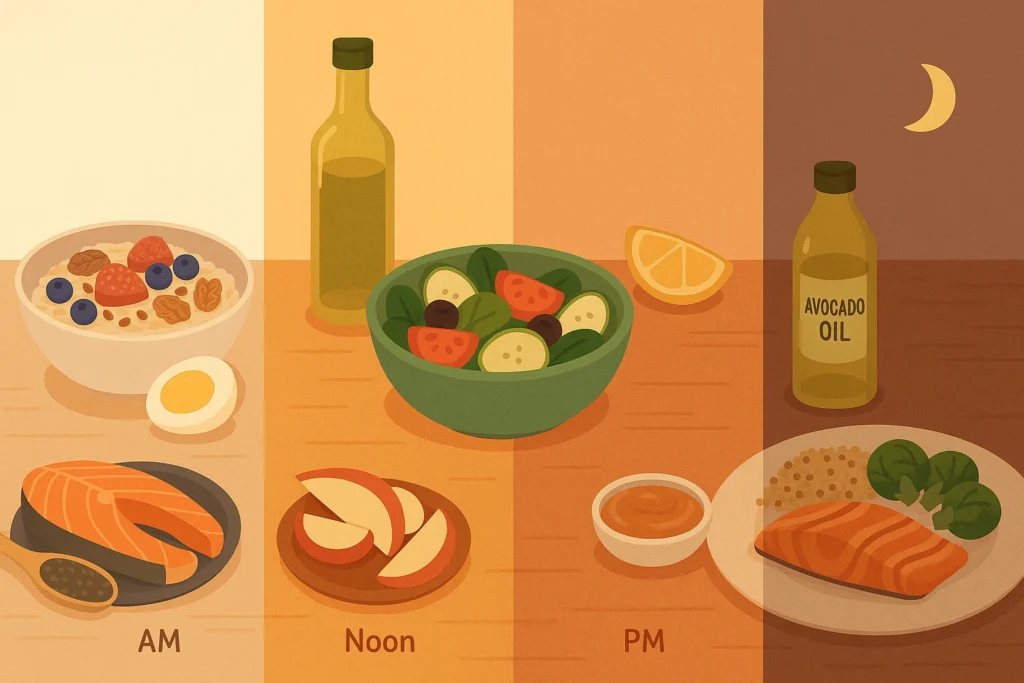
To make the concept of what are the constituents of the fats human diets need more concrete, here is an example of how one day might look when fats are balanced:
Breakfast
Oatmeal cooked in water with a spoon of ground flaxseed, a small handful of walnuts, and berries on top. Plus one boiled egg on the side.
This meal:
- Provides ALA omega 3s from flax and walnuts
- Adds some monounsaturated fat from walnuts
- Includes a bit of saturated fat and cholesterol from the egg
- Supplies fiber to help manage cholesterol and blood sugar
Lunch
Big salad with mixed greens, tomatoes, cucumbers, chickpeas, grilled chicken breast, a sprinkle of feta cheese, and a dressing of extra virgin olive oil and lemon.
Here you get:
- Monounsaturated fat from olive oil
- Moderate saturated fat from feta and chicken
- Plenty of fiber and antioxidants for heart health
Snack
Apple slices with 2 tablespoons of peanut butter.
This adds:
- Monounsaturated fat from peanuts
- Protein that keeps hunger down
- Natural sweetness and fiber from the apple
Dinner
Baked salmon with a side of quinoa and roasted Brussels sprouts tossed in avocado oil.
Now you are getting:
- EPA and DHA omega 3s from salmon
- Monounsaturated fat from avocado oil
- Some polyunsaturated omega 6 from the oil and fish
This way of eating reflects a realistic pattern many families can follow without feeling like they live on diet food. The core fats come from whole foods, the mix leans toward unsaturated fats, and saturated fat stays present but not dominant.
Fat Needs In Different Life Stages And Goals
The question of what are the constituents of the fats human diets need also changes slightly depending on life stage and health goals.
For Children And Teens
Growing bodies and brains use fat heavily for nerve development and hormones. Very low fat diets are not approriate for kids. Healthy patterns for children focus on:
- Full fat or reduced fat dairy depending on age and pediatric guidance
- Regular fish intake if possible
- Nut butters, avocado, and olive oil in meals and snacks
- Limiting fried foods and heavily processed snacks high in saturated and trans fats
For Adults Focused On Weight Loss
Fat is calorie dense, so portion size matters, but moderate fat intake can acutally help control appetite. Many people feel more satisfied with meals that include a source of healthy fat compared with low fat, high sugar options. We discuss how higher fat, animal forward patterns can work for fat loss in our guide on the animal based diet for weight loss.
For Older Adults
As we age, muscle mass, hormone levels, and hunger signals change. Balanced fat intake supports brain health, prevents unwanted weight loss, and keeps meals enjoyable. Fatty fish, nuts, seeds, olive oil, and full fat fermented dairy can play especially helpful roles when combined with enough protein and movement.
Common Myths About Dietary Fat
To round this out, it helps to address a few myths that still hang around.
Myth 1: All Fat Makes You Fat
Body weight is driven by total calorie balance, hormones, sleep, stress, and activity, not fat alone. In fact, high sugar, low fat snacks often cause more hunger rebounds and larger calorie intake later in the day. When we choose the right mix of fats in reasonable portions, fat can actualy support better appetite control and weight management.
Myth 2: Coconut Oil Is A Miracle Health Food
Coconut oil is trendy, but it is very high in saturated fat. Some studies show it raises HDL, but it also tends to raise LDL cholesterol. It can be used occasionally for flavor or specific recipes, yet it should not replace most of your unsaturated fat sources like olive or avocado oil.
Myth 3: If It Is Plant Based It Must Be Healthy
Plant origin does not automatically mean heart friendly. Some processed plant based snacks, creamers, and coffee drinks are loaded with refined oils, sugars, and additives. Always look beyond buzzwords and check the overall nutrient profile, especially the type and amount of fat.
How To Check Your Own Fat Intake
A simple way to review your current fat pattern is to track what you eat for 3 typical days. Then ask:
- Which meals contain fatty fish, nuts, seeds, avocado, or olive oil
- How often are you eating fried foods or fast foods
- Are desserts, pastries, or high fat snacks showing up daily or just a few times a week
- Do you feel satisfied after meals or constantly hungry again within an hour
From there, pick one or two changes that feel realistic. For example, swap your usual fast food lunch twice a week for a salmon salad with olive oil dressing. Or trade your evening chips for a small bowl of Greek yogurt with walnuts and berries. Over time, these small shifts re shape the constituents of the fats in your diet without needing perfection.
Conclusion: Building A Healthy Fat Pattern For Real Life
When we ask what are the constituents of the fats human diets need, the answer is not a single superfood or a rigid percentage. Human bodies thrive on a mix: moderate saturated fat mainly from whole foods, plentiful monounsaturated fats, essential omega 3 and balanced omega 6, minimal trans fats, and enough cholesterol containing foods for those who enjoy them and tolerate them well.
For most of us, that means eating more fatty fish, nuts, seeds, avocados, olive oil, and other whole food fat sources, while trimming back on deep fried foods, highly processed snacks, and constant sugary pastries. Instead of fearing fat, we can use it as a tool to support energy, hormones, brain health, and satisfaction with our meals. That balanced, thoughtful mix is what truly defines the fats human diets need over a lifetime.

Leave a Reply