
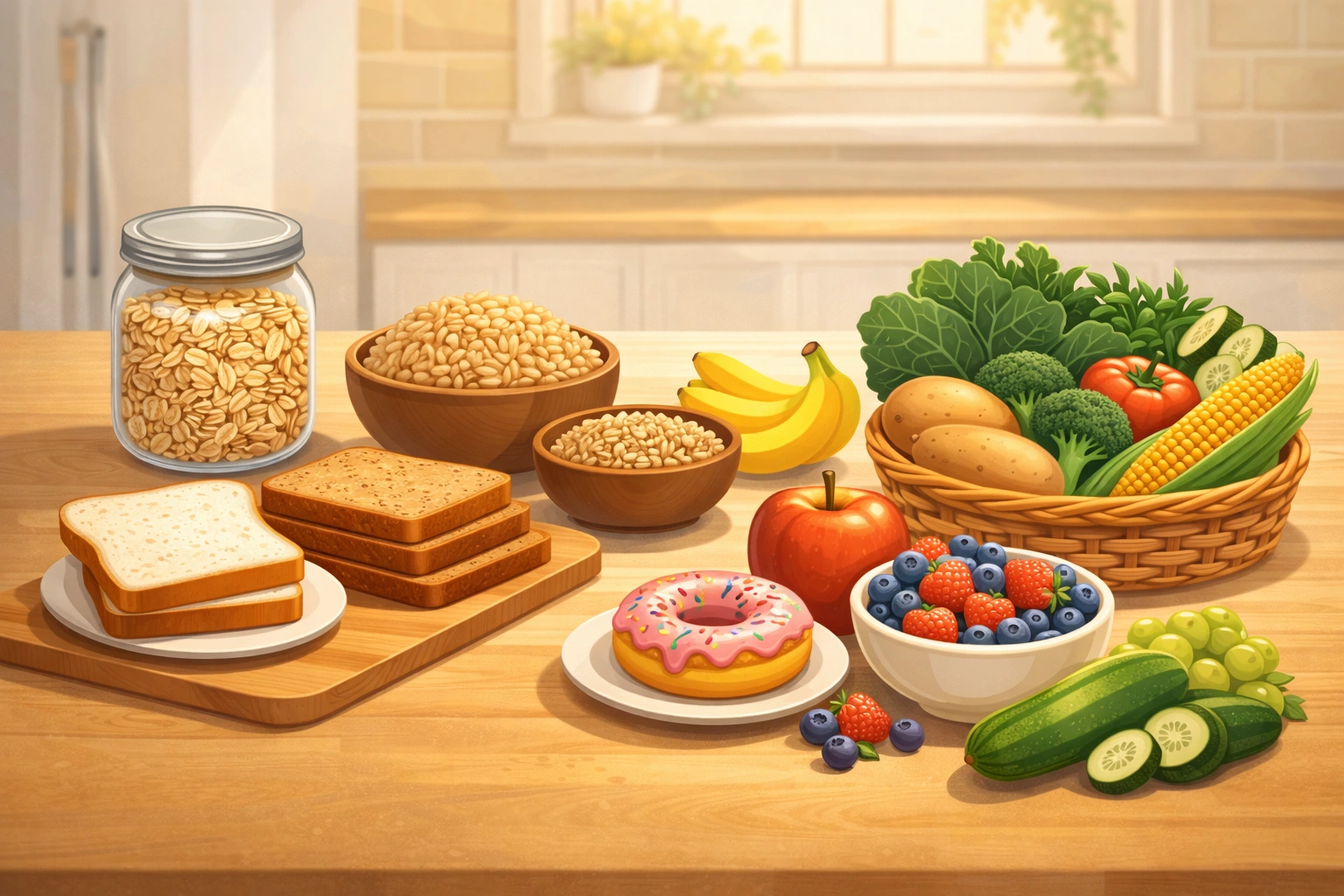

Carbohydrates are one of the first things many of us think about when we start changing our eating habits. We ask questions like what are some sources of carbohydrates in your diet, how much do we really need, and which carbs are better for long term health. For people in the United States who care about their weight, fitness, blood sugar, and energy level, carbs can feel confusing and even a little stressful. But when we look closer, carbohydrates are not the enemy. The key is knowing where they come from and how different sources affect the body.
Why Carbohydrates Matter For Health And Energy
Carbohydrates are the body’s main and fastest source of energy. The digestive system breaks carbs into glucose, which travels in the bloodstream and fuels the brain, muscles, and organs. The Dietary Guidelines for Americans 2020–2025 suggest that 45 to 65 percent of daily calories come from carbohydrates for most healthy adults. That means if someone eat 2,000 calories a day, about 225 to 325 grams of carbs would fit in a normal range.
Carbs are not just about calories. Whole, unprocessed sources come packaged with fiber, vitamins, minerals, and phytonutrients that support gut health, heart health, and metabolism. On the other hand, refined and ultra processed carbs often spike blood sugar, leave us hungry sooner, and over time may raise the risk of type 2 diabetes and weight gain.
So when we talk about what are some sources of carbohydrates in your diet, we are really asking two things at once. First, where are the carbs coming from. Second, are those sources helping or hurting long term health goals.
Main Types Of Carbohydrates In Everyday Foods
Before we list the foods, it helps to sort carbs into simple categories. This gives context for why some sources support better energy and others feel like a sugar roller coaster.
Simple carbohydrates
Simple carbs are sugars. They include single sugars like glucose and fructose and double sugars like sucrose (table sugar) and lactose (milk sugar). They digest fast, so blood sugar rises quickly.
Main sources of simple carbs include:
- Table sugar, brown sugar, honey, agave
- Soda, sweet tea, energy drinks, sports drinks
- Candy, desserts, pastries, sweet cereals
- Fruit and 100 percent fruit juice (natural sugars)
- Flavored yogurt and sweet coffee drinks
Simple carbs from whole fruit come with fiber and nutrients, so they behave different in the body then soda or candy. Still, if someone has diabetes or prediabetes, even natural sugars may need careful portion control.
Complex carbohydrates
Complex carbs are long chains of sugar molecules called starches and fibers. They digest slower, especially when they come from whole plant foods, and can keep you full longer with more steady energy.
Sources of complex carbohydrates include:
- Whole grains like oats, brown rice, quinoa, barley
- Starchy vegetables like potatoes, sweet potatoes, corn, peas
- Beans, lentils, chickpeas, and other legumes
- Some root vegetables like carrots and beets
When we think about what are some sources of carbohydrates in your diet that support health, we usually focus on these complex sources, especially those with plenty of fiber.
Grains: One Of The Largest Sources Of Carbs In The American Diet
Grains are a major answer to the question what are some sources of carbohydrates in your diet. They show up from breakfast to dinner in bread, cereal, pasta, tortillas, rice bowls, baked goods, and snacks. The quality of grains matter more then almost anything else when we look at how carbs affect health.
Whole grains vs refined grains
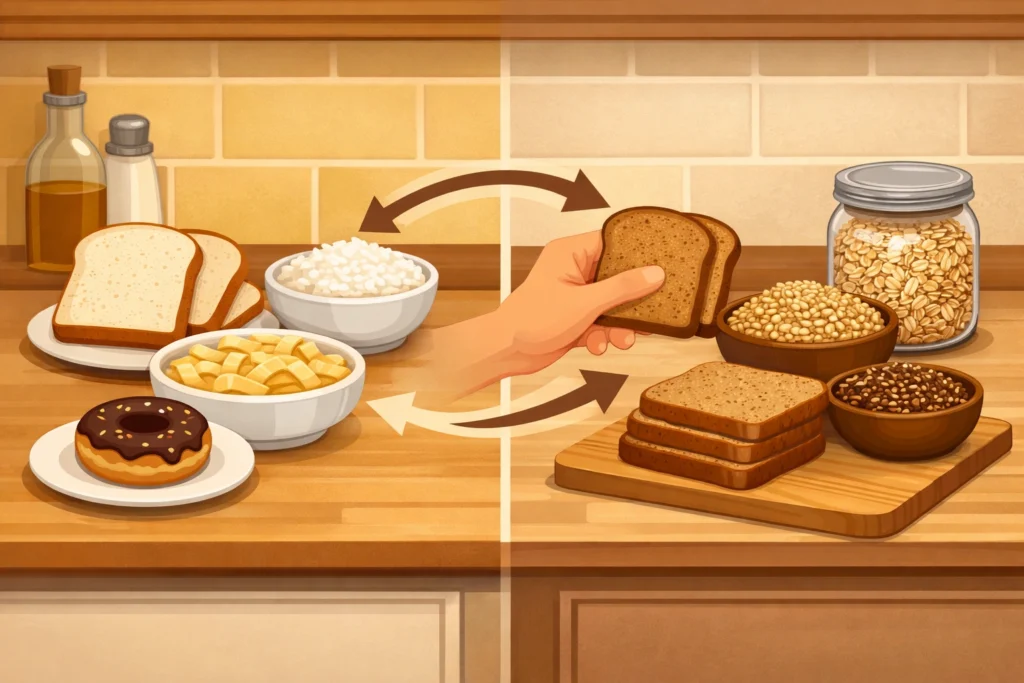
Whole grains still have all three parts of the grain kernel: bran, germ, and endosperm. This whole package offers fiber, B vitamins, iron, magnesium, and antioxidants. Refined grains have the bran and germ removed, so most fiber and many nutrients are lost, leaving mostly starch.
Common whole grain carbohydrate sources:
- Oats (old fashioned, steel cut, or oat groats)
- Brown rice, wild rice, black rice
- Quinoa, millet, amaranth, buckwheat
- 100 percent whole wheat bread, pasta, tortillas
- Whole grain barley, farro, bulgur
Refined grain carbohydrate sources include:
- White bread, white hamburger buns, white rolls
- White pasta, regular flour tortillas
- White rice, instant rice blends
- Most crackers, pastries, donuts, cookies
- Many breakfast cereals with low fiber
Large observational studies in the last few years have linked higher intake of whole grains with lower risk of heart disease and type 2 diabetes, while diets heavy in refined grains tend to line up with higher blood sugar and more abdominal fat. In daily life we often see that people who swap white bread and pasta for whole grain versions feel fuller after meals and have less afternoon crash.
Practical grain swaps that help without feeling restrictive
Many of us are not ready to give up bread or pasta, and honestly, we do not need to. Small changes add up:
- Choose 100 percent whole wheat or sprouted bread 80 percent of the time.
- Use half brown rice and half white rice when cooking at home.
- Try whole wheat or chickpea pasta for weeknight dinners at least once or twice a week.
- Switch instant flavored oatmeal packets for plain rolled oats topped with fruit and nuts.
These shifts keep total carbs similar but improve fiber, nutrient density, and blood sugar response.
Fruits: Natural Sugars With Fiber And Antioxidants
Fruit often gets blamed when people focus only on sugar grams. That misses the real picture. Fruit is one of the most helpful answers when we look at what are some sources of carbohydrates in your diet that work well for most bodies, especially compared to desserts or sugary drinks.
Carbs in fruit come mostly from fructose and glucose, along with some sucrose, but they are packaged with fiber, water, vitamin C, potassium, and countless phytonutrients. This slows digestion and supports digestion, skin health, and immune function.
Examples of carbohydrate rich fruits
Some higher carb fruits (per cup or medium piece) include:
- Bananas
- Grapes
- Mangoes
- Pineapple
- Cherries
- Apples and pears
- Oranges and tangerines
Berries like strawberries, blueberries, raspberries, and blackberries tend to be lower in total carbs and higher in fiber, which makes them a favorite for people watching blood sugar.
When someone is following an animal focused eating pattern, it can be tricky to decide how fruit fits in. For readers curious about how certain fruits work with that approach you can explore more details at https://dietlinic.com/fruits-you-can-eat-on-an-animal-based-diet/.
Fresh vs dried vs juice
How fruit is processed changes its effect.
- Fresh or frozen fruit keeps the most fiber and volume, usually leading to better satiety.
- Dried fruit like raisins, dates, cranberries is very dense in sugar and calories per bite. A small handful is fine, but it is easy to overeat.
- Fruit juice, even 100 percent juice, behaves closer to soda in the body since fiber is removed. A small glass can fit in some diets, but juice should not replace whole fruit.
In my experience, people who shift dessert habits from daily ice cream or candy to seasonal fresh fruit feel less deprived and often find their cravings for highly processed sweets reduce over a few weeks.
Vegetables: The Overlooked Carbohydrate Group
Vegetables are often thought of as “free” foods, but most vegetables still provide carbohydrates, especially starchy types. When we ask what are some sources of carbohydrates in your diet, many people forget that a good share may be coming from veggies, usually in a very positive way.
Starchy vs non starchy vegetables
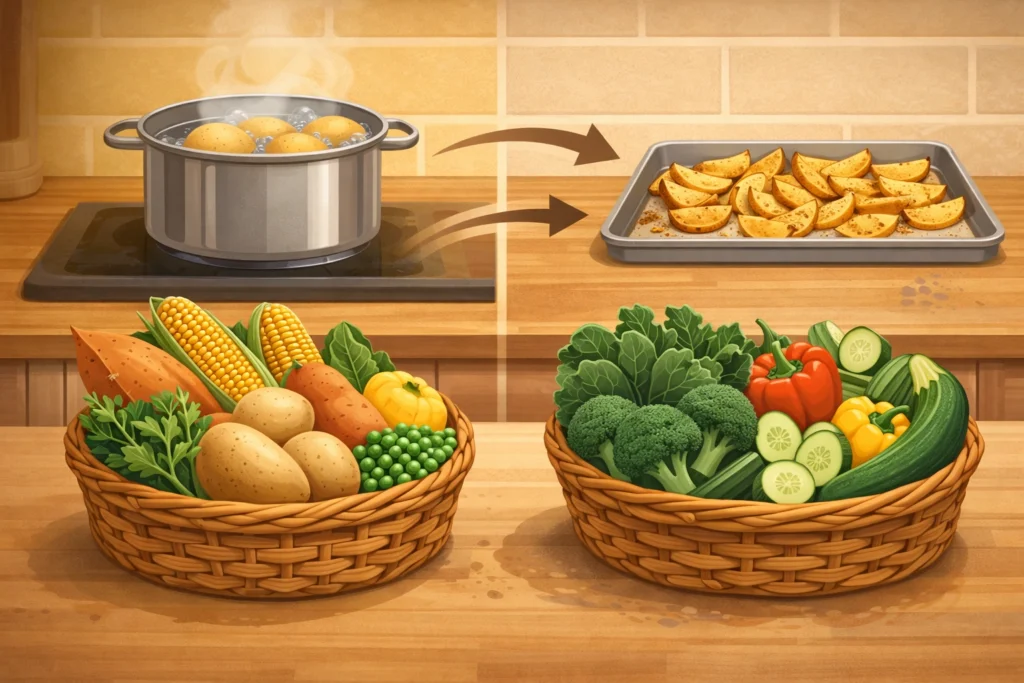
Starchy vegetables have more carbs and calories per cup but bring important nutrients:
- White potatoes and sweet potatoes
- Corn
- Peas
- Butternut squash, acorn squash, pumpkin
- Plantains
Non starchy vegetables are lower in carbs and calories and higher in water and fiber:
- Leafy greens like spinach, kale, romaine, arugula
- Broccoli, cauliflower, Brussels sprouts, cabbage
- Bell peppers, cucumbers, zucchini, green beans
- Tomatoes, onions, asparagus, celery
Non starchy vegetables typically have 3 to 6 grams of carbs per half cup cooked, while starchy vegetables can have 15 grams or more per half cup. For people tracking carbohydrate intake for diabetes or weight loss, these differences matter when planning plates.
Vegetables are also a area where eating styles differ. Some animal heavy approaches limit certain plant foods, especially high lectin or high fiber vegetables. Anyone wondering how vegetables fit into that theme can read more at https://dietlinic.com/animal-based-diet-vegetables-what-to-avoid/.
Cooking methods that change carb impact
The way we prepare vegetables can affect how quickly their carbs absorb.
- Boiled or mashed potatoes generally raise blood sugar faster than roasted potatoes cooled and reheated, because cooling forms some resistant starch that acts more like fiber.
- Very soft cooked vegetables digest faster then lightly steamed or raw, which may matter for people sensitive to blood sugar spikes.
- Adding fat and protein, such as olive oil, nuts, cheese, or chicken, usually slows digestion and create a steadier glucose curve.
A simple example is a baked potato. Eaten alone with just salt, it might trigger a quick rise in blood sugar. Topped with black beans, salsa, and a small spoon of Greek yogurt, it becomes a full meal with more balanced carb absorption.
Legumes: Fiber Rich Carbs With Plant Protein
Beans and lentils are often overlooked when listing what are some sources of carbohydrates in your diet, but they deserve more attention. They offer a rare combo of complex carbs, plant protein, and soluble fiber that supports cholesterol and blood sugar regulation.
Common carbohydrate sources from legumes
Typical examples include:
- Black beans
- Pinto beans
- Kidney beans
- Chickpeas (garbanzo beans)
- Lentils (green, brown, red, black)
- Split peas
- Soybeans and edamame
A half cup of cooked beans usually provides around 15 to 20 grams of carbs, with 5 to 8 grams of fiber and 7 to 9 grams of protein. This makes them extremely filling for relatively few calories. Several recent studies have found that higher legume intake is linked with better blood sugar control and lower LDL cholesterol, partly because of their soluble fiber and resistant starch.
People with sensitive digestion may notice gas or bloating when they first add more beans. A slow gradual increase and good rinsing of canned beans can reduce this reaction. In day to day coaching, we often see that tolerance improves within a couple weeks as gut bacteria adjust.
Dairy And Dairy Alternatives As Carb Sources
Dairy products contribute carbohydrates in the form of lactose, the natural sugar in milk. Some dairy foods are higher carb then others, and many plant based milks are sweetened, so it pays to read labels.
Carb content in common dairy foods
Approximate carbs per serving:
- 1 cup cow’s milk (whole, 2 percent, or skim): around 12 grams carbs
- 6 ounces plain yogurt: 8 to 12 grams carbs
- 6 ounces flavored yogurt: 18 to 30 grams or more carbs
- Cheese (1 ounce): usually 1 gram or less carbs
Plant based milks vary a lot. Unsweetened almond milk might have 1 to 2 grams of carbs per cup, while sweetened oat milk can have 15 to 20 grams or more. Flavored coffee creamers and ready to drink coffee beverages can be very high in sugar, sometimes more then a small dessert.
For people tracking what are some sources of carbohydrates in your diet that quietly increase sugar intake, coffee drinks and sweetened dairy products are often a surprise. Switching to plain yogurt with fresh fruit and using less sweetened creamer can meaningfully reduce daily sugar without a strict feeling of restriction.
Snack Foods, Sweets, And Sugary Drinks
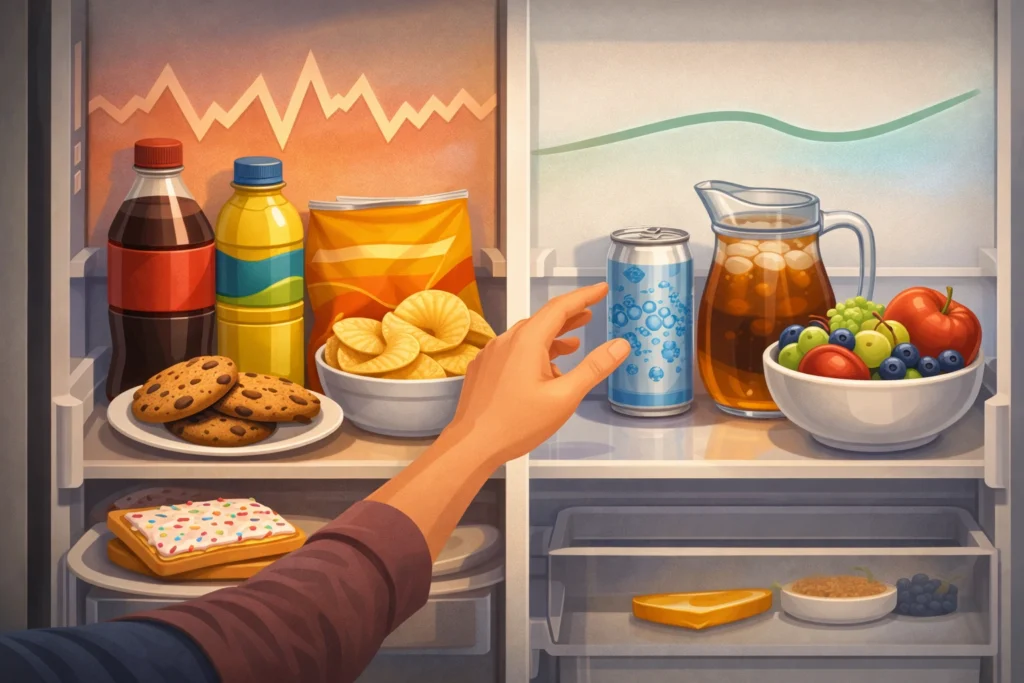
When we talk about carbs and health, this category usualy makes the biggest difference. Ultra processed snack foods bring refined carbs, added sugars, and often unhealthy fats, with very little fiber or micronutrients. They digest fast and rarely keep us full.
Typical high carbohydrate snack sources
Some common examples include:
- Chips, pretzels, cheese crackers, snack mixes
- Cookies, cakes, brownies, cupcakes
- Donuts, sweet rolls, bakery pastries
- Sugary breakfast bars and granola bars
- Ice cream, frozen yogurt with lots of toppings
- Soda, sports drinks, sweetened coffees, bottled teas
Based on recent US survey data, sugary drinks still contribute a large share of added sugars for both adults and children. One 20 ounce bottle of regular soda often has around 65 grams of carbs, almost all from added sugar. When someone is working to reduce total carbohydrate intake or protect metabolic health, cutting liquid sugar is often the fastest path to visible change.
A practical swap that many families use is to keep flavored sparkling water, unsweet iced tea, and fresh fruit on hand. Over time, taste buds adapt, and very sweet drinks start to feel overly intense. That shift alone can create a sizable drop in weekly added sugar.
Animal Based And Plant Based Carb Patterns
Different diet styles manage carbohydrate sources in different ways. Some people prefer eating mostly animal foods with limited plant carbs. Others lean vegetarian or vegan, where most calories come from plant carbohydrates and fats. The balance of these approaches affects which carb sources show up daily.
For readers weighing the pros and cons of animal heavy eating compared to other patterns, we covered this topic in more depth at https://dietlinic.com/animal-based-diet-vs-plant-based-diet/. Another related discussion, including where carbs fit in higher fat approaches, appears at https://dietlinic.com/animal-based-diet-vs-keto-which-is-better/.
No single pattern works perfectly for everyone. What often matters more is the quality of carbohydrate sources. Even in a lower carb lifestyle, the few carbs that remain should ideally come from fiber rich, nutrient dense foods rather then refined sweets.
How Many Carbohydrates Do You Need
Once we know what are some sources of carbohydrates in your diet, the next step is figuring out how much is reasonable for your body and goals. Needs vary based on age, gender, activity level, metabolism, and medical conditions.
General guidelines
While the 45 to 65 percent of calories range is broad, here are rough starting points many adults find helpful:
- Very active people or athletes: often do well on the higher end of carb intake, especially around workouts, favoring whole grains, fruit, and starchy vegetables.
- Moderately active adults: may feel balanced with a medium carb intake, emphasizing complex carbs and limiting added sugars.
- People with insulin resistance or type 2 diabetes: sometimes benefit from moderatley lower carb intake, focusing on non starchy vegetables, legumes, and small portions of whole grains, always coordinated with their health care provider.
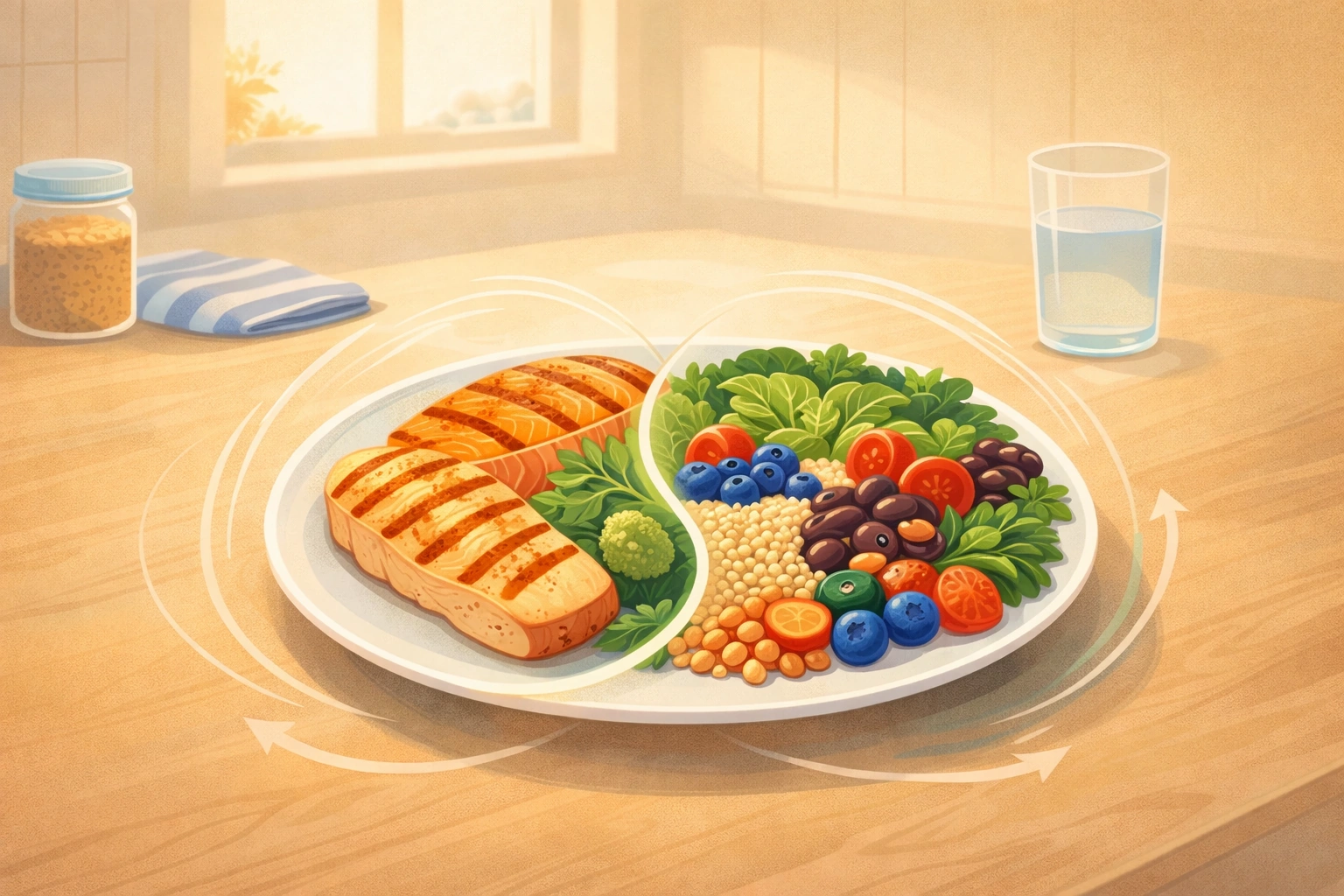
In real life, a basic visual guide that works for many plates is:
- Half the plate non starchy vegetables.
- One quarter lean protein like chicken, fish, tofu, beans.
- One quarter complex carbohydrates like whole grains or starchy veggies.
- Plus a small piece of fruit or fermented dairy if desired.
This way, carbohydrates are still central to meals but balanced with fiber, protein, and healthy fats that support stable blood sugar and good satiety.
Hidden Carbohydrate Sources To Watch
Even people who cook at home can underestimate where carbs show up. Thinking through what are some sources of carbohydrates in your diet often reveals a few surprises.
Common hidden or forgotten carb contributors
- Condiments and sauces like ketchup, BBQ sauce, sweet chili sauce, and some salad dressings that contain added sugars.
- Breakfast extras including flavored creamers, syrups, and sweetened granola toppings.
- Restaurant sauces and glazes, especially on stir fries, wings, and grilled meats.
- “Healthy” snack bars that market protein but are packed with added sugar or refined grains.
Reading labels for “added sugars” and checking total carbohydrate and fiber content can give a more clear picture. A rule of thumb many dietitians use is to favor packaged foods where fiber is at least 3 grams per serving and added sugar stays low, ideally under 5 to 6 grams for most snacks.
Building A Balanced Carb Pattern That Matches Your Life
Instead of asking if carbs are good or bad, it is more helpful to ask: which carb sources make you feel energetic, satisfied, and aligned with your health numbers. Based on current nutrition research and real world experience, a supportive carbohydrate pattern tends to look like this most days:
- Carbs mostly from whole or minimally processed foods: vegetables, fruits, legumes, whole grains, and some dairy.
- Limited refined grains and sugary drinks, used occasionally instead of daily.
- Thoughtful portions of starchy foods, especially when weight or blood sugar are concerns.
- Carbs paired with protein and fat at each meal to smooth blood sugar response.
For many people, the most powerful changes are small and consistent, not extreme. Swapping white toast for whole grain toast, soda for water with lemon, or candy for fresh fruit will not feel glamorous, but it quietly shifts health markers over months and years.
Putting It All Together: Key Takeaways On Carb Sources
When someone ask what are some sources of carbohydrates in your diet, the honest answer covers nearly every food group. The question behind that question is which of those sources support your health goals and which ones chip away at them.
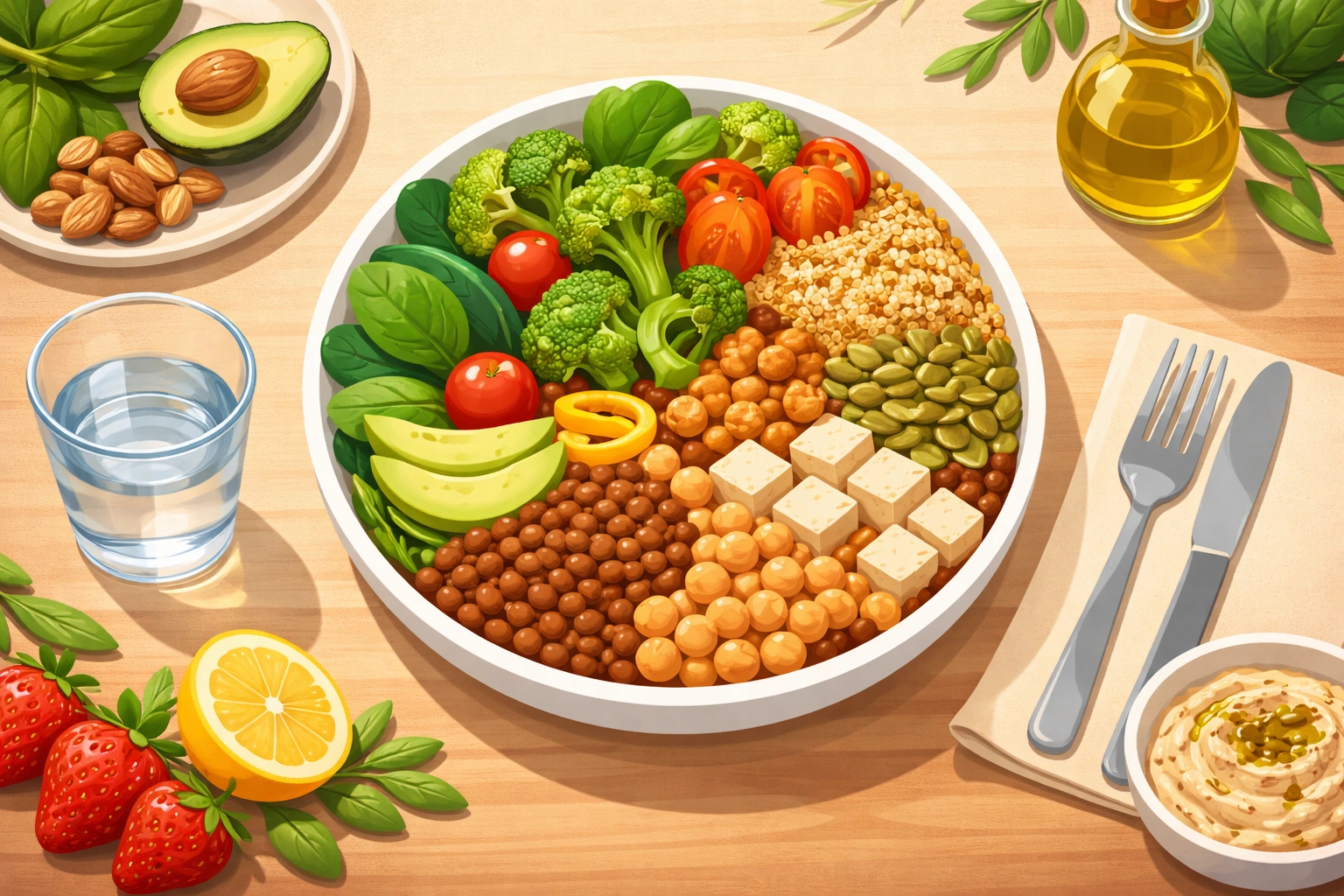
The main helpful sources of carbohydrates include:
- Whole grains like oats, brown rice, quinoa, and whole wheat products.
- Fruits, especially whole fresh or frozen fruit instead of large amounts of juice.
- Vegetables, with plenty of non starchy veggies and sensible portions of potatoes, corn, peas, and squash.
- Legumes such as beans, lentils, and chickpeas that bring fiber and plant protein.
- Plain dairy foods like milk and yogurt, if tolerated, and low sugar plant based options when needed.
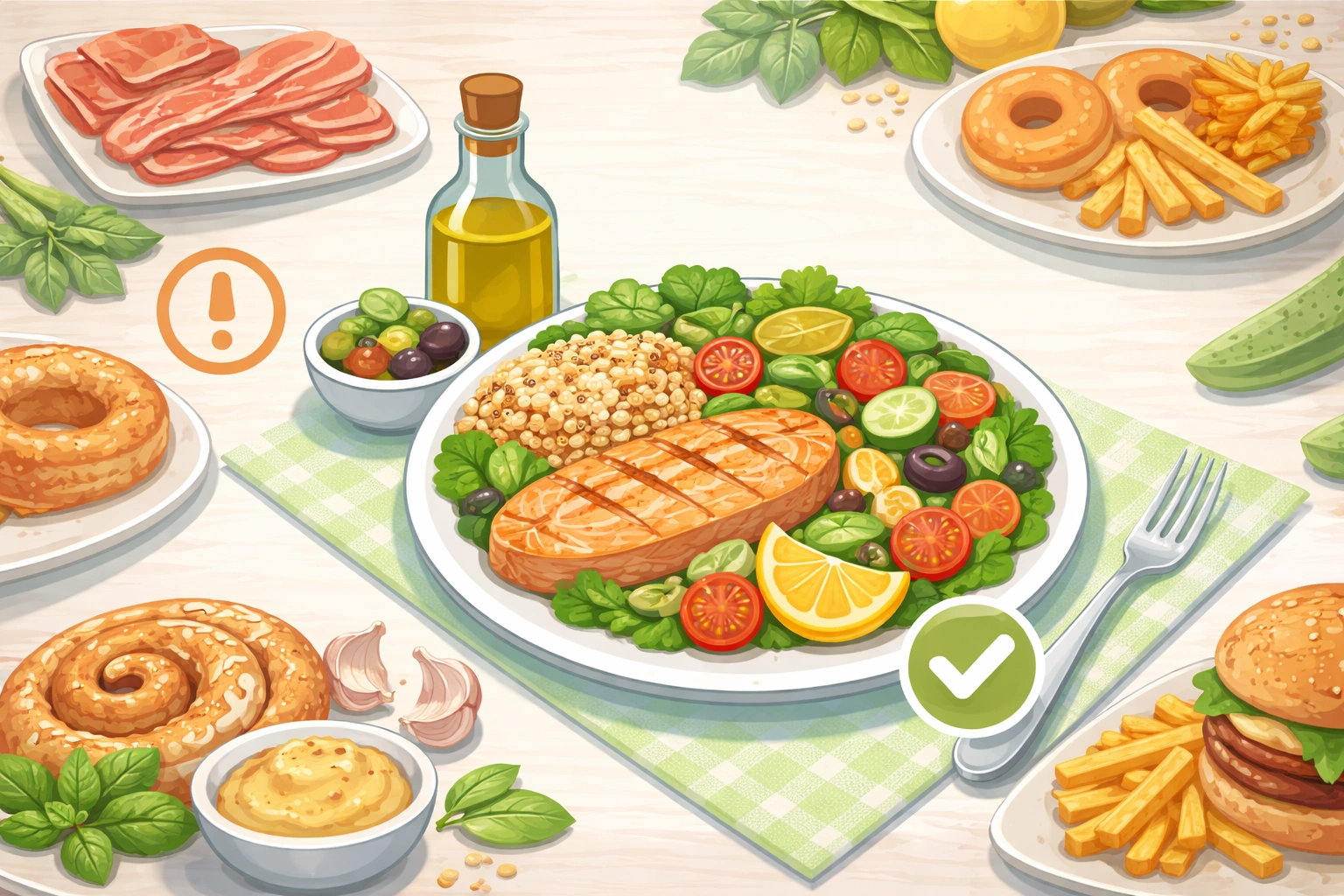
Less helpful sources tend to be sugary drinks, desserts, refined grains, and ultra processed snack foods. They fit best as occasional treats, not daily staples.
Each person’s ideal balance will look different, shaped by culture, budget, taste, health status, and fitness goals. By paying attention to where carbs come from and how they make you feel, you can build an eating pattern that respects both science and real life. Over time, choosing better sources of carbohydrates becomes less about restriction and more about feeling steady energy, better digestion, and a relationship with food that feels calm instead of confusing.




Leave a Reply