
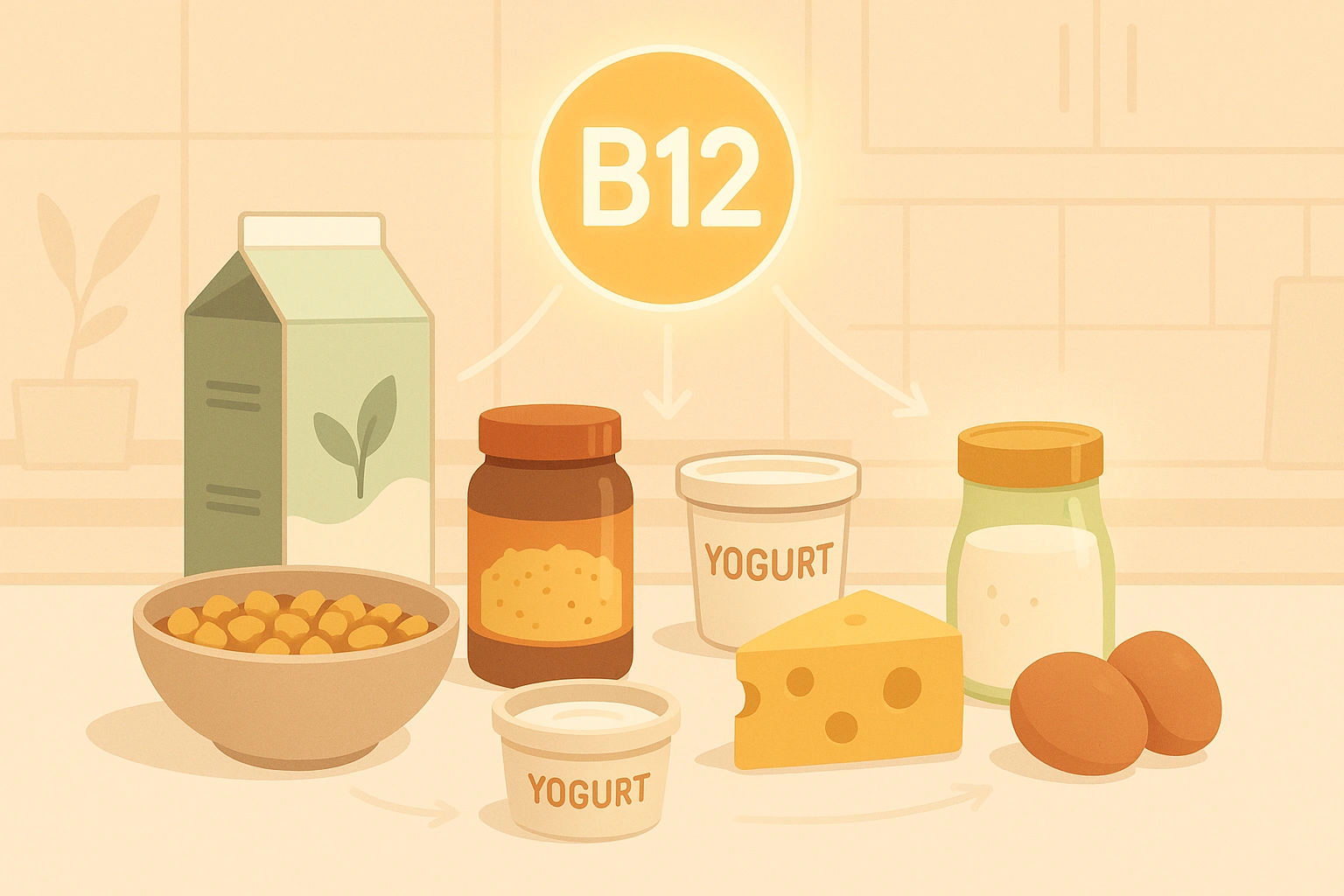

Finding reliable sources of vitamin B12 in vegetarian diet plans can feel confusing. Many of us grow up hearing that B12 only comes from meat, eggs, and dairy. When someone switch to a vegetarian or plant focused way of eating, that message creates a quiet stress in the back of the mind. Are we getting enough B12 to stay healthy, keep our energy up, and protect our nerves and brain long term.
Vitamin B12 is truely one of the few nutrients where vegetarians and vegans need a very clear plan. Unlike protein or iron that appear widely in plant foods, natural B12 is almost only found in animal based products. Thankfully, with modern food fortification, smart supplements, and basic lab testing, we can meet B12 needs safely without eating meat.
This guide walks through the main sources of vitamin B12 in vegetarian diet patterns, how much we actually need, how to design daily meals, and signs of possible deficiency. We will look at data, but also practical kitchen tips that fit real lives, busy schedules, and different cultural food habits.
Why Vitamin B12 Matters So Much For Vegetarians
Vitamin B12, or cobalamin, is a water soluble vitamin that our body needs in very small amounts but uses in huge ways. It support red blood cell production, keeps nerves protected, and plays a key role in DNA synthesis and brain function.
When intake is to low, the body cannot produce healthy red blood cells, which leads to megaloblastic anemia. At the same time, nerve cells begin to suffer, which can cause numbness, tingling, balance problems, and even cognitive changes. These problems usually come on slowly, sometimes over years, so its easy to miss the early warning signs.
Based on research from the National Institutes of Health and several large cohort studies, vegetarians and vegans have a higher risk of suboptimal B12 levels compared to omnivores. A 2023 review in the journal Nutrients reported that up to 62 percent of pregnant vegans and 30 to 40 percent of long term vegetarians showed low or marginal B12 status without supplementation. That does not mean a vegetarian diet is unsafe, it just mean B12 must be planned with intention.
Daily Vitamin B12 Requirements For Adults
According to current Dietary Reference Intakes in the United States, the recommended daily allowance (RDA) for vitamin B12 for most adults is:
- Adults 19 to 50 years: 2.4 micrograms per day
- Pregnant people: 2.6 micrograms per day
- Lactating people: 2.8 micrograms per day
Older adults, and anybody with reduced stomach acid, may need higher intake or supplements in the form of pills or sublingual tablets. In clinic settings, we also see that people with digestive issues like celiac disease, Crohn’s disease, or a history of bariatric surgery may have trouble absorbing B12 even if they eat enough on paper.
One key detail for vegetarians. While the RDA is 2.4 micrograms per day, supplements often come in doses of 25, 100, or even 1000 micrograms. This is not a mistake. Oral B12 is absorbed in two ways, one active and one passive. A very small percent of high dose tablets get absorbed passively without the usual intrinsic factor pathway, so higher doses are often used to overcome poor absorption.
Main Sources Of Vitamin B12 In Vegetarian Diet Patterns
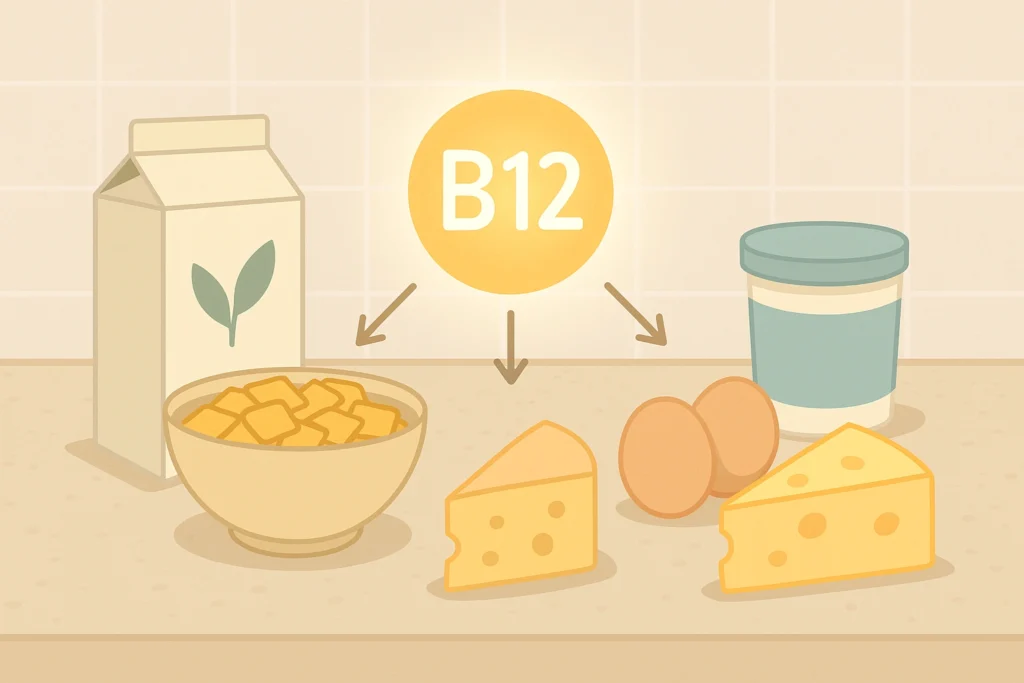
When we talk about sources of vitamin B12 in vegetarian diet plans, we typically divide them into three groups. Lacto ovo vegetarian foods like dairy and eggs, fortified foods such as plant milks, and vitamin B12 supplements.
Dairy Products As Natural B12 Sources
For people who include dairy, milk, yogurt, and cheese can cover a big part of daily B12 needs. The exact amount depends on brand and fat content, but typical values are:
- 1 cup cow’s milk: about 1.2 micrograms B12
- 1 cup plain yogurt: about 1.0 to 1.3 micrograms
- 1 ounce Swiss cheese: roughly 0.9 micrograms
- 1 ounce cheddar cheese: about 0.4 micrograms
A vegetarian eating one cup of milk plus a serving of yogurt in a day may already reach close to or above the RDA. That said, many adults in the U.S. are moving away from dairy for digestive or ethical reasons, which makes fortified plant alternatives even more important.
From a health science point of view, we also weigh dairy’s saturated fat and sodium content against its B12 benefit. For someone with high cholesterol or heart disease, a mix of low fat dairy and fortified plant foods might be a more balanced approach.
Eggs: Useful But Not Complete On Their Own
Eggs are another natural source often used in vegetarian diets. One large egg contains around 0.5 to 0.6 micrograms of vitamin B12, mostly in the yolk. That means two eggs provide about half the daily requirement for most adults.
The catch is that studies show B12 from eggs may be a little less bioavailable compared to meat or dairy. So we usually do not rely on eggs alone to cover the entire need, especially for older adults, pregnant people, or those with digestive issues.
A realistic strategy for an ovo vegetarian could look like this. Two eggs at breakfast plus a serving of fortified plant milk in coffee or oatmeal, and maybe some fortified cereal. That combination often cover the full daily B12 need.
Fortified Plant Milks And Yogurts
Fortified foods are the backbone for many vegetarian and vegan diets, because they supply a predictable, stable dose of vitamin B12. In the United States, many brands of soy milk, almond milk, oat milk, and pea milk are fortified with B12, often using cyanocobalamin, the most stable form.
Typical fortified plant milk provides:
- 1 cup fortified plant milk: 1.0 to 3.0 micrograms B12
Some brands target 25 to 50 percent of the daily value per serving, while others aim for 100 percent. The only way to know is to read the Nutrition Facts label carefully. Based on current trends in supermarket offerings, more private label and budget brands now add B12 to stay competitive with large national products.
Plant based yogurts are also increasingly fortified. A 2024 review of plant dairy alternatives found that about 53 percent of soy and oat yogurts in U.S. grocery stores included added B12, often around 1.0 microgram per single serve cup. Again, each brand differs, so label literacy matters a lot.
Breakfast Cereals And Nutritional Yeast
Fortified breakfast cereals and nutritional yeast are two other reliable sources of vitamin B12 in vegetarian diet planning. Many whole grain cereals, especially those marketed as high fiber or “heart healthy,” are enriched with B vitamins, including B12.
Depending on the brand, one serving of fortified cereal might provide 25 to 100 percent of the daily B12 value. Combined with fortified plant milk, one bowl can deliver a full day’s B12 for a vegetarian or vegan.
Nutritional yeast is another favorite in plant based kitchens. It has a cheesy, nutty taste and usually comes as yellow flakes or powder. Many brands sold in the U.S. are fortified with vitamin B12, often giving 2.0 to 6.0 micrograms per tablespoon. Sprinkling it over popcorn, pasta, soups, or scrambled tofu can add a big B12 punch with very little effort.
We do have to be careful here. Not all nutritional yeast is fortified, and some products sold online or in bulk bins may contain minimal B12. Steering toward well known brands that clearly list “vitamin B12” and the microgram amount on the label is the safest path.
Vitamin B12 Supplements For Vegetarians And Vegans
Supplements are the most straightforward way to ensure adequate B12, especially for vegans, older adults, or anyone who eats very little dairy and eggs. Unlike some supplements where the benefit is debated, B12 supplementation has strong backing from major medical and nutrition organizations for plant based eaters.
Common forms include:
- Cyanocobalamin tablets: stable, affordable, widely used
- Methylcobalamin tablets or sublingual: popular but not clearly superior
- Liquid drops: handy for those who dislike pills
For healthy adults on a vegetarian or vegan diet, typical evidence based dosing strategies looks like:
- Daily: 25 to 100 micrograms oral cyanocobalamin, or
- Twice weekly: 1000 micrograms oral cyanocobalamin
These amounts account for passive absorption. They may look huge compared to the 2.4 microgram RDA, but only a small fraction gets into the bloodstream. For those with known deficiency or serious absorption issues, doctors sometimes prescribe much higher doses or use injections.
In our experience, people who pick a simple, consistent routine, such as a 1000 microgram tablet every Monday and Thursday, usually maintain great levels with no stress. Pairing the dose with a weekly habit like grocery shopping or a regular workout can help with adherence.
What About “Natural” Plant Sources Of B12
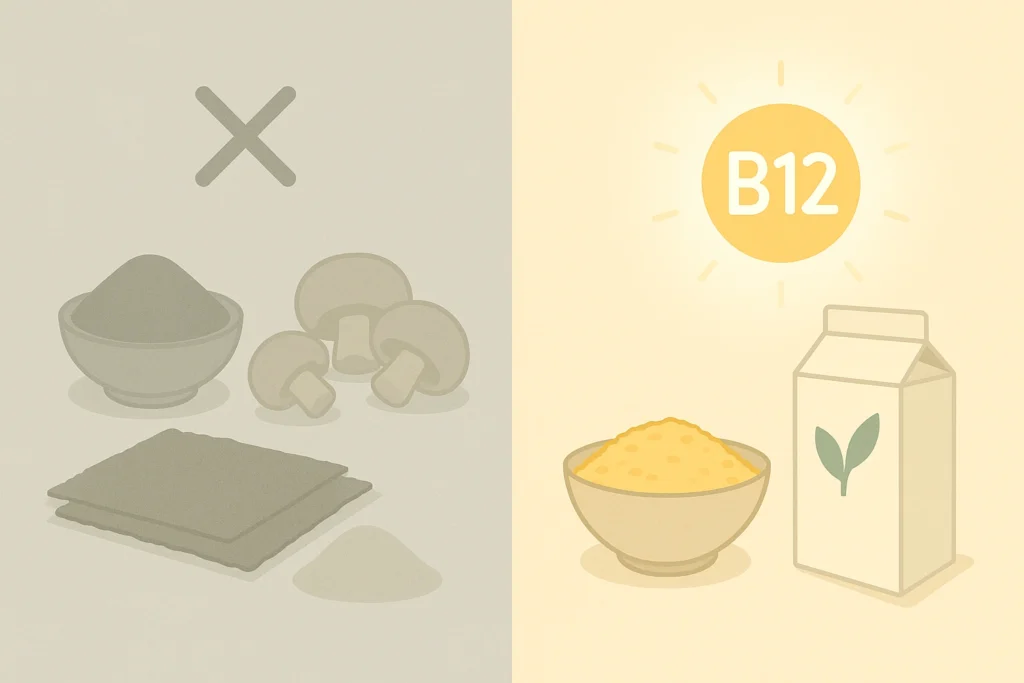
There is a lot of confusion online around supposed natural plant sources of vitamin B12 in vegetarian diet blogs. Foods like spirulina, chlorella, nori, and certain mushrooms are often promoted as rich in B12. The problem is that much of the B12 like compounds in these foods are inactive analogs, not the true vitamin our body can use.
Research over the last decade, including tests published in 2022, has shown:
- Most algae products contain B12 analogs that may even interfere with lab testing.
- Fermented foods like tempeh or miso can contain tiny B12 amounts, but levels are highly variable and not reliable.
- Some mushrooms (like shiitake) have traces of active B12, but you would need unrealistic portions daily to meet your needs.
For these reasons, major nutrition groups like the Academy of Nutrition and Dietetics and the British Dietetic Association do not count algae, seaweed, or fermented soy as adequate B12 sources. We can enjoy those foods for other nutrients, but they can not replace supplements or fortified foods.
How Vegetarian Diet Style Changes B12 Strategy
Not all plant based diets look the same. The best sources of vitamin B12 in vegetarian diet patterns shift based on what animal foods, if any, a person still eats.
Lacto Ovo Vegetarian
Lacto ovo vegetarians include both dairy and eggs. In many cases, they can meet B12 needs from food alone, especially if they drink milk or yogurt daily. A typical strategy might be:
- 1 cup milk or fortified plant milk at breakfast
- 2 eggs several days per week
- 1 serving of yogurt or cheese
People in this group may still choose a low dose supplement (like 25 to 50 micrograms per day) as a safety net, especially if they are pregnant, breastfeeding, or have family history of B12 problems.
Lacto Vegetarian
Lacto vegetarians eat dairy but not eggs. They can rely more on milk, yogurt, and cheese plus fortified foods. For example:
Breakfast could be oatmeal with fortified soy milk, lunch may include a yogurt cup, and dinner might bring some cheese on a bean based casserole. With careful planning, this can meet daily needs, but a modest supplement remains a low cost insurance policy.
Ovo Vegetarian
Ovo vegetarians eat eggs but avoid dairy. Because egg B12 content is modest and absorption is not perfect, we often recommend they treat themselves similar to vegans from a B12 standpoint. That means using fortified plant milks or cereals regularly and adding a consistent supplement schedule.
Vegan (Strictly Plant Based)
Vegans do not eat any animal derived foods, including dairy, eggs, or honey. For this group, supplementation and fortified foods are non negotiable for long term health. The evidence here is strong. Studies following vegans over many years show that those using either B12 fortified foods several times a day or a routine supplement maintain normal levels, while those who rely only on unfortified whole foods often drift into deficiency over time.
For anyone curious about broader health differences between animal based and plant based patterns, we have a more general discussion here: https://dietlinic.com/animal-based-diet-vs-plant-based-diet/
Sample One Day Vegetarian Meal Plan High In Vitamin B12
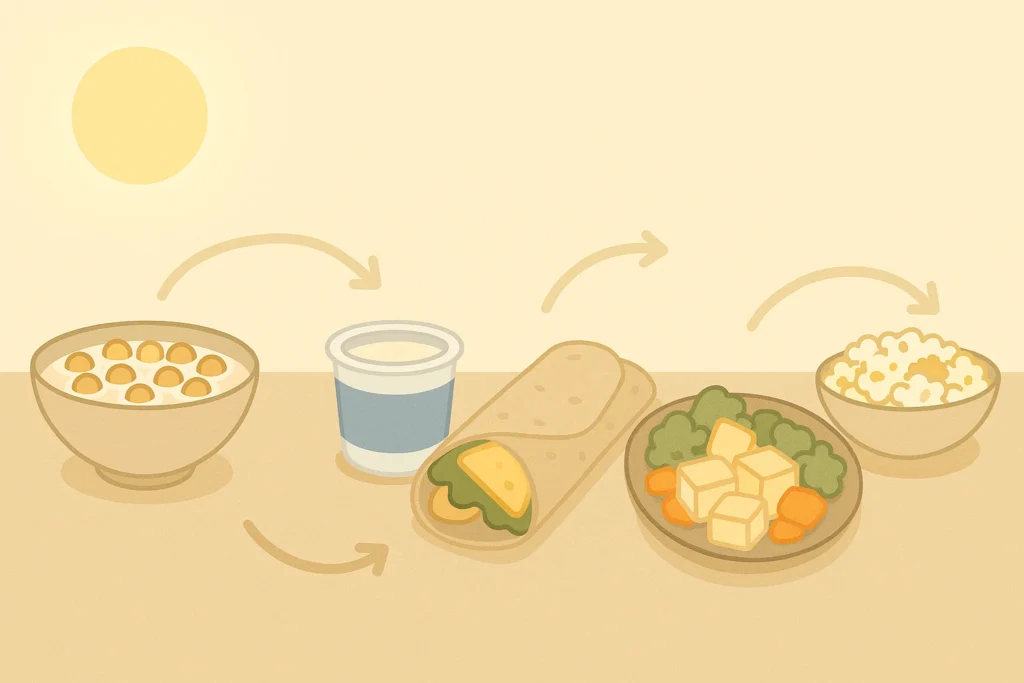
To make this more concrete, here is an example of how a lacto ovo vegetarian day could easily meet B12 needs using common U.S. foods. Numbers are approximate and vary by brand.
| Meal | Food | Estimated B12 (micrograms) |
|---|---|---|
| Breakfast | 1 cup fortified soy milk + 1 serving fortified whole grain cereal | 3.0 to 4.0 |
| Snack | Yogurt (6 ounce cup) | 1.0 to 1.3 |
| Lunch | Whole grain wrap with 1 slice Swiss cheese and veggies | 0.9 |
| Snack | Popcorn with 1 tablespoon fortified nutritional yeast | 2.0 to 4.0 |
| Dinner | Vegetable stir fry with tofu, served with brown rice | 0 (unless fortified foods are used) |
Total for the day can easily reach 6 to 10 micrograms of B12, which is well above the RDA. That extra cushion helps account for less than perfect absorption.
Signs Of Possible Vitamin B12 Deficiency
Because B12 stores in the liver and can last for years, deficiency usually does not show up right after switching to a vegetarian or vegan lifestyle. For many people, it may appear slowly, almost quietly.
Warning signs can include:
- Persistent fatigue or weakness that does not match your activity level
- Pale skin or shortness of breath with mild exertion
- Numbness, tingling, or “pins and needles” in hands or feet
- Balance problems or feeling unsteady when walking
- Glossy, sore tongue
- Changes in mood, irritability, low motivation, or memory issues
Lab tests for B12 typically include serum vitamin B12 levels and sometimes methylmalonic acid (MMA) or homocysteine if results are borderline. In clinic care, we often aim for levels in the mid to upper normal range for vegetarians and vegans, especially if they have neurological symptoms.
One important nuance. High folate intake from leafy greens and supplements can sometimes hide the anemia part of B12 deficiency while nerve damage continues. That is another reason why regular B12 intake, not just “feeling fine,” should guide our plan.
Who Should Be Extra Careful With B12 Intake
Some groups living on vegetarian and vegan diets benefit strongly from closer monitoring and more consistent supplementation:
Pregnant and breastfeeding people need enough B12 for themself and the developing baby. Low B12 status during pregnancy has been linked to higher risk of neural tube defects and impaired growth. Breastfed infants of vegan or poorly supplemented vegetarian parents may develop deficiency quickly because their stores are tiny at birth.
Older adults often produce less stomach acid and intrinsic factor, both of which are needed to absorb natural B12 from food. The National Academy of Medicine even advise that adults over 50 get most of their B12 from fortified foods or supplements rather than rely solely on animal sources.
People with digestive disorders like celiac disease, Crohn’s disease, atrophic gastritis, or those who have had weight loss surgery, are at higher risk because their absorption capacity is impaired. For them, checking B12 levels yearly and working with a doctor or dietitian is wise.
Long term vegans and raw food followers who avoid fortified foods, either by choice or due to access, are particularly vulnerable. In practice we sometimes see people who have followed raw vegan or very restrictive clean diets for years with no supplements and who already show neurological changes by the time they seek help.
Practical Tips To Stay Consistent With B12
Meeting B12 needs on a vegetarian diet is not only about knowing the sources. It is about building small, repeatable habits that stick even when life gets hectic. Based on real world patterns, a few strategies work well:
- Pick one main B12 vehicle and use it daily. For example, always choosing a fortified milk for coffee and cereal.
- Keep your B12 supplement in a place you see every day, like near your toothbrush or coffee grinder.
- Schedule a yearly blood test around your birthday or another annual event to review levels and adjust if needed.
- Teach older family members who are vegetarian or semi vegetarian about B12, since they may have grown up before fortified options were common.
In my experience writing and talking with readers who eat plant focused diets, the people who feel best over many years are rarely the ones who chase perfect “purity” in their food. Instead, they are the ones who accept that a simple, evidence based supplement for B12 is part of caring for their body, just like flossing or wearing sunscreen.
Balancing Whole Foods And Fortified Foods
Some health minded people feel uneasy about fortified foods or pills, because they prefer everything to come from whole, minimally processed ingredients. That feeling is very common, and it comes from a real desire for natural health. B12 is a unique case, though.
Historically, humans likely got B12 from small amounts of soil bacteria on unwashed produce and from drinking surface water that wasnt treated. With modern sanitation, chlorinated water, and cleaner food systems, we lost those sources. That is great news for fighting infections, but it also means our food environment changed in a way that reduced B12 availability, especially if we eat little or no animal products.
Fortification is basically our way of partnering modern hygiene with modern nutrition. We clean our vegetables and purify our water to avoid harmful bacteria, then we mindfully add back safe, measured amounts of key nutrients like B12 and iodine in reliable forms.
When we step back and look at the big picture, using fortified foods and B12 supplements is not a failure of vegetarian or vegan diets. It is a simple, science guided adjustment to how we live now.
Key Takeaways On Sources Of Vitamin B12 In Vegetarian Diet
Vegetarian and vegan diets can support excellent health across the life span, but vitamin B12 is one nutrient that requires more deliberate planning. The most reliable sources of vitamin B12 in vegetarian diet patterns include dairy products, eggs, fortified plant milks and cereals, nutritional yeast with added B12, and well chosen supplements.
Relying on unfortified plant foods like seaweed, spirulina, or tempeh is not enough, because they either contain inactive B12 analogs or inconsistent amounts. Regular fortified foods or supplements, combined with occasional blood tests and attention to symptoms, provide a safe, practical path.
When we treat B12 as a basic maintenance nutrient rather than a complicated puzzle, vegetarian and vegan lifestyles become much simpler to sustain. A little planning now protects energy, mood, nerves, and long term brain health for years to come, letting plant based eating support not only our values, but also our daily quality of life.
Leave a Reply