
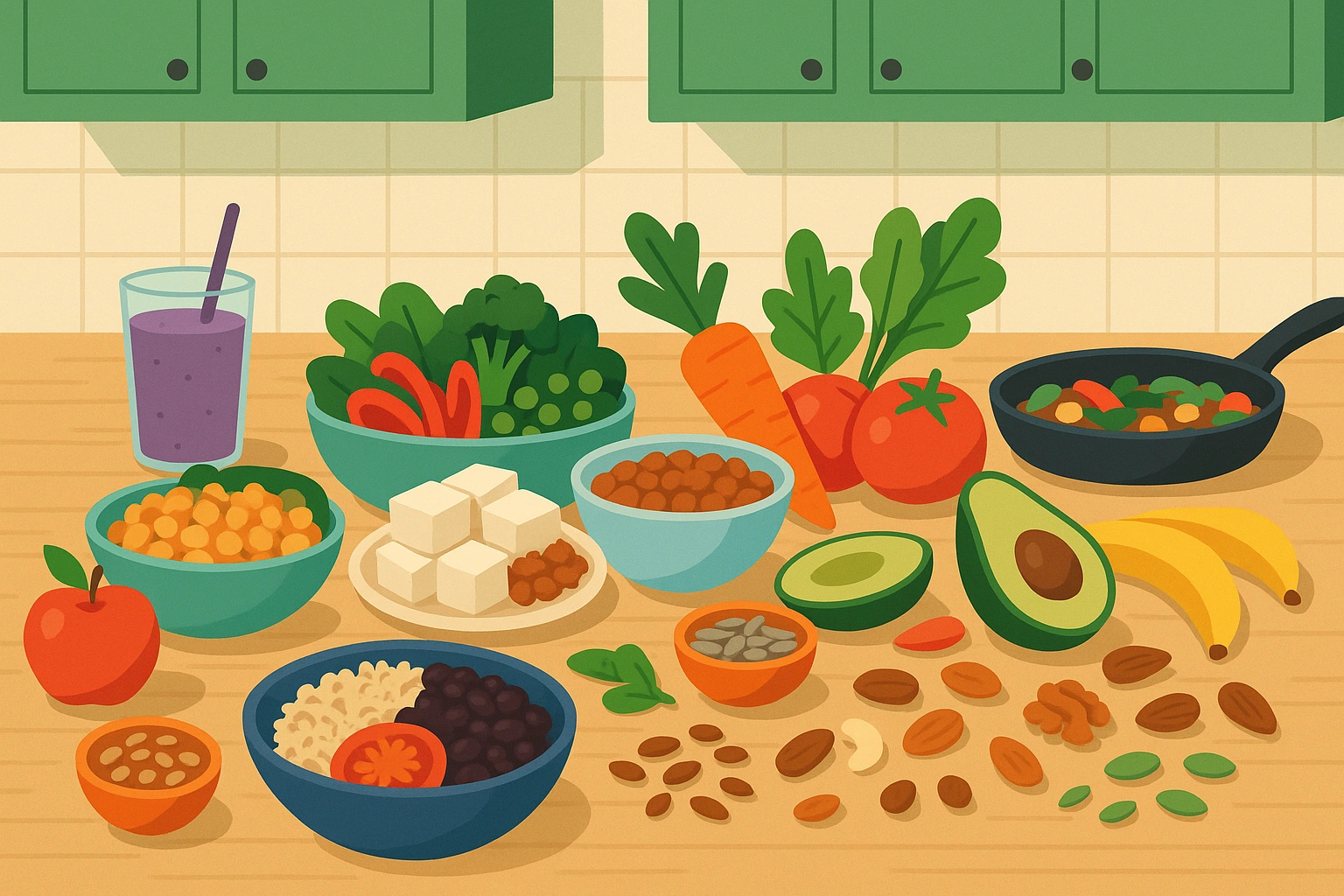

Protein is usually the first thing people worry about when they think about eating more plants. Many of us grew up being told we need chicken, eggs, or steak on the plate to build muscle and stay strong. So when we start looking for protein sources on a plant based diet, it can feel confusing, and sometimes a little scary, to swap familiar animal food with beans, tofu, or grains.
The good news: a well planned plant based diet can provide all the protein we need for strength, satiety, and long term health. Research from the Academy of Nutrition and Dietetics and multiple large cohort studies keep showing that plant forward eating patterns support healthy weight, lower cholesterol, reduce risk of type 2 diabetes, and may even lower overall mortality. Protein is part of that story, not a barrier.
How Much Protein Do We Really Need On A Plant Based Diet
Before we dive into specific protein sources on a plant based diet, we should get clear on how much protein most people actually need. That way we know what we are aiming for with our meals and snacks.
For healthy adults, the standard recommendation is about 0.8 grams of protein per kilogram of body weight per day. For someone who weighs 150 pounds (around 68 kilograms), that comes out to about 55 grams of protein daily.
Many active adults, athletes, or people over 60 may benefit from a bit more to help support muscle mass and recovery. Recent research from 2023 in sports nutrition journals suggest around 1.2 to 1.6 grams per kilogram for physically active people, and up to 2.0 grams per kilogram in intense training phases. Older adults may also do better around 1.0 to 1.2 grams per kilogram to help prevent age related muscle loss.
That might sound like a lot at first, but once we look at how protein adds up from beans, whole grains, soy foods, nuts, and seeds through the day, it becomes a lot more doable. We just need to be a little more intentional than someone who eats meat at every meal.
Complete vs Incomplete Protein: Does It Matter For Plant Foods
One of the biggest myths about protein sources on a plant based diet is that plant proteins are “incomplete,” and therefore somehow inferior. That idea came from older research and has been largely corrected by newer studies.
Here is what we know now:
- All plant foods contain all nine essential amino acids, just in different amounts.
- We do not need every amino acid in perfect balance at each meal. Our bodies pool amino acids over the day.
- A varied plant based diet will naturally provide the full amino acid profile we need.
The only plant food that stands out as especially high quality protein, similar to animal protein, is soy. Foods like tofu, tempeh, edamame, and soy milk are considered “complete” proteins because they have a very favorable amino acid pattern and high digestibility. But beans plus grains, or nuts plus legumes, also complement each other well across a normal day of eating.
So instead of stressing about “complete proteins,” we do better by focusing on variety: different beans, different grains, and a mix of nuts and seeds alongside vegetables and fruits.
Top Protein Sources On A Plant Based Diet
When we look at practical plant protein sources, some are more dense and convenient than others. Below we review the main categories and how they can fit into daily meals.
Legumes: The Foundation Of Plant Protein
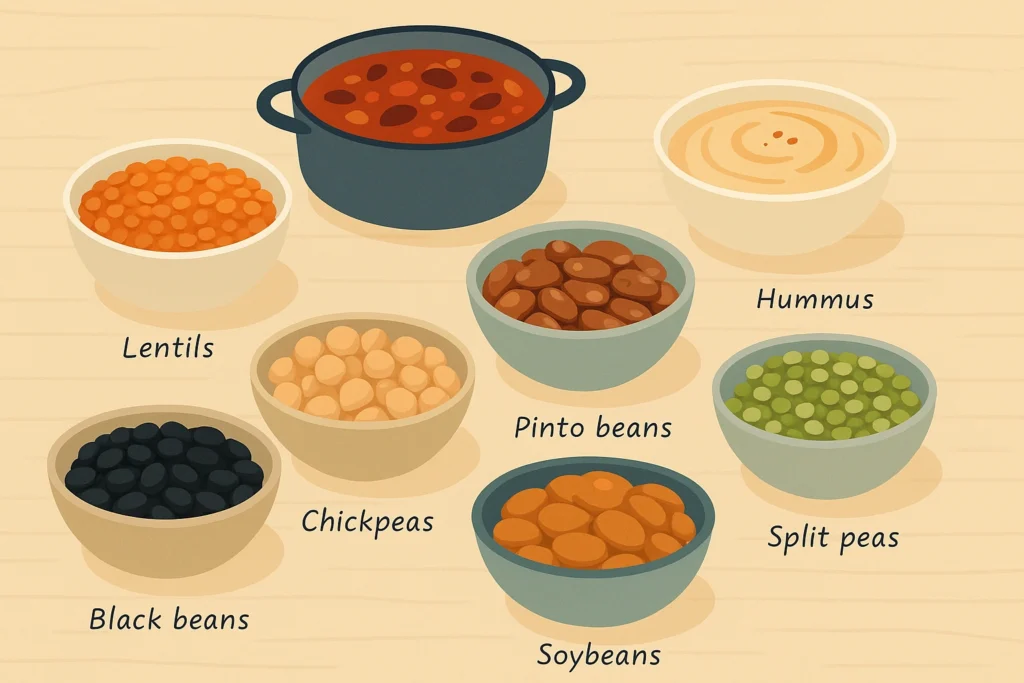
Legumes include beans, lentils, split peas, chickpeas, and soybeans. From a nutrition standpoint, they are some of the most powerful protein sources on a plant based diet because they bring fiber, minerals, and slow digesting carbs along with the protein.
Common examples and average protein per cooked cup:
- Lentils: about 18 grams
- Black beans: about 15 grams
- Chickpeas: about 14 grams
- Pinto beans: about 15 grams
- Split peas: about 16 grams
From a practical angle, we usually recommend having some type of legume at least once or twice a day if you follow a fully plant based diet. They can show up in chili, lentil soup, hummus, bean dips, tacos, grain bowls, or even pasta dishes.
Based on day to day cooking experience, canned beans tend to remove most of the excuses. They are cheap, shelf stable, and ready in minutes. Just give them a quick rinse to reduce extra sodium and add straight to salads, soups, or wraps.
Soy Foods: High Quality, Versatile Protein
Soy often gets a lot of pushback, but current evidence from large reviews published in 2022 and 2023 shows that moderate soy intake is safe for most people and may support heart health and cholesterol levels. For people seeking strong protein sources on a plant based diet, soy is incredibly useful.
Main soy options and protein per serving:
- Firm tofu (3.5 ounces / 100 g): around 8 to 12 grams
- Tempeh (3.5 ounces / 100 g): around 15 to 19 grams
- Edamame (1 cup cooked): about 17 grams
- Soy milk (1 cup, fortified): about 7 to 9 grams
- Textured vegetable protein (TVP, dry 1/4 cup): around 12 grams
Tempeh and tofu both take on the flavor of whatever sauce or marinade we use. That makes them work well in stir fries, tacos, grain bowls, or even scrambled as a egg replacement. For busy weekday dinners, air frying marinated tofu cubes with a bag of frozen veggies and some quick rice can put a high protein meal on the table in under 25 minutes.
If someone prefer to limit soy for personal reasons, they can still meet protein needs, but it often require a bit more planning and a heavier reliance on beans, lentils, and seitan.
Whole Grains: Underrated Protein Contributors
Grains are usually thought of as carb sources, but many whole grains quietly contribute meaningful protein as well. On a plant based diet we want to choose intact or minimally processed grains more often, since they keep more fiber, minerals, and micronutrients.
Examples of higher protein grains per cooked cup:
- Quinoa: about 8 grams
- Farro: about 6 grams
- Bulgur: about 5.5 grams
- Oats: about 6 grams
- Brown rice: about 5 grams
Grain bowls, oatmeal, and hearty grain salads can easily hit 15 to 25 grams of protein when we layer grains with beans, vegetables, nuts, and a tahini or yogurt style sauce. For example, a bowl with 1 cup quinoa, 1/2 cup black beans, roasted broccoli, and a spoon of pumpkin seeds will land in that range without any special products.
Nuts And Seeds: Dense Protein And Healthy Fats
Nuts and seeds are more calorie dense, so they usually work best as add ons rather than our main protein sources on a plant based diet. But they do pull a lot of weight for satiety, hormone health, and overall nutrition. They also taste really good, which matters for long term consistency.
Approximate protein per 2 tablespoon (or similar) serving:
- Peanut butter: 7 to 8 grams
- Almonds (1/4 cup): 6 to 7 grams
- Sunflower seeds (1/4 cup): 6 grams
- Hemp seeds (3 tablespoon): about 10 grams
- Chia seeds (2 tablespoon): about 4 grams
- Pumpkin seeds (1/4 cup): about 8 to 9 grams
Sprinkling hemp seeds on oatmeal, stirring peanut butter into smoothies, or tossing pumpkin seeds into salads are all easy ways to bump up protein without feeling like we are eating “diet food.” These small tweaks spread across a day can add an extra 10 to 20 grams of protein without much effort.
Seitan And Wheat Based Proteins
Seitan is made from wheat gluten and is extremely high in protein, with about 21 grams per 3 ounce serving. The texture is chewy and meat like, which makes it popular for people transitioning from an animal based diet.
On the plus side, seitan can be sliced for sandwiches, stir fried, grilled, or used in stews. However, it is obviously not suitable for anyone with celiac disease or gluten sensitivity. It also tends to be more processed and higher in sodium, depending on the brand or recipe, so we usually think of it as a “sometimes protein” rather than a daily staple.
Plant Based Protein Powders And Convenience Foods
Many active people use protein powders for recovery shakes or quick breakfasts. Common plant based powders include pea, rice, hemp, or blended protein formulas. Most provide 15 to 25 grams per scoop.
Protein powder can be very useful when:
- We have high protein needs (heavy training, pregnancy, or illness recovery).
- We struggle to eat enough whole food due to appetite or busy schedule.
- We need an easy post workout option that digests fast.
At the same time, powders should not replace whole food sources of protein on a plant based diet. Whole foods bring fiber, antioxidants, and micronutrients that isolated powders can not fully match. Also, some powders contain sugar alcohols or artificial ingredients that might cause bloating in some people.
We also see more plant based meat alternatives now, such as burgers, sausages, and chicken style pieces. These can help with cravings and social situations. But many are ultra processed and high in sodium and saturated fats from coconut oil. Based on current health data, most dietitians encourage using these foods in moderation, while centering meals around beans, lentils, whole soy, whole grains, and vegetables.
How To Build A High Protein Plant Based Plate
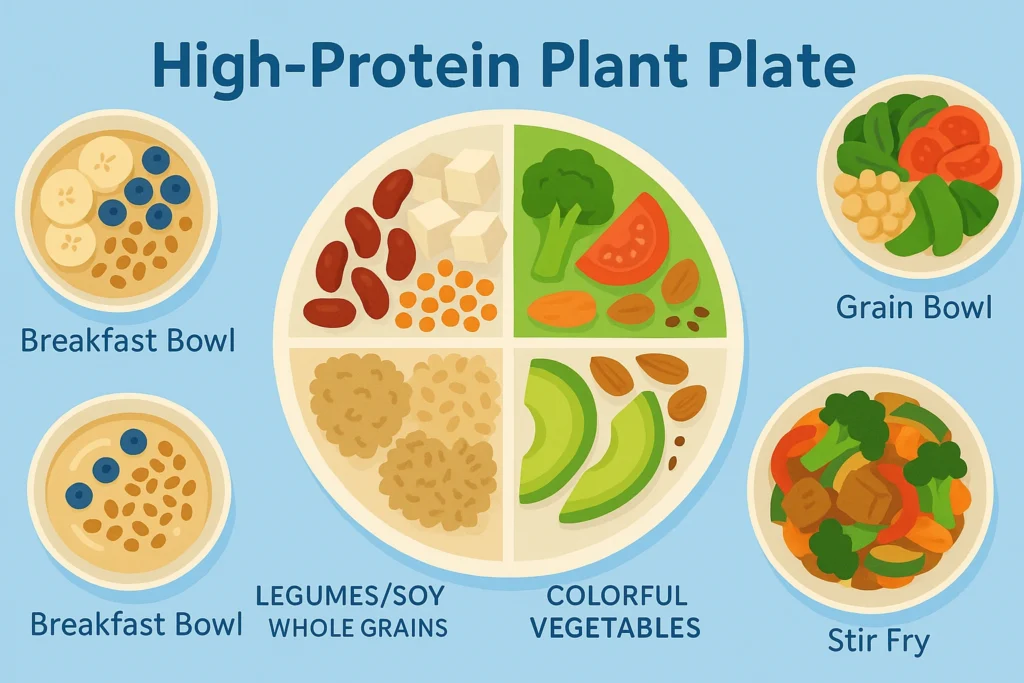
When we talk to people switching from animal based diet patterns, the most common question is not the science. It is simply “What do I put on my plate that keeps me full and tastes good?” That is where a simple framework helps.
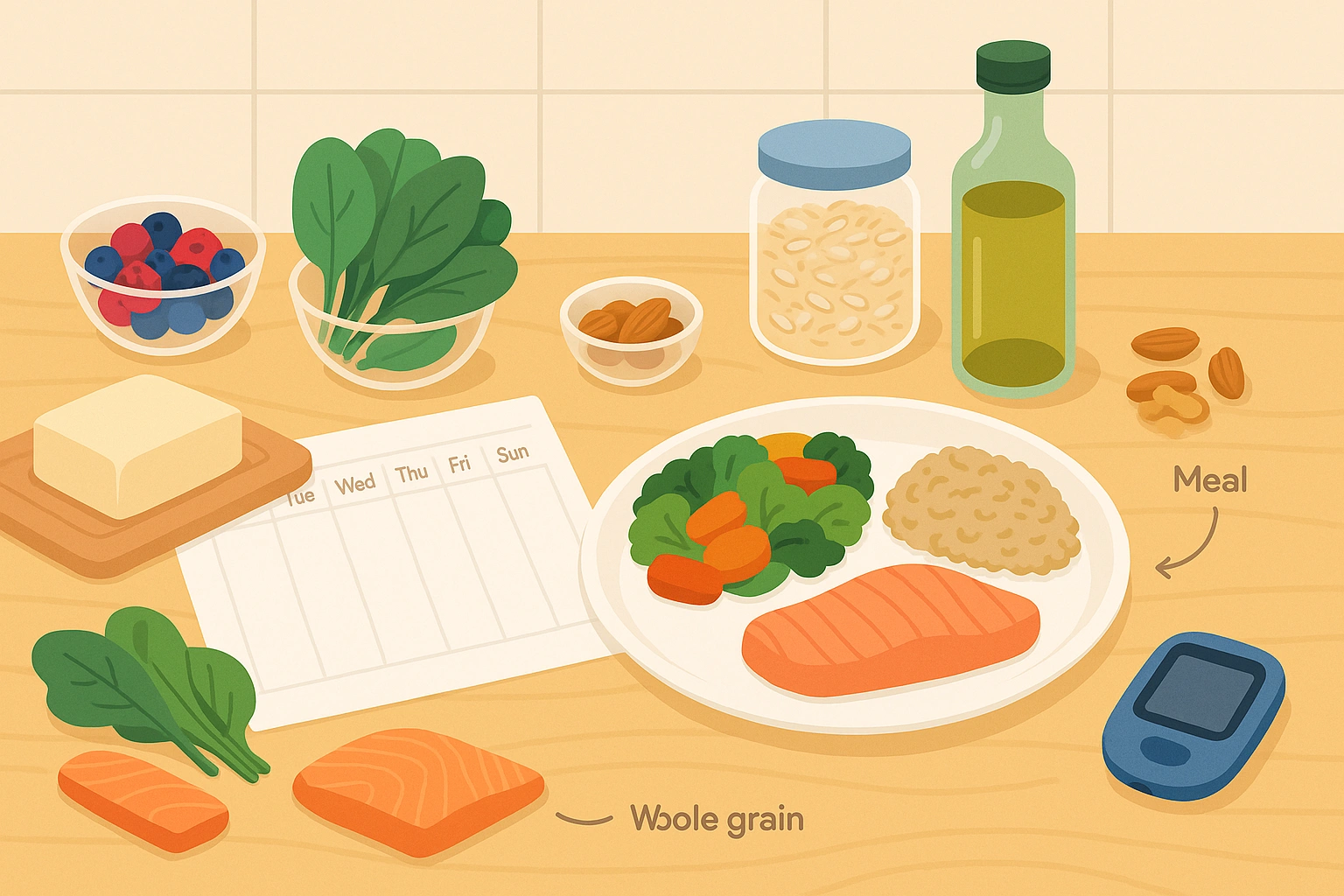
A balanced, high protein plant based plate usually includes:
- 1 legume or soy source (beans, lentils, tofu, tempeh, or edamame)
- 1 whole grain (quinoa, brown rice, farro, barley, or oats)
- Plenty of vegetables (roasted, steamed, raw, or stir fried)
- Some healthy fat (nuts, seeds, avocado, or olive oil)
From there, seasonings and sauces carry the flavor. A tahini lemon dressing, spicy salsa, peanut sauce, or simple garlic and herbs can quickly change the feel of the same core ingredients.
Here are sample meal ideas with rough protein estimates:
Breakfast
Rolled oats cooked in soy milk, topped with 2 tablespoon peanut butter and 2 tablespoon hemp seeds, plus berries.
Estimated protein: 25 to 30 grams.
Lunch
Quinoa and black bean bowl with roasted sweet potatoes, shredded cabbage, avocado, and a lime yogurt style dressing using soy yogurt.
Estimated protein: 20 to 25 grams.
Dinner
Stir fry with 1 cup tofu cubes, broccoli, bell peppers, carrots, and brown rice, cooked in a ginger garlic soy sauce.
Estimated protein: 25 to 30 grams.
Snacks
Hummus with carrots and whole grain crackers, or a smoothie with soy milk, frozen banana, spinach, and a scoop of pea protein.
Estimated protein across snacks: 10 to 20 grams.
Across a full day like this, total protein intake can go above 70 grams without feeling extreme or complicated. That amount covers needs for most average height adults and even many active people.
Comparing Plant Protein To Animal Protein
Some readers may still be torn between staying with a traditional animal based pattern or moving more toward plant foods. A honest comparison can help set expectations. For those interested in seeing how an animal based diet and a plant forward pattern stack up side by side, DietLinic already covers this more deeply in an article on https://dietlinic.com/animal-based-diet-vs-plant-based-diet/.
From a health perspective, several large studies during the past few years found that higher intake of plant protein, compared with animal protein, is linked with lower risk of heart disease and all cause mortality. One 2022 meta analysis in JAMA Network Open showed that replacing just 3 percent of calories from animal protein with plant protein was associated with 5 to 10 percent lower mortality risk, depending which animal source was swapped.
Mechanisms likely include lower saturated fat, more fiber, and higher intake of potassium, magnesium, and phytonutrients in plant based protein sources. For many people, the shift also means eating fewer processed meats and refined foods, which further supports heart health and gut function.
From a performance and muscle standpoint, multiple sports nutrition studies now show that as long as total protein intake is adequate and spread across the day, athletes can gain similar muscle mass and strength from plant based protein diets compared with mixed or animal based diets. The key is hitting protein targets and training consistently, not necessarily which source that protein comes from.
Common Challenges And How To Fix Them
Even with all these benefits, eating mostly plants is not always smooth. Real life bring time limits, social pressure, and old taste habits. Based on feedback from readers and clients, here are common issues and practical fixes.
Worry About Feeling Hungry Or Weak
If a plant based diet feels like one big salad, we probably need more energy and protein density. Bumping up portions of beans, grains, and fats such as avocado or nuts can make meals more satisfying. Adding a side of lentil soup or a chickpea salad to a veggie plate can completely change fullness levels.
Digestive Discomfort From Beans
Some people notice gas or bloating when they suddenly increase beans and lentils. That does not mean legumes are bad for them. The gut microbiome simply needs time to adjust to more fiber and resistant starch.
Helpful strategies include:
- Increase beans gradually over a few weeks instead of overnight.
- Rinse canned beans well to remove some fermentable carbohydrates.
- Start with lentils and split peas, which many people find easier to digest.
- Consider soaking and cooking dry beans with bay leaf, kombu, or a bit of vinegar.
Most people find their digestion settles as their gut bacteria adapt. If discomfort continues, tracking portions and patterns in a food log can help pinpoint triggers.
Time And Convenience Problems
We all get busy. Cooking dried beans from scratch and chopping a mountain of vegetables can sound like a nice weekend project, but not always realistic on a Tuesday night after work and kids sports. That is where smart shortcuts keep a plant based, high protein pattern sustainable.
Some realistic shortcuts:
- Keep canned beans, frozen edamame, and pre cooked lentils on hand.
- Use frozen mixed vegetables and microwave rice for fast grain bowls.
- Batch cook a pot of chili or lentil bolognese on Sunday for easy leftovers.
- Rely on simple sauces: jarred marinara, salsa, tahini, or store bought hummus.
Based on both research and real kitchen experience, the people who stick with a plant based lifestyle longest are not the ones making fancy recipes every night. They are the ones with 3 to 5 simple, repeatable meals that they can throw together almost on autopilot.
Do We Need To Combine Plant Proteins At Each Meal
A common older idea suggested that vegetarians must combine specific plant foods, like rice and beans, at the same meal to form a “complete” protein. Modern nutrition science no longer supports this strict rule. Our bodies store amino acids and draw from that pool across the whole day.
So if we eats peanut butter toast for breakfast, lentil soup for lunch, and tofu stir fry at dinner, our amino acid profile will balance out just fine. The main job is to include a variety of protein sources on a plant based diet over 24 to 48 hours, not at every single plate.
Micronutrients To Watch Alongside Protein
Protein gets most of the attention, but several vitamins and minerals deserve some focus when shifting away from animal foods. Paying attention here reduces the risk of fatigue, hair loss, or low mood that some people notice when they underfuel or eat a very limited plant diet.
Key nutrients include:
- Iron: Found in lentils, beans, tofu, pumpkin seeds, and fortified cereals. Pair with vitamin C rich foods like bell peppers or citrus to improve absorption.
- Vitamin B12: Primarily found in animal foods. Fully plant based eaters usually need a supplement or regular use of fortified plant milks and nutritional yeast.
- Calcium: Present in fortified plant milks, tofu set with calcium, leafy greens like collards or kale, and tahini.
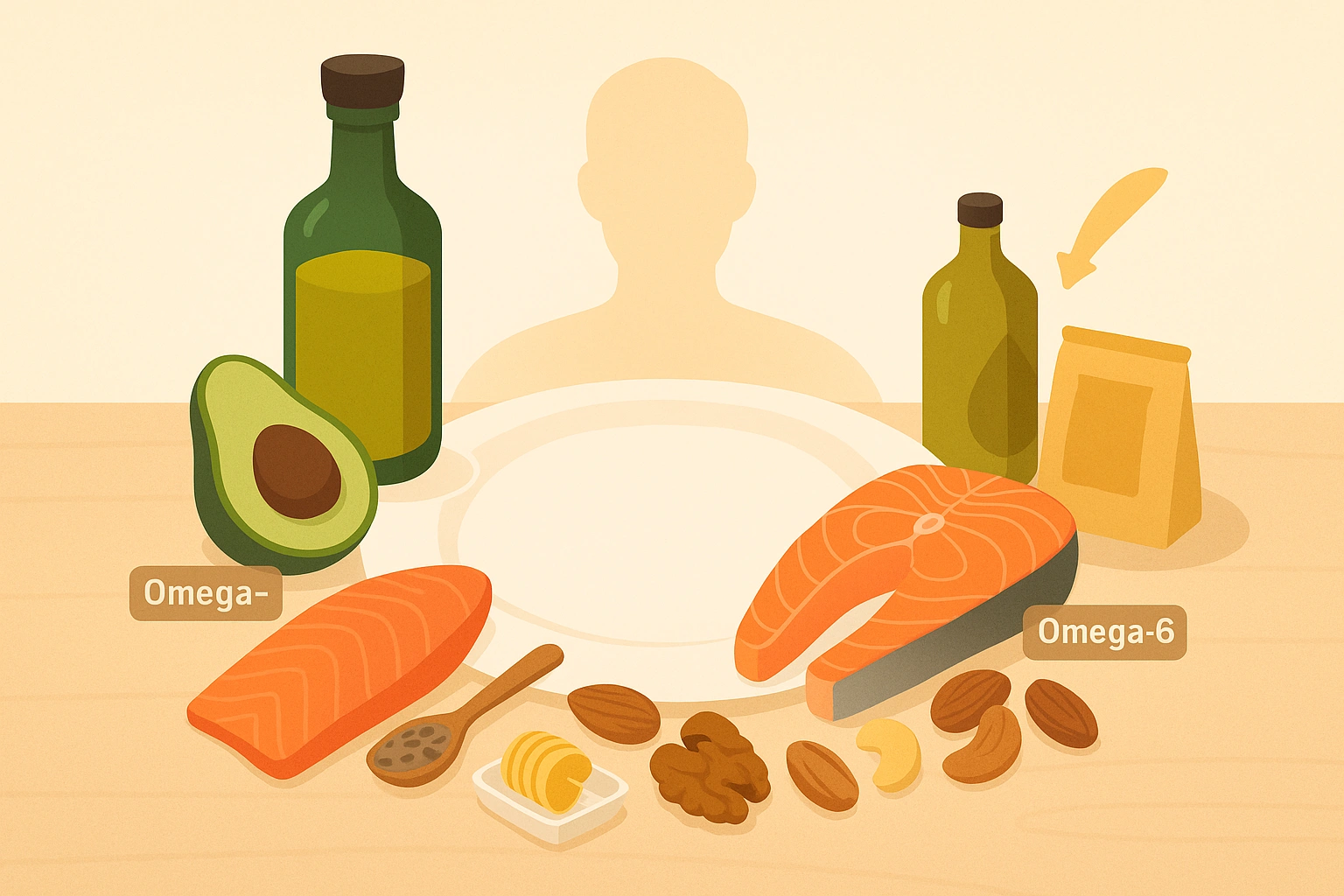
- Omega 3 fats: Found in ground flax, chia seeds, hemp seeds, and walnuts. Some people choose an algae based DHA/EPA supplement.
Meeting protein needs from plants is very doable, but we also need these supporting nutrients for energy, bone health, and brain function. It helps to look at the overall pattern, not only grams of protein.
Plant Based Protein In Different Eating Patterns
Not every reader wants to go 100 percent vegan. Many people blend strategies from Mediterranean, plant forward, and sometimes even animal focused approaches. For those curious about how these patterns compare, DietLinic has a helpful guide on https://dietlinic.com/what-foods-are-in-the-mediterranean-diet/ that dives deeper into the classic Mediterranean style and its protein sources.
Whether someone choose flexitarian, pescatarian, or fully plant based, the core idea is similar: let plants be the base of the plate. Then we seasons options with herbs, spices, and healthy fats. For most health outcomes, the consistent factor in research is higher intake of whole plant foods, not perfection in labels.
Sample One Day High Protein Plant Based Menu
To see how all these protein sources on a plant based diet come together in a realistic daily rhythm, here is one sample menu. Portions can be adjusted for individual energy needs, but this gives a concrete starting point.
Breakfast
Tofu scramble (about 3/4 cup firm tofu) with spinach, onions, and bell peppers, served with 2 slices whole grain toast and avocado.
Protein: roughly 22 to 25 grams.
Snack
Apple slices with 2 tablespoon almond butter.
Protein: about 6 to 7 grams.
Lunch
Lentil and quinoa salad with cucumbers, cherry tomatoes, parsley, olive oil, and lemon. Side of carrot sticks and hummus.
Protein: around 25 grams.
Snack
Soy yogurt (plain, fortified) with a sprinkle of granola and chia seeds.
Protein: around 10 to 12 grams.
Dinner
Tempeh stir fry with 3 ounces tempeh, broccoli, snap peas, mushrooms, and brown rice, flavored with tamari and ginger.
Protein: 25 to 30 grams.
Total estimated protein for the day: around 90 grams. That amount comfortably covers the needs of many active adults. If less is needed, portions can be dialed back. If more is needed, adding a small smoothie with pea or soy protein, or increasing tempeh or tofu servings, will push intake higher.
Final Thoughts: Making Plant Protein Work In Real Life
Finding the best protein sources on a plant based diet comes down to three main habits: eating enough total calories, including legumes and soy most days, and rotating whole grains, nuts, and seeds for variety. Once these pieces are in place, the question shifts from “Will I get enough protein?” to “Which meals do I actually enjoy and can repeat every week?”
We do not need to eat perfectly organic, spend all night in the kitchen, or buy specialty products to follow this approach. Canned beans, frozen vegetables, simple tofu dishes, and basic seasonings are often enough. Over time, taste buds shift, cooking skills improve, and our plates naturally fill with the foods that help us feel more energized, supported in our workouts, and confident about long term health.
When we treat plant protein like an ally rather than a compromise, we usually discover that a plant based diet can be rich, satisfying, and surprisingly flexible. The science supports it, and everyday life can, too, with a little planning and a bit of curiosity at the stove.
Leave a Reply