
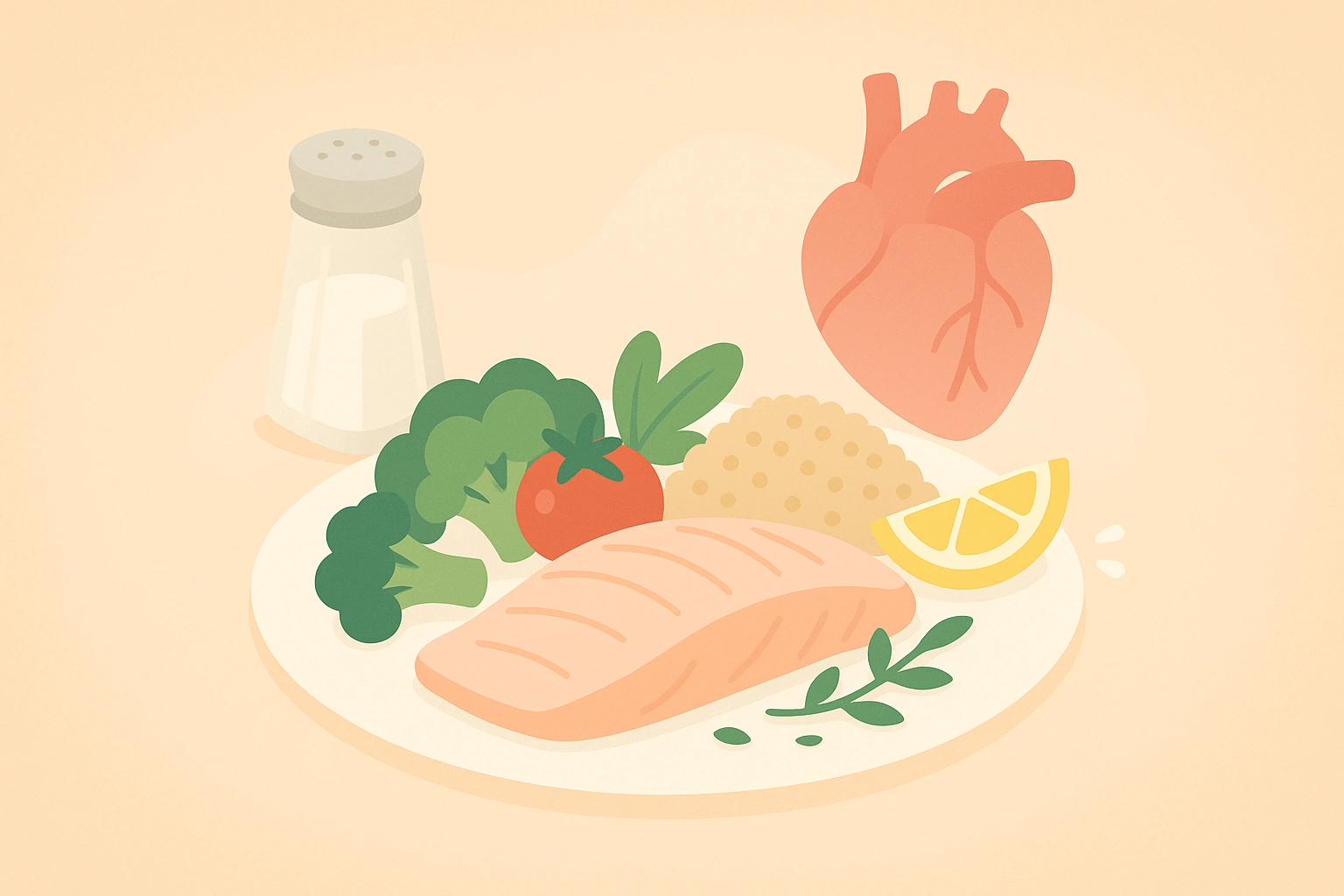

Living with high blood pressure can feel a little scary, especially when doctors start talking about heart disease, stroke risks, or long term kidney damage. Many of us grow up used to salty snacks, takeout, and restaurant meals, so the idea of a low salt diet for high blood pressure may sound boring or even impossible at first. But the truth is, lowering sodium is one of the most powerful, practical steps we can take to protect our heart and blood vessels, and it does not have to ruin the joy of food.
Why a Low Salt Diet For High Blood Pressure Matters
High blood pressure, or hypertension, puts extra force on the walls of our arteries. Over time, that pressure slowly wears them down, just like water beating on rock. Excess salt (sodium) pulls more water into the bloodstream. More water in the blood means more volume, which means higher pressure.
According to the American Heart Association and recent CDC data from 2023, nearly half of adults in the United States have high blood pressure or are taking medicine for it, and most of them still eat more sodium than recomended. The average intake is around 3,400 mg of sodium per day, while the suggested limit for people with hypertension is 1,500 to 2,300 mg daily. That is a huge gap, and it is one reason blood pressure control is so hard for many families.
When we focus on a low salt diet for high blood pressure, we cut down that excess volume load on the heart. Studies in the Journal of the American College of Cardiology have shown that lowering sodium can reduce systolic blood pressure by 5 to 10 points in many adults, sometimes even more. For some people, that can be equal to the effect of an extra medication, but without the side effects.
How Sodium Raises Blood Pressure: Simple Explanation
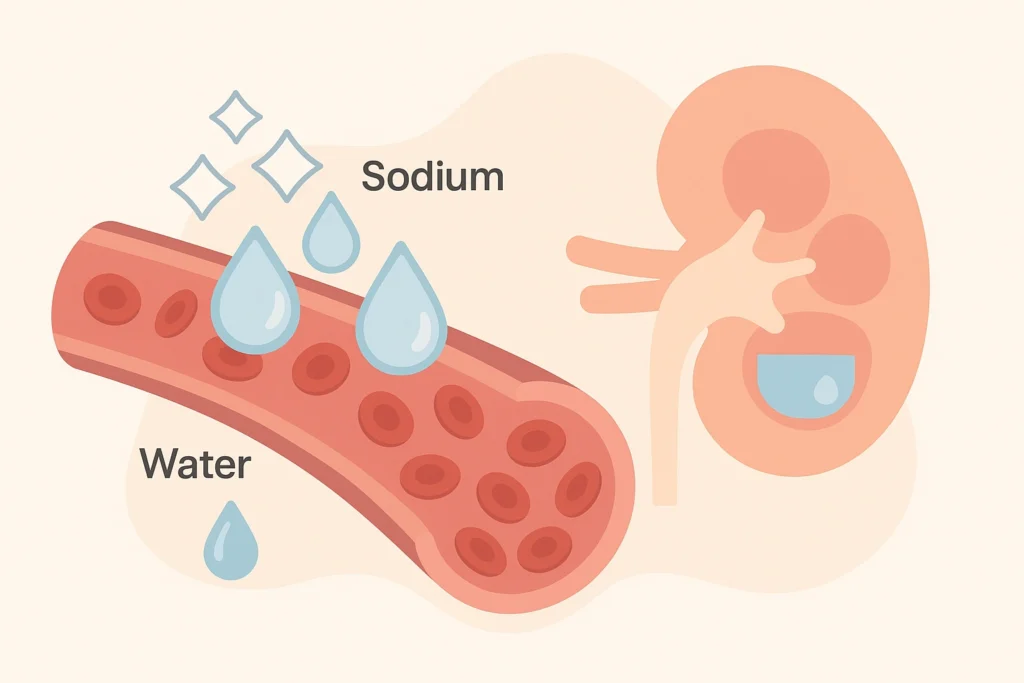
We do not need a medical degree to understand the basics. Think of sodium and water as close friends. Wherever sodium goes, water likes to follow. When we eat a salty meal, the level of sodium in the bloodstream rises. To balance that out, the body holds onto extra water instead of letting it leave through the kidneys.
That extra water stays in the blood vessels, stretching them and raising blood pressure. Over time, this chronic stretch can lead to stiff arteries, enlarged heart muscle, and damage to delicate organs like the kidneys and eyes.
There is also a second effect. High salt intake seems to change how sensitive our blood vessels are to hormones that constrict them. So the same amount of stress hormone or adrenaline can cause a bigger blood pressure spike when we eat too much sodium.
How Much Sodium Is Safe When You Have High Blood Pressure
For a low salt diet for high blood pressure, most experts land on a range, not a single magic number. Based on current guidelines:
- General healthy adults: aim for less than 2,300 mg sodium per day.
- Adults with high blood pressure, kidney disease, diabetes, or higher heart risk: 1,500 to 2,000 mg per day is usually recomended.
To picture this, 1 teaspoon of table salt contains about 2,300 mg of sodium. That means the full-day sodium target for many people with hypertension is less than a teaspoon, and that includes all hidden sodium from bread, sauces, canned soups, frozen meals, and restaurant dishes.
In practice, we hardly ever get most of our salt from a salt shaker. Roughly 70 percent of sodium in the American diet comes from packaged and restaurant foods. So the main work of a low salt diet for high blood pressure happens in the grocery aisles and at the drive-thru window, not just at the dinner table.
Benefits Of A Low Salt Diet Beyond Lower Blood Pressure
Lower sodium does much more than just reduce the numbers on a blood pressure cuff. Based on recent research, people who follow a low salt diet for high blood pressure may also see:
- Reduced risk of stroke and heart attack, especially when combined with other healthy habits.
- Less swelling in ankles and legs from fluid retention.
- Better kidney function over time, particularly in those with diabetes or early kidney disease.
- Improved response to blood pressure medications, sometimes allowing lower doses.
- Possible lower risk of heart failure or slowing of its progression.
In clinic experience, patients often describe something more personal too: less “pressure” in the head, fewer headaches, better sleep, and less shortness of breath when climbing stairs. These changes may not show up on a lab printout, but they matter deeply in daily life.
Common Myths About Low Salt Diets
We hear a lot of myths when people start thinking about a low salt diet for high blood pressure. Clearing them up makes the change feel more reasonable.
Myth 1: Food Will Taste Bland Forever
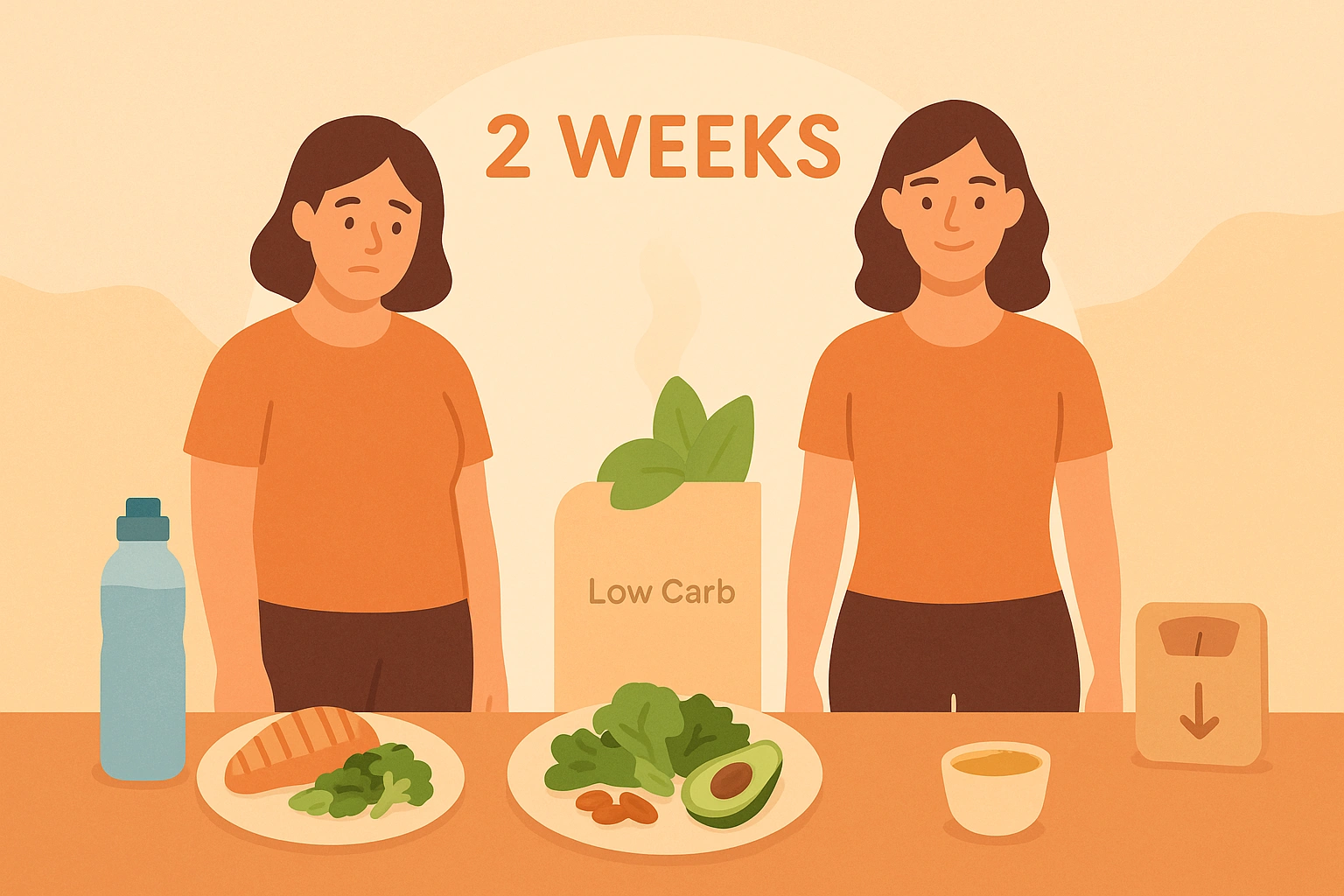
Taste buds adapt. After two to three weeks of cutting sodium, most people report that foods start to taste more flavorful again. Natural flavors from fresh tomatoes, herbs, garlic, citrus, and good olive oil become more noticeable. The ultra-salty chips and fast-food fries that once felt normal can start to taste harsh or too intense after a while.
Myth 2: Only The Salt Shaker Matters
Sprinkling less salt on food helps, but it is a small piece of the puzzle. The bigger issue is “hidden sodium” in processed foods like bread, breakfast cereals, salad dressings, deli meats, frozen dinners, and sauces. A low salt diet for high blood pressure has to tackle those sources first.
Myth 3: Sea Salt Or Himalayan Salt Are Safe
These salts may have trace minerals, but the sodium content is still almost the same as regular table salt. They are not a free pass. Whether the crystals came from the ocean or a pink rock, they will still raise blood pressure when used in large amounts.
Best Eating Pattern For A Low Salt Diet For High Blood Pressure
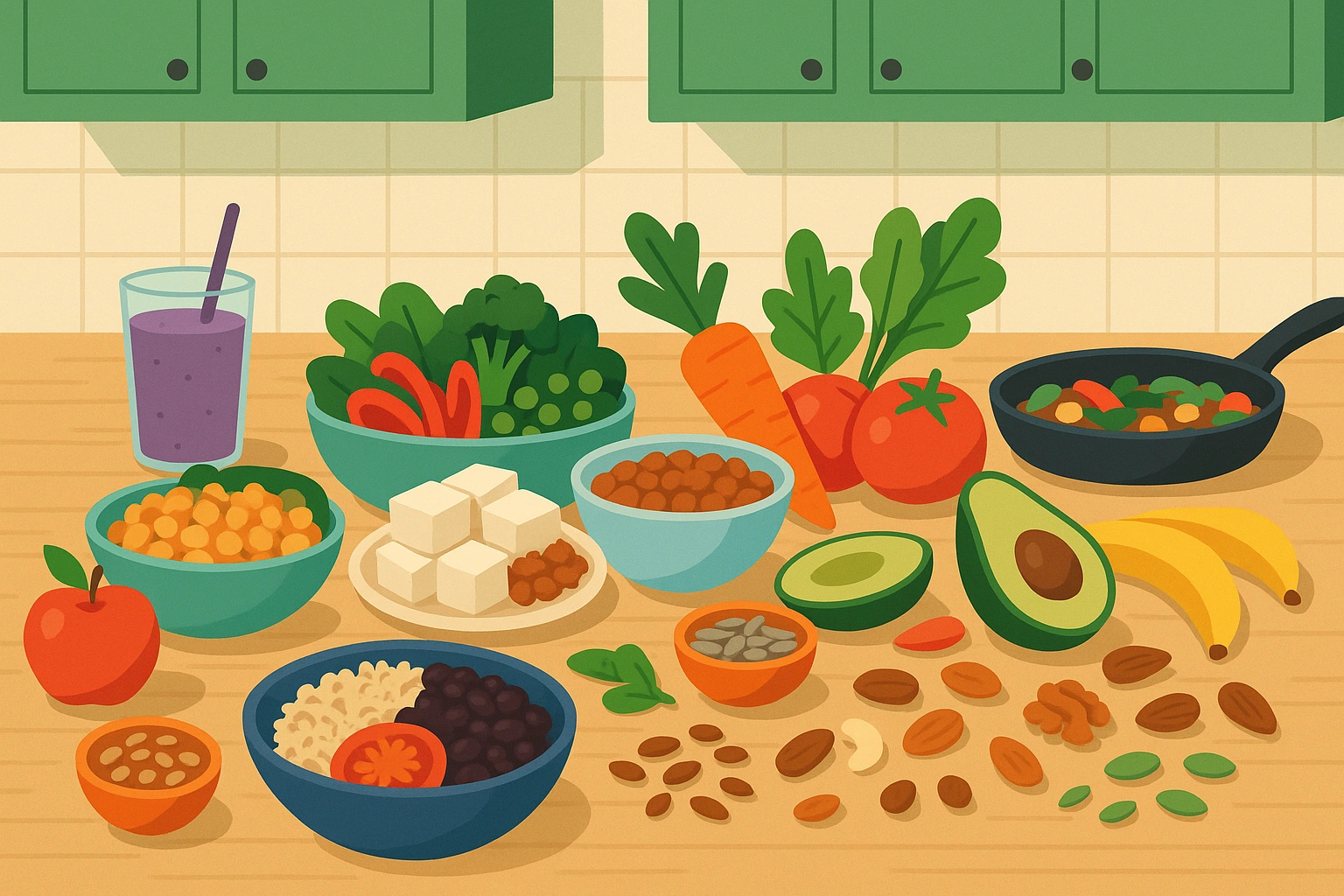
Instead of focusing just on what to remove, it is more helpful to think about a full eating pattern that supports lower blood pressure. Two of the strongest options in recent research are the DASH diet and a Mediterranean style pattern.
DASH Diet Basics
DASH stands for Dietary Approaches to Stop Hypertension. It was designed directly to lower blood pressure and is very compatible with a low salt diet for high blood pressure.
Key features include:
- Lots of fruits and vegetables (about 8 to 10 servings per day).
- Whole grains such as oats, brown rice, whole wheat pasta, barley.
- Low fat or fat free dairy like yogurt and milk.
- Lean proteins: poultry, fish, beans, lentils, tofu.
- Limited sweets, sugary drinks, and red meats.
One powerful part of DASH is its focus on potassium, magnesium, and calcium. These minerals help relax blood vessels and balance some of the negative effects of sodium.
How A Mediterranean Style Diet Helps
A Mediterranean style pattern also works well as a low salt diet for high blood pressure, especially when we keep an eye on packaged foods. It focuses on:
- Plenty of vegetables, beans, and lentils.
- Olive oil as the main added fat.
- Fish and seafood several times a week.
- Moderate eggs and poultry, limited red meat.
- Whole grains and nuts.
We covered the core food groups of this style of eating in more detail here: https://dietlinic.com/what-foods-are-in-the-mediterranean-diet/. With small tweaks, it fits well for people who need lower sodium: home cooked sauces instead of jarred ones, fresh herbs over salty blends, and mindful choices at restaurants.
Top High Sodium Foods To Limit Or Avoid
When we are serious about a low salt diet for high blood pressure, the following food groups deserve extra attention. They often hide more sodium than people expect.
Processed Meats
Deli turkey, ham, bacon, sausage, hot dogs, and many plant based “meat” substitutes can contain 400 to 1,000 mg of sodium per serving. Swapping these for fresh poultry, fish, or homemade roast meats is one of the fastest ways to cut daily sodium.
Canned Soups And Prepared Meals
Even when labeled “healthy,” many canned soups carry 600 to 900 mg sodium per cup. Frozen dinners often hit 700 to 1,200 mg in one tray. Choosing low sodium versions or cooking large batches of soup at home with no-salt-added broth pays off quickly.
Snack Foods
Chips, pretzels, cheese crackers, salted nuts, jerky, and some popcorn brands can add a huge sodium load. A few handfuls through the day easily push us over the limit. Unsalted nuts, homemade popcorn with herbs, and fresh fruit are better supports for a low salt diet for high blood pressure.
Breads, Tortillas, And Breakfast Foods
Many people are surprised to learn breads and rolls are a major sodium source simply because we eat them so often. Some breakfast sandwiches, frozen waffles, or biscuits pack more than 700 mg of sodium before we even pour coffee.
Restaurant And Fast Food
This category is the hardest. Data from chain restaurants suggests that a single burger meal or burrito combo can hit 1,600 to 2,500 mg of sodium. When we are trying to keep a whole day’s intake near that number, a single meal at that level makes the rest of the day almost impossible.
Smart Grocery Shopping For Low Sodium Eating
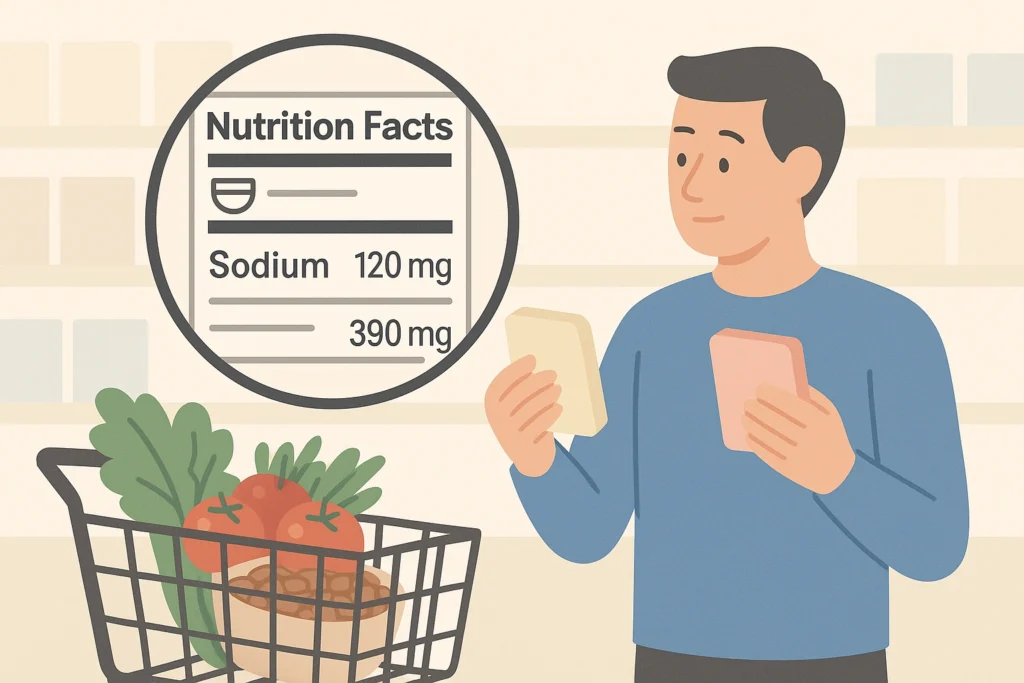
Grocery trips become easier when we know what to look at on the label. A low salt diet for high blood pressure depends heavily on this label-reading habit.
Reading Nutrition Facts
On any packaged item, check these spots:
- Sodium per serving: Aim for 140 mg or less per serving for “low sodium” options, and under 300 mg for items you eat often.
- Serving size: If you eat double the serving, you double the sodium, too.
- Percent Daily Value: Under 5 percent per serving is low, 20 percent or more is high.
A quick rule: For a product you eat several times per day, like bread or cereal, choose the lowest sodium version that still taste ok to you. Each small cut adds up across the day.
Choosing Lower Sodium Staples
We can build a pantry around items that support a low salt diet for high blood pressure:
- No-salt-added canned beans and tomatoes.
- Low-sodium broths and stocks.
- Plain oats, brown rice, and quinoa.
- Frozen vegetables without sauces.
- Unsalted nuts and seeds.
Over time, having these on hand reduces the need for takeout when we are tired, which is often when sodium intake spikes.
Cooking Strategies That Keep Flavor And Cut Salt
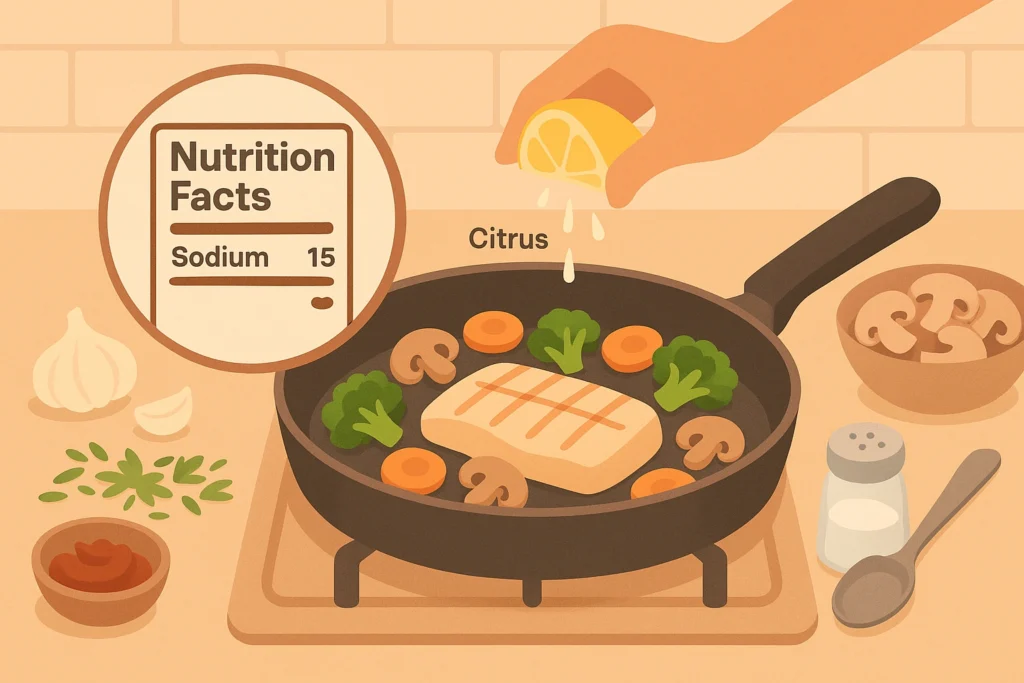
Many people give up on a low salt diet for high blood pressure because their first attempts taste flat. The trick is not just removing salt, but building flavor in other layers.
Use Herbs, Spices, And Aromatics
Fresh garlic, onion, scallions, ginger, celery, carrots, and leeks form a flavorful base for many dishes. Dried spices like paprika, cumin, coriander, chili powder, oregano, basil, thyme, and rosemary add depth. Toasting spices briefly in a pan before adding liquids can bring out richer aroma.
Citrus zest and juice (lemon, lime, orange) give brightness that often makes us forget about salt. Vinegars such as balsamic, apple cider, or rice vinegar add tang that perks up soups, beans, and sautéed vegetables.
Create Umami Without Excess Sodium
Umami is that savory quality we often connect with salty foods. We can create it without relying only on salt. Examples include:
- Mushrooms, especially shiitake or cremini.
- Tomato paste and slow simmered tomato sauces.
- Roasted vegetables like eggplant, onions, and bell peppers.
- Small amounts of strong cheese (Parmesan) sprinkled just before serving.
Used carefully, these give dishes a satisfying, “complete” taste that makes lower sodium meals feel just as comforting as older favorites.
Gradual Reduction Works Better Than All-Or-Nothing
Based on both research and lived experiences, gradual change tends to stick better. When shifting to a low salt diet for high blood pressure, try this pattern:
- Week 1 and 2: switch to low sodium versions of your most used products and cut salting at the table in half.
- Week 3 and 4: focus on home cooked dinners 4 or 5 days a week, restaurant meals fewer times.
- Week 5 and beyond: aim to keep most days below your sodium target, allowing the ocasional higher-sodium meal with awareness.
The body and the taste buds both adjust with this approach, and the change feels more sustainable instead of like punishment.
Sample One-Day Low Salt Meal Plan For High Blood Pressure
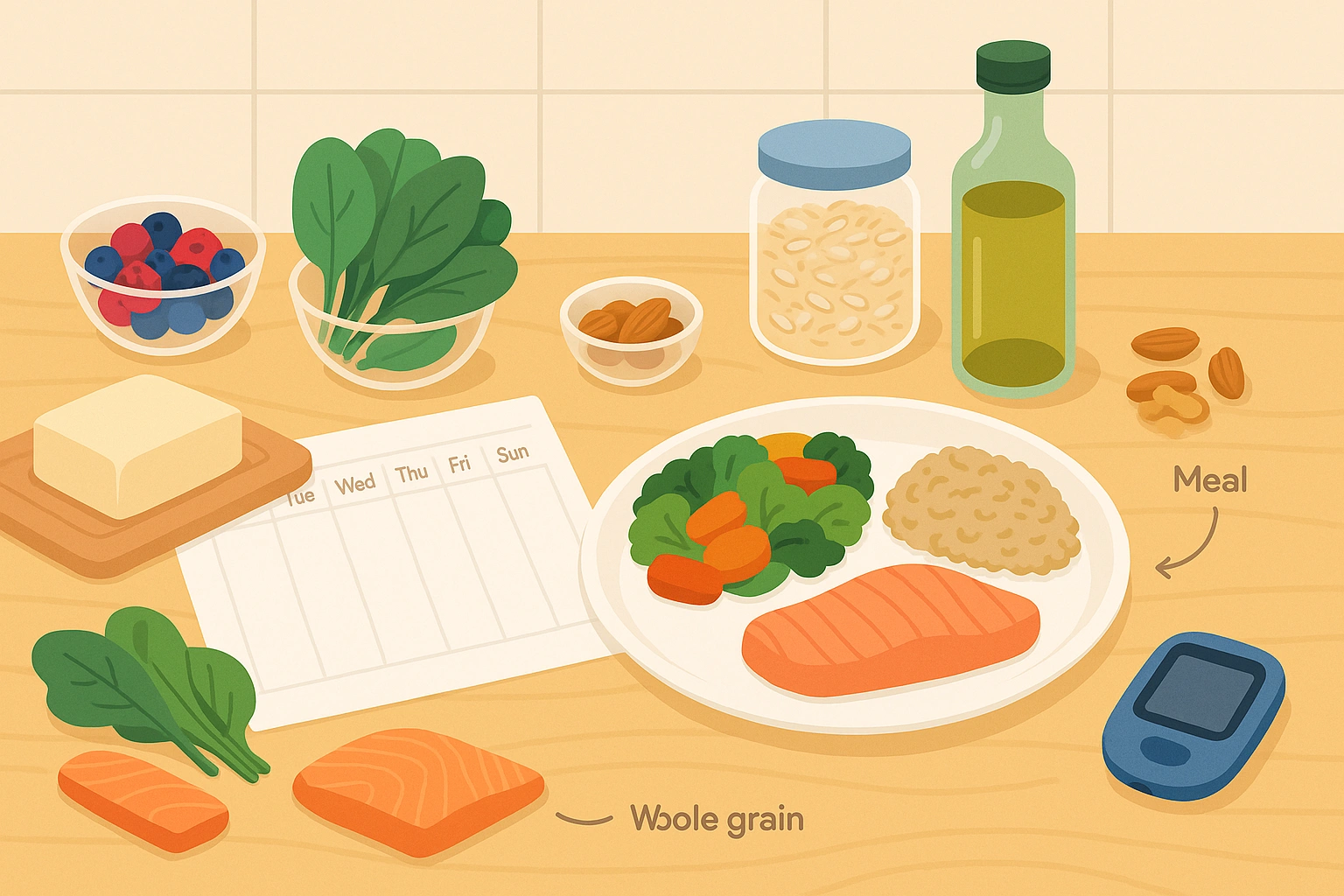
This sample day shows how a low salt diet for high blood pressure might look in real life. Sodium amounts are approximate and can vary by brand.
| Meal | Food Example | Approx. Sodium |
|---|---|---|
| Breakfast | Oatmeal made with water, topped with sliced banana, blueberries, and 1 tbsp unsalted almonds; 1 cup low fat milk | ~150 mg |
| Snack | Fresh apple with 1 tbsp unsalted peanut butter | ~80 mg |
| Lunch | Large salad with mixed greens, cherry tomatoes, cucumbers, chickpeas (no-salt-added canned), olive oil and lemon dressing; small whole wheat pita (low sodium brand) | ~300 mg |
| Snack | Greek yogurt (plain, low sodium) with strawberries and cinnamon | ~90 mg |
| Dinner | Baked salmon seasoned with garlic, herbs, and lemon; roasted sweet potato; steamed broccoli with olive oil and black pepper | ~250 mg |
| Evening | Air-popped popcorn, unsalted, sprinkled with smoked paprika and nutritional yeast | ~50 mg |
Total sodium for the day comes in around 900 to 1,000 mg, leaving room for small variations and still keeping below a common target of 1,500 mg. For someone used to 3,000 mg or more, this level can lead to noticeable blood pressure improvements over several weeks.
Balancing Protein Choices With Sodium And Blood Pressure
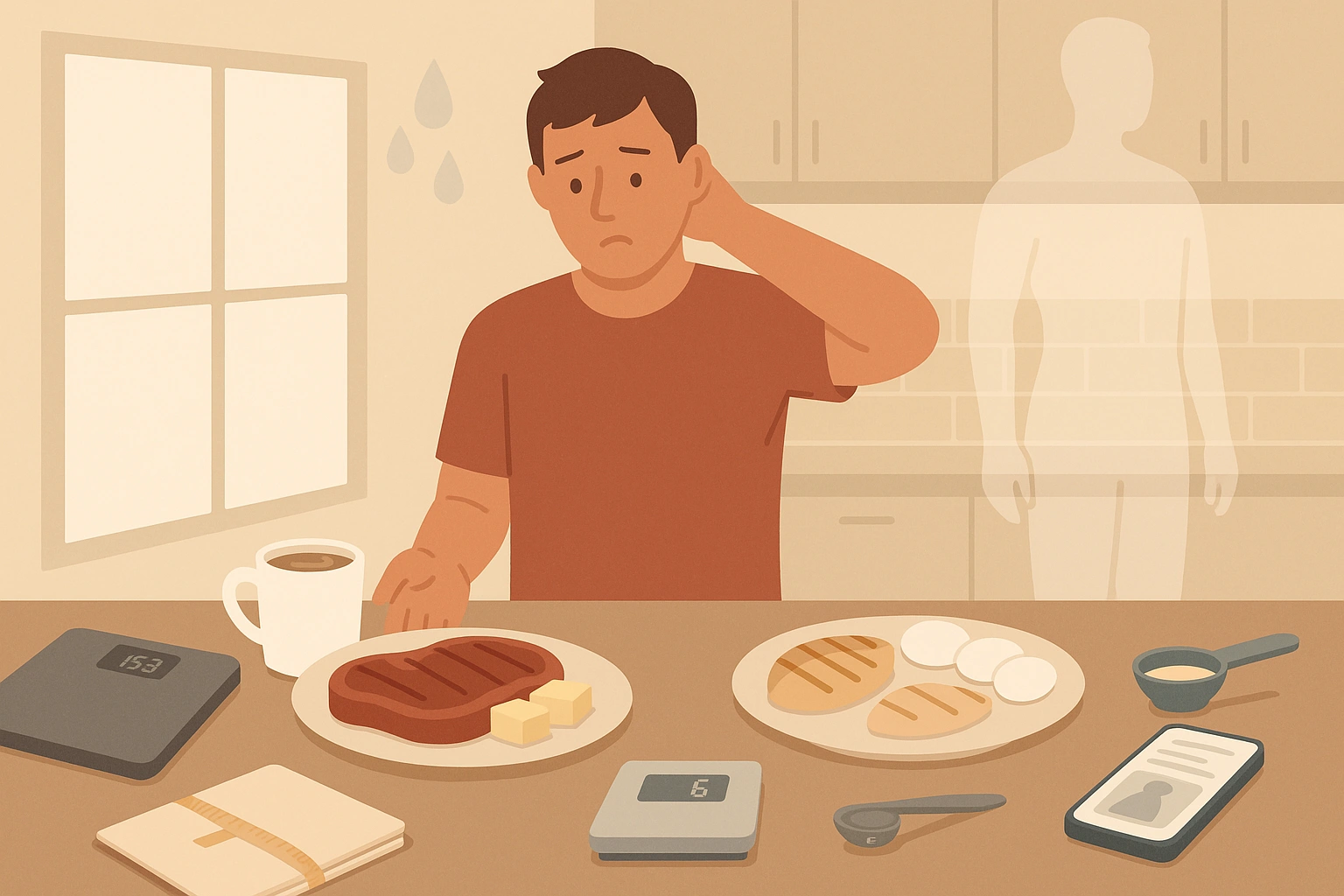
There is a growing intrest in different ways of eating, such as plant based diets, keto, or animal focused approaches. Some of these patterns can be adapted for a low salt diet for high blood pressure, but they require attention to how foods are seasoned and processed.
For example, people exploring higher animal-protein approaches sometimes rely heavily on processed meats, cheeses, and packaged snacks, which can be very high in sodium. That can work against any potential heart benefits of weight loss. On the other hand, a well planned balance of animal and plant foods, with fresh, minimally processed choices, can fit into a heart-conscious plan. For a deeper dive into those trade offs, we have compared patterns like animal based vs plant based here: https://dietlinic.com/animal-based-diet-vs-plant-based-diet/.
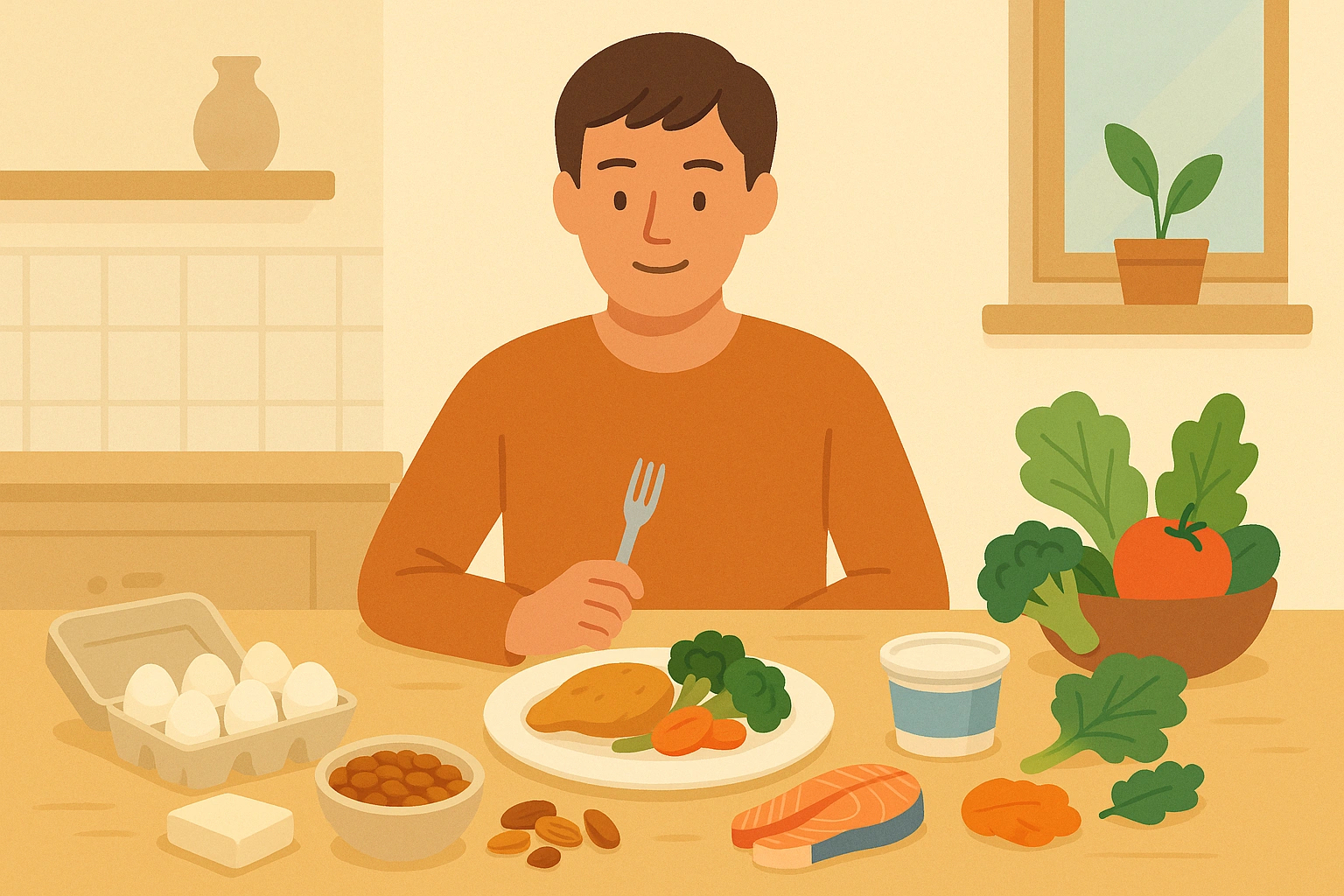
From a pure blood pressure view, the most helpful protein picks tend to be:
- Fresh fish and seafood.
- Skinless poultry, cooked at home with herbs and citrus.
- Beans, lentils, peas, and soy products with no added salt.
- Eggs, used in moderation.
Red meats and processed meats are best kept limited, not just for sodium but also for their link to heart disease and colon cancer when eaten in large amounts over many years.
Monitoring Progress: How To Know Your Low Salt Efforts Are Working
It is encouraging to see proof that all this effort at the stove and grocery store is paying off. When we adopt a low salt diet for high blood pressure, we can track progress in several ways.
Home Blood Pressure Monitoring
Using a home blood pressure cuff two or three times per week gives much more insight than once every few months at a clinic. Try to measure at the same time of day, seated, with both feet flat and your back supported, after at least five minutes of quiet rest.
Many people notice a gradual trend downward over 4 to 8 weeks on a lower sodium eating pattern. Blood pressure may still bounce here and there, especially on stressful days, but the overall average often improves.
Watching For Body Signals
Aside from the numbers, we can pay attention to how we feel.
- Less puffiness in fingers, ankles, or around the eyes.
- Fewer headaches or “pressure” feelings in the temples.
- Less need to loosen rings or shoes at night.
- Better stamina climbing stairs or walking.
These subtle changes often show up even before the doctor comments on lab results.
When A Low Salt Diet Is Not Enough On Its Own
For many people, a low salt diet for high blood pressure is a powerful tool but not the only one needed. Genetics, age, race, weight, sleep quality, stress level, and other health conditions all shape blood pressure. Some people can drop from 150/95 to the 120s with food, movement, and weight loss, while others still need medicine even with an excellent diet.
This is not a failure. Instead, it shows that hypertension is a complex condition. From a practical point of view, a lower sodium pattern still reduces the dose of medication needed, supports kidney and heart health, and lowers the risk of side effects. Medications and diet are partners, not enemies.
Always talk with a healthcare provider before making drastik changes, especially if you have heart failure, kidney disease, or take diuretics, since rapid fluid shifts might require close monitoring.
Real-World Tips To Stick With A Low Salt Diet Long Term
The hardest part usually is not starting the change, but keeping it going once life gets busy again. A few strategies tend to help most families.
Plan Simple, Repeatable Meals
Most of us rotate through the same 10 or 15 meals over and over. Building a short list of low sodium “house favorites” makes the low salt diet for high blood pressure feel automatic. Think of dishes like:
- Sheet pan chicken with mixed vegetables and herbs.
- Bean and vegetable chili made with no-salt-added tomatoes.
- Salmon or white fish with lemon, served with quinoa and broccoli.
- Stir fry with tofu, lots of vegetables, and a light, low-sodium sauce.
When we repeat them often, grocery lists and cooking times shrink, and the mental load gets lighter.
Keep A Low Sodium Snack Kit
Salt cravings hit hardest when we are tired, stressed, or stuck in traffic. Keeping a small bag or drawer with options like unsalted nuts, fruit, low sodium whole grain crackers, or homemade trail mix can save us from the vending machine spiral.
Talk With Family Members
If we share a home, it helps to explain why the low salt diet matters to us personally. Maybe we want to see our kids grow up, avoid the strokes that affected a parent, or stay active into our seventies. When loved ones understand the emotional side, they are often more willing to adjust their own salt habits at home.
Putting It All Together
Choosing a low salt diet for high blood pressure is not about perfection or never eating a restaurant meal again. It is about shifting the overall pattern so that most days, most meals, support healthier blood vessels and a calmer heart. By focusing on fresh foods, reading labels, cooking with herbs and citrus, and making gradual shifts, we can lower sodium without losing the pleasure of eating.
Over months and years, those choices add up quietly. Fewer blood pressure spikes, less strain on the kidneys, better energy, and a lower chance of the frightening events we all want to avoid. For many of us, that peace of mind is worth learning a new way to season the skillet and stock the pantry.
Leave a Reply