


Is the Mediterranean diet good for diabetics. Many people with type 2 diabetes, prediabetes, or insulin resistance ask this same question when they want to eat healthier without feeling deprived. The short answer from current research is yes, the Mediterranean diet can be a very helpful pattern of eating for blood sugar control, weight managment, and heart health when it is planned the right way.
What Do We Mean By The Mediterranean Diet For Diabetics
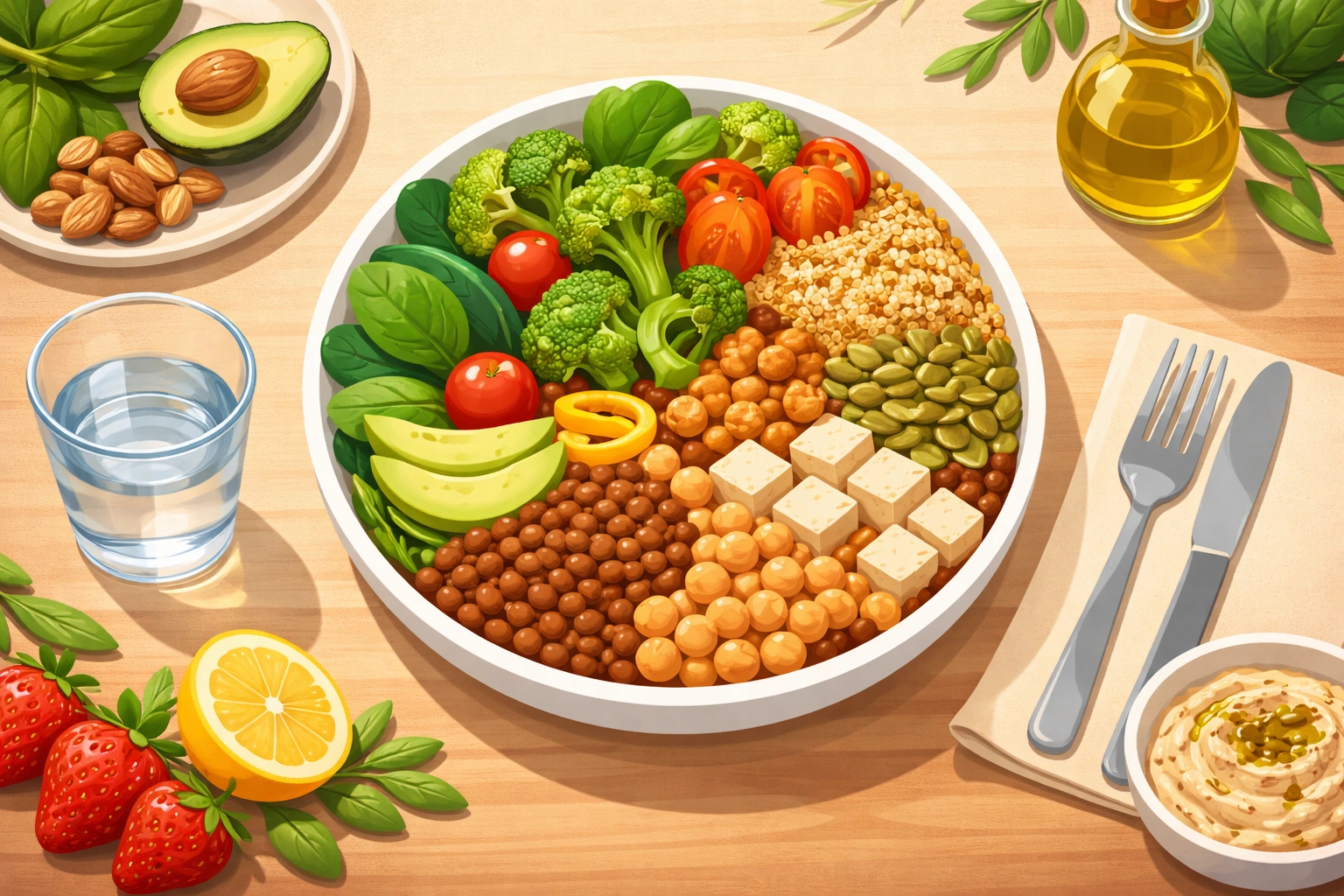
When we talk about the Mediterranean diet for diabetes, we are not talking about one strict meal plan. It is more a pattern of eating based on traditional foods from countries near the Mediterranean Sea, such as Greece, Italy, Spain, southern France, and parts of the Middle East.
Key features include:
- Plenty of vegetables and fruits, often at every meal
- Whole grains like oats, barley, farro, brown rice, whole wheat bread
- Legumes: beans, lentils, chickpeas
- Healthy fats from extra virgin olive oil, nuts, and seeds
- Fish and seafood several times per week
- Moderate amounts of poultry, eggs, and dairy (yogurt, cheese)
- Limited red meat and very little processed meat
- Very low intake of sugary desserts, refined carbs, and ultra processed snacks
For people living with diabetes, this pattern focuses on slow digesting carbs, high fiber foods, and unsaturated fats, which can reduce blood sugar spikes after meals. It also supports healthy cholesterol and blood pressure, which matter a lot since diabetes raises heart disease risk.
What Current Research Says About Mediterranean Diet And Diabetes
To answer clearly is the Mediterranean diet good for diabetics, we look at research from large trials and meta analysis. Over the last decade, many studies compared Mediterranean style eating to other diets like low fat or standard Western diets.
Evidence From Clinical Trials
Several high quality studies give strong support:
- PREDIMED trial (Spain): In this large study of older adults at high heart risk, those following a Mediterranean diet with extra virgin olive oil or nuts had about 30 percent lower risk of major heart events compared to a low fat diet. Many participants have type 2 diabetes, and subgroup analysis showed better glucose control and reduced need for diabetes medications over time.
- 2022 systematic reviews: Recent reviews in journals like Nutrients and Diabetes Research and Clinical Practice reported that a Mediterranean diet can improve A1C, fasting blood sugar, body weight, and triglycerides in people with type 2 diabetes, sometimes more than conventional low fat diets.
- Prevention of type 2 diabetes: Studies of people with metabolic syndrome or prediabetes show that those who stick closely to a Mediterranean style pattern had lower risk of progressing to diabetes over several years.
Based on these data, many professional organizations, including the American Diabetes Association (ADA), now recognizes Mediterranean style eating as one of the top dietary options for managing type 2 diabetes.
Impact On Key Diabetes Markers
Most research evaluates several markers important for diabetics:
- A1C: Many studies show drops of about 0.3 to 0.8 percentage points in A1C after several months on a Mediterranean plan. This might not sound huge, but combined with medication and daily habits, it can lower risk of diabetes complications.
- Fasting blood sugar: Moderate reductions are common, specially when weight loss happens.
- Insulin resistance: Better insulin sensitivity is often seen when carbs come mostly from whole grains, beans, and vegetables instead of refined bread, sweets and soda.
- Cholesterol and triglycerides: Healthy fats from olive oil, nuts, and fish can lower LDL cholesterol and triglyercides and raise HDL (the so called good cholesterol).
- Weight and waist size: Because this way of eating is satisfying and rich in fiber and healthy fat, many people can lose modest weight without feeling like they are always on a diet.
Why The Mediterranean Diet Works Well For Blood Sugar

When we ask is the Mediterranean diet good for diabetics, we also need to understand why it works. The benefits are not from one magic food. They come from several nutrition factors working together.
High Fiber Intake Slows Glucose Spikes
Vegetables, fruits, legumes, and whole grains are naturally high in fiber. Fiber slows digestion, so carbs enter the bloodstream more gradually. That means smaller spikes in blood sugar after meals.
Soluble fiber from foods like oats, barley, beans, and lentils forms a gel like texture in the gut. This gel slows absorption of glucose and cholesterol. For many people with diabetes, simply adding one to two cups of vegetables and one serving of legumes each day can make post meal readings less erratic.
Healthy Fats Support Insulin Sensitivity
Another reason the Mediterranean diet is good for diabetics is the focus on monounsaturated and polyunsaturated fats instead of saturated fat. Extra virgin olive oil, almonds, walnuts, pistachios, sesame seeds, and fatty fish provide fats that help cell membranes work better. This can support insulin receptors and improve how the body uses insulin.
At the same time, limiting processed meats and heavy butter or cream helps reduce inflammation. Chronic low grade inflammation is linked to insulin resistance, so this shift in fat type can have a meaningful effect over time.
Lower Glycemic Load From Whole Foods
The Mediterranean pattern naturally leans toward low glycemic index and lower glycemic load foods. Think lentil soup instead of white pasta, or whole grain bread dipped in olive oil instead of white rolls with margarine.
While total carb amount still matters for diabetics, carbs from beans, intact grains, and vegetables usually raise blood sugar more gently than refined flour or sugary snacks. Many people report feeling more even energy and less afternoon crashes when they switch to this style of eating.
Weight Management Without Extreme Restriction
For type 2 diabetes, weight loss of even 5 to 10 percent of body weight can improve blood sugar control. The Mediterranean diet can support this goal without strict calorie counting for many people.
Because meals are rich in fiber, protein, and healthy fat, they tend to be more filling. A salad with olive oil, grilled fish, and a side of lentils will hold you longer than a plate of fries and a burger, even if they both have similar calories. When people feel satified, they are less likely to snack mindlessly later at night.
Core Components Of A Mediterranean Diet For Diabetics
To make this practical, we can break down what a Mediterranean style plan for diabetes might look like day to day.
Carbohydrates: Focus On Quality, Not Just Quantity
Carbs are not the enemy for most diabetics; unbalanced carbs are. With this pattern, we want mostly complex, high fiber carbs and smaller portions of fast acting carbs.
Better carb choices include:
- Non starchy vegetables: leafy greens, tomatoes, cucumbers, peppers, broccoli, cauliflower, zucchini, eggplant
- Modest fruit portions: berries, apples, pears, oranges, peaches (one piece or about 1 cup cut fruit per serving)
- Whole grains: steel cut oats, quinoa, barley, bulgur, brown rice, whole wheat pasta in moderation
- Legumes: chickpeas, black beans, lentils, kidney beans, white beans
Most people with diabetes do best when they spread carbs across the day and pair them with protein and fat. For example, a small serving of whole grain pasta tossed with grilled chicken, olive oil, and vegetables will raise blood sugar slower than a big plate of plain pasta with white bread on the side.
Protein Sources: Lean And Balanced
Protein helps keep blood sugar steady between meals. The Mediterranean diet leans on:
- Fish and seafood: salmon, sardines, trout, mackerel, cod, shrimp, mussels
- Poultry: chicken or turkey without skin, baked or grilled instead of fried
- Legumes: double duty as carbs and protein
- Dairy: plain Greek yogurt, kefir, cottage cheese, and moderate portions of cheese
- Eggs: often a few times per week depending on cholesterol levels
Red meat is not forbidden, but should be limited. For someone with diabetes and high LDL cholesterol, having beef or lamb only a couple times per month is often more helpful than weekly steak nights.
Fats: Make Olive Oil The Default
One of the strongest signatures of the Mediterranean diet is consistent use of extra virgin olive oil. Most traditional households in that region cook with it daily. For diabetes management, this type of fat may help lower LDL, raise HDL a bit, and support less inflamation.
Other supportive fats include:
- Nuts: almonds, walnuts, pistachios, hazelnuts
- Seeds: chia, flax, sesame, sunflower
- Fatty fish: salmon, sardines, anchovies
- Avocado, in moderate portion sizes
Butter, ghee, and coconut oil can still appear once in a while, but not as daily staples for diabetics who are also trying to protect their heart.
Daily Sample Mediterranean Meal Plan For Type 2 Diabetes

To see how all these pieces fit together, here is a sample 1 day plan for someone with type 2 diabetes. Carb needs vary by person, so this is only a general example.
Breakfast
Option 1
- Plain Greek yogurt (about 3/4 cup) topped with a half cup berries, 1 tablespoon chopped walnuts, and a sprinkle of cinnamon
- 1 slice whole grain toast drizzled with 1 teaspoon olive oil or thin spread of natural peanut butter
- Black coffee or unsweet tea
Midmorning Snack (if needed)
- 1 small apple with a small handful (about 10 to 12) almonds
Lunch
Mediterranean lentil salad bowl
- 1 cup mixed salad greens and chopped veggies (tomato, cucumber, peppers)
- Half to 3/4 cup cooked lentils
- 2 tablespoons crumbled feta cheese
- 2 teaspoons extra virgin olive oil plus lemon juice, garlic, and herbs as dressing
- 1 small whole grain pita or half a large pita
Afternoon Snack
- Baby carrots or bell pepper slices with 2 tablespoons hummus
Dinner
Grilled salmon with veggies and barley
- 4 ounces grilled salmon brushed with olive oil, garlic, and herbs
- 1/2 to 3/4 cup cooked barley or quinoa
- 1 to 2 cups roasted non starchy vegetables (zucchini, eggplant, onions, tomatoes, peppers) tossed in olive oil
Evening (if blood sugar allows and you are truly hungry)
- 1/2 cup berries or 1 small peach with 1 tablespoon chopped pistachios
People using insulin or certain diabetes drugs may need to adjust carb amount in each meal and time snacks to prevent low blood sugar. A dietitian can help fine tune this for your medication schedule.
Comparing Mediterranean Diet To Other Popular Diets For Diabetics
Many readers wonder how the Mediterranean plan compares to low carb, keto, or plant based diets. The right choice often depends on your blood sugar patterns, preferences, and health goals.
Mediterranean vs Strict Low Carb Or Keto
Keto and very low carb diets reduce carbs to a very small amount, and many people see rapid drops in blood sugar and A1C. But they can be hard to keep long term, and some people miss fruit, beans, and grains. For others, high intake of saturated fat from cheese, butter, and fatty meats may not be ideal for heart health.
The Mediterranean diet usually allows more carbs, but from better sources. Based on current trends in diabetes care, many clinicians now suggest blending ideas: lower overall carbs, but still within a Mediterranean structure rich in vegetables, olive oil, fish, and legumes.
For readers who are curious about other styles of eating, some articles on DietLinic compare different patterns, like this deep dive into animal based vs plant focused options: https://dietlinic.com/animal-based-diet-vs-plant-based-diet/.
Mediterranean vs Plant Based Diets
Many Mediterranean plates are semi plant based already. Beans, vegetables, fruits, whole grains, nuts, and seeds take up a lot of space, while animal foods show up in modest portions. A fully vegan or vegetarian diet can also help diabetes management when well balanced.
Some people enjoy a more flexible middle ground, where fish, yogurt, and small amounts of chicken remain in the plan while red meat and processed foods go down. This tends to feel less restrictive and easier to keep over time.
Real World Benefits: How Diabetics Often Feel On A Mediterranean Style Plan
Beyond lab results, many people share personal shifts when they commit to a Mediterranean pattern for at least several months.
Common feedback includes:
- Less energy swings during the day, especially afternoon slumps
- Reduced cravings for sweets and salty snacks, once their taste buds adjust
- Feeling more satified from meals, even when portions become slightly smaller
- Better digestion from higher fiber intake
- Small but steady weight loss without feeling constantly on a diet
Family members often enjoy these meals as well. Grilled fish with herbs, colorful salads, roasted vegetables, and bean dishes feel more like normal food than medical food. That social and emotional comfort matters a lot, specially for people who felt shame or guilt around eating in the past.
How To Start A Mediterranean Diet When You Have Diabetes

Switching too fast can feel overwhelming. Stepwise changes often work better than a total overhaul. Here are practical ways to begin.
Step 1: Clean Up Carbs, One Meal At A Time
Pick just one meal to adjust for a week or two. For example, start with breakfast:
- Swap sugary cereal for oatmeal with nuts and berries.
- Replace white toast with whole grain bread and add a savory topping like avocado, egg, or hummus.
- Use plain yogurt instead of flavored and sweeten lightly with fruit and cinnamon.
Once that feels normal, move on to upgrading lunch, then dinner, then snacks.
Step 2: Prioritize Vegetables At Each Meal
Aim for half your plate to be non starchy vegetables at lunch and dinner. Raw, roasted, grilled, or sauteed in a bit of olive oil all work.
Simple practices:
- Add a side salad to your usual main dish.
- Stir extra frozen vegetables into soups, stews, and pasta dishes.
- Keep pre cut veggies in the fridge so they are easy to grab.
Step 3: Switch Your Default Cooking Fat To Olive Oil
Instead of butter or vegetable shortening, use extra virgin olive oil for most cooking and dressings. Taste may feel strong at first, but many people grow to love it.
Drizzle olive oil on:
- Roasted vegetables
- Cooked fish or chicken
- Whole grain bread instead of heavy spreads
- Salads with lemon and herbs instead of bottled dressings high in sugar
Step 4: Add Legumes Several Times Per Week
Beans and lentils can intimidate people who did not grow up cooking them, but they are powerful tools for diabetes management. They provide fiber, protein, and slow digesting carbs in one package.
Easy ways to add them:
- Use canned low sodium beans in salads and soups.
- Make a simple lentil stew with tomatoes, onion, garlic, and spinach.
- Serve hummus with raw vegetables, whole grain crackers, or as a sandwich spread.
Step 5: Plan Fish Or Seafood Twice A Week
Many people with diabetes also need to lower triglycerides and support heart health. Omega 3 rich fish like salmon or sardines can help.
Simple ideas:
- Sheet pan salmon with lemon, olive oil, and broccoli.
- Canned sardines or tuna mixed with olive oil, lemon, and herbs served over greens.
Potential Challenges And How To Handle Them
Even though research say the Mediterranean diet is good for diabetics, real life can be messy. Time, budget, paitence, and taste preferences all affect how well someone can follow this pattern.
Cost Concerns
Fresh fish, nuts, and olive oil can feel pricey. However, some planning can keep costs reasonable:
- Buy olive oil in larger containers when on sale.
- Use canned fish like sardines, tuna, and salmon as cheaper options.
- Choose beans and lentils as frequent protein sources; they are budget friendly.
- Rely more on seasonal produce and frozen vegetables.
Time And Cooking Skills
Cooking most meals at home is ideal, but not everyone is comfortable in the kitchen. Starting with very basic dishes often reduces stress.
Examples:
- One pan roasted chicken with potatoes and carrots tossed in olive oil and herbs.
- Whole grain pasta with a jarred low sugar tomato sauce, extra olive oil, and a bag of frozen mixed vegetables stirred in.
- Simple salad kits boosted with canned beans and a drizzle of extra olive oil.
Adjusting For Cultural Or Personal Preferences
The Mediterranean diet is flexible. You do not have to copy Greek or Italian dishes exactly to gain benefits. The core concepts can be applied to many cuisines: more plants, better fats, leaner proteins, and fewer refined carbs.
For example, if you prefer Latin American flavors, you might focus on beans, avocado, grilled fish, corn tortillas, and lots of fresh salsa with vegetables. The structure can be similar even when the flavors are different.
Who Should Be Careful With The Mediterranean Diet
For most people with type 2 diabetes, this approach is safe and helpful. Still, there are some situations where individual adjustments are needed.
- People on insulin or sulfonylureas: When fiber intake and weight loss improve blood sugar, medication doses often need to be lowered to avoid hypoglycemia. Always talk with your healthcare provider before big diet changes.
- Chronic kidney disease: Those with moderate or advanced kidney problems might need to limit certain high potassium foods or adjust protein sources.
- Celiac disease or gluten sensitivity: Whole wheat, barley, and bulgur are common in Mediterranean diets, but gluten free grains like quinoa, rice, and gluten free oats can be used instead.
- Food allergies: Nut allergies, fish allergies, or dairy intolerance simply mean we swap in other healthy fats and proteins.
Key Takeaways: Is The Mediterranean Diet Good For Diabetics
When we pull together the evidence, practical experience, and real world feedback, the answer to the question is the Mediterranean diet good for diabetics is strongly leaning yes. This pattern of eating:
- Improves blood sugar control and can lower A1C modestly
- Supports weight loss or weight stability without extreme restriction
- Protects heart health, which is crucial for anyone with diabetes
- Is flexible enough to adapt to different tastes, cultures, and budgets
- Feels like normal, enjoyable food rather than a short term fad diet
No single plan works perfectly for every person with diabetes, but the Mediterranean pattern gives a strong, evidence based starting point. By focusing on vegetables, whole grains, beans, fish, olive oil, and modest portions of animal foods, many people can move their blood sugar, cholesterol, and weight in a healthier direction while still enjoying their meals and social life.
For those ready to explore further, combining this style with mindful portions and regular physical activity often gives the best results. And, if you are curious how this compares to more animal focused or very low carb styles, DietLinic also covers topics like https://dietlinic.com/animal-based-diet-vs-keto-which-is-better/ to help you weigh pros and cons.
With small, realistic changes and support from your care team, the Mediterranean diet can become a steady, long term ally in living well with diabetes, not just another plan you try for a few weeks and then forget.






Leave a Reply