
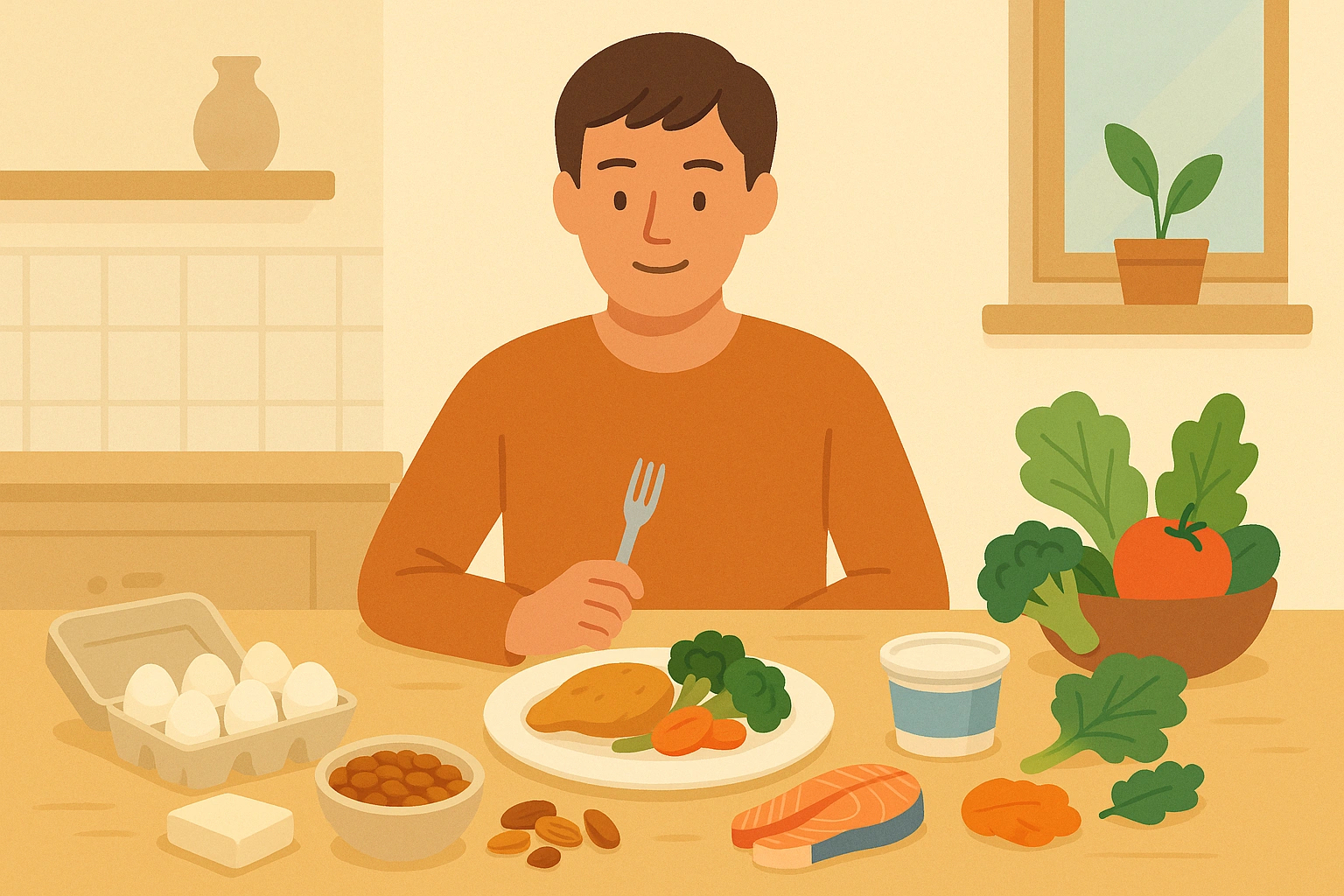

Protein can feel like one of those nutrition goals we know we “should” hit every day, but then life, work, and busy schedules step in. Many readers come to DietLinic asking the same question: how do I get more protein in my diet without feeling like I am eating grilled chicken 3 times a day? The good news is, with some simple planning and a few smart swaps, higher protein eating can fit in almost any lifestyle, budget, or cooking skill level.
Why Protein Matter So Much For Everyday Health
Before we talk about how to get more protein in your diet, we need to look at why it actually matters. When we understand the “why”, the daily choices start to make more sense and feel more worth it.
Protein is made of amino acids, which are like building blocks for your body. They support:
- Muscle repair after workouts or daily activity
- Steady energy and blood sugar control
- Healthy skin, hair, and nails
- Hormone and enzyme production
- Immune function and healing
According to the 2020–2025 Dietary Guidelines for Americans, many adults technically meet the minimum protein needs, but research over the past few years suggest that “minimum” may not be the same as “optimal.” A 2022 review in the journal Nutrients noted that higher protein intake, especially split evenly across meals, is link with better muscle maintenance, weight control, and satiety in adults.
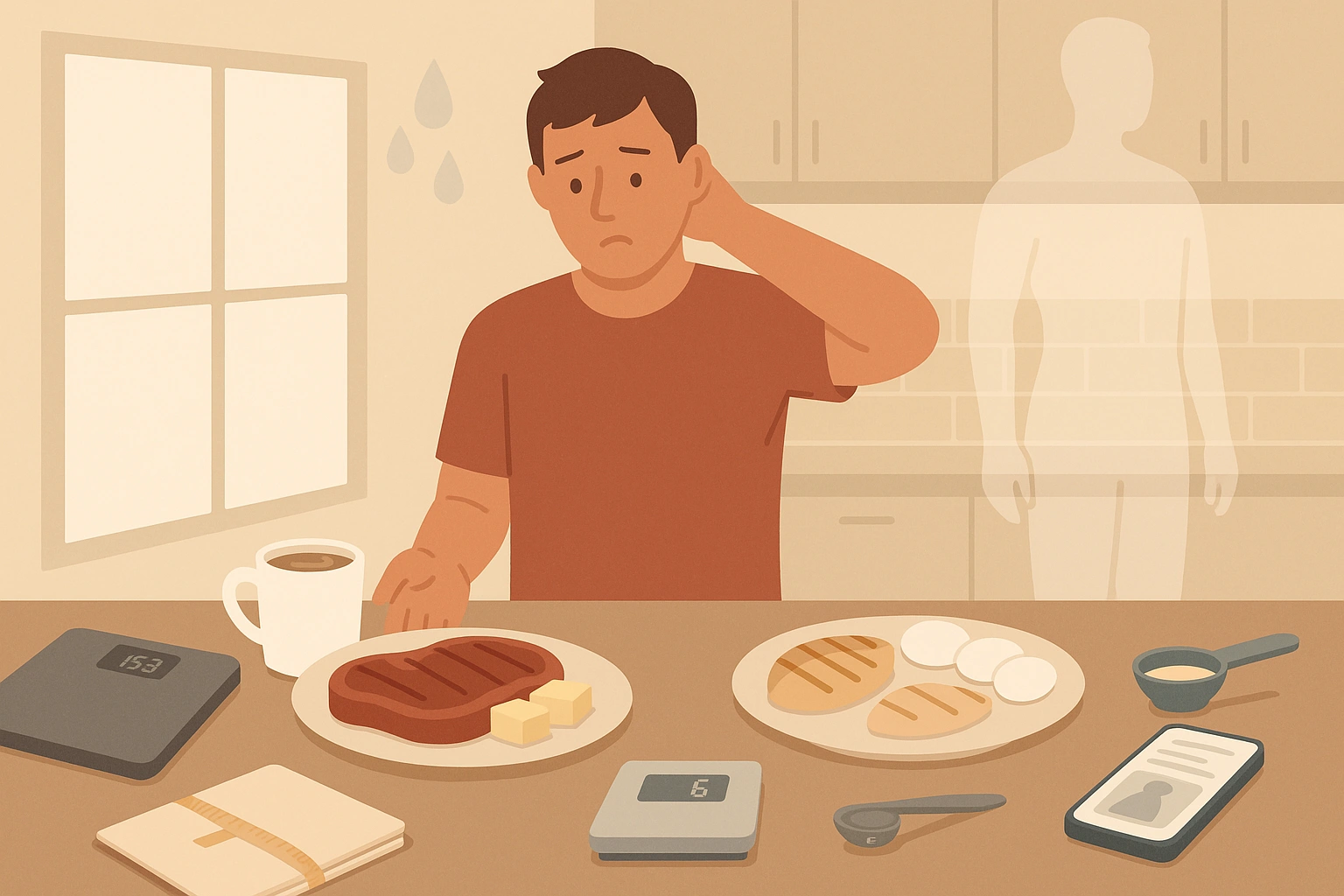
We also see a growing number of people who get enough total calories but still feel hungry, tired, or weak. Often, their meals are heavy in refined carbs and fat, but light in protein. When readers ask how do I get more protein in my diet, they are usually also asking how to feel fuller, stronger, and more stable through the day.
How Much Protein Do We Really Need Each Day
The standard Recommended Dietary Allowance (RDA) for protein is 0.8 grams per kilogram of body weight. For a 150 pound person, that is around 55 grams of protein a day. But that guideline is designed to prevent deficiency, not support peak health, fitness, or aging well.
Based on newer research, many nutrition experts suggest:
- 1.2 to 1.6 grams of protein per kilogram of body weight for active adults
- Up to 2.0 grams per kilogram for people doing strength training or trying to lose fat while keeping muscle
So that same 150 pound person (around 68 kg) might actually benefit from 80 to 110 grams of protein per day.
Another helpful rule that works in real life: aim for 20 to 35 grams of protein at each main meal. Studies show that hitting at least 20 to 25 grams of high quality protein in one sitting helps trigger muscle protein synthesis, which is your body’s process for repairing and building muscle.
This is where planning becomes important. If someone only gets 10 grams of protein at breakfast and lunch, they are trying to cram almost all their daily protein into dinner, and the body cannot use all of that efficiently at once.
Signs You Might Not Be Getting Enough Protein
Protein needs are personal, but there are some common clues that you might be coming up short, even if your total calories are fine. These do not always mean low protein is the only cause, but they are worth paying attention to.
- Feeling hungry again soon after eating carb heavy meals
- Struggling with cravings, especially later in the day
- Slow recovery from workouts or general soreness
- Noticable muscle loss when losing weight
- Frequent afternoon energy crashes
- Hair thinning or nails breaking easier (along with other factors)
In practice, when readers start increasing protein at breakfast and lunch, they often mention that “bottomless pit” feeling in the evening gets better. They snack less, sleep deeper, and feel less edgy or cranky around 4 p.m. This is not magic, it is just giving the body the steady fuel it needs.
Animal Protein vs Plant Protein: What Really Matters
When we ask how do I get more protein in my diet, the next question is usually where should that protein come from. There is a lot of debate online about animal based vs plant based diets, and sometimes the loudest voices ignore nuance.
Animal proteins like eggs, chicken, turkey, beef, fish, and dairy are called “complete” proteins. They contain all the essential amino acids in the right ratios for human needs. This makes them very efficient per serving. For example:
- 3 oz cooked chicken breast: about 26 grams of protein
- 6 oz Greek yogurt: about 15 to 18 grams of protein
- 3 oz salmon: about 20 grams of protein
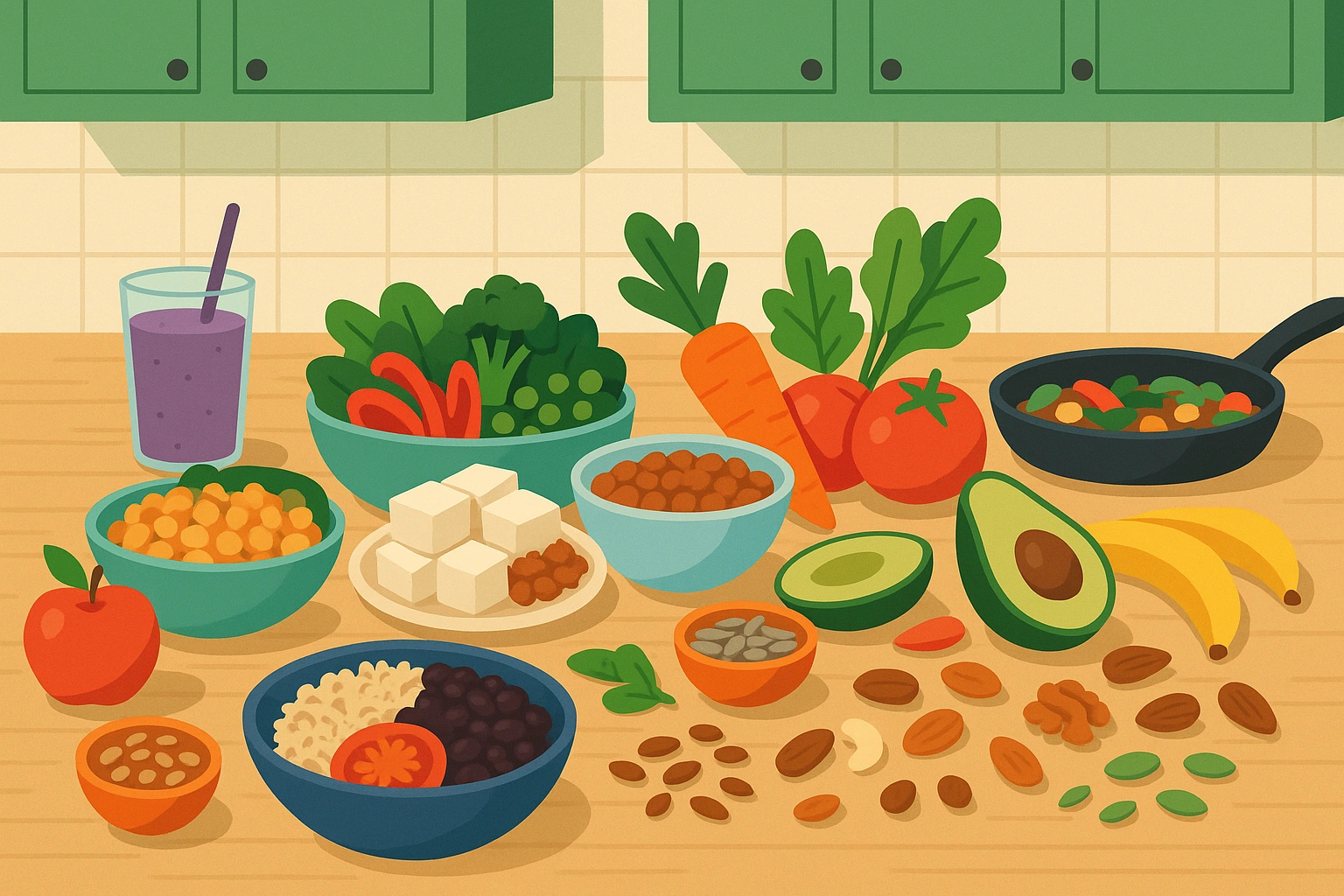
Plant proteins, such as beans, lentils, tofu, tempeh, nuts, and seeds, are rich in fiber and phytonutrients but some of them are lower in certain amino acids. The body can still build all the protein it needs from plant sources, but is more effective when we mix different plant foods across the day. For example, combining beans with grains, or tofu with rice and vegetables.
For readers who are curious about a pattern that leans more on animal foods while still including plants, you may want to explore our guide on the animal based diet vs plant based diet. It explain how these approaches compare for protein, digestion, and overall health.
In real life, many people do best with a mix. Some meals may be animal protein focused, others plant rich. What matters most is hitting your total daily protein target and getting a reasonable spread across meals.
How To Spread Protein Through The Day
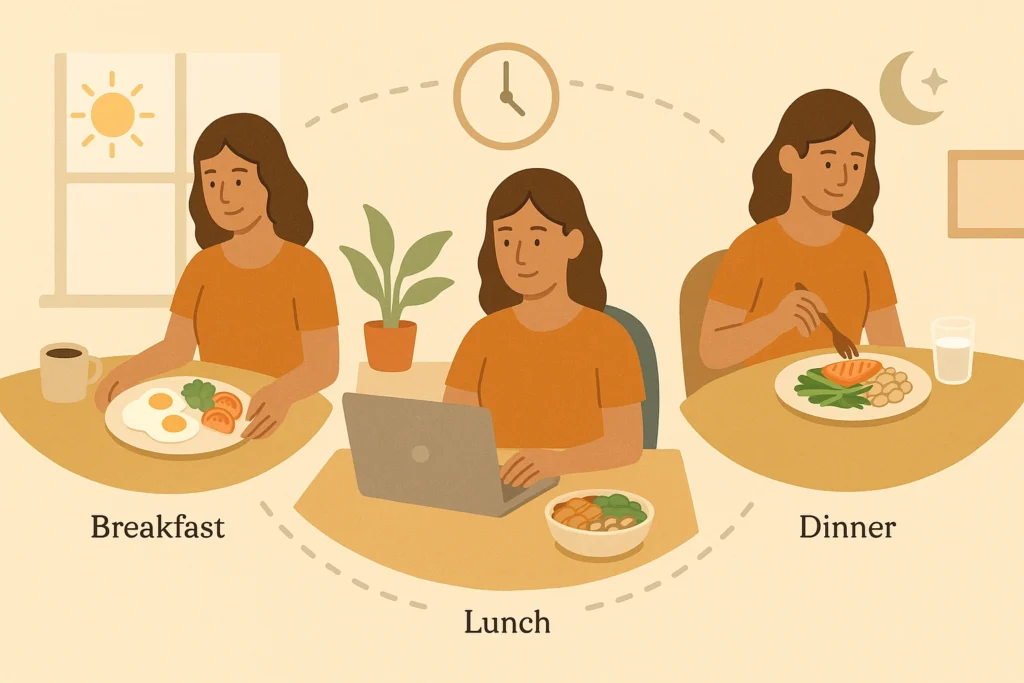
One of the most effective strategies for getting more protein is not just “eat more,” but “distribute better.” It is common for people to eat a very low protein breakfast, an average lunch, and then a very protein heavy dinner. From a muscle and appetite standpoint, this pattern is not ideal.
A more helpful pattern might look like:
- Breakfast: 25 to 30 grams of protein
- Lunch: 25 to 30 grams
- Dinner: 25 to 35 grams
- Snacks: 10 to 20 grams as needed
Research suggest that this kind of “even distribution” supports better muscle maintenance, especially as we get older. It also helps regulate hunger hormones through the day. Many women, for example, notice that increasing protein at breakfast and lunch reduces sugar cravings after dinner.
High Protein Breakfast Ideas That Do Not Take All Morning
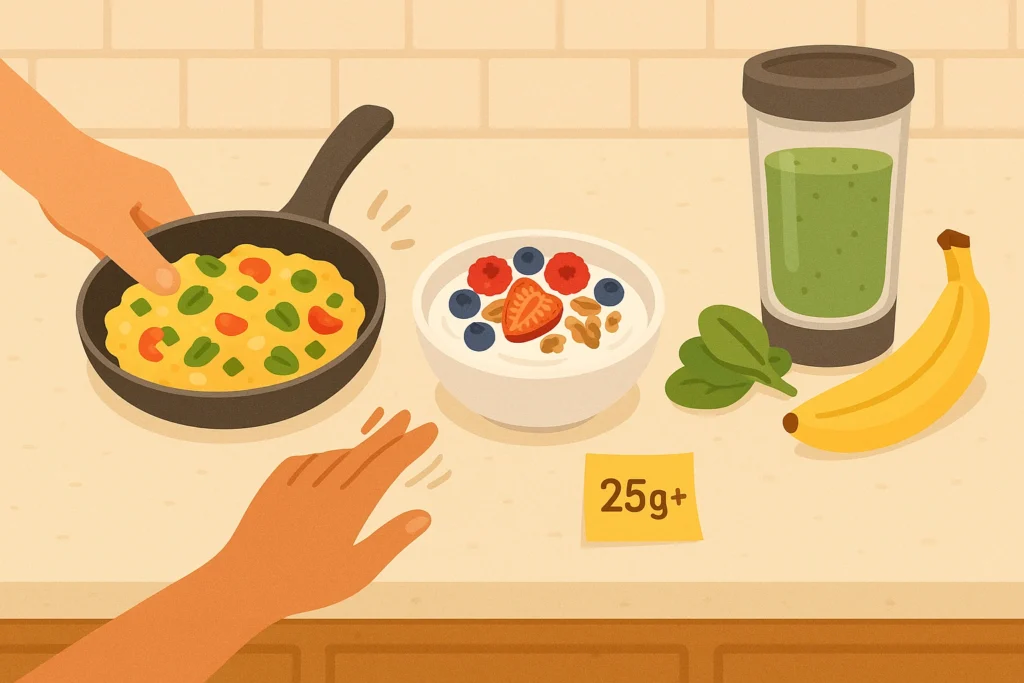
Breakfast is usually the meal that needs the biggest upgrade. A bowl of cereal, a bagel with cream cheese, or just coffee and a banana will not get you close to that 25 to 30 gram range. The result is mid morning hunger and a lot of snacking.
Here are some simple, realistic ways to bring more protein into your morning.
Egg Based Options
Eggs are one of the most reliable and budget friendly protein foods. One large egg has about 6 grams of protein, and egg whites add more without extra fat.
- 3 egg scramble with veggies and a sprinkle of cheese (around 20 to 24 grams)
- 2 eggs + 2 egg whites omelet with spinach and mushrooms
- Egg muffins baked on Sunday with diced turkey sausage and peppers for grab and go
You can pair egg dishes with a slice of whole grain toast, some avocado, or berries for fiber and flavor.
High Protein Yogurt Bowls
Greek yogurt and some filtered yogurts have almost double the protein of regular yogurt. Look for options with at least 15 grams of protein per serving and lower added sugar.
Try building a simple bowl:
- 6 to 8 oz plain Greek yogurt
- 1 to 2 tablespoons chopped nuts or seeds
- Handful of berries or sliced banana
- Sprinkles of cinnamon or a small drizzle of honey if you need sweet
This type of bowl easily land you in the 20 to 25 gram protein range with good fiber and healthy fats.
Protein Smoothies That Actually Keep You Full
Smoothies can be a trap if they are mostly fruit and juice. If we want breakfast that last, we need a real protein source inside the blender.
A balanced smoothie might look like:
- 1 scoop whey, pea, or soy protein powder (15 to 25 grams)
- 1 cup unsweetened milk or plant milk
- 1 tablespoon nut butter or seeds
- 1/2 frozen banana or 1/2 cup berries
- Handful of spinach or kale (you barely taste it)
Blended smooth, this can sit around 25 to 30 grams of protein and feel more like a meal than a sugar rush.
Protein Rich Lunches You Can Pack Or Order
Lunchtime is where many of us get stuck between convenience and nutrition. Whether you work from home or in an office, a little planning here can make hitting your protein goal so much easier.
Quick Protein Add Ons For Salads And Bowls
Salads and grain bowls can be very nutrient dense, but without protein they leave you hungry. Think of protein as the center piece, and veggies and grains as partners around it.
Good options include:
- Grilled chicken strips (pre cooked from the store works fine)
- Canned tuna or salmon, mixed with olive oil and herbs
- Hard boiled eggs
- Tofu or tempeh cubes for plant based meals
- Leftover steak, turkey tenderloin from dinner
Even fast casual restaurants now offer high protein bowl options. When ordering out, scan for meals that list chicken, steak, fish, tofu, or beans as clear ingredients, and do not be shy asking for extra protein.
Sandwiches And Wraps With Better Protein Balance
Sandwiches can be protein friendly if we build them with purpose. The bread should not be the main source of calories.
For example, a higher protein lunch might be:
- Whole grain wrap filled with 3 to 4 oz turkey, hummus, veggies, and a slice of cheese
- Tuna salad made with Greek yogurt instead of all mayo, served on whole grain bread
- Chicken salad lettuce wraps with celery, apple, and walnuts
If you work somewhere with only limited food options, remember basic tactics like adding a side of Greek yogurt, a cheese stick, or a small pack of nuts to boost protein without much effort.
High Protein Dinner Ideas For Busy Evenings
Dinner often already contains protein, but sometimes portions are small compared to the plate of pasta or rice. To raise your daily intake, focus on getting a solid 4 to 6 oz portion of protein rich food at this meal.
Simple Protein Forward Dinner Templates
Instead of complicated recipes, try working with repeatable “templates” you can customize.
Some solid patterns:
- Grilled or baked fish + roasted veggies + small portion of potatoes or rice
- Stir fry with sliced beef or tofu + mixed vegetables + rice or cauliflower rice
- Turkey or chicken chili packed with beans and served over a scoop of quinoa
- Ground beef, turkey, or lentil taco bowls with lettuce, salsa, beans, and avocado
For readers following or exploring an animal focused eating style, you may find more structured inspiration in our animal based diet meal ideas and recipes. Those meal patterns naturally lend themselves to higher protein, but can be balanced with fiber rich sides if you want more plants on the plate.
Smart Protein Snacks To Fill The Gaps
Snacks are not mandatory, but if you like eating 4 to 5 times a day, protein centered snacks can help you move toward your daily goals without heavy meals.
Many common snack foods in the U.S. are mostly refined carbs, like chips, crackers, and pastries. When we swap these for protein rich choices, we often see better energy and less emotional eating.
Some realistic, portable snack ideas:
- Greek yogurt cup or cottage cheese with a little fruit
- Beef or turkey jerky with no or low added sugar
- String cheese or mini cheese rounds
- Edamame (fresh or frozen microwave packs)
- Small handful of nuts plus a piece of fruit
- Protein bar with at least 10 grams protein and limited added sugars
Many people are surprise how much calmer their appetite feel when every snack has some protein. The body is less on a blood sugar roller coaster, and moods often feels more steady too.
Using Protein Powders And Shakes Wisely
Protein powders can be a useful tool, not a requirement. They help fill gaps when cooking time is short, appetite is low, or appetite is very high but we are trying to manage total calories.
Common types include:
- Whey protein – fast digesting, high quality, popular for post workout shakes
- Casein protein – slower digesting, can keep you full longer
- Pea, soy, or blended plant proteins – good for dairy free or vegan diets
When choosing a powder, we recommend looking for:
- At least 18 to 25 grams protein per serving
- Shorter ingredient list, no long list of unnecessary additives
- Lower sugar content (some sweetener is fine, just not 20 grams of sugar)
For people who ask how do I get more protein in my diet with a very busy routine, 1 scoop of protein powder used daily in a smoothie, oatmeal, or mixed into yogurt can boost daily intake by 20 grams without major cooking.
How To Get More Protein On A Budget
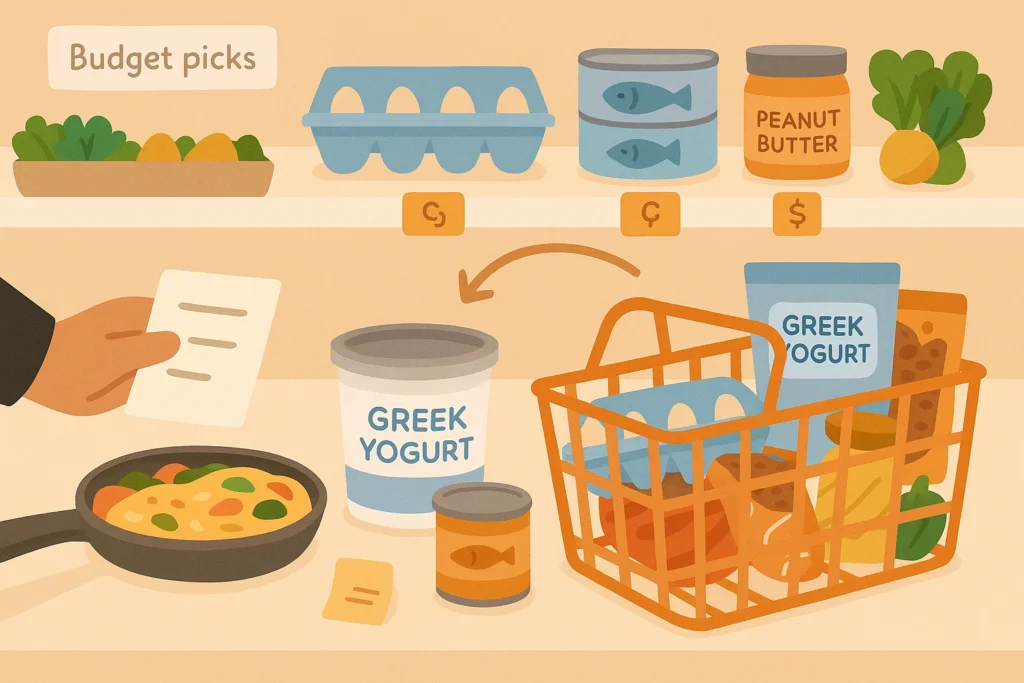
Higher protein eating does not have to mean expensive steaks or fancy supplements. Often, some of the cheapest protein options are simple and basic.
Budget friendly protein sources:
- Eggs: usually one of the most affordable proteins per gram
- Canned tuna, salmon, or chicken
- Dry or canned beans and lentils
- Peanut butter and other nut butters
- Frozen chicken thighs instead of breasts
- Greek yogurt in larger tubs instead of single servings
Meal planning around sales also help. For example, when chicken or lean ground beef is on sale, you can cook a big batch on weekends, portion it out, and freeze extras. Later in the week, that pre cooked meat can become tacos, stir fry, quick soups, or salad toppers.
Balancing High Protein Eating With Other Nutrients
While we focus on protein here, a healthy diet is still about balance. That means we want:
- Plenty of fiber from fruits, vegetables, beans, and whole grains
- Healthy fats from olive oil, avocado, nuts, seeds, and fatty fish
- Good hydration, especially if protein intake is higher than before
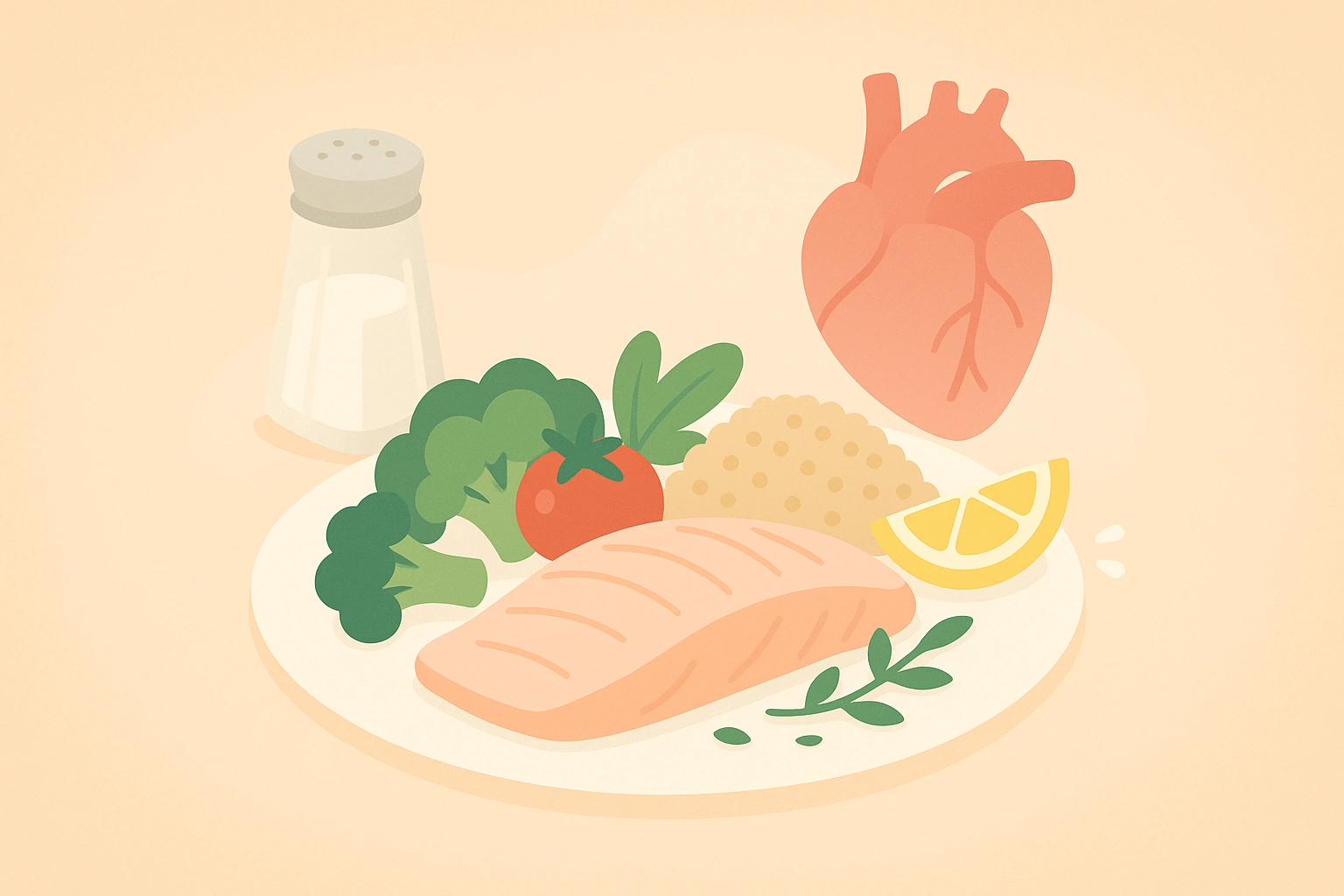
Some people worry that higher protein might hurt kidneys. In healthy individuals with normal kidney function, research over the last decade shows that moderate to high protein diets are generally safe. However, if you already have kidney disease or other medical conditions, it is important to talk with your healthcare provider before making large shifts.
If you prefer a more plant forward eating style but still want higher protein, patterns such as the Mediterranean diet can work well. We explore food options and structure for that approach in this guide: what foods are in the Mediterranean diet. It naturally includes fish, beans, lentils, yogurt, and nuts, making it easier to hit protein goals with a variety of flavors.
Sample One Day High Protein Menu (Simple And Realistic)
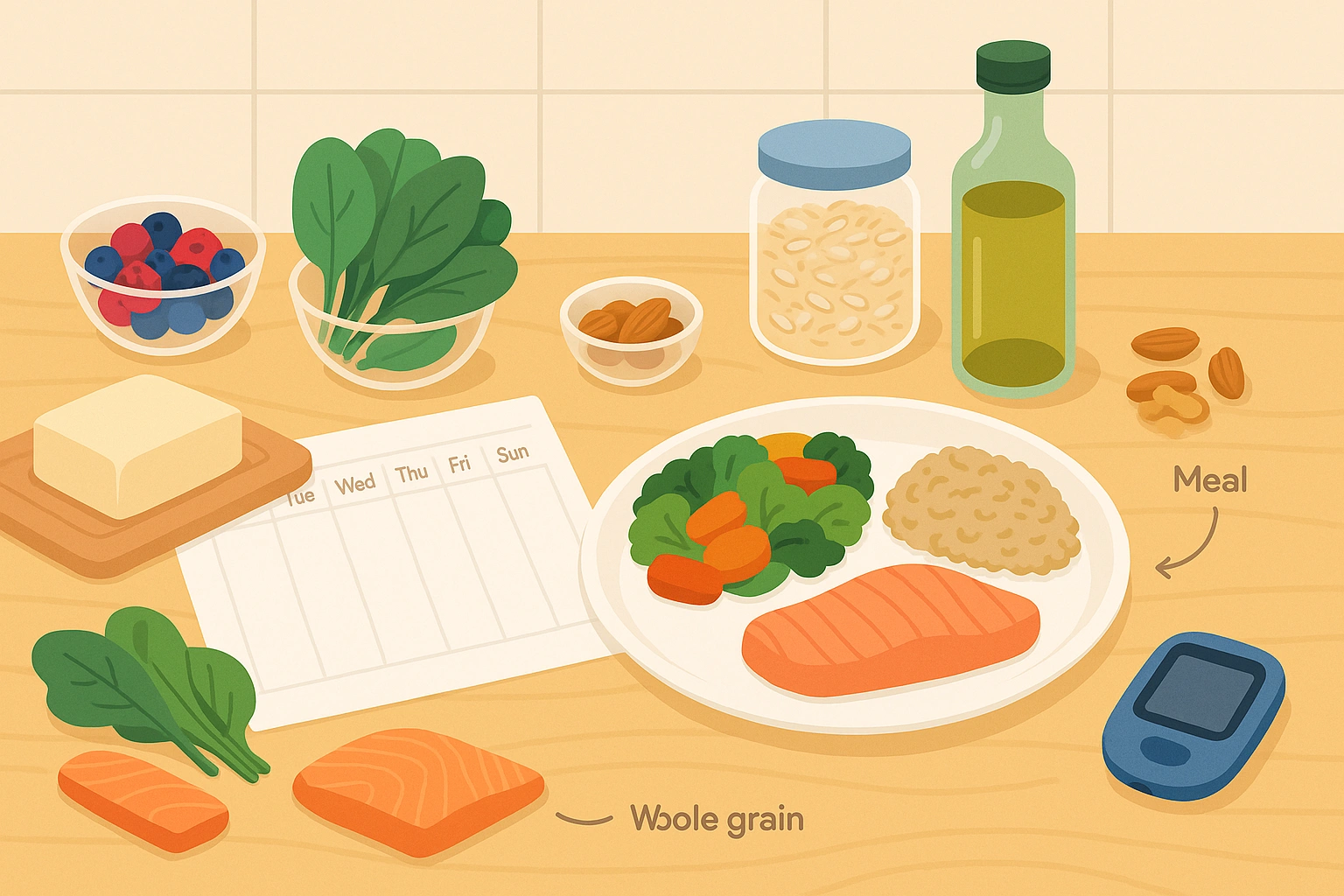
To make this concrete, here is an example of how to get more protein in your diet across a normal day. This is not a strict plan, just a sample to spark your own ideas.
Breakfast (about 30 grams protein)
3 egg veggie omelet cooked in olive oil, with a side of berries
Snack (about 12 grams protein)
6 oz plain Greek yogurt with a tablespoon of chopped almonds
Lunch (about 30 grams protein)
Grilled chicken salad with mixed greens, cucumbers, tomatoes, olives, feta, and olive oil dressing
Snack (about 15 grams protein)
Protein shake made with 1 scoop whey protein and unsweetened almond milk
Dinner (about 30 to 35 grams protein)
Baked salmon with roasted Brussels sprouts and a small serving of quinoa
Total daily protein here would be around 115 to 120 grams, spread evenly. Most people who eat this way for a few weeks often notice less mindless snacking, better workout recovery, and more stable moods.
Common Mistakes People Make When Trying To Eat More Protein
As we help readers raise their protein intake, we see a few patterns that can hold them back or make the process harder than it has to be.
Relying Only On Dinner
Trying to hit your whole protein target at dinner can lead to huge meals, digestion discomfort, and wasted opportunity. The body uses protein best when its spread through the day, not when we stack 60 grams at once after a very low protein morning.
Forgetting About Drinks
High sugar coffee drinks, juice, soda, and alcohol add calories without any protein. Swapping just one of these for a protein smoothie or a glass of milk can change your total daily protein a lot.
Ignoring Fiber And Vegetables
Sometimes people get excited about meat and forget plants. Without enough fiber, high protein diets can feel heavy or cause constipation. Simple fix: add big portions of non starchy veggies to each meal, drink water through the day, and include some beans, fruits, or whole grains as your body tolerate.
Jumping From Very Low To Very High Overnight
If you currently eat very low protein, suddenly doubling your intake in a day might feel strange on your digestion. It can help to increase slowly over 1 to 2 weeks, letting your body adjust. For example, add 10 grams more at breakfast for a few days, then add 10 more at lunch, and so on.
Putting It All Together: A Practical Approach
So when we come back to the main question how do I get more protein in my diet, a clear pattern appear. The answer is less about exotic foods and more about consistent, simple choices at each meal.
Key steps you can start with this week:
- Estimate your rough protein target based on your body weight and activity
- Aim for 20 to 35 grams of protein at each main meal
- Upgrade breakfast first, since it is often the lowest protein meal
- Plan one or two high protein snacks if they fit your hunger and routine
- Use budget friendly foods like eggs, beans, yogurt, and canned fish regularly
- Keep the rest of your plate colorful with vegetables, fruit, and whole grains
You do not have to hit perfection overnight. Even moving from 40 grams of protein per day to 70 or 80 can make a real difference in how you feel. Over time, these higher protein habits become second nature, and you no longer need to think so hard about them.
If you are curious about combining higher protein intake with a animal leaning eating style, our 30 day animal based diet transformation plan gives a more structured month of meals, shopping tips, and adjustment ideas. Whether you lean plant based, animal based, or somewhere in the middle, the core idea stays the same: consistent protein, spread through your day, matched with foods you actually enjoy eating.
By focusing on simple, realistic changes, you can answer the question how do I get more protein in my diet in a way that fits your life, your taste buds, and your long term health goals.
Leave a Reply