
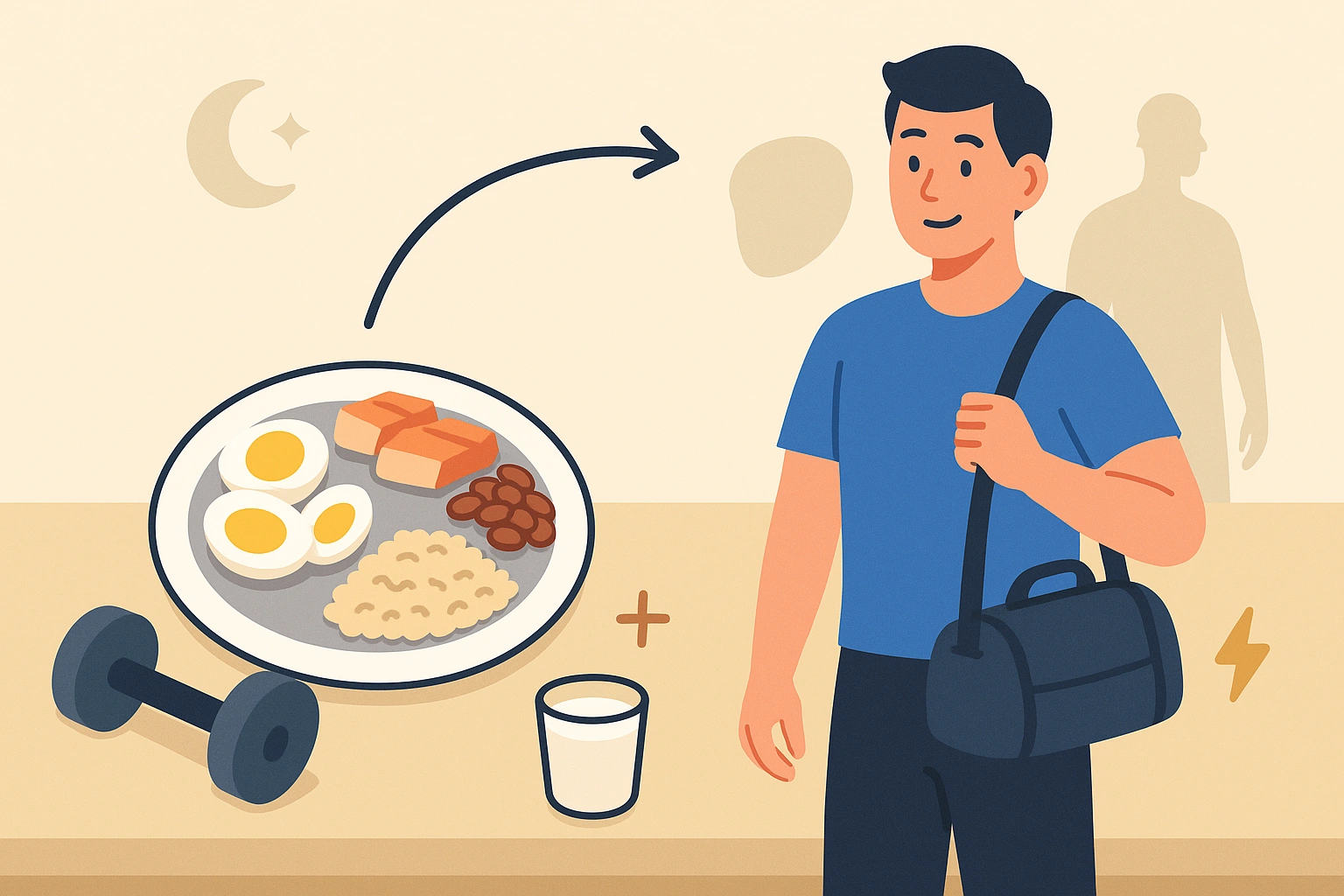

High protein diet foods for weight gain can feel confusing at first glance. Many people hear “high protein” and instantly think of fat loss. But protein rich foods are also one of the most effective tools for gaining healthy weight, building muscle, and supporting better energy and recovery. The key is combining the right protein sources with enough calories, carbs, and fats to support a small but steady calorie surplus.
Why High Protein Diet Foods For Weight Gain Actually Work
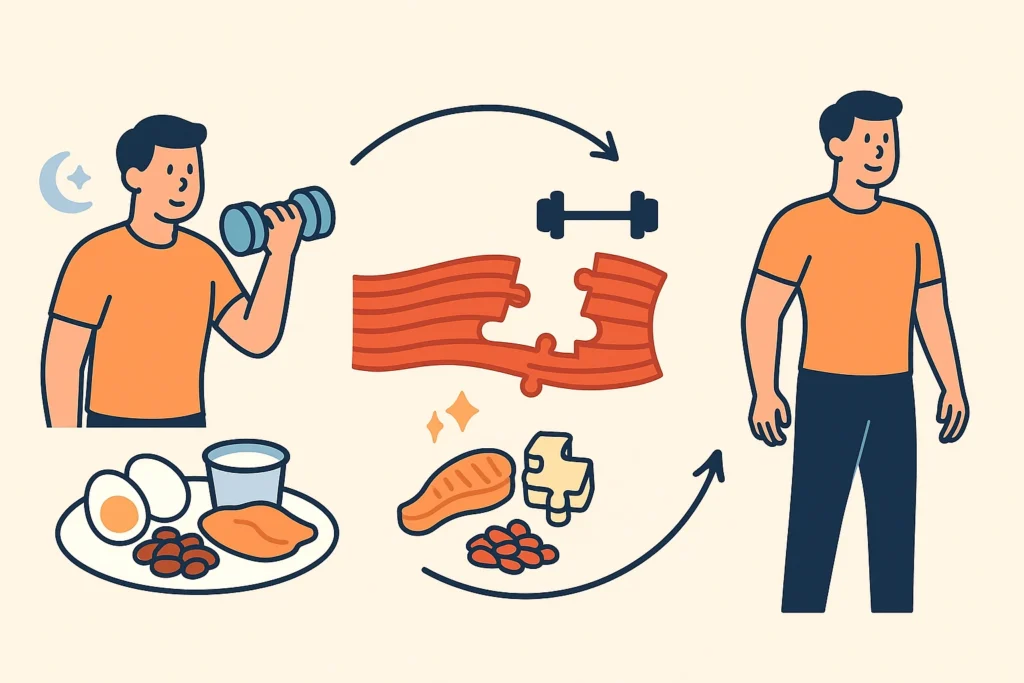
Healthy weight gain comes down to one simple rule: you need to eat more calories than your body burns, day after day. That is called a calorie surplus. But where thoose calories come from matters a lot for how you look, feel, and perform.
Protein supports weight gain in several ways:
- Builds muscle tissue: Muscle is made mostly of protein. When we combine resistance training with protein rich foods, our body has the building blocks it needs to add lean mass.
- Reduces muscle breakdown: During stress, illness, or heavy training, protein helps slow muscle loss, so more of the weight you gain is muscle, not just fat.
- Improves recovery and strength: Higher protein intake improves strength gains and workout recovery, making it easier to keep training consistently.
- Supports hormones and enzymes: Protein is involved in immune function, hormone production, and enzyme activity, all of which play a part in metabolism and appetite.
Recent research backs this up. A 2023 review in the journal Nutrients found that higher protein diets (around 0.7 to 1 gram per pound of body weight) helped people gain more lean mass and less fat when lifting weights, compared with lower protein diets. So when we talk about high protein diet foods for weight gain, we are really talking about gaining “quality weight” instead of just grabbing extra junk calories.
How Much Protein Do You Really Need For Healthy Weight Gain
There is no single magic number, but most active adults who want to gain weight and muscle do best in a certain range. Based on current guidelines and coaching experience, a helpful target is:
0.7 to 1.0 grams of protein per pound of body weight (1.6 to 2.2 g per kg).
So if you weigh 150 pounds:
- Lower end: 150 x 0.7 = 105 grams of protein per day
- Upper end: 150 x 1.0 = 150 grams of protein per day
This range supports muscle gain when you are also eating enough calories and doing some form of resistance training. For many people in the United States who are used to eating carb heavy meals, this amount feels like a major jump at first. Breaking it into 3 to 5 meals and snacks makes it much more realistic.
Balancing Protein With Calories For Weight Gain
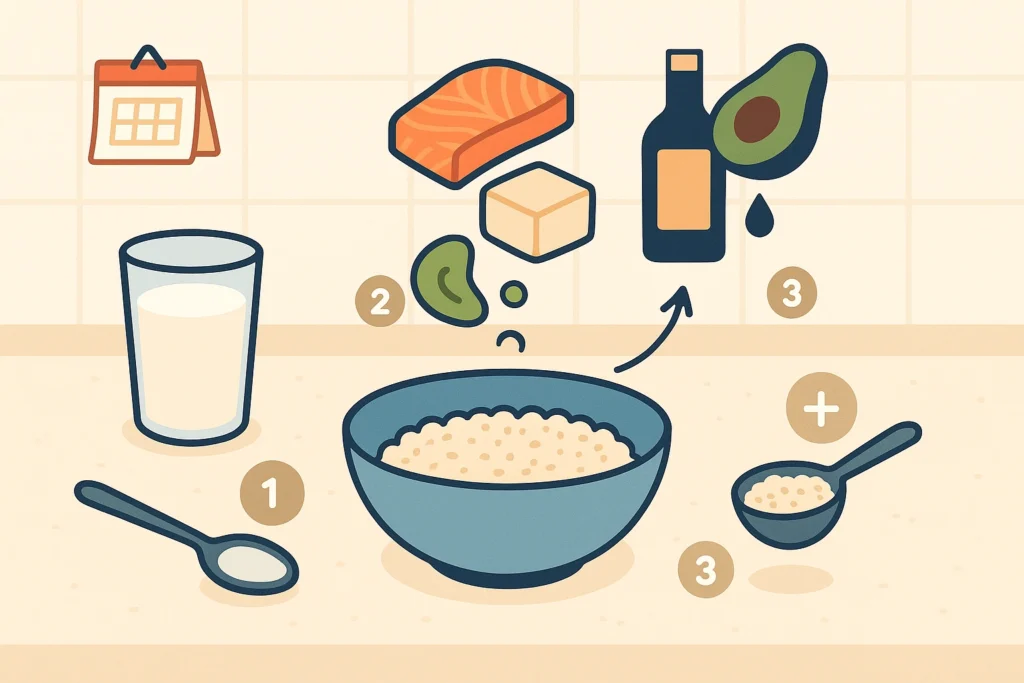
One of the most common mistakes is focusing only on protein grams and forgetting total energy. You can eat 150 grams of protein a day and still struggle to gain a single pound if your overall calories are too low. That happens a lot when people switch to “clean” eating but still do not eat enough.
A simple starting point:
- Estimate your maintanance calories (many adults fall around 14 to 16 calories per pound of body weight depending on activity).
- Add 250 to 500 calories per day on top of that as a surplus.
- Make sure at least 25 to 30 percent of total calories come from protein, with the rest from carbs and healthy fats.
For example, a 150 pound active person might maintain weight around 2,300 calories. For weight gain, they may aim for about 2,700 to 2,800 calories with 120 to 150 grams of protein spread out across the day.
Best Animal Based High Protein Diet Foods For Weight Gain
Animal source foods are naturally rich in complete proteins, meaning they contain all the essential amino acids our body needs. They are very helpful when you are trying to gain weight without constantly feeling stuffed, because they pack a lot of protein into a reasnoble portion size.
1. Eggs
Eggs are one of the most nutrient dense foods on earth. Each large egg has roughly 6 to 7 grams of high quality protein, plus healthy fats and important nutrients like choline and vitamin B12.
Why eggs help with weight gain:
- Easy to digest for most people.
- Can be cooked in calorie dense ways, like scrambled with butter, cheese, or avocado.
- Fit well into breakfast burritos, sandwiches, and bowls.
A simple muscle friendly breakfast: 3 scrambled eggs cooked in olive oil, with shredded cheese and whole grain toast. That alone can give around 25 grams of protein and close to 500 calories, depending on your toppings.
2. Chicken Thighs and Drumsticks
Chicken breast gets all the glory, but for weight gain, chicken thighs and drumsticks may be a better match. Dark meat has more fat and more flavor, which helps bump up calories and makes it easier to keep eating enough.
On average, 4 ounces of cooked chicken thigh provides around 21 to 25 grams of protein plus extra calories from fat. Roasting thighs with skin on, then adding rice, potatoes, or pasta turns into a filling and calorie rich meal.
3. Beef: Ground Beef, Steaks, and Roast
Beef is a classic high protein diet food for weight gain because it packs a lot of protein, iron, zinc, and creatine in each serving. Creatine in particular supports strength and muscle performance.
Typical numbers for 4 ounces cooked:
- 85 percent lean ground beef: about 22 grams protein and 240 calories
- Ribeye steak: similar protein but higher calories due to fat
From a practical view, ground beef is one of the easiest animal proteins to build meals around. Tacos, chili, burgers, stuffed peppers, pasta sauces, or rice bowls all work. For more ideas, we share meal inspiration on an animal centered eating pattern here: https://dietlinic.com/animal-based-diet-meal-ideas-recipes/.
4. Greek Yogurt and Skyr
Greek yogurt and Icelandic skyr are strained yogurts with a higher protein content than regular yogurt. A single cup of plain Greek yogurt can have 15 to 20 grams of protein.
For weight gain, skip the nonfat versions and choose whole milk or at least 2 percent:
- Add granola, honey, nuts, and dried fruit for extra calories.
- Blend Greek yogurt into smoothies with banana, peanut butter, and oats.
- Use it as a high protein base for dips or sauces.
5. Milk and Dairy Products
For people who tolerate lactose, milk, cheese, and kefir are very useful for gaining weight. Whole milk offers roughly 8 grams of protein and 150 calories per cup, while cheeses like cheddar or mozzarella deliver 6 to 7 grams of protein per ounce, along with plenty of fat and calories.
A nighttime snack of whole milk and a cheese quesadilla can easily reach 20 to 30 grams of protein and 400 plus calories without feeling too heavy.
6. Fish and Seafood
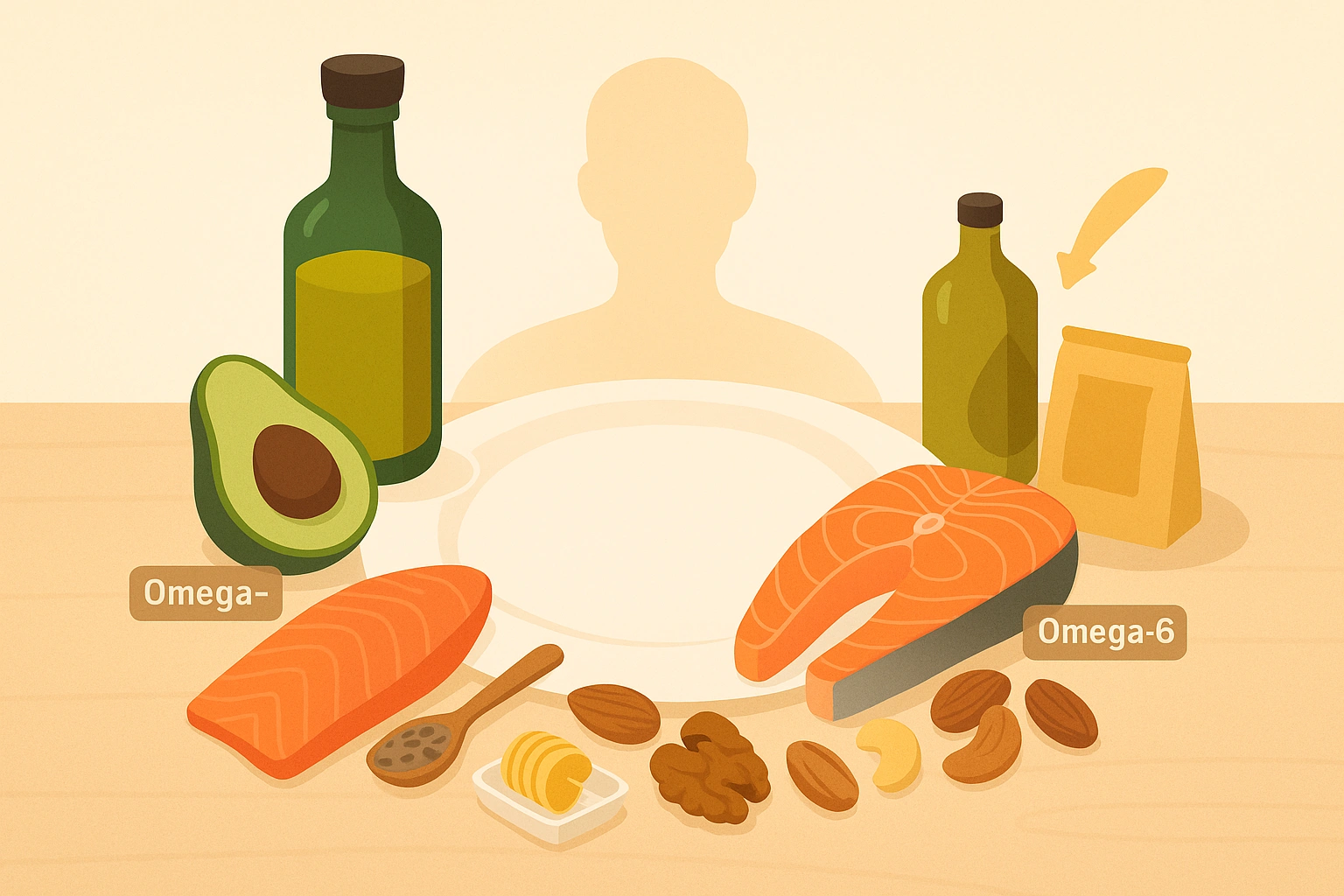
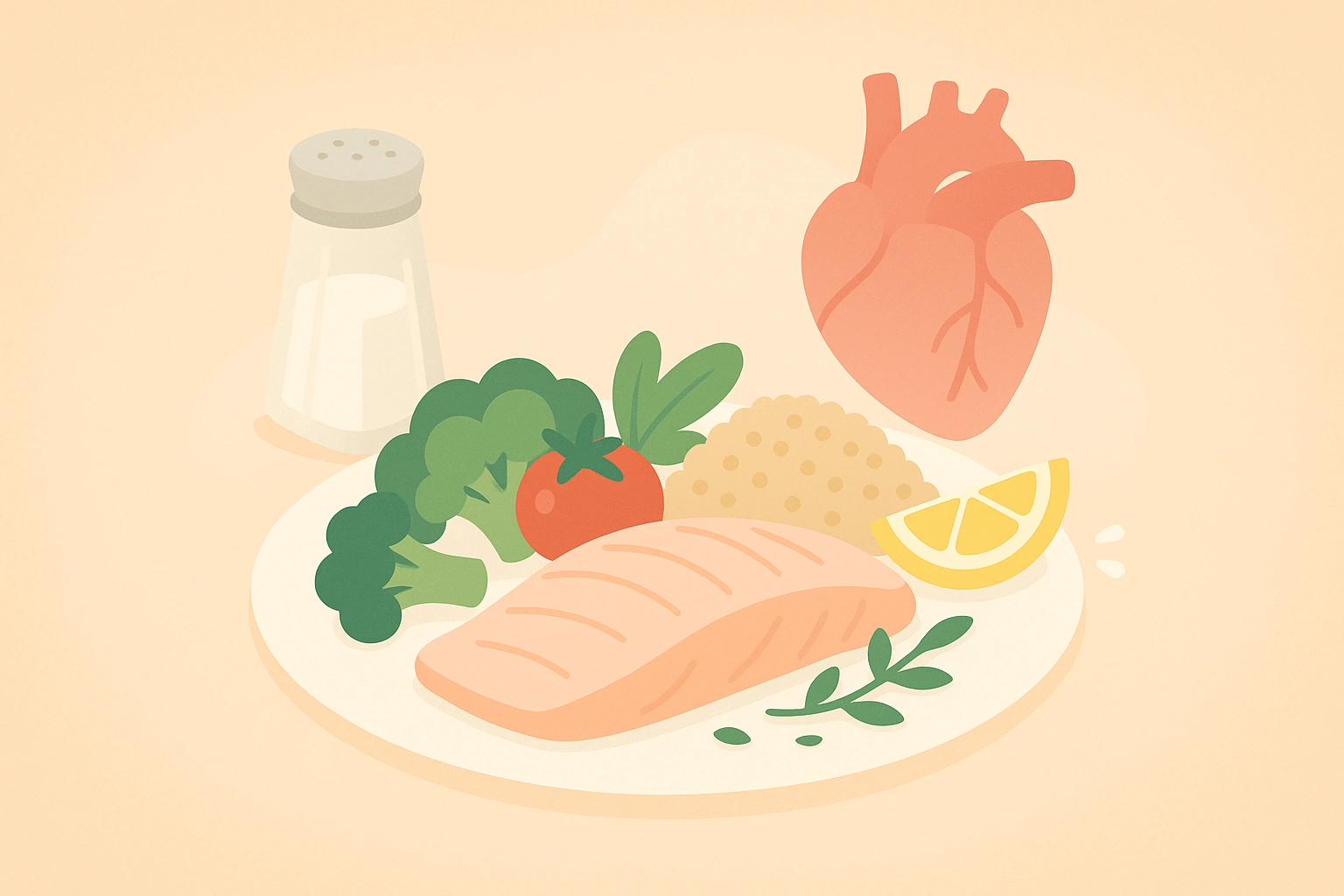
Fish is often linked to lean eating, but oily fish like salmon and mackerel are calorie dense and still high in protein. A 4 ounce cooked portion of salmon has roughly 22 to 25 grams of protein and close to 200 calories, plus omega 3 fats that reduce inflammation and support heart health.
Canned tuna, sardines, and salmon make budget friendly options. Mix them with avocado or mayo, pile onto whole grain bread or crackers, and you have a fast high protein snack or meal.
7. Whey Protein and Other Protein Powders
Whole foods should be the base of your eating plan. But protein powders can fill in gaps, especially if you struggle to chew enough food or have a busy schedule. A scoop of whey protein usually delivers 20 to 25 grams of protein with very little effort.
For weight gain, blend shakes with:
- Whole milk or oat milk
- Nut butter or tahini
- Banana, frozen berries, or mango
- Oats, honey, or flax seeds
One large shake can quickly reach 600 to 800 calories, which is helpful when appetite lags behind your calorie goals.
Plant Based High Protein Diet Foods For Weight Gain
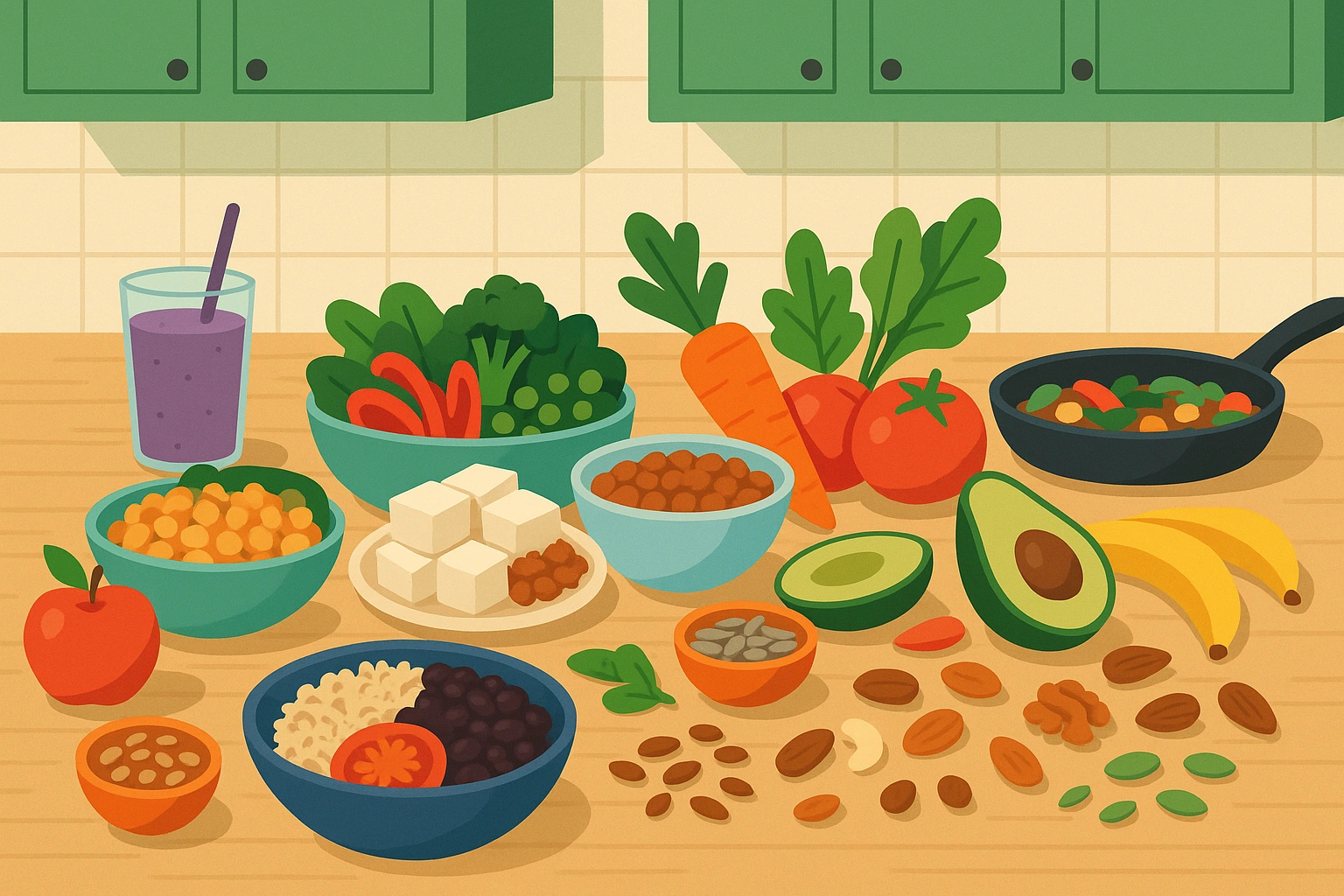
Some people assume it is impossible to gain weight and muscle on a plant based diet. That is not accurate, but it does take more planning. Vegetarian and vegan sources of protein can support weight gain when combined in smart ways and eaten in large enough portions.
1. Lentils, Beans, and Legumes
Lentils, chickpeas, black beans, kidney beans, and similar foods all provide plant protein, fiber, and slow digesting carbs.
Rough averages per 1 cup cooked:
- Lentils: 18 grams protein
- Black beans: 15 grams protein
- Chickpeas: 14 to 15 grams protein
Pair legumes with rice, quinoa, or whole wheat bread to create a complete protein profile over the course of the day. For weight gain, mash beans with olive oil, avocado, or tahini to make spreads, dips, and sandwich fillings that carry more calories.
2. Tofu and Tempeh
Soy based products are some of the richest plant proteins and very flexible in the kitchen.
- Firm tofu: about 10 grams protein per 3 ounces
- Tempeh: 15 to 18 grams protein per 3 ounces
Tempeh is especially helpful for weight gain because it contains more calories and a firmer texture that works well in stir fries, grain bowls, and sandwiches. Pan fry slices of tempeh in oil, then glaze with soy sauce and honey for a high protein topping to rice or noodles.
3. Nuts, Seeds, and Nut Butters
Nuts and seeds are not very high in protein by weight compared with meat or legumes, but they are extremely calorie dense, which is gold for weight gain.
- Peanut butter: 7 to 8 grams protein per 2 tablespoons, about 190 calories
- Almonds: 6 grams protein and around 160 calories per 1 ounce
- Sunflower seeds: 5 to 6 grams protein per ounce
Sprinkle nuts and seeds over oatmeal, yogurt, salads, and rice dishes. Spread nut butter on toast, fruit slices, or crackers. That kind of layering is often what gets someone from “trying to gain” to actually watching the scale move.
4. Whole Grains With Higher Protein Content
Some grains also provide more protein than people expect:
- Quinoa: 8 grams protein per cup cooked
- Farro: 7 to 8 grams protein per cup cooked
- Oats: 6 grams protein per half cup dry
Combine grains with legumes and seeds to build high protein, high calorie bowls. For example, a bowl made from quinoa, black beans, avocado, salsa, and pumpkin seeds can easily climb past 25 grams of protein and 600 calories.
Combining Animal And Plant Proteins For Better Results
Many people do not follow a strictly animal based or strictly plant based pattern. They sit somewhere between, and that can actually be a strong place for high protein diet foods for weight gain.
Combining both gives you:
- More variety in taste and texture, which helps prevent appetite fatigue.
- A wider range of vitamins, minerals, and fiber.
- Flexible meal planning that suits family preferences.
For example, you might use eggs and Greek yogurt at breakfast, chicken or tofu at lunch, and beef chili with beans at dinner. For readers who are curious how animal focused eating compares with plant forward patterns, we explore that here: https://dietlinic.com/animal-based-diet-vs-plant-based-diet/.
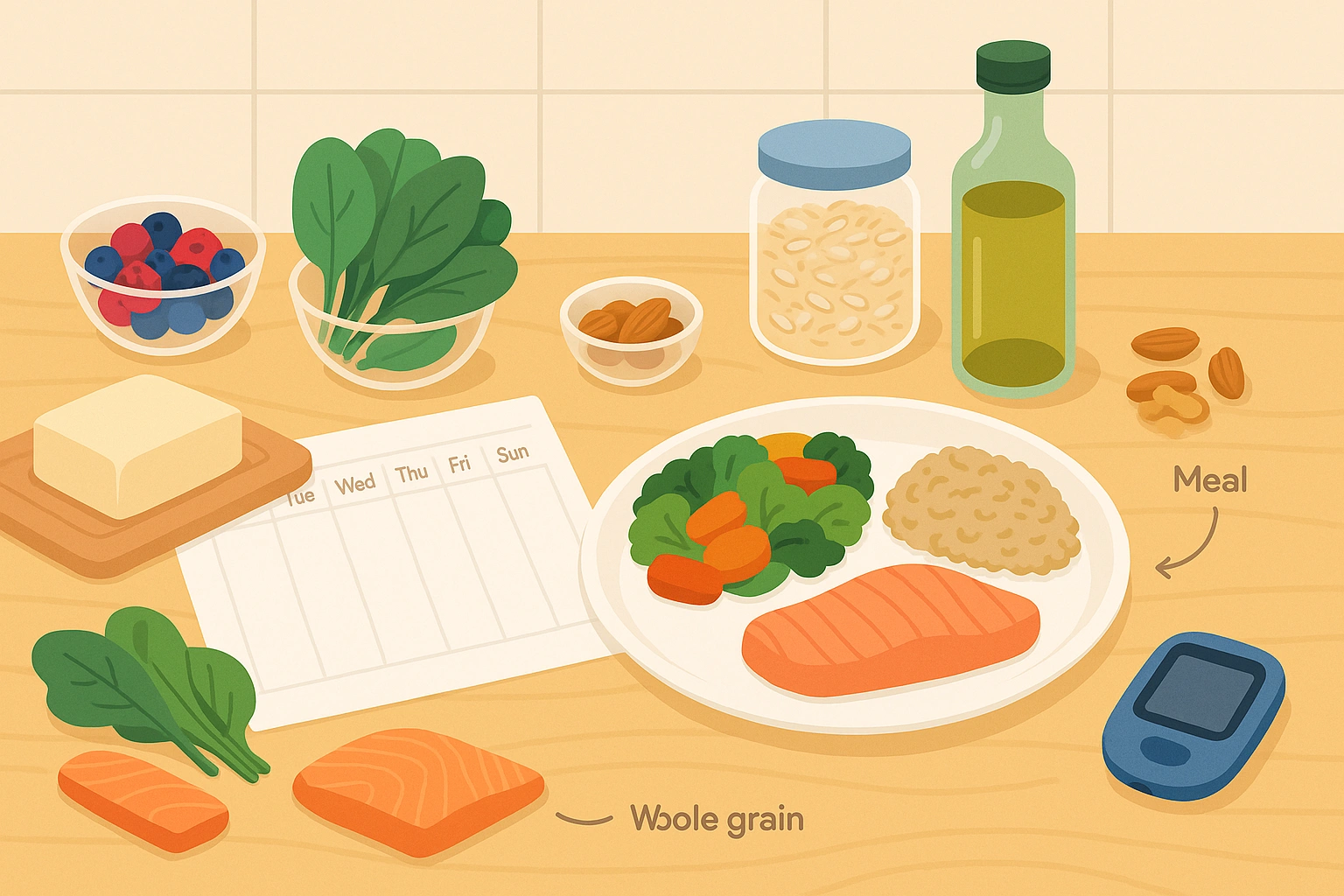
Sample One Day High Protein Weight Gain Meal Plan
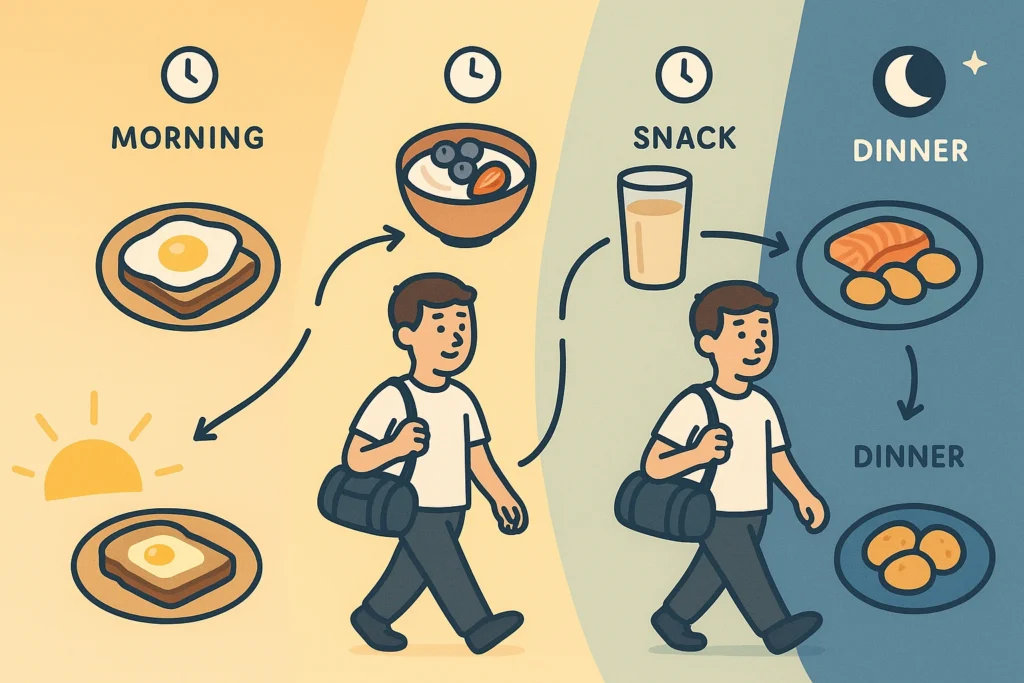
Theory is helpful, but it only becomes real when we turn it into a plate. Here is a simple example of what a high protein weight gain day could look like for a 150 pound active adult aiming for roughly 2,700 to 2,900 calories and about 140 to 150 grams of protein.
Breakfast
Cheesy egg scramble with toast and fruit
- 3 whole eggs scrambled in olive oil
- 1 ounce shredded cheddar cheese
- 2 slices whole grain toast with 1 tablespoon butter each
- 1 medium orange
Approximate: 35 grams protein, 650 calories
Mid Morning Snack
Greek yogurt bowl
- 1 cup whole milk Greek yogurt
- 1/4 cup granola
- 2 tablespoons chopped walnuts
- 1 tablespoon honey
Approximate: 25 grams protein, 500 calories
Lunch
Chicken thigh rice bowl
- 5 ounces roasted chicken thighs (skin on)
- 1.5 cups cooked white or brown rice
- 1/2 cup black beans
- Avocado slices and salsa
Approximate: 45 grams protein, 800 calories
Afternoon Snack
Peanut butter banana shake
- 1 scoop whey protein
- 1 medium banana
- 1.5 cups whole milk
- 2 tablespoons peanut butter
Approximate: 35 grams protein, 650 calories
Dinner
Salmon, potatoes, and veggies
- 4 ounces baked salmon
- 1.5 cups roasted potatoes with olive oil
- 1 to 2 cups roasted vegetables
Approximate: 30 grams protein, 500 calories
Total for the day is roughly 170 grams of protein and 3,100 calories. For someone who needs fewer calories, we would just shrink portions, use lower fat cooking methods, or skip a snack. The basic structure stays the same.
Practical Tips To Actually Eat Enough Protein And Calories
On paper, high protein diet foods for weight gain sounds simple. In real life, busy schedules, stress, and low appetite can make it harder than expected. A few strategies tend to make the difference between trying and seeing progress.
1. Spread Protein Across The Day
Muscle building is more effective when protein is spread fairly even across 3 to 5 meals, instead of loading most of it at dinner. Aim for at least 20 to 30 grams at each eating time. For many readers, that means bumping up breakfast and snacks, not just lunch and dinner.
2. Add Liquid Calories When Appetite Is Low
Shakes, smoothies, and even simple milk or kefir are much easier to drink than a second plate of food when you already feel full. We see this often in people who are naturally small eaters or who train hard and are tired in the evening. One well built shake can quietly add hundreds of calories without stressing the stomach.
3. Layer Healthy Fats Onto Protein Foods
Healthy fats like olive oil, avocado, nuts, seeds, and butter raise the calorie density of meals without adding much bulk. Drizzle olive oil over cooked meats and veggies, add avocado to sandwiches and bowls, and stir nut butter into oatmeal or yogurt. When someone is stuck at the same weight for weeks, this kind of layering is usually where we look first.
4. Plan Ahead For Busy Days
Most people in the United States who struggle to gain weight do not have trouble cooking a big dinner on a Sunday. The challenge shows up on weekdays when work, kids, and errands steal the time to prepare real food.
A few make ahead ideas:
- Cook a big batch of chicken thighs, rice, and roasted vegetables on the weekend.
- Pre portion Greek yogurt cups with granola and nuts.
- Freeze smoothie packs with pre measured fruit and oats so all you add is milk and protein powder.
Having ready to eat or easy to assemble options in the fridge takes willpower out of the equation. That is usually what sticks long term.
Safety, Health Concerns, And Who Should Be Careful
Most healthy adults can safely follow a high protein eating pattern, especially when it is based on whole foods and balanced with vegetables, fruits, and fiber. Studies up to 2.2 grams of protein per kilogram of body weight in athletes have not shown kidney damage in people with normal kidney function.
Still, there are some situations where you want to talk with a healthcare provider or dietitian before making big changes:
- History of kidney disease or reduced kidney function
- Certain metabolic disorders
- Digestive diseases that affect protein digestion or absorption
For them, a more moderate protein intake with careful medical guidance is safer.
Also, gaining weight too quickly, especially more than 1 to 2 pounds per week for an adult, can lead to excess fat gain, indigestion, and tiredness. Slow and steady often leads to better muscle gain and less stress on the body.
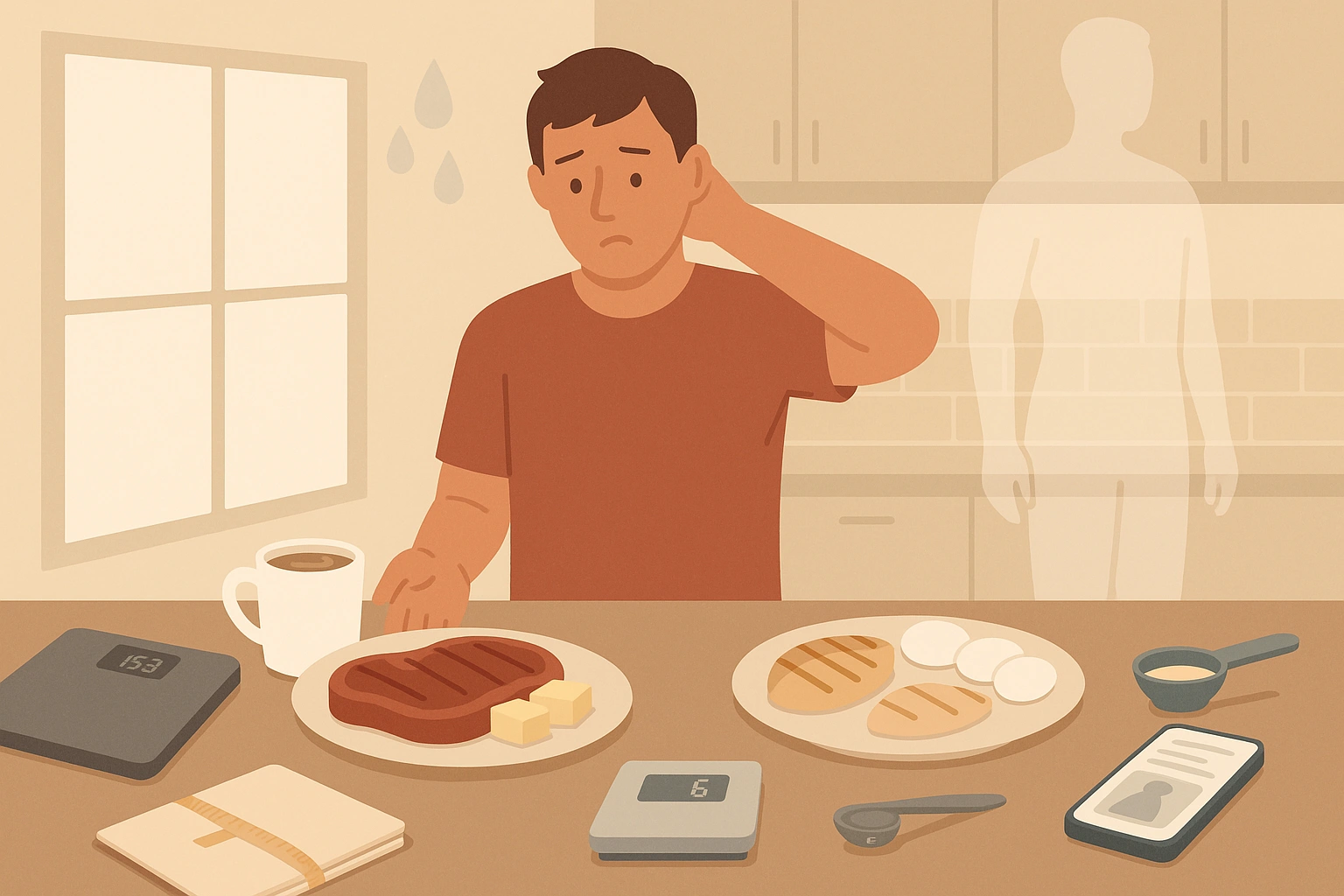
Tracking Progress Without Obsessing
When we are eating more high protein diet foods for weight gain, it helps to track our response, but not in a way that makes life feel like a math exam.
Reasonable ways to monitor progress include:
- Weighing yourself once or twice a week, at the same time of day.
- Taking waist, hip, and thigh measurements every 2 to 4 weeks.
- Noticing changes in how clothes fit and how your body looks in the mirror.
- Tracking strength in main lifts like squats, presses, and rows.
If weight stays flat for two weeks, increase daily intake by about 200 to 300 calories, mostly from carbs and fats added to your existing high protein structure. If weight jumps too fast, shave 150 to 200 calories and see how your body reacts. Those adjustments, done calmly and slowly, usually get you to your goal without a lot of drama.
How High Protein Eating Fits Different Diet Styles
People often ask whether a high protein approach must be low carb or whether it has to follow a special plan. The truth is, protein can sit at the center of many styles, from more animal focused eating to more plant heavy or even keto like patterns.
For readers exploring animal heavy ways of eating, we have a full overview of what that can look like here: https://dietlinic.com/animal-based-diet/. For others comparing animal based patterns with keto, this breakdown may help clarify which fits their goals better: https://dietlinic.com/animal-based-diet-vs-keto-which-is-better/.
What matters more than the label is that your plan:
- Provides enough total calories to gain weight.
- Delivers adequate protein, ideally 0.7 to 1 gram per pound of body weight.
- Includes a mix of carbs and fats you actually enjoy eating.
- Feels realistic with your cooking skills, budget, and family life.
Bringing It All Together
High protein diet foods for weight gain are not just for bodybuilders or athletes chasing a competition stage. They can be life changing for anyone who wants to feel stronger, fill out clothes better, recover from illness, or support healthier aging.
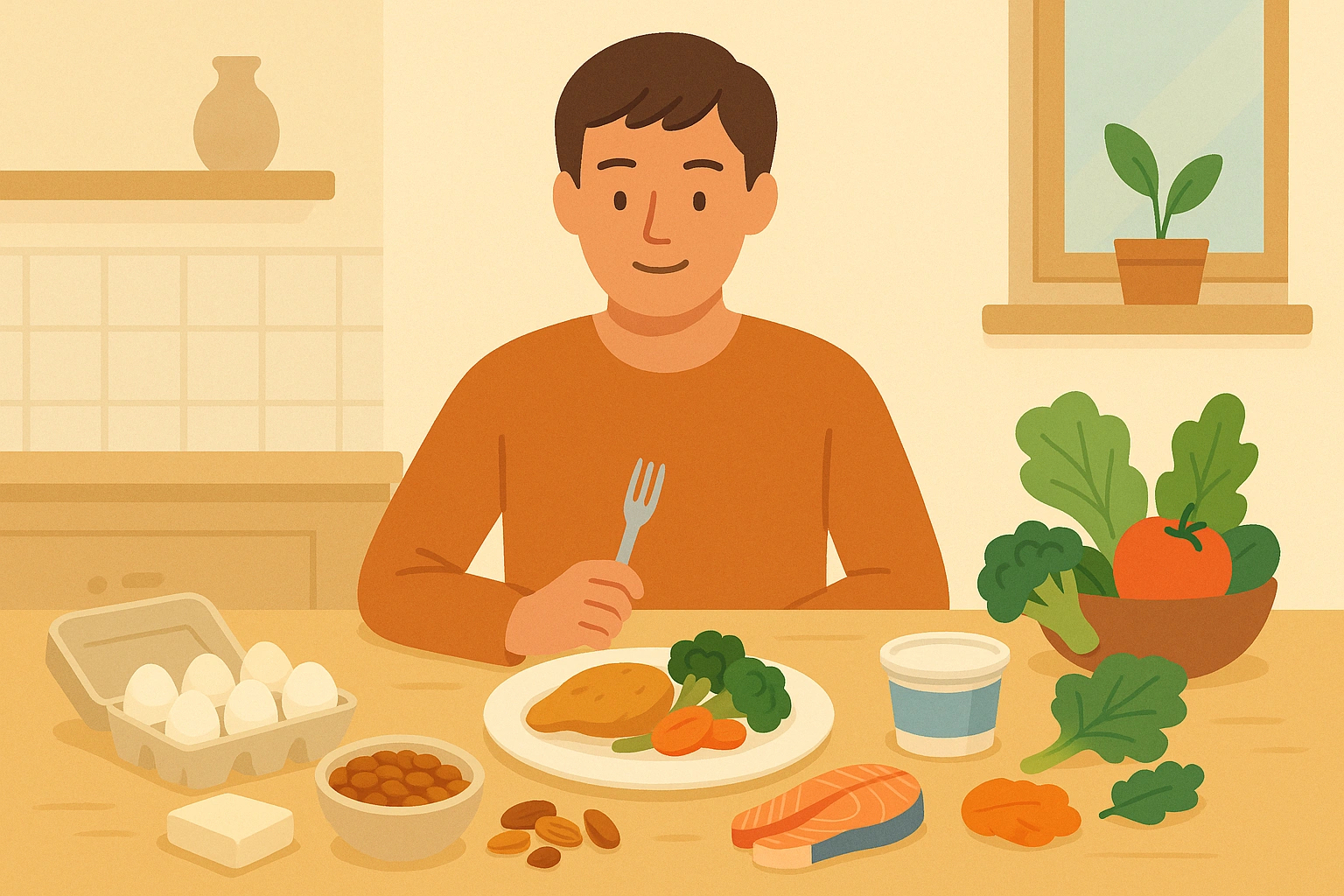
We gain the most when we stop thinking of protein as a single powder or special bar and start seeing it as a steady thread in every meal and snack. Eggs at breakfast, Greek yogurt or nuts mid morning, chicken or beans at lunch, a protein rich shake in the afternoon, and salmon, beef, or tofu at dinner. Layered with carbs and healthy fats, those choices slowly add up to more muscle, better energy, and the kind of weight gain that actually makes you feel good in your own skin.
If you stay patient, adjust portions based on your weekly progress, and combine these foods with even modest strength training, your body usually responds. The process might not be perfect, and some days will feel messy or off track, but over months the habit of eating enough high quality protein and calories can reshape both your health and your confidence.
Leave a Reply