
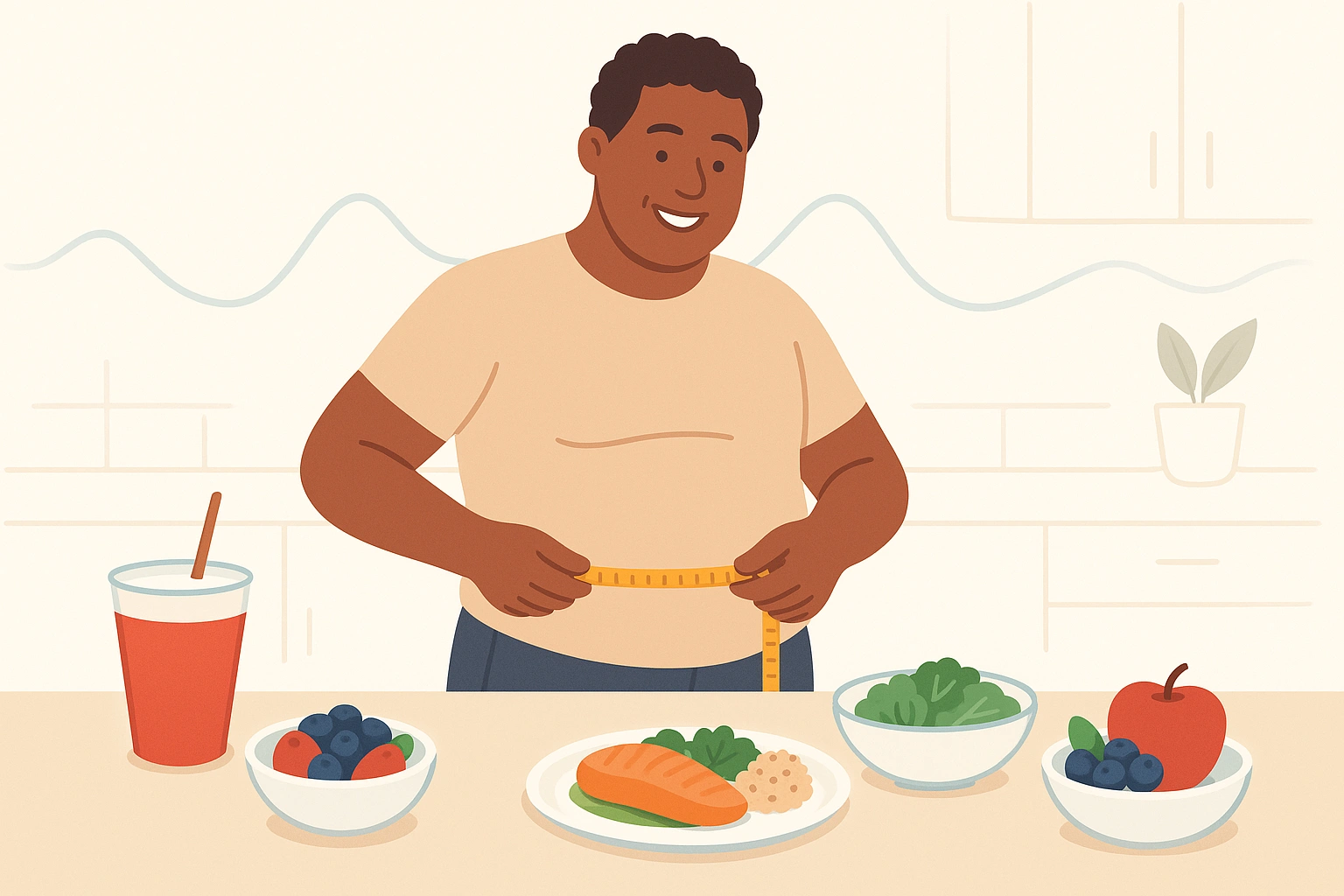

Fat belly, diet, diabetes, not have sugar. Many people type this messy phrase into Google when they are scared about their waist line and blood sugar at the same time. We understand why. Belly fat and high sugar often travel together, and they both increase the risk of type 2 diabetes, heart disease, and long term health problems.
What people really mean by “fat belly diet diabetes not have sugar”
When someone search for “fat belly diet diabetes not have sugar,” they usually asking a mix of questions at once:
- How can I lose belly fat if I already have, or worry about, diabetes?
- Do I have to cut sugar totally to fix my blood glucose and my waist?
- What kind of eating plan will shrink belly fat without making my blood sugar go crazy?
- Which foods are truly dangerous and which are safe in moderation?
In real life, most of us do not just want “a diet.” We want a way of eating that feels doable when we are tired after work, when kids are asking for snacks, and when friends want to go out for pizza. So this guide focus on practical, science based steps that match how people actually live.
Why belly fat is specialy risky for diabetes
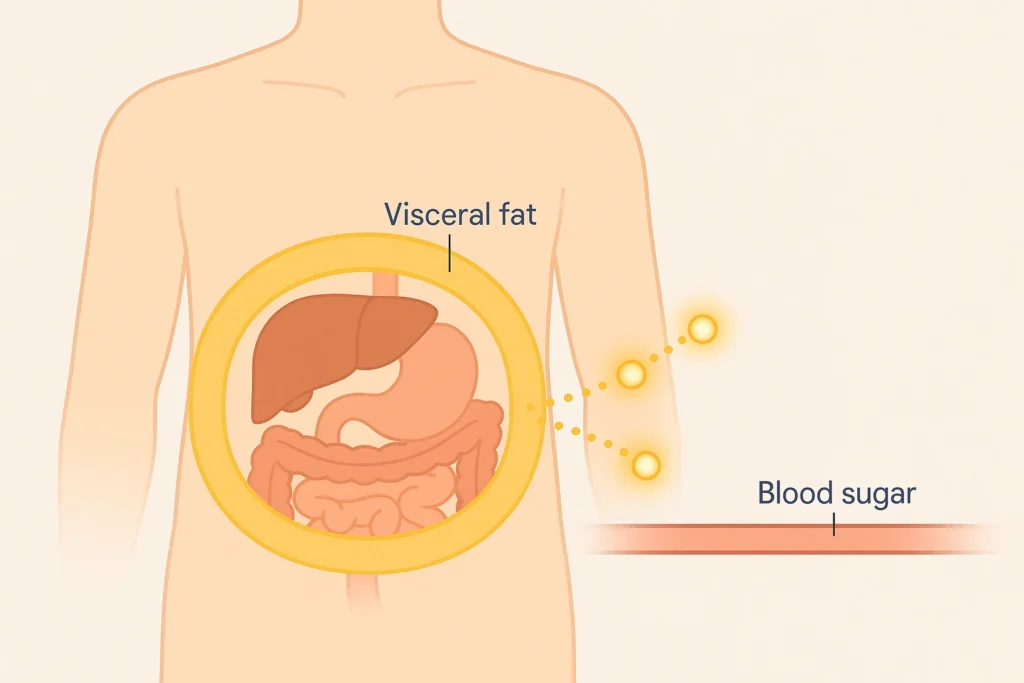
Belly fat is not only about tight jeans. It act like an active organ in the body. The fat that sits deep inside the abdomen around the organs is called visceral fat. This type of fat send chemical signals that can:
- Increase insulin resistance
- Raise fasting blood glucose
- Trigger chronic low grade inflammation
- Raise blood pressure and triglycerides
According to the CDC, about 38 million adults in the United States have diabetes, and around 1 in 3 adults have prediabetes (2023 data). Many of them also carry extra fat around the waist, which makes blood sugar control much harder.
From what nutrition research show in the past 2 years, losing even 5 to 10 percent of body weight, especially around the middle, can improve insulin sensitivity and reduce the need for diabetes medication. The trick is to reach that weight loss in a way that is steady, safe, and does not feel like punishment.
Do you really need to “not have sugar” at all?
When people search “fat belly diet diabetes not have sugar,” they often believe sugar is the only enemy. The truth is more layered.
There are different type of sugars and carbs:
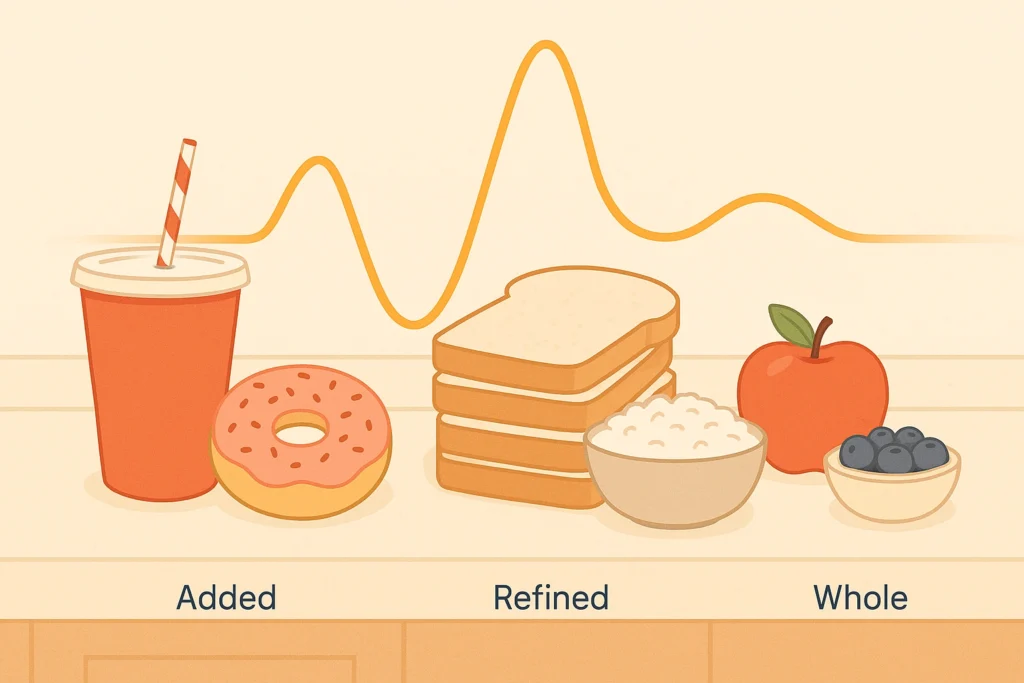
- Added sugars: table sugar, corn syrup, honey in large amounts, sugar in sodas, candies, pastries.
- Natural sugars: found in fruits, milk, and some vegetables, usually bundled with fiber or protein.
- Refined starches: white bread, white rice, many breakfast cereals, pastries. In the body they quickly turn into glucose, almost like straight sugar.
For diabetes and belly fat, the main problem is repeated spikes of high blood sugar combined with extra calories. Added sugars and refined starchs are the biggest drivers of that pattern. Natural sugars in whole fruit behave very different, because fiber slows down how fast they reach your bloodstream.
So the real goal is not “never have sugar.” The realistic and science aligned goal is:
- Cut down added sugar to low levels.
- Replace refined starch with high fiber carbs.
- Pair carbs with protein, fat, or fiber to blunt sugar spikes.
Based on recent guidelines from the American Heart Association, most women should stay under 24 grams (6 teaspoons) of added sugar per day, and men under 36 grams. For people with diabetes or prediabetes, aiming even lower is usually helpful, but still does not mean zero forever.
Core idea of a fat belly diet for diabetes
A strong “fat belly diet diabetes not have sugar” plan is not a single strict menu, but more like a flexible frame. We can summarize it in four pillars:
- Control carbs and avoid added sugars.
- Raise fiber, especially soluble fiber.
- Prefer lean protein and healthy fats.
- Create a small, steady calorie deficit without hunger crises.
When these pillars are in place consistently, the body start to pull on fat stores around the belly, and blood sugar become more steady through the day.
Carb control: how much and from where
Carbohydrates are the nutrient that affects blood sugar the most. The goal is not always “low carb” for everybody, but “smart carb” choices.
How many carbs is reasonable?
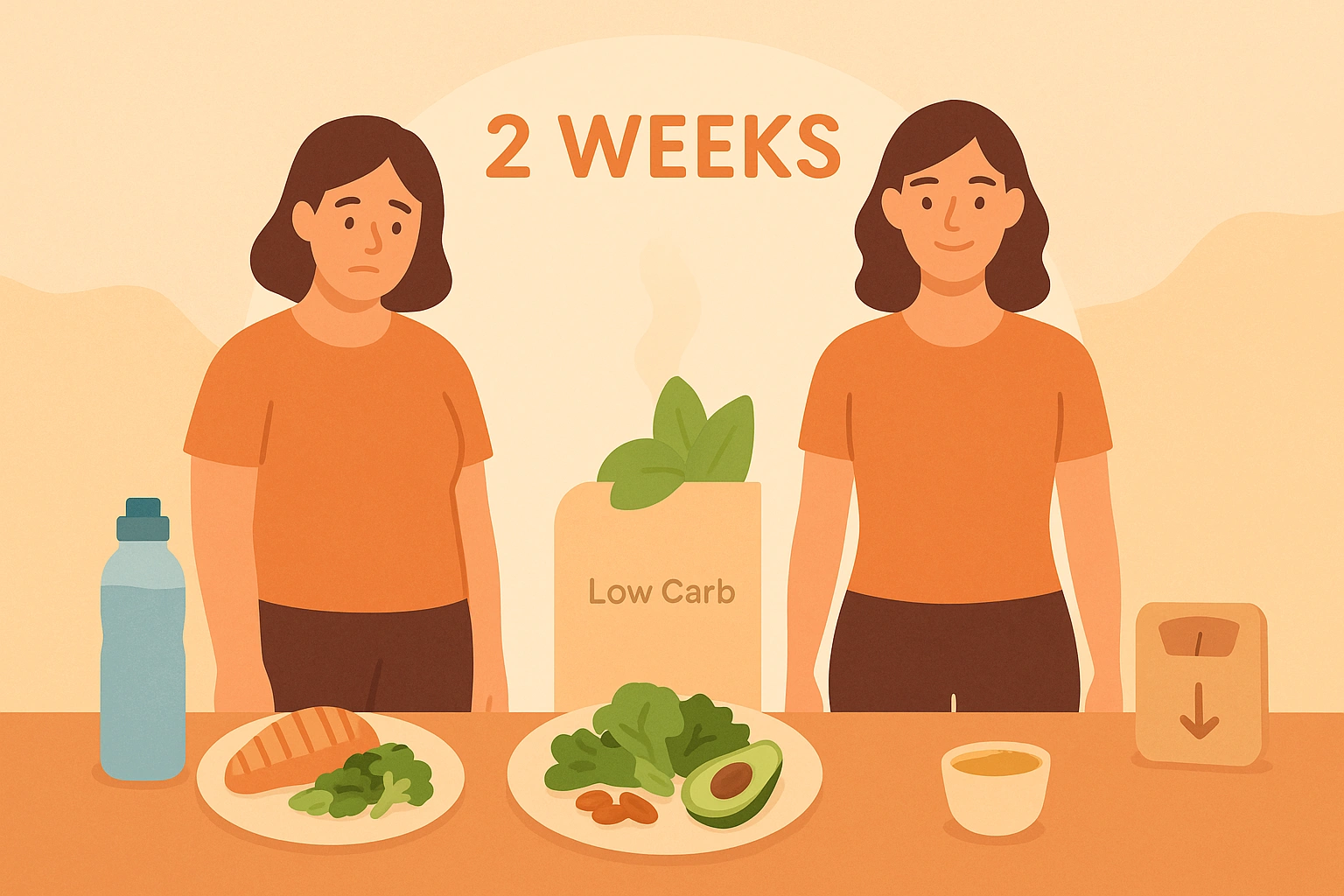
For many adults with type 2 diabetes or prediabetes, a range of 100 to 150 grams of carbs per day can support weight loss and better blood glucose. Some people do better on lower carbs, near 75 to 100 grams, but going too low can feel brutal and hard to keep.
A dietitian who work with diabetes often start with around 30 to 45 grams of carbs per meal and 10 to 15 grams per snack, then adjust based on glucose readings and how the person feels. This is not a rule, but a good frame for many.
Best carb sources for belly fat and blood sugar
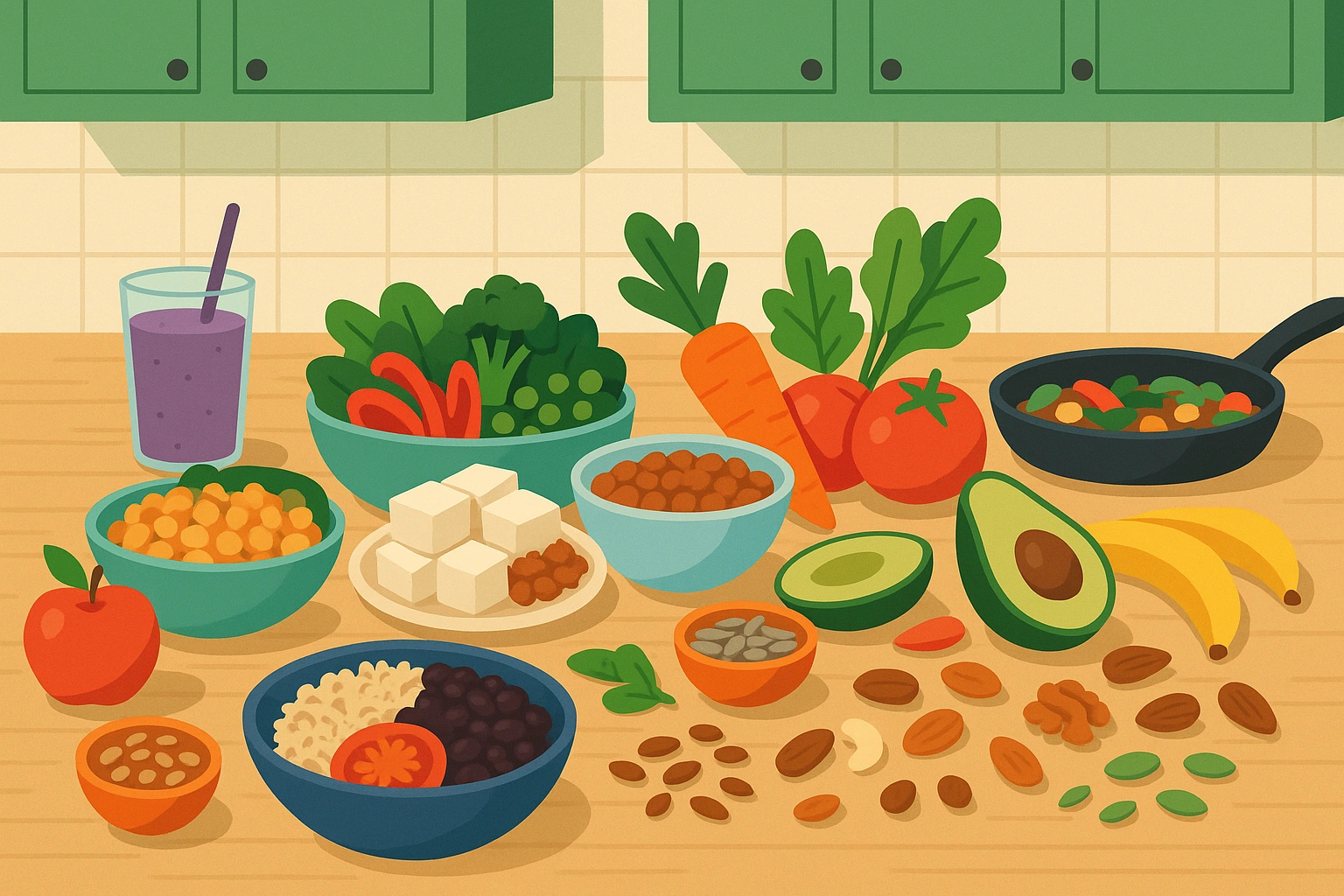
Based on current evidence, these carb rich foods fit well into a fat belly diet:
- Non starchy vegetables: broccoli, cauliflower, leafy greens, peppers, zucchini, mushrooms, tomatoes.
- Low glycemic fruits: berries, apples, pears, cherries, grapefruit, oranges.
- Beans and lentils: black beans, chickpeas, kidney beans, lentils, which give both carbs and protein.
- Whole grains in modest portions: oats, quinoa, barley, brown rice, whole wheat bread.
They bring fiber, vitamins, and minerals, while keeping blood sugar rise slower and more gentle.
Carb sources to limit hard
For anyone searching “fat belly diet diabetes not have sugar,” these are the main food to reduce sharply:
- Sodas, sweet teas, sports drinks, energy drinks.
- Candy, sweet pastries, donuts, sugary breakfast cereal.
- Large portions of white bread, bagels, white pasta, white rice.
- Heavy desserts like cakes, pies, and ice cream, especially at night.
These choices raise blood sugar fast, pack in a lot of calories, and do almost nothing for fullness. In my experience, people who cut sugary drinks first often see the fastest change in both weight and fasting glucose numbers.
Role of protein and fat in shrinking belly fat
A strong “fat belly diet diabetes not have sugar” pattern always include enough protein and healthy fats. They support muscle, keep hunger down, and slow digestions of carbs.
Protein: your ally for glucose and waistline
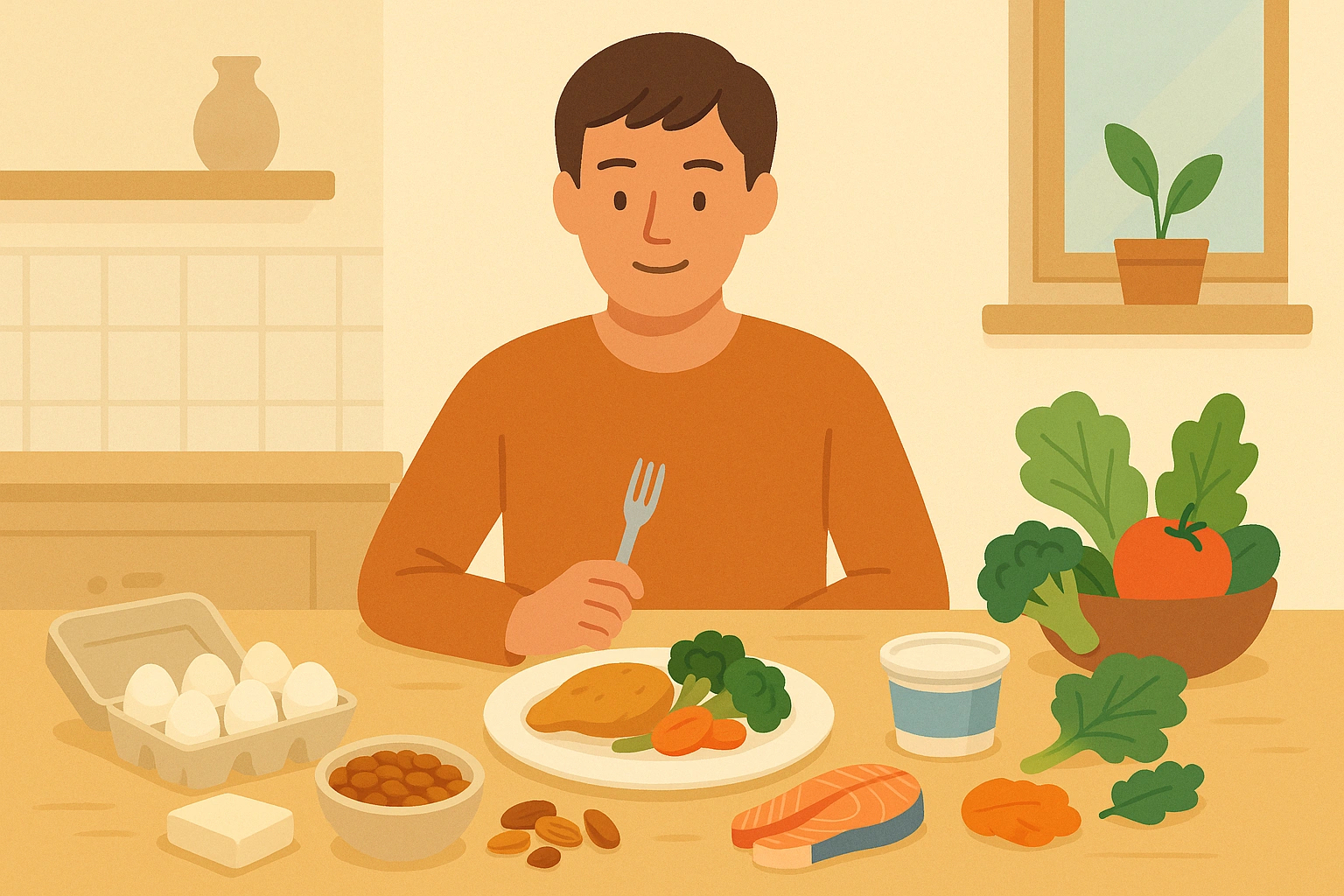
Most adults trying to lose weight and protect muscle need around 0.7 to 1.0 grams of protein per pound of goal body weight, spread across meals. For a person aiming for 160 pounds, that might be around 80 to 110 grams per day.
Good protein sources for people with diabetes include:
- Skinless chicken or turkey
- Fish and seafood; particularly salmon, sardines, trout
- Eggs (or egg whites if cholesterol is also a big concerns)
- Greek yogurt (unsweetened) and cottage cheese
- Tofu, tempeh, and other soy foods
- Beans and lentils, counting both their carbs and protein
Protein at each meal makes blood sugar curves smoother and helps prevent late night snack attacks, which often are high sugar foods.
Healthy fats: not the enemy for belly fat
For years, many people believed that eating fat makes you fat, specially around the belly. Current evidence say something different. When calories are controlled, moderate healthy fats can actually support body fat loss because they reduce cravings and slow digestion.
Useful fat sources for someone with diabetes include:
- Olive oil and avocado oil
- Avocados themselves
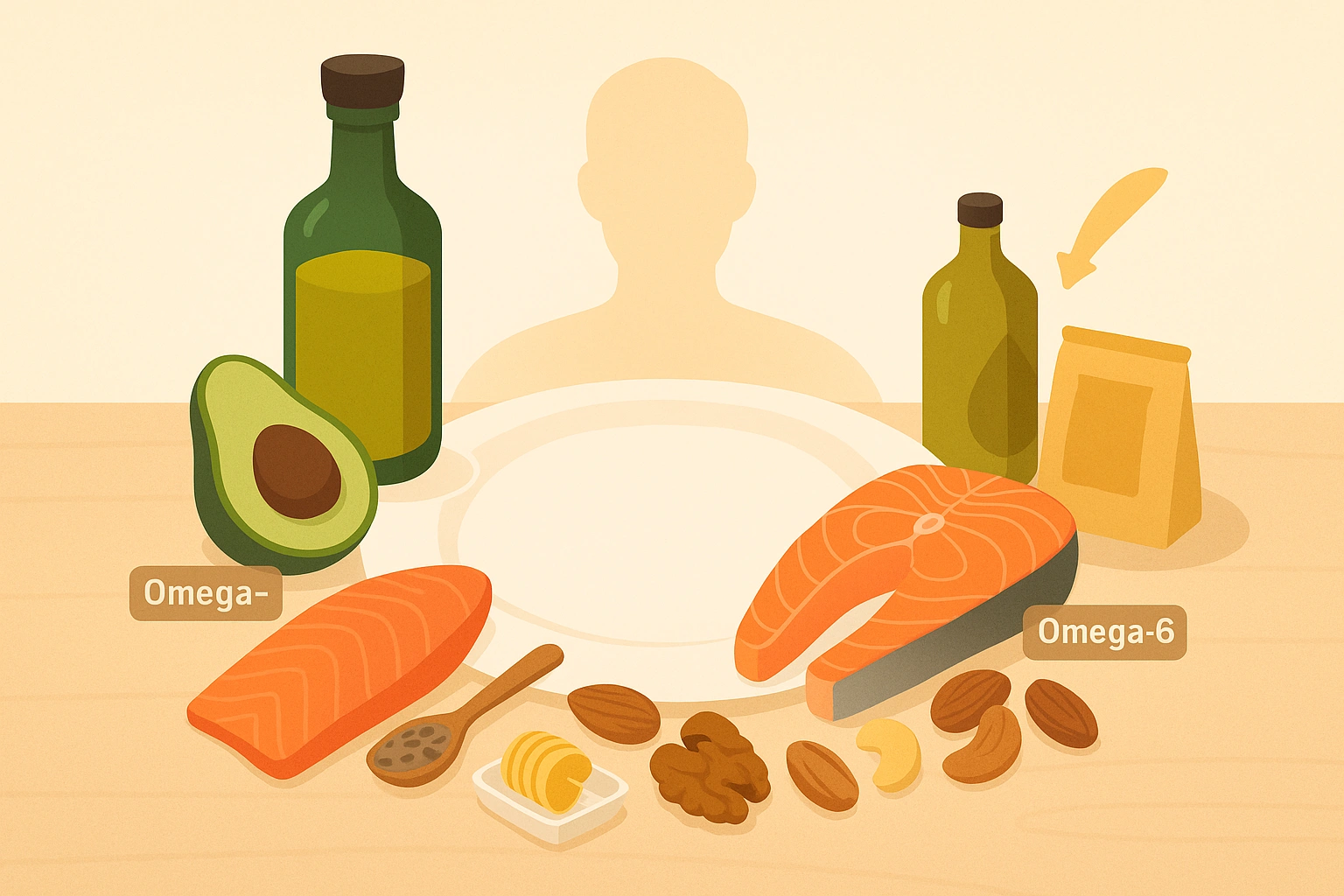
- Nuts and seeds: almonds, walnuts, pistachios, chia, flax
- Fatty fish rich in omega 3s
What should be limited are trans fats and large amounts of highly processed seed oils in fried fast foods. Those fats can worsen inflammation and harm heart health, which is already at higher risk with diabetes.
Fiber: quiet hero of the fat belly diet
Fiber hardly gets the attention it deserve. For people searching “fat belly diet diabetes not have sugar,” it is one of the most powerful tools. Fiber slow down sugar absorption, improves gut bacteria, and increase fullness.
There are two main types:
- Soluble fiber: Found in oats, barley, beans, lentils, apples, citrus, chia seeds. It forms a gel in the gut, calming blood sugar spikes.
- Insoluble fiber: Found in whole wheat, vegetables, nuts, bran. It helps digestion and bowel movement.
Most adults in the United States get around 15 grams of fiber per day, but guidelines recommend 25 to 38 grams. For someone with diabetes, slowly raising fiber toward at least 25 to 30 grams can lead to better glucose control and help flatten the stomach over months.
Sample day on a “fat belly diet diabetes not have sugar” plan
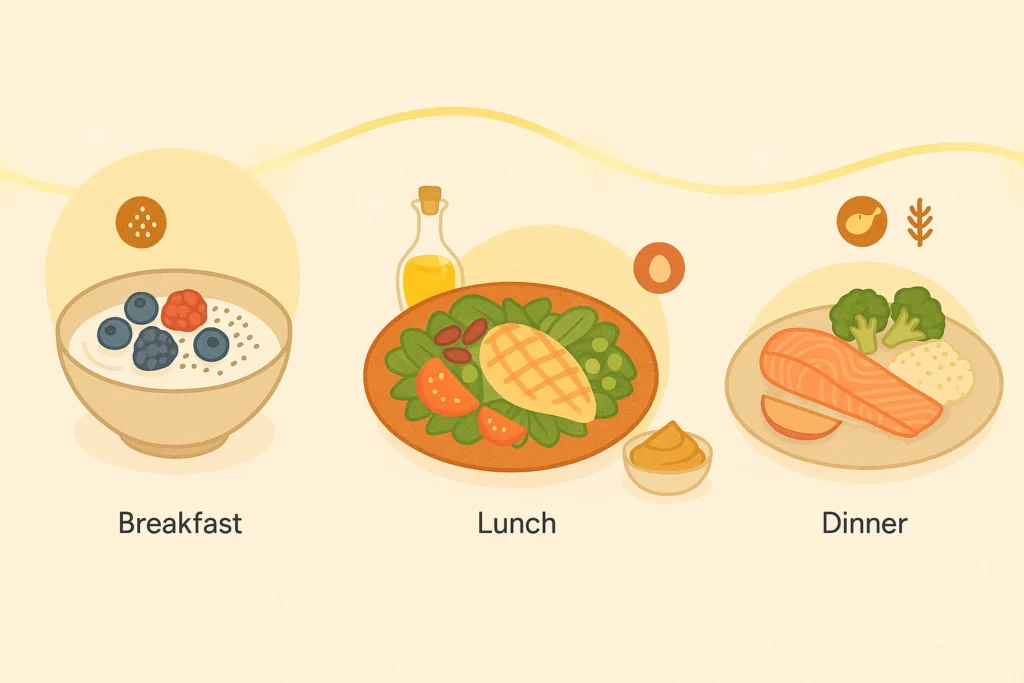
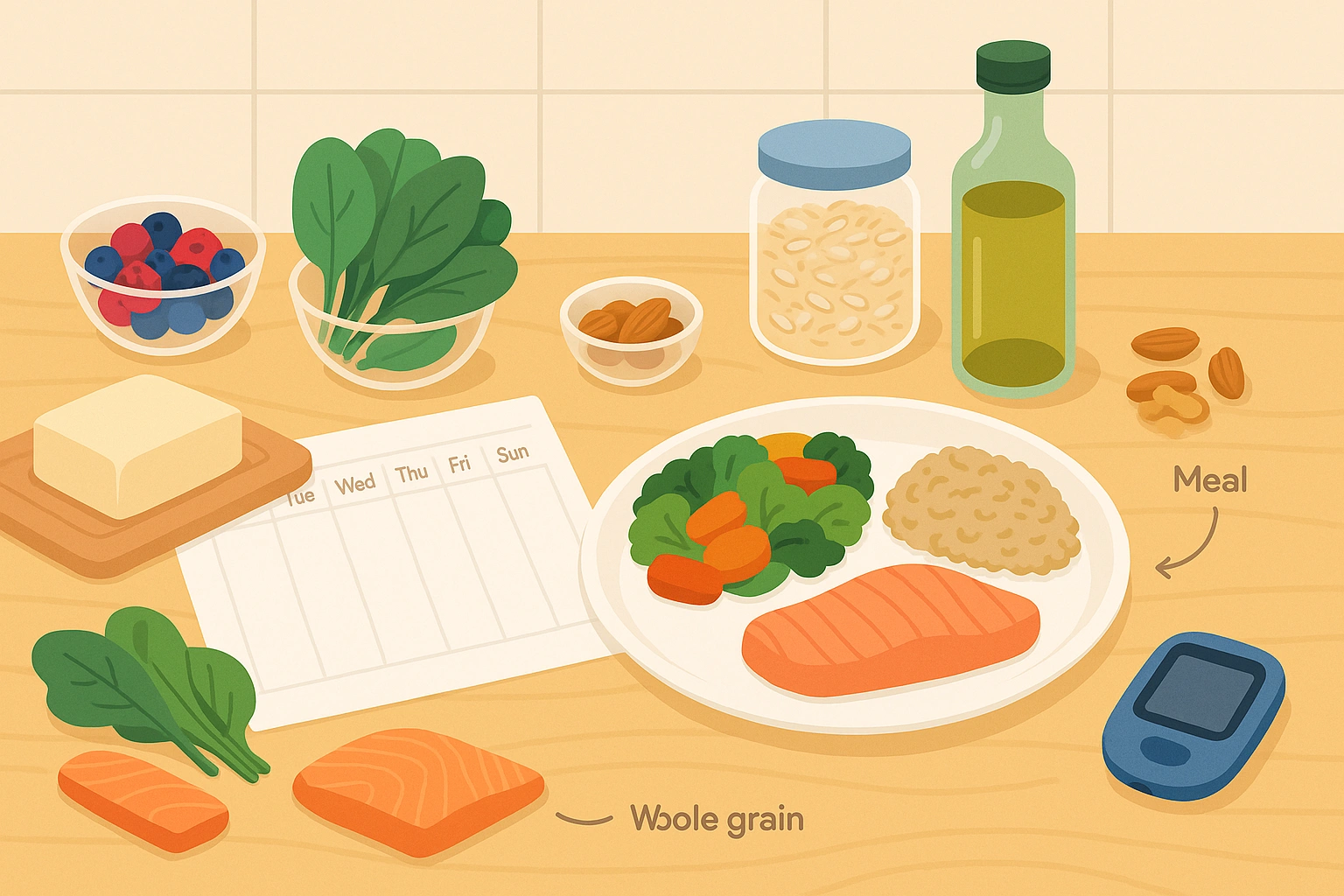
Here is a realistic one day meal example that many adults could use as a template, adjusting portions to their needs.
Breakfast
Greek yogurt bowl:
- 1 cup plain Greek yogurt
- 1/3 cup berries
- 1 tablespoon chia seeds
- Small handful of walnuts
Why it works: high protein, healthy fat, and fiber, with only a gentle amount of natural sugar from fruit. Blood sugar rises slowly and stay steady for hours.
Lunch
Grilled chicken salad:
- 4 to 5 ounces grilled chicken breast
- Large bowl of mixed greens, tomatoes, cucumber, bell peppers
- 1/2 cup chickpeas or black beans
- Olive oil and vinegar dressing
This bring lean protein, fiber, and healthy fat, with modest carbs from beans and vegetables.
Snack
Apple slices with 1 to 2 tablespoons natural peanut butter.
Again, carbs are paired with fat and protein so blood sugar stay more stable.
Dinner
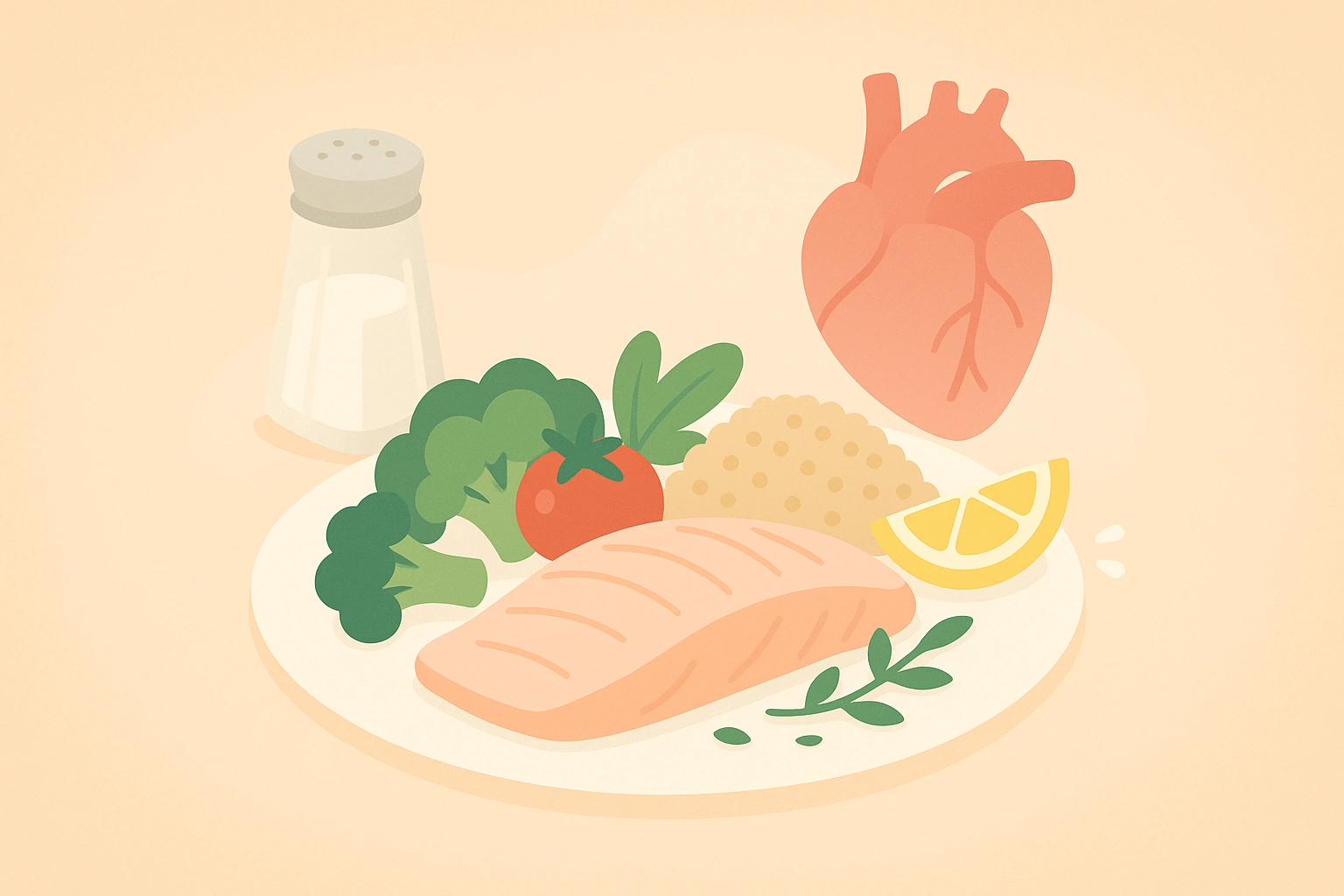
Baked salmon with veggies:
- 4 to 5 ounces baked salmon
- 1 cup roasted broccoli and cauliflower
- 1/2 cup quinoa or barley
Omega 3 fats, lean protein, whole grain fiber, and lots of non starchy vegetables help digestion and satiety before bed.
Evening dessert (optional)
If craving something sweet, a small bowl of berries with a spoon of whipped cream or a square or two of dark chocolate (70 percent or higher) can satisfy without a huge sugar hit. Having this after a full meal reduce blood sugar spikes even more.
Strategic use of low sugar diets and different patterns
Different eating styles can be used as a base for a fat belly and diabetes friendly diet. For example, many people do well with a Mediterranean style plan rich in vegetables, fish, olive oil, and whole grains. For more detail on that style, see the guide on what foods are in the Mediterranean diet here: https://dietlinic.com/what-foods-are-in-the-mediterranean-diet/
Others experiment with animal based or keto style eating, which are usually low carb by nature. That can reduce blood sugar spikes quickly, but long term balance matter too, including fiber and micronutrients. We discuss pros and cons in more depth in this comparison: https://dietlinic.com/animal-based-diet-vs-keto-which-is-better/
The key is to avoid extreme habits that are so strict they lead to binge eating afterwards. A “fat belly diet diabetes not have sugar” approach that fits your culture, budget, and favorite flavors has way more chance to last.
What about artificial sweeteners and “sugar free” foods
When someone tries to “not have sugar,” sugar free drinks and sweets seem tempting. Research over the last few years on artificial sweeteners is mixed.
Here is a balanced view:
- Sugar free sodas and sweeteners like stevia or sucralose do not raise blood sugar directly the way regular sugar does.
- However, some studies suggest they might affect gut bacteria or appetite in complex ways, though data is not fully clear yet.
- Many “sugar free” products still contain refined flour or unhealthy fats, or they use sugar alcohols that can cause bloating and gas in some people.
For most adults with diabetes, using a modest amount of zero sugar sweeteners to replace regular soda or high sugar coffee drinks is a net positive step. The long term goal, though, is usually to train the taste buds toward less sweetness overall so cravings calm down.
Common mistakes when trying a fat belly and diabetes diet
When people first go after “fat belly diet diabetes not have sugar,” they often fall into patterns that slow progress. Some of the most common ones include:
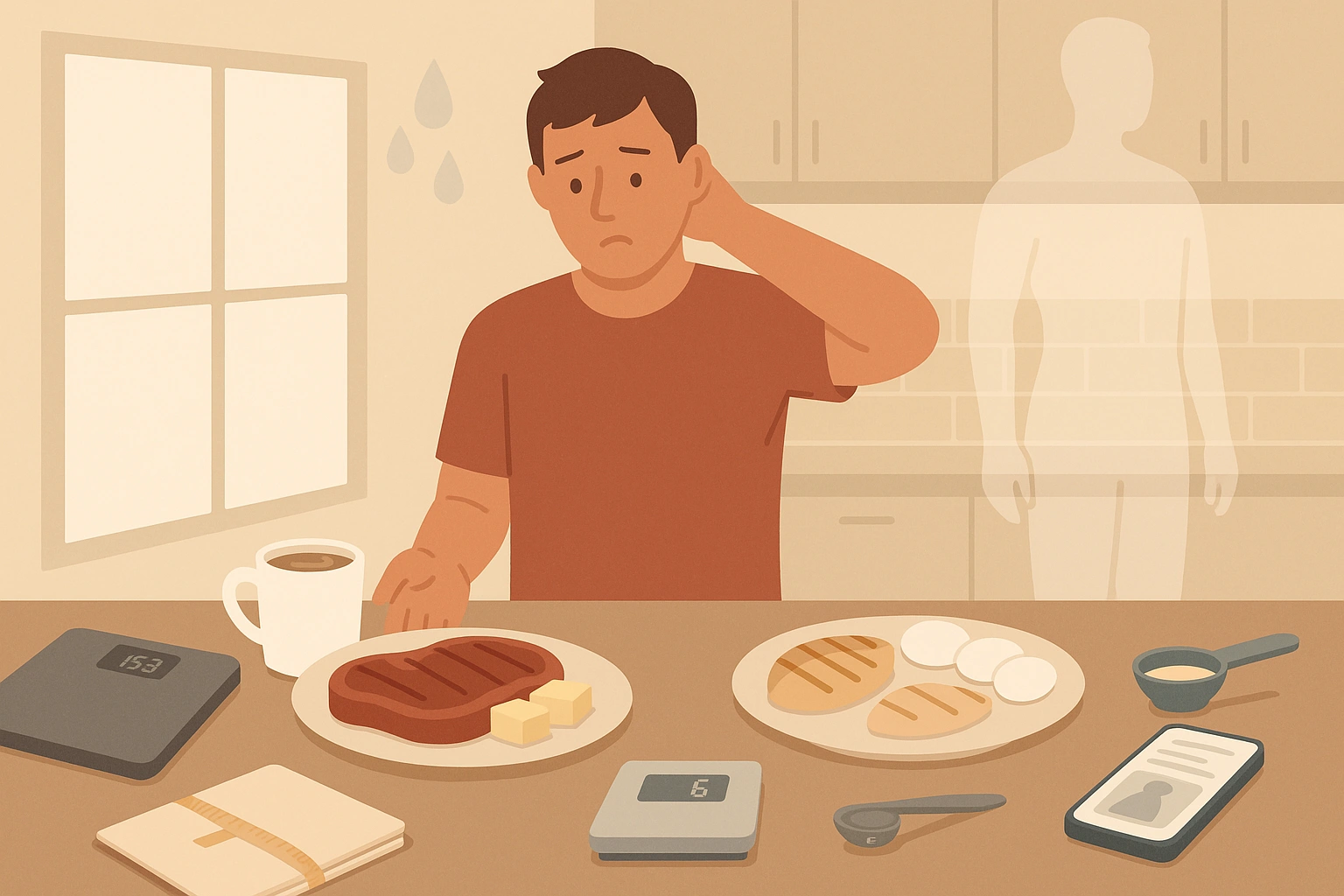
Going zero carb overnight
Dramatically cutting all carbs can lead to headaches, strong cravings, low energy, and feelings of failure when the plan is broken. It is better to start by removing sugary drinks and obvious sweets, then shrinking refined carbs step by step while adding more protein and fiber.
Ignoring calories because foods are “sugar free”
Nuts, cheese, oils, and sugar free treats still add calories. For belly fat loss, total calorie intake still matters. A rough starting target for many adults trying to lose weight is 1200 to 1800 calories per day, adjusted for height, sex, and activity. Big people with active work usually need more, tiny and sedentary people may need less.
Skipping meals then overeating at night
Skipping breakfast or lunch can backfire with huge hunger at night, when we are most tired and our willpower is lowest. For diabetes, that pattern can cause sharp glucose swings. A more gentle approach is regular meals with balanced macros that leave you “comfortably not hungry” rather then stuffed.
Forgetting about beverages
Fancy coffee drinks, juices, and energy drinks can deliver as much sugar as a dessert. Even “100 percent juice” is essentially sugar water from fruit without the fiber. For a fat belly and diabetes friendly diet, water, unsweet tea, black coffee, and maybe flavored seltzer should be the daily base.
Movement and lifestyle: not only about food
Food choices carry the biggest impact on belly fat and diabetes, but lifestyle details also matter.
Daily movement
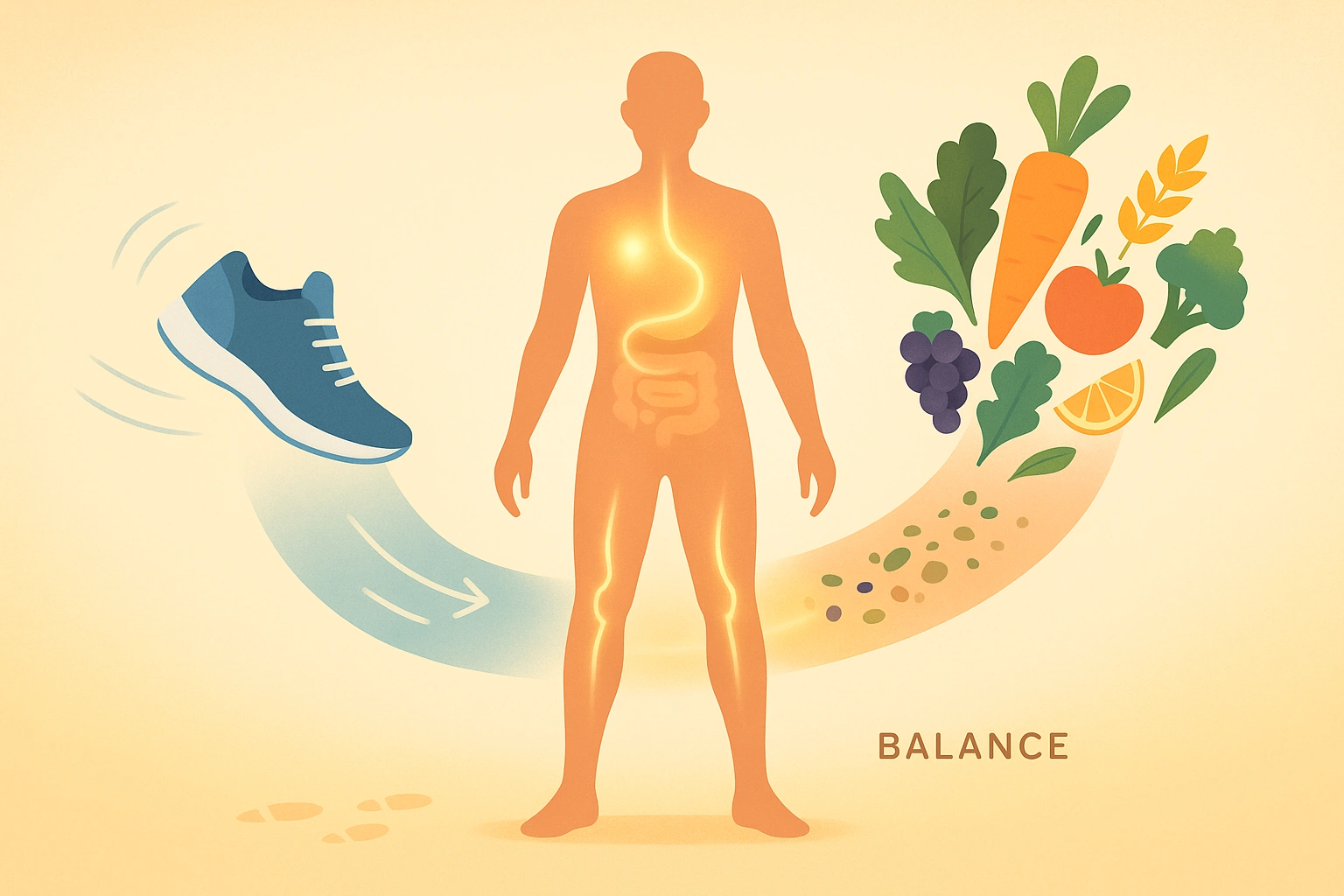
Research from the past few years show that even 10 minutes walks after meals can significantly lower post meal blood sugar. Resistance training such as dumbbell exercises, resistance bands, or bodyweight moves (squats, pushups, lunges) 2 to 3 times per week help build muscle, which makes the body use glucose more effectively.
For many people, the combination of a moderate carb, low sugar diet and strength training is what finally loosen stubborn belly fat that did not move with cardio alone.
Sleep and stress
Poor sleep and chronic stress raises cortisol, a hormone that tend to push fat storage toward the belly and increases cravings for sweet and salty snacks. Working toward 7 to 9 hours of sleep per night and using stress relief practices like walking outdoors, stretching, or simple breath exercises can make a big difference in hunger and glucose control.
Practical tips to stay consistent
Based on real life experience, the best diet is the one that you can keep during busy weeks, holidays, and family events. Here are some simple tactics:
- Keep high sugar foods mostly out of the house. If it is not in the pantry, you do not eat it at 11 pm.
- Batch cook protein like chicken, turkey, or beans on weekends, so meals are easier on weekdays.
- Use smaller plates at home; portion visual cues matter more then we think.
- Carry a protein rich snack (nuts, cheese stick, hard boiled egg) to avoid grabbing a muffin when hunger hit outside.
- Plan “flex foods”: one or two meals per week where you have a small planned treat, so you do not feel fully deprived.
When people feel allowed to enjoy food, they usually stay closer to their fat belly and diabetes goals long term.
When to talk to a doctor or dietitian
If you already have diabetes, are on blood sugar or blood pressure medications, or have a history of eating disorders, any strong change in diet should be discussed with your health care provider. A quick medication adjustment can avoid dizziness or very low blood sugar once your intake changes.
A registered dietitian with diabetes experience can also help customize a “fat belly diet diabetes not have sugar” plan to your personal health numbers, culture, and schedule. That guidance may be especially helpful if you also working with kidney issues, pregnancy, or heart disease.
Final thoughts: shaping a realistic “fat belly diet diabetes not have sugar” lifestyle
The phrase “fat belly diet diabetes not have sugar” might sound rough, but the wish behind it is deep and valid. Many of us want to feel lighter, reduce our risk of complications, and move through life with more confidence and energy.
The solution does not require perfection or a sugar free life forever. It ask for daily choices that add up: fewer sugary drinks, more fiber, steady protein, smarter fats, regular movement, and awareness of total calories. With those elements in place, belly fat slowly shrink, blood sugar numbers usually trend downward, and food feels less like an enemy and more like a tool.
Start with one or two changes this week, not ten. Maybe it is trading soda for seltzer and adding vegetables to lunch. As those steps become habits, add the next ones. Over months, the combination of these simple patterns can reshape not only your waist line and diabetes risk, but also your confidence in your own ability to take care of your body.
Leave a Reply