
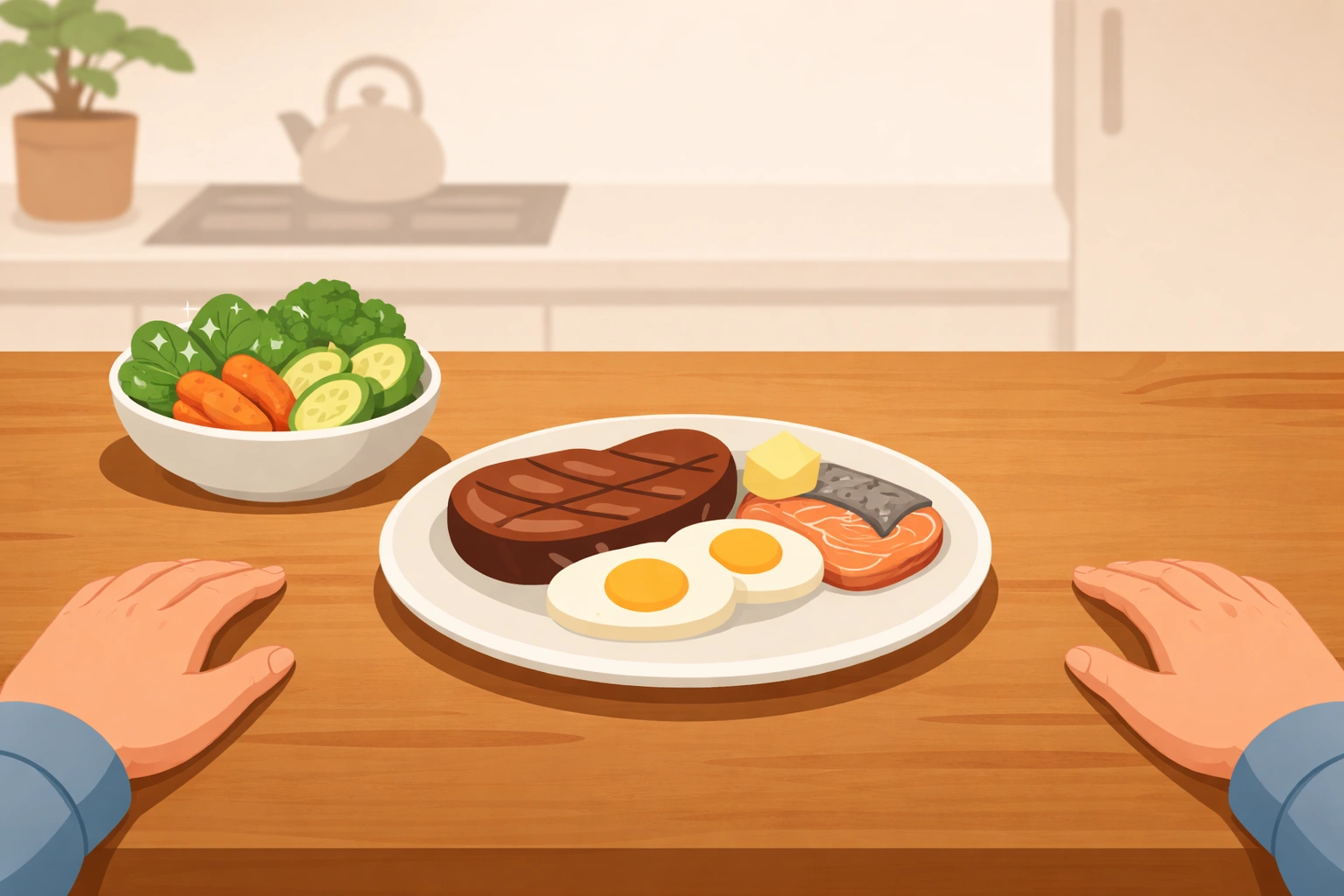

Many people start an all meat eating plan and quickly wonder: can you eat vegetables on the carnivore diet, or are plant foods completely off limits. If you care about health, fitness, and long term energy levels, that is a smart question to ask before you cut out an entire food group.
What the carnivore diet actually is
The classic carnivore diet is a very low carb, animal only way of eating. The core idea is simple: eat meat, fish, eggs, and sometimes dairy, while cutting out fruits, grains, beans, nuts, seeds, and vegetables. Some people also avoid herbs and spices, since they come from plants.
Supporters claim this strict animal based style can reduce bloating, calm autoimmune flares, help weight loss, and even clear up skin. Critics worry about missing fiber, vitamin C, phytonutrients, and the long term impact on gut health and cholesterol.
So where do vegetables fit in. In the strict version, they really do not. But in real life, many people follow a more flexible animal based diet that still includes some low toxicity plant foods. To decide what works for you, it helps to look at the reasons behind the no plant rule.
Why strict carnivore diets avoid vegetables
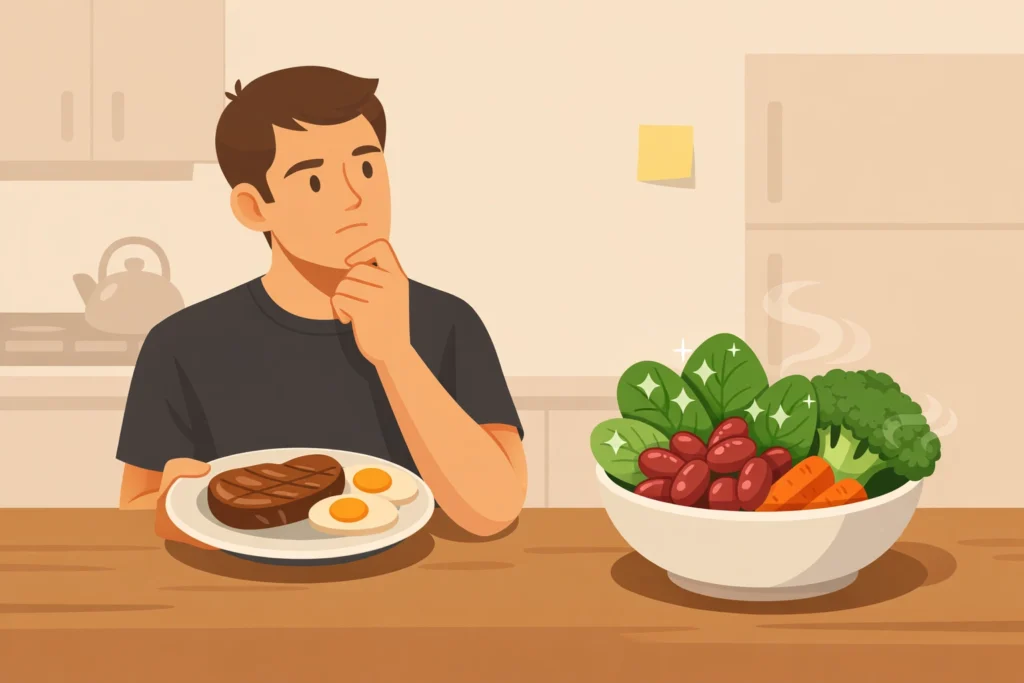
When people ask can you eat vegetables on the carnivore diet, most strict followers will say no. Their reasons usually fall into three buckets.
1. Concern about plant defense chemicals
Plants make compounds to protect themself from insects, mold, and harsh weather. These molecules, like oxalates, lectins, and phytates, can sometimes irritate the gut or block mineral absorption. Advocates of carnivore often argue that cutting them out gives the body a break from constant low level irritation.
Examples they point to:
- Oxalates in spinach, beets, almonds, and sweet potatoes, which can form crystals and may be linked with kidney stones in some people.
- Lectins in beans, lentils, and some grains that might bother people with sensitive digestion if not cooked well.
- Glucosinolates in cruciferous vegetables like broccoli and kale, which can interfere with thyroid function in very high amounts, especially with iodine deficiency.
Research is still mixed. Some data show these same plant compounds can also act as helpful antioxidants and support gut health in moderate amounts. But if someone already has a damaged gut lining, certain plant foods can feel like pouring salt in a wound, at least for a while.
2. Autoimmune and digestive conditions
Many people trying carnivore are not just doing it for fun. They are often dealing with arthritis, Crohns, IBS, skin conditions, or confusing fatigue that has not respond well to a normal healthy diet. For this group, vegetables can sometimes trigger symptoms, especially raw salads, nightshade vegetables, or heavy fiber.
Functional medicine doctors sometimes use “elimination diets” where you remove common triggers for a short period, then slowly re add foods and watch how your body respond. Carnivore is like the extreme end of that idea. You remove almost everything that could cause trouble and give the gut a chance to calm down, then some people slowly bring back foods to see what they tolerate.
3. Simplicity and satiety
For people who feel overwhelmed with food rules, weighing, tracking macros, and reading labels, carnivore can feel oddly freeing. Only eating animal foods means fewer choices and less temptation. High protein and fat also help many people feel more full, wich reduces cravings by default.
For that reason, some carnivore followers avoid vegetables not just for health theories, but because keeping the rules simple makes it much easier to stick with the diet day after day.
Strict vs flexible carnivore: where vegetables sometimes fit
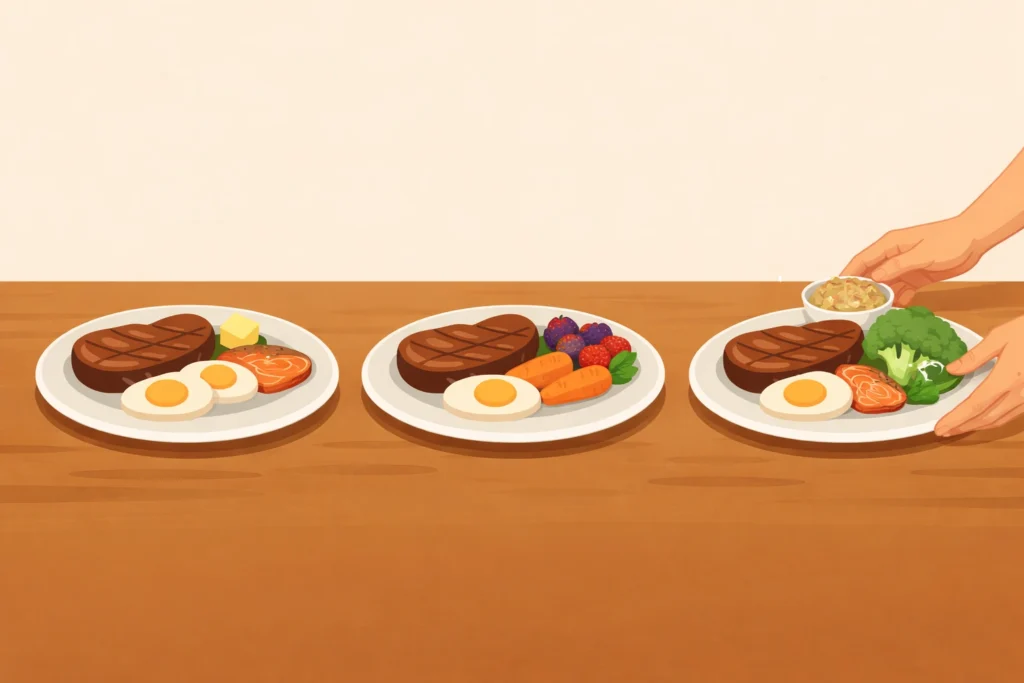
In practice, there are different “levels” of animal based diets. When we ask can you eat vegetables on the carnivore diet, we really should ask: which version of carnivore are we talking about.
Strict carnivore (zero plant foods)
This is the version most people picture. It usually includes:
- Red meat, poultry
- Fish and shellfish
- Eggs
- Animal fats like tallow, lard, duck fat, butter (some skip dairy fat if they are very sensitive)
- Salt, sometimes pepper or other seasonings are removed, since they are plant based
On this strict plan, vegetables are not eaten at all. The goal is to achieve zero carbs or as close as possible and completely remove plant antigens for a period of time. People with complex autoimmune problems or severe IBS often start here for 30 to 90 days under medical supervision.
Animal based diet (with low toxicity plant foods)
The more flexible approach, sometimes called an animal based diet, still centers meals around animal foods but allows carefully chosen plant foods. These might include:
- Fruits like berries, bananas, and mango
- Root vegetables like squash or carrots in small amounts
- Fermented veggies like sauerkraut for gut health
Vegetables are still limited, but not banned. In this style, the question can you eat vegetables on the carnivore diet is answered with: yes, but only specific types and in moderate amounts. If you want to get familiar with this approach, you can read more about it in this guide on the animal based diet.
Personalized carnivore (testing your own tolerance)
There is also a middle ground. Some people begin with strict carnivore for several weeks, then slowly reintroduce vegetables one at a time. They might add cooked carrots and pay attention to energy, digestion, joint pain, and skin for a few days. If all feels fine, they keep that vegetable. If symptoms flare, they remove it again.
This trial and error approach takes patience, but it answers the can you eat vegetables on the carnivore diet question in a personal, data based way instead of a one size fits all rule.
Pros and cons of including vegetables on a carnivore style diet
We can look at both side of the argument, because health choices rarely live in black and white.
Benefits of including some vegetables
From a nutrition science view, modest amounts of vegetables bring real value, even in an animal heavy diet.
1. Fiber for gut health and regularity
Most Americans are missing fiber. Recent data from the USDA and NHANES surveys suggest the average adult only eats around 15 grams per day, while the recommended intake is 25 to 38 grams. Carnivore eating can drop that intake even lower.
Fiber feeds friendly gut bacteria, helps form normal stools, and may lower risk of colon cancer, heart disease, and type 2 diabetes over time. Some people on carnivore report good digestion without fiber, but others struggle with constipation, especially when they first switch. Gently cooked vegetables or small portions of fermented veggies can sometimes fix that without upsetting the stomach.
2. Phytonutrients and antioxidants
Colorful vegetables contain carotenoids, flavonoids, and many plant based compounds that protect cells from oxidative stress. For example:
- Carrots and sweet potatoes bring beta carotene, a vitamin A precursor for eye and skin health.
- Spinach and kale hold lutein and zeaxanthin, linked with lower risk of macular degeneration.
- Onions and garlic contain sulfur compounds that may support heart health and immune function.
Meat and animal products bring their own powerful nutrients, like B12, heme iron, carnosine, creatine, and fat soluble vitamins. Many nutricion experts believe the best health outcomes often show up when people combine nutrient dense animal foods with a mix of plant foods, rather than only one or the other.
3. Long term heart and metabolic health
Large observational studies like the PURE study and recent data from 2022 and 2023 continue to show that diets rich in whole foods, vegetables, and moderate animal protein are linked with lower rates of cardiovascular disease and all cause mortality. These studies are not perfect, but when dozens of them line up, we at least pay attention.
It is very hard to find long range research on strict carnivore specifically, because the diet is still niche and most published work focuses on low carb and ketogenic diets more broadly. Some people see major improvements in blood sugar, triglycerides, and HDL cholesterol on an all animal plan. Others see LDL cholesterol climb quite high. Adding some low starch and low sugar vegetables might offer a middle ground for people who want the benefits of low carb while still following what current evidence suggest for heart health.
Possible downsides of adding vegetables back in
If you are drawn to carnivore because of health issues, there are real reasons you might be cautious with vegetables, at least at first.
1. Symptom flare ups
When the gut lining is raw and inflamed, fiber can feel scratchy and painful. Even gentle vegetables like zucchini or steamed broccoli can trigger gas, bloating, or cramping in some people, especially those with small intestinal bacterial overgrowth (SIBO) or IBS.
For autoimmune conditions like rheumatoid arthritis or psoriasis, certain plants, especially nightshades (tomatoes, peppers, eggplant, white potatoes), can sometimes trigger joint pain or skin flares. People often only notice this pattern when they remove everything for a while, then test one vegetable at a time.
2. Carb creep and cravings
One reason carnivore works for weight loss is the way it naturally reduces carbs to almost zero, wich helps quiet sugar cravings and stabilize appetite. Based on what many dieters report, once they start adding higher carb vegetables or fruits, like roasted potatoes or roasted beets, cravings for bread and sweets sometimes sneak back in.
If your goal is rapid fat loss on an animal based diet, and you know you are prone to craving swings, you may want to keep plant intake small and stick to low sugar, low starch choices, at least during the weight loss phase. If that is your main focus, this breakdown of the animal based diet for weight loss can help you plan.
3. Confusion and decision fatigue
Some people pick carnivore because they are tired of counting, planning, and second guessing. The more exceptions we add (this vegetable is fine, that one is not, this is ok only if cooked), the more mental energy the diet demands.
If you have a history of obsessive food tracking or struggle with anxiety around eating choices, keeping clear and simple rules, even if they are strict, might actually be easier on your mind.
Low risk vegetables that often work on an animal based approach
If your body is fairly resilient, and you do not have active gut disease or severe autoimmune illness, you probably do not need to avoid every plant forever. When readers ask can you eat vegetables on the carnivore diet in a flexible way, these are usually the better tolerated choices.
Cooked, low fiber vegetables
Cooking breaks down some of the tougher fibers and plant chemicals, making veggies milder on the digestive system. Common options include:
- Zucchini or yellow squash peeled, seeded, and well cooked in butter or tallow
- Carrots boiled, roasted, or slow cooked until soft
- Green beans simmered or steamed, not raw
- Butternut or acorn squash baked and mashed with ghee or butter
These can be added in half cup servings next to a steak or roast chicken, to see how you respond.
Fermented vegetables
Small servings of sauerkraut, kimchi, or pickles (made without sugar) can support healthy gut bacteria and digestion. Fermentation reduces some natural plant compounds, while also bringing friendly bacteria and organic acids.
A few forkfuls with a meat heavy meal is often more tolerable than a whole bowl of salad, especially for people reintroducing plants after a long carnivore phase.
Root vegetables in moderation
If blood sugar control is stable and you are active, modest portions of root vegetables can fit in some animal based plans. Compared with grains, they are usually easier to digest.
Better options:
- Parsnips, carrots, and turnips, roasted in animal fat
- Small amounts of white or red potatoes if you tolerate nightshades (many strict carnivore followers still skip potatoes)
- Yucca or taro in traditional recipes, if your heritage includes those foods and you digest them well
Keep total starch low if your goal is ketosis or aggressive fat loss.
Vegetables that often cause trouble for sensitive people
If you are moving from strict carnivore to a more flexible animal based pattern, some vegetables are more likely to cause problems. You may want to add these later or avoid them if your symptoms are unpredictable.
High oxalate vegetables
Examples include:
- Spinach and swiss chard
- Beets and beet greens
- Rhubarb
Oxalates can contribute to kidney stones in people who are sensitive and may trigger joint pain or strange tingling for some. Boiling and throwing away the cooking water can lower oxalate levels, but many carnivore followers prefer to skip these foods.
Nightshade vegetables
Nightshades include:
- Tomatoes
- Peppers (including chili and bell peppers)
- Eggplant
- White potatoes
Some people notice joint aches, rashes, or migraines after eating nightshades. If you have arthritis or autoimmune issues, it may be worth reintroducing these very slowly, one at a time, with clear symptom tracking.
Raw cruciferous vegetables
Broccoli, cauliflower, cabbage, and Brussels sprouts are nutritious, but raw or undercooked versions can cause gas and bloating. They also contain goitrogens, which in rare cases can affect thyroid function in people with low iodine intake.
If you choose to eat them, cook them very well and start with small servings. Pay attention to your digestion and energy the next day.
Practical ways to test vegetables on a carnivore style diet

If you want to stay mostly animal based while still exploring can you eat vegetables on the carnivore diet in a personal way, a simple structure helps.
Step 1: Start from a stable baseline
Spend at least 4 to 6 weeks on a stable version of your carnivore diet before testing vegetables. During this time, keep a short daily note of:
- Energy levels
- Digestive comfort (bloating, gas, stool consistency)
- Joint pain or stiffness
- Skin changes (acne, rashes, itching)
- Mood and sleep quality
This becomes your “before” picture, so you can compare when you introduce plants.
Step 2: Add one vegetable at a time
Pick a low risk, cooked vegetable, like peeled zucchini or carrots. Eat a small portion with your usual meat meal every day for 3 days. Do not change anything else in your diet during this test window.
Keep noting the same symptoms as before. If you feel the same or better, that vegetable is probably safe for you. If you feel more bloated, more tired, or have new joint pain, consider removing it and retesting in a few months.
Step 3: Watch the overall carb load
Even when vegetables feel fine digestion wise, a slow creep in carbs can change hunger, cravings, and blood sugar. If your meals suddenly feel less satisfying or you find yourself snacking more, pull back on the starchy vegetables for a week and notice whether your appetite settles again.
Step 4: Get lab work and professional input
Any time you follow a restricted diet for longer than a few months, it is wise to partner with a trusted health care professional. Regular blood tests can check:
- Lipid panel (HDL, LDL, triglycerides)
- Fasting glucose and A1C
- Iron and ferritin
- Vitamin D and B12
If you find that including some vegetables helps improve fiber intake, bowel habits, or blood markers while your symptoms stay calm, that may signal a better long term plan than zero plants forever.
How the carnivore diet compares with other animal heavy diets
The question can you eat vegetables on the carnivore diet also shows up when people compare carnivore with keto, or with a more general animal based lifestyle.
A brief overview:
- Strict carnivore: all animal foods, no plants, almost zero carbs.
- Ketogenic diet: high fat, moderate protein, low carb, but usually includes leafy greens, non starchy vegetables, and sometimes nuts and seeds.
- Animal based diet: animal foods are the base, but includes select fruits and vegetables seen as lower in plant toxins.
- Balanced omnivore diet: includes both animal and plant foods more evenly.
If you are torn between these paths, this comparison of the animal based diet vs keto can help you see where vegetables fit more clearly.
Who might want to avoid vegetables completely, at least for a while
Not every body respond the same way to plant foods. Some people truly feel better on strict carnivore, at least as a short term intervention.
You might lean toward a no vegetable approach if you:
- Have severe IBS, Crohns disease, or ulcerative colitis in an active flare
- Notice clear symptom flare ups from even small amounts of vegetables
- Are using carnivore as a temporary elimination protocol under a doctor guidance
- Feel overwhelmed by choice and need simple rules to stay on track with eating
In these cases, vegetables can be reintroduced later, once the gut is calmer and you have some symptom free weeks in a row.
Who can likely handle vegetables on a carnivore leaning diet
On the other side, some people do very well with mostly animal foods plus a few carefully chosen plant foods. This often fits people who:
- Do not have active gut disease, but want better blood sugar control and satiety
- Enjoy vegetables and miss the taste, texture, and color in their meals
- Care about long term gut microbiome diversity and cancer prevention data
- Notice constipation or sluggish digestion on strict carnivore
For this group, a small variety of cooked vegetables, fermented foods, and maybe some fruit can bring balance without losing the core benefits of a high protein, low carb pattern.
Answering the core question: can you eat vegetables on the carnivore diet
From a strict definition of carnivore, the answer is no. A pure carnivore diet excludes vegetables and all other plant foods. Many online communities and books hold that line very firmly.
From a practical, health focused view, the better question becomes: what version of an animal centered diet gives you the best mix of symptom relief, energy, lab markers, and quality of life.
Some people will thrive on months or even years of pure carnivore. Others feel their best on an animal based pattern with a few low risk vegetables and fruits. A smaller group struggles with plants in any form and may need longer elimination phases before experimenting again.
There is also a cultural and personal layer. Food is not just macros. It is family dinners, holiday meals, summer cookouts, and comfort on hard days. For some people, never tasting grilled asparagus or a simple salad with steak again would feel too restrictive. For others, the relief from pain or bloating makes that trade feel worth it.
So can you eat vegetables on the carnivore diet. If you follow the strictest rules, no. If your goal is to build a sustainable animal heavy way of eating that still respects what current research says about fiber, gut bacteria, and long term disease risk, then yes, some vegetables can have a place, added carefully and tested against your own body response.
The most important part is to stay curious, track how you feel, use lab data when you can, and remember that your needs may change over time. Your diet does not have to be frozen in place forever. Health is more a ongoing conversation between your food, your body, and your life, than a rigid label you can never question again.



Leave a Reply