


Calorie controlled diets for for weight loss have become a very common tool for people who want steady, realistic fat loss without crazy fads. When we manage our daily energy intake with some structure, we give our body a clear signal to tap into stored fat while still giving it enough nutrients to feel human. Done right, a calorie control plan does not feel like punishment, it feels like a more thoughtful way to eat.
What a Calorie Controlled Diet Really Means
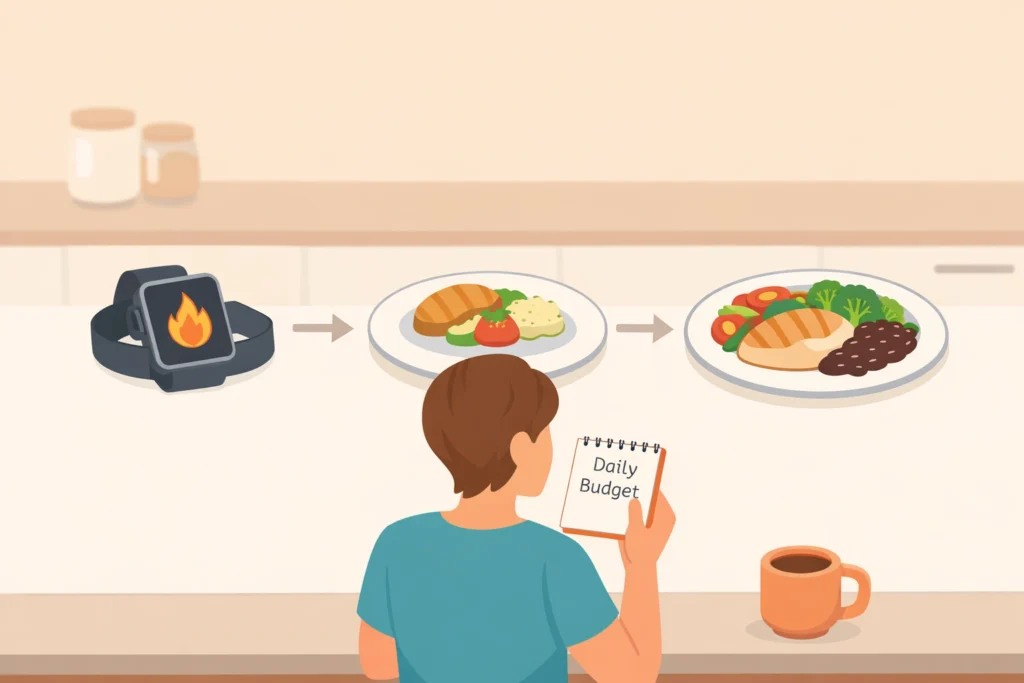
A calorie controlled diet is simply a way of eating where we plan and monitor how many calories we eat each day so that they line up with our weight loss goals. We do not have to follow one specific food list or branded program. Instead, we create a calorie budget, then decide how to spend that budget on foods that fit our taste, health needs, and lifestyle.
Many people hear the word “calories” and instantly picture tiny numbers and misery. In practice, calorie control is basically three steps:
- Knowing roughly how many calories our body burns each day.
- Eating a little bit less than that amount most days.
- Making sure those calories are mostly from protein rich, fiber rich, and micronutrient dense foods.
From a science point of view, fat loss still comes down to energy balance. The 2023 guidelines from the American Heart Association describe weight loss as a result of a sustained calorie deficit combined with behavioral changes and physical activity. When energy in is lower than energy out, stored fat is used to fill the gap. A calorie controlled eating plan makes that math more predictable so we are not guessing day to day.
How Many Calories For Weight Loss
The first big question with calorie controlled diets for for weight loss is “How many calories should I eat.” There is no one-size answer. Our calorie needs depend on age, height, weight, sex, and how much we move.
A quick way to estimate daily needs uses the Mifflin St Jeor equation, which many dietitians still prefer because it works decently well for most adults. We do not need to sit and crunch the math by hand, but it helps to understand the logic. First, it estimates our resting energy use, then multiplies by an activity factor.
Typical Daily Calorie Ranges
Most adults who want fat loss will land somewhere in the ranges below. These are very general, but they give a starting point before any personalization.
| Category | Estimated Maintenance Calories | Typical Weight Loss Target |
|---|---|---|
| Smaller, less active women | 1,800 to 2,000 kcal | 1,300 to 1,600 kcal |
| Average sized, moderately active women | 2,000 to 2,300 kcal | 1,400 to 1,800 kcal |
| Smaller, less active men | 2,100 to 2,400 kcal | 1,600 to 1,900 kcal |
| Average sized, moderately active men | 2,400 to 2,800 kcal | 1,800 to 2,200 kcal |
Those targets usually create a calorie deficit of about 300 to 600 calories per day. Based on data from the National Institutes of Health, this size of deficit tends to give around 0.5 to 1 pound of weight loss per week for many people. More than that might sound good on paper, but in real life it often drives hunger, muscle loss, and binge behavior.
Why Calorie Controlled Diets Work So Well
On paper, every diet that leads to fat loss is some form of calorie control, even if the marketing hides it behind rules about carbs or fasting windows. When we look at what actually works long term, structured calorie control has several advantages.
1. Clear Feedback
Instead of wondering why the scale is stuck, we can look at our logs and see patterns. Maybe weekend “cheat meals” are wiping out the weekday deficit. Maybe that daily coffee drink with cream and sugar is adding 300 hidden calories. When we control calories, we can spot small habits that add up.
2. Flexibility With Food Choices
One person might thrive on a higher protein, animal based approach, while another does better with more whole grains and beans. Within a calorie budget, both can work. Many readers at DietLinic like to compare different frameworks, like an animal based diet vs plant based diet, but the common thread for weight loss is still the total energy intake.
3. Measurable Progress
Humans tend to stick with habits that give feedback. When we track calories and see our weekly average, we can adjust more confidently. In my own experience working with meal planning clients, those who keep at least a basic food record, even if it is just pictures or rough numbers, usually lose more weight and regain less.
Key Principles Of A Healthy Calorie Controlled Diet
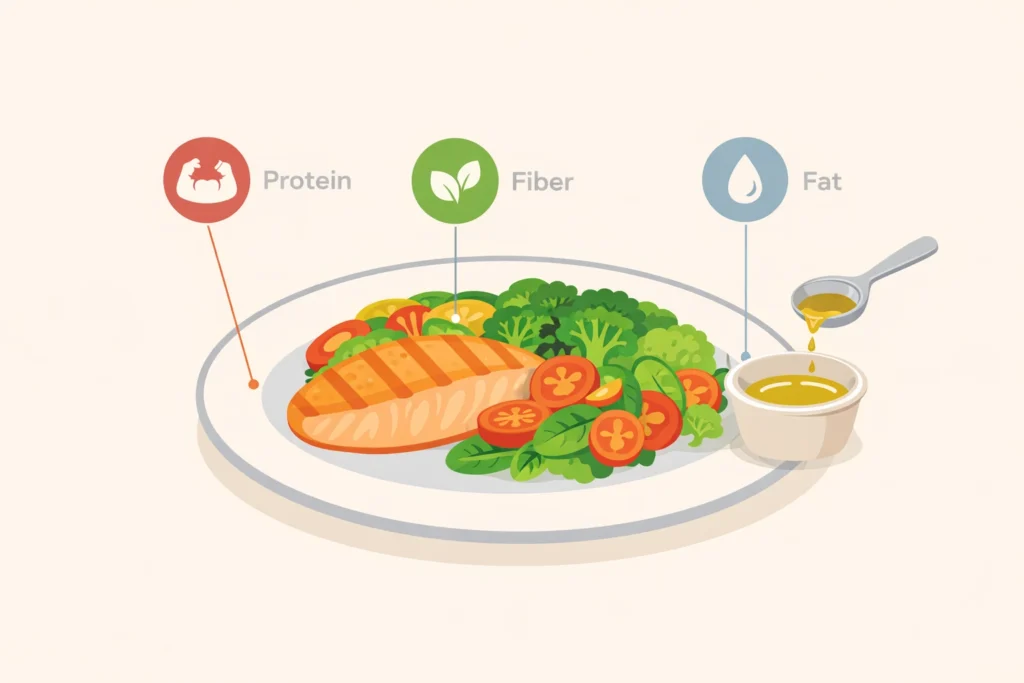
Cutting calories should not mean cutting health. The body still needs enough protein, fiber, healthy fats, vitamins, and minerals. A calorie target is just the framework. The real power comes from what we put inside that framework.
Prioritize Protein
Protein is like the body’s building brick. It helps keep muscle, supports immune health, and has a strong effect on satiety. Current research from 2023 in obesity management suggests higher protein diets, in the range of 0.7 to 1.0 grams per pound of goal body weight, support better body composition during fat loss compared with lower protein intake.
Good protein sources include:
- Chicken, turkey, lean beef
- Fish and seafood, like salmon, cod, shrimp
- Eggs and Greek yogurt
- Beans, lentils, tofu, tempeh
When we build each meal around a steady portion of protein, hunger usually quiets down, even on a lower calorie plan.
Load Up On Fiber And Volume
Fiber rich foods help control appetite, support gut health, and smooth out blood sugar swings. They also add volume, which matters more than people often realise. A big bowl of salad with veggies, beans, and some lean chicken can have fewer calories than a small bakery pastry, but it fills the stomach longer.
Helpful high-fiber foods include:
- Non starchy vegetables: leafy greens, broccoli, peppers, tomatoes
- Whole fruits: apples, berries, oranges
- Whole grains: oats, quinoa, brown rice, whole wheat bread
- Legumes: black beans, chickpeas, split peas
Do Not Fear Dietary Fat, But Measure It
Fat carries more than double the calories of protein or carbs per gram, but it also supports hormones, brain function, and nutrient absorption. The trick in calorie controlled diets for for weight loss is more about portion control then about rigid avoidance.
Instead of drowning foods in oil or butter, we can use measured amounts of:
- Olive oil or avocado oil
- Nuts and seeds
- Nut butters
- Avocado
Using a teaspoon or tablespoon instead of pouring straight from the bottle is a simple habit that can quietly remove hundreds of calories from a week without much pain.
How To Set Up Your Own Calorie Controlled Plan
Turning theory into something we can live with day to day is where many people stumble. A realistic plan does not require cooking elaborate recipes for every meal, but it does ask for a bit of structure.
Step 1: Estimate Your Calorie Target
We start by figuring out our maintenance calories, then subtracting a modest amount. Many online calculators are based on the same formulas dietitians use. Once we have a maintenance estimate, we can aim for a deficit of 300 to 500 calories per day.
For example, if maintenance is around 2,200 calories:
- Small deficit approach: 1,800 to 1,900 calories per day
- Moderate deficit approach: 1,600 to 1,800 calories per day
If we are very active or have a job that is physical, going too low will kill energy fast. In that case, it is often better to start at the higher end and adjust if progress stalls over a few weeks.
Step 2: Choose A Meal Pattern That Fits Your Schedule
Some people like three solid meals. Others like three meals plus one or two small snacks. Either pattern can align with calorie controlled diets for for weight loss if the daily total makes sense.
For someone targeting 1,700 calories a day, a sample split might be:
- Breakfast: 400 calories
- Lunch: 450 calories
- Snack: 200 calories
- Dinner: 650 calories
We can reverse this if we prefer a bigger breakfast and lighter dinner. What matters most is consistency over time, not perfect distribution.
Step 3: Build A Short List Of “Go To” Meals
Most of us rotate the same 10 to 15 meals without even thinking about it. When we design these regular meals intentionally, calorie tracking becomes much easier. Based on my work in small kitchens, I like to keep a “house menu” of simple combos with known calorie ranges.
Some examples of realistic go to meals:
- Greek yogurt bowl with berries and a sprinkle of granola
- Omelet with veggies and a slice of whole grain toast
- Chicken stir fry with mixed vegetables over brown rice
- Turkey chili with beans and a side salad
- Baked salmon with roasted potatoes and green beans
If you lean toward more animal based eating, you might find ideas in an animal based diet for weight loss approach, then adjust portions down to match your calorie needs.
Tracking Calories Without Losing Your Mind

Calorie controlled diets can go wrong when tracking becomes obsessive or overwhelming. We want awareness, not anxiety. The goal is to collect just enough data to make better choices, then get back to living life.
Methods For Tracking
Different methods work for different personalities.
App based tracking. Tools like MyFitnessPal, Cronometer, or Lose It give us food databases and barcode scanners. For many people these apps are the easiest starting point. The downside is that database entries can be user-generated and not always accurate, so we still need some common sense.
Portion estimation with a plate method. Some people prefer to avoid numeric tracking entirely. In that case, using your hand as a portion guide can still create calorie control:
- Palm size of protein
- Cupped hand of starch or grain
- Two cupped hands of vegetables
- Thumb of fats like oils or nut butter
Photo food journal. Taking a quick picture of meals before eating them sounds almost too simple, but it makes many of us more aware of portion size and snacking. It can also be reviewed with a dietitian or coach later to estimate calories.
How Accurate Do We Need To Be
Research on weight loss shows that most people under report calorie intake by 20 to 30 percent, often without meaning too. So perfect precision is rare. The good news is that we also do not need perfection. If we are within 10 to 15 percent of our target most days, we usually see progress.
A helpful rule is: be stricter with measuring calorie dense foods, and looser with low calorie, high volume ones. So we might weigh nuts, oils, and cheese, but we can eyeball spinach or cucumbers.
What To Expect During The First 4 To 8 Weeks
People often hope for dramatic changes in the first week or two. Realistic expectations make calorie controlled diets for for weight loss much more sustainable and less emotional.
Early Changes
In the first 1 to 2 weeks, a few things often happen:
- Drop of 2 to 6 pounds, mostly from water and glycogen, especially if we reduced refined carbs and salty foods.
- Noticeable energy shifts by mid afternoon if we under eat or skip protein.
- Mood swings while our old snacking habits collide with new structure.
These early swings are normal. They tell us where to adjust. For example, if late night hunger keeps ambushing us, moving 100 to 200 calories from breakfast to a night snack with some protein can stop that cycle.
Steady Phase
By weeks 3 to 8, weight loss usually slows to a more steady 0.5 to 1 pound per week for most. This is where many people feel like “nothing is happening” because the scale movement is less dramatic. Looking at monthly trends instead of daily numbers helps here.
During this period, it is smart to check:
- Are clothes fitting different, even if weight barely changed.
- Is strength in the gym staying steady or even climbing.
- Has hunger become mild and predictable instead of urgent and chaotic.
Those signs say the calorie level is probably in a usable range. If absolutely nothing changes in 3 to 4 weeks, then it may be time to lower average calories slightly or add a bit more movement.
Balancing Exercise With Calorie Control
Many people assume that once they start a calorie controlled diet, they must also start running miles every day. Movement does help, but it is more useful as a support tool then as the main lever. Trying to “earn” food through workouts often creates a messy food relationship.
Benefits Of Combining Activity With Diet
When we pair calorie control with a bit of structured exercise, we get:
- Better protection of lean muscle while in a deficit.
- Stronger appetite regulation and mood support.
- Improved metabolic health, like better insulin sensitivity.
Recent data from 2022 and 2023 show that even 150 minutes per week of moderate activity, like brisk walking, combined with 2 days of strength training, improves long term weight maintenance compared to diet alone.
Simple Movement Targets
For most busy adults, a good starter target is:
- 7,000 to 8,500 steps per day on average.
- 2 to 3 short strength sessions per week, 20 to 30 minutes each.
Strength work can be dumbbells, resistance bands, or even bodyweight movements like squats, pushups, and planks. We do not need a perfect gym plan to get benefits. Just giving the body a regular “signal” that muscle is still needed will help preserve it while losing fat.
Common Problems With Calorie Controlled Diets And How To Fix Them
No eating plan is free from bumps. Knowing the frequent sticking points for calorie controlled diets for for weight loss helps us course correct quickly instead of quitting.
Problem 1: Persistent Hunger
If we feel gnawing hunger daily, something in the plan is off. Common causes:
- Too little protein at breakfast and lunch.
- Too many liquid calories, like sweet coffee drinks or juices, that do not fill the stomach.
- Large gaps between meals with no plan for snacks.
Practical fixes include adding 10 to 20 grams of protein to the first two meals, swapping some refined grains for whole grains, and including at least one high-fiber vegetable at both lunch and dinner.
Problem 2: Weekend Overeating
A classic pattern looks like this: strict calories Monday to Friday, then overshooting by 1,500 to 2,000 calories across Saturday and Sunday. On paper, the week might average at maintenance or even surplus, but the person feels like they are “dieting all the time.”
One way to address this is with calorie cycling. We can keep the weekly average deficit similar, but give ourself a bit more room on weekends while tightening slightly on weekdays. For example:
- Weekdays: 1,600 calories
- Weekends: 1,900 calories
This still averages around 1,685 calories per day across the week, but may feel more social and practical.
Problem 3: Social Pressure And Eating Out
Restaurant meals in the United States can pack 1,200 calories or more per plate, sometimes without looking huge. Based on surveys from 2022, only a small percent of diners can guess calorie content within 100 calories when ordering out.
We do not have to avoid restaurants entirely. Some strategies that help:
- Check the menu ahead and decide before hunger and social pressure kick in.
- Prioritize grilled or baked options over fried ones.
- Ask for dressings and sauces on the side, then use roughly half.
- Consider sharing a main dish or asking for a to go box at the start and packing half.
If one meal goes over our rough target, that does not erase the whole week of effort. One high calorie day in an otherwise structured week changes the pace, not the direction, of progress.
Choosing A Style Of Eating Within A Calorie Budget
Inside the calorie framework, we still have breathing room to choose how we want to eat. Some prefer more plant based meals for ethical or digest health reasons. Others feel better with higher protein, animal forward options. DietLinic covers several of these patterns, such as an animal based diet approach or comparisons like animal based diet vs keto.
From a weight loss angle, each of these can be adapted into a calorie controlled plan as long as they include:
- A clear calorie target and rough tracking.
- Enough protein to protect muscle.
- Plenty of micronutrient rich foods.
The best style is the one we can actually follow for months, not just for a challenge period. Paying attention to how our body feels after meals, how our digestion behaves, and how our mood reacts will guide those choices better than any single study can.
Emotional Side Of Calorie Control
Numbers can feel cold. Food is not. Many of us grew up with emotional meanings wrapped around eating: reward, comfort, celebration, even punishment. Calorie controlled diets for for weight loss sometimes shine a bright light on these patterns, which can bring up guilt, frustration, or shame.
Instead of trying to “discipline” those feelings away, we can use them as information. If we realise we reach for sugary snacks whenever we feel stressed from work, that is not a personal failure, it is a coping strategy that worked for a while. We can then ask what other strategies might help the same emotion while aligning better with our calorie goals, like a short walk, journaling, or a call with a friend.
Being kind to ourself during this process matters. A structured eating plan can be firm without being harsh. Self criticism might feel like motivation, but over time it erodes willpower. Steady habits grow better from self respect then from self attack.
When To Adjust Or Pause Your Plan
No plan is meant to run on autopilot for years. Our body, stress load, and life events shift. It is normal for calorie needs to change as we lose weight or change how much we move.
Some signs that it might be time to adjust:
- Weight has not changed at all in 4 to 6 weeks, even with decent tracking.
- Energy and mood feel flat most days, not just occasionally.
- Sleep is getting worse or workouts feel weaker each week.
In those cases, raising calories slightly for 1 to 2 weeks can sometimes reset stress levels, then we can return to a smaller deficit. This is often called a “diet break” in research literature, and some 2022 studies suggest it may help certain people stick to programs longer, though results are mixed. The bigger point is that taking care of overall health sometimes means loosening the reins briefly, not abandoning the journey.
Well designed calorie controlled diets for for weight loss give us structure without stealing our joy around food. They let us lose fat at a reasonable pace while keeping enough flexibility for real life. With a clear calorie target, an emphasis on protein and fiber, honest tracking, and a little compassion toward our own patterns, we can move toward weight goals in a way that feels steady, not extreme.






Leave a Reply