


Animal based diet side effects can sneak up on any of us, even when we feel excited by the sizzle of ribeye and the comfort of warm broth. People report constipation on animal based diet plans, animal based diet diarrhea, nagging animal based diet bloating, and sometimes animal based diet headaches. We all want steady energy, clear digestion, and meals that feel good long after the plate is clean. This guide explain why problems happen, what to change fast, and how to protect your long term health without giving up a way of eating you enjoy.
Animal Based Diet Side Effects and How to Avoid Them
Many switch to a meat-heavy or carnivore-style plan because it feels simple. Protein is high, hunger quiet down, and cravings shrink. But the body still need time to adapt. Fluid balance shifts, the microbiome change, bile output ramps, and some people eat way more rendered fat than their gut can process. If we plan a careful transition, most side effects are avoidable, manageable, or very brief.
What drives side effects on an animal based diet
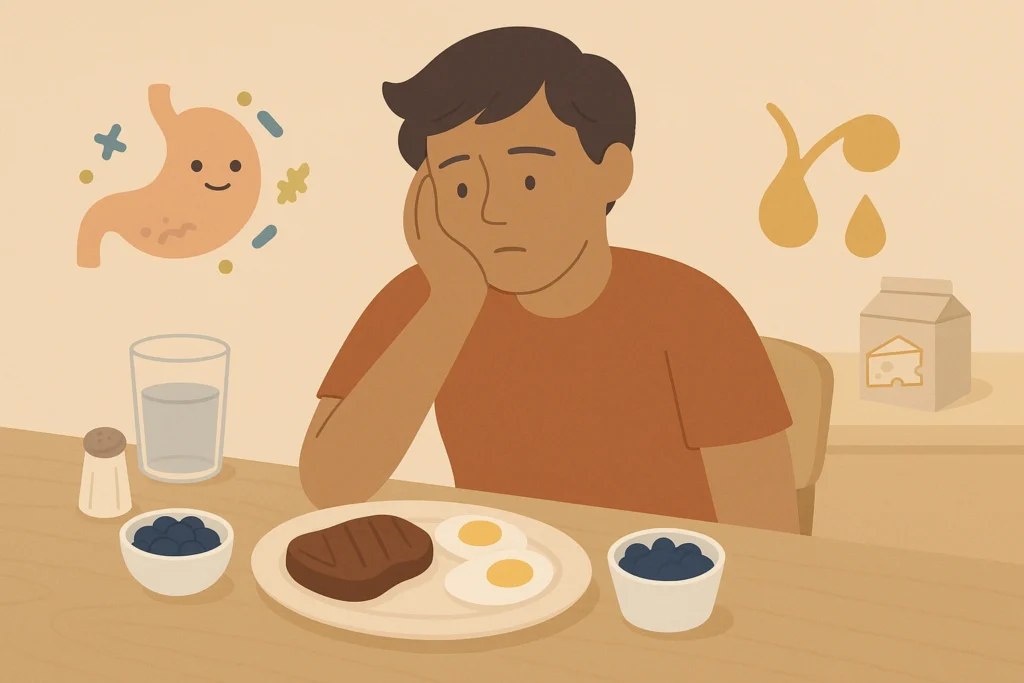
We see a predictable cluster of triggers:
- Electrolyte shifts: Low carb lowers insulin, which make kidneys excrete sodium and water. That loss throw off potassium and magnesium too.
- Sudden fiber drop: Going from salads and grains to mostly animal foods starves fiber-loving microbes. Gas, cramping, or constipation can happen while your gut flora reorganize.
- Excess rendered fat: Skillet grease and heavy cream can overwhelm bile production, so stools get loose, oily, or urgent.
- Dairy tolerance: Lactose and casein intolerances are common in the US. Cheese and milk may trigger bloating or headaches.
- Histamine exposure: Aged meats, smoked fish, and leftovers accumulate histamine. Sensitive folks get flushing, headaches, or hives.
- Low glycine balance: Lots of lean muscle meat without collagen-rich cuts can strain methylation and stools may harden.
- Under-eating: Appetite can fall too much. Not enough calories mean fatigue, lightheaded, and cold hands.
These are not moral failings. They are normal physiology reacting to rapid change. We can fix most of it with hydration, minerals, smarter fat choices, and better meal structure.
Constipation on an animal based diet
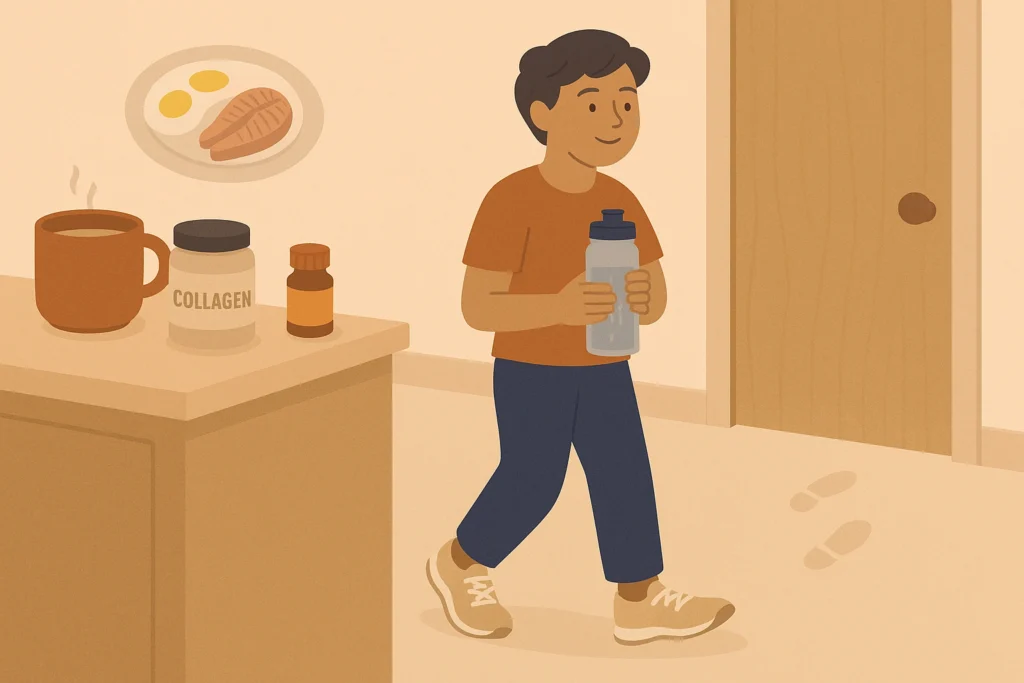
Animal based diet constipation scares people, because it feel stuck and uncomfortable, and sometimes it feel sharp. There is many reasons this happen:
1. Low electrolytes. With less insulin, the kidneys dump sodium. Colon reabsorbs more water and stools get dry and slow. We was not made to run on low sodium when carbs drop.
2. Too little fat or too much lean. Fat stimulate bile, which help move the bowels. Extreme lean meat can slow transit a lot.
3. Lack of collagen or gelatin. Glycine from skin, shanks, broth, and oxtail balance methionine from muscle meat. Without that balance, stools get hard, and mood also may feel tight.
4. Not enough movement. Desk life in the States is real. If we sit all day, peristalsis slow down.
Fixes that work
- Salt your food more than before. Start with 3 to 5 grams of sodium per day from salt, adjusting for sweat and size. Many of us need more during the first weeks.
- Hydrate on purpose. Drink to thirst plus a bit extra. Pale yellow urine is a helpful signal.
- Add collagen daily. 10 to 20 grams collagen peptides or 1 to 2 cups real bone broth can soften stools and calm the gut lining.
- Balance fat to protein. For every 30 to 40 grams protein, include a thumb or two of whole-food fat from egg yolks, tallow, or fatty fish, not just pan grease.
- Consider magnesium. Magnesium glycinate or citrate at night, 200 to 400 mg, often helps. Go lower first to avoid loose stools.
- Walk after meals. A 10 minute walk helps motility and also improve insulin sensitivity.
If you prefer a flexible animal based approach, small portions of low-residue produce like peeled cucumber or a few ripe berries can help. See what fits your plan and goals inside this helpful overview: Animal Based Diet Guide.
Animal based diet diarrhea and loose stools
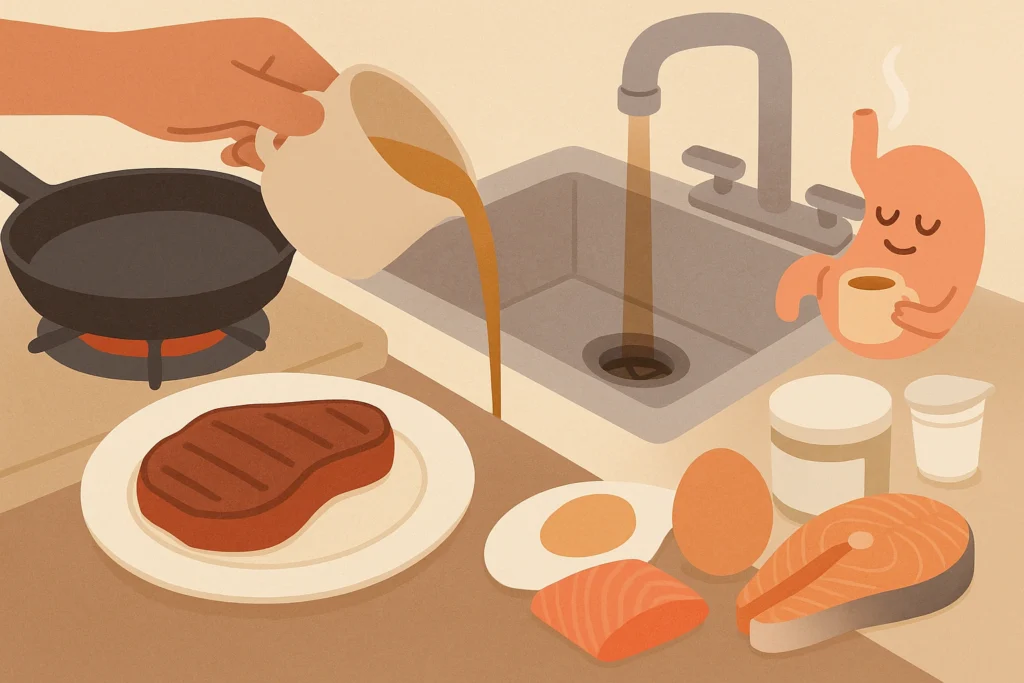
Loose stools or urgent trips usually come from excess rendered fat, dairy, or not enough bile support. When a steak is seared, the pool of grease in the pan is pure fat without the natural emulsion of the meat. Drinking that as gravy can overwhelm the gut fast.
Common causes
- Too much heavy cream or butter. Lactose or milk proteins trigger motility and cramping for many adults.
- Rapid increase in fat grams. Bile production needs days to weeks to scale up.
- MCT oil or coconut products used too early. These rush through digestion and can shoot right out.
- Spices, hot sauce, sugar alcohols, or coffee on an empty stomach. They all push the accelerator.
How to slow it down
Start meals with leaner cuts, then add whole-food fats gradually. Favor fatty fish, whole eggs, and marbled meat rather than pouring pan drippings. If you enjoy dairy, test fermented options like yogurt or aged cheese in small amounts. Back off coffee until stools stabilize. Keep collagen and broth daily, which can firm up output and soothe the gut. If you notice it is worse with reheated meats, try fresher meals to avoid histamine build-up. Food safety matter too, leftovers must be cooled fast and reheated hot.
Animal based diet bloating and gas
Bloating happens when new bacteria take over and when foods that you do not tolerate sneak in. Many people blame meat, but the real culprits often are dairy, seasonings, or rushed meals.
What helps:
- Chew slower than you think you need. Protein digests in the stomach with acid, which need time. Big gulps of steak create more work.
- Trial dairy-free for 10 to 14 days. If bloating fades, you found your trigger.
- Cook thoroughly but not dry. Undercooked fat or rushed sausages can sit heavy.
- Use broth and lemon water before eating. The slight acid and warmth primes digestion. If lemon irritates, skip it.
- Rotate proteins. Fish night feels very different than a burger night, variety is better for motility.
Some folks do better with a little fruit to keep things moving and to feed a modest set of microbes. For ideas that fit an animal leaning plan, visit Fruits You Can Eat On An Animal Based Diet.
Headaches, brain fog, and low energy
Animal based diet headaches usually trace back to electrolytes and under-eating. When insulin goes down, sodium losses go up. Blood volume subtly drops, which can trigger headaches, dizziness, and heart pounding after climbing stairs. Coffee without food make it worse, we all done that on busy mornings and later pay for it.
Try this simple stack for 7 days:
- Morning: 8 to 12 ounces of water with a half teaspoon of salt. Add a squeeze of citrus if you tolerate.
- Eat within 1 hour of waking. 30 to 40 grams protein with some whole-food fat.
- Magnesium before bed. Sleep quality improves and cramps tend to calm.
- Do not slash calories. Keep at least bodyweight times 10 calories if you are active, more if you lift or run.
If headaches persist, check blood pressure, review caffeine intake, and evaluate histamine. Leftover steak or smoked fish can trigger head pressure in sensitive people. Freshly cooked meals may fix it in 48 hours.
Cholesterol shifts and lab changes
Some see LDL go up on a high-fat meat-forward plan, while HDL and triglycerides improve. The total picture matters. If LDL climbs sharply, try these moves before panicking:
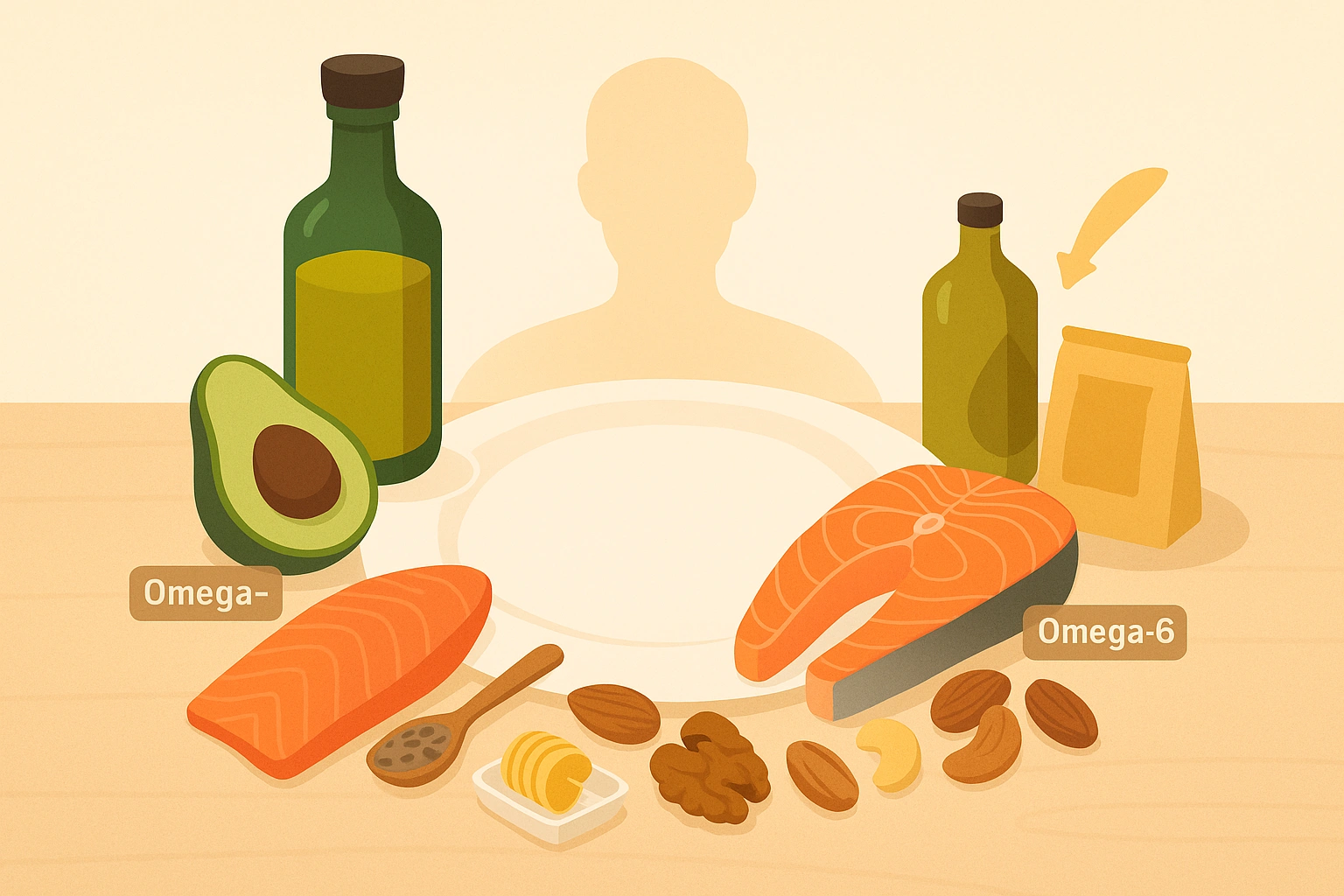
- Replace part of saturated fat with fatty fish rich in omega-3s.
- Favor whole-food fats over butter-heavy coffee drinks.
- Add 1 to 2 servings of berries or avocado if your plan allows, they can improve lipid handling in many cases.
- Walk after dinner 20 minutes. Simple, but powerful for triglycerides and glucose.
Work with your clinician for a full panel and context. Family history, ApoB, and calcium scores provide better risk clarity than a single number. Be patient, labs often stabilize after the first few months.
Kidney stones, gout, and uric acid
High animal protein raises concerns about uric acid and stones, but hydration and mineral balance change the story a lot. Dehydration concentates urine and make crystals more likely. Too much cola or very high fructose intake also push uric acid up, even if protein is moderate.
Prevention basics:
- Hydrate so urine stays pale yellow. Add a bit of salt to help you hold water.
- Include citrate sources. Squeeze of lemon or a little potassium citrate supplement can reduce stone risk. If citrus bothers you, aim for magnesium plus steady hydration.
- Mix your protein sources. Include seafood, eggs, and gelatin-rich cuts, not only very lean steaks.
- Keep alcohol modest. Beer especially increase uric acid for many.
Micronutrient gaps and how to cover them
A meat-centric diet can be incredibly nutrient dense, but only if we diversify. Relying on the same ground meat daily is convenient, but it leave holes.
Build a rotation that covers these needs:
- Omega-3s: Salmon, sardines, or mackerel 2 times per week.
- Glycine and collagen: Bone broth, shanks, skin-on poultry, collagen powder.
- Calcium: If dairy tolerated, choose yogurt or cheese. If not, small fish with bones like sardines offer calcium. Eggshell powder can be used carefully, but dose matters.
- Choline: Eggs and liver support liver fat metabolism and brain health.
- Selenium and iodine: Shellfish and some ocean fish help thyroid and antioxidant defenses.
- Potassium and magnesium: Mineral water, seafood, and if your plan allow, a small fruit serving helps.
If you include plant foods strategically, learn which vegetables often cause problems and which can be gentler on digestion here: Animal Based Diet Vegetables To Avoid.
Quick reference: symptoms and fixes
| Side effect | Likely causes | Practical fixes |
|---|---|---|
| Constipation | Low sodium, very lean intake, low glycine | Salt more, add collagen or broth, include whole-food fat, try magnesium |
| Diarrhea | Excess rendered fat, dairy, rapid fat ramp | Reduce pan grease, test dairy-free, add fish and eggs, build bile capacity slowly |
| Bloating | Dairy intolerance, rushed eating, histamine | Slow chewing, 10 day dairy break, cook fresh, try warm broth pre-meal |
| Headaches | Low electrolytes, under-eating, histamine | Sodium in morning water, steady meals, test fresher meat, magnesium at night |
| Fatigue | Too few calories, low carbs, poor sleep | Eat enough, consider small fruit serving, morning light and bedtime routine |
Smart transition plan that avoids misery
A staged approach makes the gut calm and the mind steady. We recommend a 14 to 21 day glide path.
Days 1 to 7
- Protein at each meal, but keep fat moderate at first.
- Morning salt water. Walk after 1 or 2 meals daily.
- Collagen or broth every day.
- Dairy limited while you test tolerance.
Days 8 to 14
- Increase whole-food fat gently if energy lag.
- Rotate proteins: ruminant meat, eggs, and seafood.
- Reintroduce fermented dairy if desired, watch for bloating.
- Add a small fruit serving if sleep or training recovery is poor.
Days 15 to 21
- Adjust salt to sweat and activity. Many need more in summer.
- Set a regular meal rhythm that fits your work and family life.
- Schedule labs if you plan to run this way long term.
For a bigger-picture map of how this style of eating functions and options that fit various goals, read the overview at https://dietlinic.com/animal-based-diet/.
Meal planning that reduces risk
We want meals that feel good in our body and also satisfy memory and taste. The smell of a skillet steak, the pop of sea salt on salmon, the warmth of chicken broth on a cold night. Build your day so digestion runs smooth and energy carry you through errands, kids activities, and the gym.
Sample day:
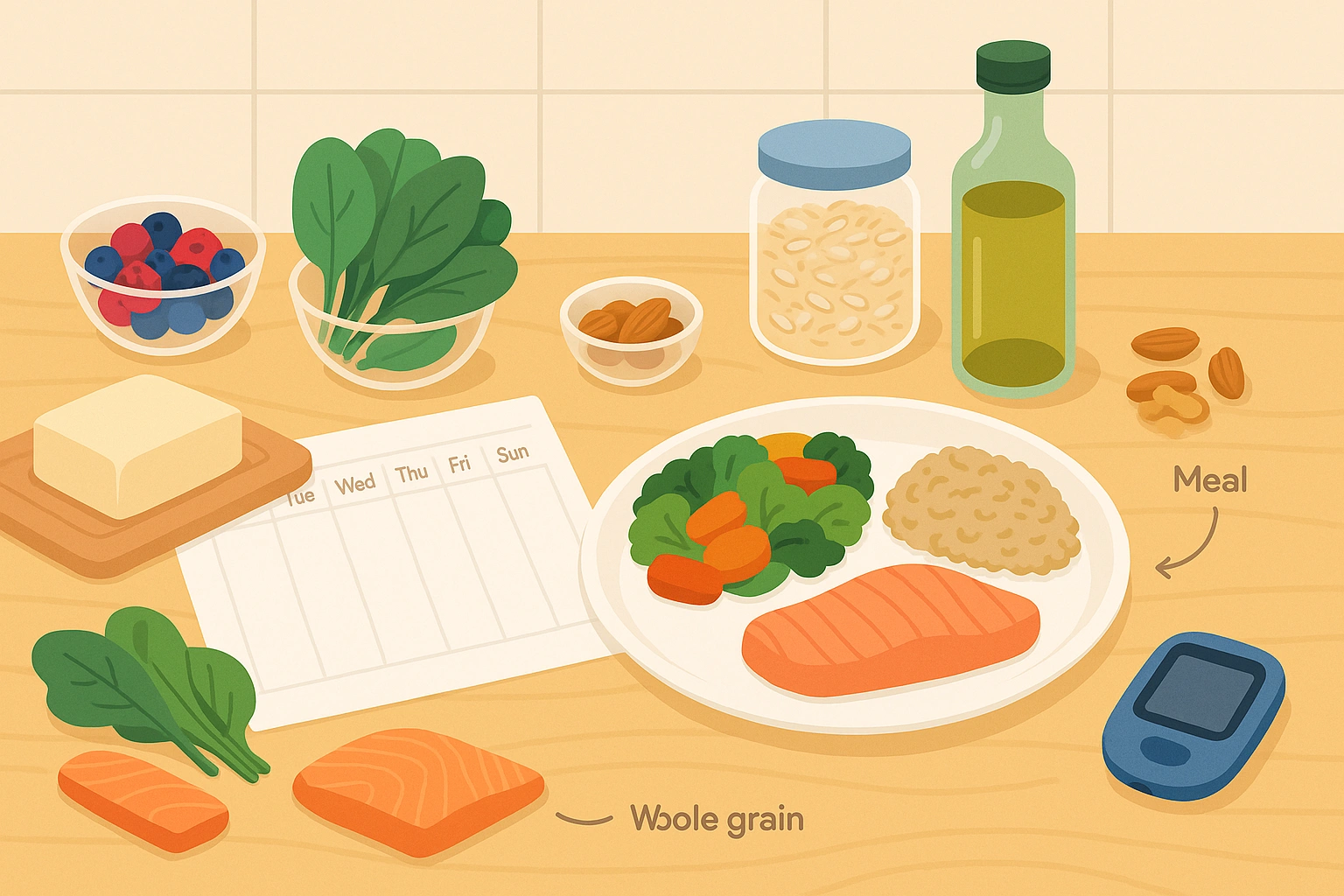
- Breakfast: 3 eggs cooked in a teaspoon of tallow, 1 cup broth, salt to taste. Coffee after food if you drink it.
- Lunch: Grilled salmon with skin, side of mashed cauliflower or a few slices of ripe cantaloupe if your plan allows, sparkling mineral water.
- Dinner: Braised short ribs with collagen-rich sauce, a small baked potato if you include carbs or a bowl of yogurt if you tolerate dairy. 10 minute walk.
Keep prep simple on weekdays and save elaborate cooking for weekends. If you need ideas that match protein forward and digestion friendly cooking, see these options: Animal Based Diet Meal Ideas and Recipes.
Training, sleep, and stress
We often blame food when the real driver is sleep debt or stress overload. A rough week at work, kids sick, or back-to-back travel will change how your gut behaves. Cortisol affects motility and appetite. If you feel wired and tired, meals will not sit right. Aim for earlier nights, morning light, and a short walk after dinner. Lifting 2 to 3 times per week plus daily movement keeps insulin sensitivity high and digestion more regular. Even a few sets of bodyweight squats by the kitchen while you wait for the pan to heat can help.
When to seek medical help
Side effects should improve within 2 to 3 weeks on a well-planned animal-based plan. If you have ongoing blood in stool, severe pain, fevers, repeated vomiting, or unintentional weight loss, contact your clinician. People with gallbladder disease, pancreatitis history, advanced kidney disease, or pregnancy need personalized guidance. We all want to feel strong and clear headed, and sometimes that mean checking labs and reviewing medications, because some diuretics and blood pressure pills interact with electrolyte changes.
Common myths that make symptoms worse
Myth 1: More fat fixes everything. Reality: Too much rendered fat causes diarrhea and nausea. Build tolerance gradually and prefer whole-food sources.
Myth 2: Fiber is useless. Reality: Some people thrive with very low fiber, others feel better with a bit. This is individual. You do not need to suffer to be strict.
Myth 3: If LDL rises, the diet failed. Reality: Evaluate the full risk profile, try adjustments, and retest. Context and time matter a lot.
Myth 4: Electrolytes are optional. Reality: On low carb, sodium and potassium needs are often higher. Skipping them can trigger headaches and fatigue fast.
Putting it all together
We eat for more than macros. Food is memory, comfort, and the way we show care at the dinner table. A well-run animal-based approach can deliver steady energy, lean mass, and calm digestion, but only if we respect how human physiology adapts. If you salt meals, keep collagen daily, balance fats, test dairy tolerance, and bring a little patience, most animal based diet side effects fade. Follow the clues from constipation on animal based diet to animal based diet bloating or animal based diet headaches, adjust with the tools above, and check what works for your body. For deeper context and structured guidance, this overview is a helpful place to start: Animal Based Diet Guide. With small changes and honest listening, your meals will feel peaceful again, and the routine will fit your real life just fine.
Leave a Reply