


Serious training ask for serious fuel. An animal based diet for athletes gives dense protein, rich fats, and easy digestible carbs from fruit and honey that support high output and fast recovery. Many lifters also call it an animal based diet bodybuilding approach because it align with strength goals, mass phases, and simple meal prep. If we want an animal based diet for muscle gain, or bulking on animal based diet for a season, the plan below lays out a clear, science guided roadmap we can actually follow.
Why an Animal Based Diet Supports Athletes and Muscle Gain
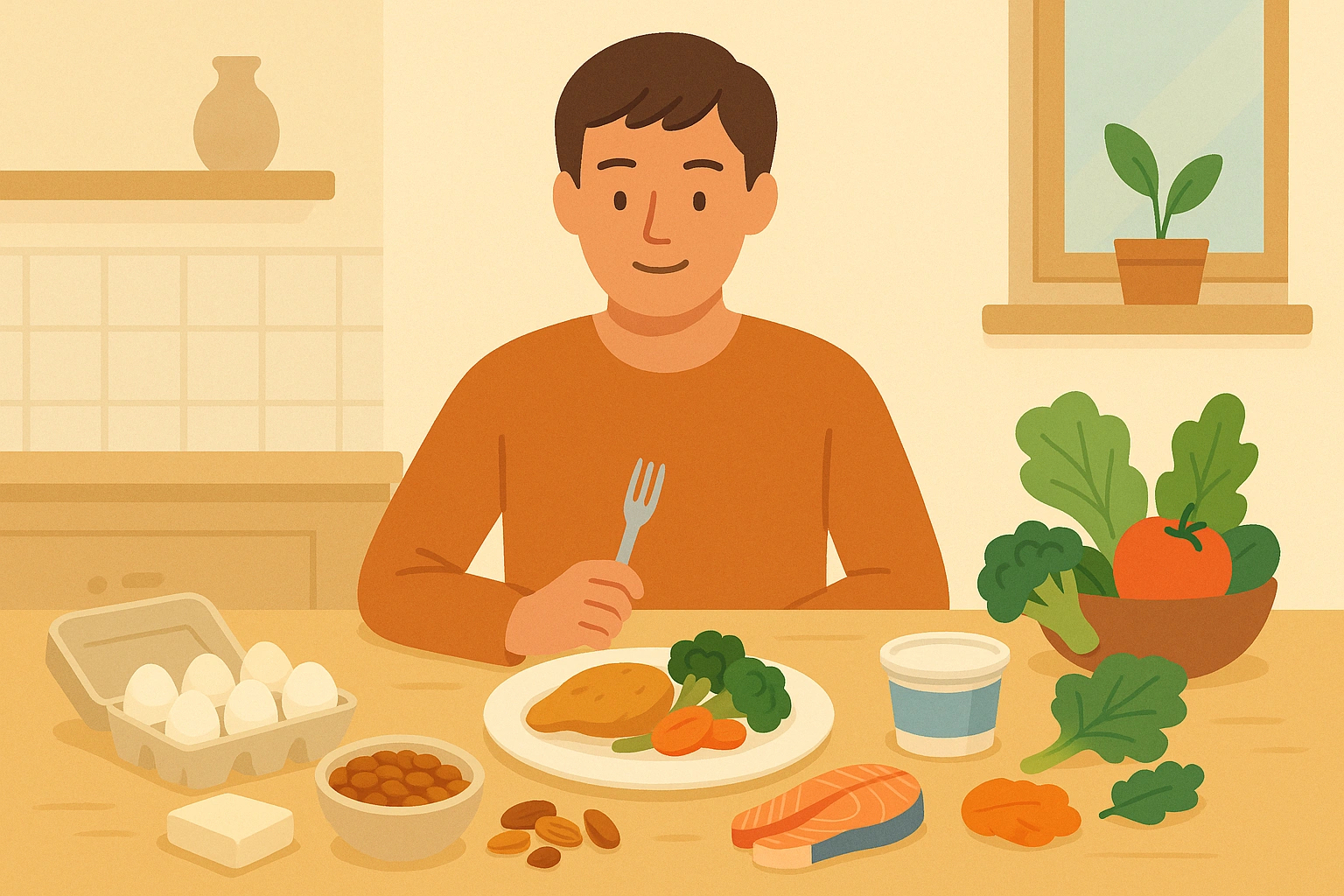
We train hard so muscles break down, then rebuild. Animal foods provide complete proteins with all essential amino acids, especially leucine that trigger muscle protein synthesis. These foods also carry creatine, carnosine, taurine, heme iron, B12, zinc, and fat soluble vitamins. That package helps power output, oxygen delivery, nerve firing, and tissue repair. There is many reasons we see stronger lifts and tighter recovery windows when the base of meals is meat, eggs, fish, and quality dairy.
Some athletes tell us they feel steady and calm on this style of eating. Morning eggs with warm yolks, a pan of steak sizzling, the clean salt on grilled salmon, honey over cold yogurt. The meals smell big and satisfying, they stick with you between sessions. Food becomes part of the training rhythm, not just numbers in a tracker.
Core Building Blocks For an Animal Based Bulking Diet
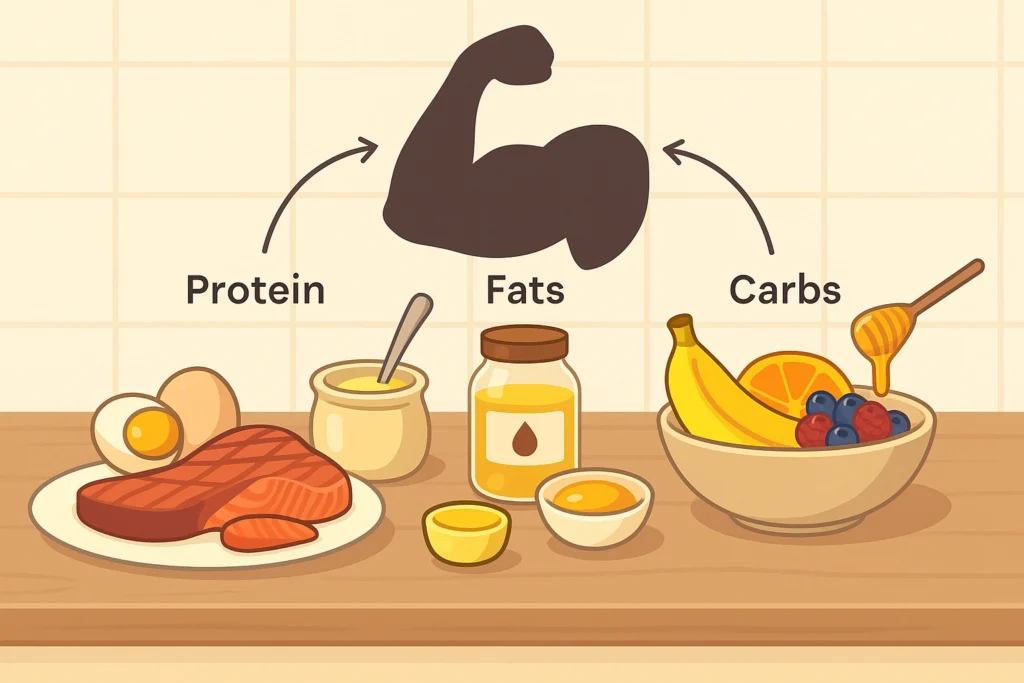
Protein Targets
Evidence supports 1.6 to 2.2 grams of protein per kilogram of bodyweight per day for hypertrophy. During a hard bulk, 2.0 to 2.4 g per kilogram can work well for some athletes. Spread protein over 3 to 5 meals. Each meal should deliver roughly 2 to 3 grams of leucine, which often means about 25 to 40 grams of high quality protein per feeding. Beef, bison, chicken, turkey, eggs, Greek yogurt, whey, and fish all fit. Organ meats like liver add B vitamins and iron, helpful when volume is high.
Fats for Hormones and Satiety
Fats from whole animal foods support testosterone production, absorption of vitamins A, D, E, and K, and keep hunger balanced. A range of 0.8 to 1.2 grams per kilogram of bodyweight can work for mass phases, adjusted to how much carbs we include. Butter, ghee, tallow, egg yolks, fatty fish, and full fat dairy bring flavor and calories that are easy to cook with.
Carbs for Glycogen and Performance
Many athletes thrive using fruit, fruit juice, raw honey, and some white rice if tolerated as their carb sources. These digest clean, refill glycogen, and spare protein. Carbs helps drive performance in repeated efforts, sprints, and long sets. We typically aim for 3 to 6 grams per kilogram of carbs depending on training volume and conditioning. Animal based diet is not the same as strict keto, we can include carbs without losing the core of the plan. For a direct comparison, see animal-based diet vs keto to choose the right lane for your phase.
Setting Calories and Macros For Bulking on Animal Based Diet
First, estimate maintenance calories, then add a small surplus. For most lifters a 200 to 300 kcal surplus are enough to gain 0.25 to 0.5 percent of bodyweight per week. Faster than that and fat gain climbs. We start with a simple split, then adjust weekly:
- Protein: 2.0 to 2.2 g per kilogram
- Fat: 0.8 to 1.0 g per kilogram
- Carbs: fill the rest of calories with fruit, honey, and maybe rice if needed
If appetite lags, use liquid calories like milk smoothies, whole yogurt with honey, or whey blended with banana. If digestion feels heavy, shift some fat down and carbs up around training. Your body give fast feedback, listen and make small changes, not wild swings.
Pre, Intra, and Post Workout Fuel That Actually Works
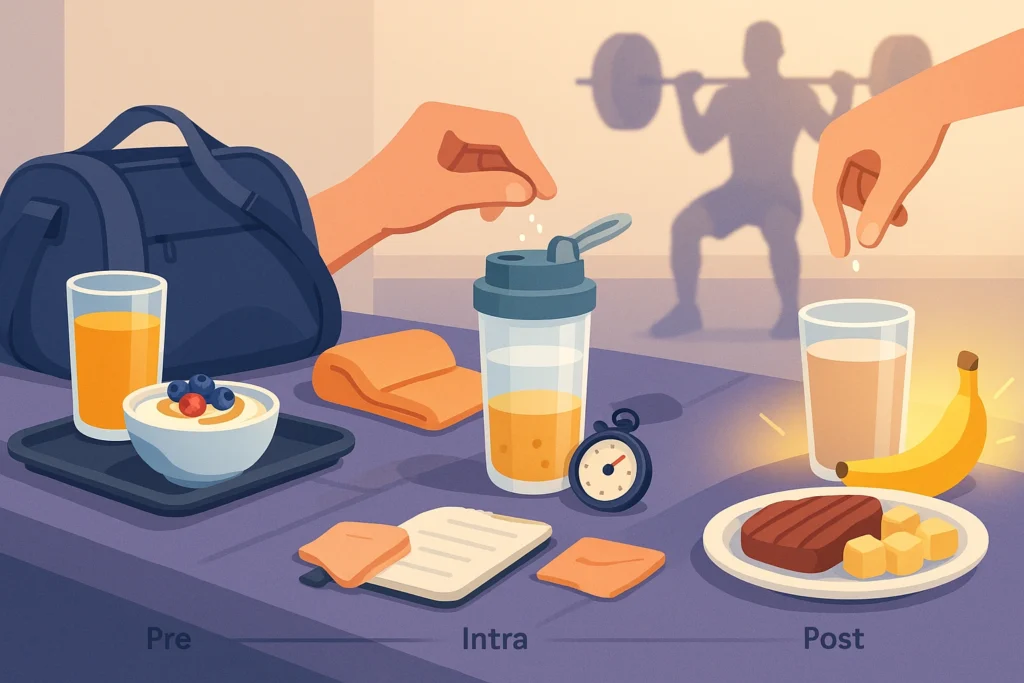
Pre Workout
60 to 120 minutes before lifting, eat a balanced meal of protein and carbs with modest fat. Examples that sit well:
- Sirloin, white rice, pineapple
- Eggs and potatoes, orange juice, a pinch of salt
- Greek yogurt, honey, ripe berries
Creatine at 3 to 5 grams per day can be taken any time. Some lifters like it pre. Caffeine is optional and should not be overused because sleep suffer.
Intra Workout
For sessions longer than 75 minutes, sip 20 to 40 grams of carbs from juice or a simple mix of honey and salt in water. Add 500 to 1000 milligrams sodium to support hydration. Your pump feel fuller and fatigue delay, which is exactly what high volume days need.
Post Workout
Within 1 to 2 hours, eat 30 to 50 grams of protein plus carbs. A fast option is whey isolate with banana and salt, then a full meal later. Or go with lean beef and potatoes. We do not need to rush like we got a 5 minute window, but we do not want to wait 4 hours either.
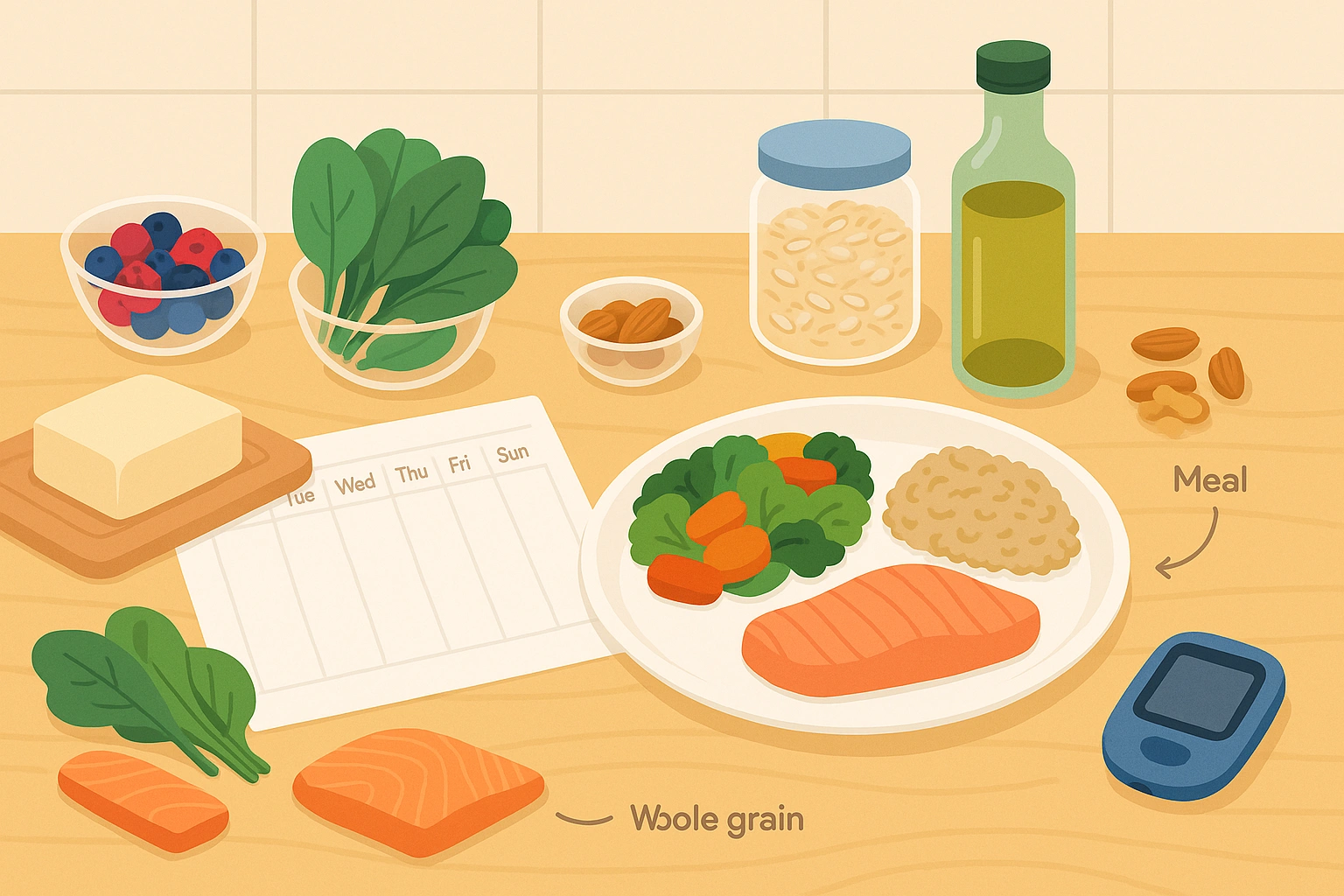
Sample One Day Animal Based Bulking Menu
This example assumes an 85 kilogram athlete targeting about 3,200 kcal on a heavy day.
| Time | Meal | Approx Macros |
|---|---|---|
| 7:30 am | 4 eggs cooked in ghee, 200 g potatoes, 1 cup orange juice, salt | 40 g protein, 70 g carbs, 30 g fat |
| 11:30 am | 200 g sirloin, 1 cup jasmine rice, 1 cup pineapple | 55 g protein, 95 g carbs, 15 g fat |
| 2:30 pm Pre | Greek yogurt 300 g with 2 tbsp honey and blueberries | 35 g protein, 55 g carbs, 8 g fat |
| During Lift | Water with 25 g honey and 800 mg sodium | 25 g carbs |
| 5:30 pm Post | Whey isolate shake with banana and 1 tsp cocoa | 30 g protein, 35 g carbs, 2 g fat |
| 7:00 pm | 200 g salmon, 300 g potatoes, salad greens if tolerated, olive oil, lemon | 50 g protein, 60 g carbs, 25 g fat |
| 9:30 pm | Whole milk or kefir 12 oz with collagen 10 g and a kiwi | 25 g protein, 35 g carbs, 10 g fat |
These meals support growth and recovery, and it do so efficiently. Adjust portion sizes to fit your numbers. If milk are not tolerated, use lactose free or swap to goat kefir or extra yogurt.
Smart Food Choices That Carry You Through a Long Season
Our base list keeps shopping simple and cooking quick:
- Ruminant meats like beef and bison for iron and creatine
- Eggs for choline and complete protein
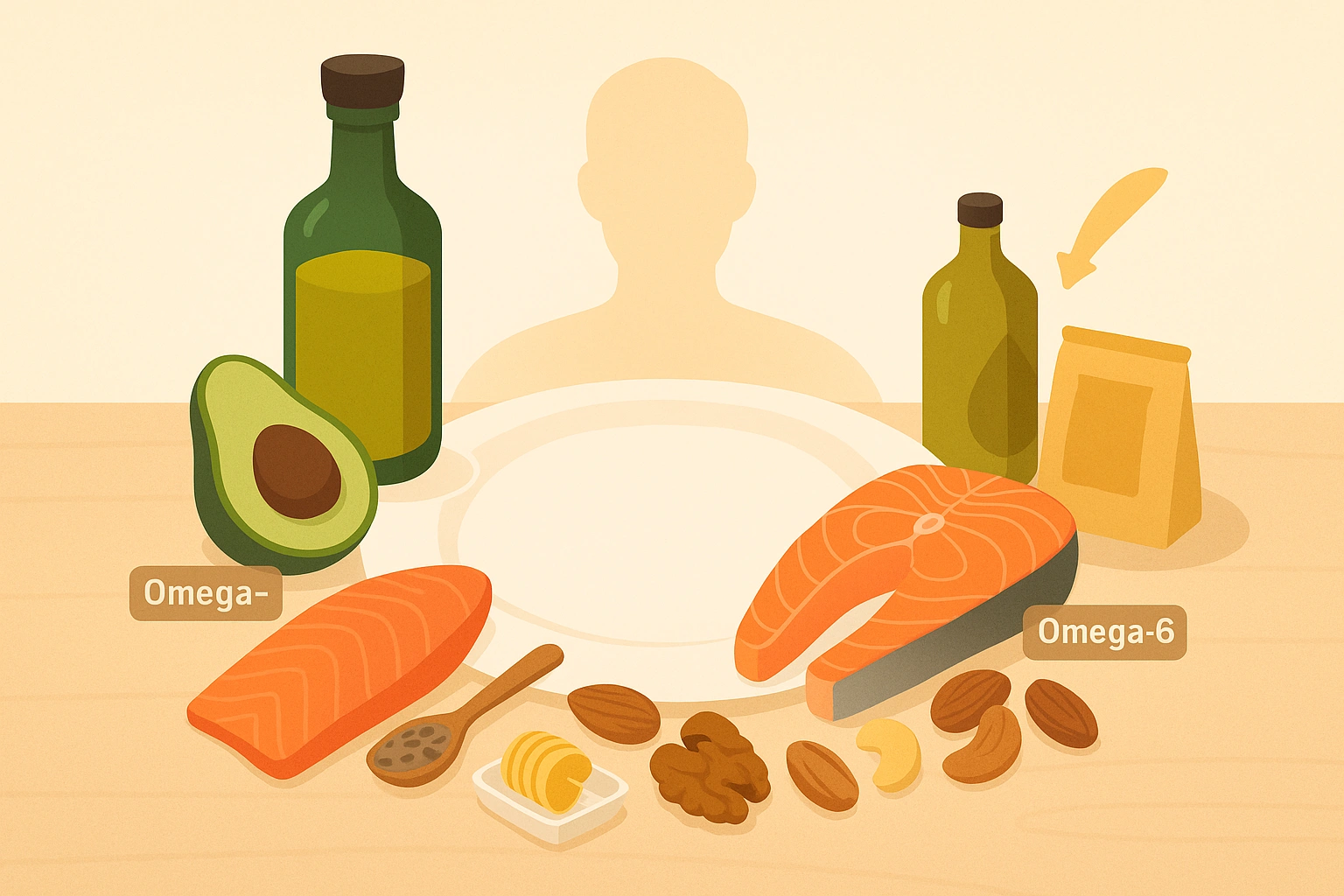
- Salmon and sardines for omega 3 fatty acids
- Greek yogurt, kefir, and cheeses for calcium and extra calories
- Fruit and honey for carbs that digest easy
- Bone broth and collagen to support joints and tendons
On what to include and how to structure a full plan, see the overview at animal-based diet for more principles and practical steps.
Micronutrients That Matter For Performance
Iron from red meat supports hemoglobin and oxygen delivery. B12 keeps nerves and red blood cells in good shape. Zinc aids testosterone and immunity. Selenium from eggs and fish contributes to thyroid function. Vitamin D partners with calcium for bone density. When training is brutal, we sweat out minerals, so sodium, potassium, and magnesium must be replaced. A simple move is to salt meals well and add 300 to 500 mg magnesium glycinate in the evening. When cramps shows up, potassium rich fruit like orange, banana, and melon can help.
Digestion, Fiber, and Gut Comfort
Many athletes worry fiber gets too low on animal based diet. Fruit, raw carrots, kiwi, and some cooked seasonal produce can provide enough, as tolerated. Hydration and collagen rich broths also keep the system moving. If you want to see fruit options that fits this approach, check fruits you can eat on an animal based diet. For vegetables you might reduce due to bloating or sensitivity, review animal based diet vegetables and what to avoid, then test slowly, not all at once.
Eat slowly, chew well, and do not slam huge steaks right before bed. If reflux appears, lower fat at dinner and pull spicy sauces. A small walk after meals helps glucose clearance and comfort.
Recovery, Sleep, and Hormones
Food is one lever, sleep is the bigger one. Aim for 7.5 to 9 hours. Carbs at dinner often improve deep sleep. A warm shower, dark cool room, and a calm routine reduce anxiety before big training days. If we push volume without sleep, appetite crashes, and strength wilts. Healthy fats and micronutrients from animal foods supply raw material for testosterone and thyroid, but the recovery window tie everything together.
Cutting While Preserving Muscle on an Animal Based Plan
When it is time to lean out, we keep protein high, bring carbs down a little, and trim fats slowly. A deficit of 300 to 500 kcal per day is often enough. Keep heavy compound lifts in the program because muscles need a reason to stay. Creatine stays in. We adjust carbs around training to protect performance. A simple swap is leaner cuts, less cooking fat, and fruit instead of juice. You can also alternate high and low carb days based on session type.
Common Mistakes That Slow Gains
- Huge calorie surplus. You do not need it, and excess fat gain is hard to cut later.
- Skipping salt. Low sodium tanks pumps and power.
- Neglecting carbs. Unless you are specifically testing low carb, carbs power volume work.
- Undercooking or overcooking. Tough meat are harder to digest, burnt meat taste bad and adds stress.
- Ignoring dairy tolerance. Bloat means switch to fermented or lactose free options.
- Weekend warrior eating. Consistency build muscle, not single giant meals.
Safe and Tasty Cooking Tips
Use cast iron or stainless pans, medium heat, add ghee or tallow. Sear steaks until a gentle crust forms, but keep the center tender and warm. For salmon, we listen to the sizzle and look for fat to bead on the surface, then pull it early so it flakes softly. Marinades with lemon, herbs, and a little honey give sweet aroma and reduce harsh compounds from high heat. Rest meat 5 minutes so juices settle. We season early with coarse salt and finish with a squeeze of citrus.
Frequently Asked Questions
Can I build muscle without grains on this plan
Yes, many athletes do. Fruit, honey, potatoes if tolerated, and dairy provide enough carbs for glycogen. Some add white rice on heavy weeks. Results depend on total calories, training quality, and consistent protein, not on one magic food.
Do I need supplements
Needs vary. Creatine 3 to 5 grams daily support strength. Fish oil if fatty fish intake is low. Vitamin D if levels are low. Magnesium for sleep. Whey can be useful for convenience. Beyond that, real food handle most requirements if intake is adequate.
Is cholesterol a concern
For healthy athletes, dietary cholesterol has modest effect on blood cholesterol. Regular labs and a chat with your clinician is wise. Focus on whole foods, plenty of fruit and dairy if tolerated, and keep training. We also keep stress low and sleep in line, because those drivers move health markers too.
Putting It All Together For a Sustainable Animal Based Diet Bodybuilding Plan
Start simple. Choose two breakfasts, two lunches, and two dinners you enjoy. Rotate them through the week so shopping is easy and prep is quick. Track your weight each morning, same time. If the scale is flat for two weeks, add 150 kcal from milk or rice or fruit juice. If waist climbs too fast, pull 150 kcal from cooking fat. Our team use small adjustments so training and digestion stays smooth.
To deepen your base knowledge or if you want a broader context beyond the muscle lens, the overview at https://dietlinic.com/animal-based-diet/ covers principles and common questions for this way of eating.
A Real Day In The Life
We wake up before the sunrise, the kitchen still a quiet place. The pan warms, ghee melts with a nutty smell, eggs slide in and puff softly. Coffee steams, oranges hit the board, juice tastes bright and clean. There is purpose in a breakfast that make your hands warm and your head clear. Hours later at the rack, chalk on palms, you know fuel is set, no gut slosh, no nap heaviness. Training turns into rows of steady work, one rep stacked on another, because meals earlier was plain and right. This is how an animal based bulking diet fits real life, not just a spreadsheet.
Weekly Progress Checks
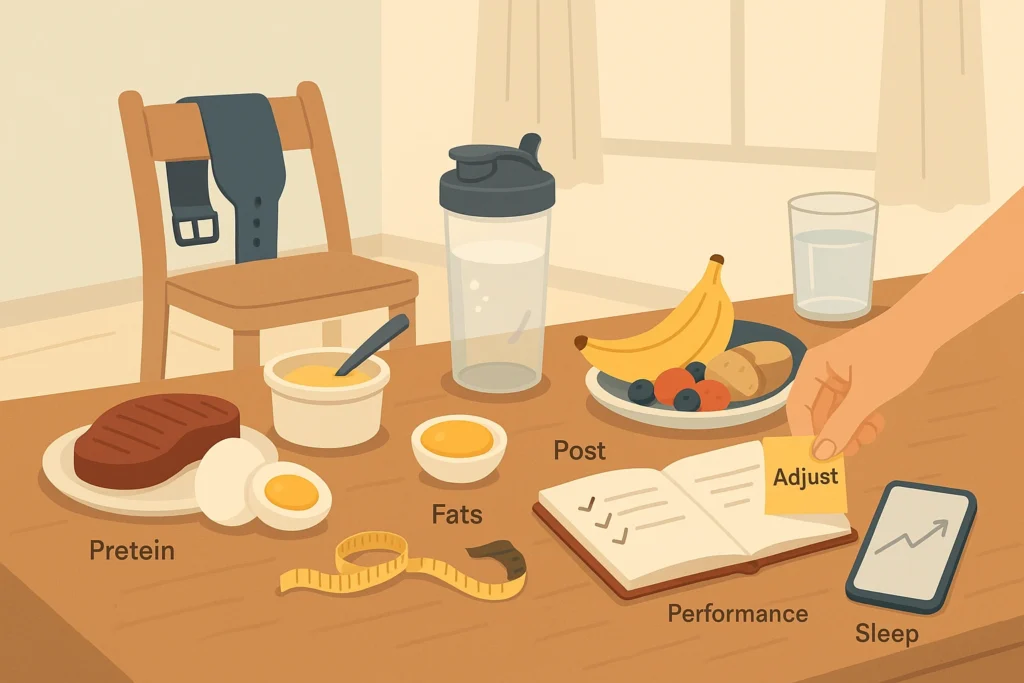
Numbers is our guide, not our ruler. We look at:
- Bodyweight trend over 2 to 3 weeks, not one day spikes
- Waist measurement each Sunday morning
- Performance in key lifts like squat, bench, deadlift, presses, and rows
- Sleep quality and soreness levels
When appetite dips, we add easy calories like extra honey in yogurt or another glass of milk. When digestion stalls, we add bone broth, more fluids, and kiwi or cooked apples. When motivation wobbles, we keep meals simple and tasty so the day still feel doable.
When Animal Based Meets Competition Prep
Weight class athletes needs precision. In the final weeks, we taper carbs on rest days, bias them to training days, and reduce salt slightly only in the last 24 to 36 hours if needed for scale weight. We never slash water early, it harms performance. In power sports, we preserve strength by keeping protein high and using short aggressive cuts only when truly required. The plan must fit the sport, not the other way around.
Closing Thoughts
For athletes who want strength, clarity, and steady meals, an animal based diet for athletes offers a grounded route. The mix of complete protein, supportive fats, and clean carbs makes an animal based diet bodybuilding plan practical and satisfying. If your goal is an animal based diet for muscle gain or you are bulking on animal based diet before a big cycle, set smart macros, cook simply, and adjust slowly. This approach respects training, recovery, and the real life taste of food, which is why it last when other plans fade.

Leave a Reply