
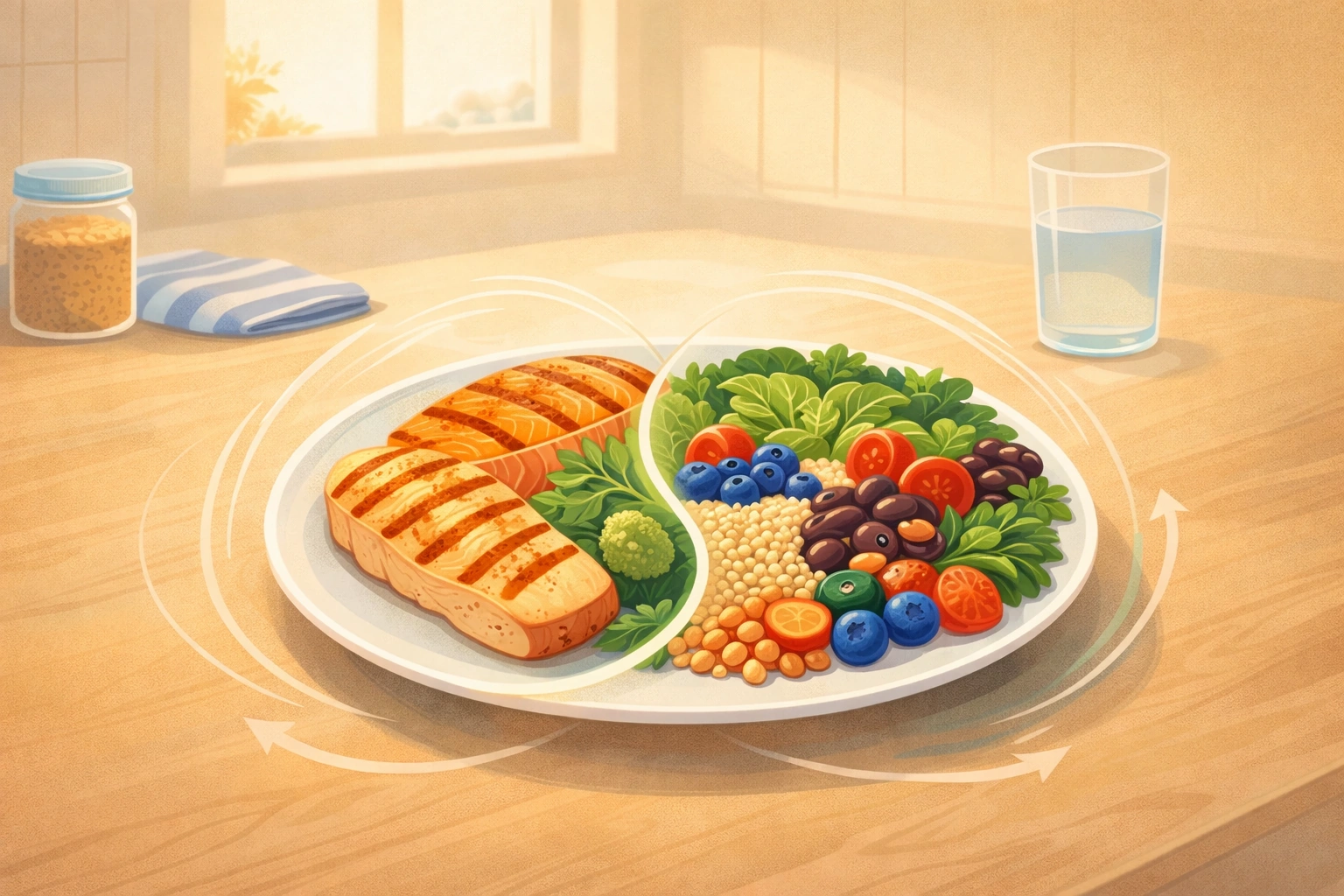

Americans on high-protein diets should eat more fiber, but many of us are completely missing that part of the picture. We load up our plates with chicken breast, protein shakes, cheese, yogurt, and steak, yet forget to add enough beans, vegetables, fruits, and whole grains. That gap does not just affect digestion. It ripple out into blood sugar control, cholesterol levels, weight management, and long term heart and gut health.
Why Americans On High-Protein Diets Should Eat More Fiber
High-protein eating has become normal in gyms, offices, and weight loss clinics across the United States. Protein feels clean and efficient. It helps us feel full, supports muscle recovery, and can help with fat loss when used wisely. But when protein intake climbs, many people cut carbs almost by reflex. And when carbs go down, fiber rich foods often disappear.
Based on current survey data, the average American adult is eating only about 16 to 18 grams of fiber per day, while the Dietary Guidelines for Americans 2020-2025 recommend around 22 to 34 grams daily depending on age and sex. That is a big hole. When we add the fact that millions of Americans follow high-protein, lower-carb patterns, it becomes pretty clear why digestive problems, constipation, and metabolic disease are so common.
High protein without fiber can lead to:
- Sluggish digestion and constipation
- Higher LDL cholesterol and triglycerides
- Poorer blood sugar control over time
- Changes in gut bacteria that might raise inflammation
- Difficulty staying full while “on a cut” or during weight loss
Fiber works quietly in the background. It does not show up on Instagram the way lean grilled steak or protein smoothies does. But for Americans on high-protein diets, eating more fiber might be the missing step that turn a “kind of healthy” plan into something truly protective for long term health.
How High-Protein Diets Affect The Body
To understand why americans on high-protein diets should eat more fiber, we need to look at how protein focused eating changes the body. High-protein diets are not all the same. Some are very low carb and almost animal only. Others are more moderate and include beans and grains. But they do share some common effects.
Benefits Of High Protein Intake
Research in the past few years keeps pointing to real upsides of getting enough protein.
- Better appetite control. Protein is the most filling macronutrient. It increase satiety hormones and slow gastric emptying, helping people naturally eat fewer calories without feeling as hungry.
- Support for lean muscle. When people are strength training or trying to prevent muscle loss as they age, higher protein intake helps preserve or build lean mass.
- Improved weight loss outcomes. Trials have shown that diets with around 25 to 30 percent of calories from protein can improve fat loss compared with lower protein plans, as long as calories are controlled.
- Better recovery from exercise. Protein provides the amino acids needed for muscle repair after workouts or heavy labor.
Based on clinical work and coaching feedback, many people also report more stable energy when they move their breakfast from a pastry and coffee to eggs, yogurt, or cottage cheese with some fruit or oats. So protein definitely has a strong place in a healthy nutrition pattern.
Common Downsides When Fiber Is Low
Problems often show up when someone increases protein but does not keep or raise fiber. That usually happens when they cut out whole grains, beans, fruit, and starchy vegetables, and replace them with meat, cheese, and protein powders.
Possible downsides of high-protein, low-fiber eating include:
- Constipation and bloating. Without enough fiber and fluids, stools become hard and painful to pass. Many people on heavy meat or cheese patterns quietly struggle with this, but assume it is “normal for me”.
- Unfavorable shifts in gut bacteria. When fiber is low, beneficial bacteria have less to ferment. Some studies suggest that more protein reaching the colon can increase byproducts like certain amines, which may not be ideal in large amounts.
- Higher risk markers for heart disease. Fiber helps pull cholesterol out of the body and supports healthier triglyceride levels. Remove it, and lab numbers often trend the wrong direction over time.
- Less stable blood sugar. Lower-carb, high-protein diets can still spike blood sugar if the carbs that are left are refined and low fiber, such as white bread or sugary snacks around workouts.
When we step back, the picture is clear. The problem is not protein by itself. The problem is unbalanced diets that forget the protective role of fiber rich plant foods. That is exactly why americans on high-protein diets should eat more fiber, not as an afterthought, but as a main pillar of the plan.
What Fiber Actually Does In A High-Protein Diet
Fiber is not a single thing. It is a family of different compounds in plant foods that our bodies mostly cannot digest. Different types of fiber behave different ways, but together they help balance the effects of high protein intake.
Soluble vs Insoluble Fiber: Why Both Matter
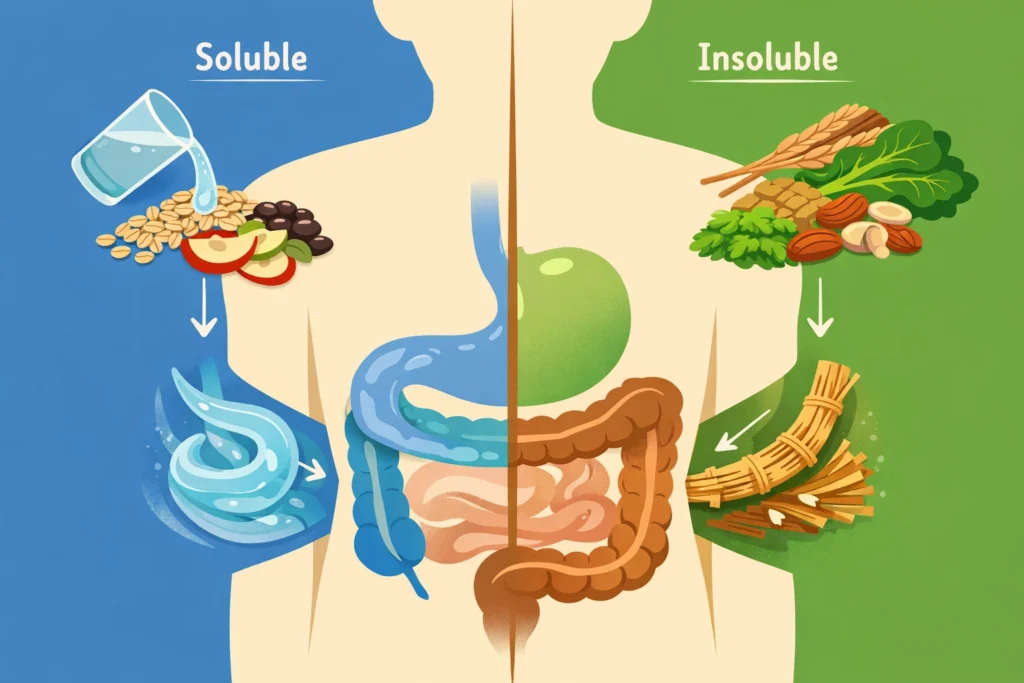
Nutrition labels do not break fiber down into types, but science does. Each type supports people eating higher protein in a slightly different way.
- Soluble fiber forms a gel when mixed with water. It slows digestion, traps some fats and cholesterol, and feeds friendly gut bacteria. Foods rich in soluble fiber include oats, beans, lentils, apples, citrus fruits, and ground flaxseed.
- Insoluble fiber adds bulk and texture to stools. It acts like a gentle broom through the colon, helping prevent constipation, especially common in meat heavy diets. Whole wheat, bran, many vegetables, and nuts are major sources.
Based on how these work, americans on high-protein diets should eat more fiber from both groups. Many heavy gym-goers and keto fans get almost no soluble fiber because they skip oats, beans, and fruit. Others avoid whole grains and lose out on insoluble fiber. Either way, the gut pays a price.
Fiber, The Microbiome, And Protein Fermentation
When we eat more animal protein and less fiber, more undigested protein can reach the large intestine. Certain gut bacteria then ferment that protein, producing compounds like ammonia and other byproducts. Small amounts are normal, but in larger amount they may irritate the gut lining and affect inflammation.
Fiber changes the game here. Fermentable fibers feed beneficial bacteria that produce short-chain fatty acids, especially butyrate. Butyrate is like premium fuel for colon cells. It helps keep the gut barrier strong, supports balanced immune function, and may even lower colon cancer risk.
So when we say americans on high-protein diets should eat more fiber, we are really saying that our gut bacteria need some plant material to work with, so they can do their job and keep the colon healthy while handling the higher protein load.
Cholesterol, Blood Sugar, And Kidney Load
Fiber also play a huge role for heart and metabolic health. Multiple recent studies have linked higher fiber intake to lower risk of heart disease and type 2 diabetes. For example, large observational data sets keep showing that people who eat more whole grains and legumes have lower LDL cholesterol and better long term blood sugar numbers.
High protein intake alone does not automatically harm kidneys in healthy people, but it does increase their workload. When fiber rich foods replace some refined options, they help steady blood sugar and weight, which indirectly protect kidney health. Soluble fiber lowers LDL, while overall fiber rich eating tends to mean less ultra processed food, which helps reduce sodium and harmful fats.
All of these reasons pull in the same direction. To protect heart, gut, and kidney function, americans on high-protein diets should eat more fiber as a built in safety mechanism, not just as an optional “add on”.
How Much Fiber Should High-Protein Eaters Aim For
Most adults would benefit from at least 25 to 30 grams of fiber daily, and many health groups suggest staying near the upper side of that range. For people eating high protein, that target becomes even more helpful.
General daily fiber goals commonly used:
- Women under 50 years: about 25 grams
- Men under 50 years: about 38 grams
- Women over 50 years: about 21 grams
- Men over 50 years: about 30 grams
Many nutrition professionals now take a simpler approach for clients: try to hit about 10 grams of fiber for every 1,000 calories eaten. So if someone on a high-protein, 2,000 calorie plan wants to cover their bases, they would aim for around 20 to 30 grams of fiber.
From practical work, people often feel a real change in digestion and satiety when they move from 10 to 15 grams per day up closer to 25 grams and beyond. Less bloating, better bathroom trips, and a feeling of “lightness” after meals show up once fiber has been bump up for a week or two.
Best High-Fiber Foods That Fit A High-Protein Lifestyle
One reason americans on high-protein diets should eat more fiber is that it is actually not hard to do once we know where to look. We just need to pick fiber rich foods that do not completely push protein off the plate, and that feel doable on busy American schedules.
Fiber Rich Foods That Also Support Protein Needs
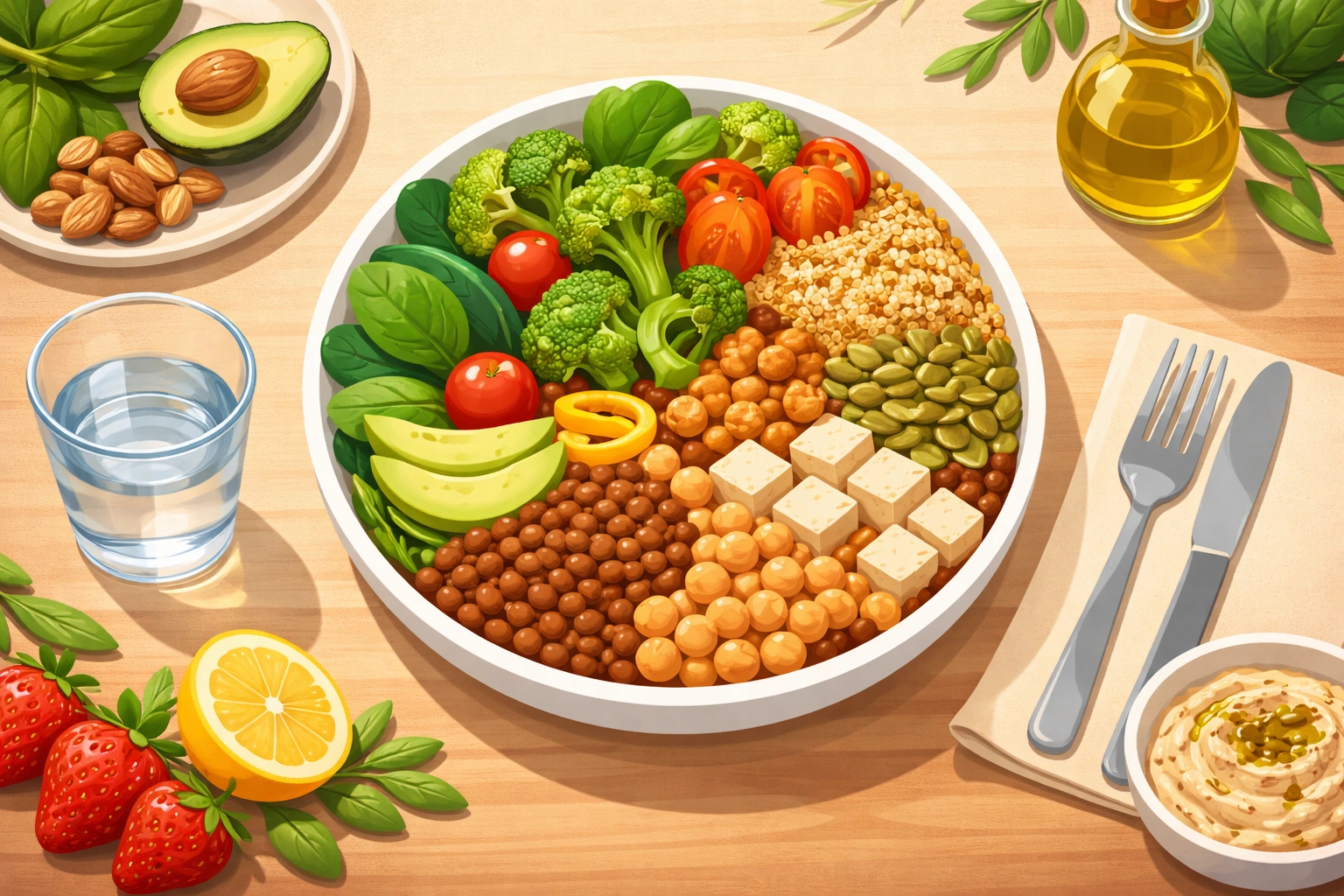
Some foods give a nice mix of plant protein and fiber together. They work great for people trying to balance animal and plant based diets or lower their meat intake just a bit without losing protein
- Lentils – about 15 to 16 grams of fiber and 18 grams of protein per cooked cup.
- Black beans, chickpeas, kidney beans – around 12 to 15 grams of fiber and 14 to 16 grams of protein per cup.
- Edamame (soybeans) – about 8 grams of fiber and 17 grams of protein per cup.
- Split peas – roughly 16 grams of fiber and 16 grams of protein per cup.
These foods fit well even in plans that lean toward animal focused eating. They can appear as a side dish, in soups, or folded into salads. For readers curious about how animal centered patterns compare with more plant heavy ones, there is a deeper breakdown here: https://dietlinic.com/animal-based-diet-vs-plant-based-diet/
Simple Fiber Boosters To Add Around Protein Foods
Even if the main protein is chicken, fish, eggs, or steak, we can still load the rest of the plate with fiber. Useful options include:
- Oats or oat bran at breakfast, paired with Greek yogurt or protein powder
- Berries, pears, apples with the skin, or oranges as snack add ons
- Avocado slices next to scrambled eggs or grilled chicken
- Broccoli, Brussels sprouts, green beans, and carrots roasted in olive oil
- Quinoa, farro, barley, or brown rice under salmon or turkey
- Ground flaxseed or chia stirred into a protein shake
That type of plate naturally lift fiber intake while keeping protein solid. We do not need to swing from one extreme to the other. Instead, we build more plants around our protein core.
Sample 1-Day High-Protein, High-Fiber Meal Plan
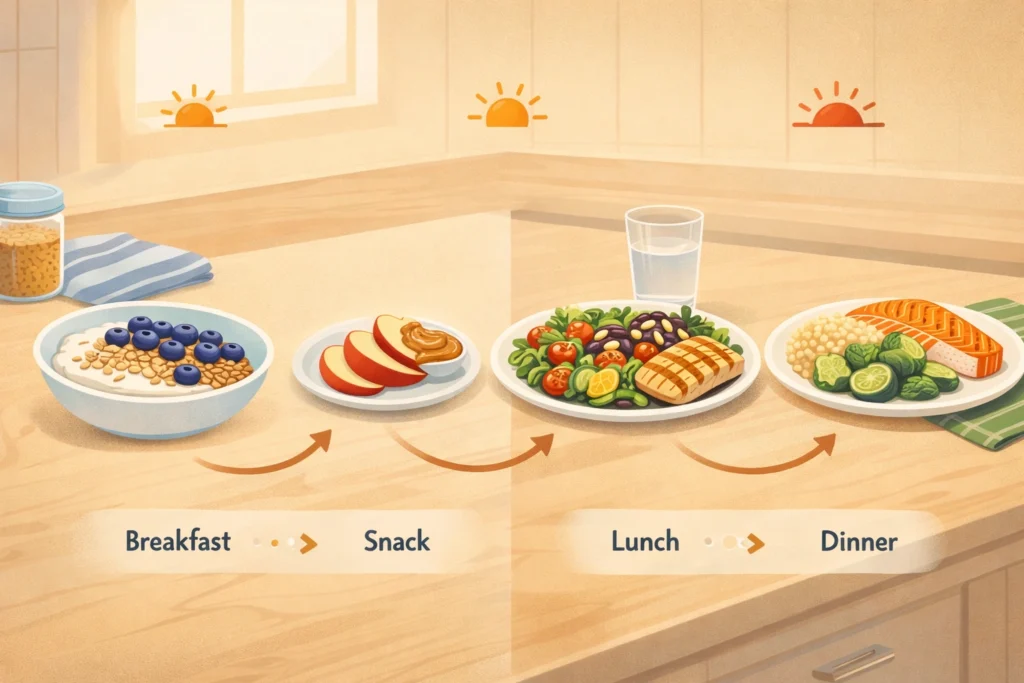
To show how americans on high-protein diets should eat more fiber in real life, here is one simple day that balances both. Numbers are rough estimates and will vary by brand and portion, but they give a useful frame.
Breakfast
Greek yogurt oat bowl
- 1 cup plain Greek yogurt
- 1/2 cup cooked oats
- 1 tablespoon ground flaxseed
- 1/2 cup blueberries
Approx: 30 grams protein, 9 to 10 grams fiber
Snack
Apple with peanut butter
- 1 medium apple with skin
- 1.5 tablespoons natural peanut butter
Approx: 5 grams protein, 5 grams fiber
Lunch
Grilled chicken salad with beans
- 4 ounces grilled chicken breast
- 2 cups mixed greens
- 1/2 cup black beans
- 1/2 cup cherry tomatoes, cucumber, carrots
- Olive oil and vinegar dressing
Approx: 35 grams protein, 12 grams fiber
Snack 2
Cottage cheese and berries
- 1/2 cup cottage cheese
- 1/2 cup raspberries
Approx: 14 grams protein, 4 grams fiber
Dinner
Salmon, quinoa, and veggies
- 5 ounces baked salmon
- 3/4 cup cooked quinoa
- 1 cup roasted Brussels sprouts
Approx: 40 grams protein, 11 to 12 grams fiber
Total for the day: roughly 124 grams protein and around 40 grams fiber. This covers typical protein goals for many active adults while far exceeding the average American fiber intake.
How To Add More Fiber Without Gut Discomfort
There is a catch that many people run into. When someone hears americans on high-protein diets should eat more fiber, they sometimes jump from 5 or 10 grams a day to 35 grams almost overnight. The result can be cramping, gas, and bloating. The gut microbiome and the intestines need time to adjust.
To avoid that, it helps to follow three simple rules.
Increase Fiber Gradually
Raise fiber by about 5 grams every few days, instead of everything at once. For example, add a small side of beans at dinner for a few nights, then move to whole grain toast instead of white, then bring in a piece of fruit daily. Steady, gentle changes allow gut bacteria to adapt slowly, with less discomfort.
Drink More Water
Fiber absorbs water. If hydration stays low while fiber intake climbs, stools can actually get harder at first. Sipping plain water or herbal teas during the day, and adding an extra glass with higher fiber meals, usually helps a lot. Urine should be pale yellow most of the time. If it is dark, that is often a sign of not drinking enough.
Spread Fiber Over The Day
Rather than pushing all fiber in one giant bean heavy dinner, spread it across breakfast, lunch, dinner, and snacks. This reduce bloating and gives the gut a more even workload. A fruit at breakfast, a grain at lunch, veggies at dinner, and a nut or seed based snack gives a balanced pattern.
High-Protein Diet Styles And Where Fiber Fits
Not all high-protein diets treat fiber the same. Some patterns make it easier to include fiber, others require more planning.
High-Protein, Moderate-Carb Diets
These plans usually keep carbs around 30 to 45 percent of calories and emphasize lean proteins. They naturally allow room for oats, beans, lentils, fruits, and whole grains. For many Americans this style is the most realistic, and it aligns well with national dietary guidelines.
People on these plans can reach fiber goals simply by picking whole grain versions of foods they already like, adding a serving of beans several times per week, and eating fruit most days.
High-Protein, Low-Carb Or Keto Influenced Diets
This is where americans on high-protein diets should eat more fiber often becomes a direct challenge. Some low carb followers cut out almost every fiber rich starch and fruit, and rely mainly on meat, cheese, eggs, oils, and low fiber salad greens.
Even in a carb restricted frame, it is still possible to eat more fiber:
- Use non starchy vegetables generously: broccoli, cauliflower, leafy greens, Brussels sprouts, asparagus, green beans.
- Include avocado, chia, flax, and nuts for higher fiber and healthy fats.
- Consider small portions of lower net-carb berries if carbs allow.
Readers curious about how animal oriented, keto style eating and fiber can interact may also want a look at this comparison: https://dietlinic.com/animal-based-diet-vs-keto-which-is-better/
Mostly Animal-Based Diets
Some people follow very meat centered patterns for weight loss or autoimmunity concerns. These can be extremely low fiber unless they include certain fruits or honey as allowed “carbs”. There is an overview of how this type of eating works here: https://dietlinic.com/animal-based-diet/
In these cases, anyone considering such a pattern should work closely with a health professional. Long term, near zero fiber diets may carry risks, especially for colon health, though research is still emerging. For many people, a more moderate approach that keeps some fruit and low starch vegetables could be a safer middle road.
Real-World Signs You Need More Fiber On Your High-Protein Diet
A lab test is not always needed to know if fiber is missing. The body often sends clear signals. If several of these are familiar, it may be time to take the “americans on high-protein diets should eat more fiber” message more personal.
- Constipation or needing to strain during bowel movements
- Feeling like you did not fully empty after going to the bathroom
- Very hard or very tiny pellet like stools
- Frequent hemorrhoids or anal fissures
- Chronic mild bloating that gets worse after heavy meat meals
- Needing a lot of coffee just to stay regular
- Feeling starving between high-protein meals, even with enough calories
These experiences can come from many causes, but low fiber is a common factor that is relatively simple to address. In clinic style settings, just adding more beans, vegetables, fruit, and whole grains often improves these symptoms within one to two weeks.
Putting It All Together: A Balanced High-Protein, High-Fiber Lifestyle
When we look at the research and at daily life, it becomes very clear why americans on high-protein diets should eat more fiber. Protein supports muscle, metabolism, and appetite control. Fiber supports the gut, heart, blood sugar, and long term disease risk. Both have a place, and they work best together, not in competition.
For most Americans, high-protein does not need to mean low-carb and low-fiber. It can simply mean:
- Centering each meal around a good protein source, plant or animal.
- Covering at least half the plate with vegetables or fruit.
- Choosing whole grains instead of refined ones most of the time.
- Including beans, lentils, or peas several times per week.
- Using nuts, seeds, and high fiber fruits as snacks instead of ultra processed options.
Over time, those choices add up. Digestion improves, energy feels smoother, lab results often shift in the right direction, and people report feeling more satisfied with their food. Americans on high-protein diets should eat more fiber not because of a trend, but because our bodies plainly function better when both protein and plants are in steady supply on our plates.

Leave a Reply