

Many people search “what is the best diet pill to lose weight” because they feel stuck. Maybe the scale has not moved in months, or cravings seem too strong after a long work day, or there is just not enought time for meal prep and gym. Diet pills sound like a quick way out, but the real story is way more complicated, and sometimes a bit messy.
What do we really mean by “the best diet pill”
When someone ask what is the best diet pill to lose weight, they usually mean more than just fast fat loss. Most of us actually want:
- Safe and steady weight loss without scary side effects
- Help with appetite and cravings so we dont feel miserable all day
- Something that works in real life with family, job, stress and social events
- Results that stay, not just 10 pounds gone then 15 pounds come back
So the “best” pill is not only about how much weight people lose in a study. It has to match your health, your budget, your habits, and your mental relationship with food. That is why no single pill works for everyone, no matter what ads on social media say.
Types of diet pills and how they work

Diet pills are not all the same. Some are prescription drugs, some are over the counter supplements, and some are shady products that should probably be in the trash. To know what is the best diet pill to lose weight for you, it helps to know how each category works.
1. Prescription weight loss medications
These drugs are approved by the FDA for people who meet certain criteria. Usually that means BMI of 30 or higher, or 27 plus a weight related health problem like type 2 diabetes or high blood pressure. They must go through strict safety and efficacy testing, although no medicine is risk free.
GLP-1 agonists (semaglutide, tirzepatide, liraglutide)
GLP-1 medications have changed the weight loss conversation in the last few years. Brand names include Wegovy, Ozempic (for diabetes but used off label for weight loss), and Mounjaro (tirzepatide).
How they work:
- Slow down stomach emptying so you feel full longer after meals
- Act on hunger centers in the brain to reduce appetite
- Help control blood sugar and insulin spikes, which can calm cravings
Recent data from 2023 clinical trials show semaglutide and tirzepatide can lead to an average weight loss of 15 to 22 percent of starting body weight when combined with lifestyle changes. For someone at 220 pounds, that may mean 30 to 45 pounds or more over 1 to 1.5 years.
Common side effets include nausea, vomiting, diarrhea, constipation, and sometimes reflux. These often improve over time, but not always. There are also rare, serious risks like pancreatitis and gallbladder issues. People with a history of certain thyroid cancers should not use these. This is why these medicines always need doctor supervision and regular follow up.
Orlistat (Xenical, Alli)
Orlistat works in your gut, not your brain. It blocks about 25 to 30 percent of fat from being absorbed from food. That undigested fat is then excreted in stool.
Average weight loss with orlistat is more modest, usually 5 to 10 percent of starting weight over a year when paired with reduced calorie diet. That may not sound huge, but even a 5 to 7 percent loss can lower diabetes risk and improve blood pressure.
Side effects are mostly digestive: oily stools, gas, cramps, and urgent bathroom trips, especially if you eat a high fat meal. That alone makes some people eat less fried and fast food because they dont want a surprise. Orlistat can also affect absorption of fat soluble vitamins (A, D, E, K), so a multivitamin may be advised.
Other prescription options
There are combination drugs like phentermine-topiramate and naltrexone-bupropion. They work on both appetite and reward pathways in the brain. Weight loss results can be solid, often 8 to 12 percent of total body weight, but they can have side efects such as increased heart rate, mood changes, or insomnia. They should not be used without medical screening and regular checkups.
2. Over the counter diet pills and fat burners
These are the pills we see stacked on store shelves and pushed hard online: “metabolism boosters,” “fat burners,” carb blockers, appetite suppressant gummies. They usually combine caffeine, green tea extract, fiber, yohimbine, synephrine, L-carnitine, or herbal blends.
Typical claims:
- Speed up metabolism so you burn more calories at rest
- Suppress appetite so you eat less
- Increase energy for workouts
The big problem: Many of these claims are based on tiny, short-term studies, or on research in animals. Some ingredients, like caffeine and green tea extract, can help burn a small extra amount of calories, but the total effect is usually modest, like 50 to 100 calories per day. That will not overcome a heavy fast food habit or nightly snacking.
Safety can also be a worry. High doses of stimulants may cause anxiety, high blood pressure, rapid heart beat, and sleep problems. There have been reports of liver damage from certain “natural” products that mix many herbs in undisclosed amounts. Supplements are not regulated as strictly as medicines in the United States, so quality can vary a lot.
3. Fiber, protein and “food like” helpers
Technically, some of the most useful “diet pills” are not pills at all. They are nutrients that help control appetite and blood sugar when used in smart ways.
Examples:
- Glucomannan (a soluble fiber) that swells with water, helping you feel full
- Whey or plant protein shakes that reduce hunger and help maintain muscle
- Slow digesting carbs like oats and beans that smooth out energy during the day
These dont cause dramatic, overnight weight loss, but they support a calorie deficit in a more gentle, sustainable way. For many people, this is actually closer to what is the best diet pill to lose weight really looks like long term.
How to decide if diet pills are right for you
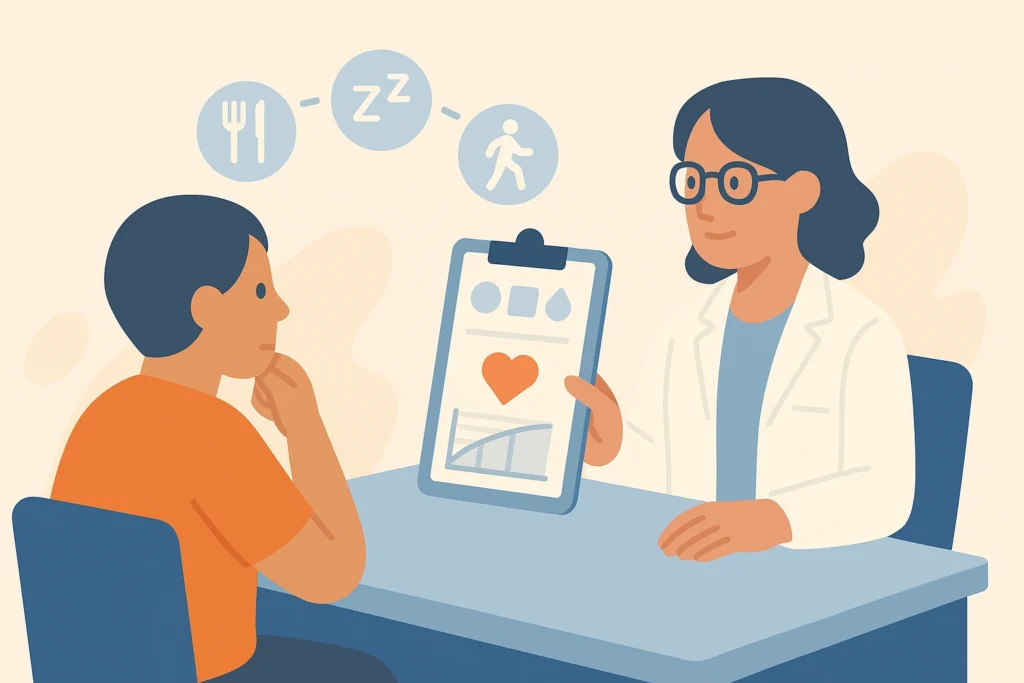
Before asking what is the best diet pill to lose weight, we should ask a few deeper questions about health and lifestyle. Pills work on top of habits, not in place of them. Here is how we usually guide people through the decision.
Check your health profile first
Key points your doctor will look at:
- BMI and waist size
- Blood pressure and heart health
- Blood sugar, insulin resistance, or diabetes
- Liver, kidney, and thyroid function
- Medications you already take
- History of eating disorders or serious mood disorders
For someone with obesity and type 2 diabetes, a GLP-1 medicine may be one of the best tools. For a person just looking to drop 5 vanity pounds before a vacation, strong diet pills might be more risk than benefit.
Look at your food pattern honestly
We often see people hope a pill will cancel out late night drive through or constant soda. But medications work far better when someone is already trying to:
- Eat more whole foods (lean protein, vegetables, fruits, whole grains)
- Cut back sugary drinks and ultra processed snacks
- Get at least some movement during the week
If those basics are not in place at all, pills can feel like pouring water into a bucket with a hole. It may still help a bit, but not as much as it could.
What is the best diet pill to lose weight for different goals
Instead of one magic answer, it makes more sense to match options to specific situations. Here are some common scenarios and how we usually think them through.
For significant obesity with health issues
Someone with BMI over 30, or 27 plus conditions like high blood pressure, sleep apnea, or diabetes, might benefit most from a prescription solution combined with lifestyle coaching.
Potentially helpful options:
- GLP-1 agonists like semaglutide or tirzepatide for strong appetite reduction and blood sugar control
- Phentermine-topiramate or naltrexone-bupropion if GLP-1 is not available or appropriate
- Orlistat if heart rate or mood side effects from other medications are a concern
In these cases, the “best” pill is often the one that the person can tolerate long term, that fits insurance coverage or budget, and that supports medical conditions, not hurt them.
For moderate weight loss and strong cravings
Some people have normal lab results but struggle with intense cravings, emotional eating, or binge episodes. Here, aggressive diet pills can sometimes backfire by adding anxiety or sleep issues.
We might look at:
- A gentler prescription medicine with lower stimulant properties
- Structured eating patterns high in protein and fiber to naturally blunt hunger
- Therapy or coaching for emotional eating triggers
- Targeted supplements like fiber capsules or protein shakes more than hardcore “fat burners”
For this group, what is the best diet pill to lose weight is often less about speed and more about emotional safety and building trust with food again.
For small weight loss and fitness goals
If someone wants to lose 5 to 15 pounds, and does not have metabolic disease, we usually focus heavy on habit change. That can include different diet patterns like an animal based diet for weight loss or a more plant centered plan, depending on preference and health.
Helpful “pill like” tools may be:
- Extra fiber to help with fullness during a calorie deficit
- One daily protein shake to control afternoon or late night snacking
- Moderate caffeine from coffee or tea instead of high dose stimulants
In this group, a strong diet pill is rarely the best first step. The risk benefit balance just is not great for a small cosmetic goal.
How much weight can diet pills really help you lose
Marketing often promise 30 pounds in 30 days. Real science looks different. When people follow both medication and nutrition guidance, realistic average results look like this:
| Type of product | Average weight loss (1 year) |
|---|---|
| GLP-1 medications (semaglutide, tirzepatide) | 15 to 22 percent of starting weight |
| Other prescription pills | 8 to 12 percent of starting weight |
| Orlistat | 5 to 10 percent of starting weight |
| Over the counter fat burners | Usually 0 to 5 percent (often similar to diet alone) |
| Diet plus structured lifestyle coaching only | 5 to 10 percent, sometimes more |
Numbers vary a lot depending on adherence, food choices, physical activity, stress and sleep. People who combine medicine with strong lifestyle support often do best. Those who rely only on the pill and dont change other habits usually see limited or short lived results.
Risks and red flags to watch for
Whenever we talk about what is the best diet pill to lose weight, we also have to talk about what can go wrong. Even a safe medication becomes unsafe when misused, and supplements can hide more than they help.
Medical risks
Potential issues include:
- Raise heart rate or blood pressure, especially with stimulants
- Worsen anxiety, panic, or insomnia
- Liver or kidney stress from unknown herbal blends
- Serious digestive problems, dehydration, or electrolyte imbalances
- Interference with other medications like blood thinners or antidepressants
Anyone with heart disease, uncontrolled blood pressure, arrhythmias, or significant mental health history should be extra careful. Always talk with a medical professional before starting any weight loss pill, even if it is “just a supplement.”
Psychological and emotional risks
Diet pills can also have subtle emotional efects. Some people begin to feel that their body only “works” when they are on a pill. This can weaken long term confidence around food and movement. Others may push extreme calorie cuts because they think the pill will “cover” it, leading to binges or deep fatigue.
We see better long term success when the conversation includes body respect, not just body size. Weight loss is often linked to hopes about confidence, relationships, or self worth. A pill cannot fix those by itself, and trying to make it do so can lead to disappointment or burnout.
How to use diet pills safely and effectively
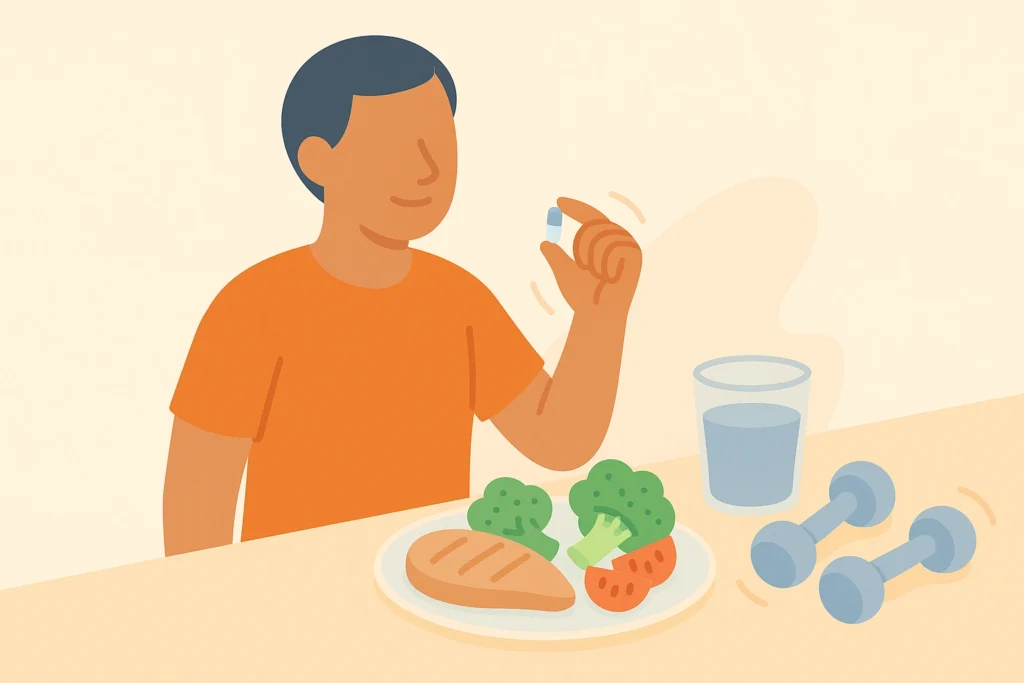
If you and your doctor decide that a weight loss medication makes sense, there are practical ways to use it wisely so you get more benefit and less stress.
Start low and go slow
For prescription drugs, doctors usually begin at a low dose and increase gradually. This helps your body adjust and can reduce side effects like nausea or dizziness. Skipping ahead to higher doses to “speed things up” often backfires.
Pair with a realistic eating pattern
Diet pills work best when they support a way of eating that you can live with, not suffer through. That might be:
- A higher protein plan with simple home cooked meals
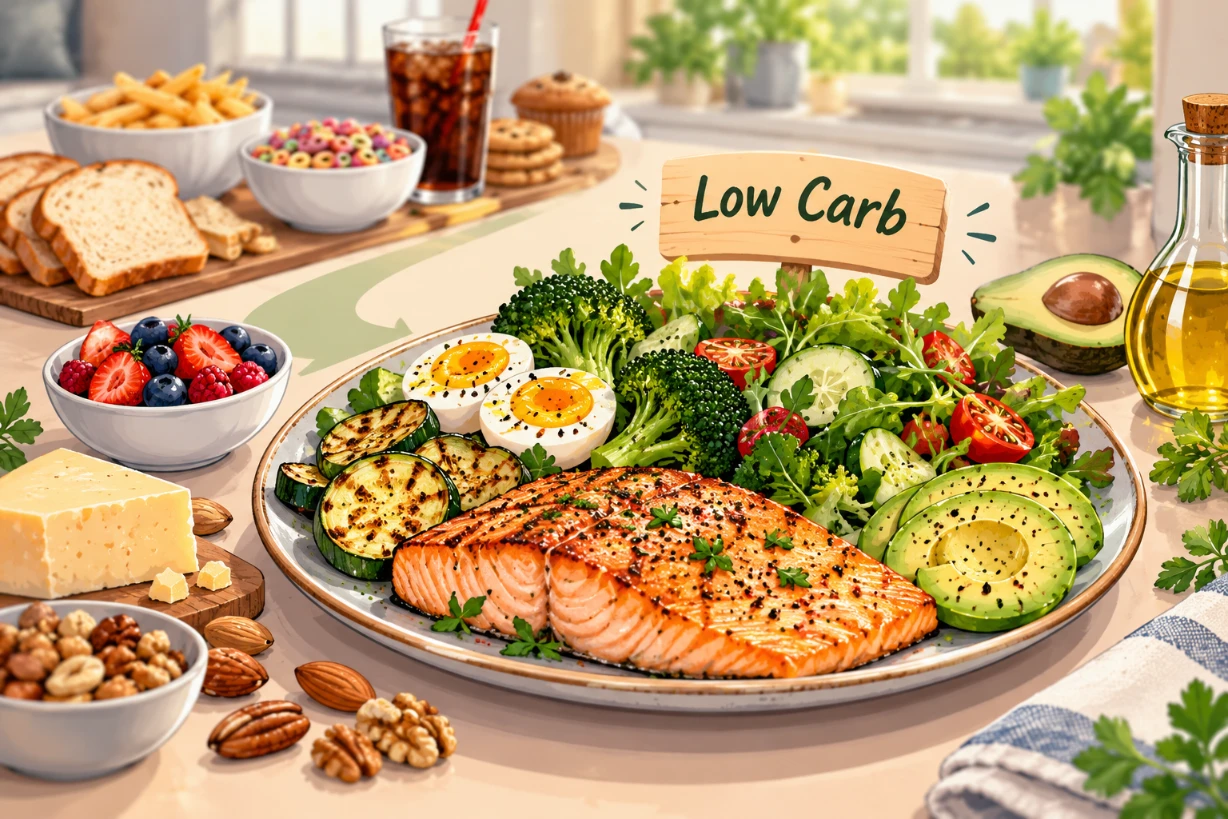
- A lower carb focus if blood sugar is an issue
- An animal based or plant forward pattern, as long as nutrients are covered
(we compare these options in detail at animal based diet vs plant based diet)
Whatever pattern you choose, the goal is a gentle calorie deficit that feels doable, not punishment.
Guard your muscle, not just your scale number
Rapid weight loss can include muscle loss if protein and strength work are too low. Keeping muscle is key for metabolism, strength, and healthy aging.
Helpful habits:
- Include protein at each meal, about 20 to 30 grams for most adults
- Do some resistance training 2 to 3 times per week, even simple bodyweight moves at home
- Stay hydrated, especially if using medications that affect digestion
Plan for life after the pill
This is the piece many programs gloss over. For a lot of people, stopping medication causes some return of appetite and some weight regain. That is not failure, it is just biology. The brain defends your old set point to some degree.
A thoughtful plan often includes:
- Slow taper of the drug dose if your doctor agrees
- Extra focus on food structure during and after taper
- Regular weigh ins or waist measurements without obsessing over daily flukes
- Support from a dietitian, coach, or support group
In some cases, long term low dose medication may be the healthiest choice, much like blood pressure pills or statins. That is a personal decision made with your health care team.
What diet pills can not do
To keep expectations grounded, it helps to be very honest about what even the “best” diet pill can never provide.
Diet pills can not:
- Change deeply rooted habits like emotional eating without some self work
- Make ultra processed food truly “free” in terms of calories
- Guarantee the same result for every body, even on the same dose
- Replace the benefits of movement for heart health, mood and sleep
- Resolve body image struggles all by themself
What they can do, when used well, is give breathing room. They can quiet the constant food noise some people feel in their head all day. They can make it easier to say no to third helpings or late night snacking. They can make room for habits to grow where before there was just constant hunger.
Signs a diet pill might be helping in a healthy way
The result we look for is not only on the scale. Helpful signals include:
- You feel calmer around food, not more anxious
- Your meals are more structured and satisfying
- You sleep as well or better than before
- Your labs (blood sugar, cholesterol, blood pressure) are improving
- You can picture continuing your general habits a year from now
If instead you feel constantly wired, depressed, guilty, or obsessed with the next weigh in, that is a sign something in the approach need to change, even if the scale is moving down.
Putting it all together: so what is the best diet pill to lose weight
When we look at current science, prescriptions like GLP-1 agonists give the strongest average results for significant weight loss, especially in people with obesity and metabolic issues. For many, that is the best diet pill to lose weight from a pure numbers view.
But from a whole person view, the best choice is more specific. It is the option that:
- Aligns with your medical history and lab results
- Fits your budget and access to care
- Respects your mental health and relationship with food
- Supports, rather than replaces, a practical eating and movement plan
Sometimes that is a powerful prescription. Sometimes it is a mild supplement paired with coaching. Sometimes it is not a pill at all, but a structured food pattern that finally clicks, like an animal based diet or a more plant centered plan, tested and tweaked until it fits your life.
If you are still asking yourself “what is the best diet pill to lose weight for me,” a frank talk with a trusted health professional can be a good next step. Bring your questions, your fears, your goals, and be open about your daily habits. The right answer will be the one that matches your body, your mind, and your real life, not just a promise on a bottle.





Leave a Reply