
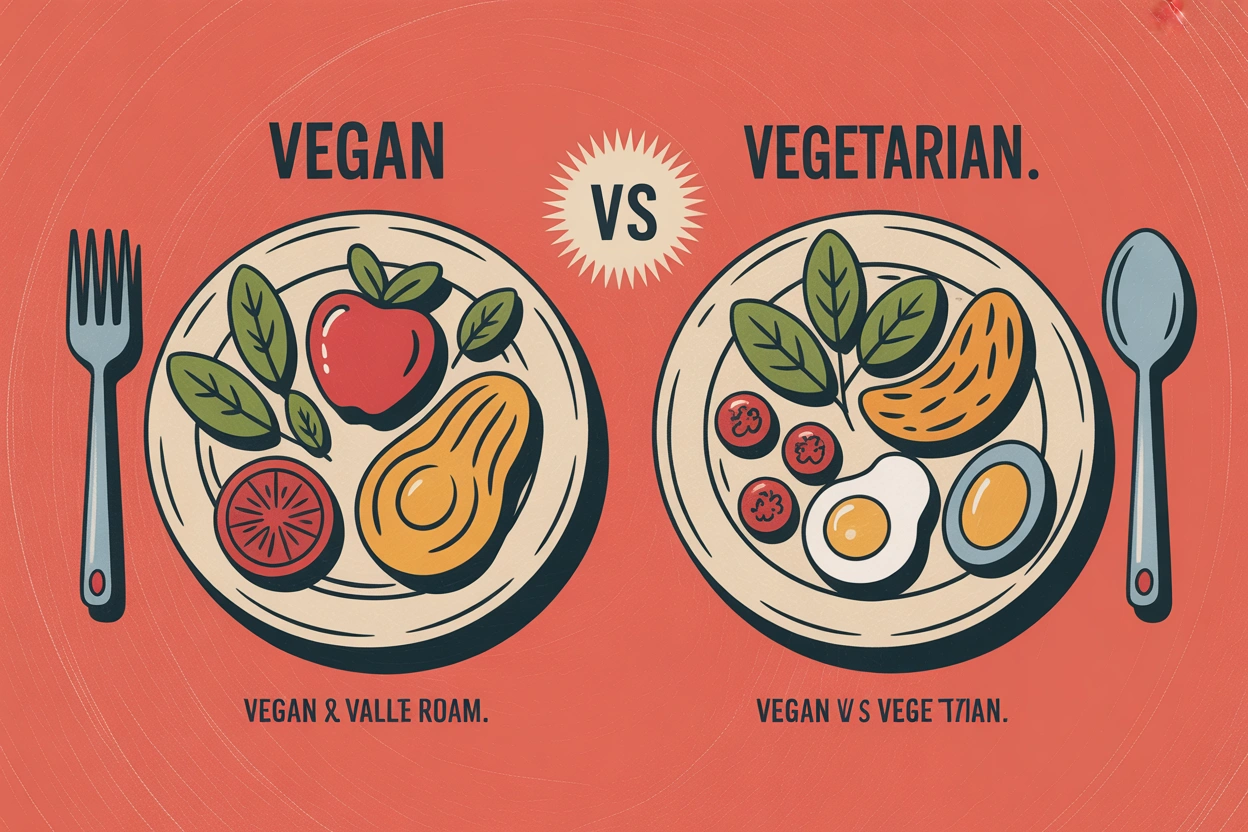

Many people who care about health, animals, and the planet eventually ask the same question: what is the difference between vegan and vegetarian diets. On the surface they seem very similar, but when we look closer, the two eating patterns can lead to very different food choices, nutrient needs, and social experiences.
What is the difference between vegan and vegetarian diets in simple terms
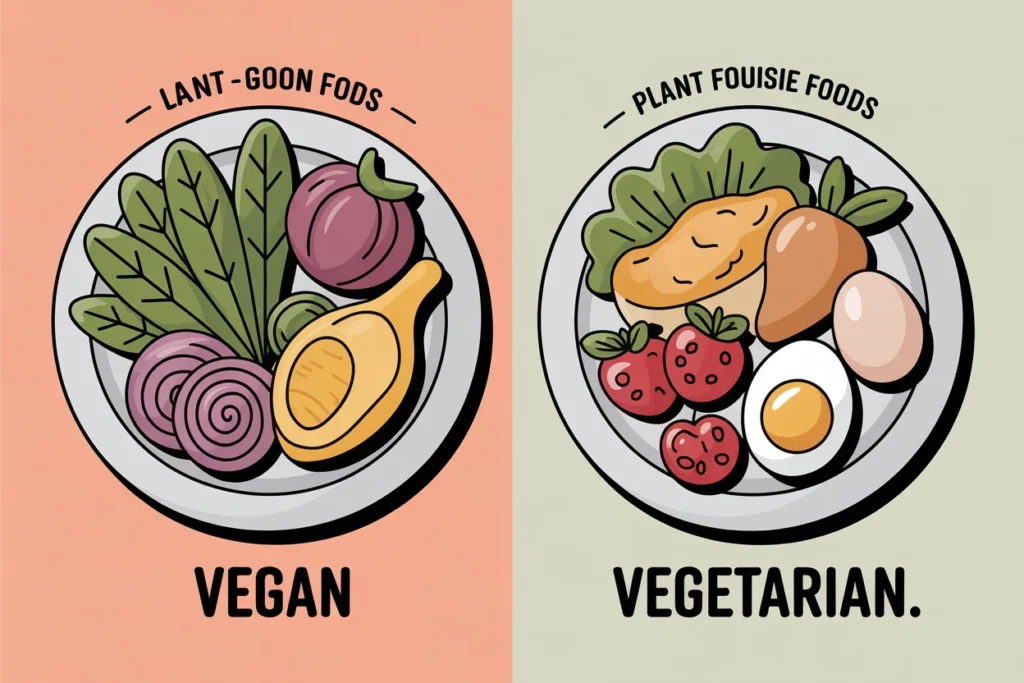
The simple version: vegetarians avoid meat, while vegans avoid all animal products.
More specifically:
- Vegetarian diet: excludes meat, poultry, and fish, but usually includes dairy products and eggs.
- Vegan diet: excludes all animal-derived foods. That means no meat, fish, dairy, eggs, honey, gelatin, or animal-based additives.
Both eating patterns can be healthy and nutrient dense, but they require different levels of planning. Vegan diets need more careful attention to a few key nutrients like vitamin B12, iodine, calcium, and omega 3 fats. Vegetarian diets can be a little bit easier for beginners, since dairy and eggs provide some of those nutrients.
Main types of vegetarian diets and how they differ from vegan
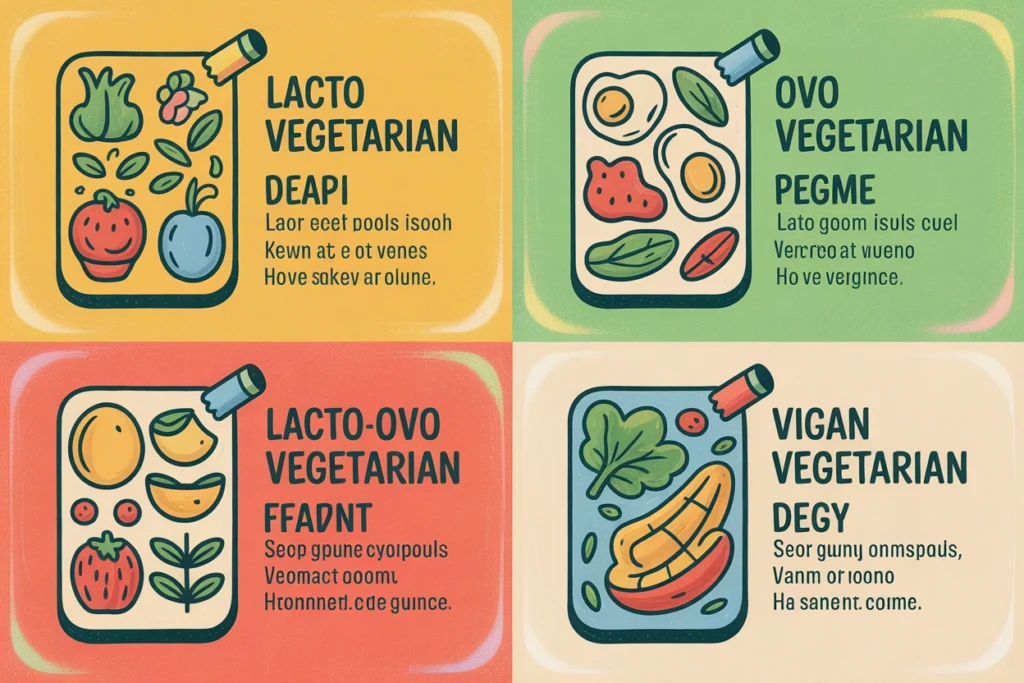
When we ask what is the difference between vegan and vegetarian diets, we also need to remember that there is not just one vegetarian pattern. Several common types exist, each with there own rules.
Lacto vegetarian
Lacto vegetarians avoid meat, poultry, fish, and eggs, but they do eat dairy products such as milk, yogurt, cheese, and butter. In many cultures, especially in parts of India, this pattern is very common.
Key difference from vegan: vegans do not consume any dairy at all, while lacto vegetarians still rely on dairy as a main protein and calcium source.
Ovo vegetarian
Ovo vegetarians avoid meat, poultry, fish, and dairy, but they do eat eggs. Someone might choose this pattern if they are lactose intolerant or have a dairy allergy but still want an animal based source of protein that does not involve killing an animal directly.
Key difference from vegan: vegans avoid eggs because they come from animals, while ovo vegetarians consider eggs acceptable.
Lacto ovo vegetarian
This is the most common vegetarian diet in the United States. Lacto ovo vegetarians avoid meat, poultry, and seafood, but include both dairy and eggs. Many restaurant vegetarian options are planned with this pattern in mind, like cheese pizza, omelets, or yogurt bowls.
Key difference from vegan: vegans would skip all these foods and choose plant based proteins instead, like tofu scramble instead of eggs or cashew cheese instead of dairy cheese.
Pescatarian and flexitarian (not quite vegetarian or vegan)
Many people lump pescatarians and flexitarians in with vegetarians, but technically they are different:
- Pescatarians: avoid meat and poultry but still eat fish and seafood, plus often eggs and dairy.
- Flexitarians: follow a mostly plant based pattern but still eat meat and animal foods occasionally.
Compared with vegan diets, both of these patterns allow more animal choices and may bring in extra omega 3 fats from fish, but they also do not deliver the same level of animal-rights or environmental focus that strict vegans often aim for.
Key food differences on a daily plate
One practical way to see what is the difference between vegan and vegetarian diets is to look at typical meals. How does breakfast, lunch, and dinner change.
Breakfast comparison
Vegetarian breakfast examples:
- Greek yogurt with fruit and granola
- Omelet with vegetables and cheese
- Oatmeal cooked with cow’s milk and topped with honey
Vegan breakfast alternatives:
- Oatmeal cooked with soy or almond milk, topped with peanut butter and berries
- Tofu scramble with veggies instead of eggs
- Chia pudding made with plant milk and maple syrup
The base grains and fruits are similar, but the protein sources change a lot. Vegetarian diets lean on yogurt, cheese, and eggs, while vegan patterns use tofu, tempeh, legumes, and plant yogurts.
Lunch and dinner comparison
Vegetarian choices might include:
- Cheese quesadilla or bean and cheese burrito
- Vegetable lasagna with ricotta and mozzarella
- Stir fry with tofu and a side of egg fried rice
Vegan options shift to:
- Black bean burrito with guacamole, no cheese or sour cream
- Pasta with lentil Bolognese and a cashew based “ricotta”
- Stir fry with tofu, vegetables, and brown rice without egg
So in every meal, the vegan pattern exchanges animal sourced proteins and fats for plant-based ones. Over a week, that difference adds up in terms of saturated fat, fiber, and certain vitamins and minerals.
Nutritional differences: where vegan and vegetarian diets diverge
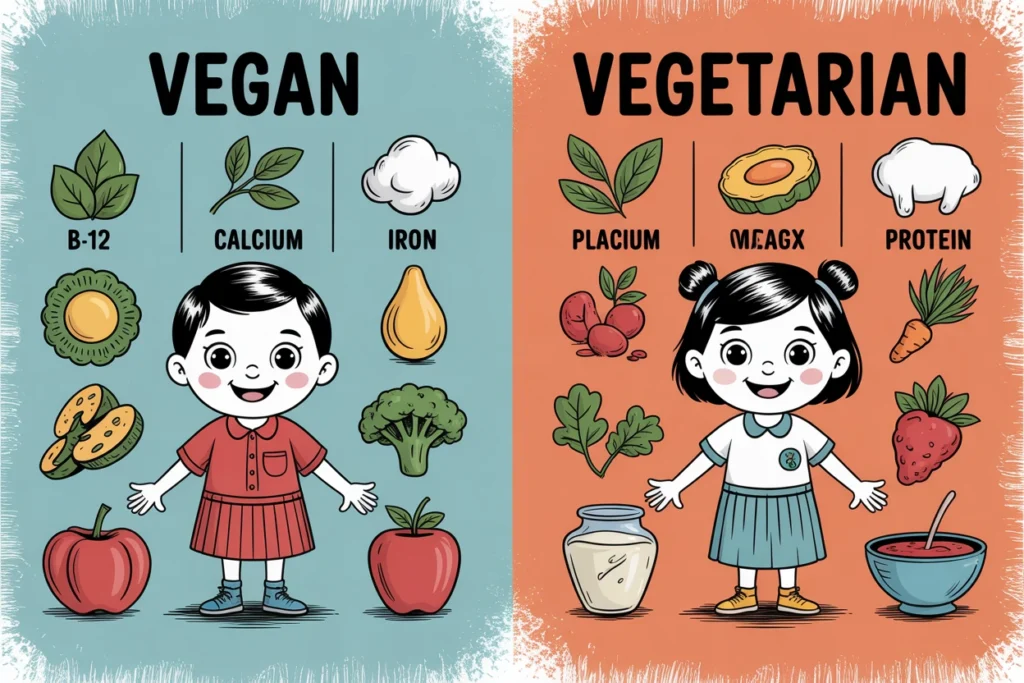
Both patterns can supply enough nutrients, but they do it in different ways. Based on current research and also what many dietitians report in practice, we can break the main differences into a few key nutrients.
Protein quality and variety
Vegetarian diets usually get protein from:
- Dairy products (milk, yogurt, cheese)
- Eggs
- Beans, lentils, soy foods, nuts, and seeds
Vegan diets rely fully on plant sources:
- Legumes (beans, lentils, chickpeas, peas)
- Soy products (tofu, tempeh, edamame, soy milk)
- Nuts, seeds, and nut butters
- Whole grains like quinoa, farro, and oats
Research published in 2023 in the journal Nutrients suggests that well planned vegan diets can meet or exceed protein needs for most healthy adults, especially when they include soy products and a mix of legumes and grains. The main challenge can be for people with higher protein needs, like strength athletes or older adults trying to prevent muscle loss. They need to be more intentional about portions and frequency of protein rich foods.
Vitamin B12
Vitamin B12 stands out as one of the clearest answers when we ask what is the difference between vegan and vegetarian diets.
- Vegetarians usually get B12 from dairy, eggs, and sometimes fortified foods.
- Vegans get almost no natural B12 from their food unless they consume fortified products or take a supplement.
The Academy of Nutrition and Dietetics and other major health groups recommend that vegans take a reliable B12 supplement or consume several servings per day of B12 fortified foods, such as fortified plant milks, breakfast cereals, or nutritional yeast.
Calcium and vitamin D
Dairy is a major source of calcium and vitamin D in the typical American diet. This means:
- Vegetarians who include milk, cheese, and yogurt often meet their calcium intake more easily, especially if they also spend time in sunlight for vitamin D.
- Vegans need to rely on fortified plant milks, calcium set tofu, leafy greens like kale and bok choy, and possibly supplements to cover their needs.
A 2022 review in Frontiers in Nutrition found that vegans on average had a lower calcium intake than vegetarians and omnivores, and a slightly higher risk of lower bone mineral density, especially if they did not use fortified foods or supplements. On the other hand, vegans who plan well and include resistance training can still maintain strong bones over time.
Iron and zinc
Iron and zinc are found in both plant and animal foods, but animal sources are more easily absorbed.
- Vegetarians benefit from egg yolks and dairy for some zinc and iron (although dairy does not contain much iron).
- Vegans depend more on beans, lentils, whole grains, tofu, nuts, seeds, and dark leafy greens.
Plant based iron is the non heme form, which is less bioavailable. Pairing these foods with vitamin C sources, like citrus fruits or bell peppers, improves iron absorption. Many experienced vegans get into the habit of adding lemon juice, tomatoes, or fruit to iron rich meals for this reason.
Omega 3 fatty acids
One more difference between vegan and vegetarian diets comes from omega 3 fats, especially EPA and DHA, which support heart and brain health.
- Most vegetarians still avoid fish, so they also do not get direct EPA and DHA, but they do get alpha linolenic acid (ALA) from flaxseeds, chia seeds, walnuts, and canola oil. Some also use eggs that are enriched with omega 3.
- Vegans use the same plant ALA sources. Some choose an algae based DHA/EPA supplement, which can be helpful for people who are pregnant, breastfeeding, or have higher cardiovascular risk.
Health benefits and risks: where research stands now
Both vegan and vegetarian diets have been studied for decades. Large observational studies and some controlled trials can help us see where the patterns overlap and where they might differ in health outcomes.
Cardiovascular health
A 2023 paper in the European Heart Journal looked at plant based diets and heart disease risk. Both vegetarians and vegans tend to have:
- Lower LDL cholesterol
- Lower blood pressure
- Lower body mass index
Vegans often have the lowest LDL levels of all, because they completely remove animal fats and frequently consume higher fiber from whole plants. That higher fiber intake helps remove cholesterol from the body and improves insulin sensitivity.
Type 2 diabetes and blood sugar control
Plant forward diets, especially those rich in whole grains, beans, and vegetables, are linked with lower risk of type 2 diabetes. A 2022 meta analysis in the journal Diabetologia found that vegan and vegetarian diets both reduced diabetes risk compared with omnivorous diets, but the effect was stronger for fully plant based (vegan) patterns that focused on whole foods instead of refined carbs.
From real world experience, many people report better blood sugar numbers when they shift toward plant based, though results depend heavily on how processed or sugary the chosen vegan foods are. A vegan diet built from soda, fries, and ultra processed meat substitutes will not give the same metabolic benefits as one based on beans, vegetables, whole grains, and nuts.
Weight management
On average, vegans tend to weigh slightly less than vegetarians, and vegetarians weigh less than meat eaters, according to several cohort studies published in the last few years. Higher fiber, lower calorie density, and greater intake of whole plant foods likely play a role.
However, weight change still comes down to the overall pattern. A vegetarian who eats large servings of cheese and desserts can gain weight, while a vegan who relies on whole foods and watches portion sizes might gently loose extra pounds over time. So when asking what is the difference between vegan and vegetarian diets for weight control, the real difference is often less about labels and more about daily food choices.
Potential risks or challenges
Both diets can be low in vitamin D, iodine, and omega 3 if not well planned. Vegans in particular face higher risk of:
- B12 deficiency if they skip supplements or fortified foods
- Insufficient calcium and vitamin D, especially in areas with low sunlight
- Low iodine intake if they avoid iodized salt and sea vegetables
Vegetarians can sometimes run into high saturated fat intake from cheese and butter, which might undermine some of the heart health benefits of ditching meat. In clinical practice, many dietitians see “cheese heavy” vegetarian diets that are technically meat free but not very balanced.
Ethical, environmental, and cultural differences
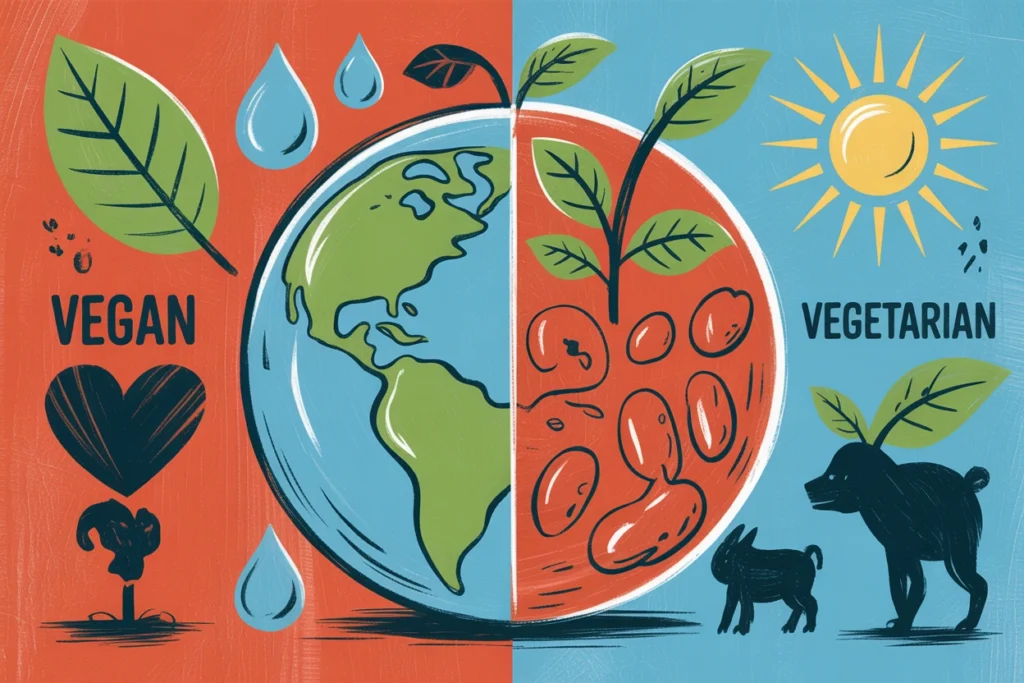
Food choices are never just about nutrients. For many people, the real reason they want to know what is the difference between vegan and vegetarian diets has more to do with ethics, sustainability, and social fit.
Animal welfare and ethics
From an ethical view:
- Vegetarian diets avoid direct killing of animals for meat, but they still support industries that use animals for milk and eggs.
- Vegan diets aim to minimize all forms of animal exploitation, including dairy, eggs, honey, gelatin, and animal testing in non food products.
People who feel strong emotional pain thinking about factory farm conditions, routine egg laying hen practices, or calf separation in dairy production often move beyond vegetarianism to veganism. For them, being vegan feels more aligned with there values, even if it takes more planning.
Environmental impact
Multiple reports, including data from the Intergovernmental Panel on Climate Change (IPCC) and other recent life cycle analyses, show that food from animals usually carries a larger carbon footprint, water footprint, and land use compared with plant foods.
- Beef and lamb ranked highest in greenhouse gas emissions per serving.
- Dairy and eggs fall lower but still above most legumes and grains.
- Plant based foods like beans, lentils, and peas tend to have the lowest environmental footprint.
So a vegan diet, especially one focused on whole foods, usually has the smallest environmental footprint. A vegetarian diet still helps compared with a heavy meat pattern, but dairy and eggs keep the environmental load somewhat higher then a fully vegan choice.
Cultural and social aspects
Being vegetarian is often easier socially in many parts of the United States, because restaurant menus and family gatherings tend to have cheese pizza, pasta with cheese, or egg dishes as default “no meat” options.
Vegans sometimes need to ask more questions about ingredients, such as whether butter, chicken broth, or cheese were used. That can feel tiring at times. On the other hand, vegan options have grown a lot in the past five years. Many major chains now carry plant based burgers, oat milk lattes, and dairy free desserts, so access keeps improving.
Practical considerations: which diet fits your life and goals
When clients or readers ask what is the difference between vegan and vegetarian diets in terms of real life impact, we often walk through four main areas: reasons, health status, lifestyle, and readiness for change.
1. Your main reason for changing your diet
If your biggest driver is health, both patterns can work, especially if you focus on whole, minimally processed foods. You can start with a vegetarian diet and later decide whether you want to go fully vegan as you learn more recipes and strategies.
If your main reason is animal welfare or environmental concern, a vegan diet lines up more clearly with those goals. Many people who start vegetarian for health later move toward vegan after reading more about dairy and egg production.
2. Your current health and labs
People with specific medical conditions should talk with a registered dietitian or healthcare provider before making big shifts. Examples:
- Those with a history of anemia may need a careful plan to get enough iron, whether vegetarian or vegan.
- People with chronic kidney disease sometimes need to limit certain minerals, so they need tailored advice.
- Individuals with eating disorder history might need more structure and support, since strong food rules can sometimes trigger old patterns.
In real practice, nutritionally aware vegetarians and vegans often have better fiber intake and lower saturated fat, but lab work can reveal gaps like low B12 or vitamin D. Regular checkups help catch these early.
3. Lifestyle, budget, and cooking comfort
For many American families, vegetarian diets can feel like a smoother step from a standard meat centered pattern. You can keep familiar foods like pizza, mac and cheese, yogurt parfaits, and egg dishes, simply skipping the meat. That might be more acceptable to kids or relatives.
Vegan diets ask for a bit more creativity in the kitchen, especially if you want to keep meals satisfying and not feel deprived. However, dry beans, lentils, rice, oats, and frozen vegetables are usually budget friendly. Once you get used to basic techniques like cooking lentils or baking tofu, vegan meals can be just as quick as other dinners.
Processed vegan items like plant based burgers and non dairy cheeses tend to cost more, but they are optional. Whole food versions usually cost less overall.
4. Gradual change vs overnight switch
Some people go vegan overnight after watching a documentary or reading a powerful story. Others do better with phases:
- Start with Meatless Mondays.
- Move toward lacto ovo vegetarian most days.
- Replace dairy milk with soy or oat milk.
- Try vegan dinners during the week and keep vegetarian breakfasts for a while.
A stepwise approach can feel more manageable and gives your taste buds, digestion, and social routines time to adjust. There is no single right way as long as the path feels sustainable and aligned with your reasons.
How plant forward diets compare to animal focused patterns
Some readers of DietLinic also like to explore how plant based patterns compare with animal centered diets, like carnivore or high meat keto. For a deeper contrast between plants and animal products, you might want to explore our guide on the animal based diet vs plant based diet, which walks through the health and practical trade offs from another angle.
Tips to make either vegan or vegetarian eating balanced and realistic
Whether you choose vegan or vegetarian, a few shared guidelines help keep things balanced.
Prioritize whole foods over ultra processed
Many people assume that simply removing meat makes the diet automatically healthy. That is not always true. Try to build meals around:
- Vegetables and fruits in many colors
- Whole grains like brown rice, quinoa, oats, and 100 percent whole wheat bread
- Beans, lentils, peas, tofu, and tempeh
- Nuts, seeds, and healthy plant oils in moderate amounts
Vegan cookies, chips, and sweetened drinks can still push blood sugar and calories up, just as regular ones do.
Plan for protein at each meal
Both vegetarians and vegans benefit from seeing protein as a anchor instead of a afterthought. Examples:
- Oatmeal plus soy milk and peanut butter
- Salad with chickpeas, pumpkin seeds, and a whole grain roll
- Stir fry with tofu and cashews over brown rice
This habit improves satiety and helps maintain muscle mass, especially if you are active.
Do not ignore supplements where they make sense
Most omnivores already need vitamin D supplements because of indoor lifestyles and limited sun exposure. So using a few well chosen supplements is not a sign that your diet is “weak”; it is just practical.
- Vegans: B12 is non negotiable in most cases. Many also benefit from checking vitamin D, iodine, and possibly omega 3 (algae) needs with a professional.
- Vegetarians: may also need B12 if there intake of dairy and eggs is low, plus vitamin D if blood levels are low.
So, what is the difference between vegan and vegetarian diets for you personally
When we look at nutrient details, health outcomes, ethics, and lifestyle, vegan and vegetarian diets share a lot of overlapping benefits. Both move the daily plate toward more plants, more fiber, and less processed meat, which current research keeps showing is helpful for heart health, blood sugar, and long term disease risk.
The main difference between vegan and vegetarian diets lies in how far you want to go in avoiding animal products, how comfortable you are with planning, and how strongly you feel about the ethical and environmental sides. Vegetarians stop at meat, poultry, and fish. Vegans extend that line to all animal derived foods and many animal based products in general.
If you are still unsure, you do not need to choose a perfect label right now. You can start by adding more plant based meals, paying attention to how your body feels, watching your lab results with your doctor, and slowly deciding which pattern matches your values and daily life best. As you learn new recipes and skills, the answer to what is the difference between vegan and vegetarian diets will feel less abstract and more like a personal, lived experience that supports your health, your plate, and your peace of mind.

Leave a Reply