
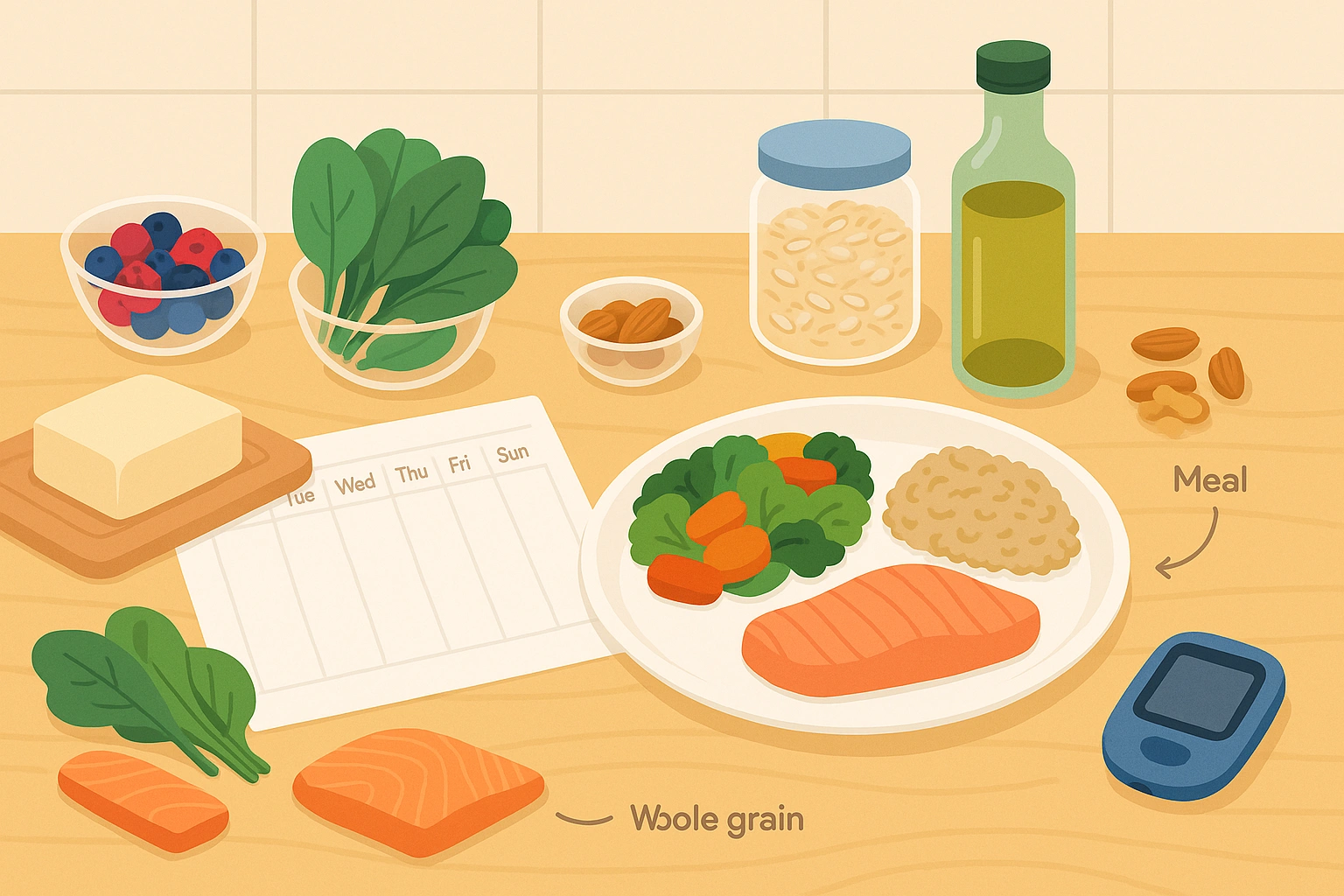

Managing diabetes can feel heavy some days, but food is one of the tools we actually can control. A thoughtful 7-day diet plan for diabetic patients gives structure, keeps blood sugar steadier, and removes a lot of daily guesswork. When we plan meals in advance, we are less likely to skip, snack random, or reach for fast food when we are tired.
Why a 7-Day Diet Plan For Diabetic Patients Really Matters
A structured 7-day diet plan for diabetic patients is more than just a menu. It is a routine that supports blood sugar balance, energy, weight control, and long term health.
According to the Centers for Disease Control and Prevention (CDC), about 38 million people in the United States have diabetes, and around 1 in 3 adults has prediabetes. Many of them struggle most with food choices, portion sizes, and timing. Based on what we see in everyday life, many Americans skip breakfast, eat big dinners, and snack all night. For diabetes, that pattern can cause wide blood sugar swings and more fatigue.
With a clear 7-day plan, we can:
- Spread carbohydrates evenly through the day
- Choose high fiber, low glycemic foods that digest slower
- Avoid long gaps without food, which can lead to low blood sugar and overeating later
- Support weight loss or weight stability, which helps insulin work better
What usually works best is not a strict “diet” that feels punishing, but a flexible pattern that fits our culture, taste, budget, and schedule.
Core Principles Behind Any Good 7-Day Diet Plan For Diabetic Patients
Before getting into the meal plan, we need to understand the basic rules that guide smart diabetes eating. When we know the “why” behind the plan, it is easier to adjust and still stay on track.
1. Focus on Low Glycemic Carbohydrates
Carbohydrates affect blood sugar most. High fiber, low glycemic carbs raise blood sugar slowly. Low fiber, refined carbs spike it fast.
Better carb choices include:
- Non starchy veggies: broccoli, spinach, peppers, zucchini, cauliflower, salad greens
- High fiber fruits: berries, apples with skin, pears, oranges, kiwi
- Whole grains: oats, quinoa, barley, brown rice, whole wheat bread or tortillas
- Legumes: beans, lentils, chickpeas
Carbs to limit or have in smaller amounts:
- White bread, white rice, regular pasta
- Sugary drinks, sweet tea, energy drinks
- Desserts, pastries, candy, sweet cereals
2. Pair Carbs With Protein and Healthy Fats
When we eat carbs alone, blood sugar tends to rise faster. Pairing carbs with lean protein and healthy fats slows digestion and keeps us full longer. This is one of the most helpful tricks in a 7-day diet plan for diabetic patients.
Smart proteins and fats:
- Lean meat: skinless chicken, turkey, lean beef cuts
- Fish and seafood: salmon, tuna, sardines, shrimp, cod
- Dairy: Greek yogurt (unsweetened), cottage cheese, part skim cheese
- Plant proteins: tofu, tempeh, peas, beans, lentils
- Healthy fats: olive oil, avocado, nuts, seeds, natural nut butters
3. Watch Portions, Not Just Ingredients
Even healthy foods can raise blood glucose if we eat large portions. Measuring at first can teach our eyes what a realistic serving looks like. Over time, it feels natural.
General portion ideas for many adults (your doctor or dietitian may ajust these):
- Carbohydrates: 1/2 cup cooked grains or starchy veggies, 1 small piece of fruit
- Protein: about the size of the palm of your hand (3 to 4 ounces cooked)
- Healthy fat: 1 teaspoon oil, 1/4 avocado, or a small handful of nuts
4. Eat Consistently Through the Day
Many diabetic patients feel better with 3 balanced meals and 1 to 2 planned snacks. Long gaps without eating can lead to dips in blood sugar, hunger, and then overeating foods that spike levels.
On a typical day, a helpful schedule might be:
- Breakfast: within 1 to 2 hours after waking
- Lunch: about 4 to 5 hours after breakfast
- Snack: halfway between lunch and dinner if needed
- Dinner: 3 to 4 hours before bedtime
5. Hydrate Smart
Drinks are a sneaky source of sugar. A single 12 ounce soda can have 35 to 40 grams of sugar, which is almost equal to an entire meal worth of carbs for some people.
Better drink choices:
- Water (plain or infused with lemon, cucumber, or berries)
- Unsweetened tea or coffee (watch the creamers and flavored syrups)
- Sparkling water without sugar
Daily Calorie and Carb Targets in a 7-Day Plan
Everyone has diffirent needs based on gender, age, size, activity, and medication. However, many adults with diabetes do well with 1,400 to 1,800 calories per day when trying to lose some weight, or 1,800 to 2,200 if more active or already at healthy weight. Carb targets often fall between 30 to 60 grams of carb per meal, depending on the person.
For this sample 7-day diet plan for diabetic patients, we will aim roughly for:
- Calories: about 1,600 to 1,800 per day
- Carbs: about 45 grams per meal, 15 grams per snack
This is not a medical prescription. It is a general pattern, to be ajusted with a healthcare provider or dietitian.
7-Day Diet Plan For Diabetic Patients: Complete Sample Menu
The following meal plan uses common American foods that you can find in regular grocery stores. We keep meals realistic, simple, and family-friendly. Portions are estimates and can be adjust based on your own carb and calorie goals.
Day 1: Gentle Start With High Fiber
Breakfast
Scrambled eggs with veggies
2 eggs scrambled with spinach and tomatoes in 1 teaspoon olive oil
1 slice whole wheat toast
1/2 small orange
Black coffee or unsweetened tea
Mid-morning snack
1 small apple
10 to 12 almonds
Lunch
Grilled chicken salad
3 to 4 ounces grilled chicken breast
Large mixed salad greens, cucumber, bell peppers, cherry tomatoes
2 tablespoons vinaigrette made with olive oil
1 small whole wheat roll
Afternoon snack
3/4 cup plain Greek yogurt (unsweetened)
1/4 cup fresh berries
Dinner
Baked salmon with quinoa and broccoli
4 ounces baked salmon
1/2 cup cooked quinoa
1 cup steamed broccoli
Lemon wedge, herbs, and a teaspoon olive oil on veggies
Day 2: Balanced Carbs Through the Day
Breakfast
Oatmeal bowl
1/2 cup dry rolled oats cooked with water or unsweetened almond milk
Top with 1 tablespoon chopped walnuts and 1/4 sliced banana
Sprinkle of cinnamon
Snack
1 small pear
Lunch
Turkey and veggie wrap
1 whole wheat tortilla
3 ounces sliced turkey breast (low sodium)
Lettuce, tomato, cucumber, avocado slices
Mustard or light hummus spread
Side: 1 cup carrot sticks
Snack
1 string cheese or 1 ounce part skim mozzarella
5 to 6 whole grain crackers
Dinner
Stir fry with brown rice
3 to 4 ounces lean beef or tofu strips
Mixed veggies: bell peppers, snap peas, onions, broccoli
1 teaspoon sesame or canola oil, low sodium soy sauce
1/2 cup cooked brown rice
Day 3: Heart Friendly Focus
Breakfast
Veggie omelet
2 egg omelet with mushrooms, onions, and spinach
1 slice whole grain toast with thin spread of peanut butter
1/2 cup berries
Snack
1 small orange or clementine
A few pistachios
Lunch
Lentil soup and side salad
1 to 1.5 cups homemade or low sodium lentil soup
Side salad with leafy greens and vinaigrette
1 small slice whole grain bread
Snack
Celery sticks with 2 tablespoons hummus
Dinner
Baked chicken with sweet potato
4 ounces baked skinless chicken breast, seasoned with herbs
1/2 medium baked sweet potato (no marshmallows or sugar topping)
1 cup green beans tossed in 1 teaspoon olive oil and garlic
Day 4: Controlled Comfort Foods
Breakfast
High protein yogurt bowl
3/4 to 1 cup plain Greek yogurt
1/4 cup sliced strawberries
1 tablespoon chia seeds
1 tablespoon chopped pecans
Snack
1 small apple with 1 tablespoon natural almond or peanut butter
Lunch
Tuna salad plate
3 ounces tuna mixed with 1 tablespoon light mayo and diced celery
Served on top of mixed greens with sliced tomatoes and cucumbers
1 small whole wheat pita
Snack
1 hard boiled egg
Dinner
Turkey chili
1 to 1.5 cups turkey and bean chili (made with tomatoes, onions, peppers, kidney beans, spices)
Small side of mixed greens or steamed veggies
Day 5: More Plant Based Options
Breakfast
Smoothie (lower sugar style)
1/2 frozen banana
1/2 cup frozen berries
1 scoop unsweetened protein powder or 3/4 cup Greek yogurt
Unsweetened almond milk to blend
Handful spinach
Snack
1 small pear or kiwi
Lunch
Quinoa and black bean bowl
1/2 cup cooked quinoa
1/3 cup black beans (rinsed)
Salsa, chopped tomatoes, lettuce, cilantro
1/4 avocado slices
Squeeze of lime
Snack
Baby carrots with 2 tablespoons guacamole
Dinner
Baked cod with roasted veggies
4 ounces baked cod (or other white fish) with lemon and herbs
1/2 cup roasted potatoes (skin on)
1 cup roasted Brussels sprouts and carrots in 1 teaspoon olive oil
Day 6: Simple Weekday Style
Breakfast
Whole grain toast plate
2 slices whole grain toast
1 scrambled egg plus 2 egg whites
Sliced tomato on the side
1/2 grapefruit (if not interacting with medications)
Snack
Handful of mixed nuts (about 1 ounce)
Lunch
Chicken and veggie bowl
3 to 4 ounces grilled chicken
1/2 cup brown rice or barley
Steamed or roasted mixed vegetables (broccoli, zucchini, carrots)
Light drizzle of olive oil and herbs
Snack
Cottage cheese (1/2 cup) with a few cucumber slices
Dinner
Whole wheat pasta night
1 cup cooked whole wheat pasta
3 to 4 ounces lean ground turkey or plant based crumbles in tomato sauce (no added sugar)
Side salad with leafy greens and balsamic vinaigrette
Grated Parmesan in small amount if desired
Day 7: Flexible Weekend Style
Breakfast
Whole grain pancakes
2 small whole wheat or oat based pancakes
Topped with a light spread of nut butter and a few berry slices instead of syrup
1 turkey sausage link or small side of scrambled egg
Snack
Fresh veggie sticks (bell peppers, cucumbers) and 2 tablespoons hummus
Lunch
Grilled fish tacos
2 small corn tortillas
3 to 4 ounces grilled fish
Cabbage slaw with lime and cilantro
Salsa, 1 to 2 slices avocado
Side: small serving of black beans
Snack
1 small apple or handful of berries
Dinner
Roasted chicken and veggie tray bake
4 ounces roasted chicken thigh or breast (skinless if possible)
Roasted non starchy veggies (cauliflower, carrots, Brussels sprouts) with olive oil and herbs
1/2 cup wild rice or quinoa
Sample Daily Schedule And Blood Sugar Friendly Habits
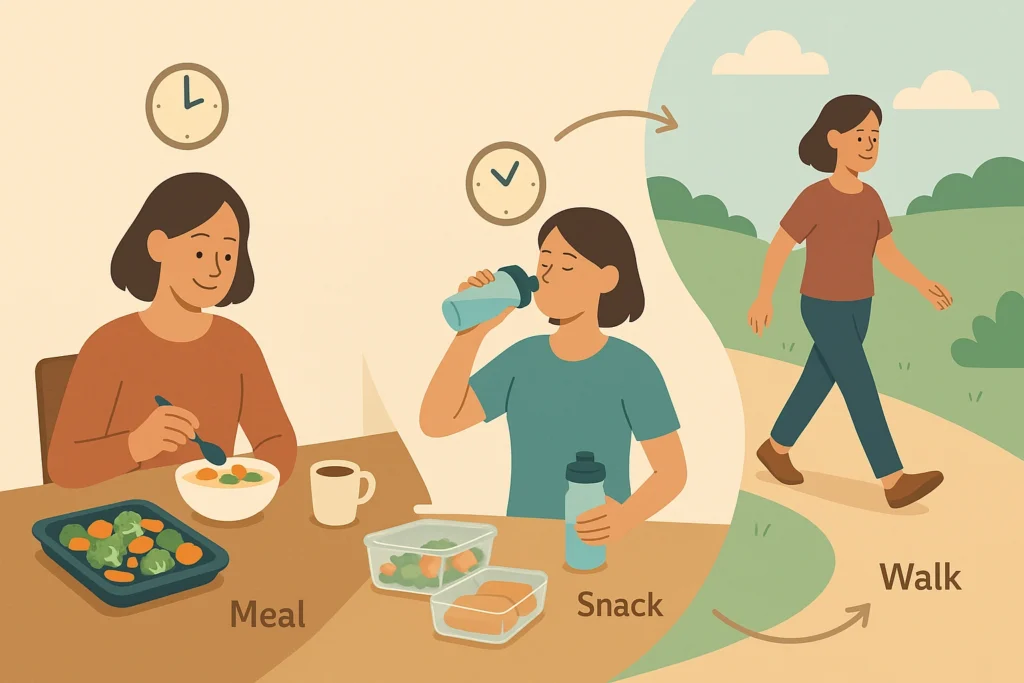
A 7-day diet plan for diabetic patients works best when paired with steady habits. Food timing, movement, and sleep all affect how our body handles glucose.
Here is an example daily routine built around the meal plan:
- 7:00 am Wake up, drink water, short stretch
- 7:30 am Breakfast
- 10:00 am Snack if needed, short walk if possible
- 12:30 pm Lunch
- 3:30 pm Snack and light activity (walk, light chores)
- 6:30 pm Dinner
- 8:30 pm Gentle walk or stretching, start winding down
- 10:30 pm Aim for bed, since poor sleep often raise insulin resistance
Based on current research, even 10 minute walks after meals can lower post meal blood sugar. For someone living with diabetes, that is a small realistic habit with big pay off over time.
Adjusting The 7-Day Plan For Different Needs
No single meal plan fits every diabetic patient. Some people use insulin, others use oral medication, some manage just with diet and exercise. Some need more carbs for active jobs or workouts; others need fewer.
For People Using Insulin
Those who count carbs with insulin doses may need:
- More precise carb counts at each meal
- To adjust meal timing to match insulin action
- Emergency snacks for possible lows (glucose tabs, juice)
In this case, it helps to use a carb counting app or consult with a Certified Diabetes Care and Education Specialist to tweak the 7-day plan.
For People With High Blood Pressure Or Heart Disease
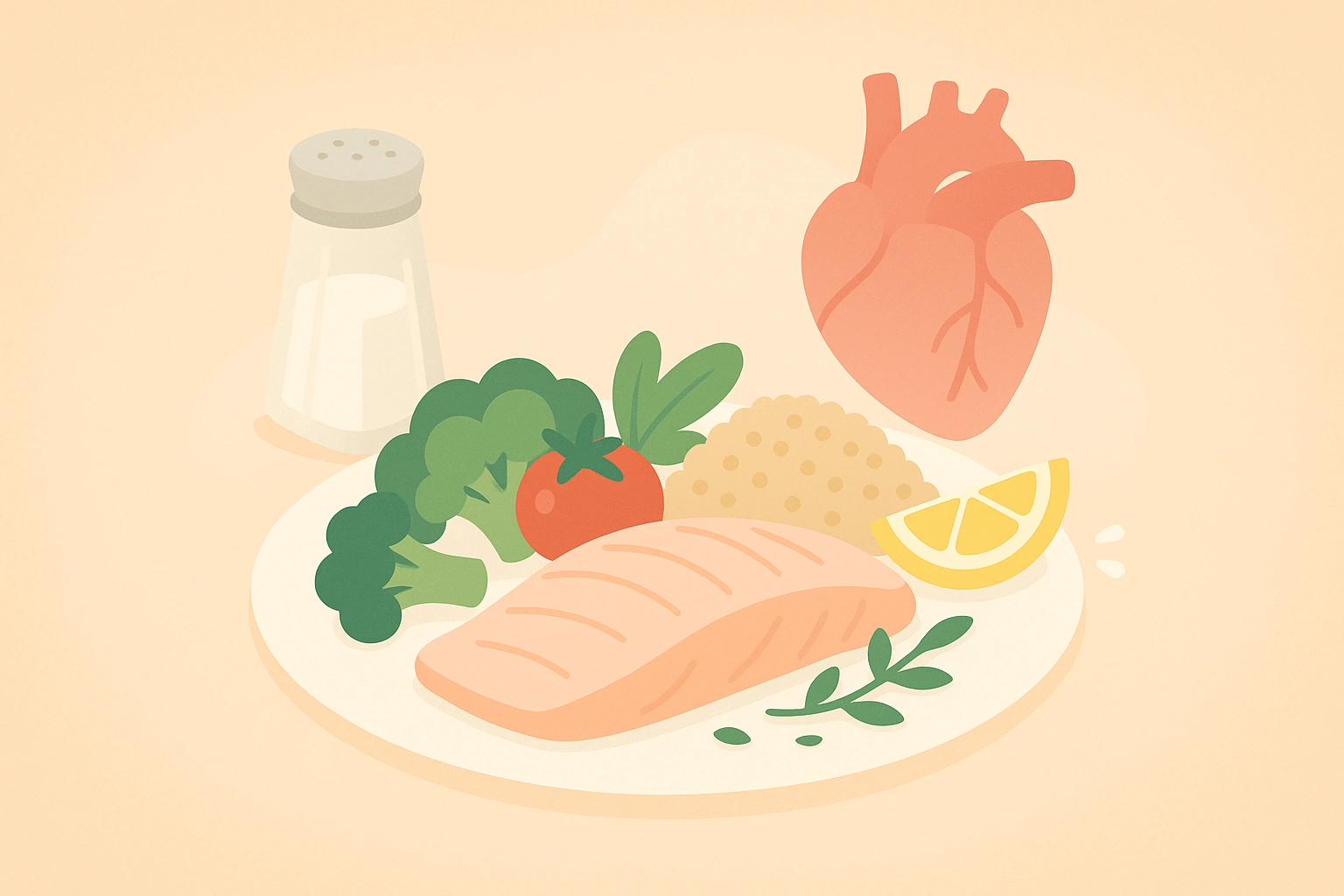
Many diabetic patients also live with high blood pressure or cholesterol. To support heart health, try to:
- Use less salt and choose low sodium canned foods
- Choose more fish, especially fatty fish like salmon or sardines, 2 times per week
- Use olive oil instead of butter most of the time
- Add more high fiber foods, which can lower LDL cholesterol
You may also enjoy learning about eating patterns like the Mediterranean style, which has a strong record for heart and blood sugar support. We discuss the key foods that fit this style in more detail on DietLinic here: https://dietlinic.com/what-foods-are-in-the-mediterranean-diet/.
For People Following More Animal or Plant Focused Diets
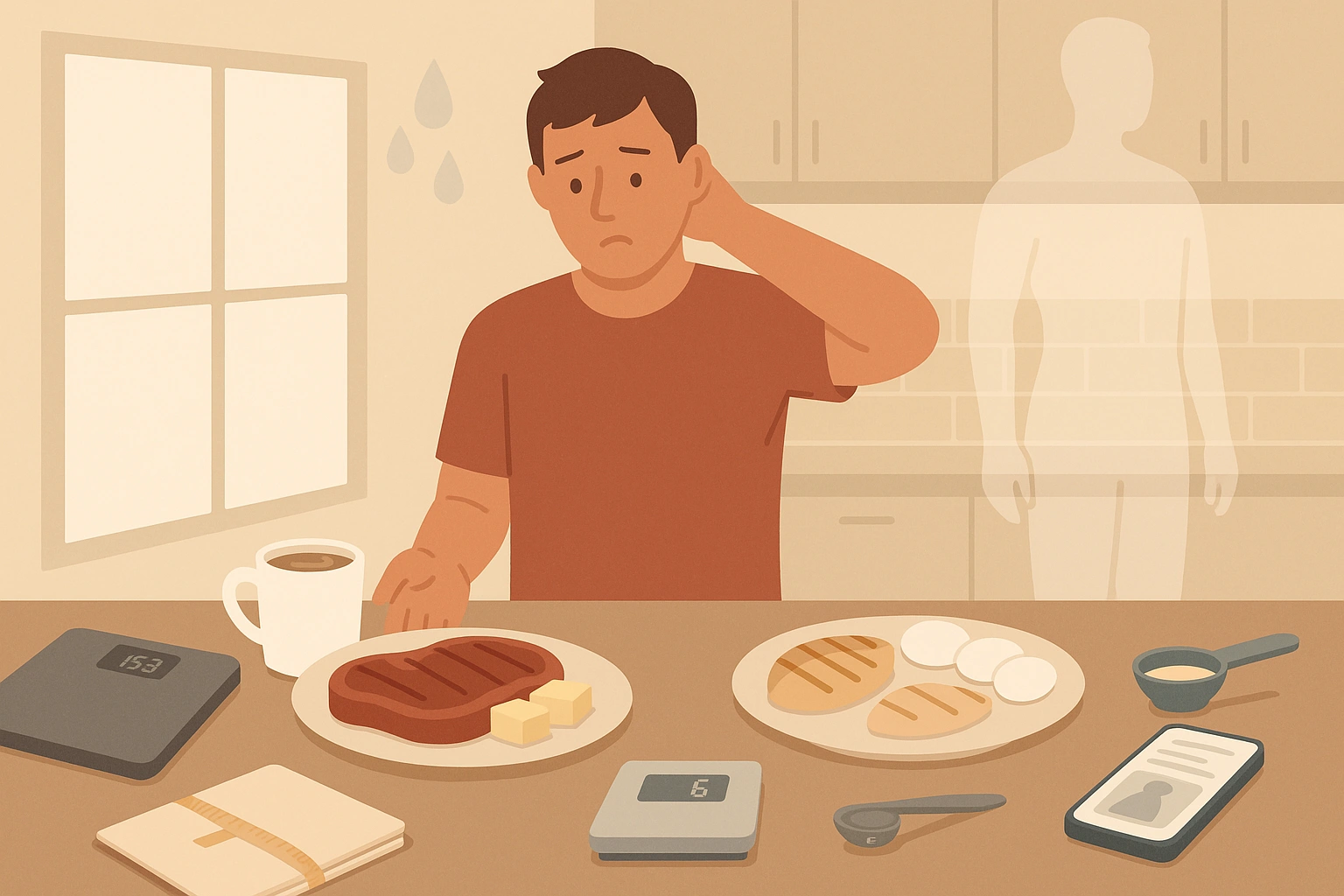
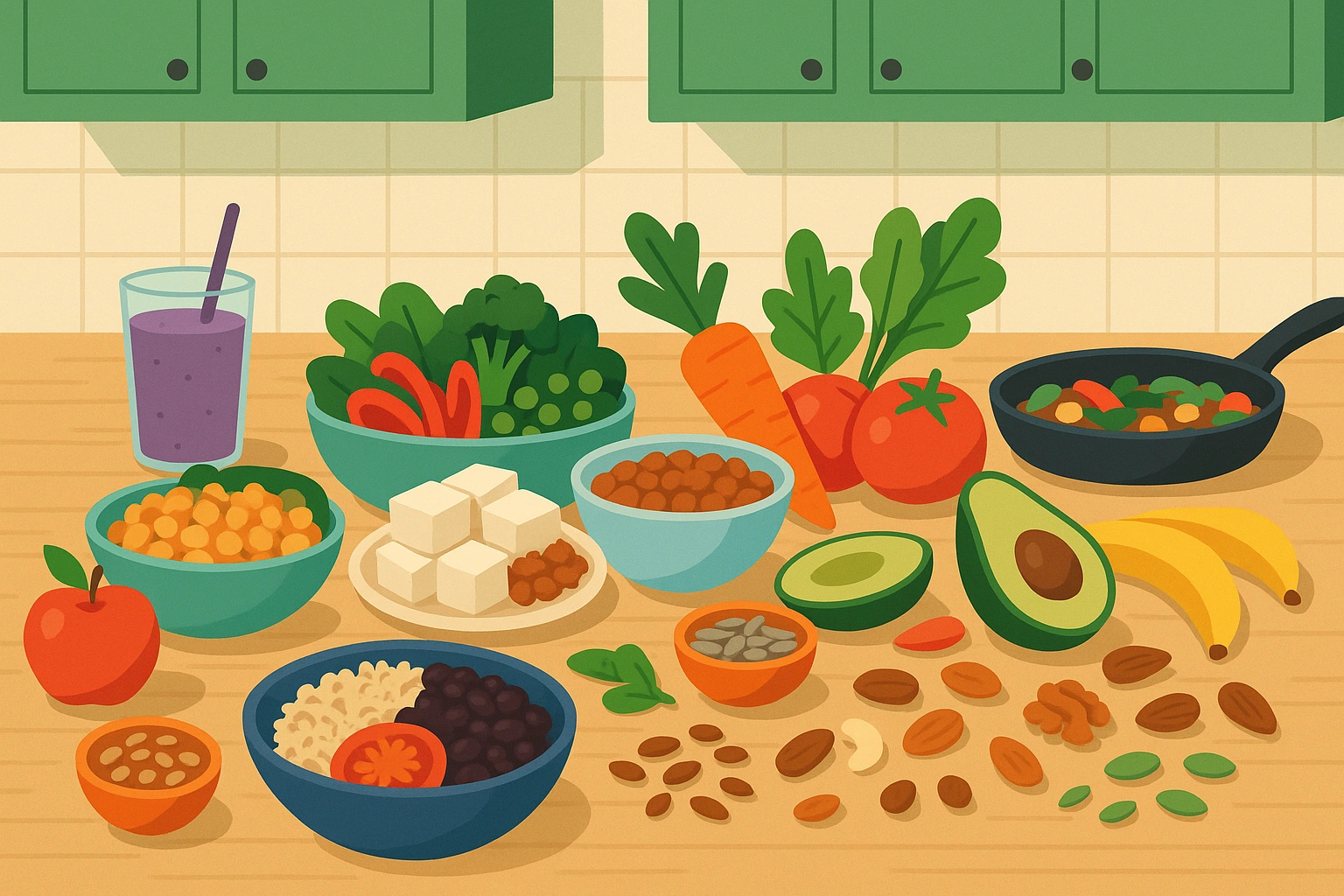
Some diabetic patients prefer more animal based foods, others lean more plant based. Both patterns can be worked in a safe way when we balance carbs and keep an eye on fats and fiber.
If you are curious about how different diet patterns compare, including animal based versus plant based or keto style, you may find our in depth guides helpful:
- https://dietlinic.com/animal-based-diet/
- https://dietlinic.com/animal-based-diet-vs-plant-based-diet/
Whatever pattern you pick, the same diabetes basics still apply: watch carbs, favor high fiber foods, choose healthy fats, and limit added sugars.
Practical Tips To Make The 7-Day Diet Plan Work In Real Life
Many meal plans look neat on paper but fall apart when life gets busy. Real people have late meetings, kids sports, travel, and days when we just do not feel like cooking. Here are practical ways to keep your 7-day diet plan for diabetic patients realistic and sustainable.
Plan And Prep Ahead
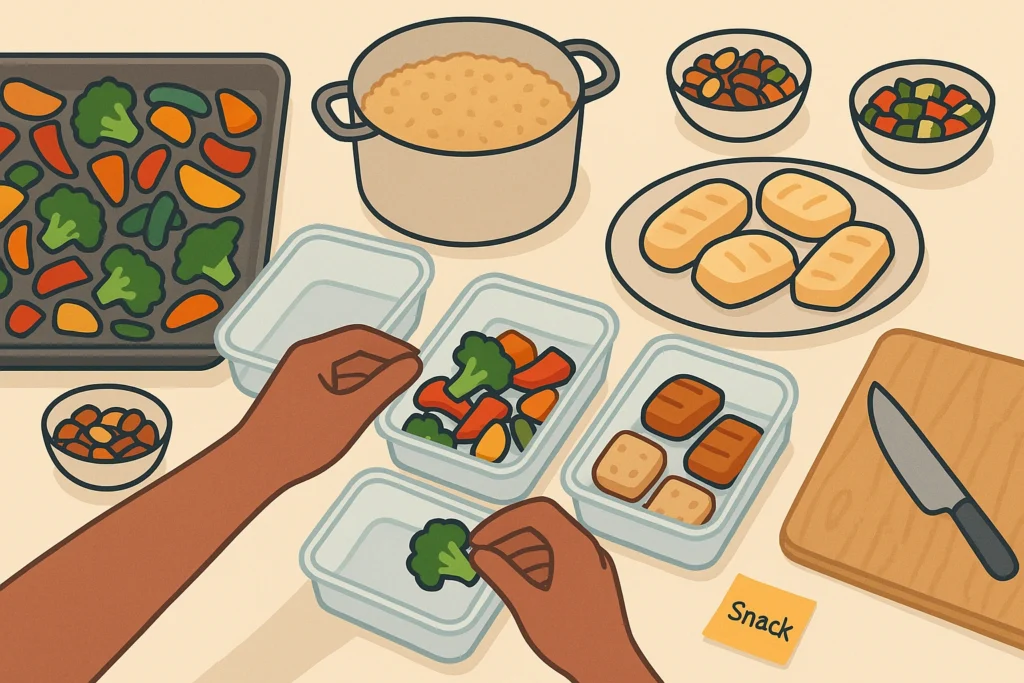
Setting aside 1 to 2 hours once or twice per week to prep can save huge stress later. For example:
- Cook a batch of brown rice, quinoa, or barley and store in the fridge
- Roast a large tray of mixed veggies
- Grill or bake several chicken breasts or tofu portions for quick meals
- Pre chop salad veggies and store in containers
- Portion nuts, hummus, and cut fruits for grab and go snacks
Use The Plate Method When Eating Out
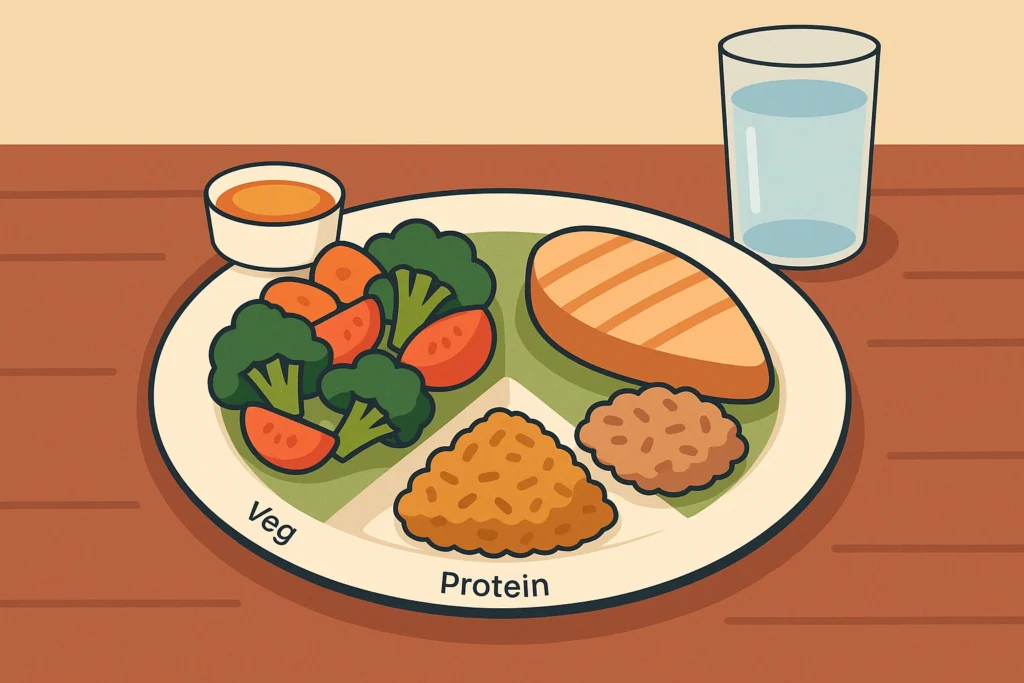
Restaurant meals can be tricky since portions are large and sauces can hide sugar and fat. A simple way to stay on track is the “diabetes plate method”:
- Fill half your plate with non starchy vegetables
- Fill one quarter with lean protein
- Fill one quarter with a starch (potato, rice, pasta, bread, etc.)
Ask for dressings and sauces on the side and choose water or unsweet drinks. You can also box half your meal before starting, to avoid eating more carbs than planned.
Learn How Your Body Responds
Two people can eat the same meal and have different blood sugar responses. Continuous glucose monitors (CGMs) or regular finger sticks give very personal feedback. You might notice, for example, that oatmeal works better for you than toast, or that you need more protein at breakfast to avoid mid morning spikes.
Keeping a simple log for a week or two, with meals, blood sugar readings, and how you feel, can reveal patterns. This kind of self awareness builds a lot of confidence.
Be Kind To Yourself When Days Are Not Perfect
Living with diabetes can feel like a long haul. Some days are full of great choices, other days feel messy. One high carb meal or off day does not undo all progress. Instead of guilt, we can use those moments as feedback.
Ask yourself gently: What made it hard today? Long work hours, no groceries, low mood? Then ajust one small thing for tomorrow. Maybe it is packing a snack, placing a grocery order online, or cooking a double batch of healthy chili so dinner is easier.
When To Seek Professional Guidance
A general 7-day diet plan for diabetic patients is a solid starting point, but not a replacement for personal medical care. You should talk with a healthcare provider or registered dietitian if you:
- Use insulin or multiple diabetes medications
- Have kidney disease, heart disease, or digestive conditions
- Experience frequent low blood sugars
- Are pregnant, breastfeeding, or planning pregnancy
- Have lost weight suddenly or have very poor appetite
They can ajust carb targets, protein needs, and total calories, and also review your medications in detail. Diabetes care works best as a team effort.
Final Thoughts: Building Your Own 7-Day Diet Plan For Diabetic Patients
The most helpful 7-day diet plan for diabetic patients is the one that you can actually follow for more than a week. It should fit your taste buds, culture, budget, and family life, while still keeping carbs steady and blood sugar in a healthy range.
We walked through core principles, a full sample 7-day menu, and real world tips that help busy people stick with it. Use this plan as a starting map, not a strict rulebook. Swap foods you dislike for similar carb and protein choices, adjust portions with your care team, and listen to how your own body reacts.
Diabetes does not mean giving up good food. With planning, awareness, and a bit of practice, meals can stay satisfying, social, and supportive of your health at the same time. Over time, the 7-day diet plan for diabetic patients simply becomes “your way of eating,” one day at a time.
Leave a Reply